Tag: obesity

Excess Body Fat Associated with Dementia Risk

Photo by Siora Photography on Unsplash

Researchers at the University of South Australia are warning that high levels of body fat can add to the risk of dementia and stroke.

Having examined grey brain matter from about 28 000 people, the reseachers’ study demonstrated that increased body fat incrementally leads to increased atrophy of grey matter in the brain, resulting in greater risk of declining brain health. Obesity is a major and growing issue worldwide; World Health Organization data shows that more than 1.9 billion adults are overweight, with 650 million being obese. 

The lead researcher, Dr Anwar Mulugeta of UniSA, said the findings add to the growing number of issues known to be associated with being overweight or obese.

“Obesity is a genetically complex condition characterised by the excessive body fat,” Dr Mulugeta said. “Commonly linked to cardiovascular disease, type 2 diabetes, and chronic inflammation (a marker of dementia), obesity currently costs Australia’s economy about $8.6 billion dollars each year.

“While the disease burden of obesity has increased over the past five decades, the complex nature of the disease means that not all obese individuals are metabolically unhealthy, which makes it difficult to pinpoint who is at risk of associated diseases, and who is not.

“Certainly, being overweight generally increases your risk for cardiovascular disease, type 2 diabetes, and low-grade inflammation, but understanding the level of risk is important to better direct supports.

“In this study, we investigated the causal relationships of individuals within three metabolically different obesity types* ­– unfavourable, neutral and favourable – to establish whether specific weight groups were more at risk than others.”

These three obesity subtypes are:

  • ‘unfavourable’ – people who tend to have fat around their lower torso and abdominal area. These people have a higher risk of type 2 diabetes and heart diseases.
  • ‘favourable’ – people who have have wider hips but a lower risk of type 2 diabetes and heart diseases.
  • ‘neutral’ – people who have relatively low or very low risk of the cardiometabolic diseases.

Dr Mulugeta continued, “Generally, the three obesity subtypes have a characteristic of higher body mass index, yet, each type varies in terms of body fat and visceral fat distribution, with a different risk of cardiometabolic diseases.

“We found that people with higher levels of obesity especially those with metabolically unfavourable and neutral adiposity subtypes had much lower levels of grey brain matter, indicating that these people may have compromised brain function which needed further investigation.

“However, we did not find conclusive evidence to link a specific obesity subtype with dementia or stroke. Instead, our study suggests the possible role of inflammation and metabolic abnormalities and how they can contribute to obesity and grey matter volume reduction.”

The study analysed the genetic data of up to 336 000 individual records in the UK Biobank, along with self-reported information and linked hospital and death register records to connect dementia and stroke.

It found that, in middle to elderly age groups (37-73), grey brain matter decreased by 0.3 percent for every extra 1 kg/m2, which is equivalent of an extra 3 kg of weight for persons of average height (173 cm).

Senior investigator Professor Elina Hyppönen, Director of UniSA’s Australian Centre for Precision Health based at SAHMRI, said keeping to a healthy weight is important for general public health.

“It is increasingly appreciated that obesity is a complex condition, and that especially excess fat which is located around the internal organs have particularly harmful effects on health,” Prof Hyppönen said.

“Here, we used the individuals’ genetic and metabolic profiles to confirm different types of obesity. In practice, our findings very much support the need to look at the type of obesity when assessing the type of likely health impact.

“Even in a relatively normal weight individual, excess weight around the abdominal area may be a cause of concern.”

Source: University of South Australia

Male and High BMI not Linked to COVID ICU Mortality

Photo by Mufid Majnun on Unsplash

A new meta-analysis shows that, contrary to some previous research, being male and increasing body mass index (BMI) are not associated with increased mortality in COVID patients in intensive care units (ICU).

However, the study by Dr Bruce Biccard (Groote Schuur Hospital and University of Cape Town) and colleagues found that there were a wide range of factors linked to death from COVID in ICU. An August 2020 study of ICU COVID patients in Europe showed an association for age but not male sex.

The meta-analysis, which includes 58 studies and 44 305 patients published in the journal Anaesthesia, showed that, compared to patients without these risk factors, ICU COVID patients had a 40% greater mortality risk with smoking history, 54% higher with hypertension, 41% higher with diabetes, 75% higher with respiratory disease, around twice as high with cardiovascular disease or cancer, and 2.4 times higher with kidney disease. Other factors associated with an increased risk of death were the severity of organ failure, needing mechanical ventilation (a factor of 2.5 over non-ICU), as well as increased white blood cell counts and other inflammation markers.

The authors believe that age may effectively represent frailty in COVID patients which impacts on a person’s physiological reserve to overcome a critical illness. Hypertension, smoking and respiratory disease may be linked by their association with angiotensin-converting enzyme (ACE) receptors in the body, since there is increased expression of ACE-2 receptors amongst smokers and patients with chronic obstructive pulmonary disease. The link between hypertension and cardiovascular disease and increased mortality may be associated with the risk of cardiac injury which occurs with the systemic inflammatory response to COVID infection.

The authors said: “The findings confirm the association between diabetes, cardiovascular and respiratory comorbidities with mortality in COVID patients. However, the reported associations between male sex and increasing BMI worsening outcomes are not supported by this meta-analysis of patients admitted to ICU. This meta-analysis provides a large sample size with respect to these risk factors and is a robust estimate of risk associated with male sex and BMI.”

Source: EurekAlert!

Journal information: Anaesthesiadoi.org/10.1111/anae.15532

Do Heart Hormones Drive Nighttime Hypertension?

Photo by Marcelo Leal on Unsplash

In a new series of studies, University of Alabama at Birmingham researchers have described the reasons behind low levels of natriuretic peptides (NPs) in obese individuals. 

First reported six decades ago, NPs are beneficial hormones produced by the heart, and are responsible for blood pressure regulation and the overall cardiovascular and metabolic health of humans. This study also addresses how the disturbance of an individual’s diurnal rhythm of these hormones contributes to poor cardiovascular health in obese individuals.

High blood pressure at nighttime is seen commonly in obese individuals, who already have higher risk of hypertension and poor cardiovascular outcomes. This can contribute to outcomes such as stroke, heart failure, heart attack and cardiac death. But why this impairment of this day-night blood pressure rhythm is not well understood — however, scientists believe that part of the reason lies with NPs.

“All the hormones in the human body have a day-night rhythm,” noted Vibhu Parcha, MD, a clinical research fellow in the Division of Cardiovascular Disease and the first author of both the studies. “It has been hypothesised the NP hormones should also have this rhythm, but this had not yet been demonstrated in humans. Our clinical trial assessed the 24-hour cycle of the NP hormones and compared it to the 24-hour cycle of blood pressure. We also studied how these cycles differ between lean and obese individuals and studied the reasoning behind why obese individuals experience lower levels of NPs.”

Following a rigorous clinical trial of healthy individuals, researchers found that NP hormones have a diurnal rhythm with higher levels in the afternoon and lower levels at nighttime — similar to the 24-hour cycle of blood pressure. In obese individuals however, researchers observed that the relationship between NPs and blood pressure does not function the same way. This leads to higher nighttime blood pressure and increased risk of cardiovascular disease. The low production of NPs combined with a relatively higher elimination of NPs from an obese individual’s system leads to low levels of these beneficial hormones in circulation, which may explain the NP deficiency.

“This is the first time we have seen that NPs, like other hormones, have a 24-hour rhythm,” said senior author Pankaj Arora, MD, a physician-scientist in UAB’s Division of Cardiovascular Disease. “These studies give us a better understanding of NPs and of the reasoning behind the NP deficiency in obese individuals. We now have an FDA-approved medication (LCZ696) that improves circulating NP levels. This medication is considered a first-line treatment for heart failure and may be used to increase NP levels.”

This medication could specifically target NPs and blood pressure if given at the right time of day and could control hypertension with precision, Dr Arora added. These findings point to using a physiologically-driven precision ‘chronopharmacotherapy’ approach to improve the diurnal blood pressure profile in obese individuals.

Source: University of Alabama at Birmingham

Journal information: Vibhu Parcha et al, Chronobiology of Natriuretic Peptides and Blood Pressure in Lean and Obese Individuals, Journal of the American College of Cardiology (2021). DOI: 10.1016/j.jacc.2021.03.291

A New Bacterium Might Help Treat Type 2 Diabetes and Obesity

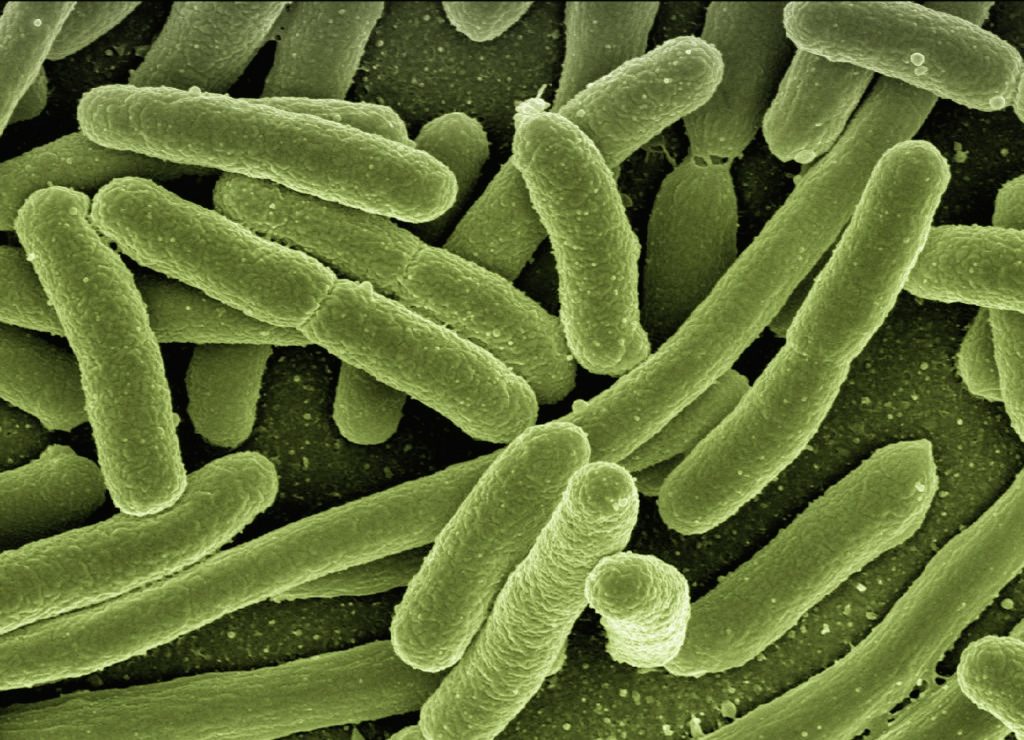
E. Coli bacteria. Image by CDC

A newly discovered bacterium has been shown to have a possible link to type 2 diabetes and obesity, and may yield pathways to possible treatments.

It began when Patrice Cani, FNRS researcher at University of Louvain (UCLouvain), and his team repeatedly observed that a certain bacterium, Subdoligranulum, is usually lacking in obese and diabetic people, while it is systematically present in healthy people. Based on this, they decided to examine this family of bacteria.

Currently only one cultivated strain of this family is available in the world (the only known member of a large family) and was not the strain that was seen to be decreased in obese and diabetic people. This is not unusual: nearly 70% of bacteria in the intestine have not yet been identified — this is called the dark matter of the intestine.

In 2015, the team then set out to isolate the bacterium themselves in order to learn about its action on the human body, knowing that it is only present in healthy people. To find a second member of the family, the scientists spent two years searching, isolating and cultivating nearly 600 intestinal bacteria. 

All of this was in vain. Instead, the UCLouvain team uncovered a bacterium of a new, previously unknown kind. They named it Dysosmobacter welbionis: Dysosmo (“which smells bad”, in Greek), bacter (bacterium) is the bacterium which stinks, “Because, when you grow it, it has a slight odour,” they explained. Welbionis for WELBIO, the organisation in the Walloon region which funded this research.

The bacterium is peculiar for a number of reasons, including the fact that it produces butyrate. Though many other bacteria produce this colon cancer-promoting molecule, for example by strengthening the intestinal barrier and boost immunity. But the team also discovered that Dysosmobacter welbionis was less present in people with type 2 diabetes.

By analysing the microbiota from 12 000 faecal samples gathered from around the world, the UCLouvain scientists observed that the bacteria is present in 70% of the population. As to why such a widely prevalent bacteria was never discovered before, the answer likely lies in the improved cultivation techniques developed by the UCLouvain team.

The UCLouvain team including doctoral student Emilie Moens de Hase and post-doctoral fellow Tiphaine Le Roy then tested the action of Dysosmobacter welbionis in mice. The Results? The bacteria increased the number of mitochondria (a kind of power plants within cells that burns fat), thereby lowering sugar levels and weight, in addition to having strong anti-inflammatory effects. All these effects are very promising for type 2 diabetic and obese subjects and resemble those of Akkermansia, a beneficial bacterium that is at the heart of the research in Patrice Cani’s lab.

They also observed that the bacteria’s effects are not limited to the gut: Scientists have found that certain molecules produced by Dysosmobacter migrate around the body and have distant actions as well. This could explain the effects the bacteria have on the fat tissues, and also opens the doors for a possible impact on other diseases such as cancer. This is currently being investigated by the team.

The next step is to test the action of Dysosmobacter welbionis coupled with that of Akkermansia, in order to see if their association has cumulative effect on health, while always keeping in mind the fight against type 2 diabetes, inflammatory diseases, obesity and cancer. “That’s the fun of research: you dig for dinosaur bones and you end up finding a treasure,” Patrice Cani enthused.

Source: Université catholique de Louvain

Journal reference: Roy, T. L., et al. (2021) Dysosmobacter welbionis is a newly isolated human commensal bacterium preventing diet-induced obesity and metabolic disorders in mice. Gut. doi.org/10.1136/GUTJNL-2020-323778.

‘Game-changing’ Weight Loss Drug Semaglutide Approved by FDA

Image source: Neonbrand on Unsplash

The US Food and Drug Administration approved a ‘game changing’ weight loss drug called Wegovy (semaglutide) for chronic weight management in adults with obesity or overweight.

This injection is the first drug for chronic weight management in adults with general obesity or overweight to be approved since 2014. The drug is indicated for chronic weight management in patients with a body mass index (BMI) of 27 kg/m2 or greater who have at least one weight-related ailment or in patients with a BMI of 30 kg/m2 or greater, and is to be used in conjunction with diet and exercise.

“Today’s approval offers adults with obesity or overweight a beneficial new treatment option to incorporate into a weight management program,” said John Sharretts, MD, deputy director of the Division of Diabetes, Lipid Disorders, and Obesity in the FDA’s Center for Drug Evaluation and Research. “FDA remains committed to facilitating the development and approval of additional safe and effective therapies for adults with obesity or overweight.”

Approximately 70% of American adults have obesity or overweight, and >67% of sub-Saharan Africans. This is a serious health issue linked to leading causes of death such as heart disease, stroke and diabetes, and also to increased risk of certain types of cancer. Losing 5% to 10% of body weight through diet and exercise has been associated with a reduced risk of cardiovascular disease in adult patients with obesity or overweight.

Wegovy works by mimicking a hormone called glucagon-like peptide-1 (GLP-1) that targets areas of the brain regulating appetite and food intake. The medication dose must be increased gradually over 16 to 20 weeks to 2.4 mg once per week to reduce gastrointestinal side effects.

The drug’s safety and efficacy were studied in four 68-week trials. Over 2600 patients received Wegovy for up to 68 weeks in these four studies and more than 1500 patients received placebo.

The largest placebo-controlled trial enrolled diabetes free adults with an average age of 46 years, and 74% of whom were female. The average body weight was 105 kg and average BMI was 38 kg/m2. Individuals receiving Wegovy lost an average of 12.4% of their initial body weight compared to individuals who received placebo. Another trial enrolled adults with type 2 diabetes. The average age was 55 years and 51% were female, with an average body weight of 100 kg and average BMI of 36 kg/m2. In this trial, individuals receiving Wegovy lost 6.2% of their initial body weight compared to the placebo group.

“The approval of Wegovy in the US brings great promise to people with obesity. Despite the best efforts to lose weight, many people with obesity struggle to achieve and maintain weight loss due to physiological responses that favour weight regain,” said Martin Holst Lange, executive vice president, Development at Novo Nordisk. “The unprecedented weight loss for an anti-obesity medication marks a new era in the treatment of obesity, and we now look forward to making Wegovy available to people living with obesity in the US”.

Unfortunately, the drug may be out of the reach of many people in need of it, with indications being that the medication may be charged at around US$1,300 a month.

Source: Food and Drug Administration

Milk Consumption Does Not Raise Cholesterol Levels

Photo by ROBIN WORRALL on Unsplash

Regular consumption of milk is not associated with increased levels of cholesterol, according to new research.

A study published in the International Journal of Obesity analysed three large population studies and found that people who regularly drank high amounts of milk had lower levels of both ‘good’ and ‘bad’ cholesterol, although their BMI levels were higher than non-milk drinkers. Analysis of other large studies also suggests that regular milk drinkers had a 14% lower risk of coronary heart disease.

The team of researchers took a genetic approach to milk consumption by looking at a variation in the lactase gene associated with digestion of lactose. The study found that this gene variation for digesting lactose was a good identifier for people who consumed higher levels of milk.

“We found that among participants with a genetic variation that we associated with higher milk intake, they had higher BMI, body fat, but importantly had lower levels of good and bad cholesterol,” said Vimal Karani, Professor of Nutrigenetics and Nutrigenomics at the University of Reading said. “We also found that those with the genetic variation had a significantly lower risk of coronary heart disease. All of this suggests that reducing the intake of milk might not be necessary for preventing cardiovascular diseases.”

Contradictory research on the effect of high dairy intake and obesity and metabolic disorders was the motivation for the study. To exclude the effects of differences in sampling size, ethnicity and other factors, the team conducted a meta-analysis of data in up to 1.9 million people, including the UK Biobank and used the genetic approach to avoid confounding.

Even though the UK Biobank data showed that those with the lactase gene had an 11% reduced risk of type 2 diabetes, the study did not find a link between higher milk intake and increased likelihood of diabetes or related traits, such as glucose and inflammatory biomarkers.

“The study certainly shows that milk consumption is not a significant issue for cardiovascular disease risk even though there was a small rise in BMI and body fat among milk drinkers. What we do note in the study is that it remains unclear whether it is the fat content in dairy products that is contributing to the lower cholesterol levels or it is due to an unknown ‘milk factor’,” said Professor Karani.

Source: EurekaAlert

Journal information: Karani Santhanakrishnan Vimaleswaran et al, Evidence for a causal association between milk intake and cardiometabolic disease outcomes using a two-sample Mendelian Randomization analysis in up to 1,904,220 individuals, International Journal of Obesity (2021). DOI: 10.1038/s41366-021-00841-2

Rise in Obesity Impeding Cancer Fight

Though cancer death rates have fallen dramatically in the United States, those from obesity-related cancers are falling much more slowly.

In a study published this week in JAMA Network Open, researchers found that obesity-related cancer deaths are improving, but at a slowing pace.

Researchers at the University of North Carolina Gillings School of Global Public Health drew on mortality data for 50 million people, cancer deaths not associated with obesity — such as lung or skin cancer – are declining at a rate almost three times faster than obesity-related cancers, such as stomach, colorectal, uterine, thyroid and postmenopausal breast cancer.

“These are cancers where we could see even larger mortality improvements with creative and practical tools to combat obesity,” said study senior author Hazel B Nichols, PhD, associate professor in the Department of Epidemiology at the UNC Gillings School.

Most Americans are over the recommended body weight, and being overweight or obese puts them at risk for certain cancers.  

Extra body fat can lead to changes in the body that can contribute to cancer development, such as long-lasting inflammation and higher than normal levels of insulin and hormones that can fuel cell growth, according to the U.S. Centers for Disease Control and Prevention.

Discordant progress

Researchers use cancer death rates to track progress against cancer over time. The study authors set out to find out if obesity was stalling progress against cancer the way it did against heart disease. After 2011, heart disease mortality rates slowed their decline, a phenomenon which may be due to obesity.

“What was puzzling was that we didn’t see the same pattern of slower improvements when looking at cancer overall, which is surprising because obesity contributes to both cancer risk and heart disease risk,” said Dr Nichols. “When we focused on the differences between obesity-related cancers and non-obesity related cancers, we saw that improvements for obesity cancers were not as impressive — consistent with the pattern for heart disease.”

For example, the study showed that in 2011, 110 people out of 100 000 died from cancers not related to obesity. In 2018, the mortality rate for those cancers fell to 93.8 deaths per 100 00 people — a 2.29% annual decline.

During the same period, the decline for obesity-related cancers was much slower, changing from 58.4 to 54.9 deaths per 100 000 people, a rate of .83% — a rate one-third the decrease in non-obesity related cancers.

Obesity may also be contributing to more of the cancer deaths in the US. The study found that cancers not associated with obesity accounted for 66.8% of cancer deaths in 1999, decreasing to 62.6% in 2018.
The good news is that if we’re able to make these changes as a society, we will be able to improve the health of a nation. Christy Leigh Avery, PhD

Falls in cancer deaths are the result of fewer smokers, along with better screening and treatments, according to the American Cancer Society.

But the findings by UNC researchers reinforce the impact of obesity on cancer. 

“Obesity is a risk factor for many, but not all, types of cancer,” Nichols Dr said. “We need to make maintaining a healthy weight an obtainable goal for everyone in terms of safe public spaces, the availability and affordability of nutritious foods, and other structural factors. The good news is that if we’re able to make these changes as a society, we will be able to improve the health of a nation.”

Source: University of North Carolina

Journal information: Avery CL, Howard AG, Nichols HB. Comparison of 20-Year Obesity-Associated Cancer Mortality Trends With Heart Disease Mortality Trends in the US. JAMA Netw Open. 2021;4(5):e218356. doi:10.1001/jamanetworkopen.2021.8356

Study Reveals More Secrets of Leptin’s Role in Appetite Control

A new study describes how leptin, an appetite-suppressing hormone released from adipose tissue, is involved in appetite suppression through the dopamine pathway.  

Since the discovery of leptin in the 1990s, many questions still remain over how it suppresses appetite. Now, a new study in mice describes novel neurocircuitry between midbrain structures that control feeding behaviours under the modulatory control of leptin.

Leptin links the body and the brain, providing information about its metabolic state and influencing energy balance. Animals deficient for leptin rapidly become obese without its regulatory control of feeding behaviour, showing just how important it is.

“This process is shaped by communication between bodily fat storages (via a hormone called leptin) and the brain’s dopamine reward system. This leptin-dopamine axis is critically important for body weight control, but its modes of action were not well understood,” said Roger Adan, PhD, Department of Translational Neuroscience, University Medical Centre Utrecht.

Not only does leptin suppress eating through signals to brain regions controlling eating behaviours, but it also lowers food’s reward value in the brain’s dopamine (DA) reward system. That food-reward pathway was known to involve dopaminergic neurons of the ventral tegmental area (VTA) signaling to the nucleus accumbens (NAc). However, these DA neurons do not have receptors for leptin.

The researchers mapped the new microcircuitry with a combination of technologies, including optogenetics, chemogenetics and electrophysiology.

“Although leptin receptors are present on [some] dopamine neurons that signal food reward, we discovered that leptin receptors are also present on inhibitory neurons that more strongly regulate the activity of dopamine neurons. Some of these inhibitory neurons suppressed food seeking when [animals were] hungry, whereas others [did so] only when [animals were] in a sated state,” said Professor Adan, also of the Department of Translational Neuroscience, University Medical Center Utrecht and University Utrecht.

John Krystal, MD, Editor of Biological Psychiatry, said of the study, “It turns out that leptin plays key modulatory roles in an elegant circuit that unites midbrain and limbic reward circuitry. By inhibiting hypothalamic neurons and ultimately suppressing the activity of dopamine neurons in the midbrain that signal reward and promote feeding, leptin reduces food intake in animals under conditions when caloric intake has exceeded energy use.”

Professor Adan concluded that, “Targeting these neurons may provide a new avenue for the treatment of anorexia nervosa and to support dieting in people with obesity.”

Source: News-Medical.Net

Journal information: Omrani, A., et al. (2021) Identification of novel neurocircuitry through which leptin targets multiple inputs to the dopamine system to reduce food reward seeking. Biological Psychiatry. doi.org/10.1016/j.biopsych.2021.02.017.

‘Obesity Paradox’ in Kidney Cancer Continues to Mystify

Obese patients with metastatic renal cell carcinoma (RCC) were more likely to survive compared to their normal weight counterparts when receiving immune checkpoint inhibitors (ICI), a study has shown.

RCC is the most deadly of the urogenital cancers, and its incidence is increasing. Males are twice as likely as females to develop it.
A team of researchers including Toni Choueiri, MD, of Dana-Farber Cancer Institute in Boston, conducted an analysis of 735 metastatic RCC patients who received PD-1/L1 immunotherapies. 

Those with a BMI of 25 or greater had significantly longer overall survival (OS), with 1-year rates of 79% versus 66% for those with a BMI below that cutoff. This relationship was observed across tumour categories.

“These findings are consistent with the obesity paradox that was previously seen during the VEGF-targeted therapy era,” the team noted.

“Several hypotheses have attempted to explain this clinical observation in RCC,” Choueiri’s team wrote. “Low fatty acid synthase gene expression, which is inversely correlated with BMI, was associated with longer OS in VEGF-treated patients. Transcriptomic analysis suggests that patients with obesity have tumors with increased angiogenesis gene signatures and peritumoral adipose tissues with increased hypoxia, inflammation, and immune cell infiltration signatures.”

In 319 patients with next-generation sequencing technology, there was no difference between groups for tumour mutation burden, at an average 6.8 mutations per megabase for the low and high BMI groups. Genomic alteration frequency analysis also picked up no differences.

Limitations of the study authors included its retrospective nature, incomplete gene-expression profiling, and between-group imbalances. Patients with higher BMI had greater odds of having better performance status and being in more favourable risk groups, had greater odds of having clear cell histology, having had prior nephrectomy, and having received a checkpoint inhibitor as first-line therapy.

Source: MedPage Today

Journal information: AKA Lalani, et al “Assessment of immune checkpoint inhibitors and genomic alterations by body mass index in advanced renal cell carcinoma” JAMA Oncol 2021; DOI: 10.1001/jamaoncol.2021.0019.

Regular Sleep Patterns in Toddlers Important for BMI

Although getting regular sleep patterns in toddlers has long been a priority for parents, researchers have shown it is important for toddlers’ BMI.

The researchers, led by Lauren Covington, an assistant professor in the University of Delaware School of Nursing, investigated the link between poverty, regular sleep patterns and BMI in toddlers. According to The National Sleep Foundation, toddlers 1- to 3-years-old should have 12 to 14 hours of sleep in a 24-hour period.

“We’ve known for a while that physical activity and diet quality are very strong predictors of weight and BMI,” said Prof Covington, the lead author of the article. “I think it’s really highlighting that sleep may be playing a bigger role here than it’s been given credit for.”

The researchers aimed to investigate the relationship between poverty and BMI in toddlers, and wanted to see whether sleep behaviour, activity or food intake could provide the explanation.

Using data from families in an obesity prevention trial, 70% of whom were below the poverty line, and all eligible for nutritional supplementation grants, Toddlers were given accelerometers to wear to measure physical activity and parents filled out food diaries.

The researchers found that children from households with greater poverty were more likely to have greater inconsistent bedtimes, and those with more inconsistent bedtimes had higher BMI percentages.

Prof Covington said this is likely to be a bidirectional relationship. “There’s a lot of teasing out the relationships of the mechanisms that are at play here, which is really difficult to do because I think they’re all influencing each other,” she said.

Having consistent bedtimes where children go to bed within one hour of the normal time is a recommended guideline, but for families in poverty this may be impossible for a variety of reasons. Single parent households and juggling multiple jobs are part of the challenges they face.

“Implementing a consistent bedtime could be one behavioural change that a family could potentially do,” said Prof Covington. “It’s more attainable than maybe getting healthy food at the grocery store or playing outside on the playground, especially now with the cold weather. Just having a consistent bedtime can help provide some sense of structure, but then maybe have better implications for health and BMI as well.”

Source: Medical Xpress

Journal information: Lauren Covington et al. Longitudinal Associations Among Diet Quality, Physical Activity and Sleep Onset Consistency With Body Mass Index z-Score Among Toddlers in Low-income Families, Annals of Behavioral Medicine (2020). DOI: 10.1093/abm/kaaa100