Tag: metformin

Metformin Also Seems to Protect Against Muscle Atrophy and Fibrosis

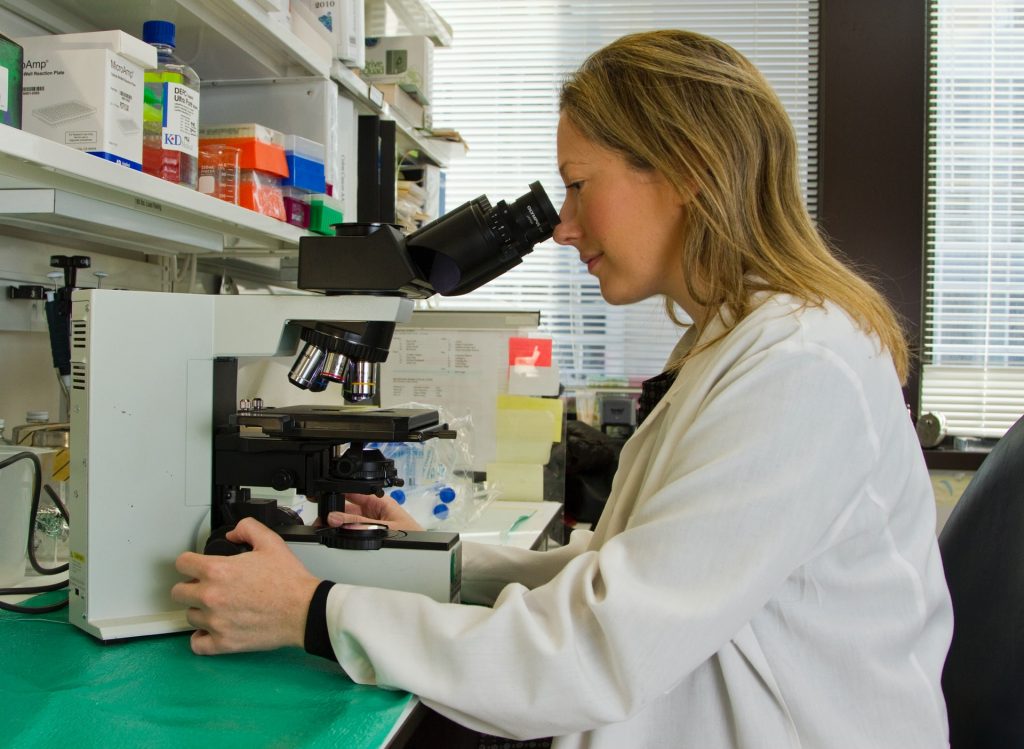
Photo by Barbara Olsen on Pexels

Diabetes and muscle function might seem like they don’t have much to do with each other. But University of Utah Health researchers have discovered that metformin can also prevent muscle atrophy and muscular fibrosis – which can help the elderly bounce back faster from injury or illness. Their findings were published in the journal Aging Cell.

Metformin, the researchers found, actually has surprising applications on a cellular level. It can target senescent cells which impact muscle function. Senescent cells secrete factors associated with inflammation that may underlie fibrotic tissue, a hardening or scarring of tissues. They also discovered that metformin also reduces muscle atrophy.

“We’re interested in clinical application of this research,” says Micah Drummond, PhD, senior author of the study and professor of physical therapy and athletic training at the College of Health. “For example, knee surgeries in the elderly are notoriously hard to recover from. If we give a metformin-type agent during the recovery period, could we help the muscles get back to normal faster?”

Reinvigorating muscle recovery

Ageing comes with the risks of falls, hospitalisation, or developing chronic disease, which are more likely with muscle disuse. The research team wanted to find a therapeutic solution that could properly target both disuse atrophy and muscle recovery.

There’s an optimal level of senescent cells that are beneficial, no matter your age. In younger, healthier people, short-term senescence is required for a proper recovery from injury, and completely blocking the senescent effect impedes the body’s efforts to heal. Typically, a younger person can bounce back more easily after muscle disuse without the use of an intervention such as Metformin.

“In the case of aging, we know that there’s immune dysfunction,” says Drummond. “As you get older, it becomes harder for your body to clear senescent cells and they accumulate. That’s one reason recovery is much slower for the elderly after periods of disuse.”

Metformin’s anti-senescent properties have been demonstrated through pre-clinical studies. To test the intervention in humans, the team recruited 20 healthy male and female older adults for a multi-week study. They had participants undergo a muscle biopsy and MRI before the intervention, which involved five days of bed rest. One group of 10 received metformin and the other 10 received placebo pills during a two-week run-in period, then each group continued the placebo or metformin treatment during bed rest.

After the bed rest, participants received another muscle biopsy and MRI, then ceased treatments. All patients completed a seven-day re-ambulation period followed by a final muscle biopsy.

“We saw two things in our study,” Drummond says. “When participants took Metformin during a bed rest, they had less muscle atrophy. During the recovery period, their muscles also had less fibrosis or excessive collagen. That build-up can make it harder for the muscle to properly function.”

Tying these results to senescence, the research team examined muscle biopsies from study participants. They found that the participants who took Metformin had fewer markers of cellular senescence.

“This is the first paper that has made the direct connection between a therapy targeting cellular senescence and improved muscle recovery following disuse in aging,” says lead author Jonathan Petrocelli, PhD He explains that metformin helps muscle cells better remodel and repair tissue during periods of recovery after inactivity.

“Our real goal is to have patients maintain their muscle mass and function as they age, because atrophy and weakness are some of the strongest predictors of disease development and death,” he says.

Drummond’s team is following up on these findings by examining combining the drug with leucine, an amino acid that promotes growth and could accelerate recovery even further. They’ve already demonstrated the potency of this combination in preclinical animal studies.

“Metformin is cheap, effective and quite safe, so it’s exciting to see that we can use it to accelerate recovery for older individuals,” adds Drummond.

Source: University of Utah Health
Great SCOT! Repurposing Old Antipsychotics as Diabetes Treatments

Photo by Myriam Zilles on Unsplash

Researchers have found that a class of older antipsychotic drugs could be a promising new therapeutic option for people with type 2 diabetes, helping fill a need among patients who aren’t able to take other currently available treatments. The drugs interact with the metabolic enzyme succinyl CoA:3-ketoacid CoA transferase (SCOT), preventing the muscles from using ketones for fuel.

“There is a growing need to find new therapies for type 2 diabetes,” says John Ussher, professor in the Faculty of Pharmacy & Pharmaceutical Sciences and lead author of the recent study published in the journal Diabetes.

Metformin is one of the most common therapeutics for type 2 diabetes, but about 15% of patients aren’t able to take it. Iinsulin secretagogues, another commonly used drug class, isn’t as effective for later-stage patients.

“For the patients who can’t take metformin, patients with late-stage diabetes where their beta cells aren’t working as well, when you’re trying to find new therapies or new combination therapies as the disease progresses, it becomes more important to find new drug classes that target new mechanisms so then you have more options to try and lower blood sugar in those individuals,” Ussher explains.

The mechanism Ussher and his team turned their attention to is SCOT, which is an enzyme involved in the body’s process of making energy from ketones. Using computer modelling to find drugs that could potentially interact with SCOT, they landed on an older generation of antipsychotic drugs, a drug class called diphenylbutylpiperidines, or DPBP for short.

Ussher and his team had previously found that a specific drug within this class called pimozide could be repurposed to help treat diabetes, but they’ve since expanded their focus to see whether more of the DPBP class could also be useful for treating the disease.

“We’ve tested three drugs now, and they all interact with this enzyme,” says Ussher. “They all improve blood sugar control by preventing the muscle from burning ketones as a fuel source.”

“We believe this SCOT inhibition is the reason these antipsychotics might actually have a second life for repurposing as an anti-diabetic agent,” he adds.

Developing a drug is a complicated, time-consuming and expensive process. It involves clinical trials to test the safety and efficacy of the drug, and can easily cost hundreds of millions of dollars. Not to mention, it can take years to go from development in the laboratory to use in the clinic or hospital. Repurposing an existing drug may help fast-track the process, Ussher notes.

“With something that’s an older drug which we used historically in humans that we no longer use, we know what the adverse effects are, we know in general that it’s safe,” he says.

Though clinical trials are still needed, repurposing a drug allows researchers to focus specifically on the efficacy and safety of the new intended use, offering a quicker and cheaper path to a new therapy.

“As you already have safety data, it somewhat accelerates the process,” says Ussher. “And from an economic standpoint, often because a lot of these drugs being pursued for repurposing are older, they’re off patent and cheaper.”

Repurposing is effective because it capitalises on a main characteristic of most drugs, ie not being restricted to just one target in the body. As Ussher explains, most drugs actually have numerous targets they can influence.

“That’s where repurposing comes in,” he says. “Can we identify the other targets that a drug may interact with, and by identifying those other targets, can this drug serve a purpose for a different disease?”

This is what Ussher’s lab did in recognising the DPBP drug class could target SCOT activity as well as the dopamine receptors it targets in its original intended use to treat psychosis.

Knowledge of these original targets can also provide valuable context when refining and improving the repurposed drug. Since DPBP drugs were originally antipsychotics, many of their potential side-effects such as drowsiness, dizziness or fatigue arise from their effects on their original target: the dopamine receptors in the brain. Ussher’s lab is planning to try creating a modified version of the drug class that doesn’t reach the brain and has fewer potential adverse effects.

“For us, the excitement is that it looks like the entire family of these compounds interacts with this protein [SCOT] and can improve blood sugar control in type 2 diabetes.”

Source: University of Alberta

Could Metformin be Used to Treat Atrial Fibrillation?

Photo by Towfiqu Barbhuiya on Pexels

Cleveland Clinic researchers have identified metformin as a possible treatment for atrial fibrillation (AF). In the study, published in Cell Reports Medicine, researchers used advanced computation and genetic sequencing to determine that metformin’s targets overlap significantly with genes that are dysregulated in AF.

“Finding drugs or procedures to treat atrial fibrillation is difficult because of potential serious side effects,” said Mina Chung, MD, senior study author. “There is a significant need for new treatments for atrial fibrillation as there have been no new drugs approved in more than a decade.”

“It’s not that we’ve found a new drug target where it takes 20 years to test this in individuals,” said Jessica Castrillon Lal, first author and graduate student.

“We can cut off 10+ years in the drug development pipeline. We already have the information there. We just have to test it in a very computationally efficient way, such as artificial intelligence technology,” said Feixiong Cheng, PhD, co-senior study author.

The analysis found metformin targeted 30 genes associated with AF, with direct effects on gene expression for eight. Eight other candidate drugs surfaced in the analysis, but further testing and patient data review identified metformin as the most promising candidate.

Castrillon Lal conducts research in Dr Cheng’s lab, which uses network medicine approaches to find candidate drugs for repurposing, creating vast networks of molecular interactions. For this study, researchers narrowed down a list of 2800 FDA-approved treatments by analysing three data sources: a map of interactions between proteins called an “interactome”; a network of genes associated with atrial fibrillation; and each medicine’s molecular or genetic targets.

Atrial fibrillation is the most common type of heart arrhythmia in the world and can lead to complications, including stroke and heart failure. Treatments have been primarily directed toward trying to prevent the arrhythmia using drugs targeting the electrical system, including ion channels in the heart, or using catheter ablation to isolate the pulmonary veins where initiating beats of atrial fibrillation occur.

However, side effects, limited success and potential complications can limit these approaches.

Source: Cleveland Clinic

Trial Suggests Early Metformin is Effective in COVID Treatment

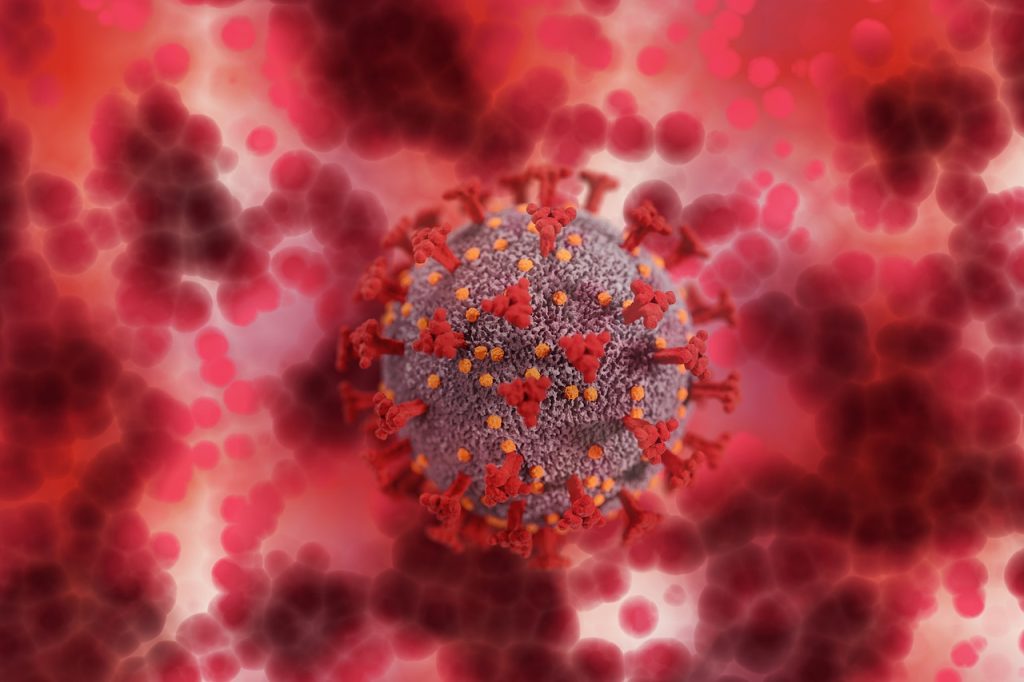
Image from Pixabay

In a study published in the New England Journal of Medicine, researchers have found that metformin, a commonly prescribed diabetes medication, lowers the odds of emergency department visits, hospitalisations, or death due to COVID by over 40%; and over 50% if prescribed early in onset of symptoms. The study also found no positive effect from treatment with either ivermectin or low-dose fluvoxamine.

“Our trial suggests that metformin may reduce the likelihood of needing to go to the emergency room or be hospitalised for COVID,” said Carolyn Bramante, MD, principal investigator of the study.

The primary outcome was in fact low oxygen on a home oxygen monitor, which none of the medications in the trial prevented.

The COVID-OUT trial studied whether metformin, low-doses of the antidepressant fluvoxamine, the controversial antiparasitic ivermectin, or their combinations could serve as possible treatments to prevent ER visits or hospitalisation, as well as Long COVID.

Patients were randomised to receive one of the three drugs individually: placebo, or a combination of metformin and fluvoxamine or metformin and ivermectin. Although the study was placebo-controlled with exact-matching placebo pills, Dr Bramante said that 83% of volunteers received medications supported by existing data because of the six-arm design. Each participant received 2 types of pills to keep their treatment assignment masked, for 3 to 14 days of treatment. Each volunteer tracked their symptoms, and after 14 days, they completed a survey.

The 1323 participants in the trial were limited to adults with a body mass index greater than or equal to 25 kg/m2, which qualifies as overweight. To qualify for the study, volunteers enrolled within three days after receiving a positive COVID test. It was among the first randomised clinical trials for COVID to include pregnant women.

The study included those who were vaccinated and those who were not. This is the first published trial where the majority of participants were vaccinated. 

“Although we know COVID vaccines are highly effective, we know that some new strains of the virus may evade immunity and vaccines may not be available worldwide. So we felt we should study safe, available and inexpensive outpatient treatment options as soon as possible,” said Dr Bramante. “Understanding whether outpatient treatments could ensure more people survive the illness if they contract it and have fewer long-term symptoms is an important piece of the pandemic response.”

The clinical trial launched in January 2021 after researchers noticed that outpatient metformin use appeared to decrease the likelihood of mortality from, or being hospitalised for COVID. Their research was published in the Journal of Medical Virology and in The Lancet Healthy Longevity. Test-tube studies also found that metformin inhibited the -CoV-2 in lab settings. These findings, along with additional prospective studies supporting the use of higher-dose fluvoxamine and ivermectin, provided the evidence to include all three medications as well as combination arms.

Source: University of Minnesota

New SGLT-2 Inhibitors Could Reduce Heart Failure Risk in Diabetes

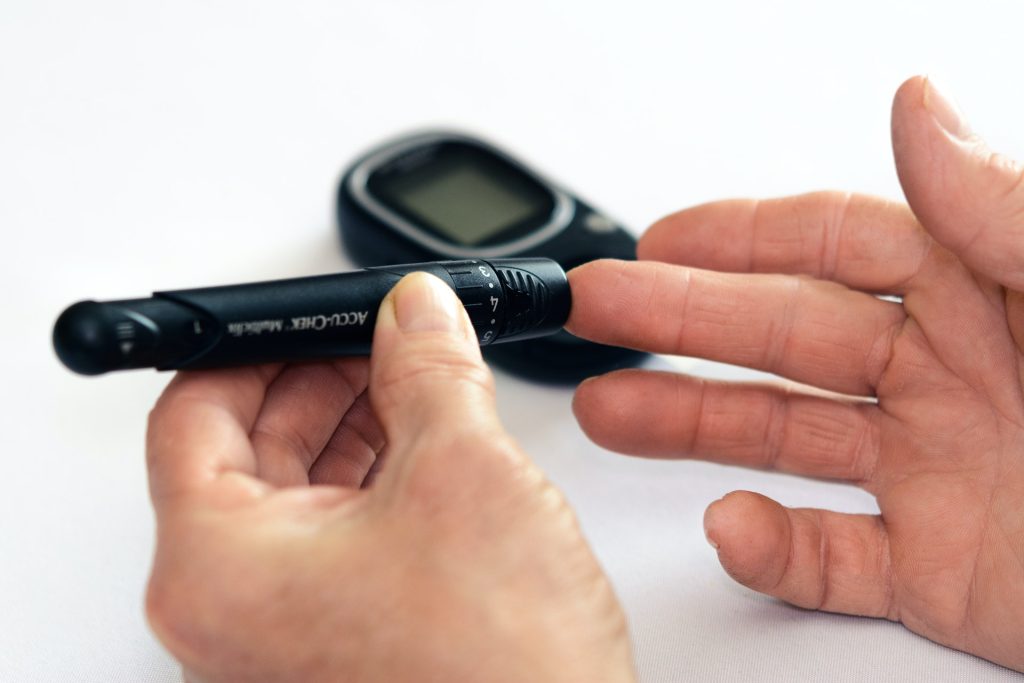
Diabetes - person measures blood glucose
Photo by Photomix Company from Pexels

A study published in Annals of Internal Medicine has suggested that the new SGLT-2 inhibitors may be viable as a first-line treatment in patients with type 2 diabetes, with reduced odds of hospitalisation for heart failure compared to those receiving metformin.

In cardiovascular outcome trials among adults with type 2 diabetes (T2D), sodium-glucose co-transporter 2 inhibitors (SGLT-2i) have shown therapeutic promise, including reduced risk of hospitalisation for heart failure compared to placebo. However, SGLT-2i have mainly been evaluated as a second-line treatment – metformin is generally given as a first-line, antidiabetic treatment.

In this new study, researchers from the Brigham and Women’s Hospital compared cardiovascular outcomes among adults with T2D who initiated first-line treatment with either metformin or SGLT-2i. For the study, 8613 patients receiving SGLT-2i were matched to 17 226 patients receiving metformin.

The researchers reported that that patients receiving SGLT-2i showed a similar risk for myocardial infarction, stroke, and all-cause mortality, and a lower risk for hospitalisation for heart failure compared with patients who received metformin. The risk for adverse events was similar except for an increased risk for genital infections compared with those receiving metformin.

“Our results suggest that SGLT-2i may be considered as first-line treatment for patients with T2D and cardiovascular disease or who are at increased risk for cardiovascular events,” said lead author HoJin Shin, BPharm, PhD, of the Division of Pharmacoepidemiology and Pharmacoeconomics. “However, more evidence from randomised clinical trials or observational studies will help us to identify patients who would benefit most from using SGLT-2i as first-line type 2 diabetes treatment.”

Source: EurekAlert!

Study Suggests Caution when Prescribing Metformin for Cancer Cases

Source: National Cancer Institute on Unsplash

By making computer simulations of drugs, researchers have found that doctors need to be wary of prescribing metformin for all types of cancer and patients. Their findings are published in BioMed Central Cancer.

The diabetes drug metformin has been used in clinical settings as a cancer treatment in recent years. The researchers say while metformin shows great promise, it also has negative consequences for some types of cancers.

“Metformin is a wonder drug, and we are just beginning to understand all its possible benefits,” said Mehrshad Sadria, a PhD candidate in applied mathematics at the University of Waterloo. “Doctors need to examine the value of the drug on a case-by-case basis, because for some cancers and some patient profiles, it may actually have the opposite of the intended effect by protecting tumour cells against stress.”

The computer-simulated treatments use models that replicate both the drug and the cancerous cells in a virtual environment. Such models can give clinical trials in humans a considerable head-start and can provide insights to medical practitioners that would take much longer to be discovered in the field.

“In clinical settings, drugs can sometimes be prescribed in a trial and error manner,” said Anita Layton, professor of applied mathematics and Canada 150 Research Chair in mathematical biology and medicine at Waterloo. “Our mathematical models help accelerate clinical trials and remove some of the guesswork. What we see with this drug is that it can do a lot of good but needs more study.”

The researchers say their work shows the importance of precision medicine when considering the use of metformin for cancer and other diseases. Precision medicine is an approach that assumes each patient requires individualised medical assessment and treatment.

“Diseases and treatments are complicated,” Sadria said. “Everything about the patient matters, and even small differences can have a big impact on the effect of a drug, such as age, gender, genetic and epigenetic profiles. All these things are important and can affect a patient’s drug outcome. In addition, no one drug works for everyone, so doctors need to take a close look at each patient when considering treatments like metformin.”

Source: EurekAlert!

Metformin Ineffective in Most Breast Cancers

Breast cancer cells. Image source: National Cancer Institute on Unsplash

Researchers have found that the diabetes drug metformin, once hoped to hold enormous promise in treating breast cancer, does not prevent or stop the spread of the most common forms of the disease but may still have potential in HER2-positive breast cancer.

The randomised, double-blind trial enrolled 3600 patients who received two pills a day of either placebo or metformin. Overall, researchers found the addition of metformin to standard breast cancer treatments did not improve outcomes in the two most common types of breast cancer, hormone receptor-positive or negative.

“The results tell us that metformin is not effective against the most common types of breast cancer and any off-label use of this drug for the treatment of these common types of breast cancer should be stopped,” said Pamela Goodwin, a professor in the department of medicine at the University of Toronto’s Temerty Faculty of Medicine.

Prof Goodwin presented the findings at the 2021 San Antonio Breast Cancer Symposium.

While metformin was found not to be effective in treating the most common forms of breast cancer, there was evidence that use of metformin for five years might lead to a reduction in deaths from HER2-positive breast cancer, a less aggressive subtype which makes up about 20% of all breast cancers.

“Metformin is not beneficial for use in most common breast cancers, but in the cases of HER2 positive breast cancer, our findings suggest it may be beneficial,” said Prof Goodwin. “These results need to be replicated in future research before metformin is used as a breast cancer treatment, however, it could provide an additional treatment option for HER2-positive breast cancer,” she added

Previous studies suggested metformin may also reduce the risk of development and increase survival of some cancers, including breast cancer.

Metformin was theorised to slow breast cancer growth by improving patient metabolism, notably insulin levels, leading to reduced cancer cell growth, or that it might impact cancer cells directly.

Next steps would be to prospectively test the impact of metformin in patients with HER2-positive breast cancer in a randomised clinical trial. 

Source: University of Toronto

An Inspiration Led to Understanding Metformin’s Anti-tumour Effect

Scientists report that metformin, used to treat type 2 diabetes mellitus, induces activation and proliferation of tumor-targeting CD8+ T-lymphocytes (CD8TIL), via mechanisms that involve the generation of reactive oxygen species in mitochondria of CD8TIL and an increase in glycolysis. Credit: Heiichiro Udono from Okayama University

Researchers in Japan have elucidated how the antidiabetic drug metformin exerts an anti-tumour effect as well.

Certain drugs like metformin have recently been found to have anti-cancer properties. Metformin appears to bolster anti-tumour immunity but the underlying immunological mechanisms were a mystery. With all the permutations and combinations of cancer, a blanket, yet targeted therapy would be ideal. 

Japanese scientists led by Professor Heiichiro Udono from Okayama University thus decided to address this oncological research question. In their recent study, they looked at how a specific subset of immune cells, called CD8+ infiltrating T-lymphocytes (CD8TIL), which specifically attack tumor cells, behaved in response to metformin. Their findings have been published as a research article in Journal for ImmunoTherapy of Cancer.

Interestingly, Prof. Udono almost gave up on his anti-cancer pursuits, when he lost his own father to cancer. However, a bolt of inspiration came at a conference: “Nearly 10 years ago, a switch turned on in my head when I attended a Keystone Symposia discussing cancer, and hypoxia, held in Banff, Alberta. I realised that we had missed addressing Warburg effect, an effect which bolsters the growth of cancer, in our previous research. So, reverting Warburg effect to normal metabolic profile in cancers became a topic that got me thinking. Surprisingly, I got a hint from the same conference that metformin may aid cancer immunity. So, we got to work!”

Prof Udono and his team got to work, meticulously conducting a series of experiments on cancer cell lines, and ‘knockout gene’ mice, searching for possible biomolecules that result in metformin-dependent anti-tumour immunity. They probed the intracellular mechanisms in CD8TIL, when exposed to metformin, and assessed different biomarkers for growth. Given that CD8TIL produces proteins called interferons to attack cancer cells, they also assessed corresponding levels.

Accordingly, the scientists found that metformin causes the generation of reactive oxygen species in the mitochondria of CD8TIL (mtROS) and increases glycolysis. They also found that mtROS activated growth pathways in CD8TIL, allowing these cells to proliferate. Notably, this is achieved through a transcription factor involved in anti-oxidative stress response, called Nrf. Though metformin did not directly cause apoptosis, ‘cell suicide’ in tumours, it did cause CD8TIL to secrete interferon-ɣ to alter the tumour microenvironment in favour death of tumour cells.

Summing up the findings, Prof. Udono said: “More than anything else, our study provides the knowledge that we can ourselves protect our body from cancer. We hope that this understanding will result in not only the reduction of cancer incidence and improve treatment, but also will help prolong our life.”

The researchers also added that these findings strongly suggest the possibility of using metformin as a drug to strengthen anti-tumour immunity in patients with cancer. The findings appear in the Journal for ImmunoTherapy of Cancer.

Source: EurekAlert!

A Golden Opportunity for Metformin as a Cancer Drug

In a new study from the National University of Singapore, a new approach to target highly resistant triple-negative breast cancers (TNBCs) has been developed using a gold-metformin prodrug.

Metformin, first approved by the FDA in 1994, is a widely prescribed “over-the-counter” medication for Type 2 diabetes. Some evidence shows that people taking metformin for an extended period have a significantly reduced cancer risk. In spite of evidence of its effects and its low cost, use of metformin as an anticancer agent has serious drawbacks, with poor uptake by cells necessitating repeated high doses to have a therapeutic effect.
A team of researchers led by Prof Ang Wee Han from the Department of Chemistry, National University of Singapore and Prof Maria Babak from City University of Hong Kong came up with a way of chemically conjugating metformin, as well as its analog phenformin. They accomplish this by using a gold-based active molecular fragment to increase bioavailability and achieve synergistic action of the two key components (metformin and gold molecules). 

The electrochemical activity of the gold-based molecule,enabled the team to successfully deliver metformin into cancer cells with high selectivity. The lead drug candidate, 3met, was found to have an anti-cancer activity over 6000 times higher than regular metformin.

Prof Ang said, “TNBCs represent an especially dangerous subset of breast cancers with the poorest prognosis and limited treatment options. However, this particular aggressiveness of TNBC cells is related to their increased dependence on glucose and lipids, which provide additional energy to sustain rapid cancer growth. Since our drug candidates interfered with energy production in the cancer cells, we hypothesized that TNBCs might be particularly responsive to such treatment.”

In tests with mice, the research team injected the drug candidate into breast tumours at their nipple region and monitored the growth of the tumours. They found that in a drug-treated group, tumour growth completely halted after three weeks, indicating the unique anticancer potential of the drug candidate. 

With an patent application filed for, the research team is actively working on the development of other efficient drugs for the treatment of chemo-resistant cancers.

Source: Medical Xpress

Journal information: Maria V. Babak et al. Interfering with Metabolic Profile of Triple‐Negative Breast Cancer using Rationally‐Designed Metformin Prodrugs, Angewandte Chemie International Edition (2021). DOI: 10.1002/anie.202102266