Day: May 13, 2026

Digoxin Benefits Heart Failure Patients, Study Shows

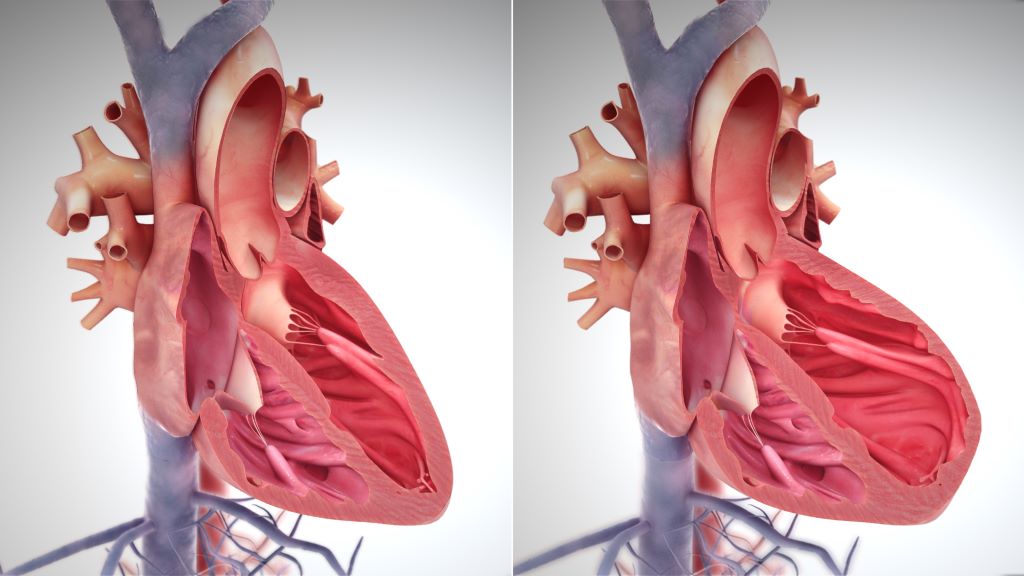
Right side heart failure. Credit: Scientific Animations CC4.0

Analyses supporting the use of digitalis glycosides in patients with heart failure were presented in a Late-Breaking Science session today at Heart Failure 2026, [1–3] the annual congress of the Heart Failure Association of the European Society of Cardiology.

Investigations from researchers at University Medical Center Groningen, Netherlands, evaluated the effects of the digitalis glycosides, digoxin and digitoxin, in patients with heart failure (HF) and reduced or mildly reduced left ventricular ejection fraction (HF(m)rEF). 

“Digoxin is the oldest drug in cardiovascular medicine, but there has been uncertainty about its value in HF(m)rEF management,” explained Principal Investigator, Professor Dirk van Veldhuisen. “In the DIG trial, published in 1997, digoxin had a neutral effect on the primary endpoint of mortality, but a 28% reduction in heart failure hospitalisations (a secondary endpoint) was observed. Later analyses from DIG showed that lower serum digoxin levels were associated with a favourable effect, while higher digoxin levels worsened prognosis. [4] We conducted the DECISION trial to investigate whether low-dose digoxin has positive effects on cardiovascular outcomes in patients with HF(m)rEF receiving contemporary guideline-recommended treatments.”[1]

The double-blind DECISION trial was conducted at 43 sites in the Netherlands (NCT03783429). Patients with symptomatic mild-to-moderate HF(m)rEF (left ventricular ejection fraction <50%). were randomised to low-dose digoxin or placebo, with a target serum digoxin concentration of 0.5–0.9 ng/ml.  Both patients with sinus rhythm and atrial fibrillation were enrolled. The primary outcome was a composite of total worsening HF events (defined as total hospitalisations or total urgent hospital visits for worsening HF) and cardiovascular mortality. A total of 1,001 patients were randomised. The mean age of the participants was 73 years, 28% were women, and 29% had atrial fibrillation.

Low-dose digoxin did not significantly reduce the primary outcome. Over a median follow-up of 36.5 months, 238 primary-outcome events occurred in 131 of 500 patients in the digoxin group, while 291 primary-outcome events occurred in 152 of 501 patients in the placebo group (rate ratio [RR] 0.81; 95% confidence interval [CI] 0.61 to 1.07; p=0.133). Although not statistically significant, the total number of worsening HF events was lower in the digoxin group than in the placebo group (RR 0.76; 95% CI 0.54 to 1.05). Cardiovascular mortality was similar with digoxin and placebo (hazard ratio [HR] 0.93; 95% CI 0.69 to 1.26). Low-dose digoxin was generally well tolerated and safe.

Last year, results were published from the DIGIT-HF trial, which studied another digitalis glycoside, digitoxin, in patients with advanced HF and reduced ejection fraction. [5] Treatment with digitoxin led to a lower risk of death from any cause or hospital admission for worsening HF.

A second presentation at Heart Failure 2026, by Associate Professor Kevin Damman, demonstrated positive overall benefits with digoxin/digitoxin in a meta-analysis of the DECISION, DIGIT-HF and DIG trials. [2] Across 9,013 patients, digitalis glycoside treatment reduced the risk of the primary endpoint of time to cardiovascular death or first worsening HF event compared with placebo (HR 0.85; 95% CI 0.80 to 0.90; p<0.001). This reduction was mostly attributable to the effect on time to the first worsening HF event (HR 0.75; 95% CI 0.69 to 0.81; p<0.001). There was no statistically significant heterogeneity by trial, treatment period or type of digitalis glycoside. In addition, the effect was not attenuated in patients who were already receiving full guideline-directed HF treatment. 

A third presentation, by Professor Peter van der Meer, found that digoxin withdrawal was associated with clinical deterioration. [3] This was a prespecified blinded analysis that followed patients who stopped taking study medication at the end of the DECISION trial, and were subsequently followed for another 6 weeks. Across 587 patients, there were more cardiovascular deaths and HF events in patients after withdrawal of digoxin than after placebo withdrawal (RR 7.37; 95% CI 1.56 to 34.88; p=0.012). 

Summing up the evidence, Professor van Veldhuisen concluded, “In patients with HF(m)rEF, low-dose digitalis glycosides seem to be an effective additional medical treatment option, which are cheap, safe and easy to use. The totality of the evidence supports the role of low-dose digoxin in the contemporary management of HF, with caution warranted when it is stopped.”

References

[1] ‘Low-dose digoxin in heart failure’ presented during the Hottest trials (2) session on 10 May at 13:15 to 14:15 in Room 3, with simultaneous publication in Nature Medicine: https://doi.org/10.1038/s41591-026-04406-6.


[2] ‘DECISION/DIGIT-HF/DIG study level meta analysis’ presented during the Hottest trials (2) session on 10 May at 13:15 to 14:15 in Room 3.


[3] ‘Blinded withdrawal of digoxin or placebo’ presented during the Hottest trials (2) session on 10 May at 13:15 to 14:15 in Room 3. 


[4] Digitalis Investigation Group. The effect of digoxin on mortality and morbidity in patients with heart failure. N Engl J Med. 1997;336:525−533.


[5] Bavendiek U, Großhennig A, Schwab J, et al. Digitoxin in patients with heart failure and reduced ejection fraction. N Engl J Med. 2025;393:1155–1165.

Source: European Society of Cardiology

Cipla Secures Vaccine Tender Across Mey Immunisation Categories

Photo by Mufid Majnun on Unsplash

Cipla has been awarded a public sector vaccine tender, reaffirming the company’s commitment to strengthening South Africa’s immunisation program through the equitable supply of high‑quality, affordable vaccines.

Cipla submitted bids across several critical paediatric and childhood immunisation categories, including Pneumococcal Conjugate Vaccine (PCV‑10), Rotavirus vaccine, Hepatitis B (Paediatric formulation). These vaccines play a vital role in preventing life‑threatening childhood illnesses and reducing the burden on healthcare systems.

CEO of Cipla Africa, Paul Miller, said: “This tender award marks an important milestone for Cipla as we continue to expand our vaccine footprint in support of national immunisation priorities. We can meaningfully contribute to comprehensive immunisation programmes and long‑term disease prevention efforts.

“Our participation across multiple vaccine categories demonstrates our commitment to addressing critical public health needs and strengthening health outcomes for children and communities.”

Cipla’s vaccine portfolio is underpinned by stringent quality standards and a focus on ensuring continuity of supply reliability. Cipla has a long history of partnering with the Department of Health to support equitable access to quality healthcare, including the supply of antiretrovirals and various vaccines.

Cipla South Africa focus will be ensuring reliability of supply, consistency, and responsible partnership with the public health sector, particularly in communities where access to healthcare remains uneven. CEO of Cipla Africa, Paul Miller, said: “This tender reaffirms our ongoing partnership with the state, as part of Cipla’s mission of ensuring access to quality, affordable healthcare.”

As part of our ethos of “Caring for Life”, we strongly believe in the importance of robust routine immunisation programmes that save lives, reduces inequality and delivery lasting benefits for society as a whole. In public health, progress often comes down to getting the basics right – ensuring vaccines are available, delivered on time, and reach every child who needs them.”

Participation in the Expanded Programme on Immunisation (EPI) aligns with Cipla’s broader mandate to support preventative healthcare and long‑term public health sustainability, said Miller.

Cipla South Africa continues to work closely with healthcare partners and has invested in initiatives to strengthen vaccines knowledge and reduce vaccine hesitancy. For more information about vaccines, visit https://medinformer.co.za/?s=vaccines

Is Depression Being Overdiagnosed in Ovarian Cancer Patients?

Study finds that physical symptoms may disproportionately inflate depression scores in patients. 

Photo by Tima Miroshnichenko on Pexels

In addition to causing mental symptoms such as sadness and despair, depression can cause physical sensations including fatigue, headaches, back pain, gastrointestinal issues, and sleep problems.

New research indicates that individuals with ovarian cancer report more of these physical issues at lower levels of depression than people in the general population. Published by Wiley online in CANCER, a peer-reviewed journal of the American Cancer Society, the findings may reflect misattribution of cancer-related symptoms to depression in patients with ovarian cancer.

 Research indicates that more than one-quarter of patients with ovarian cancer develop depressive symptoms. Diagnosis is complicated because physical symptoms of depression overlap with those that can arise from cancer-related causes. Investigators examined how physical symptoms of depression are reported relative to other depression symptoms in patients with ovarian cancer at the time of diagnosis and one-year postdiagnosis, comparing the results with those from people without cancer. 

The team found that at diagnosis, patients reported physical symptoms more frequently than people without cancer and at a lower severity of depression (based on cognitive or emotional symptoms). These differences disappeared at the one-year follow-up, when disease processes no longer drove physical sympto “We intend these findings to help guide assessments of depressive symptoms to discriminate between physical symptoms that are related to cancer and cognitive or affective symptoms that may respond to more traditional interventions for depression,” said lead author Rachel Telles, MA, of the University of Iowa. “We hope that more tailored care will improve outcomes for these patients.”

Source: Wiley