The gut microbiome drives a process vital for protecting the colon against tissue injury, according to the findings of a study co-led by Cedars-Sinai Health Sciences University investigators. The discovery, published in Cell, has important implications for understanding how a wide variety of intestinal disorders may develop.
“Our research opens the door to treatments that focus on restoring key molecular signals in vulnerable regions of the colon,” said Ophir Klein, MD, PhD, executive director of Cedars-Sinai Guerin Children’s, executive vice dean of Children’s Health, and the David and Meredith Kaplan Distinguished Chair in Children’s Health. Klein is the senior author of the study.
Prior research has shown that the four sections of the colon – ascending, transverse, descending and sigmoid – have different functions and risks for disease, but it wasn’t clear why these variations exist.
In this study, the investigators showed that the identity of distinct regions of the colon are regulated by the gut microbiome. They identified nicotinic acid, a molecule produced by certain bacteria in the gut microbiome, as a main driver of these regional differences in the colon’s sections. Nicotinic acid, also known as niacin, part of the vitamin B3 family, helps the body convert food into energy and supports the health of cells.
The researchers compared laboratory mice with and without a microbiome. They found that production of nicotinic acid by bacteria in the upper colon activates a protective mechanism in colon cells. In mice without a microbiome, minimal nicotinic acid was produced, and cells in the upper colon became more vulnerable to damage and disease.
Investigators also studied human colon tissue samples. They found that the different sections of the human colon showedregional characteristics similar to patterns observed in mice. And in samples from human patients with the autoimmune disorder Crohn’s disease, this protective mechanism was reduced.
“Our work highlights the importance of studying hostmicrobiome interactions with careful attention to specific colon regions, rather than treating the colon as a uniform organ,” said Jeremie Rispal, PhD, a postdoctoral scholar at the University of California, San Francisco, and the first author of the study. “We learned that the microbiome controls regional differences and tissue protection.”
Further study will be needed to confirm the precise mechanisms behind this protective effect and to determine how these findings might be used in new therapies for intestinal disorders.
Ageing naturally weakens our muscles, but a new study published in the journal Gut have found a gut bacterium that may help turn the tide. The researchers Leiden University Medical Center and the Universities of Granada and Almería, found that Roseburia inulinivorans is linked to stronger muscles in both people and mice. The discovery hints at the potential for new probiotics to support muscle strength and healthy ageing.
While exercise and good nutrition remain important for maintaining muscle strength, scientists are now turning their attention to a lesser‑known player: the gut. “The bacteria living in our intestines help us process nutrients, regulate inflammation and manage energy,” Patrick Rensen, professor at the division of Endocrinology, notes. “All of these processes are essential for keeping our muscles healthy as we age.”
A gut bacterium linked to stronger muscles
In their new work, the researchers identified one particular gut bacterium, Roseburia inulinivorans, that appears to be linked to stronger muscles across the lifespan. “When we compared young adults aged 18 to 25 with older adults aged 65 and above, we noticed clear differences,” postdoc Borja Martínez-Téllez says. “Older adults who carried this bacterium had 29 percent stronger handgrip strength than those who didn’t.” In young adults, higher levels of Roseburia inulinivorans were associated with stronger muscles and better overall fitness. “It was remarkable to see the same pattern in both age groups,” Martínez-Téllez adds.
Testing the bacterium in mice
To find out whether this link was more than coincidence, the researchers carried out a series of experiments in mice. “We wanted to understand whether this bacterium actually causes improvements in muscle strength,” Rensen explains. After clearing the mice’s gut bacteria using antibiotics, they introduced human strains of Roseburia inulinivorans for eight weeks.
“The results were striking,” Rensen says. “The mice became 30 percent stronger, developed larger muscle fibres and produced more fast‑twitch fibres.”
The team also found that the bacterium changed how the muscles used certain building blocks and activated energy‑related pathways inside the muscle. “These metabolic changes may help explain why the muscles grew stronger,” according to Martínez-Téllez.
From discovery to potential probiotic treatment
Another key observation is that levels of Roseburia inulinivorans naturally decline with age. “This could partly explain why muscle strength drops as we get older,” Martínez-Téllez says. “If this bacterium supports muscle metabolism, then restoring it might one day help preserve muscle function later in life.”
Together, the findings suggest that Roseburia inulinivorans could become a future probiotic, developed into a safe, supplement‑like product aimed at preventing age‑related muscle‑wasting conditions. “A nutraceutical approach – using food‑based or naturally derived products – could offer a gentle and non‑invasive way to support healthy ageing,” Martínez-Téllez explains.
The researchers however caution that considerable work needs to be done before these findings can be turned into a treatment for humans.
Houston Methodist researchers find antibiotics aid recovery from traumatic brain injury
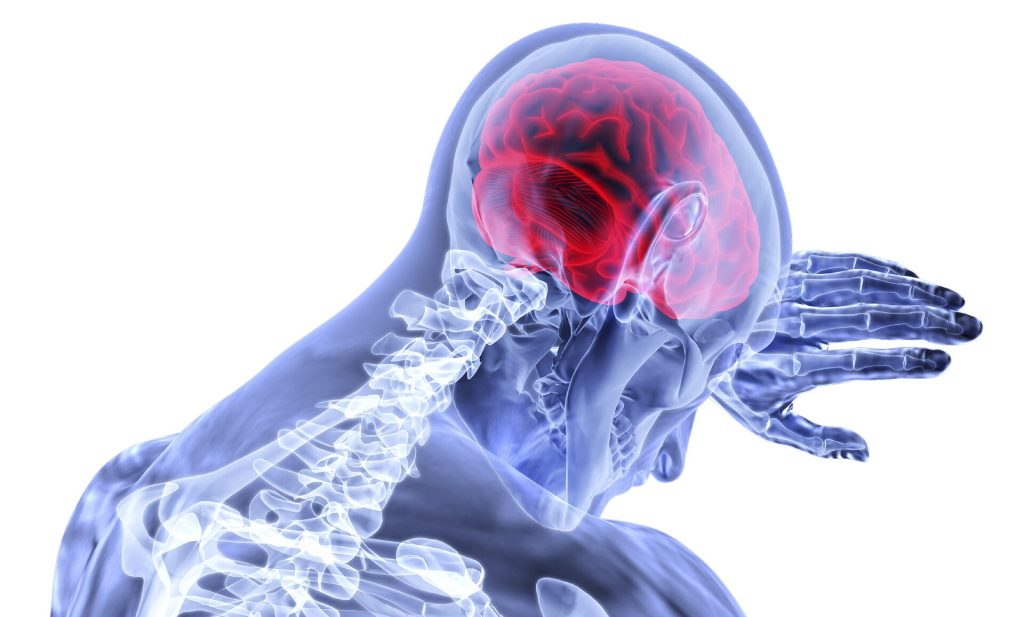
Source: CC0
What if healing the brain after traumatic injury starts in the gut? In a new study published in Nature Communications Biology, Houston Methodist researchers led by Sonia Villapol, PhD, found that short-term antibiotic treatment significantly reduced neuroinflammation and neurodegeneration following traumatic brain injury (TBI) by altering the gut microbiome in animal models.
“We found that antibiotic treatment following TBI can reduce harmful gut bacteria, decrease lesion size and limit cell death,” said Villapol, an associate professor in the Department of Neurosurgery at Houston Methodist. “Our results support a gut–brain mechanism in which microbiome changes influence peripheral immunity and, in turn, neuroinflammation after TBI.¨
Administering antibiotics cleans the gut of harmful bacteria, allowing beneficial bacteria to flourish. The study found that two helpful bacteria, Parasutterella excrementihominis and Lactobacillus johnsonii, are key to driving cell repair. According to Villapol, they could also be major regulators for peripheral inflammation in the body.
Notably, 70% of immune system regulation is generated by the gut microbiome. During gut imbalance, the bidirectional nature of the brain-gut axis can wreak havoc throughout the entire body.
“Our brains are constantly sending signals to the rest of our bodies. Following a traumatic brain event, those signals can get scrambled and disrupt other organs, including our digestive system,” Villapol said. “If the gut stays out of balance, the brain may have a harder time healing.”
Recent studies indicate that TBI-induced gut microbiome imbalance may even contribute to the development of neurodegenerative diseases like Parkinson’s, Alzheimer’s and dementia.
Villapol’s lab is focused on investigating and developing new neuroprotective treatments to fight inflammation linked with neurodegenerative disease. “If we can break neuroinflammation in the acute or chronic stage, we can reduce the risk of developing Alzheimer’s or dementia,” said Villapol.
The next phase of the research will focus on bioengineering P. excrementihominis and L. johnsonii to further develop precision therapies to reduce neuroinflammation.
A previously uncharacterised subset of immune cells may play a critical role in the development of allergic diseases and explain differences between urban and rural populations. The finding, published in the journal Allergy, provides new insight into how the immune system is shaped in early life – and why urban children are more prone to allergies than children from rural areas.
Led by researchers from the University of Rochester Medical Center (URMC) Department of Pediatrics, including MD/PhD student Catherine Pizzarello and senior author Kirsi Järvinen-Seppo, MD, PhD, the study uncovered a unique subpopulation of T cells known as helper 2 (Th2) cells with distinct molecular characteristics.
T-cells are the foundational immune cells that fight off infections, but there is evidence that this specific subtype is recognizing certain foods as allergenic and attacking them, according to Jarvinen-Seppo.
“These pro-allergic T cells are more inflammatory than anything previously described in this context,” said Järvinen-Seppo, chief of Pediatric Allergy and Immunology at UR Medicine Golisano Children’s Hospital. “They were found more frequently in urban infants who later developed allergies, suggesting they may be a predictive biomarker or even a mechanistic driver of allergic disease.”
The study compared blood samples from urban infants with those from infants in a farming community, specifically the Old Order Mennonites (OOM) of New York’s Finger Lakes region – known for their low rates of allergies. Researchers found that while urban infants had higher levels of the aggressive Th2 cells, OOM infants had more regulatory T cells that help keep the immune system in balance and reduce the likelihood of allergic responses.
While additional research is needed to identify a possible cause, Jarvinen-Seppo speculates that differences in the development of the gut microbiome between the two populations, and more exposure to “healthy” bacteria in rural children, may be a factor.
“The farming environment, which is rich in microbial exposure, appears to support the development of a more tolerant immune system. Meanwhile, the urban environment may promote the emergence of immune cells that are primed for allergic inflammation,” said Jarvinen-Seppo.
The work is part of a broader, NIH-funded investigation into how early-life exposures influence long-term immune outcomes. In 2023, Järvinen-Seppo’s team received a $7 million grant from the National Institute of Allergy and Infectious Diseases (NIAID) to study environmental, microbiome, and immune differences between OOM and urban infants. The goal is to continue this foundational work to uncover protective factors that could be translated into preventive therapies, including probiotics or microbiome-supporting interventions.
“If we can identify the conditions for this disparity between the different T cell subpopulations, we can potentially find solutions in allergic disease development,” Järvinen-Seppo said.
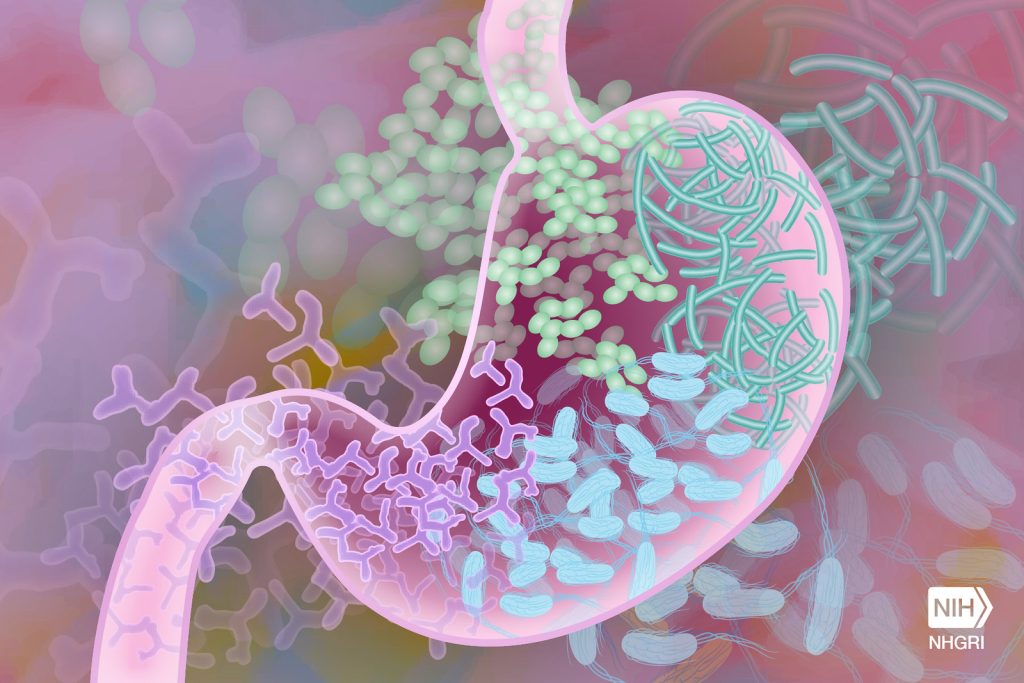
Gut Microbiome. Credit Darryl Leja National Human Genome Research Institute National Institutes Of Health
Exposure to antibiotics during a key developmental window in infancy can stunt the growth of insulin-producing cells in the pancreas and may boost risk of diabetes later in life, new research in mice suggests. The study, published this month in the journal Science, also pinpoints specific microorganisms that may help those critical cells proliferate in early life.
The findings are the latest to shine a light on the importance of the human infant microbiome—the constellation of bacteria and fungi living on and in us during our first few years. The research could lead to new approaches for addressing a host of metabolic diseases.
“We hope our study provides more awareness for how important the infant microbiome actually is for shaping development,” said first author Jennifer Hill, assistant professor in molecular, cellular and developmental biology at CU’s BioFrontiers Institute. “This work also provides important new evidence that microbe-based approaches could someday be used to not only prevent but also reverse diabetes.”
Something in the environment
More than 2 million U.S. adults live with Type 1 diabetes. The disease typically emerges in childhood, and genetics play a strong role. But scientists have found that, while identical twins share DNA that predisposes them to Type 1 diabetes, only one twin usually gets the disease.
“This tells you that there’s something about their environmental experiences that is changing their susceptibility,” said Hill.
For years, she has looked to microbes for answers.
Previous studies show that children who are breastfed or born vaginally, which can both promote a healthy infant microbiome, are less likely to develop Type 1 diabetes than others. Some research also shows that giving babies antibiotics early can inadvertently kill good bugs with bad and boost diabetes risk.
The lingering questions: What microbes are these infants missing out on?
“Our study identifies a critical window in early life when specific microbes are necessary to promote pancreatic cell development,” said Hill.
A key window of opportunity
She explained that human babies are born with a small amount of pancreatic “beta cells,” the only cells in the body that produce insulin. But some time in a baby’s first year, a once-in-a-lifetime surge in beta cell growth occurs.
“If, for whatever reason, we don’t undergo this event of expansion and proliferation, that can be a cause of diabetes,” Hill said.
She conducted the current study as a postdoctoral researcher at the University of Utah with senior author June Round, a professor of pathology.
They found that when they gave broad-spectrum antibiotics to mice during a specific window (the human equivalent of about 7 to 12 months of life), the mice developed fewer insulin producing cells, higher blood sugar levels, lower insulin levels and generally worse metabolic function in adulthood.
“This, to me, was shocking and a bit scary,” said Round. “It showed how important the microbiota is during this very short early period of development.”
Lessons in baby poop
In other experiments, the scientists gave specific microbes to mice, and found that several they increased their production of beta cells and boosted insulin levels in the blood. The most powerful was a fungus called Candida dubliniensis.
The team used faecal samples from The Environmental Determinants of Diabetes in the Young (TEDDY) study to make what Hill calls “poop slushies” and fed them to the mice.
When the researchers inoculated newborn mice with poop from healthy infants between 7 to 12 months in age, their beta cells began to grow. Poop from infants of other ages did not do the same. Notably, Candida dublineinsis was abundant in human babies only during this time period.
“This suggests that humans also have a narrow window of colonisation by these beta cell promoting microbes,” said Hill.
When male mice that were genetically predisposed to Type 1 diabetes were colonised with the fungus in infancy, they developed diabetes less than 15% of the time. Males that didn’t receive the fungus got diabetes 90% of the time.
Even more promising, when researchers gave the fungus to adult mice whose insulin-producing cells had been killed off, those cells regenerated.
Too early for treatments
Hill stresses that she is not “anti-antibiotics.” But she does imagine a day when doctors could give microbe-based drugs or supplements alongside antibiotics to replace the metabolism-supporting bugs they inadvertently kill.
Poop slushies (faecal microbiota transplants) have already been used experimentally to try to improve metabolic profiles of people with Type 2 diabetes, which can also damage pancreatic beta cells.
But such approaches can come with real risk, since many microbes that are beneficial in childhood can cause harm in adults. Instead, she hopes that scientists can someday harness the specific mechanisms the microbes use to develop novel treatments for healing a damaged pancreas—reversing diabetes.
She recently helped establish a state-of-the-art “germ-free” facility for studying the infant microbiome at CU Boulder. There, animals can be bred and raised entirely without microbes, and by re-introducing them one by one scientists can learn they work.
“Historically we have interpreted germs as something we want to avoid, but we probably have way more beneficial microbes than pathogens,” she said. “By harnessing their power, we can do a lot to benefit human health.”
It is well known that consuming sugary drinks increases the risk of diabetes, but the mechanism behind this relationship is unclear. Now, in a paper published in the Cell Press journal Cell Metabolism, researchers show that metabolites produced by gut microbes might play a role.
In a long-term cohort of US Hispanic/Latino adults, the researchers identified differences in the gut microbiota and blood metabolites of individuals with a high intake of sugar-sweetened beverages. The altered metabolite profile seen in sugary beverage drinkers was associated with a higher risk of developing diabetes in the subsequent 10 years. Since some of these metabolites are produced by gut microbes, this suggests that the microbiome might mediate the association between sugary beverages and diabetes.
“Our study suggests a potential mechanism to explain why sugar-sweetened beverages are bad for your metabolism,” says senior author Qibin Qi, an epidemiologist at Albert Einstein College of Medicine. “Although our findings are observational, they provide insights for potential diabetes prevention or management strategies using the gut microbiome.”
Sugar-sweetened beverages are the main source of added sugar in the diets of US adults – in 2017 and 2018, US adults consumed an average of 34.8g of added sugar each day from sugary beverages such as soda and sweetened fruit juice. Compared to added sugars in solid foods, added sugar in beverages “might be more easily absorbed, and they have a really high energy density because they’re just sugar and water,” says Qi.
Previous studies in Europe and China have shown that sugar-sweetened beverages alter gut microbiome composition, but this is the first study to investigate whether this microbial change impacts host metabolism and diabetes risk. It’s also the first study to investigate the issue in US-based Hispanic/Latino population — a group that experiences high rates of diabetes and is known to consume high volumes of sugar-sweetened beverages.
The team used data from the ongoing Hispanic Community Health Study/Study of Latinos (HCHS/SOL), a large-scale cohort study with data from over 16 000 participants living in San Diego, Chicago, Miami, and the Bronx. At an initial visit, participants were asked to recall their diet from the past 24 hours and had blood drawn to characterise their serum metabolites. The researchers collected faecal samples and characterized the gut microbiomes of a subset of the participants (n = 3035) at a follow-up visit and used these data to identify association between sugar-sweetened beverage intake, gut microbiome composition, and serum metabolites.
They found that high sugary beverage intake, defined as two or more sugary beverages per day, was associated with changes in the abundance of nine species of bacteria. Four of these species are known to produce short-chain fatty acids: molecules that are produced when bacteria digest fibre and that are known to positively impact glucose metabolism. In general, bacterial species that were positively associated with sugary beverage intake correlated with worse metabolic traits. Interestingly, these bacteria were not associated with sugar ingested from non-beverage sources.
The researchers also found associations between sugary beverage consumption and 56 serum metabolites, including several metabolites that are produced by gut microbiota or are derivatives of gut-microbiota-produced metabolites. These sugar-associated metabolites were associated with worse metabolic traits, including higher levels of fasting blood glucose and insulin, higher BMIs and waist-to-hip ratios, and lower levels of high-density lipoprotein cholesterol (“good” cholesterol). Notably, individuals with higher levels of these metabolites had a higher likelihood of developing diabetes in the 10 years following their initial visit.
“We found that several microbiota-related metabolites are associated with the risk of diabetes,” says Qi. “In other words, these metabolites may predict future diabetes.”
Because gut microbiome samples were only collected from a subset of the participants, the researchers had an insufficient sample size to determine whether any species of gut microbes were directly associated with diabetes risk, but this is something they plan to study further.
“In the future, we want to test whether the bacteria and metabolites can mediate or at least partially mediate the association between sugar-sweetened beverages and risk of diabetes,” says Qi.
The team plans to validate their findings in other populations and to extend their analysis to investigate whether microbial metabolites are involved in other chronic health issues linked to sugar consumption, such as cardiovascular disease.
Gut microbes that were thought to feed exclusively on dietary fibre also get fed sugar from our guts, from which they produce short-chain fatty acids that are crucial to many body functions. The Kobe University discovery of this symbiotic relationship also points the way to developing novel therapeutics.
Gut microbes produce many substances that our body needs but cannot produce itself. Among them are short-chain fatty acids that are the primary energy source for the cells lining our guts but have other important roles, too, and that are thought to be produced by bacteria who feed on undigested fibre. However, in a previous study, the Kobe University endocrinologist Ogawa Wataru found that people who take the diabetes drug metformin excrete the sugar glucose to the inside of their guts. He says: “If glucose is indeed excreted into the gut, it is conceivable that this could affect the symbiotic relationship between the gut microbiome and the host.”
Ogawa and his team set out to learn more about the details of the glucose excretion and its relationship with the gut microbiota. “We had to develop unprecedented bioimaging methods and establish novel analytical techniques for the products of the gut microbial metabolism,” he says. They used their new methods to not only see where and how much glucose enters the guts, but also used mouse experiments to find out how the sugar is transformed after that. In addition, they also checked how the diabetes drug metformin influences these results both in humans and in mice.
The Kobe University team now published their results in the journal Communications Medicine. They found that, first, glucose is excreted in the jejunum and is transported from there inside the gut to the large intestine and the rectum. “It was surprising to find that even individuals not taking metformin exhibited a certain level of glucose excretion into the intestine. This finding suggests that intestinal glucose excretion is a universal physiological phenomenon in animals, with metformin acting to enhance this process,” Ogawa explains. In both humans and mice, irrespective of whether they were diabetic or not, metformin increased the excretion by a factor of almost four.
And second, on the way down, the glucose gets transformed into short-chain fatty acids. Ogawa says: “The production of short-chain fatty acids from the excreted glucose is a huge discovery. While these compounds are traditionally thought to be produced through the fermentation of indigestible dietary fibres by gut microbiota, this newly identified mechanism highlights a novel symbiotic relationship between the host and its microbiota.”
Ogawa and his team are now conducting further studies with the aim of understanding how metformin and other diabetes drugs affect glucose excretion, the gut microbiome and their metabolic products. He says: “Intestinal glucose excretion represents a previously unrecognised physiological phenomenon. Understanding the underlying molecular mechanisms and how drugs interfere with this process could lead to the development of novel therapeutics aimed at the regulation of gut microbiota and their metabolites.”
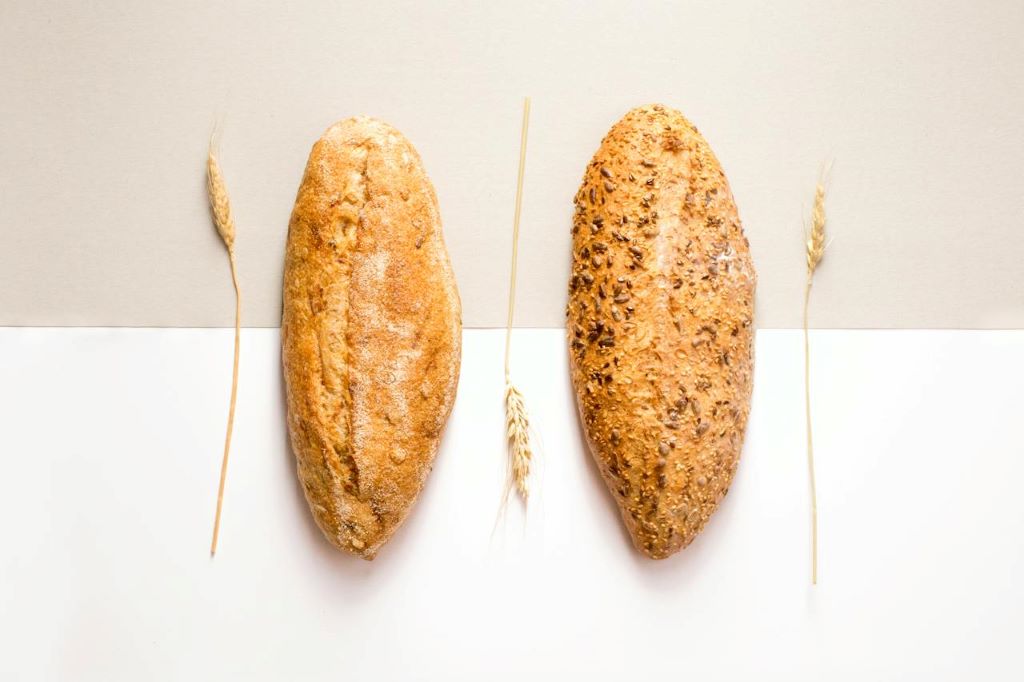
Photo by Mariana Kurnyk: https://www.pexels.com/photo/two-baked-breads-1756062/
A research team led by the University of Nottingham has used magnetic resonance imaging (MRI) to better understand the impact a gluten free diet has on people with coeliac disease, which could be the first step towards finding new ways of treating the condition.
Coeliac disease is a chronic condition affecting around one person in every 100 in the general population. When people with coeliac disease eat gluten, which is found in pasta and bread, their immune system produces an abnormal reaction that inflames and damages the gut tissue and causes symptoms such as abdominal pain and bloating.
The only treatment is a life- long commitment to a gluten free diet, which helps recovery of the gut tissue but still leaves many patients with gastrointestinal symptoms.
Luca Marciani, Professor of Gastrointestinal Imaging at the University, led the study. He said: “Despite being a common chronic condition, we still don’t precisely know how coeliac disease affects the basic physiological functioning of the gut and how the gluten free diet treatment may further change this.
“We launched the MARCO study to try and address this issue, by using MRI along with gut microbiome analysis to give us new insights into how a gluten-free diet affects people with coeliac disease.”
The team recruited 36 people who had just been diagnosed with coeliac disease and 36 healthy volunteers to participate in the study. Images were taken of their guts with MRI, along with blood and stool samples. The patients then followed a gluten free diet for one year and came back to repeat the study. The healthy participants came back one year later too and repeated the study, but they did not follow any diet treatment.
The study found that the newly diagnosed patients with coeliac disease had more gut symptoms, more fluid in the small bowel and that the transit of food in the bowel was slower than in the healthy controls.
The microbiota (the ‘bugs’ living in the colon) of the patients showed higher levels of ‘bad bugs’ such as E.coli. After one year of a gluten free diet, gut symptoms, bowel water and gut transit improved in the patients, but without returning to normal values. But the gluten free diet also reduced some of the ‘good bugs’ in the microbiota, such as Bifidobacteria associated with reduced intake of starch and wheat nutrients, due to the different diet.
The patient study was conducted by Radiographer Dr Carolyn Costigan, from Nottingham University Hospitals, as part of her PhD studies at the University of Nottingham.
It was particularly interesting to see how the imaging results on gut function correlated with changes in the ‘bugs’ in the colon microbiota. The findings increase our understanding of gut function and physiology in coeliac disease and open the possibility of developing prebiotic treatments to reverse the negative impact of the gluten free diet on the microbiome.”
Luca Marciani, Professor of Gastrointestinal Imaging
Dr Frederick Warren from the Quadram Institute, which contributed to the research, said: “This study is the result of an exciting and innovative research collaboration bringing together medical imaging technology and gut microbiome analysis. We provide important insights which pave the way for future studies which may identify novel approaches to alleviate long-term symptoms in coeliac patients.”
Fig. 1: Chemical imaging of active gut microbes. After brief incubation with heavy water, culture medium and a drug, various chemical bonds (here C-D and C-H) in the stool sample are shown in yellow and green, their ratio in yellow-purple (left). Selected microbes are detected in the same image section with fluorescence-labelled oligonucleotide probes in cyan. The activity of the detected microbes can be determined based on the amount of C-D bonds. C: Xiaowei Ge (Boston University)
An international team of scientists have revealed that the widely prescribed Parkinson’s disease drug entacapone significantly disrupts the human gut microbiome by inducing iron deficiency. This international study, provides new insights into the often-overlooked impact of human-targeted drugs on the microbial communities that play a critical role in human health. The findings, published in Nature Microbiology, suggest however that iron supplementation can help counteract these impacts.
While it is well established that antibiotics can significantly disrupt the human gut microbiome, emerging research shows that a wide range of human-targeted drugs – particularly those used to treat neurological conditions – can also profoundly affect the microbial communities living in our bodies. Despite their intended therapeutic effects on different organs, these drugs can inadvertently disrupt the balance of gut microbes, leading to potential health consequences. Until now, most studies investigating these interactions relied either on patient cohort analyses affected by many confounding factors or on experiments using isolated gut bacteria, which do not fully capture the complexity of the human microbiome.
Investigating drug–bug interactions
The team, which included some from the University of Vienna, used a novel experimental approach. The researchers studied the effects of two drugs – entacapone and loxapine, a medication for schizophrenia – on faecal samples from healthy human donors. They incubated the samples with therapeutic concentrations of these drugs, then analysed the impact on the microbial communities using advanced molecular and imaging techniques, including heavy water labelling combined with Stimulated Raman Spectroscopy (SRS). The team discovered that loxapine and even more so entacapone severely inhibited many microbiome members, while E. coli dramatically expanded in the presence of entacapone.
“The results were even more striking when we examined microbial activity, rather than just their abundance,” explained Fatima Pereira, lead author of the study and former Postdoctoral researcher at the University of Vienna. “The heavy water-SRS method allowed us to observe the subtle yet significant changes in the gut microbiome, which are often missed in traditional abundance-based measurements.”
Entacapone induces iron starvation, favours pathogenic microbes
The researchers hypothesised that entacapone might interfere with iron availability in the gut, a crucial resource for many microbes. Their experiments confirmed that adding iron to faecal samples containing entacapone counteracted the drug’s microbiome-altering effects. Further investigation revealed that E. coli, which thrived under these conditions, carried a highly efficient iron-uptake system (enterobactin siderophore). This system allowed the bacteria to overcome iron starvation and proliferate, even in the presence of the drug.
“By showing that entacapone induces iron deficiency, we have uncovered a new mechanism of drug-induced gut dysbiosis, in which the drug selects for E. coli and other potentially pathogenic microbes well adapted to iron limiting conditions,” said Michael Wagner, scientific director of the Excellence Cluster and vice-head of the Centre for Microbiology and Environmental Systems Science (CeMESS) at the University of Vienna.
Wider implications for drug–microbiome interactions
This discovery has broader implications for understanding how other human-targeted drugs might affect the gut microbiome. Several drugs, including entacapone, contain metal-binding catechol groups, suggesting that this mechanism could be a more common pathway for drug-induced microbiome alterations.
The findings also present an opportunity to mitigate the side effects of drugs like entacapone. By ensuring sufficient iron availability to the large intestine, it may be possible to reduce dysbiosis and the gastrointestinal issues that often accompany Parkinson’s disease treatment.
“The next step is to explore how we can modify drug treatments to better support the gut microbiome,” said Wagner. “We are looking at strategies to selectively deliver iron to the large intestine, where it can benefit the microbiome without interfering with drug absorption in the small intestine.”
Gut Microbiome. Credit Darryl Leja National Human Genome Research Institute National Institutes Of Health
Changes in the gut microbiome before rheumatoid arthritis is developed could provide a window of opportunity for preventative treatments, new research suggests.
Bacteria associated with inflammation is found in the gut in higher amounts roughly 10 months before patients develop clinical rheumatoid arthritis, according to a longitudinal study by researchers at the University of Leeds.
This new research might give us a major opportunity to act sooner to prevent rheumatoid arthritis.
Dr Christopher Rooney, Leeds Institute of Medical Research
Previous research has linked rheumatoid arthritis to the gut microbiome, which is the ecosystem of microbes in your intestines. But this new study, published in the Annals of the Rheumatic Diseases, reveals a potential intervention point.
Lead researcher Dr Christopher Rooney, NIHR Academic Clinical Lecturer at the University of Leeds and Leeds Teaching Hospitals NHS Trust, said: “Patients at risk of rheumatoid arthritis are already experiencing symptoms such as fatigue and joint pain, and they may know someone in their family who has developed the disease. As there is no known cure, at-risk patients often feel a sense of hopelessness, or even avoid getting tested.
“This new research might give us a major opportunity to act sooner to prevent rheumatoid arthritis.”
Major opportunity for treatment
Funded by Versus Arthritis, the longitudinal study was conducted on 19 patients at risk of rheumatoid arthritis, with samples taken five times during a 15-month period.
Five of these patients progressed to clinical arthritis, and the research showed they had gut instability with higher amounts of bacteria including Prevotella, which is associated with rheumatoid arthritis, about ten months before progression. The remaining 14, whose disease didn’t progress, had largely stable amounts of bacteria in their gut.
Potential treatments that the researchers want to test at the 10-month window include changes to diet like eating more fibre, taking prebiotics or probiotics, and improving dental hygiene to keep harmful bacteria from periodontal disease away from the gut.
The exact relationship between gut inflammation and rheumatoid arthritis development remains unclear. In a small number of patients within the study, the gut changes occurred before there were any changes to the joints observed by a rheumatologist, but more research is needed to determine whether these influence each other.
Although bacteria is associated with rheumatoid arthritis, the researchers want to make it clear that there is no evidence this is contagious.
Lucy Donaldson, director for research and health intelligence at Versus Arthritis, said: “At Versus Arthritis, we welcome the findings of this study which could give the clinicians of the future a crucial window of opportunity to delay – or even prevent – the onset of rheumatoid arthritis. This success is testament to the dedication of UK researchers who are working to personalise treatment and prevent chronic conditions that have significant impacts on a person’s ability to work, raise families and live independently.”
The study initially took data from 124 individuals who had high levels of CCP+, an antibody that attacks healthy cells in the blood, which indicates risk of developing rheumatoid arthritis. The researchers compared their samples to 22 healthy individuals and seven people who had a new rheumatoid arthritis diagnosis.
The findings from this larger group showed that the gut microbiome was less diverse in the at-risk group, compared to the healthy control group.
The longitudinal study, which took samples from 19 patients over 15 months, revealed the changes in bacteria at ten months before progression to rheumatoid arthritis.
The Leeds research team will now carry out an analysis of treatments that have already been trialled, to inform future testing of treatments at this potential 10-month intervention point.