

Tag: exercise

Exercise Slows Cognitive Decline in APOE4-related Parkinson’s Disease

Results from a longitudinal study showed physical activity reduced  cognitive decline in early APOE4-related Parkinson’s disease.

Jin-Sun Jun, MD, of Hallym University in Seoul, and colleagues in Neurology presented the findings of a longitudinal study on a group of 173 recently diagnosed Parkinson’s patients. Of this group, those who with an apolipoprotein E ε4 (APOE4) allele had faster cognitive decline on the 30-point Montreal Cognitive Assessment (MoCA) scale than noncarriers (estimate -1.33, 95% CI -2.12 to -0.47, P=0.002). However, among the APOE4 carriers, higher physical activity was related to slower cognitive decline (estimate 0.007, 95% CI 0.003-0.011, P=0.001)..

Dr Jun noted that this reflects a number of studies that have demonstrated that Parkinson’s patients who exercise regularly show better clinical outcomes, including motor and cognitive function.

“These observations are supported by epidemiological data showing a link between physical activity and decreased risk for Parkinson’s disease,” Dr Jun told MedPage Today. “Because previous data indicate that physical activity modifies the APOE4 effect on the development and progression of Alzheimer’s disease, we hypothesized that physical activity also plays a role in modulating the association between APOE4 and cognition in Parkinson’s disease.”

Genetic factors interact with physical activity on other health outcomes, noted Jacob Raber, PhD, of Oregon Health and Science University in Portland, and colleagues, in an accompanying editorial.

“If similar gene-by-physical activity interactions were identified in Parkinson’s disease, they could pave the way for personalized treatment,” Raber and colleagues wrote. “While the effects of APOE4 on promoting beta-amyloid and tau pathology are well-established, recent studies show that APOE4 is also associated with more profound pathology of alpha-synuclein and higher measures of cognitive burden, both in mouse models and in humans with Parkinson’s disease.”

In their study, the researchers followed recently diagnosed patients in the Parkinson’s Progression Markers Initiative cohort who were not treated for Parkinson’s and who had abnormal dopamine transporter (DAT) imaging.

Self-reported physical activity was begun 2 years after enrollment and scored on the Physical Activity Scale of the Elderly. Cognitive function was measured annually with the MoCA, which is well-suited for Parkinson’s patients, and DAT imaging was performed at years 2 and 4. Assessments performed at years 2, 3, and 4 were used for analysis.

There was no significant interaction seen between physical activity and APOE4 involving change in striatal DAT activities. This suggests that striatal dopaminergic function may not be a major factor in physical activity’s protective effect on APOE4-related cognitive decline, Dr Jun and colleagues noted. “These negative results may be explained by the modest effect of APOE4 on the nigrostriatal dopaminergic system,” they wrote. “Furthermore, our follow-up duration may be too short to comprehend the impact of APOE4 on this system, considering the slow progressive nature of alpha-synucleinopathy.”

The researchers also pointed out that the exercise could offer benefits through mechanisms unrelated to the disease. “Although we cannot conclude what types or amounts of exercise help to slow progression from this study design, even non-high-intensity physical activity positively modified the impact of APOE4 on cognitive function,” Jun said.

The study’s limitations included physical activity being self-reported, cognitive function being based only on MoCA scores, and a short follow-up time. Though motor scores in the off-medication state were adjusted for, physical activity may have been less due to disease progression.

Source: MedPage Today
Intense Exercise Needed to Prevent Heart Changes in Space

A study of an astronaut and an extreme long distance swimmer has shown that intense exercise is needed to prevent heart changes in space or situations of reduced weight, such as water immersion.

By comparing data from astronaut Scott Kelly’s year in space aboard the International Space Station and comparing it to information from Benoît Lecomte’s  extreme long distance swimming, which simulates weightlessness, researchers found that low-intensity exercise was not enough to counteract the effects of prolonged weightlessness on the heart.

In a sitting or standing position, gravity draws blood into the lower extremities, and removing this effect through water immersion, prolonged bed rest or zero gravity conditions causes the heart to shrink as it no longer has to pump against this effect. Researchers have used the lack of gravity in space to investigate the physiology of ageing and muscle and bone loss, and vice versa.

Researchers examined data from retired astronaut Scott Kelly’s year-long mission aboard the ISS from 2015 to 2016 and elite endurance swimmer Benoît Lecomte’s swim across the Pacific Ocean in 2018.

In this new study, researchers evaluated the effects of long-term weightlessness on the structure of the heart and to help understand whether extensive periods of low-intensity exercise can prevent the effects of weightlessness.

“The heart is remarkably plastic and especially responsive to gravity or its absence. Both the impact of gravity as well as the adaptive response to exercise play a role, and we were surprised that even extremely long periods of low-intensity exercise did not keep the heart muscle from shrinking,” said senior author Benjamin D Levine, MD, and a professor of internal medicine at UT Southwestern Medical Center and director of Texas Health Presbyterian’s Institute for Exercise and Environmental Medicine.

The research team examined medical data from Kelly’s year aboard the ISS and Lecomte’s swim across the Pacific Ocean to investigate the impact of long-term weightlessness on the heart. Water immersion is an excellent model for weightlessness since water offsets gravity’s effects, especially in the prone swimming technique used by long-distance endurance swimmers.

As part of the routine countermeasures to maintain physical fitness in space, Kelly exercised six days a week, one to two hours per day using a stationary bike, a treadmill and resistance activities. Researchers hoped Lecomte’s 159-day 2700km swim from Choshi, Japan, with almost six hours a day of swimming, would keep his heart from shrinking and weakening. Doctors performed various tests to measure the health and effectiveness of both Kelly’s and Lecomte’s hearts before, during and after each man embarked on his respective expeditions.

Both men and Lecomte lost mass from their left ventricles (Kelly 0.74 grams/week; Lecomte 0.72 grams/week). They also suffered an initial shrinkage in the diastolic diameter of their heart’s left ventricle (Kelly’s dropped from 5.3 to 4.6cm; 5 to 4.7cm for Lecomte).

Even the most sustained periods of low-intensity exercise were not enough to counteract the effects of prolonged weightlessness. Left ventricle ejection fraction (LVEF) and markers of diastolic function did not consistently change in either individual throughout their campaign.

Due to its exceptional nature, more study is required to understand how these results can be applied to the general population. 

Lecomte had cardiac MRIs from before and after his swim and analysis of these is forthcoming. These will be helpful for the researchers to further understand whether long-term effects of weightlessness are reversible. Kelly did not receive cardiac MRIs, and currently, there are no further follow up plans for him.

Source: Medical Xpress

Journal information: Circulation (2021). DOI: 10.1161/CIRCULATIONAHA.120.050418

Golf Shines as Physical Activity for Parkinson’s Patients

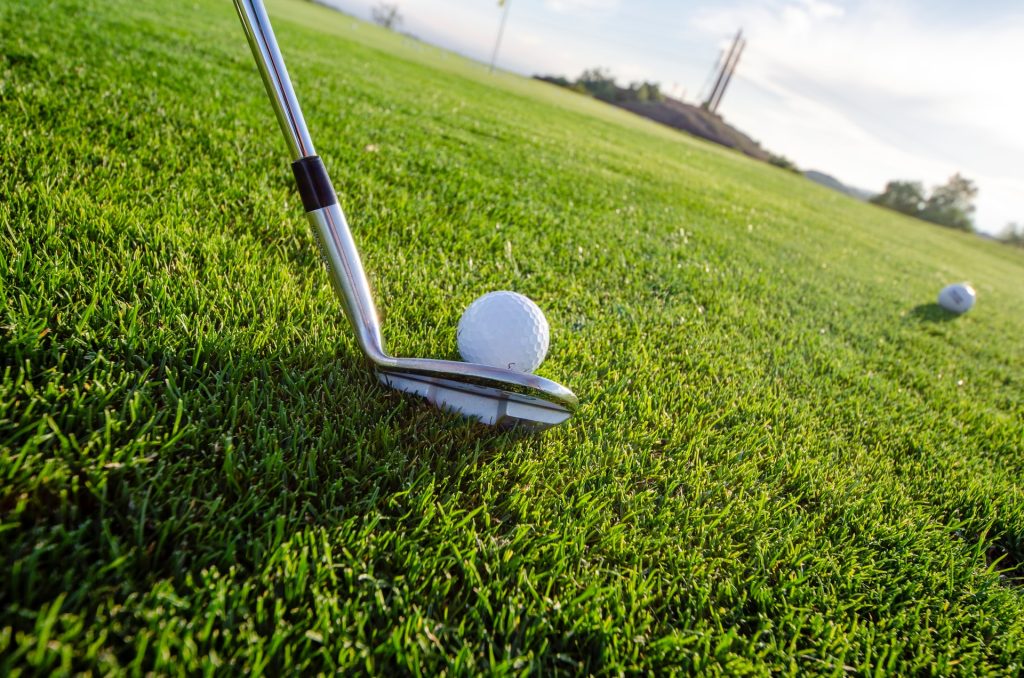
Putter and golf balls on golf course. Photo by Robert Ruggiero on Unsplash.

In a study comparing physical activity routine for Parkinson’s patients, golf produced greater improvements than tai chi. 

Previous studies had shown that tai chi practice was beneficial as physical activity for Parkinson’s patients, resulting in balance and mobility gains, and is also safe and popular with patients.

“We know that people with Parkinson’s disease benefit from exercise, but not enough people with the disease get enough exercise as therapy,” said study author Anne-Marie A. Wills, MD, of Massachusetts General Hospital Boston. “Golf is popular—the most popular sport for people over the age of 55—which might encourage people to try it and stick with it. We decided to compare golf to tai chi in our study because tai chi is the gold standard for balance and preventing falls in people with Parkinson’s.”

The study involved 20 people with moderate Parkinson’s disease, who were offered 10 weeks of two one-hour group classes a week, randomly assigned to either golf or tai chi.

Researchers evaluated everyone with tests, including ones for mobility. For the test, a person is timed while getting up from a chair, walking 3m and then returning to the chair and sitting down. Golfers were 0.96 seconds faster on the test at the end of the study.

“While the results for golf might be surprising, it’s important to remember that the number of participants in our study was small, and the period over which we studied them was relatively short,” Dr Wills said. “More research in larger groups of people, over longer periods of time, is needed.”

While overall satisfaction was similar in both groups, 86% of golfers compared to 33% of tai chi participants were “definitely” likely to continue the activity.

“Our finding that golfers were much more likely to continue with their sport is exciting because it doesn’t matter how beneficial an exercise is on paper if you people don’t actually do it,” Dr Wills said. “So if swinging a golf club is more appealing than practicing tai chi, by all means, go to a driving range and hit balls for an hour instead!”

Source: Medical Xpress

Young Athletes’ Recovery Helped by New Concussion Guidelines

A study has found that the adoption of new concussion guidelines, which emphasises a more active form of rest, reduced the duration of symptoms among athletes aged 11 to 18.

Concussions are the most common form of traumatic brain injury, often occurring either as a direct result of a blow to the head, or from forces experienced by the body that impart an acceleration to the head. Symptoms include mood changes, cognitive changes, sensory phenomena such as headaches or dizziness, and changes in sleep pattern.

The researchers compared medical records from 2016-18, which used the newer guidelines, to a set from 2011-13, which used the older guidelines.

Lead researcher John Neidecker, DO, and Sports Concussion Specialist, explained: “The most significant change in care involved a shift from strict rest or cocoon therapy to a return to low-intensity physical or cognitive activity after 24 to 48 hours. Our results show active rest dramatically improved recovery times among young athletes with first-time concussions.”

Active rest involves light activity that steadily increases under supervision, with minimal head movement.

“If diagnosis of a pre-existing condition has never been given, patients cannot be expected to report one during our concussion assessment,” said Dr. Neidecker. “This is especially true in the adolescent age group, as some may have a condition that they are not aware of yet. This makes screening for preexisting conditions more complex, yet even more essential for this age group.”

For example, intolerance to 3D movies could indicate an unrelated pre-existing condition. Information from parents about preinjury personality and behaviour could uncover anxiety.

“This more individualised, osteopathic approach in screening the athletes’ past medical history helped us identify health issues that may have been overlooked in the past,” said Dr Neidecker. This allows treatment to be more effectively tailored, he explained.

Knowledge about concussions has improved; in the 2011-13 dataset, the counselling given was more cautious and ominous, Dr Neidecker noted. Adequate communication and a positive outlook may have helped reduce reported symptoms, and may be essential for patients with anxiety. 

Source: News-Medical.Net


Journal information:
 Neidecker, J. M., et al. (2021) First-time sports-related concussion recovery revisited: management changes and impact on recovery. Journal of Osteopathic Medicine. doi.org/10.1515/jom-2020-0106.

Large Study Casts Doubt on “Fat but Fit”

New Spanish research casts doubt on the “fat but fit” paradox, where it is thought that physical fitness is enough to eliminate cardiovascular disease (CVD) risk.

Overweight and obesity is a worldwide problem that is greatly contributing to the burden of noncommunicable diseases, including CVD. A high body mass index (BMI) is strongly associated with CVD risk factors, such as hypercholesterolaemia, hypertension and diabetes. The cardiovascular complications arising from overweight and obesity are driven by processes such as inflammation, insulin resistance, endothelial dysfunction, coronary calcification. Some evidence suggested that physical activity was cardioprotective, partly or completely eliminating the CVD risk from disease – the “fat but fit” paradox.

A recent meta-analysis showed that cardiovascular fitness was a better predictor of cardiovascular disease over overweight/obesity, suggesting that perhaps public health programmes should emphasise fitness over control of body weight. To this end, the researchers sought to confirm if the “fat but fit” paradox was real.

The researchers gathered data from workers’ health insurance, with participants aged 18-64 grouped into normal weight, overweight and obesity by BMI, and into regularly active ( >150 min moderate physical activity or equivalent per week), insufficiently active (less than regularly active) and inactive (no physical activity at all). They were further separated by age, sex, smoking status and residential address.

Approximately 42%, 41%, and 18% of participants had normal weight, overweight, or obesity, respectively; 63.5%, 12.3%, and 24.2% were inactive, insufficiently active, and regularly active; and 30%, 15%, and 3% had hypercholesterolaemia, hypertension, and diabetes.

However, the protective effect of physical activity was far less than the excess risk from overweight/obesity. So much so that even regularly active obese participants had two to five-fold risk increases over their inactive but normal weight peers in the risk factors.

The protective effect of physical activity in overweight/obesity remains controversial. Shortcomings of the study were that they did not control for diet, and only accounted for self-reported leisure time activities. However, the large study size, with over 500 000 participants, should put paid to the theory that a physically active lifestyle can completely eliminate the deleterious effects of overweight/obesity.

The researchers concluded that, “weight loss per se should remain a primary target for health policies aimed at reducing CVD risk in people with overweight/obesity.”

Journal article source: European Journal of Protective Cardiology

Journal information: Pedro L Valenzuela, et al., Joint association of physical activity and body mass index with cardiovascular risk: a nationwide population-based cross-sectional study, European Journal of Preventive Cardiology, 2021;, zwaa151, https://doi.org/10.1093/eurjpc/zwaa151

Breast Cancer in Mice Inhibited by Restricted Feeding Times

Restricting calorie intake to an eight-hour window coinciding with physical activity reduced breast cancer risk in female mouse models.

Researchers from University of California San Diego School of Medicine, Moores Cancer Center and Veterans Affairs San Diego Healthcare System (VASDSH) found that the restricted feeding times, which are kind of circadian rhythm-linked intermittent fasting, enhanced metabolic health and tumour circadian rhythms in female mice with obesity-driven postmenopausal breast cancer. Breast cancer is the second most common cancer in US women, after skin cancer.

“Previous research has shown that obesity increases the risk of a variety of cancers by negatively affecting how the body reacts to insulin levels and changing circadian rhythms,” explained senior author Nicholas Webster, PhD. professor at UC San Diego School of Medicine and senior research career scientist at VASDSH. “We were able to increase insulin sensitivity, reduce hyperinsulinemia, restore circadian rhythms and reduce tumor growth by simply modifying when and for how long mice had access to food.”

Female mouse models mimicking postmenopausal hormone conditions were used to investigate if time-restricted feeding of obese mice affected the tumour growth and development, and reduced metastasis to the lungs. The mice were split into three groups, one with constant access to food, one with access for eight hours at night when they have the greatest activity, and the last was fed an unrestricted low-fat diet.

Obesity and menopause disrupt the circadian rhythm, with increased risk of insulin resistance and thereby chronic diseases such as cancer. A number of cancers are known to be associated with insulin resistance, such as breast cancer and pancreatic cancer. High insulin levels in obese mice drive tumour growth. Artificially increasing insulin levels has been shown to accelerate tumour growth whilst lowering them is similar to the effect of limiting eating.
Manasi Das, PhD, postdoctoral fellow in the Webster lab and first author, said: “Time-restricted eating has a positive effect on metabolic health and does not trigger the hunger and irritability that is associated with long-term fasting or calorie restriction. Through its beneficial metabolic effects, time-restricted eating may also provide an inexpensive, easy to adopt, but effective strategy to prevent and inhibit breast cancer without requiring a change in diet or physical activity.”

Webster believes that time-restricting eating warrants further investigations as it may present a way to reduce breast cancer risk, or that of cancer in general.

“The increase in risk of breast cancer is particularly high in women who are overweight and have been through menopause. For this reason, doctors may advise women to adopt weight loss strategies to prevent tumor growth,” said Das. “Our data suggests that a person may benefit from simply timing their meals differently to prevent breast cancer rather than changing what they eat.”

Source: Medical Xpress

Journal information: Manasi Das et al. Time-restricted feeding normalizes hyperinsulinemia to inhibit breast cancer in obese postmenopausal mouse models, Nature Communications (2021). DOI: 10.1038/s41467-020-20743-7

Coordination in Children Does Not Predict Aerobic Fitness

Even though clumsy children find it hard to perform as well in sports that require a lot of coordination, they are no less aerobically fit than their more agile peers.

This finding comes from a new study from the Faculty of Sport and Health Sciences of the University of Jyväskylä and the Institute of Biomedicine of the University of Eastern Finland. The general view is that children who have poor motor coordination tend to be overweight and have a low level of aerobic fitness – but this turns out not to be the case.

The study participants consisted of 332 children aged 7 to 11 years, with the study’s aim being to explore the association between aerobic fitness, body fat content, and motor skills. A maximum bicycle ergometer test was used to measure aerobic fitness and bioimpedance and DXA devices measured body composition. Common methods were used to gauge motor skills.

Eero Haapala, PhD, Faculty of Sport and Health Sciences, University of Jyväskylä, said: “Our study clearly demonstrated that aerobic fitness is not linked to motor skills when body composition is properly taken into account.”

She added: “Also, aerobic fitness was not strongly associated with overweight or obesity. Therefore, it seems that the role of poor aerobic fitness as a risk factor for poor motor skills and excess body weight has been strongly exaggerated.”

Earlier studies had shown that varied physical exercise can develop motor skills, regardless of body weight or aerobic fitness, and that less sedentary behaviour and more exercise protects against becoming overweight.

“The key message of our study is that even a child who is unfit can be motorically adept and the heart of a clumsier kid can be as fit as her or his more skilful peer,” Haapala concluded. “In addition, high levels of varied physical activity and reduced sedentary behaviour are central to the development of motor skills and the prevention of excess weight gain since childhood.”

Source: News-Medical.Net

Journal information: Haapala, EA, Gao, Y, Lintu, N, et al. Associations between cardiorespiratory fitness, motor competence, and adiposity in children. Transl Sports Med. 2021; 4: 56– 64. https://doi.org/10.1002/tsm2.198

Mid-life Exercise Positively Shapes Late-life Brain Structure

That exercise in one’s middle years benefits health in later life is perhaps no surprise given our current understanding of its benefits, but and MRI study has shown to influence the brain’s structure in later years.

Using MRI scans, high levels (150 minutes per week or more) of self-reported moderate-to-high physical activity were associated with reduced risk of lacunar infarct in late life (OR 0.68, 95% CI 0.46-0.99) and more intact white matter integrity.

“Our study suggests that getting at least an hour and 15 minutes of moderate-to-vigorous intensity physical activity a week or more during midlife may be important throughout your lifetime for promoting brain health and preserving the actual structure of your brain,” said Priya Palta, PhD, of Columbia University Irving Medical Center. “In particular, engaging in more than 2 and a half hours of physical activity per week in middle age was associated with fewer signs of brain disease.”

There has been mixed evidence linking physical activity to brain measures or improvements in cognitive function. PhDs Nicole Spartano, of Boston University School of Medicine, and Leonardo Pantoni, MD, of University of Milan, noted in an accompanying editorial that the “most consistent evidence for the protective effect of physical activity against dementia risk has been reported to be leisure time physical activity, and it is unclear whether there is benefit to other types of physical activity that may be less ‘enriching.'”

“It is possible that future work will uncover the requirement that physical activity interventions to reduce dementia risk actually have an enriching element, such as in leisure-time activities, rather than be strictly rote, mechanical movement,” Spartano and Pantoni added.

Recruiting 1 604 individuals with a mean baseline age of 54, the participants had five examinations over 25 years and MRI at a mean age of 72. At baseline (1987-1989) and 25 years later, participants had their moderate-to-vigorous physical activity assessed in a questionnaire. 

At midlife, 11% had low levels of moderate-to-high intensity activity (1 to 74 minutes a week), 16% middle levels (75 to 149 minutes a week), and 39% high levels (150 minutes a week or more), with the remainder reporting none.

High moderate-to-vigorous midlife activity was associated with better white matter integrity in late life, compared with no moderate-to-vigorous midlife activity, but there was no association with grey matter volume.

While the risk of lacunar infarcts were lower with more intense midlife activity, risk of cortical infarcts or subcortical microhemorrhage were not. “The associations of greater levels of mid-life physical activity with fewer lacunar (but not cortical) infarcts and greater white matter microstructural integrity suggest cerebrovascular mechanisms are primarily at play,” Palta and colleagues wrote.

When adjusted for vascular risk factors, the association of midlife physical activity to lacunar infarcts was weakened, but the association with white matter microstructure. The editorialists said that it implies that “evidence from this study supports a hypothesis that the mechanisms linking physical activity and the brain are likely multi-dimensional, including mechanisms other than simply improving cerebrovascular health.” 

Late-life moderate-to-vigorous physical activity also was associated with most brain measures compared with no moderate-to-vigorous activity, but as this was a prospective study that spanned decades, the “association between midlife physical activity levels and later-life brain imaging features makes a much stronger case for causality than does the same relationship when measured only in late life,” the researchers noted.

The study had several limitations, which included using self-reported data, did not include non leisure-related activity, and participant attrition.

Source: MedPage Today

Journal information: Source Reference: Palta P, et al. A prospective analysis of leisure-time physical activity in midlife and beyond and brain damage on MRI in older adults, Neurology 2020; DOI: 10.1212/WNL.0000000000011375.

Standing Protects against Heart Failure in Older Women

A study examining elderly women’s amount of time spent sitting or standing has shown a marked increase in the risk for hospitalisation for heart failure.

The Women’s Health Initiative Observational Study followed 81 000 postmenopausal women for 9 years. None of the women had been diagnosed with heart failure and could walk at least one block unassisted, and they self-reported the amount of time they spent sitting or lying down. Over this time, 1402 women were hospitalised with heart failure.

The researchers graded the amount of sedentary time (sitting or lying down) into three categories: 6.5 hours or less; 6.6-9.5 hours; and more than 9.5 hours. Those who sat 9.5 hours or more experienced a 42% increase in the rate of heart failure compared to those who sat for 6.5 hours or less.

Lead author of the study,  Michael J LaMonte, PhD, MPH, research associate professor of epidemiology in the School of Public Health and Health Professions at the University at Buffalo in Buffalo, New York, said that there was a lack of data on sedentary time and heart failure, and even less so in elderly women.

“Our message is simple: sit less and move more. Historically, we have emphasised promoting a physically active lifestyle for heart health—and we should continue to do so! However, our study clearly shows that we also need to increase efforts to reduce daily sedentary time and encourage adults to frequently interrupt their sedentary time.” 

He added, “This does not necessarily require an extended bout of physical activity; it might simply be standing up for 5 minutes or standing and moving one’s feet in place. We do not have sufficient evidence on the best approach to recommend for interrupting sedentary time. However, accumulating data suggest that habitual activities such as steps taken during household and other activities of daily living are an important aspect of cardiovascular disease prevention and healthy aging.”

Source: Medical Xpress