Tag: covid

COVID Patient Study Could Change Future Heart and Lung Treatment

Photo by Stephen Andrews on Unsplash

A ground-breaking study into the effects of COVID on ICU patients in has confirmed evidence that the virus is associated with impaired function of the right side of the heart.

According to the study investigations, these findings could play a vital role in not only saving the lives of COVID patients, but also help in treating potentially fatal heart and lung issues generally. The findings will also help preparations for any possible future pandemic.

The first of its kind, the COVID-RV study aimed to help improve future care and outcomes for those most at risk from COVID, by gaining a better understanding of the impact the virus has on the sickest patients who require invasive ventilation.

The study was carried out in 10 ICUs across Scotland, examining 121 critically ill patients who were receiving treatment on ventilators due to the impact of SARS-CoV-2 on their system.

The findings revealed that about a third of the patients in the study showed evidence of abnormalities in the right side of the heart – the area that pumps blood to the lungs.

The study’s lead author Dr Philip McCall said that “A combination of factors create the perfect storm for COVID” to damage the right side of the heart, with possibly fatal outcomes as the lungs are unwilling to receive blood due to the infection.

“This is a very difficult condition to spot, unless you are specifically looking for it. That is why the results of this study are so important. We now know that COVID is a problem associated with not just ventilation, but can affect the heart.”

Chief Investigator of the study Dr Ben Shelley said: “The study has revealed that there is no doubt COVID affects the heart and has a major impact on outcomes for the patient.

“However, now that we know this actually happens, and have a better understanding of how it affects people, we can plan for the future and put in place new care plans and treatments to help combat this.

“For example, ultrasound scans can be used differently to focus in on early warning signs and areas we now know to be at risk.

“If we are able to see these warning signs early enough, clinicians can explore the causes of any complications and start new treatments as soon as possible, potentially improving outcomes for the sickest COVID patients.

“This kind of knowledge is invaluable, not only in combatting any future waves of COVID but in planning for future pandemics to allow people to be treated more effectively. These findings also have several fascinating areas which could be expanded on to help care for other lung conditions in general.”

Nearly half of ventilated patients in the study (47%) died because of COVID, a figure that is comparable to national and international death rates. Experts leading the COVID-RV study from NHS Golden Jubilee said that the overall condition of a person’s heart can have a significant impact on how seriously you will be affected by the potentially deadly virus.

Source: University of Glasgow
No Difference in BA.1 and BA.2 Omicron Severity

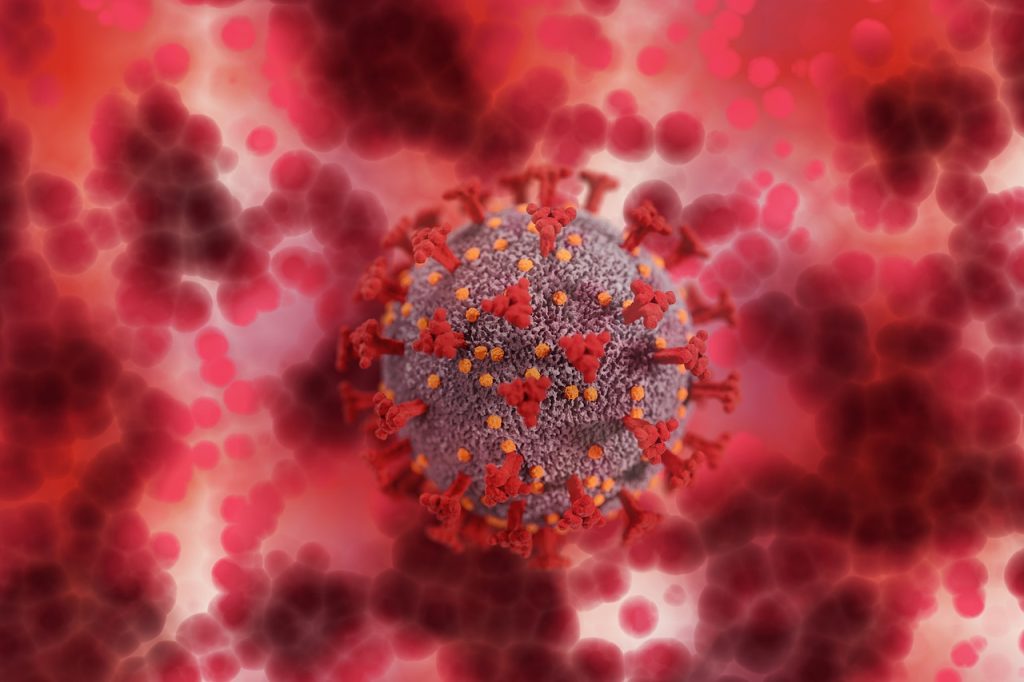
Image from Pixabay

In a study published in Nature, a research team has shown that the BA.2 subvariant of omicron is similar to BA.1 in both the severity of illness it causes and in its ability to cause infection.

BA.2 is the dominant subvariant of Omicron in nearly seven dozen countries. The study’s findings stand in contrast to an earlier study that relied on recombinant virus bearing spike proteins from BA.1 and BA.2.

“That study indicated BA.2 may be more pathogenic than BA.1,” said Prof Yoshihiro Kawaoka, who led the present study. “But when we used authentic virus, we found that BA.2 is not more pathogenic.”

Prof Kawaoka and research associate professor and co-author Peter Halfmann, said that their findings suggest that other parts of the omicron virus may attenuate the pathogenicity of its spike proteins alone.

Relying on rodent models for the disease, researchers and their collaborators tested viruses isolated from human samples. Both subvariants of omicron caused less severe illness compared to earlier strains, including delta and the original wild strain of the virus.

The study team also found that existing therapeutic monoclonal antibodies and antiviral drugs remain effective against BA.2.

However, plasma from vaccinated people and from people who recovered from earlier infections was less effective at neutralising both subvariants of omicron compared to earlier virus strains, and plasma from people infected with BA.1 was less effective at neutralising BA.2.

But the researchers also found that plasma from people who were vaccinated and then infected with BA.1 or earlier variants exhibited a smaller decrease in effectiveness against BA.2.

“If you’re vaccinated and then infected, you’re protected against many different variants,” said Prof Kawaoka, especially compared to prior infection alone or vaccination alone.

The researchers are now testing the newest sub-variants of omicron, including BA.2.12.1, which has begun to rapidly spread in New York state.

Source: University of Wisconsin

Did a Flu Vaccine Reduce Severe COVID Risk by 89%?

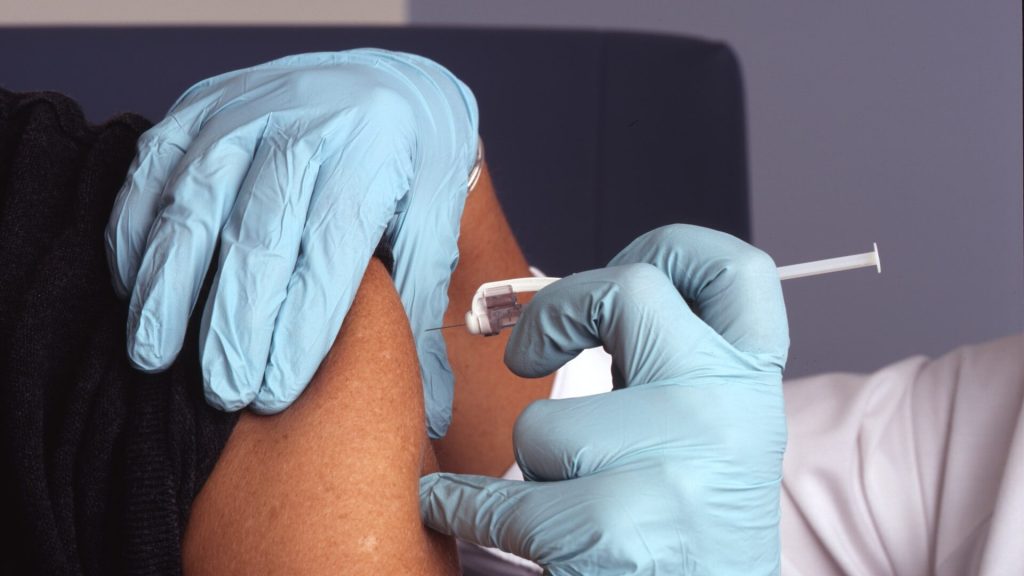
Vaccine injection
Image source: NCI on Unsplash

In a study of more than 30 000 health-care workers in Qatar, those who got a flu jab were 89% less likely to develop severe COVID over the next few months.

The study, which is published in Nature, was conducted in late 2020, before COVID vaccines were rolled out. Its findings align with previous work suggesting that ramping up the immune system using influenza vaccines and other jabs could help the body to fend off the coronavirus SARS-CoV-2.

In the early months of the pandemic, there was great interest as to whether existing vaccines could confer some protection against SARS-CoV-2. But collecting strong evidence for such an effect is difficult, because people who sought out vaccination for other diseases could also make lifestyle choices that reduce the odds of catching COVID.

To reduce this ‘healthy-user effect’, a team led by Laith Jamal Abu-Raddad, an infectious-disease epidemiologist at Weill Cornell Medicine–Qatar in Doha, analysed the health records of 30 774 medical workers in the country. There is probably less variation in health-related behaviour among such workers than in the general population, reducing (but not eliminating) bias, Abu-Raddad said.

The researchers tracked 518 workers who tested positive for SARS-CoV-2 and matched them to more than 2000 study participants who had tested negative for the virus. Those who had received an influenza vaccine that season were 30% less likely to test positive for SARS-CoV-2, and 89% less likely to develop severe COVID, compared with workers who had not (although the number of severe cases was small in both groups). The study was posted on the medRxiv preprint server on 10 May.

Günther Fink, an epidemiologist at the University of Basel in Switzerland, said that the Qatar analysis makes it less likely that other studies reporting the same link were a fluke. His team reported that flu vaccines were associated with lower mortality in hospitalised COVID patients in Brazil.

“This is an important piece of evidence,” says Mihai Netea, an infectious-disease specialist at Radboud University Medical Center in Nijmegen, the Netherlands. The observation that influenza vaccines are linked to a reduction in not just SARS-CoV-2 infections, but also disease severity, strongly suggests that the protection is genuine, he adds.

How long this protection lasts is unclear. Among those in the Qatar study who had the flu jab and later contracted COVID, Abu-Raddad’s team recorded SARS-CoV-2 infections occurring, on average, about six weeks after vaccination. “I don’t expect to see this effect lasting long at all,” he says. Netea guesses that the benefits last for between six months and two years.

Exactly why flu vaccines, which are inactivated viruses, would also protect against COVID is unclear. Vaccines teach the immune system about specific pathogens, but they also stimulate broad-acting antiviral defences, said Netea, who has found signs of such responses in flu-vaccine recipients.

Netea’s team is also working to better quantify the benefits of vaccines targeting influenza and other diseases against COVID. His team has launched a randomised, placebo-controlled trial in Brazil that will test whether influenza and measles–mumps–rubella vaccines can protect against COVID, fully excluding the healthy-user effect.

Knowing that vaccines for flu and other diseases can offer protection against COVID, even if only partial and for a limited period, could limit the damage caused by a future pandemic before a vaccine for that disease is developed, Netea argues. “If you have something in the beginning, you could save millions of lives.”

Source: Nature

Omicron-derived Immunity Protects Less against Other Variants

Image from Pixabay

In unvaccinated individuals, omicron-derived immunity provides little long-term immunity against other variants, according to new research in the journal Nature.

In experiments using mice and blood samples from omicron-infected, the team found that the omicron variant induces only a weak immune response. In vaccinated individuals, this weak response helped strengthen overall protection against a variety of COVID strains. In contrast, the immune response in unvaccinated individuals failed to confer broad, robust protection against other strains.

“In the unvaccinated population, an infection with omicron might be roughly equivalent to getting one shot of a vaccine,” said Melanie Ott, MD, PhD, director of the Gladstone Institute of Virology and co-senior author of the new work. “It confers a little bit of protection against COVID, but it’s not very broad.”

A weaker infection

When it emerged in late 2021, omicron infection was soon observed to cause less severe disease, but whether it conferred broad, long-term immunity was not known.

“When the omicron variant first emerged, a lot of people wondered whether it could essentially act as a vaccine for people who didn’t want to get vaccinated, eliciting a strong and broad-acting immune response,” said Irene Chen, co-first author of the new study and graduate student in Ott’s lab.

To find the answer, the team of researchers first examined the effect of omicron in mice. In the omicron-infected mice, despite the milder symptoms, the immune system still generated the T cells and antibodies typically seen in response to other viruses.

“We demonstrated in this study that the lower pathogenicity of omicron is not because the virus cannot take hold,” said Nadia Roan, PhD, an associate investigator at Gladstone.

This means the difference in symptoms and immune response due to other reasons, such as lower replication or the type of antibodies that are generated.

No cross-variant protection

The researchers took blood samples from mice infected with the ancestral, delta, or omicron variants of SARS-CoV-2 and measured the ability of their immune cells and antibodies to recognise five different viral variants – ancestral (WA1), alpha, beta, delta, and omicron.

Blood from uninfected animals was unable to neutralise any of the viruses. Samples from WA1-infected animals could neutralise alpha and, to a lesser degree, the beta and delta virus – but not omicron. Samples from delta-infected mice could neutralise delta, alpha and, to a lesser degree, the omicron and beta virus.

Blood from omicron-infected mice could only neutralise the omicron variant.

The team confirmed these results using blood from ten unvaccinated people who had been infected with omicron, and found their blood was unable to neutralise other variants. When they tested blood from 11 unvaccinated people who had been infected with delta, the samples could neutralise delta and, as had been seen in mice, the other variants to a lesser extent.

When they repeated the experiments with blood from vaccinated people, the results were different: vaccinated individuals with confirmed omicron or delta breakthrough infections all showed the ability to neutralize all the tested variants, conferring higher protection.

“When it comes to other variants that might evolve in the future, we can’t predict exactly what would happen, but based on these results, I’d suspect that unvaccinated people who were infected with omicron will have very little protection,” said Ott. “But on the contrary, vaccinated individuals are likely to be more broadly protected against future variants, especially if they had a breakthrough infection.”

Oestrogen from Hormone Replacement Therapy Reduces COVID Mortality

Older woman smiling
Photo by Ravi Patel on Unsplasj

A new study in Family Practice reported that receiving oestrogen in the form of hormone replacement therapy within six months of a recorded diagnosis of COVID was associated with a reduction in mortality from the disease.

While men and women are equally susceptible to the infection, men tend to have more severe disease, with higher rates of hospitalisation and mortality. A recent 38-country review of sex differences in COVID found men to have a 1.7 times higher mortality rate than women. Younger women or those with higher oestrogen levels are less likely to experience COVID complications.

Earlier studies have also shown that women have faster and greater immune responses to viral infections. Similar trends has been observed in previous pandemics, including the SARS-CoV (Severe Acute Respiratory Syndrome Corona Virus) and MERS-CoV (Middle East Respiratory Syndrome Corona Virus) outbreaks.

The reason for these sex differences is uncertain. Limited recent observational data suggest that oestrogen may reduce the severity of COVID disease. This study investigated the association between hormone replacement therapy or combined oral contraception use, and the likelihood of death in women with COVID. Researchers investigated combined oral contraception, which contains oestrogen, because some Recent observational data suggests that women taking oral contraceptives have a lower risk of acquiring COVID.

Investigators used a retrospective cohort with medical records from the Oxford-Royal College of General Practitioners Research and Surveillance Centre primary care database. They identified a group of 1 863 478 women over 18 from 465 general practices in England.  There were 5451 COVID cases within the cohort. Hormone replacement therapy was associated with a 22% reduction in all-cause mortality in COVID.

This suggests that oestrogen may well contribute a protective effect against COVID severity. This may explain why fewer women compared to men have been hospitalised, admitted to ICU, or died due to COVID during the pandemic.

“This study supports the theory that oestrogen may offer some protection against severe COVID,” said Christopher Wilcox, one of the paper’s authors. “We hope that this study can provide reassurance to patients and clinicians that there is no indication to stop hormone replacement therapy because of the pandemic.”

Source: EurekAlert!

Diabetes Almost Doubles COVID Mortality Risk

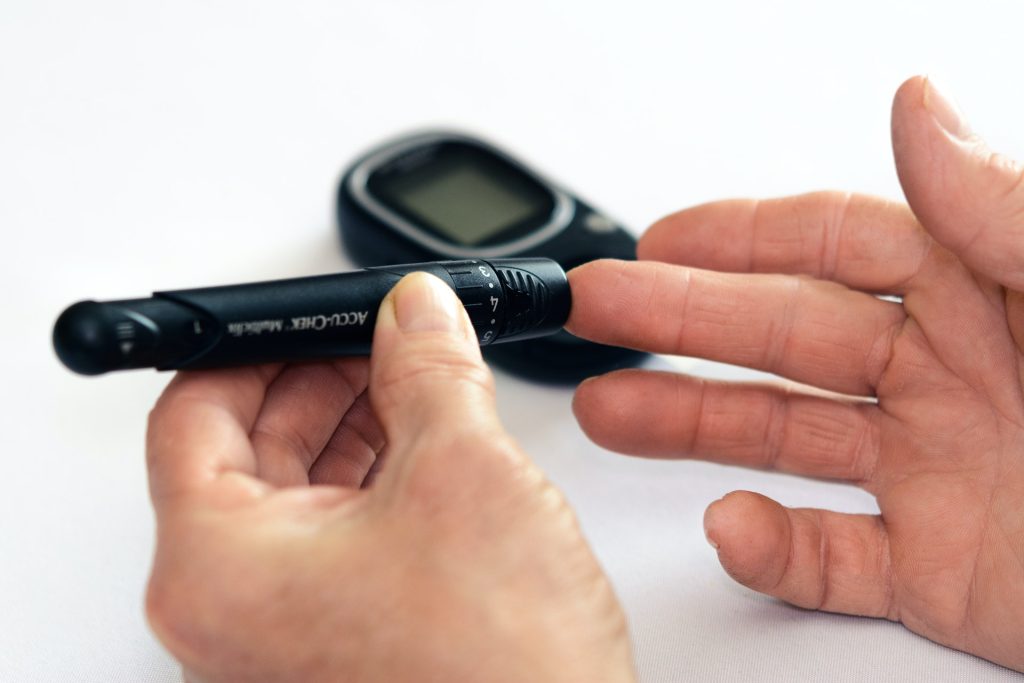
Diabetes - person measures blood glucose
Photo by Photomix Company from Pexels

Compared to those without diabetes, the COVID mortality risk for people with diabetes is almost double, with almost three times the risk of being critically or severely ill, according to a review of research by researchers from the University of Aberdeen.

Fortunately, the review study, which is published in Endocrinology, Diabetes and Metabolism, also found that good management of the condition can mitigate against the risks.

Specifically, it was found that while diabetes presents a significant risk of severe illness and death with COVID, good glycaemic control in these patients can mitigate this risk.

The researchers reviewed findings from 158 studies, encompassing more than 270 000 participants from around the world to determine COVID’s impact on people with diabetes.

The pooled results showed that people with diabetes were 1.87 times more likely to die with COVID, 1.59 times more likely to be admitted to ICU, 1.44 times more likely to require ventilation, and 2.88 times more likely to be classed as severe or critical, when compared to patients without diabetes.

This is the first time a study has looked at the risks of COVID in patients with diabetes while factoring in the patients’ location and thereby highlighting potential healthcare resources available as well as possible ethnic differences and other societal factors.

Patients in China, Korea and the Middle East were found to be at higher risk of death than those from EU countries or the US. This, they suggested, may be the result of differences in healthcare systems and affordability of healthcare which may explain the finding that maintaining optimal glycaemic control, significantly reduces adverse outcomes in patients with diabetes and COVID.

Stavroula Kastora, who worked on the study explained: “We found that following a COVID infection, the risk of death for patients with diabetes was significantly increased in comparison to patients without diabetes.

“Equally, collective data from studies around the globe suggested that patients with diabetes had a significantly higher risk of requiring an intensive care admission and supplementary oxygen or being admitted in a critical condition in comparison to patients without diabetes.

“However, we found that the studies that reported patient data from the EU or US displayed less extreme differences between the patient groups. Ultimately, we have identified a disparity in COVID outcomes between the eastern and western world. We also show that good glycaemic control may be a protective factor in view of COVID-related deaths.

“In light of the ongoing pandemic, strengthening outpatient diabetes clinics, ensuring consistent follow up of patients with diabetes and optimising their glycaemic control could significantly increase the chances of survival following a COVID infection.”

Source: University of Aberdeen

Storm on the Horizon for Life Insurance: Rising Prices and Long COVID

Business data
Photo by Towfiqu barbhuiya on Unsplash

Coming out of 2021, Price Waterhouse-Cooper analysed major life insurers in a new report, and found that they were able to maintain their policy holder obligations and maintain their financial positions. However, uncertainty is growing as global commodity prices spike amid lackluster growth and COVID’s potential long-term impacts.

PwC analysed 2021 results for five major insurers:  Discovery, Liberty, Momentum Metropolitan Holdings Limited (MMH), Old Mutual, and Sanlam.

 Alsue du Preez, PwC Africa Insurance Leader, said that the results are presented in the context of rapidly changing circumstances in which insurers are conducting their businesses. “Significant shifts are still occurring, the latest being the invasion by Russia of Ukraine and flooding in KZN, impacting not only the economy but environmental and social conditions,” she said. “These factors, as well as ongoing shifts in customer expectations and needs, have the potential to continue to materially influence future performance.”

While the COVID pandemic in 2020 was unpredictable, the impact of the second and third waves in 2021 was underestimated by life insurers, the report noted. The year 2021 did however come with a realisation of just how complicated the variables are, bringing risk variance losses of R6.8bn.

Key indicators showed that profitability growth was subdued even pre-pandemic, with earnings growing in line with inflation. Value of New Business (VNB) margins – ie, profit from new policy signings – was trending downwards slightly. VNB was 2.7%–3.1% over the period 2011–2015 but decreased to 2.4% in 2018 and 2019. The VNB margin achieved in 2021 is lower still at 1.9%, but still an improvement from 2020’s result of 1.49%.

The present value of new business premiums (PVNBP), which is the present value of total confirmed premiums that will be received from present to future, increased by 13% from 2019, but this could not offset the fall in margins compared with pre-pandemic levels. 

The report paints a grim picture for economic growth. Stifled GDP growth – with a per capita GDO fall of 4.2% – has been compounded by Russia’s invasion of Ukraine, with supply chain disruptions and knock-on global price increases. 

“Given the consequent higher inflation, weaker external demand and an unreliable power supply (the country’s largest growth inhibitor), we now forecast a real GDP growth rate of 2.0% this year (from 2.3% previously) with continued downside risk,” du Preez said. “Alongside this, weaker economic outlook provides even greater concern about the speed of the country’s jobs recovery. There is little scope for South Africa’s unemployment rate to improve this year if local business sentiment is weighed down by these factors.” 

Pressure on low/medium income households will impact their ability to afford new or existing insurance products

Increasing living costs will adversely impact all households during 2022, though this will impact the various income groups differently. 

“Middle to higher income groups are re-evaluating their discretionary spending patterns and are either ‘buying down’ or reducing insurance and savings products,” du Preez said. “On the other hand, households in the lower to lower-middle income categories will struggle to sustain their monthly basket of goods purchases. Given increased costs of necessities, these households will need to carefully consider the affordability of other discretionary monthly expenses, including insurance products.”

More than half of the income of low-income households goes on food and non-alcoholic beverages, which will be impacted by increasing commodity prices.

As we now proceed out of the rollercoaster that was 2021, a fair amount of uncertainty lingers in the industry. Talk is now moving more towards whether cost savings insurance entities achieved during the lockdown will be sustainable, as well as what allowance should be made for COVID’s impacts on long term mortality and long-COVID. 

Moving out of the rollercoaster of 2021, there is still significant uncertainty in the industry, with discussion over whether insurance companies will sustain their cost savings made during lockdown. Another question is how COVID will impact the industry in terms of mortality and long COVID.

The major life insurers’ Stronger performances in FY21 showed sustained strength in operational and capital management, and the relative benefits of diversification amongst their business portfolios. “The post-COVID financial ‘recovery’ is pleasing to see, but the pre-COVID comparison, coupled with the difficult macro-economic backdrop into the medium term, demonstrates the need for insurers to continue to innovate and invest on multiple fronts,” du Preez said. 

Excess Deaths from COVID Nearly 15 Million – WHO

Source: Pixabay CC0

The World Health Organization (WHO) estimates that the full death toll associated directly or indirectly with the COVID pandemic (described as “excess mortality”) was approximately 14.9 million, with a range of 13.3 million to 16.6 million.  

“These sobering data not only point to the impact of the pandemic but also to the need for all countries to invest in more resilient health systems that can sustain essential health services during crises, including stronger health information systems,” said Dr Tedros Adhanom Ghebreyesus, WHO Director-General. “WHO is committed to working with all countries to strengthen their health information systems to generate better data for better decisions and better outcomes.”

Excess mortality is calculated as the difference between the number of deaths that have occurred and the number that would be expected in the absence of the pandemic based on data from earlier years. 

Excess mortality includes deaths directly associated with COVID (due to the disease) or indirectly (due to the pandemic’s impact on health systems and society). Deaths linked indirectly to COVID are attributable to other health conditions for which people were unable to access prevention and treatment because health systems were overburdened by the pandemic. Excess death numbers can be influenced also by deaths averted during the pandemic due to lower risks of certain events, such as car accidents or occupational injuries. 

The estimate for a 24-month period (2020 and 2021) finds that the excess deaths (84%) are largely concentrated in South-East Asia, Europe, and the Americas. Some 68% of excess deaths are concentrated in just 10 countries globally. Middle-income countries account for 81% of the 14.9 million excess deaths (53% in lower-middle-income countries and 28% in upper-middle-income countries) over the 24-month period, with high-income and low-income countries each accounting for 15% and 4%, respectively. 

The estimates confirm that the global death toll was higher for men than for women (57% male, 43% female) and higher among older adults. A better picture of COVID mortality data comes from excess deaths per 100 000 instead of mortality counts, which can seem skewed due to population size.

“Measurement of excess mortality is an essential component to understand the impact of the pandemic. Shifts in mortality trends provide decision-makers information to guide policies to reduce mortality and effectively prevent future crises. Because of limited investments in data systems in many countries, the true extent of excess mortality often remains hidden,” said Dr Samira Asma, Assistant Director-General for Data, Analytics and Delivery at WHO. “These new estimates use the best available data and have been produced using a robust methodology and a completely transparent approach.”

The production of these estimates is a result of a global collaboration supported by the work of the Technical Advisory Group for COVID-19 Mortality Assessment and country consultations. 

Source: World Health Organization

Gene Mutation in Young Girl May Finally Yield Lupus Treatment

Facial rash characteristic of lupus. Credit: Statpearls

A study published in Nature has identified mutations in an X chromosome gene that senses viral RNA, as a cause of the autoimmune disease lupus, a finding which may explain why the disease is far more common in females, and which might lead to new treatments.

In the study, whole genome sequencing was performed on the DNA of a Spanish child named Gabriela, who was diagnosed with severe lupus at age 7. Such a severe case with early onset of symptoms is rare and suggests a single genetic cause.

In their genetic analysis, the researchers discovered a single point mutation in the TLR7 gene. Referrals from other institutions, they were able to identify other cases of severe lupus where this gene was also mutated.

To confirm that the mutation causes lupus, the team inserted the gene into mice, which went on to develop the disease and showed similar symptoms. The mouse model and the mutation were both named ‘kika’ by Gabriela, the young girl central to this discovery.

Carola Vinuesa, senior author and principal investigator said: “It has been a huge challenge to find effective treatments for lupus, and the immune-suppressors currently being used can have serious side effects and leave patients more susceptible to infection. There has only been a single new treatment approved by the FDA in about the last 60 years.

“This is the first time a TLR7 mutation has been shown to cause lupus, providing clear evidence of one way this disease can arise.”

Professor Nan Shen, co-director of CACPI adds: “While it may only be a small number of people with lupus who have variants in TLR7 itself, we do know that many patients have signs of overactivity in the TLR7 pathway. By confirming a causal link between the gene mutation and the disease, we can start to search for more effective treatments.”

The mutation identified by the researchers makes TLR7 protein bind more readily guanosine and become more active. This in turn increases the sensitivity of the immune cell, making it more likely to incorrectly target healthy tissue.

Interestingly, other studies have shown mutations that cause TLR7 to become less active are associated with some cases of severe COVID infection, highlighting the delicate balance of a healthy immune system.

The findings could also explain why lupus is 10 times more common in females than in males. Because TLR7 is located on the X chromosome, females have two copies of the gene while males have one. Usually, in females one of the X chromosomes is inactive, but in this section of the chromosome, silencing of the second copy is often incomplete. This means females with a mutation in this gene can have two functioning copies.

Study co-author Dr Carmen de Lucas Collantes, said: “Identification of TLR7 as the cause of lupus in this unusually severe case ended a diagnostic odyssey and brings hope for more targeted therapies for Gabriela and other lupus patients likely to benefit from this discovery.”

Gabriela, now a teenager, remains in touch with the research team. She said, “I hope this finding will give hope to people with lupus and make them feel they are not alone in fighting this battle. Hopefully the research can continue and end up in a specific treatment that can benefit so many lupus warriors who suffer from this disease.”

The researchers are now investigating the repurposing of existing treatments which target the TLR7 gene. By targeting this gene, they hope to be able to also help patients with related conditions.

Carola added: “There are other systemic autoimmune diseases, like rheumatoid arthritis and dermatomyositis, which fit within the same broad family as lupus. TLR7 may also play a role in these conditions.”

Source: Francis Crick Institute

Home Pulse Oximeters in COVID no Better Than Just Asking

Photo by Mufid Majnun on Pexels

Self-measurement of oxygen levels with pulse oximeters is no better than just regularly asking patients with COVID if they are short of breath, according to new research published in the New England Journal of Medicine. Pulse oximeters have often been applied because of concerns that patients might not notice their blood oxygen levels sliding dangerously. 

However, people in Penn Medicine’s COVID Watch programme, which monitors patients recovering at home via automated text messaging, had the same outcomes whether they used oxygen-measuring devices or not.

“Compared to remotely monitoring shortness of breath with simple automated check-ins, we showed that the addition of pulse oximetry did not save more lives or keep more people out of the hospital,” said the study’s co-lead author, Anna Morgan, MD, medical director of the COVID Watch program and an assistant professor of General Internal Medicine. “And having a pulse oximeter didn’t even make patients feel less anxious.”

The COVID Watch was launched in March 2020 to remotely monitor COVID patients at home, with 28 500 people enrolled to date. Twice a day for two weeks, text messages were automatically sent to these patients asking how they felt and if they were having difficulty breathing. If patients indicated dyspnoea, the programme would alert a nurse to make contact and arrange care.

“The programme made it easy to identify the sickest patients who needed the hospital, and keep the others at home safely,” said David Asch, MD, executive director of the Center for Health Care Innovation and a professor of Medicine, Medical Ethics and Health Policy. “The programme was associated with a 68 percent reduction in mortality, saving a life approximately every three days during peak enrollment early in the pandemic.”

However it was not known if monitoring blood oxygen would help.

“Early in the pandemic, there was a prevalent theory that oxygen levels in the blood dropped before a COVID patient became symptomatic and short of breath,” said study co-lead author Kathleen Lee, MD. “Detecting this earlier with a home pulse oximeter might provide an opportunity to get patients who are on the cusp of deteriorating to the hospital faster and initiate time-sensitive therapies to improve outcomes.”

The use of pulse oximeters was so intuitively appealing that the process got adopted even before this trial, the first randomised trial to test whether it actually worked.

“Several health systems, and even states like Vermont and countries like the United Kingdom, have integrated pulse oximetry into the routine home management of patients with COVID, but there’s been scant evidence to show this strategy makes a difference,” said the research project’s principal investigator M. Kit Delgado, MD.

In this study, more than 2000 patients enrolled in COVID Watch between Nov. 29, 2020, and Feb. 5, 2021, were randomised to receive standard COVID Watch care or the same program with the addition of a pulse oximeter.

However, no statistical difference was seen in the main study measure, the average number of days enrolled patients spent alive and out of the hospital in the 30 days after they were enrolled. For patients with pulse oximeters, the measure was 29.4 days; for those without, it was 29.5, with no difference across racial liines. This was important as black patients are known to have had worse COVID outcomes and concerns had been raised about the accuracy of pulse oximeters in people with darker skin.
The researchers cautioned that the study focused on pulse oximeters in established programme of remote monitoring, and patients don’t have access to a system like COVID Watch or on-call clinicians, self-monitoring with pulse oximeters may still be a reasonable approach until there is evidence to the contrary.

“Overall, these findings suggest that a low-tech approach for remote monitoring systems based on symptoms is just as good as a more expensive one using additional devices. Automated text messaging is a great way for health systems to enable a small team of on-call nurses to manage large populations of patients with COVID,” said co-principal investigator, Krisda Chaiyachati, MD. “There are a lot of other medical conditions where the same kind of approach might really help.”

Source: University of Pennsylvania School of Medicine