Tag: cardiovascular disease

New Early Warning System for Sudden Cardiac Death

Photo from Olivier Collett on Unsplash

Researchers at Tomsk Polytechnic University have developed a nanosensor-based system that can detect early abnormalities in the function of cardiac muscle cells, which otherwise can be recorded only with invasive procedures.

The nanosensor-based hardware and software complex can measure cardiac micropotential energies without filtering and averaging-out cardiac cycles in real time. The device allows registering early abnormalities in the function of cardiac muscle cells, which otherwise can be recorded only during open-heart surgery or by inserting an electrode in a cardiac cavity through a vein. Such changes can lead to sudden cardiac death (SCD). Nowadays, there are no alternatives to the Tomsk device for a number of key characteristics in Russia and the world. ).

The main method of detection of electrical pulses in the heart is electrocardiography (ECG). Nevertheless, ECG modern devices detect already critical changes in the function of the myocardium.

“Therefore, there is much concern about the creation of devices for early detection of these disorders, when it is still possible to restore cell function using medication and without surgical intervention. To implement this, it is required to record cardiac micropotential energies, electrical pulses emitted by separate cells. Here, there is a question of how to implement it noninvasive. Our research team have worked on this task for a long time, as a consequence, we jointly with the participation of our colleagues, doctors, have developed a hardware and software complex.

“The core principles of its operation are similar to ECG, however, we changed sensors: we made nanosensors instead of conventional sensors and managed to measure signals of nanovoltage and microvoltage layers without filtering and averaging-out in broadband. The use of nanosensors led to the necessity to apply original circuit solutions, write individual software.

“Ultimately, we gained a tremendous difference in sensitivity,” Diana Avdeeva, Head of the TPU Laboratory for Medical Engineering, a research supervisor of the project, said.

The system consists of a set of sensors, a tiny key device for recording incoming signals from sensors and data processing software. The sensors are fixed on a patient’s chest using a conducting gel, and the monitoring procedure takes about 20 minutes.

Conventional ECG machines operate on frequencies from 0,05 Hz to 150 Hz, while the device of the Tomsk scientists operates on much higher frequencies of up to 10 000 Hz.

“Silver chloride electrodes are usually used for recording ECG of high quality. Our sensors are also silver chloride electrodes, however, we used silver nanoparticles. There are up to 16 thin plates from porous ceramics in every our sensor, silver nanoparticles are placed in these pores. There are millions of particles in one sensor, where every particle is a silver chloride electrode capable to enhance an electric field of the heart. Silver and gold nanoparticles are capable to enhance an electromagnetic field: visible light by 10,000 folds and infrared radiation by 20 folds. We also refused to use filters for rejection network interference and noises, which are usually used in conventional ECG and significantly distort micropotentials,” Diana Avdeeva said.

The published study includes the monitoring data of one volunteer’s heart function, who took part in the research for four years and was monitored every 7-10 days.

“At the beginning of our research, we recorded clear violations of activity of cardiac muscle cells. His attending physician recommended surgery, he gained an inserted stent at the Cardiology Research Institute. Then, he continued to take part in the research and the device recorded the further gradual restoration of cardiac function,” the scientist noted.

“A task to create a sensitive, tiny and affordable complex was set up, in order in a long run, outpatient clinics and patients at home could use it. Moreover, the developed methods and devices can be used not only in cardiology.

“The fields of any electrophysiological research, such as electroencephalography, electromyography and so on are promising. Of course, before applying it to cardiology, we have to pass some essential stages. These are the collection of the required array of statistics, certification of the complex for medical use. All these stages require sponsorship, we are engaged in searching for partners and supporting programs,” said research team member Mikhail Yuzhakov, Engineer at the TPU Laboratory for Medical Engineering.

Source: Tomsk Polytechnic University

Tailored Heart Failure Rehabilitation Improves Outcomes

An innovative early cardiac rehabilitation intervention customised for the individual improved physical function, frailty, quality of life, and depression in hospitalised heart failure patients. 

Photo from Olivier Collett on Unsplash

These findings were published  in the New England Journal of Medicine and also presented at the American College of Cardiology’s 70th Annual Scientific Session.  

“Designing earlier and more personalised individual-specific approaches to heart failure rehab shows great promise for improving outcomes for this common but complex condition that is one of the leading causes of hospitalisation for older adults,” said National Institute on Aging (NIA) Director Richard J Hodes, MD. “These results mark encouraging progress on a path to better overall quality of life and physical function for the millions of older Americans who develop heart failure each year.”

The study team was led by Dalane W Kitzman, MD, professor of cardiovascular medicine and geriatrics/gerontology at Wake Forest School of Medicine, Winston-Salem, North Carolina, and they followed 349 clinical trial participants with heart failure enrolled in “A Trial of Rehabilitation Therapy in Older Acute Heart Failure Patients” (REHAB-HF). On average, participants had five comorbidities that reduced of function — diabetes, obesity, high blood pressure, lung disease or kidney disease.

In an earlier pilot study, Kitzman and colleagues found striking deficits in strength, mobility and balance, along with the expected loss of endurance in older patients with acute heart failure, who were mostly fail or pre-fail. The team decided to focus on improving patients’ physical function, weakened already by chronic heart failure and age, and which was worsened by the traditional cardiac hospital experience involving lots of bedrest and resulting in loss of functions often persisting after discharge.

To address this. The REHAB-HF team designed earlier and more customised exercise programs focusing on improving balance, strength, mobility and endurance. They also began REHAB-HF during a patient’s hospital stay when possible rather than the usual six weeks post-discharge. After discharge, participants shifted to outpatient sessions three times per week for three months.

Compared to a control group getting usual cardiac rehab care, REHAB-HF participants showed significant gains in measures of physical functioning and overall quality of life, including tests for lower extremity function and mobility, and a six-minute walk test. Self-perception of their health status and depression improved in surveys compared to pre-trial baselines. Over 80% of REHAB-HF participants reported they were still doing their exercises six months after study completion.

“These findings will inform choices of heart failure rehabilitation strategies that could lead to better physical and emotional outcomes,” said Evan Hadley, M.D., director of NIA’s Division of Geriatrics and Clinical Gerontology. “Tailored interventions like REHAB-HF that target heart failure’s related decline in physical abilities can result in real overall benefits for patients.”

The study did not show significant differences in related clinical events including rates of hospital readmission for any reason or for heart-failure related rehospitalizations. The research team plans to further explore that and other issues through future expansions of REHAB-HF into larger and longer-term trials with broader participant subgroups.

Source: National Institute on Aging

Journal information: Kitzman et al. Rehabilitation Intervention in Older Patients with Acute Heart Failure with Preserved versus Reduced Ejection Fraction. New England Journal of Medicine. 2021 May 16 doi: 10.1056/NEJMoa2026141.

WHO Says Overwork is Killing 745 000 People a Year

Exhausted man looking at laptop in a restaurant. Photo by Tim Gouw from Pexels

Long working hours led to 745 000 deaths from stroke and ischaemic heart disease in 2016, a 29% increase from 2000, according to a report by the World Health Organization and the International Labour Organization.

Published in Environment International, this is the first global analysis of the loss of life and health associated with working long hours. The global analysis drew on 37 studies on ischaemic heart disease with over 768 000 participants and 22 studies on stroke with more than 839 000 participants.
The WHO and ILO estimate that, in 2016, 398 000 people died from stroke and 347 000 from heart disease as a result of having worked at least 55 hours a week. Between 2000 and 2016, the number of deaths from heart disease due to working long hours rose by 42%, and those from stroke by 19%.

This burden of work-related disease is particularly significant in men (72% of deaths were males), people living in the Western Pacific and South-East Asia regions, and middle-aged or older workers. Most of these deaths were among people aged 60-79 years, who had worked for 55 hours or more per week between the ages of 45 and 74 years.

Long work hours are now known to cause about one-third of the total estimated work-related burden of disease, and so is now the risk factor with the largest occupational disease burden. This shifts thinking towards a relatively new and more psychosocial occupational risk factor to human health.

Compared to a 35-40 hour work week, a 55 hour or more work week is associated with an estimated 35% higher risk of a stroke and a 17% higher risk of dying from ischaemic heart disease, concluded the study.

Increasing numbers of people are working long hours, currently standing at 9% of the world’s population. Even more people are being put at risk of work-related disability and early death by this trend.

This report comes just as the COVID pandemic is feeding a trend towards increased work hours. In China, 18 health workers died from overwork-related illnesses in the pandemic.

“The COVID pandemic has significantly changed the way many people work,“ said Dr Tedros Adhanom Ghebreyesus, WHO Director-General. “Teleworking has become the norm in many industries, often blurring the boundaries between home and work. In addition, many businesses have been forced to scale back or shut down operations to save money, and people who are still on the payroll end up working longer hours. No job is worth the risk of stroke or heart disease. Governments, employers and workers need to work together to agree on limits to protect the health of workers.”

“Working 55 hours or more per week is a serious health hazard,” added Dr Maria Neira, Director, Department of Environment, Climate Change and Health, at the WHO. “It’s time that we all, governments, employers, and employees wake up to the fact that long working hours can lead to premature death”.

The WHO pointed out the following actions that governments, employers and workers can take protect workers’ health:  

  • governments can introduce, implement and enforce laws, regulations and policies that ban mandatory overtime and ensure maximum limits on working time;
  • bipartite or collective bargaining agreements between employers and workers’ associations can arrange working time to be more flexible, while at the same time agreeing on a maximum number of working hours;
  • employees could share working hours to ensure that numbers of hours worked do not climb above 55 or more per week.  

Source: World Health Organization

Journal information: Pega, F., et al. 2021. Global, regional, and national burdens of ischemic heart disease and stroke attributable to exposure to long working hours for 194 countries, 2000–2016: A systematic analysis from the WHO/ILO Joint Estimates of the Work-related Burden of Disease and Injury. Environment International, p.106595.

Overweight in Adolescence Linked to Strokes in Later Life

Having a higher body mass index (BMI) in adolescence is linked to greater risk of first ischaemic stroke in adults under age 50 — regardless of whether they had Type 2 diabetes.

The research was published in Stroke, a journal of the American Stroke Association, a division of the American Heart Association.

Although the prevalence of adolescent obesity and stroke among adults under the age of 50 years continue to rise around the world, the precise link between the two conditions is still not fully understood.

“Adults who survive stroke earlier in life face poor functional outcomes, which can lead to unemployment, depression and anxiety,” said study co-author Gilad Twig, MD, MPH, PhD, an associate professor in the Medical Corps of the Israel Defense Forces and the department of military medicine, Faculty of Medicine of The Hebrew University in Jerusalem, Israel. “The direct and indirect costs attributed to stroke prevention and care are high and expected to keep increasing since the rate of stroke continues to rise.”

This study examined adolescent BMI and first stroke before the age of 50 among 1.9 million participants (ages 16 to 20; 58% male) from two nationwide databases: the Israel Defence Forces and the Israeli National Stroke Registry. All the participants in the database had undergone one complete medical exam between 1985 and 2013.

Standard BMI groups are underweight (less than 5th percentile), low-normal BMI (5th to 49th percentile), high-normal BMI (50th to 84th percentile), overweight (85th to 94th percentile), and obese (greater than 95th percentile). Details on percentile BMI measures by gender are in the article.

Overall, 1088 strokes occurred (921 ischaemic strokes, 167 haemorrhagic strokes) during the follow-up period, a mean age of 41 when the stroke occurred. Adolescent BMI was directly related to the risk of first ischaemic stroke. Compared to participants in the low-normal BMI group, overweight adolescents had a 2-times higher risk of stroke before age 50, and obese adolescents had a 3.4-times higher risk.

Even adolescents with BMIs in the high-normal range were more likely to have a stroke before age 50 compared to those in the low-normal BMI group. Adolescents who were either overweight or obese still had a higher risk of stroke (1.6-times and 2.4-times, respectively) after accounting for Type 2 diabetes, compared to those with normal BMI.

Even though overweight and obesity during adolescence is a common problem, researchers were surprised to find that Type 2 diabetes did not explain the higher risk for ischaemic stroke, which in some cases occurred even before age 30.

Dr Twig noted that current literature shows that a stroke early in life may lead to recurrent stroke, heart attack, long-term care and premature death.

“Our findings underscore the importance of effective treatment and prevention of high normal and excessively high BMI during adolescence,” Dr Twig said. “Our study is also the first to show that the risk of stroke associated with higher BMI values is the same for both men and women.”

A major limitation of the study is that BMI data at follow-up were not available for all participants, meaning that researchers could not assess the contribution of obesity over time to stroke risk and to separate out the risk of BMI during adolescence.

Source: American Heart Association

Journal information: Bardugo A, Fishman B, Libruder C, et al. Body Mass Index in 1.9 Million Adolescents and Stroke in Young Adulthood. Stroke. 2021;STROKEAHA120033595. doi:10.1161/STROKEAHA.120.033595

Manganese Sharpens MRI Scans of Heart Attacks

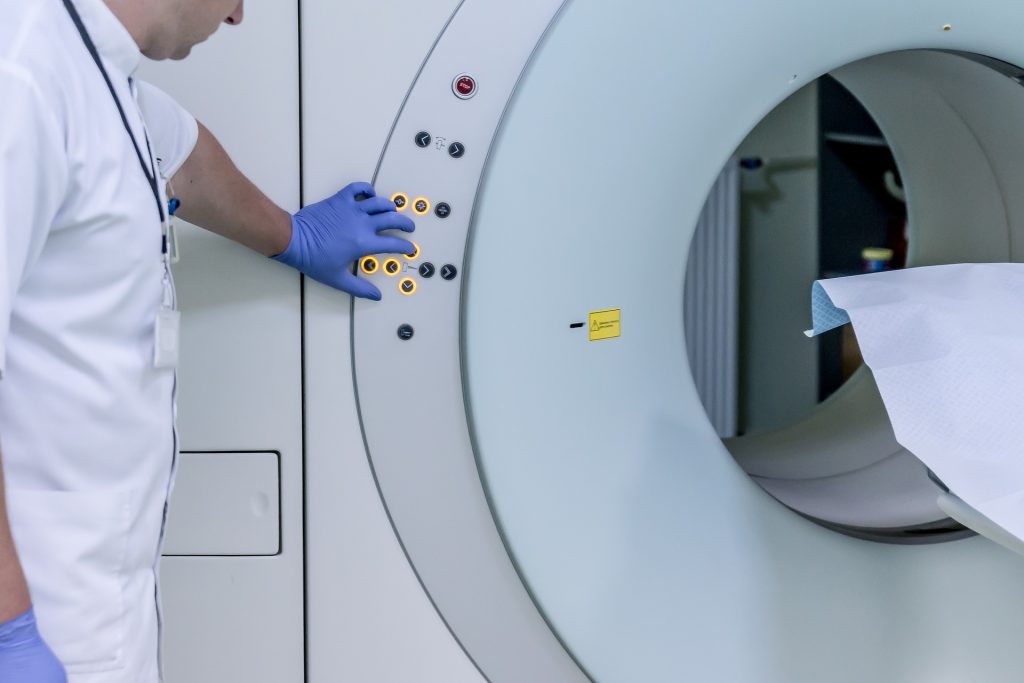
Clinician prepares an MRI scanner. Image by Michal Jarmoluk from Pixabay

Manganese, a common trace mineral, could improve MRI scans of hearts after a heart attack and guide therapy, according to a new study.

By far the most widely used contrast agent for MRI is gadolinium, which improves the visibility of different organs and tissue types in MRI scans. However, it is taken up equally by cells regardless of their activity, and spreads out in damaged tissue. Furthermore, there are also extremely rare instances of serious kidney damage from its use. 

Manganese, besides being less toxic, has a useful property in that it competes with calcium uptake. Calcium handling is highly sensitive to altered heart muscle viability and changes rapidly after damage. Manganese ions enter heart muscle cells through calcium channels, and thus give a useful surrogate for heart tissue viability.

The contrast agent was tested first in vitro with heart muscle cells, and then in mice which had a myocardial infarction (heart attack) induced. The manganese contrast agent was administered with a calcium supplement or administered slowly to negate the effects of manganese interfering with the heart’s calcium channel. Findings were evaluated by examining the infarct size and blood supply at three key intervals: one hour, one day and 14 days after a myocardial infarction was induced. Overall, the manganese contrast agent was superior to gadolinium.

These findings could have major implications for heart attack treatment, if confirmed. They could also be greatly useful in preclinical evaluation of treatments for patients with cardiac ischaemia – where blood supply to the heart muscle is reduced, possibly leading to cardiac arrest.

Furthermore, if manganese-enhanced MRI is performed within the first few hours of a heart attack it could be used to determine the optimal treatment regime for individual patients – helping to regulate changes in the cardiac muscle and thereby further improving survival chances. 

“Magnetic resonance imaging (MRI) is increasingly used to diagnose and give information on heart conditions,” said lead researcher Dr Patrizia Camelliti, Senior Lecturer in Cardiovascular Science, University of Surrey. “This research using mice allows us to measure the health status of the heart muscle rapidly after a heart attack and could provide important information for optimizing treatments in patients.”

Source: News-Medical.Net

Journal reference: Jasmin, N.H., et al. (2021) Myocardial Viability Imaging using Manganese‐Enhanced MRI in the First Hours after Myocardial Infarction. Advanced Science. doi.org/10.1002/advs.202003987.

Liver Genes May Dictate Heart Disease Risk

Neon outline of a human heart. Photo by Olivier Collett on Unsplash

A new study by has discovered that the liver could influence people’s susceptibility to obesity and cardiovascular disease.

Drawing on data from the UK Biobank with over 700 000 individuals, scientists from Brunel University London and Imperial College London found that heart disease is far more common among people with genes that previously been linked to the control of functions such as the metabolism of fat and glucose.

Published in Nature Communications, it’s hoped the research could help clinicians identify those with the greatest risk of future heart disease, possibly allowing for interventions at an earlier stage.

“We were looking at liver enzymes, which are a reflection of our liver function, to identify which genes in the human genome control liver function and what else might be associated with those genes,” explained project co-lead Dr Raha Pazoki, a lecturer in biomedical sciences at Brunel.

“One of the things we found, for instance, was that these genes are linked to obesity and the distribution of fat in the body and the percentage of fat in the liver – they are implicated in our metabolism and how our bodies process fats and glucose.”

The team used a method known as Mendelian randomisation, which makes use of large-scale genetic datasets to replicate a controlled, randomised trial. Mendelian randomisation is a research method which provides evidence on putative causal relations between modifiable risk factors and disease, using genetic variants as natural experiments. The scientists examined individuals’ genomes based on the number of hazardous liver genes they carry, then investigated how an abundance of these hazardous genes impacts an individual’s susceptibility to heart disease.

“We found that when we looked at coronary heart disease, for example, there is an abundance of disease in those who carry hazardous liver genes compared to those who don’t. We can therefore say that there is a causal link between liver function and cardiovascular disease.”

Source: Medical Xpress

Journal information: Genetic analysis in European ancestry individuals identifies 517 loci associated with liver enzymes, Nature Communications (2021). DOI: 10.1038/s41467-021-22338-2

Some Meds May be Raising Blood Pressure Unnecessarily

Photo by Myriam Zilles at Unsplash

New research has found that nearly a fifth of adults with high blood pressure are taking a drug that may be raising their blood pressure further.

The findings presented at the American College of Cardiology’s 70th Annual Scientific Session. The results highlight the need for patients to regularly review all of the medications they take with their care team, including over-the counter drugs, to ensure none might interfere with blood pressure lowering efforts.

The research found that three most common culprits were antidepressants; nonsteroidal anti-inflammatory drugs (NSAIDs) that include ibuprofen and naproxen; and oral steroids used to treat conditions such as gout, lupus, rheumatoid arthritis or after an organ transplant. These drugs were reported by 9%, 7% and 2% of participants, respectively. Other drugs associated with blood pressure elevation included antipsychotics, certain oral contraceptives and popular decongestants.

Researchers said these findings raise concerns, especially as nearly half of Americans diagnosed with high blood pressure do not have it sufficiently controlled. Dr. Vitarello explained the goal blood pressure for hypertension patients is a reading of less than 130 mmHg over 80 mmHg, based on the 2017 American College of Cardiology/American Heart Association (ACC/AHA) Guideline for the Prevention, Detection, Evaluation, and Management of High Blood Pressure in Adults.

“These are medications that we commonly take—both over-the-counter and prescribed medications—that may have the unintended side effect of raising blood pressure and could have adverse effects on our heart health,” said John Vitarello, MD, an internal medicine resident at Beth Israel Deaconess Medical Center in Boston and the study’s lead author. “We know that high blood pressure leads to cardiovascular disease, stroke and death and even small increases in blood pressure can have meaningful impacts on cardiovascular disease. Based on our findings, we need to be more aware of polypharmacy (the use of multiple medications by a single patient) in older adults who also have the highest burden of high blood pressure.”

The study examined data from 27 599 participants in the National Health and Nutrition Examination Survey (NHANES) between 2009 and 2018. About half of the participants (49%) had hypertension (average age 55 years, 48% female), defined in the study as a blood pressure reading of ≥ 130 mmHg (systolic) or ≥80 mmHg (diastolic) or ever having been told they have high blood pressure. Researchers identified medications associated with blood pressure elevation based on those listed in the ACC/AHA guideline and examined use of these medications by hypertensive adults

Among hypertensive participants, 19% reported using one or more blood pressure raising medications and 4% reported using multiple. Nearly one-quarter (24%) of women with high blood pressure reported using a blood pressure raising medication compared with 14% of men. Older adults were more likely to be using blood pressure raising medications than younger adults (19% of participants over age 65 vs. 18% of participants under age 65).

Vitarello said the findings suggest that there may be opportunities to treat hypertension by switching out the drugs raising blood pressure rather than adding more anti-hypertensives. Some drugs may have the same benefit but impact on blood pressure less. Still, some patients may not have another medication option, so monitoring and talking to their care team is advised over stopping medications.

The researchers also estimated that if half of hypertensive US adults taking blood pressure raising drugs were to discontinue one of them, 560 000 to 2.2 million patients could be able to reach blood pressure goals without additional drugs. But Vitarello cautioned that this is only a preliminary analysis, and individual responses to stopping blood pressure drugs are variable, so the real-world benefit and tradeoffs of stopping these medications need to be further studied.

The study is limited in that it relies on participants’ self-report of having high blood pressure and an accurate accounting of all the medications they take. The study was funded by the National Institute on Aging and an ACC Fellows Career Development Award.

Source: American College of Cardiology

A Daily Cup of Leafy Vegetables Can Slash Heart Disease Risk

Eating just one cup of nitrate-rich vegetables each day can significantly reduce the risk of heart disease by up to 26%, according to research from New Edith Cowan University (ECU).

The study sought to find out whether people eating a diet with higher quantities of nitrate-rich vegetables, such as leafy greens and beetroot, had lowered blood pressure, and it also examined whether these same people were less likely to have a heart disease diagnosis in later years.

Cardiovascular diseases are a leading cause of deaths around the world, attributed to some 13 million deaths in 2010 and making up one in every four deaths.

The study examined the diets of over 50 000 people in Denmark, who took part in the Danish Diet, Cancer, and Health Study over a 23-year period. People who consumed the greatest amounts of nitrate-rich vegetables had about a 2.5 mmHg lower systolic blood pressure, and their risk of heart disease was 12 to 26% lower.

The results were published in the European Journal of Epidemiology. It is a collaboration between Edith Cowan University, the Danish Cancer Society and The University of Western Australia.  

Lead researcher Dr Catherine Bondonno from ECU’s Institute for Nutrition Research said that it was a priority to identify diets that prevent heart disease.

“Our results have shown that by simply eating one cup of raw (or half a cup of cooked) nitrate-rich vegetables each day, people may be able to significantly reduce their risk of cardiovascular disease,” Dr Bondonno said.

“The greatest reduction in risk was for peripheral artery disease (26 percent), a type of heart disease characterized by the narrowing of blood vessels of the legs, however we also found people had a lower risk of heart attacks, strokes and heart failure.”

The study found that only one cup of nitrate-rich vegetables was needed for optimum results, and it didn’t seem that there were any more benefits from eating more.

“People don’t need to be taking supplements to boost their nitrate levels because the study showed that one cup of leafy green vegetables each day is enough to reap the benefits for heart disease,” Dr Bondonno said. “We did not see further benefits in people who ate higher levels of nitrate rich vegetables.”

Dr Bondonno added that some shortcuts such as adding a cup of spinach when making a banana or berry smoothie could be an easy way to include more daily leafy greens.

“Blending leafy greens is fine, but don’t juice them. Juicing vegetables removes the pulp and fiber,” Dr Bondonno said.

The research adds to a growing body of evidence linking vegetables generally and leafy greens specifically with improved cardiovascular health and muscle strength.

Source: Medical Xpress

Journal information: Catherine P. Bondonno et al, Vegetable nitrate intake, blood pressure and incident cardiovascular disease: Danish Diet, Cancer, and Health Study, European Journal of Epidemiology (2021). DOI: 10.1007/s10654-021-00747-3

Blood Pressure Meds May Lower Heart Risk Even For the Healthy

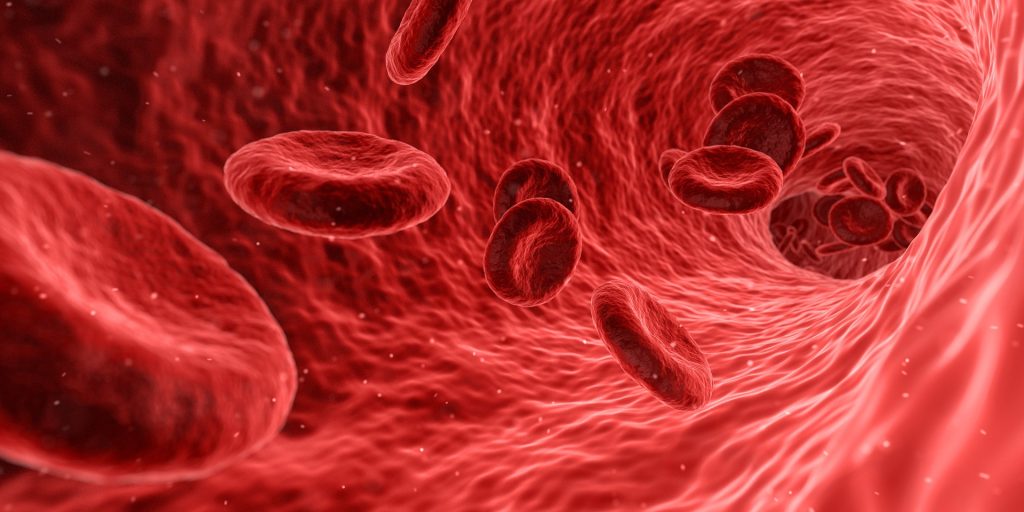
Red blood cells. CC0 Commons


Blood pressure-lowering medication can prevent serious cardiovascular conditions such as strokes, heart failure and heart attacks even in adults with normal blood pressure, according to new research published in The Lancet.

Importantly, the study found the beneficial effects of treatment were similar regardless of the starting blood pressure level, in both people who had previously had a heart attack or stroke and in those who had never had heart disease.

The authors say that the findings have immediate and important implications for global clinical guidelines that typically limit blood pressure-lowering treatment to individuals with high blood pressure (typically above 140/90 mmHg).

“Our findings are of great importance to the debate concerning blood pressure treatment,” said lead author Professor Kazem Rahimi at the University of Oxford. “This new and best available evidence tells us that decisions to prescribe blood pressure medication should not be based simply on a prior diagnosis of cardiovascular disease or an individual’s blood pressure level. Instead, medication should be viewed as an effective tool for preventing cardiovascular disease in people at increased risk of developing heart disease or stroke. Clinical guidelines should be changed to reflect these findings.”

He cautioned, “We’re not saying that everyone must begin treatment. The decision will depend on an individual’s risk factors for developing cardiovascular disease, the potential for side effects and patient choice.”

In many Western countries as well as developing economies like South Africa, heart disease and stroke, linked to high blood pressure, are among the leading causes of death. Blood pressure medication is widely acknowledged as protecting people with a history of heart attack or stroke from having a recurrence, but there is debate about their use in people with normal or mildly elevated blood pressure.

To date, conflicting findings have come from studies examining whether blood pressure-lowering medication is equally beneficial in people with and without a history of cardiovascular disease, and at lower blood pressures warranting treatment (typically considered 140/90 mmHg or higher). This has led to contradictory treatment recommendations around the world.

For the current analysis, the Blood Pressure Lowering Treatment Triallists’ Collaboration pooled data from 344 716 adults in 48 randomised trials to investigate the effects of blood pressure-lowering medications.

Participants were classified as those with a prior diagnosis of cardiovascular disease (157 728 participants – secondary prevention group) and those without (186,988 – primary prevention group, without cardiovascular disease).

Each group was then divided into seven subgroups based on levels of systolic blood pressure at the start of the study. About 20% (31 239) of participants with prior cardiovascular disease and 8% (14 928) of those who had never had cardiovascular disease had normal or high-normal systolic blood pressure at the start of the trials (systolic blood pressure less than 130 mmHg).

Over an average of four years follow-up, 4324 participants experienced at least one major cardiovascular event (ie. heart attack, stroke, heart failure, or death from cardiovascular disease).

With every 5mmHg reduction in systolic blood pressure, the risk of developing major cardiovascular disease decreased by approximately 10% (18 287 vs 24 037 major cardiovascular disease in the intervention and comparator groups, respectively), stroke by 13% (6005 vs 7767), heart failure by 13% (3249 vs 4584), ischaemic heart disease by 8% (8307 vs 11 145), and  cardiovascular disease mortality by 5% (4 825 vs 6 110).

The beneficial effects of the treatment did not differ based on a history of having had cardiovascular disease or the level of blood pressure at study entry.

“It is important that people are considered for blood pressure-lowering treatment based on their cardiovascular risk, rather than focusing on blood pressure itself as a qualifying factor for or target of treatment,” said co-author Zeinab Bidel from the University of Oxford. “We must provide well-rounded guidelines to lower risks for cardiovascular disease that include exercise, nutrition, smoking cessation, and – where appropriate – medication.”

The study has some limitations, such as only investigating the impact of baseline blood pressure and prior cardiovascular disease on treatment effects, so the findings cannot be generalised to other patient characteristics that have not been included in the analysis.

Additionally, effects on diseases other than major cardiovascular disease, including potential treatment side effects, were not specifically examined.

Source: News-Medical.Net

Journal information: The Blood Pressure Lowering Treatment Trialists’ Collaboration., (2021) Pharmacological blood pressure lowering for primary and secondary prevention of cardiovascular disease across different levels of blood pressure: an individual participant-level data meta-analysis. The Lancet. doi.org/10.1016/S0140-6736(21)00590-0.

Earlier, Improved MRI Detects ‘Broken-heart’ Syndrome

A new study from Karolinska Institutet in Sweden suggests that early magnetic resonance imaging (MRI) of the heart can greatly increase the rate of diagnosis of broken-heart syndrome, which can happen when there is no obvious cause in the coronary artery. 

Myocardial infarction is typically caused by a blockage of the coronary artery by a blood clot. However, in up to 10% of all myocardial infarctions, no obvious cause in the coronary artery is found, and so the working diagnosis MINOCA (myocardial infarction with non-obstructive coronary arteries) is given, which can subsequently lead to one of several diagnoses.

Most of these patients are women, many of whom are diagnosed with takotsubo cardiomyopathy (broken-heart syndrome), characterised by reduced heart function that is likely stress-related, presenting the same symptoms as a standard heart attack.

“Around 80 to 90% of broken-heart sufferers are women, and the disease is associated with mental stress,” said principal investigator Per Tornvall, senior physician and professor at the Department of Clinical Science and Education, Stockholm South General Hospital, Karolinska Institutet. “There also seems to be a link to hypersensitivity towards stress caused by low estrogen levels. Unfortunately, research on the investigation and treatment of myocardial infarction is often done on men, while female heart disease is less studied.”

In a prior study with 150 patients, cardiovascular magnetic resonance (CMR) is often done when examining patients with MINOCA. CMR conducted approximately 10 days after onset can result in a diagnosis in under half the patients, normally takotsubo or myocarditis (inflammation of the heart muscle), Now, the same researchers have tested a new, more sensitive CMR technique two to four days after onset on a comparable group of 148 patients. They found that 77% of the patients could be diagnosed: 35% of takotsubo and 17% of myocardial inflammation, compared with 19 and 7%, respectively, in the first study.

“We don’t know how much effect the improved CMR technique has, but the results suggest that with early examination more patients can get a correct diagnosis and therefore the right treatment,” says Professor Tornvall. “The next step is for us to develop the CMR examination with pharmacological stress of the heart. This will enable us to study the smallest of the blood vessels and hopefully find a cause for the 23% who received no diagnosis.”

Source: Medical Xpress

Journal information: Peder Sörensson et al. Early Comprehensive Cardiovascular Magnetic Resonance Imaging in Patients With Myocardial Infarction With Nonobstructive Coronary Arteries, JACC: Cardiovascular Imaging (2021). DOI: 10.1016/j.jcmg.2021.02.021