A large-scale study published in JAMA Network has found no link between benzodiazepines use in pregnancy and subsequent autism spectrum disorder (ASD) or attention-deficit/hyperactivity disorder (ADHD) diagnoses in offspring. When comparing siblings, benzodiazepines use had no effect on ASD or ADHD risk, indicating that the mother’s genetics partly explained the increased risk.
Some 10–30% of pregnant women experience mental disorders, including mood or anxiety spectrum disorders, for which benzodiazepine agents are sometimes prescribed; this occurs in an estimated 1.9% of pregnancies globally.
The safety of these agents to the developing foetus and newborn has been called into question, since benzodiazepines are able to cross the placenta and have been found to be present in amniotic fluid and breast milk. The US FDA includes in the category of possible harm to the foetus.
While rodents studies have tested benzodiazepine exposure during the first trimester of pregnancy, investigations of neurodevelopmental outcomes in humans, such as ASD and ADHD, have been lacking.
One study found no significantly increased risks of ADHD symptoms or fine or greater motor deficits. Those researchers suggested the disorder resulting in benzodiazepine use might partly explain the increased risks. Maternal depressive and anxiety symptoms in pregnancy have also been linked to increased ADHD risk in children.
From the Taiwanese national health database, of over 1 .5 million children born full term who were younger than 14 years of age and followed up to 2017; 5.0% had been exposed to benzodiazepines in utero.
However, no differences were found with unexposed sibling controls during the same time frame for ADHD or ASD.
The researchers concluded that their results “challenge current assumptions of a potential association of neurodevelopmental disorders with maternal benzodiazepine use before or during pregnancy. Better identification of maternal mental health concerns, as well as possible interventions or provisions of guidance to build better nurturing and raising environments for newborns at risk, may be relevant to the prevention of adverse outcomes of neurodevelopmental disorders.”
A reluctance to make eye contact is a hallmark of autism spectrum disorder (ASD). By simultaneously imaging the brains of people making eye contact, Yale University researchers found that eye contact between two individuals was associated with a specific area associated with social interaction, which synchronises when two people with normal neural development gaze at each other. The results, published in the journal PLOS ONE, showed that in people with ASD, there was less activity in this region when they attempted eye contact.
People with ASD have been showed to have reduced or altered neurological arousal from looking at images of faces or even robots. Although eye contact is a critically important part of social interactions, scientists have been limited in studying the neurological basis of live social interaction with eye-contact in ASD because of the inability to image the brains of two people simultaneously.
Now, using an innovative technology that enables imaging of two individuals during live and natural conditions, Yale researchers have identified specific brain areas in the dorsal parietal region of the brain associated with the social symptomatology of autism. The study finds that these neural responses to live face and eye-contact may provide a biomarker for the diagnosis of ASD as well as provide a test of the efficacy of treatments for autism.
“Our brains are hungry for information about other people, and we need to understand how these social mechanisms operate in the context of a real and interactive world in both typically developed individuals as well as individuals with ASD,” said co-corresponding author Joy Hirsch, Elizabeth Mears and House Jameson Professor of Psychiatry, Comparative Medicine, and of Neuroscience at Yale.
The Yale team, led by Hirsch and James McPartland, Harris Professor at the Yale Child Study Center, analysed brain activity during brief social interactions between pairs of adults – each including a typical participant and one with ASD – using functional near-infrared spectroscopy, a non-invasive optical neuroimaging method. Both participants were fitted with neuroimaging caps which measured brain activity during face gaze and eye-to-eye contact.
The investigators found that during eye contact, participants with ASD had significantly reduced activity in a brain region called the dorsal parietal cortex compared to those without ASD. Further, the more severe the overall social symptoms of ASD as measured by ADOS (Autism Diagnostic Observation Schedule, 2nd Edition) scores, the less activity was observed in this brain region. Neural activity in these regions was synchronous between typical participants during real eye-to-eye contact but not during gaze at a video face. This typical increase in neural coupling was not observed in ASD, and is consistent with the difficulties in social interactions.
“We now not only have a better understanding of the neurobiology of autism and social differences, but also of the underlying neural mechanisms that drive typical social connections,” Hirsch said.
Autistic young men and women are more affected by psychiatric conditions and have an increased risk of hospitalisation as a result of their mental illness. Autistic women are particularly vulnerable, as shown in a study published in JAMA Psychiatry.
Autistic people have an increased risk of suffering from mental illness. Current data indicates that autistic women are more vulnerable than autistic men, but few studies have been able to establish that there are sex differences.
The researchers, from Karolinska Institutet, conducted a register-based cohort study with more than 1.3 million people in Sweden who were followed from the age of 16 to 24 between 2001 and 2013. Just over 20 000 of these were diagnosed with autism.
“We saw an increased risk of eleven different psychiatric conditions, including depression, anxiety disorders, self-harm and difficulty sleeping,” says Miriam Martini, a doctoral student in psychiatric epidemiology at Karolinska Institutet and first author of the study.
High hospitalisation rates
Something that Miriam Martini finds particularly worrying is that 32 out of 100 autistic women had been hospitalised as a result of their mental illness, compared with 19 out of 100 autistic men. For non-autistic people, the corresponding figure was less than five out of 100.
The study focuses on young adults who are at a crucial time in their life when many mental health problems increase, while the transition to adulthood often means poorer access to care, says Miriam Martini.
“Healthcare for young adults needs to be expanded, especially for autistic women, so that mental illness can be detected in time to avoid worsening of symptoms resulting in hospitalization,” says Miriam Martini.
The reason why autistic women are more affected by mental illness than autistic men is not clear, but in the study, the researchers point to several possible factors. Previous research has shown that autistic women to a greater extent use compensatory behaviours to camouflage their autism, which may be due to the fact that women generally tend to adapt to the expectations of those around them. This delays diagnosis and the provision of assistance, which can negatively affect their mental health.
Overlooked by the healthcare system
Another possible explanation may be that it could be difficult to detect autism in women using diagnostic criteria.
“It may be that autism manifests differently in women than in men, which means that women are not detected using today’s diagnostic criteria. This is something we need to do more research on,” says Miriam Martini.
At present, there are no effective treatments for the core symptoms of autism spectrum disorder (ASD), which included difficulties with socialising and communicating. Using a computer analysis, researchers have discovered that a common anti-diarrhoeal drug may have potential in treating the social difficulties associated with ASD. Their findings are reported in the journal Frontiers in Pharmacology.
By looking at how different drugs affected ASD-related proteins in a computer model, they identified potential candidates to treat it. The most promising candidate was a commonly used antidiarrhoeal drug called loperamide was , and the researchers have an interesting hypothesis about how it may work to treat ASD symptoms, some of the most common of which involve difficulties with social interaction and communication.
“There are no medications currently approved for the treatment of social communication deficits, the main symptom in ASD,” said Dr Elise Koch of the University of Oslo, lead author on the study. “However, most adults and about half of children and adolescents with ASD are treated with antipsychotic drugs, which have serious side effects or lack efficacy in ASD.”
Repurposing drugs as new treatments
In an effort to find a new way to treat ASD, the researchers turned to drug repurposing, which involves exploring existing drugs as potential treatments for a different condition. The approach has plenty of benefits, as there is often extensive knowledge about existing drugs in terms of their safety, side-effects and the biological molecules that they interact with in the body.
To identify new treatments for ASD, the researchers used a computer-based protein interaction network. Such networks encompass proteins and the complex interactions between them. It is important to account for this complexity when studying biological systems, as affecting one protein can often have knock-on effects elsewhere.
The researchers constructed a protein interaction network that included proteins associated with ASD. By investigating existing drugs and their interaction with proteins in the network, the team identified several candidates that counteract biological process underlying ASD.
The most promising drug is called loperamide, which is commonly used for diarrhea. While it might seem strange that an anti-diarrhoeal drug could treat core ASD symptoms, the researchers have developed a hypothesis about how it may work.
From an upset gastrointestinal system to ASD
Loperamide binds to and activates a protein called the μ-opioid receptor, which is normally affected by opioid drugs, such as morphine. Along with the effects that you would normally expect from an opioid drug, such as pain relief, the μ-opioid receptor also affects social behavior.
In previous studies, genetically engineered mice that lack the μ-opioid receptor demonstrated social deficits similar to those seen in ASD. Interestingly, drugs that activate the μ-opioid receptor helped to restore social behaviors.
These results in mice highlight the tantalising possibility that loperamide, or other drugs that target the μ-opioid receptor, may represent a new way to treat the social symptoms present in ASD, but further work is required to test this hypothesis. In any case, the current study demonstrates the power of assuming that old drugs may indeed learn new tricks.
About 50% of all mothers of children with autism spectrum disorder (ASD) had raised levels of depressive symptoms over 18 months, while rates were much lower (6% to 13.6%) for mothers with neurotypical children in the same period, according to a new study in Family Process.
Additionally, thought past studies suggest that having a parent with depression increases the child’s risk of mental health and behaviour problems, this study found something different.
“We found mothers’ higher symptoms of depression did NOT predict increases in children’s behaviour problems over time, including among families with a child with autism who experience a lot of stress,” said first author and UCSF Assistant Professor Danielle Roubinov. “That was surprising and good news.”
“Being the parent of a child with special needs is inherently challenging every day,” noted senior author UCSF Professor Elissa Epel. “It is a prototypical example of chronic stress, which is why we have been focusing on caregiving moms in our studies that examine effects of stress on health.”
“We already know from this sample that mothers with more depression tend to have signs of faster biological aging, such as lower levels of the anti-aging hormone klotho and older immune cells, on average,” added Prof Epel. “Here, we wanted to understand the impact of their depression on their child, and vice versa.”
A One-Way Street
Child behaviour problems predicted higher levels of maternal depression down the road, regardless of ASD status. The inverse effect was not seen, ie prior maternal depression didn’t predict later child behaviour problems.
Asst Prof Roubinov said that mothers of children with ASD need not feel guilty over their depressions impact on their children’s behaviours. “We hope these findings will reassure mothers that it’s both common to struggle with some depression in this high-stress situation of chronic caregiving, and that their depression likely isn’t making their child’s behavioural issues worse.”
Self-blame and guilt among parents of ASD children is common and predicts worsening depression and lower life satisfaction over time, the team’s past research shows.
In the current study, the researchers repeatedly measured maternal depression and children’s behaviour problems in 86 mother-child dyads across 18 months. Half of the mothers had children with ASD and half had neurotypical children. The children were aged 2–17 years old, with 75% being primary school age or younger.
Maternal depression was measured using the Inventory of Depressive Symptoms, a self-report scale completed by mothers. Child behaviour was measured through maternal report on the Child’s Challenging Behavior Scale, which focuses on externalising behaviours such as tantrums, aggression and defiance.
Few studies on maternal depression, child behaviour in ASD context
Bidirectional associations between maternal depression and child behaviour problems have been reported in prior research but few studies have examined these relationships in families with autism.
Families with autism tend to experience more marital conflict, lower relationship satisfaction, and many other challenges, said Ass Prof Roubinov, noting that a “stressful family environment may spill over onto family members” and changing their interactions. “We wanted to see whether the link between maternal and child mental health was different in the context of a high-stress family system, such as when a child has autism.”
Although the study acknowledged that families with a child with ASD experience high levels of stress, the authors were cautious to note that stress is not their only defining characteristic.
“Many mothers of children with autism also report high levels of emotional closeness and positive interactions with their children,” Asst Prof Roubinov said. “These are important experiences that supportive programs can build upon.”
The researchers offered mindfulness classes after the study to the participants to help manage parenting stress, and this improved their mental health.
It is important to experience and notice positive emotions and joy, despite having a more challenging life situation, said Prof Epel.
“Given the effects of chronic stress on health and mood, caregiving parents need extraordinary emotional support in addition to the special services for their child,” she said. “It’s as vital to provide support for parents’ mental health as it is for children’s mental health.”
Physicians should be on the lookout for parental distress and ready to offer resources for parents, especially for parents of special needs children, she said. The researchers said future studies should also look at associations between maternal depression and children’s internalising symptoms (eg, withdrawal, anxiety, emotional reactivity).
A new study published in Nature Genetics has revealed 60 genes linked to autism spectrum disorder (ASD) that may provide important clues to the causes of autism across the full spectrum of the disorder. Five of these genes are heritable instead of new mutated versions, helping explain why autism appears to run in some families.
“Overall, the genes we found may represent a different class of genes that are more directly associated with the core symptoms of ASD than previously discovered genes,” said Professor Wendy Chung, MD, PhD.
Previously, several genes have been linked to autism and as a group are responsible for about 20% of all cases. Most individuals who carry these genes have profound forms of autism and additional neurological issues, such as epilepsy and intellectual disability.
To uncover hidden autism genes that can explain the majority of cases, the researchers tapped into data from nearly 43 000 people with autism.
Five of the genes identified by the new study have a more moderate impact on autism characteristics, including cognition, than previously discovered genes.
“We need to do more detailed studies including more individuals who carry these genes to understand how each gene contributes to the features of autism, but we think these genes will help us unravel the biological underpinnings that lead to most cases of autism,” Prof Chung said.
The five newly identified genes also explain why autism often seems to run in families. Unlike previously known autism genes, which are due to de novo mutations, genetic variants in the five new genes were often inherited from the participant’s parents.
Prof Chung said that many more moderate-effect genes are yet to be discovered, which would help researchers better understand the biology of the brain and behaviour across the full spectrum of autism.
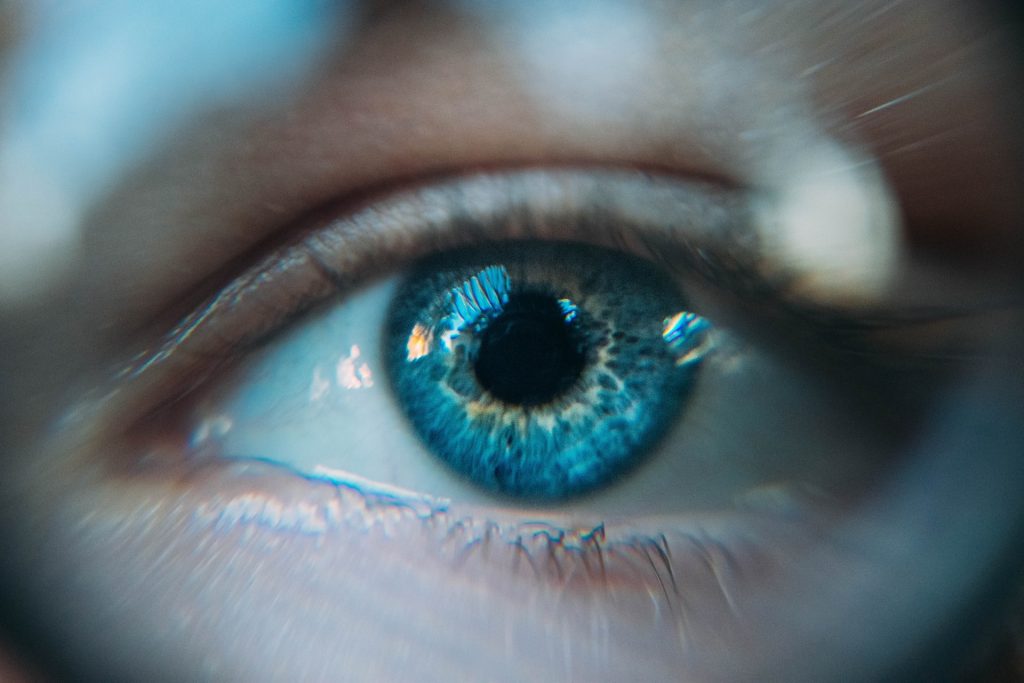
By measuring the electrical activity of the retina in responses to a light stimulus, researchers found that they may be able to neurodevelopmental disorders such as ASD and ADHD, as reported in new research published in Frontiers in Neuroscience.
In this groundbreaking study, researchers found that recordings from the retina could identify distinct signals for both Attention Deficit Hyperactivity Disorder (ADHD) and Autism Spectrum Disorder (ASD) providing a potential biomarker for each condition.
Using the ‘electroretinogram’ (ERG) – a diagnostic test that measures the electrical activity of the retina in response to a light stimulus – researchers found that children with ADHD showed higher overall ERG energy, whereas children with ASD showed less ERG energy.
Research optometrist at Flinders University, Dr Paul Constable, said the preliminary findings indicate promising results for improved diagnoses and treatments in the future.
“ASD and ADHD are the most common neurodevelopmental disorders diagnosed in childhood. But as they often share similar traits, making diagnoses for both conditions can be lengthy and complicated,” Dr Constable says.
“Our research aims to improve this. By exploring how signals in the retina react to light stimuli, we hope to develop more accurate and earlier diagnoses for different neurodevelopmental conditions.
“Retinal signals have specific nerves that generate them, so if we can identify these differences and localise them to specific pathways that use different chemical signals that are also used in the brain, then we can show distinct differences for children with ADHD and ASD and potentially other neurodevelopmental conditions.”
“This study delivers preliminary evidence for neurophysiological changes that not only differentiate both ADHD and ASD from typically developing children, but also evidence that they can be distinguished from each other based on ERG characteristics.”
Attention Deficit Hyperactivity Disorder (ADHD) is a neurodevelopmental condition characterised by being overly active, struggling to pay attention, and difficulty controlling impulsive behaviours. Autism spectrum disorder (ASD) is also a neurodevelopmental condition where children behave, communicate, interact, and learn in ways that are different from most other people.
Co-researcher and expert in human and artificial cognition at the University of South Australia, Dr Fernando Marmolejo-Ramos, says the research has potential to extend across other neurological conditions.
“Ultimately, we’re looking at how the eyes can help us understand the brain,” Dr Marmolejo-Ramos says.
“While further research is needed to establish abnormalities in retinal signals that are specific to these and other neurodevelopmental disorders, what we’ve observed so far shows that we are on the precipice of something amazing.
“It is truly a case of watching this space; as it happens, the eyes could reveal all.”
In a Cochrane analysis of therapeutic or educational interventions for very young children with or at high likelihood for autism, researchers found that certain types of interventions were beneficial. The analysis, published in Developmental Medicine & Child Neurology, included seven reviews which summarised the results of 63 studies from 2009 to 2020.
The analysis found that naturalistic developmental behavioural interventions, developmental interventions, and behavioural interventions were effective.
Heterogeneity in design, intervention and control group, dose, delivery agent, and measurement approach was noted. Inconsistent methodological quality and potential biases were identified.
“We have a growing evidence base that supports the importance of early intervention and its ability to promote communication, adaptive behavior, and facilitate social interactions and relationships. However, there are limitations to this evidence base, which leaves families with some work to do in order to understand which approach is the best fit for themselves, their child, or their family,” said lead author Lauren Franz, MBChB, MPH, of Duke University Medical Center.
A new study has found a bi-directional relationship between gastrointestinal (GI) issues and internalised symptoms such as anxiety in children and adolescents with autism, which means the symptoms seem to be affecting each other. The findings could inform future precision medicine research aimed at developing personalised treatments for people with autism experiencing gastrointestinal issues. The study appears in the Journal of Autism and Developmental Disorders.
Autism is known to be often associated with GI issues, and is often overlooked in children despite being a source of pain and anxiety. Food preferences are often for carbohydrates and processed foods. The most common cause of GI issues in children with autism are abdominal pain, constipation, chronic diarrhea and gastroesophageal reflux disease (GERD).
“Research has shown gastrointestinal issues are associated with an increased stress response as well as aggression and irritability in some children with autism,” said Brad Ferguson, an assistant research professor. “This likely happens because some kids with autism are unable to verbally communicate their gastrointestinal discomfort as well as how they feel in general, which can be extremely frustrating. The goal of our research is to find out what factors are associated with gastrointestinal problems in individuals with autism so we can design treatments to help these individuals feel better.”
In the study, Ferguson and his team analysed health data from more than 620 under-18 patients with autism who experience gastrointestinal issues. Then, the researchers examined the relationship between the GI issues and internalised symptoms. Ferguson explained the findings provide more evidence on the importance of the ‘gut–brain axis’ in GI disorders in individuals with autism.
“Stress signals from the brain can alter the release of neurotransmitters like serotonin and norepinephrine in the gut which control gastrointestinal motility, or the movement of stool through the intestines. Stress also impacts the balance of bacteria living in the gut, called the microbiota, which can alter gastrointestinal functioning,” Ferguson said. “The gut then sends signals back to the brain, and that can, in turn, lead to feelings of anxiety, depression and social withdrawal. The cycle then repeats, so novel treatments addressing signals from both the brain and the gut may provide the most benefit for some kids with gastrointestinal disorders and autism.”
Ferguson is collaborating with David Beversdorf, a neurologist who also studies gastrointestinal problems in individuals with autism. Beversdorf had recently helped identify specific RNA biomarkers linked with gastrointestinal issues in children with autism.
“Interestingly, the study from Beversdorf and colleagues found relationships between microRNA that are related to anxiety behaviour following prolonged stress as well as depression and gastrointestinal disturbance, providing some converging evidence with our behavioural findings,” Ferguson said.
Ferguson and Beversdorf are now together investigating the effects of a stress-reducing medication on GI issues in a clinical trial. Ferguson cautioned that treatment could be effective for certain people with autism but not others.
“Our team uses a biomarker-based approach to find what markers in the body are common in those who respond favourably to certain treatments,” Ferguson said. “Our goal is to eventually develop a quick test that tells us which treatment is likely to work for which subgroups of patients based on their unique biomarker signature, including markers of stress, composition of gut bacteria, genetics, co-occurring psychological disorders, or a combination thereof. This way, we can provide the right treatments to the right patients at the right time.”
Findings published in Journal of Psychopathology and Clinical Science reveal there are fundamental similarities between autistic and non-autistic people in mental processing. The study findings were made available online ahead of ahead of World Autism Day on the 2nd of April.
The brain uses two systems to process information: System 1 for quicker intuitive judgements, and System 2 for slower rational thinking. In autistic people, these systems are thought to work differently ad underlie difficulties they may have in daily life and the workplace.
Yet, this landmark study reports that these fundamental psychological systems are not impaired in autistic people as once thought. The study, involving more than 1000 people, tested the link between autism and ‘quick’ intuitive and ‘slow’ rational thinking.
In three experiments, they analysed the link between autistic personality traits and thinking style. In the fourth, they compared 200 autistic and over 200 non-autistic people. Overall, their results showed that autistic people think as quickly and as rationally as non-autistic people.
Based on these findings, the researchers conclude that certain, fundamental mental processes are more similar between autistic and non-autistic people than prior belief. In light of these findings, they call for a shift in the way that society thinks about autism as a mental processing disorder.
They also recommend that it might be important to redesign educational, clinical, and workplace support for autistic people and their families. Support should be much more targeted, instead of assuming that autistic people all have mental processing difficulties, they say.
The research team argue that the requirement to make ‘reasonable adjustments’ such as allowing extra time in exams and extending deadlines, is not an evidence-based way to support neurodivergent people.
Instead, more fundamental changes could be necessary – for example, changing social and sensory environments, making them more equitable autistic people.