
Tag: alcohol

An Updated Look at the Link Between Alcohol and Epilepsy
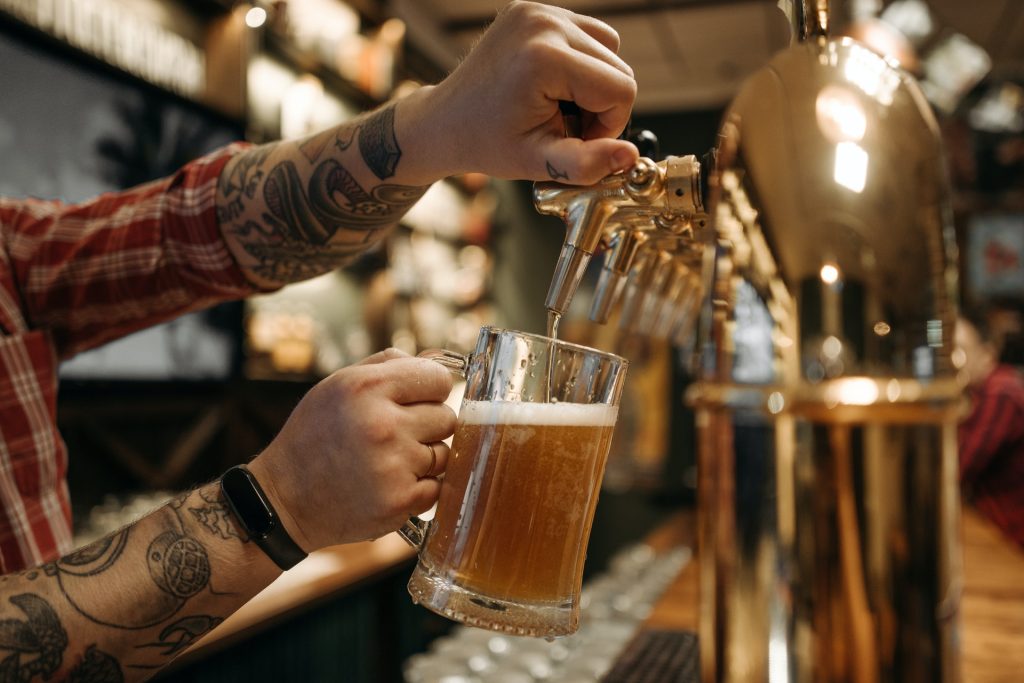
Photo by Pavel Danilyuk on Pexels

A new meta-analysis has established an association between alcohol and epilepsy, in contrast to previous studies which reported conflicting results on the relationship.

Epilepsy is one of the most common neurological conditions, with an annual incidence of 40–70 per 100 000 people in industrialised countries. It is also a  disease that is highly stigmatised.

A number of studies have focused on how alcohol consumption leads to provoked seizures, commonly resulting from alcohol withdrawal, or heavy intoxication. Very few of these however focused on the link between alcohol consumption and unprovoked seizures. A 2010 meta-analysis found that alcohol users were more prone to developing unprovoked seizures – but data from recent cohort studies contradict these findings. A 2018 meta-analysis suggested that the relationship may only hold true for heavy drinkers.

Now, using more accurate diagnostic methods and recent data, a team of scientists from Pusan National University, South Korea, conducted an updated meta-analysis to conclusively clarify the relationship between alcohol consumption and unprovoked seizures and epilepsy.

For this meta-analysis, appearing in Drug and Alcohol Dependence, the researchers included a total of eight studies, of which five were case-control studies and three were cohort studies. They analysed the data to assess the dose-response relationship between alcohol intake and epilepsy. The results suggested that overall, compared to non-drinkers, alcohol drinkers were at a significantly higher risk of developing epilepsy, which increased with alcohol intake. These findings are consistent with previous meta-analyses.

An important finding was that cohort studies did not show a positive association between alcohol intake and epilepsy. In fact, 2 out of 3 cohort studies suggested that alcohol intake reduces the risk of epilepsy.

More large cohort studies are needed to prove a causal relationship between alcohol drinking and epilepsy, as well as a threshold of onset, said second author Professor Yun Hak Kim.

Source: EurekAlert!

Most Hangover Cures Don’t Work

Photo by Erik McLean on Unsplash

A new systematic review has found only very low-quality evidence that substances claiming to treat or prevent alcohol-induced hangover have any effectiveness. In light of this, the researchers called for more rigorous scientific exploration of the effectiveness of these remedies for hangovers to provide practitioners and the public with accurate evidence-based information for decision making.

Numerous remedies claim to be effective against hangover symptoms; however, up-to-date scientific examination of the literature is lacking. To address this gap, a team of researchers from King’s College London and South London and Maudsley NHS Foundation Trust conducted a systematic review to consolidate and assess the current evidence for hangover treatments.

The study, published today by the scientific journal Addiction, assessed 21 placebo-controlled randomised trials of clove extract, red ginseng, Korean pear juice, and other hangover cures. Although some studies showed statistically significant improvements in hangover symptoms, all evidence was of very low quality, usually because of methodological limitations or imprecise measurements. In addition, no two studies reported on the same hangover remedy and no results have been independently replicated.

Of the 21 included studies, eight were conducted exclusively with male participants. The studies were generally limited in their reporting of the nature and timing of alcohol challenge that was used to assess the hangover cures and there were considerable differences in the type of alcohol given and whether it was given alongside food.

Common painkillers such as paracetamol or aspirin have not been evaluated in placebo controlled randomised controlled trials for hangover. Future studies ought to be more rigorous, such as using validated scales to assess hangover symptoms, the researchers advised. More female participants are also needed in hangover research.

Lead author Dr Emmert Roberts said: “Hangover symptoms can cause significant distress and affect people’s employment and academic performance. Given the continuing speculation in the media as to which hangover remedies work or not, the question around the effectiveness of substances that claim to treat or prevent a hangover appears to be one with considerable public interest. Our study has found that evidence on these hangover remedies is of very low quality and there is a need to provide more rigorous assessment. For now, the surest way of preventing hangover symptoms is to abstain from alcohol or drink in moderation.”

The hangover cures assessed in this study included Curcumin, Duolac ProAP4 (probiotics), L-cysteine, N-Acetyl-L-Cysteine (NAC), Rapid Recovery (L-cysteine, thiamine, pyridoxine and ascorbic acid), Loxoprofen (loxoprofen sodium), SJP-001 (naproxen and fexofenadine), Phyllpro (Phyllanthus amarus), Clovinol (extract of clove buds), Hovenia dulcis Thunb. fruit extract (HDE), Polysaccharide rich extract of Acanthopanax (PEA), Red Ginseng, Korean Pear Juice, L-ornithine, Prickly Pear, Artichoke extract, ‘Morning-Fit’ (dried yeast, thiamine nitrate, pyridoxine hydrochloride, and riboflavin), Propranolol, Tolfenamic acid, Chlormethiazole, and Pyritinol.

Source: Medical Xpress

Alcohol Curbs may Return while UK Red List may be Scrapped

Image by Quicknews

With the COVID test positivity rate climbing above 30%, President Cyril Ramaphosa is widely expected to address the nation in the coming days. Health Minister Dr Joe Phaahla said on Friday that the National Coronavirus Command Council would be meeting on Tuesday or Wednesday to discuss new restrictions in the face of surging infections.

The main concern is centred around the large number of gatherings that will take place over the festive period: under Level 1 lockdown rules, gatherings of up to 750 individuals are permitted indoors. The Bureau for Economic Research issued a report saying that data so far indicates that there are fewer hospitalisations and less severe disease with the Omicron variant, in line with observations made since the start of the variant’s outbreak.

A partial ban on alcohol sales seems likely, according to a source cited by City Press: “He is considering proposing to the NCCC and cabinet a few adjustments, which include banning the sale of alcohol on weekends and public holidays until mid-January. Don’t be surprised when we have a family meeting before Thursday. He is serious about protecting the country.”

He initially had no plans to address the nation, sources said, but was motivated to change his view in light of the increasing rate of transmission.

Meanwhile, the UK appears set to scrap its controversial red list, which had been widely viewed as unfairly targeting South Africa. The red list amounted to a virtual travel ban, with travellers forced to pay £2285 (R48 400) per person for a ten day stay in often substandard quarantine accommodation. However, it will come too late for many people who have cancelled travel plans.

In a windfall for South Africans, the cost of PCR testing has been revised downward to R500 from R850 as of Sunday following a complaint lodged with the Council for Medical Schemes against private pathology laboratories, alleging the pricing for COVID PCR tests was unfairly inflated. Pricing for rapid antigen tests is said to be next on the list for the Competition Commission. 

On Sunday, a technical glitch caused the National Health Laboratory Service to delay release of a large portion of test results. The glitch meant that initially 18 035 cases were released initially, which rose to over 37 000 after the correction.

The cause was put down to IT difficulties with various laboratories. 

Alcohol Triggers AF – But Not Caffeine or Other Likely Culprits

Photo by Pavel Danilyuk on Pexels

Researchers have found that, out of possible triggers they tested, only alcohol use was consistently associated with more episodes of atrial fibrillation (AF). The study, published in JAMA Cardiologydid not find that the other triggers, caffeine, sleep deprivation and sleeping on the left side, to be associated with the common heart condition.

A surprising finding was that, although most of the things that participants thought to be related to their AF were not, those in the intervention group still had less arrhythmia than the people in a non self-monitoring control group.

“This suggests that those personalised assessments revealed actionable results,” said lead author Gregory Marcus, MD, MAS, professor at University of California, San Francisco. “Although caffeine was the most commonly selected trigger for testing, we found no evidence of a near-term relationship between caffeine consumption and atrial fibrillation. In contrast, alcohol consumption most consistently exhibited heightened risks of atrial fibrillation.”

Although caffeine was the most commonly selected trigger for testing, we found no evidence of a near-term relationship between caffeine consumption and atrial fibrillation.

In a brainstorming session, patients had said researching individual triggers for AF was their top priority, giving rise to the I-STOP-AFib study, which enabled individuals to test any presumed AF trigger. About 450 people participated, 58% male and 92% white.

Participants used a mobile electrocardiogram recording device along with a phone app to log potential triggers like drinking alcohol and caffeine, sleeping on the left side or not getting enough sleep, eating a large meal, a cold drink, or sticking to a particular diet, engaging in exercise, or anything else they thought was relevant to their AF. While participants were most likely to select caffeine as a trigger, there was no association with AF. Recent research has similarly failed to show a link between caffeine and arrhythmias – on the contrary, investigators found it may have a protective effect.

The new study demonstrated that consumption of alcohol was the only trigger that consistently resulted in significantly more self-reported AF episodes.

The individualised ‘n-of-1’ testing method did not validate participant-selected triggers for AF. But trial participants did report fewer AF episodes than those in the control group, and the data suggest that behaviours like avoiding alcohol could lessen the chances of having an AF episode.
“This completely remote, siteless, mobile-app based study will hopefully pave the way for many investigators and patients to conduct similar personalised ‘n-of-1’ experiments that can provide clinically relevant information specific to the individual,” said Prof Marcus.

Source: University of California, San Francisco

A Genetic Risk Score to Identify Alchol-related Cirrhosis

Photo by Pavel Danilyuk on Pexels

In a world first, researchers have developed a genetic risk score (GRS) test able to identify patients at high-risk of developing alcohol-related cirrhosis.

Cirrhosis results in approximately 300 000 deaths each year world-wide. In their study, the researchers found that a high GRS from the test of excessive alcohol consumers resulted in a three-fold increase in cirrhosis risk. Having diabetes together with a high GRS increased the cirrhosis risk among drinkers more than 10-fold.

Joint senior author of the study, Clinical Associate Professor Devanshi Seth, said that only a minority of high-risk drinkers – approximately 10 to 15%– actually end up developing alcohol-induced cirrhosis. To date, however, there had been no way to identify those at-risk individuals.

“Our GRS test lets us identify at-risk individuals at an early stage enabling the application of focused interventions. Evidence suggests that even just informing excessive drinkers that they have an increased cirrhosis risk may motivate them to reduce their alcohol intake, helping prevent serious disease,” said Clinical Associate Professor Seth.

The lead author of the study, Dr John Whitfield from QIMR Berghofer Medical Research Institute, said that the test had been developed by examining samples from patients with and without alcohol-related cirrhosis, but who all had a history of heavy alcohol consumption.

“This was classified as men consuming more than 80 grams (8 standard drinks) of alcohol daily and women more than 50 grams daily, both for a time period of ten or more years.”

“Risk scores were computed by the analysis of up to eight gene variations and three clinical risk factors (including type 2 diabetes) associated with alcohol-related cirrhosis,” Dr Whitfield said.

“We’ve shown that a GRS based on only three genetic risk variants plus diabetes status can be extremely meaningful in determining overall cirrhosis risk. Our test will allow for early and personalised management of high-risk patients,” said Clinical Associate Professor Seth.

Source: Centenary Institute

Gut Microbiome Moderates BP Benefits of Flavonoids

Photo by Melissa Walker Horn on Unsplash

Flavonoid-rich foods, such as berries, apples, pears and wine, seem to reduce hypertension due in part to characteristics of the gut microbiome, according to a new study published in Hypertension.

“Our gut microbiome plays a key role in metabolising flavonoids to enhance their cardioprotective effects, and this study provides evidence to suggest these blood pressure-lowering effects are achievable with simple changes to the daily diet,” said lead researcher Aedín Cassidy, PhD, chair and professor in nutrition and preventive medicine at the Institute for Global Food Security at Queen’s University.

Flavonoids are compounds found naturally in fruits, vegetables and plant-based foods such as tea, chocolate and wine. They have miscellaneous favourable biochemical and antioxidant effects associated with various diseases such as cancer, Alzheimer’s disease, atherosclerosis, etc. Flavonoids are broken down by the body’s gut microbiome. Recent studies found a link between gut microbiota, the microorganisms in the human digestive tract, and cardiovascular disease (CVD). Gut microbiota are highly individual, and seem to be associated with CVD.

With studies suggesting flavonoids may reduce heart disease risk, the researchers investigaged the role of the gut microbiome in this. 
Researchers drew on a group of 904 adults between the ages of 25 and 82, 57% men from Germany’s PopGen biobank. Researchers evaluated the participants’ food intake, gut microbiome and blood pressure levels together with other clinical and molecular phenotyping at regular follow-up examinations.

Participants’ intake of flavonoid-rich foods during the previous year was calculated from a self-reported food questionnaire detailing the frequency and quantity eaten of 112 foods.

Participants’ gut microbiomes were assessed by faecal bacterial DNA in stool samples. After an overnight fast, participants’ blood pressure levels were measured. Researchers also collected participants’ lifestyle information, and measured BMI and other physical characteristics,

The analysis found that:

  • Study participants with the highest intake of flavonoid-rich foods, including berries, red wine, apples and pears, had lower systolic blood pressure levels, as well as greater gut microbiome diversity than the participants with the lowest levels of flavonoid-rich food intake.
  • Up to 15.2% of the association between flavonoid-rich foods and systolic blood pressure could be explained by the diversity found in participants’ gut microbiome.
  • Eating 1.6 servings of berries per day (one serving = 80 grams, or 1 cup) was associated with an average reduction in systolic blood pressure levels of 4.1 mm Hg. 12% of the association was explained by gut microbiome factors.
  • Drinking 2.8 glasses (125 ml of wine per glass) of red wine a week was associated with an average of 3.7 mm Hg lower systolic blood pressure level, of which 15% could be explained by the gut microbiome.

“Our findings indicate future trials should look at participants according to metabolic profile in order to more accurately study the roles of metabolism and the gut microbiome in regulating the effects of flavonoids on blood pressure,” said Cassidy. “A better understanding of the highly individual variability of flavonoid metabolism could very well explain why some people have greater cardiovascular protection benefits from flavonoid-rich foods than others.”

While this study suggests potential benefits to consuming red wine, the American Heart Association suggests that if you don’t drink alcohol already, you shouldn’t start.

Study limitations include not being able to account for all factors, such as genetics and lifestyle. The authors noted the focus of this study was on specific foods rich in flavonoids, not all food and beverages with flavonoids.

Source: Medical Xpress

Nearly 9% of Alcohol Consumed by Underage Drinkers

Photo by Erik Mclean on Unsplash

Underage youth consumed $17.5 billion worth, or 8.6 percent, of the alcoholic drinks sold in 2016 in the US. Nearly half of youth consumption was made up of products from three alcohol companies: AB Inbev, MillerCoors and Diageo. The study findings were published in the Journal of Studies on Alcohol and Drugs.

In a landmark study of youth alcohol consumption by brand, the authors collected large amounts of data to estimate, for the first time in two decades, the monetary value of youth alcohol consumption. And for the first time, they were able to attribute those revenues to specific companies.

“The alcohol industry has said they don’t want minors to drink, but when we counted up the drinks, it was clear that they were making billions of dollars from these sales,” said co-lead author Pamela J. Trangenstein, PhD, assistant professor of health behaviour at the University of North Carolina Gillings School of Global Public Health. “There is a clear disconnect when an industry advocates prevention but then makes billions of dollars from prevention’s failure.”

Alcohol is the number one substance used among people ages 12 to 20. Although underage drinking has fallen in recent years, alcohol is still responsible for approximately 3500 deaths annually for under 21s, according to the Centers for Disease Control and Prevention.

In the US, the minimum drinking age is 21, although before 1984 states set their own drinking age. According to the CDC, raising the drinking age to 21 saw a 16% reduction in motor vehicle accident deaths, and there is evidence that this limit protects drinkers from alcohol and other drug dependence, adverse birth outcomes, and suicide and homicide.

“Our prior studies have repeatedly shown that youth are exposed to and influenced by alcohol marketing,” commented co-author David H Jernigan, PhD, professor at Boston University. “If alcohol companies are truly committed to preventing youth drinking, they should be willing to put these revenues into an independent agency able to address underage drinking without a conflict of interest.”

The Institute of Medicine and National Research Council, the science advisory body for the US Congress, made that recommendation in their 2003 report on underage drinking. In 2006, the legislation was passed entirely devoted to curbing underage drinking. While that legislation authorised $18 million in spending, the full amount has never been used. 

“Community coalitions in North Carolina and across the country are constantly begging for dollars to support their work on underage drinking,” said Prof Trangenstein. “Our study identifies a clear source for that badly needed funding. Families and communities are paying the price, while big alcohol companies are reaping all the benefits.”

Source: Journal of Studies on Alcohol and Drugs

More information: Eck, R. H., Trangenstein, P. J., Siegel, M., & Jernigan, D. H. (2021). Company-specific revenues from underage drinking. Journal of Studies on Alcohol and Drugs, 82, 368–376. DOI: 10.15288/jsad.2021.82.368

Only Total Alcohol Bans Relieve Pressure on SA Hospitals

A new study found that alcohol bans could be a sensible policy to help South Africa through new health crises, according to a study published on Monday.

Based on local hospital admission data, the authors said that their work demonstrates that “alcohol prohibition correlates with a decrease in health seeking behaviour for injury”.

Several organisations in the liquor industry have started pre-emptive lobbying in the face of possible new alcohol bans as COVID infections are rising in a third wave. At the same time, The Southern African Alcohol Policy Alliance is pressuring the government to institute tougher alcohol controls to pre-empt the new wave of infections. 

The study was published in the journal Drug and Alcohol Review.

The authors, all associated with Stellenbosch University or the South African Medical Research Council, which helped fund their work, compared data from Worcester Regional Hospital for 2020 with the same from 2019, across trauma admissions, trauma operations, and stab wound admissions, “as a proxy for intentional injury”.

A pattern of decreased hospital use was observed in 2020 when there were bans and partial bans, and a resurgence following even the partial lifting of bans.

“Each time a complete ban was instituted, there was a significant drop in trauma volume which was lost by allowing alcohol (even partial sales),” the researchers wrote.

Specifically, there was a 59–69% decrease in trauma volume between pre-Covid-19 and the first complete ban period. When alcohol sales were partially rein-stated, trauma volume significantly increased by 83–90% then dropped again by 39–46% with the second alcohol ban.”

The study “demonstrates a clear trend of decreased trauma admissions and operations during complete alcohol prohibition compared to when alcohol sales were allowed or only partially restricted,” the authors wrote.

They concluded that an alcohol ban is an effective way to reduce strain on healthcare infrastructure.

“These findings suggest that temporary, complete bans on alcohol sales can be used to decrease health facility traffic during national emergencies.”

The authors considered the possibility other measures such as the curfew could have affected the result, but argued that it was unlikely.

Source: Business Insider

Keto Diet Eases Alcohol Withdrawal Symptoms, Study Finds

A team of researchers in the US and Denmark has found that if people suffering from alcohol withdrawal go on a ketogenic (keto) diet  the severity of their symptoms will be reduced.

Alcoholics who stop drinking experience withdrawal symptoms of varying severity.  Since the alcohol withdrawal symptoms are so unpleasant, many people seek assistance, such as checking into rehab. In this new effort, the researchers have found a new tool to help with withdrawal symptoms and which could possibly reduce the rate of recidivism.

The research was motivated by two observations. The first being that prior studies have shown that in long term alcohol dependency, people’s bodies begin to use alcohol-metabolised acetate for energy, and less glucose. The lack of acetate is associated with alcohol withdrawal symptoms. The second is that on a keto diet, the body has more ketone bodies to metabolise for use as an energy source. Taken together, it suggested that people on keto diets could substitute the acetate as an energy source and minimise withdrawal symptoms. 

A ketogenic diet is high-fat, moderate-protein and very-low-carbohydrate. The ratio of these macronutrients are approximately 55% to 60% fat, 30% to 35% protein and 5% to 10% carbohydrates. In a 2000 kcal per day diet, carbohydrates amount up to 20 to 50 g per day.

To test the theory, the study recruited 46 participants newly hospitalised alcoholics, half went on the keto diet and the other half went in a control group. The researchers measured ketone and acetate levels in the volunteers once a week, and also looked for inflammation markers that are common in people in rehab and assessed the amount of medication the participants needed to ease their symptoms. 
Taken together, the data suggested that the keto diet reduced withdrawal symptoms in the volunteers. When the researchers conducted a similar experiment with test rats, they observed that the rats on the diet drank less alcohol than control rats. 

The researchers said that their results are encouraging, but note that additional research is necessary, particularly with outpatient volunteers.

Source: Medical Xpress

Journal information: Corinde E. Wiers et al. Ketogenic diet reduces alcohol withdrawal symptoms in humans and alcohol intake in rodents, Science Advances (2021). DOI: 10.1126/sciadv.abf6780

Liquor Industry Questions Alcohol Ban Effectiveness

Representatives from the liquor industry have said that the South African government must consider data from a new report that shows little alcohol ban effectiveness on trauma cases. However, other studies show negative effects of alcohol during lockdown, and a surge in violent trauma in Cape Town after alcohol bans were lifted.

In a statement on Thursday, the South African Liquor Brand owners Association (Salba) referenced a new report showing that, compared to other countries, South Africa saw similar trauma cases with its lockdown and alcohol ban to those that only had a lockdown.

The report had financial support from Distell, led by independent data expert Ian McGorian of Silver Fox Consulting, in collaboration with professor Mike Murray from the University of KwaZulu-Natal.

The report found that trauma cases in South Africa under lockdown dropped 60%. But other countries also saw the same drop with no alcohol ban, including the UK (57%), Ireland (62%), Italy (56.6%) and the USA (54%), casting doubt over the effectiveness of alcohol bans in curbing trauma. The researchers also commented that curfews may have explained more of a reduction in trauma cases than alcohol bans.

While members of the liquor industry recognised the impact of alcohol on South African society, they said that government needs to be more objective with its lockdown regulations.

Salba chairperson Sibani Mngadi said the alcohol ban over Easter Weekend, while simultaneously allowing larger gatherings, made even less sense in reducing COVID transmission. This suggests that government was not considering science in its decision making, he said.

However, a multicentre study from Colorado, USA showed that even while trauma cases during lockdown fell by 33%, alcohol screens increased from 34% to 37%, and alcohol positive patients rose from 32% to 39%.

A study of Cape Town trauma admissions saw a dramatic drop of 53% in trauma admissions during the hard lockdown and an immediate rebound coinciding with the resumption of alcohol sales, with a 107% increase in gunshots wounds compared to pre-lockdown conditions.

The researchers noted that in South Africa the trauma demographic is much younger, with much higher rates of violence, with about half of homicide victims in SA testing positive for alcohol.

Distell chief executive Richard Rushton said the industry was merely asking that the data should be viewed objectively to improve dialogue with decision makers.

“We are all on the same side, and we want to help find solutions. We are very clear that alcohol abuse is unacceptable and causes harm. Our view is that the focus must be on finding ways to deal with high-risk drinkers, rather than using blunt instruments that penalise all South Africans.

“Any proposed new regulations need to be evidence-based, rational and target problem areas,” he said.

Business Leadership SA chief executive Busisiwe Mavuso said that lockdown could have been better managed, as 220 000 jobs had been lost along billions of rands in tax to the fiscus, while uncertainty still plagued alcohol producers.

“The decisions made to confront the health crisis should not have unintended consequences for the economy, and that is exactly what has happened with the bans on alcohol,” she said.

Mr Mavuso added that, since the start of the pandemic, business has been a willing partner to government and “needs to be part of the solution to ensure we fight this pandemic with the least possible damage to the economy”.

“The data analysis by the alcohol industry is an important intervention and must be taken seriously as we move forward.”

Source: BusinessTech