Day: May 22, 2026

Understanding Sports Injuries: The Role of Radiology in Diagnosis and Recovery

Photo by Andrea Piacquadio from Pexels

Sports injuries are common at all levels, from recreational athletes to elite professionals. Radiology not only helps diagnose injuries but also assists in monitoring recovery, identifying complications early and helping determine when it is safe to return to sport.

Dr Ewoudt van der Linde, a radiologist at SCP Radiology specialising in musculoskeletal (MSK) imaging and sports injuries, discusses common injuries, imaging techniques and the role radiology plays in modern sports medicine.

What is the role of a radiologist in sports injuries?

Radiologists work as part of a multidisciplinary medical team. Imaging helps distinguish between minor and more significant injuries, such as differentiating a low-grade muscle strain from a major tear or identifying ligament injuries that may require surgery.

Imaging also guides treatment decisions and, in selected cases, can be used to monitor healing and recovery, particularly in high-performance athletes.

Are there specific sports that produce distinctive injury patterns?

Yes. Running and field sports commonly result in muscle strains, ligament injuries and stress fractures. Sports involving rapid changes in direction, such as rugby or football, are often associated with knee ligament injuries and ankle sprains.

Padel, tennis and golf frequently produce overuse injuries involving tendons around the shoulder, elbow and wrist, while running and jumping sports commonly affect the Achilles tendon.

Are there particular sports injuries commonly seen in practice?

Common injuries include muscle strains, ligament sprains, tendon injuries and stress-related bone injuries. In the lower limb, ankle sprains, Achilles tendon pathology and knee ligament injuries are frequently encountered. In the upper limb, shoulder and elbow tendon injuries are common, particularly in throwing or racquet sports.

What imaging is used in sports injuries and why?

Different imaging techniques are used depending on the suspected injury:

  • X-rays are often the first step when a fracture or dislocation is suspected.
  • Ultrasound is useful for assessing tendons, muscles and soft tissues, and can also guide injections.
  • MRI provides detailed evaluation of ligaments, cartilage, muscles, tendons and bone marrow.
  • CT scans are mainly used for complex fractures or detailed bone assessment.

Is imaging important even if an injury does not seem serious?

Yes. Some injuries may appear minor but can involve underlying damage such as stress fractures, small ligament tears or early cartilage injury. Early detection may prevent worsening injury and reduce long-term complications.

Is pain a good indicator of injury severity?

Not always. Some serious injuries may initially cause only mild discomfort, while relatively minor conditions can be very painful.

How do stress fractures differ from acute or occult fractures?

  • Acute fractures usually occur after sudden injury and are often visible on X-rays.
  • Stress fractures develop gradually due to repetitive strain and may only be visible on MRI in the early stages.
  • Occult fractures are not seen on initial X-rays despite ongoing symptoms and may require MRI or CT for diagnosis. Early diagnosis is important to prevent progression to a complete fracture.

Can imaging distinguish between inflammation, overuse injuries and structural damage?

Yes. Imaging can help differentiate between low-grade inflammation or overuse changes and more significant injuries such as tendon tears, ligament ruptures or cartilage damage. This distinction is important because treatment and recovery timelines differ significantly.

Can imaging help predict recovery time and return to sport?

Imaging cannot provide an exact recovery timeline but does provide valuable information about the severity and extent of injury. In selected cases, imaging may also be used to monitor healing and assist with return-to-play decisions.

Can you discuss concussion briefly?

Concussions are common in sports such as rugby and are primarily a clinical diagnosis. Imaging is usually not required in mild cases. However, CT scans may be performed when there are concerning symptoms to exclude more serious injuries such as a brain bleed or skull fracture.

What role does Interventional Radiology play in sports injuries?

Interventional Radiology involves minimally invasive procedures performed under imaging guidance. In sports medicine, this may include image-guided injections for pain relief or aspiration of fluid collections. These procedures are typically performed using ultrasound or CT guidance and are generally less invasive than surgery.

Are there any new imaging techniques particularly useful in sports medicine?

Modern MRI techniques continue to improve and provide increasingly detailed evaluation of soft tissues, allowing earlier detection of subtle injuries. Ultrasound technology has also advanced significantly, with higher-resolution imaging and expanded use in both diagnosis and image-guided procedures.

Why is specialised MSK imaging important?

Sports injuries often involve complex anatomy and subtle findings. Subspecialised MSK radiologists develop expertise in recognising injury patterns and understanding sport-specific demands, helping provide more accurate diagnoses and clinically relevant reporting.
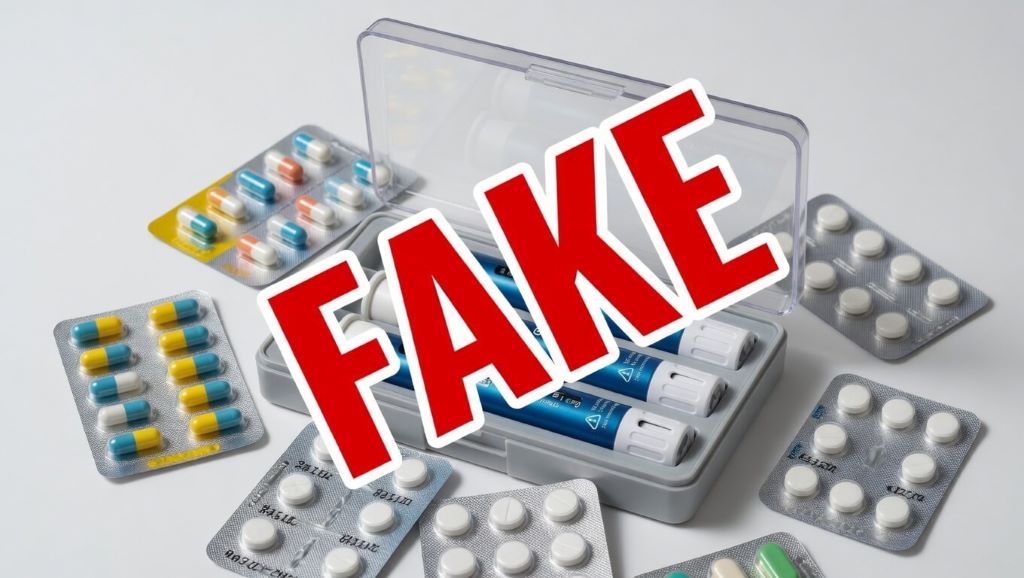
Fake Medicines: How Regulators Are Trying to Fix the Problem in SA

Photo by Myriam Zilles on Unsplash

By Elna Schütz

From unregulated weight loss injections to unsafe pain tablets, substandard and falsified medical products pose a threat to the health of people. Spotlight reports on how regulators are fighting the problem in South Africa.

“I know that there is a risk, but at this point I feel that the benefits outweigh everything else,” says Anna*, who buys unregulated medicine on the black market.  

She was prescribed GLP-1 RA medicines by a doctor after being tested for insulin resistance. She has lost around 30kg and says the positive impact on her body, life, and self-esteem has been massive. GLP1 RAs (Glucagon-Like Peptide-1 Receptor Agonists) medicines, sold under brand names like Ozempic and Mounjaro, are increasingly used for weight loss and to prevent and/or treat diabetes. 

When global shortages affected GLP-1 RA stocks in local pharmacies, Anna started buying similar drugs directly from unregistered sellers. For around R1 650, a fancy-looking box with a three-month supply of injections is delivered to her in a small cooler box. “I knew then already that what I was buying was unregulated and potentially inferior or even dangerous,” she says, adding, “but I was finally starting to feel good about myself.”  

Apart from being aware that the unregulated drugs could potentially harm her, Anna says she found that the regulated products were often out of stock, expensive, and came with stigma from pharmacists who quizzed her on whether she deserved the products. “If I could have kept doing it the proper way, I would have, but there were just too many obstacles,” she says. 

Defining the problem  

Weight-loss medicines are only one of several types of health products that are frequently purchased outside of formal channels, according to the South African Health Products Regulatory Authority (SAHPRA).  

“Commonly affected products include painkillers, antibiotics, weight-loss and sexual enhancement products, skin-lightening products, and some chronic medicines,” Mokgadi Fafudi, SAHPRA’s manager of regulatory compliance, tells Spotlight. 

“Combating the threat of substandard and falsified medical products is one of the urgent global challenges of this decade,” says Faridun Nazriev, the external relations and communications officer at the World Health Organization (WHO) Country Office in South Africa. 

“Substandard products are those that do not meet quality standards and specifications, often due to poor manufacturing practices or inadequate quality control. Falsified medical products deliberately misrepresent their identity, composition or source”, according to the WHO. These products, it adds, are often created and distributed with the intent to deceive consumers for financial gain. 

Two other definitions should not be confused with these, cautions Dr Andy Gray, a senior lecturer in Pharmacology at UKZN and co-director of the WHO Collaborating Centre for Pharmaceutical Policy and Evidence-Based Practice. 

Compounded medicines are custom formulations that may be specific to a patient, but are generally not registered by SAHPRA.  

Generic medicines are those that have been tested and found to be as safe and effective as originator medicines, but are generally cheaper. Generic medicines on the market have been approved by SAHPRA and are not in any way substandard. 

Gray says the term counterfeit is no longer used by the WHO, because it refers specifically to breaches of intellectual property, like trademarks. 

Lack of data 

While the WHO estimates that 1 in 10 medicines in low-and middle-income countries are substandard or falsified, all regions are affected and have been seeing an increase, according to a 2024 report from the WHO’s Global Surveillance and Monitoring System. 

South Africa also appears to have rising rates. SAHPRA’s 2021/2022 annual report notes that 101 health product quality complaint reports were filed. In 2022/23, that figure nearly tripled to 297. 

Fafudi says that the organisation received 588 reports of possible non-compliance in the 2024/2025 year. She says that for the 2025/26 year, this number exceeds 570 cases, though this has not yet been published by SAHPRA.  

But such reports are likely only the tip of the iceberg. Gray laments that we don’t have the full picture of how big the problem of substandard and falsified medical products really is. 

This is partly because, by its very nature, the sale of substandard and falsified medicines is usually hidden. Fafudi says that these medicines are often sold through informal markets, unregulated outlets, online platforms, and cross-border smuggling networks.

Gray adds that these medications aren’t necessarily always sold through informal means. “They may be infiltrated into wholesalers or state medicine depots, and then distributed,” he says, “Or they may be sold directly to pharmacies or prescribers and then sold to patients.” 

A threat to patients 

As in Anna’s experience with GLP-1 RAs, there is often a demand for unregulated products because the properly regulated products can’t meet the public demand. 

Fentse Maseko, who works in the Department of Pharmacology and Pharmacy at Wits University, researched this issue in her Master’s thesis and advocates in the space. She notes that in many low- and middle-income countries, particularly in remote and underserved areas, limited access to medicines may force patients to seek treatment from informal markets. She adds that in South Africa, porous borders and rising costs also play a role. 

Whatever the reasons behind their proliferation, the risks to the healthcare system and individuals are multi-faceted.

“Substandard and falsified medicines are a serious threat to patient safety and public trust,” says Refiloe Mogale, the executive director for the Pharmaceutical Society of South Africa (PSSA). “These products can lead to treatment failure, harm, or even death.” 

Maseko warns that it can also add to the growing problem of antibiotic resistance if antibiotics are substandard. It can also strain the healthcare system when second or third-line treatments are needed for issues initially addressed with unregulated products, or caused by them.  

The role of the regulator 

The main body in South Africa responsible for regulating substandard and falsified medicines is SAHPRA. Fafudi explains that they conduct post-market surveillance and inspections, run a whistleblower reporting system, manage product recalls, and monitor illegal advertising and online sales.  

SAHPRA also works with specialised units in the South African Police Service as well as other stakeholders such as customs to enforce joint operations. Fafudi says such joint operations have been conducted on at least a monthly basis. 

There are also legal actions, including issuing warnings, seizing or destroying products and criminal prosecution. According to the Medicines and Related Substances Act 101 of 1965, fines or prison sentences not exceeding 10 years may be prescribed. 

The PSSA however charges that not enough is being done. “Key gaps are visible in insufficient regulatory capacity, weak border control, limited enforcement scale and the under-resourced National Action Plan,” Mogale says. “The system is overwhelmed by the speed and sophistication of the problem.” 

Reporting unregulated products 

The public can help address the problem of substandard and falsified medicines. SAHPRA advises buying only from licensed and authorised pharmacies and healthcare providers.

“Be cautious of unusually low prices, miracle cure claims, and poor packaging,” Fafudi warns. “Always check packaging, expiry dates, and consult healthcare professionals before use.” 

Suspicious products or sellers can be reported on the SAHPRA website

Jas Bhana, Chief Executive Officer of the Innovative Pharmaceutical Association of South Africa, adds that the public can also report suspicious products to the National Department of Health or their nearest pharmacy. “Combating this threat requires collective vigilance to safeguard every patient’s right to safe, quality, and effective medicines,” she says.  

This goes hand-in-hand with the need for consumers to know the dangers, Maseko explains. “While public education plays an important role in mitigating this risk, effective risk communication remains a challenge, particularly in communities with limited health literacy,” says Maseko. 

On a bigger scale, Nazriev explains that the WHO prioritises prevention, detection, and response as the main pillars of action. This includes local regulation as well as collaboration between countries.  

“Given the transnational nature of globalised medical product supply chains as well as criminal networks, collaborating across borders and sectors is essential to national, regional and global responses,” he says.  

Better regulation 

Gray acknowledges that there is a challenge in budgets and laboratory capacity, but even so he calls for more to be done. “SAHPRA needs to move from a largely reactive stance to a more proactive one, sampling medicines from the distribution chain and submitting them for checking, and then report to the public on their findings,” he suggests. 

The PSSA recommends implementing a national medicine registry with a track-and-trace system and stricter control of online medicine sales, including mandatory certification and monitoring. 

SAHPRA is already planning along some of these lines. “Future plans include strengthening supply chain traceability, enhancing detection systems, regulating online medicine sales, and increasing public awareness campaigns,” says Fafudi.  

Part of this direction comes from a National Action Plan (NAP), launched late last year by SAHPRA, with support from the National Department of Health and the WHO. 

“All actors within the supply chain, particularly at key pinch points in both the public and private sectors, must be equipped with the knowledge, skills, and equipment to identify and report suspicious products to SAHPRA,” Health Minister Dr Aaron Motsoaledi is reported to have said at the launch of the NAP. “All activities should mitigate the risk of substandard and falsified medical products. This includes increased vigilance at ports of entry, through to post-market surveillance of high-risk products, inspection of manufacturers, distributors and wholesalers.” 

Whether all this will be done, and what it will mean for people like Anna who knowingly choose to use unregulated medicines, remains to be seen. 

*Not her real name 

Republished from Spotlight under a Creative Commons licence.

Read the original article.

Why Lithium is Still the Gold Standard in Treating Bipolar Disorder

Angel Soler Gollonet/Shutterstock

Julia E. Marquez Arrico, Universitat de Barcelona

According to recent data from the Global Bipolar Cohort, only 29% of people with bipolar disorder are prescribed lithium. Despite being the “gold standard” for treating this mental health condition, we often prioritise perceptions over scientific reality, and neglect the best available treatment.

Lithium is not some complex molecule synthesised in a state-of-the-art laboratory. It is just an element, the third in the periodic table, and ever since the Australian psychiatrist John Cade discovered its therapeutic properties in 1949, it has maintained a relevance that no other psychotropic drug has been able to match.

This longevity is not a relic of the past, but a reflection of its clinical robustness. Despite decades of research and the constant emergence of new drugs, no alternative has shown comparable efficacy in the long-term prevention of manic and depressive episodes in bipolar disorder.

According to a review published in 2024, lithium is still “the mainstay treatment of mood disorders in general and in bipolar disorder specifically”. It is also the benchmark against which all other treatment options are compared, both for stabilising mood and reducing the risk of relapse.

It is the only mood stabiliser with proven efficacy in treating mania and depression, as well as in preventing relapses. Furthermore, recent studies confirm that it may also have neuroprotective properties, from the modulation of cellular pathways involved in neural plasticity to potential effects in preventing mild cognitive impairment and dementia.

These characteristics explain why international guidelines still rank it as the first-line treatment for bipolar disorder. A consensus published in 2025 stated that it should be prescribed more frequently, contrary to the unfounded reservations that still persist in clinical practice.

Suicide reduction

Above all, there is one aspect that sets lithium apart from other psychopharmaceutical drugs: its ability to reduce the risk of suicide. No other medication has demonstrated such a consistently protective effect.

A 2024 review highlighted that, despite the methodological difficulties in studying this statistically rare event, the body of evidence from clinical trials, observational studies and meta-analyses all points in the same direction: lithium reduces mortality and suicide attempts.

This is likely due to its ability to reduce impulsivity, stabilise extreme mood swings and prevent depressive relapses, all of which create the moments of greatest risk.

Beyond episodic treatment

Current research is also looking into lithium’s ability to alter the course of bipolar disorder. Not only does it stop episodes, but it also protects the brain, and evidence suggests that, unlike some antipsychotics, it improves brain connectivity and preserves verbal fluency.

In fact, there is very interesting data suggesting that it could reduce the risk of dementia by up to 50%. Even residual levels in drinking water appear to have a protective effect at a population level. Lithium is, in short, a molecule with exceptional neuroprotective potential.

But the neuroprotective effects do not stop there. Recent studies also suggest that lithium stimulates the production of brain-derived neurotrophic factor, a protein essential for neuronal survival and growth that is often reduced in patients with bipolar disorder.

In other words, it doesn’t just prevent the brain from deteriorating – it actively helps it to heal.

Blood monitoring and ‘precision medicine’

It is often argued that the need for blood tests to monitor lithium levels (the optimal therapeutic range is 0.6-0.8 millimoles per litre) is an inconvenience. However, from a rigorous clinical perspective, this monitoring is a safeguard, not a risk. It is what allows the dose to be adjusted to the exact biology of each patient, a form of “precision medicine” that we were already practising long before the term became fashionable.

We should also remember that many commonly used medicines – from anticoagulants to immunosuppressants – require the same kind of laboratory monitoring, yet they are not considered dangerous for that reason.

What lithium management requires is not fear, but rigour. So why is it prescribed less often? The answer is complex. It is partly due to pressure from the pharmaceutical industry to promote new, patentable molecules – lithium, being a natural element, cannot be patented. There is also a degree of clinical reluctance due to its narrow therapeutic window – it needs to be carefully controlled to ensure a safe yet effective dose.

However, international guidelines are clear: lithium should be the first choice. We cannot overlook it in favour of less effective alternatives simply because they appear more modern. This kind of mistake should not influence clinical practice.

Newer is not always better

Good psychopharmacology is not a question of chasing the latest developments, but of using the most appropriate treatment for each individual at every stage of their illness.

Lithium has a proven track record that spans decades, across areas that no other mood stabiliser can address simultaneously. It controls manic and depressive episodes, prevents suicide, and provides active neuroprotection. Three areas, in one single drug.

This does not mean it is right for absolutely everyone. Good psychopharmacology should always push back against fads and dogma alike, but discarding lithium’s use without ever seriously considering it deprives patients of an option that is, according to the evidence, categorically the best therapeutic option.

Our challenge today is not to reinvent the wheel, but to understand how best to use the therapeutic tools we already have. A drug doesn’t become outdated just because time has passed; it becomes outdated when new evidence emerges and supersedes it. In the case of lithium, new evidence only confirms its value.

Julia E. Marquez Arrico, Professora Lectora, Universitat de Barcelona

This article is republished from The Conversation under a Creative Commons license. Read the original article.

Up to 10 Hours of Exercise a Week Needed for Substantial Heart Benefits

Current exercise guidelines are too low, suggest researchers

Photo by Ketut Subiyanto on Pexels

Adults should aim to do between 560 and 610 minutes a week of moderate to vigorous physical activity to achieve a substantial reduction in the risk of heart attacks and stroke, suggest the findings of an observational study published online in the British Journal of Sports Medicine.

This is between 3-4 times higher than the current public health recommendation that adults do at least 150 minutes a week of moderate to vigorous physical exercise such as brisk walking, running or cycling.

People who are less fit need to do slightly more exercise than those who are very fit to get the same cardiovascular benefits, the study suggests.

The researchers say that the current one-size fits-all advice on exercise may need to be changed and replaced with personalised targets according to an individual’s fitness level.

Cardiorespiratory fitness varies greatly and is a strong predictor of cardiovascular health. Low cardiorespiratory fitness is strongly associated with an increased risk of heart attacks, strokes and early death, the researchers point out.

A simple way to assess cardiorespiratory fitness is by measuring VO2 max – the maximum rate of oxygen the body consumes and uses during intense exercise. This measures how efficiently the heart, lungs and muscles deliver and use oxygen.

Less fit individuals need to do more exercise to get the same benefits

Researchers from Macao Polytechnic University, China, set out to look at how both exercise levels and cardiorespiratory fitness, as measured by VO2 max, affected the risk of cardiovascular disease.

The study included data from 17 088 people who were taking part in a UK Biobank study between 2013 and 2015. The average age was 57 years and 56% were female and 96% were white.

The study participants wore a device on their wrist for seven consecutive days to record their typical exercise levels and had completed a cycle test to measure their estimated VO2 max.

Data on smoking status, alcohol intake, self-related health and diet, body mass index, resting heart rate and blood pressure were also included in the analysis.

During an average follow up period of 7.8 years, there were 1233 cardiovascular events, including 874 atrial fibrillation, 156 myocardial infarction, 111 heart failure and 92 stroke events.

Those adults who met the 150 minute a week guideline on exercise experienced a modest 8-9% reduction in cardiovascular risk, the study found. This was consistent across all levels of fitness.

In order to achieve substantial protection, classed as a greater than 30% risk reduction, between 560 and 610 minutes of moderate to vigorous exercise a week was needed. However, this level of exercise was only achieved by 12% of people in the study.

The analysis found that those individuals with the lowest fitness needed approximately 30-50 additional minutes per week compared with those with high fitness to achieve equivalent benefits.

For example, to achieve a 20% reduction in the risk of cardiovascular events, 370 minutes of moderate to vigorous exercise was needed for those at the lowest fitness compared to 340 minutes for those at the highest fitness levels.

The researchers say, “This finding highlights the steeper challenge faced by deconditioned populations.”

This is an observational study and as such no firm conclusions can be drawn about cause and effect. The researchers acknowledge that the study group could have been healthier and fitter than the general population. Another limitation was that cardiorespiratory fitness was estimated and sedentary time or less vigorous exercise was not measured.

The researchers say their findings confirm that current guidelines provide a robust universal minimum for cardiovascular protection. But they add that there should be stratified advice to help guide motivated patients to do more to protect their heart health.

“Future guidelines may need to differentiate between the minimal moderate to vigorous exercise volume required for a basic safety margin and the substantially higher volumes necessary for optimal cardiovascular risk reduction,” they conclude.

Source: The BMJ Group

Promising Molecule for Coeliac Targets Gluten in the Stomach

Photo by Mariana Kurnyk

A research project led by the Institute for Research in Nutrition and Food Safety (INSA) and the Faculty of Pharmacy and Food Sciences at the University of Barcelona, together with the Molecular Biology Institute of Barcelona (IBMB) of the CSIC (which stands for Consejo Superior de Investigaciones Científicas), has successfully designed and tested a gluten-degrading molecule that is a promising ally in the management of coeliac disease, an autoimmune disease whose symptoms are triggered by the consumption of gluten and other prolamins found in cereals. At present, there is a complete lack of treatment options beyond a diet free from gluten, which is difficult to maintain in Western societies where diets rely heavily on wheat products.

The major breakthrough is that the molecule is effective at very low concentrations and at a pH of 2 (the pH of the stomach) a condition that none of the molecules currently available or under development had previously achieved with efficiency. Although some of them are marketed as nutritional supplements, they are not an effective alternative to gluten-free diets.

The study has been published in the journal EMBO Molecular Medicine ahead of the International Day of Coeliac Disease on 16 May and is led by researchers Francisco J. Pérez-Cano (INSA-UB), and F. Xavier Gomis-Rüth (IBMB-CSIC). The co-first authors are Marina Girbal-González and Arturo Rodríguez-Banqueri (INSA-UB and IBMB-CSIC, respectively). Teams from the Institute for Food Science Research (CSIC-UAM), the University of Salzburg (Austria) and the Technical University of Munich (Germany) have also participated.

Counteracting the ‘trigger’ of coeliac disease

The trigger for coeliac disease are the prolamins, proteins found in most common cereals in our diet, such as wheat gluten. When these are digested in the stomach, they break down into smaller fragments (peptides). Some of these can be toxic, such as the gluten immunogenic peptides (GIPs), which can withstand the stomach’s gastric acids and reach the small intestine. Among these, one of the most immunogenic is the the ‘33-mer’, a fragment of the α-gliadin in wheat gluten that is highly immunogenic.

This poses a problem for people with coeliac disease, because once in the small intestine, the 33-mer and other GIPs bind particularly easily to a receptor of the immune system (the human leukocyte antigen, or HLA), triggering the inflammatory autoimmune response that causes the characteristic symptoms of the disease.

The results demonstrate that celiacase, a molecule stable in the stomach environment, could be an adjunctive therapeutic candidate to support a gluten-free diet.

Four years ago, the Proteolysis Group at IBMB-CSIC, led by F. Xavier Gomis-Rüth, described in an article in Nature Communications that nephrosin – a molecule found naturally in the digestive juices of the carnivorous plant Nepenthes ventrata – was capable of cleaving GIPs, building on results from the group of David Schriemer from the University of Alberta in Canada. In collaboration with the Autoimmunity, Immunonutrition and Tolerance Group at the UB’s Faculty of Pharmacy and Food Sciences, led by Professor Francisco José Pérez-Cano, they demonstrated that nephrosin can degrade the 33-mer peptide and other GIPs before they reach the intestine, thereby potentially preventing this autoimmune inflammatory response.

Designed using molecular engineering

In this study, the team has designed and tested a molecule based on nephrosin. Named celiacase, this new molecule exhibits its maximum activity at the gastric pH of the stomach, where, in synergy with the pepsin in our digestive system, it breaks down the GIPs in cereals and the gliadin in wheat before they pass into the duodenum.

“There are other proteases, generically termed glutenases, which break down gluten, but they are not fully active at pH 2 – the pH of the stomach – but rather at pH 7 – the pH of the duodenum – when the bolus has already left the stomach,” explains Gomis-Rüth. “Therefore, it is necessary to increase the doses to levels that make them unviable for therapeutic use.”

The team has tested the molecule in vivo using a mouse model developed by the University of Chicago, which is currently the model that most accurately replicates coeliac disease. The results show that celiacase is effective at very low doses, being able to mitigate the symptoms of the disease in gluten-fed mice, even at high gluten intake levels. “Intestinal atrophy, inflammation, the antibody response and dysbiosis – that is, the alteration in the composition of the microbiota – were reduced,” says Pérez-Cano. “Furthermore, immunoregulatory markers were restored to normal levels, as were microbial metabolic pathways.”

Another advantage of celiacase is that it is no longer active once it reaches the duodenum. “Once it has accomplished its function, there is no need for it to remain active, so that it does not interfere with other proteins in the body,” adds Gomis-Rüth.

The molecule and its potential applications have been patented, and the team is taking the first steps towards setting up a spin-off company and taking the development to more advanced stages.

This study has been partially funded by programmes run by the Ministry of Science and Innovation, the Government of Catalonia’s Agency for Management of University and Grants (AGAUR) AGAUR, the Catalan Coeliac Association, and the CSIC’s Conexión Trigo network.

Video

Source: University of Barcelona