Tag: 29/9/26

Genetic Analysis Reveals Potential Benefit of Aspirin for Reducing Dementia Risk

Photo by Kampus Production

Low-dose aspirin was associated with a 70 per cent lower risk of dementia among older people with a particular genetic profile, a new Monash University analysis has found, raising the possibility of a more personalised approach to dementia prevention.

The research, published in Alzheimer’s & Dementia: The Journal of the Alzheimer’s Association, analysed genetic data from the landmark ASPREE Trial (Aspirin in Reducing Events in the Elderly), screening genetic scores in more than 13 500 individuals to investigate whether a person’s genes influenced aspirin’s effect on reducing dementia risk.

The strongest finding was linked to genetics that influence platelet count.

Researchers ranked participants according to their platelet-related genetic score.

Among participants in the highest 20 per cent for a platelet count genetic score, only 1 per cent of those taking aspirin developed dementia, compared with 3.3 per cent of those receiving placebo.

This represents about a 70 per cent lower relative risk associated with aspirin use.

However, aspirin also increased the risk of serious bleeding in this group.

Major bleeding occurred in 4.4 per cent of those taking aspirin, compared with 2.1 per cent receiving placebo.

Lead author Dr Peter Fransquet, Research Fellow at Monash’s School of Public Health and Preventive Medicine, said the findings could open the door to a more personalised approach to dementia prevention.

“Previous trials found aspirin didn’t prevent dementia when everyone was considered together,” Dr Fransquet said.

“Our findings suggest there may be more to the story.

“In people with this particular genetic profile, we saw substantially fewer cases of dementia among those taking aspirin.

“It raises the possibility that genetics could one day help us identify who may benefit from a preventive treatment, rather than taking a one-size-fits-all approach.”

Dementia Australia estimates 446 500 Australians are living with dementia in 2026.

It projects this will rise to more than one million by 2065.

While scientists have previously identified a link between platelet activation and aggregation and dementia, the role of a person’s overall platelet count has been less clear.

“What’s particularly interesting is that the signal wasn’t linked to the established genetic risk factors for Alzheimer’s disease and dementia,” Dr Fransquet said.

“Instead, it’s pointing us towards platelet biology and gives us a new avenue to investigate.

“We now need to confirm the finding in other studies and ultimately test it in a trial designed specifically for people with this genetic profile.

“People shouldn’t start taking aspirin to prevent dementia on the basis of this study without consulting with their doctor, particularly given the increased risk of serious bleeding.

“If it holds up, the fact that aspirin is already cheap and widely available could make personalised dementia prevention a real possibility.”

Source: Monash University

REM and Deep Sleep, not Just Total Sleep Time, Associated with Disease Risk

Large study used wrist-worn accelerometer data to map associations between real-world sleep patterns and the incidence of more than 1000 health conditions

Photo by Cottonbro on Pexels

Greater amounts of REM and deep sleep were associated with lower risks of dozens of diseases, and less than 5 hours of total sleep was associated with high risks of disease, according to a new study published September 17th in the open access journal PLOS Medicine by Shengzhi Sun of Capital Medical University, China, and colleagues.

There remains limited understanding of how sleep stages and other real-world sleep patterns relate to health outcomes. In part, that is because self-reported sleep measures often show poor correlation with objective assessments, making it difficult to capture real-world sleep patterns.

In the new study, researchers analysed data from 95 559 UK Biobank participants who wore wrist accelerometers for seven consecutive days and nights. The researchers used a deep-learning algorithm to calculate sleep stages (REM, deep, and light sleep), total sleep duration, wakefulness after sleep onset, and night-to-night sleep irregularity. Participants were followed for a median of 8.9 years, and health records were available to test for associations with more than 1000 disease outcomes.

Greater REM sleep (per interquartile range, 47.6 minutes) was associated with a lower risk of 83 diseases, including heart failure (hazard ratio 0.74), dementia (hazard ratio 0.54), and Parkinson’s disease (hazard ratio 0.20), while greater deep sleep was linked to lower risk of 7 conditions, including type 2 diabetes and major depressive disorder. Greater sleep irregularity and wakefulness after sleep onset were each linked to higher risk of several conditions, including anxiety and substance use disorders. Total sleep duration showed a non-linear relationship with disease risk for many conditions, with the lowest risk concentrated in a 6-to-8-hour window; people sleeping less than 5 hours faced the most elevated clinical vulnerability, with an increased risk of 37 conditions. However, as an observational study, this research cannot establish that sleep patterns directly cause disease risk.

“The findings provide additional evidence supporting the role of a 6-8 hours’ sleep duration as a health safeguard for middle-aged and older adults, likely attributable to more favourable distributions of sleep stages,” the authors say. “Maintaining a sleep duration of 6-8 hours can effectively reduce the risk of multiple diseases, providing new insights for health promotion and preventive practice.”

The authors add, “Phenome-wide association analysis identified 156 significant associations between sleep patterns and incident diseases after Bonferroni correction.”

“Sleep duration exhibited significant non-linear associations with 86 disease phenotypes, with the minimum-risk duration for the majority of these conditions (69 phenotypes) precisely concentrated within a 6-8 hour window.”

Provided by PLOS

Rare Pregnancy Infections Linked to Autism

Photo by Anna Hecker on Unsplash

Infections that, in rare cases, can be transmitted from the pregnant woman to the foetus are linked to an increased risk of autism and intellectual disability in the child. This is shown by a study from the Karolinska Institute published in JAMA Pediatrics.

”It is important to emphasise that it is unusual for these infections to be transmitted from mother to child. They account for a very small proportion of all cases of autism in the population, but for those children who are actually affected, we see a clearly elevated risk of both autism and intellectual disability,” says Reneé Gardner, a researcher at the Department of Global Public Health at Karolinska Institutet, who contributed to the study. 

The researchers have investigated how so-called TORCH infections affect children’s later development. TORCH is a group of infections that can be transmitted from a pregnant woman to the foetus and includes, amongst others, cytomegalovirus, rubella, toxoplasma and herpesvirus. Unlike many common infections, these pathogens can sometimes cross the placenta and directly infect the foetus.

Were followed for three decades

The study included 3.7 million people born in Sweden between 1987 and 2021. Of these, 975 had been diagnosed with a congenital TORCH infection. The researchers followed the participants for up to three decades to investigate whether the infections were linked to later diagnoses and educational outcomes.

The results show that children with a congenital TORCH infection were approximately three times more likely to be diagnosed with autism later in life and more than seven times more likely to be diagnosed with an intellectual disability compared with children without the infection. The risk of severe to profound intellectual disability was up to 30 times higher.

However, despite the high relative risks, the significance of these infections at a population level is limited, as they are rare in newborns. The researchers estimate that congenital TORCH infections may be linked to approximately 1.2 per cent of all cases of severe intellectual disability, whilst around 0.034 per cent of all cases of autism in Sweden can be explained by these infections. They also estimate that approximately one in five children born with a TORCH infection may later develop autism.

”It has long been known that these infections can cause intellectual disability. However, the link to autism has been less clear in previous research, which has often been based on small patient groups. This study is the largest to date in this field and is based on national register data covering almost the entire population of Sweden,” says Hugo Sjöqvist, a PhD student and lead author of the study.

To better determine whether the associations were due to the infections themselves, the researchers also compared children who had had a TORCH infection with their own siblings who had not had the infection. The results were similar in the sibling comparisons, which suggests that the associations cannot be explained solely by factors shared within families.

The researchers found no clear links between TORCH infections and other neuropsychiatric conditions, such as ADHD or obsessive-compulsive disorder. However, an impact on academic performance was observed. Even children who had not been diagnosed with autism or an intellectual disability had, on average, lower grades than their peers without the infection.

“Our results suggest that certain infections transmitted to the foetus during pregnancy may have long-term effects on brain development. Although these congenital infections are rare, some of them can be prevented, which makes them important from a public health perspective,” says Reneé Gardner.

The researchers particularly emphasise the importance of preventive measures. For example, the study points out that rubella has virtually disappeared in Sweden following the introduction of national vaccination programmes. According to the researchers, the results underline the importance of maintaining vaccination programmes and other strategies to prevent infections that can be transmitted from the pregnant woman to the foetus.

The research was funded by the Swedish Research Council. Co-author David Mataix-Cols states that he has received author’s fees from UpToDate Inc and that he is a partner in Scandinavian E-Health AB, which is unrelated to the publication.

Publication

”Congenital TORCH infections and neurodevelopmental outcomes: A population- and sibling-based cohort study”, Hugo Sjöqvist, Christina Dalman, David Mataix-Cols, Reneé M Gardner, Håkan Karlsson. JAMA Pediatrics, online 21 September 2026, doi: 10.1001/jamapediatrics.2026.4229.

Facts on how TORCH infections can be prevented

• T = Toxoplasma: Avoid raw or undercooked meat, wash vegetables, and take care when handling cat faeces. 

• O = Other (including infections such as syphilis): Screening during pregnancy and antibiotic treatment. 

• R = Rubella: Vaccination before pregnancy (MMR vaccine). 

• C = Cytomegalovirus (CMV): Good hand hygiene; avoid contact with young children’s saliva and urine. 

• H = Herpes simplex (HSV): Identification and treatment of infection during pregnancy; sometimes a caesarean section is performed in the event of active genital herpes prior to delivery.

Source: Karolinska Institutet

Major Trial Examines Artificial Sweeteners in Soft Drinks

Photo by Breakingpic on Pexels

Researchers at the University of Liverpool have conducted the longest and most comprehensive randomised controlled trial on non-nutritive sweetened (NNS) soft drinks.

Non-nutritive sweeteners are low- or no-calorie alternatives to sugar used to sweeten foods and drinks. The 104-week clinical trial shows NNS beverages ie, diet beverages are equivalent to water for long term weight management.

Professor Jo Harrold, Dean of Psychology at the University of Liverpool alongside Professor Jason Halford, Professor, Biological Psychology & Health Behaviours at the University of Leeds (formerly of the University of Liverpool) conducted the peer-reviewed research funded by the American Beverage Association. The research team was independent of the funder and had full control over the analysis and reporting of their findings.

The major new study was published in the British Journal of Nutrition and provides long-term clinical evidence that NNS beverages – specifically those containing aspartame, acesulfame potassium (acesulfame‑K), and sucralose – are equivalent to water in supporting weight loss and long‑term weight maintenance.

The SWITCH trial followed 493 adults with overweight or obesity through a structured behavioural weight management programme. Participants were randomised to consume either water or commercially available diet beverages, daily, with sweeteners provided at levels well within established European Food Safety Authority (EFSA) safety thresholds.

Overall, the results do not support concerns that NNS beverages disrupt appetite regulation or have long term metabolic harm.

Key outcomes include:

  • Equivalent weight loss between NNS beverages and water at 104 weeks (−4.8 kg vs −3.7 kg; nonsignificant difference).
  • Sustained weight reduction over two years in both groups, even during the final unassisted year.
  • Decrease in waist and hip circumference and improvement in body composition, and several metabolic biomarkers in both groups.
  • No clinically meaningful difference in effects such as blood pressure and cholesterol, associated with long-term consumption of either aspartame, acesulfame‑K, or sucralose or water.
  • Sugar intake decreased in both groups, with slightly greater reductions in the NNS group.

Importantly, the findings directly address recent World Health Organization (WHO) guidance, which advised against using non-sugar sweeteners for weight control due to uncertainty in observational studies. The SWITCH trial provides long-duration, randomised controlled evidence which can be used to inform global guidelines.

Professor Joanne Harrold, said: “The University of Liverpool is one of the UK’s leading research-intensive higher education institutions, with a key focus on public health. These latest findings show that concerns about sweeteners disrupting appetite or causing weight gain are not supported when tested in a rigorous, long-term randomised trial. We hope this evidence informs future WHO guidance and public health policy.

The effectS of non-nutritive sWeetened beverages on appetITe during aCtive weigHt loss (SWITCH) trial was conceived and designed by researchers in the context of the need to reduce sugar in the diet and to address questions about the potential effects on appetite regulation of using sweeteners as a substitute. This latest published work continues from previously published evidence in the International Journal of Obesity in 2023.

Professor Jason Halford, University of Leeds and University of Liverpool, concluded: “This study provides the long‑term clinical evidence that has been missing from international discussions. For people trying to manage their weight, non‑nutritive sweetened beverages offer an effective alternative to sugar‑sweetened drinks – and perform equivalently to water over two years.”

Source: University of Liverpool

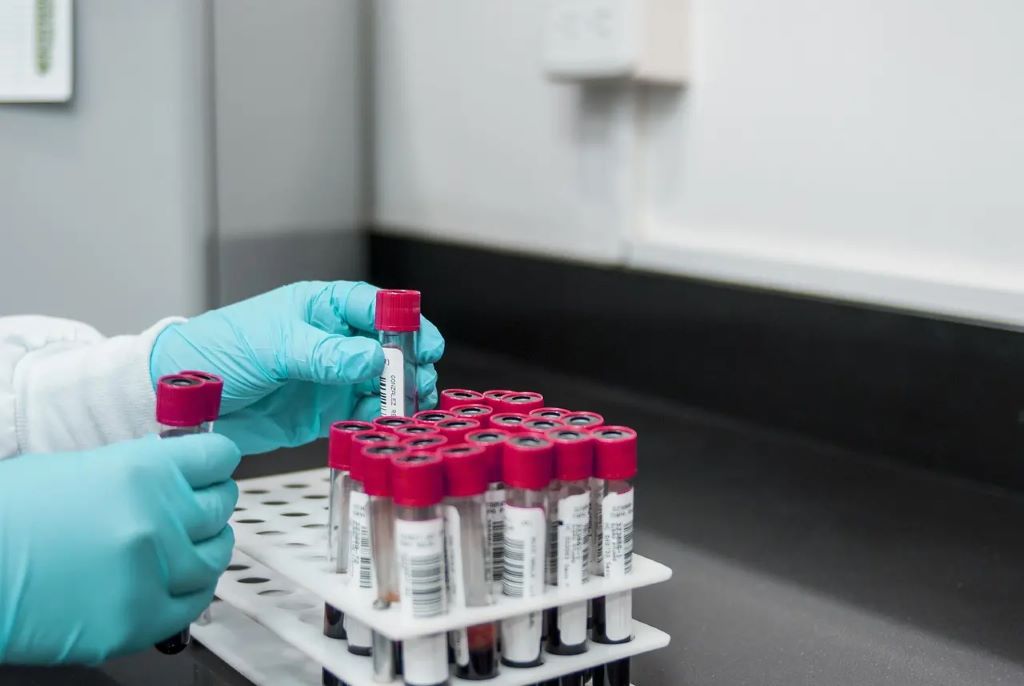
Blood Test Trends may Help Identify Patients at Increased Risk of Cancer

Among patients with unexplained weight loss, changes over time in routine blood test results were associated with overall and site-specific cancer diagnoses

Photo: Pixabay

Blood test trends alongside unexplained weight loss can improve triage for cancer testing, according to a study by Brian Nicholson and colleagues from the University of Oxford, UK, published September 17thin the open access journal PLOS Medicine.

Abnormal blood test results, such as low haemoglobin or increased platelet counts, can provide clues about a patient’s risk of developing cancer. However, monitoring trends over repeat tests could provide further clues in some instances, by identifying cancer-related changes in blood test results that do not appear abnormal. Assessing patterns in blood test abnormalities and trends alongside unexplained weight loss could enhance cancer risk assessment and support earlier diagnosis.

In this study, researchers examined trends in blood test results among patients with unexplained weight loss, a common non-specific symptom associated with multiple cancer types. The goal was to determine whether trends in 26 commonly used blood tests in primary care could improve cancer risk stratification compared to abnormalities on single blood tests.

Among the more than 275 000 patients included in the study, nearly 14 000 were subsequently diagnosed with cancer within six months, allowing researchers to relate abnormalities on single tests and trends over repeat blood tests to cancer diagnosis. Overall, 23 blood test trends were associated with overall cancer risk. Several abnormalities were also associated with specific cancer types. After accounting for age and sex, several blood test trends were more discriminative for cancer diagnosis than individual abnormal test results. For example, trends in white blood count and neutrophils were linked to lung cancer while trends in red blood cell count, haematocrit, and platelet-to-lymphocyte ratio were associated with prostate cancer.

The findings suggest that monitoring changes in routine blood test results in patients with unexplained weight loss could identify patients in primary care who would benefit from additional cancer testing.

Author Brian Nicholson adds, “We show how blood test results are made more accurate for cancer by adding patient age and sex. This relatively simple calculation could easily be performed at the laboratory.”

Author Pradeep Virdee states, “In some instances, monitoring how a patient’s blood test results change over time could offer further value. We plan to assess how well blood test abnormalities and trends inform cancer risk in patients with other types of non-specific symptoms, such as fatigue and vomiting.”

Provided by PLOS