Tag: 13/7/26

Why Rehabilitation is a Core Pillar of Managing Occupational Injuries and Improving Wellness and Healthcare Outcomes for Workers
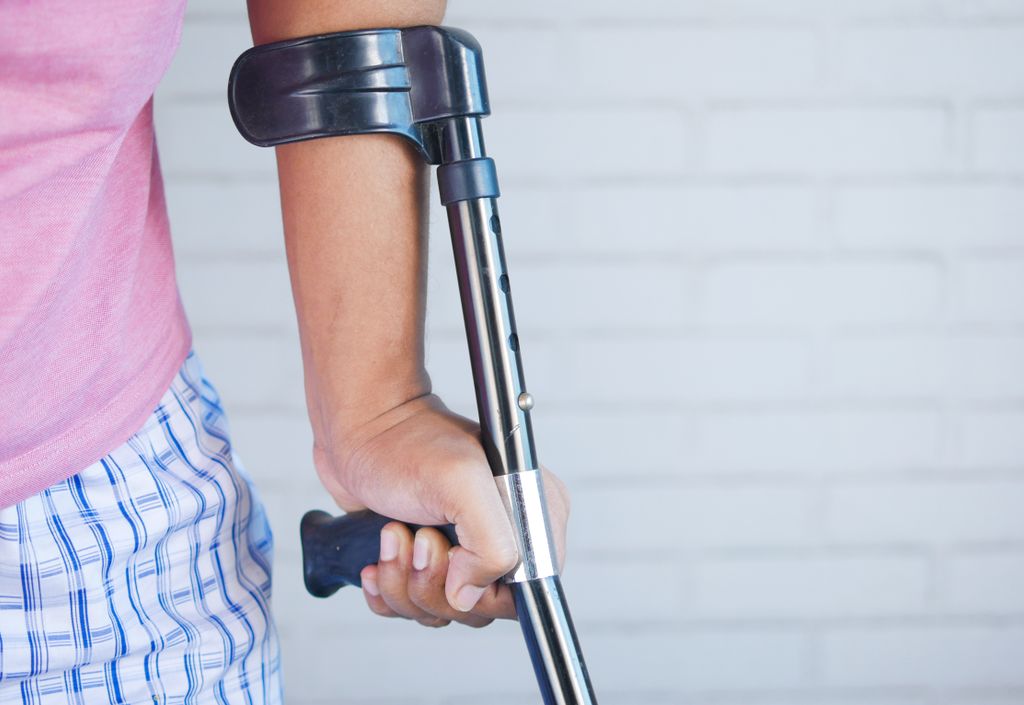
Photo by Towfiqu barbhuiya

The new dawn of managing occupational injuries as prescribed in the recently enacted Compensation for Occupational Injuries and Diseases (COID) Amendment Act 10 of 2022 puts at the forefront the need to rehabilitate injured workers. This ensures that their potential for reintegration into the world of work is maximised. Rand Mutual Assurance argues that rehabilitation must move from the margins to the centre of national workforce health strategies.

Speaking on the sidelines of the 25th Annual Board of Healthcare Funders (BHF) Conference, which took place in Cape Town from 4–8 July, Kyle Fredericks, Managing Executive: Social Insurance at RMA, emphasised that rehabilitation, reintegration and return to work were not simply clinical services, but strategic enablers of economic resilience, worker wellbeing and long-term productivity.

“Rehabilitation in the healthcare value chain has historically been treated as a downstream intervention – something that happens after an injury, after a claim, after a disruption. But the evidence is clear that rehabilitation is most effective when it is prioritised, integrated and supported from the very beginning of the occupational healthcare journey,” says Fredericks.

Rehabilitation as a driver of workforce resilience

South Africa’s labour market is undergoing rapid transformation, with new technologies, new models of employment and shifting workforce demographics reshaping how people work and the pressures they face. In this environment, the cost of prolonged recovery, delayed treatment and fragmented care pathways is becoming increasingly unsustainable.

“A resilient workforce can recover quickly, safely and sustainably from injury or illness. Rehabilitation is the engine of that resilience. It restores function, supports reintegration and protects workers from long‑term disability. When rehabilitation is integrated, the entire healthcare ecosystem strengthened,” notes Fredericks.

RMA’s position reflects a growing global consensus that rehabilitation is not an optional add‑on, but a core pillar of modern occupational healthcare. Countries that invest in structured rehabilitation programmes consistently report improved recovery outcomes, reduced compensation costs and higher return‑to‑work rates.

The consequences of fragmented rehabilitation pathways

Despite its importance, rehabilitation in South Africa remains unevenly prioritised across sectors. Workers often face delays in accessing appropriate care, limited coordination between healthcare providers and insufficient support for community or work reintegration. These gaps prolong recovery, increase the risk of complications and reduce the likelihood of successful return‑to‑work.

“Fragmentation is one of the biggest barriers to effective rehabilitation. When clinicians, therapists, employers, administrators and social insurers operate in isolation, workers fall through the cracks. Rehabilitation must be part of a connected ecosystem – one where every stakeholder understands their role in supporting recovery,” explains Fredericks.

Fredericks adds that strengthening rehabilitation requires more than clinical expertise; it requires collaboration, shared standards and a commitment to worker‑centred care. “Rehabilitation is a team effort. It succeeds when everyone is aligned around the same goal, which is restoring the worker to full participation in life and work.”

A call for stronger partnerships with healthcare professionals (and beyond)

RMA is using the BHF Conference as a platform to call for deeper collaboration with healthcare practitioners, rehabilitation specialists and allied health professionals. The organisation believes that building a robust rehabilitation ecosystem depends on strong clinical partnerships and shared ambition.

“We want healthcare professionals to understand our commitment to rehabilitation and reintegration. We are scaling our rehabilitation function significantly, and we are inviting clinicians, therapists and specialists to partner with us and recognise community-based mechanisms that make reintegration possible” says Fredericks.

“Together, we can build a rehabilitation ecosystem that is responsive, evidence‑based, and centred on the needs of workers.”

Fredericks points out that rehabilitation must be recognised as a specialised discipline that requires dedicated investment, continuous learning and integrated care pathways. “Rehabilitation is not a single event; it is a journey. And that journey must be supported by skilled professionals who understand the complexities of recovery”

Rehabilitation and the future of occupational healthcare

RMA’s advocacy for rehabilitation is part of a broader shift in the sector, which is seeing a move from reactive compensation models to proactive, integrated healthcare ecosystems. This evolution recognises that worker wellbeing cannot be achieved through compensation alone. It requires prevention, early intervention, coordinated care and structured rehabilitation.

“The future of occupational healthcare is holistic. It begins with prevention, continues through injury management and culminates in rehabilitation and return‑to‑work. Rehabilitation is the bridge between injury and recovery – without it, the system cannot deliver the outcomes workers deserve,” says Fredericks.

Fredericks adds that rehabilitation also plays a critical role in strengthening national productivity. “Healthy workers build healthy industries. When rehabilitation is strong, businesses benefit from reduced downtime, improved morale and greater long‑term stability.”


The Charlotte Maxeke Fire Should Have Been a National Turning Point – Is SA Now Ready to Listen?

Charlotte Maxeke Johannesburg Academic Hospital. (Photo: Gauteng Department of Health)

By Haseena Majid and Mogie Subban

The fire that engulfed parts of Charlotte Maxeke Johannesburg Academic Hospital was never just a fire, it was a warning, argue Dr Haseena Majid and Professor Mogie Subban. Five years later, the real question they say is whether South Africa is prepared to listen.

The fire that ripped through parts of Charlotte Maxeke Johannesburg Academic Hospital in April 2021 should have been a national turning point. Instead, five years later, we were confronted with explosive findings from the Public Protector confirming that the Gauteng Department of Infrastructure Development and the Gauteng Department of Health delayed repairs, fought internally over responsibilities, and failed to spend almost half of the approximately R666.7 million budget allocated to restore the hospital.

The Public Protector’s report revealed that by March 2024, only about 49% of the ringfenced funds had been spent despite the hospital’s catastrophic service disruptions. At the same time, Charlotte Maxeke’s Head of Internal Medicine Professor Adam Mahomed, who lodged the complaint with the Public Protector, publicly described overcrowded wards, exhausted clinicians, and a hospital effectively surviving through improvisation rather than recovery.

These are not isolated failures. They point to deeper governance weaknesses within public administration.

The question that inevitably arises is how these failures have persisted for so long, given that South Africa’s governance framework is not lacking in legal safeguards.

South Africa’s governance framework already contains extensive mechanisms for oversight and accountability. Section 195 of the Constitution demands accountability, transparency and efficient resource use. Section 217 governs fair and cost-effective procurement. The Public Finance Management Act regulates expenditure and financial accountability. The Public Administration Management Act strengthened ethics, norms and oversight within public administration. The Auditor-General and Public Protector both play critical roles in identifying maladministration and safeguarding accountability. These frameworks are designed to ensure that information flows upward, warning signs trigger intervention and accountability occurs before systems fail.

Yet, the reality tells a different story. Five years after the Charlotte Maxeke fire, hundreds of millions of rand allocated for restoration remained underutilised. Procurement scandals at Tembisa Hospital allegedly operated for years before attracting national attention. Medicine stockouts continue despite multiple reporting structures. More than 240 000 people are reportedly waiting for cataract surgery in one province, while public hospitals continue to lose skilled personnel as infrastructure deteriorates.

Even more troubling is the time it takes before these failures become visible for some form of action to follow. The asbestos scandal in the Free State, corruption at Transnet and Eskom, and the alleged procurement networks at Tembisa all reveal the same pattern: accountability mechanisms kick in long after the damage has already been done.

These failures point to deeper systemic weaknesses. They reflect institutions that have struggled to respond effectively and correct themselves. And every delayed intervention carries human consequences. Cancelled operations, interrupted treatment, avoidable disability, burnout among healthcare workers, lost productivity and preventable deaths are not abstract administrative failures. They are the lived consequences of governance failure.

What to do

The question confronting South Africa is not whether another report or task team is required. The country has already produced no shortage of investigations, commissions and oversight findings. The real challenge is whether institutions are willing and able to act on what is already known.

A capable health system rests on several pillars: skilled staff, functioning infrastructure, sustainable financing, effective programmes, reliable procurement systems, coherent policy implementation and operational coordination. Yet even when these pillars exist, the entire structure remains vulnerable if the systems responsible for integration, oversight and accountability are weak.

Modern health systems are increasingly complex institutions requiring both clinical excellence and strong governance capability. Expertise in organisational systems, budgeting, monitoring and evaluation, procurement and institutional accountability should therefore be viewed not as alternatives to clinical expertise, but as interdependent capabilities essential for institutional resilience.

Money matters. Infrastructure matters. Human resources matter. Technology matters. But without institutions capable of coordinating, overseeing and acting, crises simply repeat themselves.

What South Africa needs is more than another cycle of crisis management. It needs a renewal of governance itself. That means stronger alignment between roles, competencies and institutional responsibilities, protected oversight pathways and consequence management that operates before catastrophe rather than after it. It means rebuilding a public service culture in which accountability is not treated as an inconvenience, but as the moral backbone of a constitutional democracy.

*Majid is a postdoctoral researcher at the University of KwaZulu-Natal specialising in public administration and systems governance. She is a Global Atlantic Fellow for Health Equity and Social Justice at Tekano. Her research focuses on stakeholder mapping, disaster resilience and strengthening governance systems through collaborative public-sector approaches. Subban is an Academic Mentor and Public Governance Expert, at the College of Law and Management Studies, University of KwaZulu-Natal.

Note: Spotlight aims to deepen public understanding of important health issues by publishing a variety of views on its opinion pages. The views expressed in this article are not necessarily shared by the Spotlight editors.

Republished from Spotlight under a Creative Commons licence.

Read the original article.

Human-safe Drug Repairs DNA in a Mouse Model of Alzheimer’s

Source: Pixabay CC0

A drug, that has previously been shown to be safe and tolerated by humans, reduces multiple disease-linked features of Alzheimer’s in a mouse model of the disease.

Neuroscientists from King’s College London have developed an approach that targets a key protein to tackle several features of Alzheimer’s disease in one go. They found that KCL-286, a drug that has previously passed Phase 1 safety trials originally developed for spinal cord injury, was able to lessen many disease-linked features of Alzheimer’s. 

“KCL-286 is a first-in-class, orally bioavailable small molecule that has already successfully cleared Phase 1 human safety and tolerability trials. This will dramatically cut down the traditional multi-year timeline required for new drug development,” commented Professor Jonathan Corcoran, Professor of Neuroscience at the Institute of Psychiatry, Psychology & Neuroscience at King’s College London. 

The causes of Alzheimer’s disease are highly complex. It is classically characterised by toxic build-up of proteins called amyloid-beta and tau, ultimately resulting in neuron death. While amyloid-beta and tau have been the main targets for drug development, approved drugs targeting amyloid-beta alone have limited but measurable clinical success.

Other features of the disease, such as DNA strand breaks and inflammation, have only recently been investigated as potential disease-modifying targets. DNA damage and inflammation occur in the earliest stages of the disease, suggesting they may be important targets for treatment. The new drug was found to repair DNA breaks and reduce inflammation in a mouse model of Alzheimer’s disease, providing a broader therapeutic strategy than approaches focused on individual disease hallmarks such as amyloid and tau.

“Our findings demonstrate that KCL-286 not only targets DNA damage but also reduces inflammation, two processes that occur very early in Alzheimer’s disease progression. This highlights its potential as a disease-modifying therapy rather than simply addressing symptoms,” said Dr Maria Goncalves, who project managed the drug development. 

The drug used in the new study, KCL-286, activates a specific protein in the retinoic acid pathway, a series of chemical reactions in the body used to process vitamin A. Previous studies have linked the deficits in this molecular pathway to amyloid-beta deposits forming in rat brains, similar to those seen in Alzheimer’s disease.

KCL-286 has previously been shown to help repair DNA double-strand breaks in neuropathic pain, leading researchers to hypothesise that it might be a suitable candidate for targeting the same type of DNA damage in Alzheimer’s disease.

DNA double-strand breaks are like a rope snapping completely in two, rather than just fraying at the edges. We found that KCL-286 promotes repair of these breaks, allowing us to target a key feature of Alzheimer’s disease.

Professor Jonathan Corcoran, Professor of Neuroscience at the Institute of Psychiatry, Psychology & Neuroscience at King’s College London.

Shared molecular pathways between spinal acute spinal cord injury and Alzheimer’s disease, established by the same team at King’s, hinted that KCL-286, may lessen some markers of Alzheimer’s in neurons.

Natasha Hill, one of the first authors on the paper, said: “To develop an effective treatment for Alzheimer’s disease, we need to tackle multiple aspects of the disease. KCL-286 was able to target multiple disease-relevant cellular pathways, some of which are initiated very early in the disease course.”

Source: King’s College London

Commonly Used Drugs Show Limited Benefit for Long Covid Fatigue

Photo by Andrea Piacquadio

Over-the-counter antihistamines and a prescription anti-inflammatory drug both have a small benefit in reducing long Covid fatigue among people receiving care from specialist long Covid clinics, according to new findings from a large clinical trial led by UCL and UCLH.

The study, published in The Lancet Infectious Diseases, involved nearly 800 adults in England with long Covid who were randomised to either usual care or one of three types of drugs: a combination of antihistamines, colchicine, or rivaroxaban.

The research team found that all groups experienced a meaningful reduction in their self-reported fatigue over 12 weeks (improving an average of 4.3 points on a 40-point scale), supporting the idea that specialist long Covid care can lead to important improvements in symptoms.

Those taking antihistamines and colchicine, but not the blood thinner rivaroxaban, saw a small additional benefit in fatigue reduction at 12 weeks (an extra 1.5 point improvement on the scale). However, this benefit was not sustained at 24 weeks (12 weeks after the participants stopped taking the drugs).

The trial was conducted by a national team of researchers, clinicians and patients across 12 clinics in England and Scotland led by co-chief investigators Professor Amitava Banerjee at UCL and Dr Melissa Heightman at UCLH. More than 30 organisations were involved, with UCLH recruiting around half the patients on this trial and the University of Lancashire Clinical Trials Unit co-ordinating all of the recruiting sites.

Professor Banerjee (UCL Institute of Health Informatics), the corresponding author, said: “We tested potential medicines based on the most promising theories of how to improve long Covid when we started out in 2021. Our findings suggest these drugs alone are unlikely to be the answer to long Covid fatigue. Antihistamines and the anti-inflammatory drug, colchicine, did provide a small benefit, but this did not last once participants stopped taking them and so they are unlikely to improve symptoms over the long term on their own.

“Both antihistamines and colchicine affect the immune system and it may be that they address the immune dysregulation that long Covid has been linked to, but further research is needed to understand the possible mechanism.

“The blood thinner, rivaroxaban, had no benefit and so our results do not support the use of anti-coagulation medicine for long Covid.”

Dr Melissa Heightman, clinical lead for the post-Covid service at UCLH, said: “It is heartening that people had a significant reduction in fatigue across all arms of the trial. This is more than you would expect based on time alone, given that participants had severe fatigue at recruitment and been ill for more than a year on average.

“This level of improvement shows the importance of specialist long Covid care. These services in England offer integrated care from a range of specialties with community-based rehabilitation to develop a plan for a person based on their symptoms and all of the ways the condition affects them.”

Participants of the trial were adults with long Covid who had not been hospitalised. The 12 long Covid clinics ranged from Hull and the Highlands to Leicester and London. Fatigue was assessed with a questionnaire at the start of the trial and then after 12 and 24 weeks.

The trial was open-label, meaning participants knew which drug they were taking (there was no placebo in the non-drug group), and so the researchers were unable to rule out a placebo effect. However, they said the benefit seen in two of the drug groups was unlikely to be caused by placebo alone, given that no such benefit was found for the other drug group (rivaroxaban).

Professor Banerjee said: “We have shown it is possible to conduct a large clinical trial for long Covid and to test treatments as we would for any other condition.”

Professor Danny McAuley, Scientific Director for NIHR Programmes, said: “The NIHR is proud to have funded this vital trial, which highlights the value of specialist care in delivering meaningful relief for long Covid patients. Finding even modest benefits for these inexpensive drugs, which are safe and commonly used for other conditions, is incredibly important to improve the evidence-based treatment of this complex condition. By providing the high-quality data needed to refine clinical approaches, this research ensures that the NIHR is helping to build a clearer, safer path forward for patient care which can be provided in the community.”

Professor Emma Wall, Clinical Research Group Leader at the Crick, Professor of Infectious Diseases at Queen Mary University of London, and academic consultant in Infectious Diseases and Acute Medicine for UCLH,said: “Because long Covid is such a new and complex condition, when it came to designing the trial, we started by listening to what patients were telling us about their symptoms and experiences, then looking for biological signals that might explain them and treatments that might help.

“The value of these results is not only that they suggest a potential treatment approach, but that they help us understand the biology of long Covid itself. Every signal we see in the trial helps us refine our understanding of the immune and inflammatory mechanisms that may be driving the disease, to develop new, better targeted treatments for future trials.”

Source: University College London

Emergency Doctors Are Stressed out – And Patient Irritation Plays a Significant Role

Research finds physicians with peevish patients were more likely to become disengaged in the patients’ care

Photo by Usman Yousaf on Unsplash

HBO’s emergency-department drama “The Pitt” has become a smash hit in large part because it shows the deeply human toll that emergency medicine exacts from those who practice it. While researchers have long known that real-life ER doctors are affected by many of the stresses that “The Pitt” has so effectively captured, a recent study led by the University of Massachusetts Amherst and published in BMJ: Quality & Safety is the first to design an interactive and controlled experimental method to test how irritable patients – those displaying frustration or anger – affect the emotions of those treating them, and thus, potentially, the effectiveness of care they receive.

The emergency department has always been one of the most stressful places to work in any hospital – one never knows what sorts of injuries, or how many of them, each shift will hold. Additionally, these spaces have increasingly been on the frontlines of various economic and social crises, including the lack of health insurance and skyrocketing medical costs, immigration and law enforcement and increasing needs for mental health and addiction services. One of the results of all of this is that patients are increasingly irritable, and too often take their frustrations out on caregivers.

“Emotions are an inherent part of our lives – they’re what makes us human,” says Linda Isbell, Feldman-Vorwerk Family Professor in Social Psychology at UMass Amherst and the paper’s lead author. “But for too long, the medical culture has expected doctors to leave their emotions at the door. This is just unrealistic.”

It seems reasonable to conclude that when physicians experience stress in response to patient irritation, the quality of patient care suffers, and there is good anecdotal evidence to support that. But until Isbell and her co-authors, including emergency medicine doctors from the UMass Chan Medical School and the Harbor-UCLA Medical Center, began their study, there were no reliable controlled experiments that had rigorously studied how patient behaviour affects physicians’ emotions and patient care.

For too long, the medical culture has expected doctors to leave their emotions at the door. This is just unrealistic.

 Linda Isbell, Feldman-Vorwerk Family Professor in Social Psychology at UMass Amherst and the paper’s lead author

The team designed a novel approach that began with professional “standardised patients”, people who are specially trained to play patients with realistic, specific medical conditions. Four standardised patients were each trained to perform in one clinical case that corresponded to one of four different diagnoses. Each “patient” was trained to perform two different roles: someone calmly seeking medical care, and someone behaving irritability with their physician. 

“What’s most important here is that each standardised patient, no matter whether they were playing their calm or irritable role, provided the same exact medical details,” says Isbell. “The only thing they changed was their emotional condition.” 

Isbell and her colleagues video-recorded these patient encounters and then recruited 134 emergency medicine physicians from 46 U.S. states. Each physician was randomly assigned a set of four recorded patient encounters, two of which were from calm patients, two from the far more irritable group. 

The physicians were then asked to order clinical tests, for which they received results, and continuously assess their patients, just as they would do in a real-life setting. 

Finally, Isbell and her team asked the physicians to report on their emotional state and engagement with each patient. With this information, researchers examined whether or not physicians’ emotional responses, clinical assessments or clinical behaviours shifted when they were assessing irritable patients versus calmer ones.

What they found is that irritable patients make physicians feel worse. Those physicians reported increased levels of anger, anxiety and fatigue. Doctors were also less engaged in their irritable patient’s care, and much more likely to find their patients unreliable in terms of reporting their own symptoms. Physicians with irritable patients were more likely to interpret their patient’s pain as exaggerated, find them less cooperative, less engaged in their own care or willing to adhere to a treatment plan, and less likely to return to work.

Furthermore, those physicians who were more susceptible to finding medical uncertainty stressful experienced a greater emotional toll when their patients were difficult.

More research is needed to better understand how all of this affects patient care, but, as Isbell put it, “the interaction between a patient’s behaviour and a doctor’s ability to tolerate stress associated with medical uncertainty is critical.” Doctors who are especially vulnerable to stress are likely to experience their difficult patients as more challenging and emotionally taxing – fuelling a cycle that could lead to worse patient outcomes.

“Medicine is inherently uncertain and emotional,” says Isbell, “especially in the ER. We need a systemic shift that acknowledges the human reality of uncertainty and emotions in medicine and supports both doctors and patients as they work toward a common goal: health and well-being for all.”

Source: University of Massachusetts

Real World Test of AI Clinical Support Tool Improved Clinician Decisions

Trial did not show statistically significant difference for patient outcomes but helped clinicians improve quality of notes and recommendations

A large real-world clinical trial has found that a generative AI-powered support tool used to support frontline clinicians was safe and improved the quality of clinical decision-making but did not significantly change short-term patient outcomes.

The study, published today in Nature Medicine is one of the first randomised controlled trials worldwide to test whether generative AI can improve patient-level outcomes, rather than just clinician performance or simulated cases.

The trial involved more than 9600 patients attending 16 primary care clinics in Kenya, and was delivered by experts at the University of Birmingham supported by the National Institute for Health and Care Research (NIHR) Biomedical Research Centre: Birmingham.

What this study shows is that AI can be integrated safely into real clinical workflows, without undermining patient trust or clinician autonomy – which is a critical foundation for any future impact.

Alastair Denniston, Chair of Regulatory Science and Innovation

Clinicians were randomly assigned to use an electronic medical record system with or without an integrated AI consult tool that provided real-time diagnostic and treatment suggestions. The AI system, known as ‘AI Consult’, was a large language model–based clinical decision support tool embedded directly within the existing electronic medical record system.

During consultations, the tool worked in the background by:

  • Analysing information entered by the clinician into the medical record
  • Generating context‑specific diagnostic and treatment suggestions, aligned with Kenyan national clinical guidelines
  • Flagging potential concerns using a simple colour‑coded alert system (green, yellow or red)

Clinicians retained full autonomy; they were not required to follow the AI’s advice, and retained responsibility for all diagnosis, prescribing and referral decisions. The AI interface was not visible to patients, helping preserve normal patient–clinician interaction.

Senior author Professor Bilal Mateen, Honorary Professor of Machine Learning for Health at the University of Birmingham, and Chief AI Officer at PATH, said: “This is one of the first studies to rigorously ask the hardest question about AI in healthcare: whether it actually improves outcomes for patients.

“What we found is reassuring but also sobering. The technology appears safe and clearly improves aspects of clinical decision-making, but translating those gains into measurable patient benefit is much more challenging, particularly in everyday primary care.”

Serious outcomes such as hospitalisation or death are rare in primary care, meaning extremely large studies – potentially involving more than 100 000 patients – would be needed to detect modest effects.

Professor Alastair Denniston, co-author, Professor of Regulatory Science and Innovation at the University of Birmingham and lead for health data research at the NIHR Biomedical Research Centre: Birmingham, said: “A large part of primary care is to deal with common conditions, including those that are self-limiting, where many patients require low levels of healthcare intervention. In that context, even meaningful improvements in clinical reasoning may only result in small changes in patient outcomes that are very difficult to measure.

“What this study shows is that AI can be integrated safely into real clinical workflows, without undermining patient trust or clinician autonomy – which is a critical foundation for any future impact.”

Findings: safety, quality and costs

Researchers found no statistically significant difference in treatment failure within 14 days between patients seen with AI-supported care and those receiving standard care (2.2% vs 2.0%). The study found no evidence of harm, with similar rates of hospitalisation and death in both groups.

While the AI tool did not produce measurable improvements in short-term patient outcomes, it significantly improved the quality of clinical documentation and treatment planning, as assessed by an independent panel of experienced clinicians who were blinded to whether AI had been used.

Patient satisfaction was the same in both groups, suggesting that AI support did not alter patients’ experience of care.

The study also found that, although overall antibiotic prescribing rates were similar, antibiotic‑related costs were lower in the AI‑supported group, due to more cost-conscious prescribing choices.

Although the trial was conducted in Kenya, the researchers emphasise that the findings have global relevance, including for high-income health systems.

Professor Richard Riley, Professor of Biostatistics at the University of Birmingham and senior author, said: “Robust trials like this are so important to establish the real impact of using AI in practice. They help set realistic expectations of what AI can actually contribute within existing care pathways, and helps guide where future investment and research effort should be focused. Generalisability of our findings to higher-income settings, where baseline standards of care are already high, needs to be evaluated.”

Source: The University of Birmingham