Scientists Find Epilepsy Biomarker in Autistic Children

Photo by Ben Wicks on Unsplash

Scientists have discovered that an important brain protein that quiets overactive brain cells and is abnormally low in children with autism, which may explain why so many children with autism also have epilepsy. The findings were published in Neuron.

This protein can be detected in the cerebrospinal fluid, making it a promising marker to diagnose autism and potentially treat the epilepsy that accompanies the disorder.

Mutated versions of this gene were known to cause autism combined with epilepsy, and epilepsy appears in 30% to 50% of children with autism. Autism, which is 90% genetic, affects 1/58 children in the US.

Appropriately nicknamed ‘catnap2’, the protein, CNTNAP2, is produced by the brain cells when they become overactive. Because the brains of children with autism and epilepsy lack sufficient CNTNAP2, scientists found, their brains become overactive, leading to seizures.

For the study, the researchers analysed the cerebrospinal fluid in individuals with autism and epilepsy, and in mouse models. Though, cerebrospinal fluid has been used in researching disorders such as Parkinson’s, this is the first study showing it is an important biomarker in autism.

The new finding about CNTNAP2’s role in calming the brain in autism and epilepsy may lead to new treatments.

“We can replace CNTNAP2,” said lead study author Peter Penzes, the director of the Center for Autism and Neurodevelopment at Northwestern University Feinberg School of Medicine. “We can make it in a test tube and should be able to inject it into children’s spinal fluid, which will go back into their brain.”

Penzes’ lab is currently working on this technique in preclinical research.

The level in the spinal cord is proxy for the level in the brain, explained Penzes. When brain cells are too active because of overstimulation, they produce more CNTNAP2, which floats away and binds to other brain cells to calm them. The protein also leaks into the cerebrospinal fluid, where scientists were able to measure it, giving them a clue for how much is produced in the brain.

Source: EurekAlert!

Metformin Ineffective in Most Breast Cancers

Breast cancer cells. Image source: National Cancer Institute on Unsplash

Researchers have found that the diabetes drug metformin, once hoped to hold enormous promise in treating breast cancer, does not prevent or stop the spread of the most common forms of the disease but may still have potential in HER2-positive breast cancer.

The randomised, double-blind trial enrolled 3600 patients who received two pills a day of either placebo or metformin. Overall, researchers found the addition of metformin to standard breast cancer treatments did not improve outcomes in the two most common types of breast cancer, hormone receptor-positive or negative.

“The results tell us that metformin is not effective against the most common types of breast cancer and any off-label use of this drug for the treatment of these common types of breast cancer should be stopped,” said Pamela Goodwin, a professor in the department of medicine at the University of Toronto’s Temerty Faculty of Medicine.

Prof Goodwin presented the findings at the 2021 San Antonio Breast Cancer Symposium.

While metformin was found not to be effective in treating the most common forms of breast cancer, there was evidence that use of metformin for five years might lead to a reduction in deaths from HER2-positive breast cancer, a less aggressive subtype which makes up about 20% of all breast cancers.

“Metformin is not beneficial for use in most common breast cancers, but in the cases of HER2 positive breast cancer, our findings suggest it may be beneficial,” said Prof Goodwin. “These results need to be replicated in future research before metformin is used as a breast cancer treatment, however, it could provide an additional treatment option for HER2-positive breast cancer,” she added

Previous studies suggested metformin may also reduce the risk of development and increase survival of some cancers, including breast cancer.

Metformin was theorised to slow breast cancer growth by improving patient metabolism, notably insulin levels, leading to reduced cancer cell growth, or that it might impact cancer cells directly.

Next steps would be to prospectively test the impact of metformin in patients with HER2-positive breast cancer in a randomised clinical trial. 

Source: University of Toronto

Gauteng Peak Passes but WHO Warns not to Underestimate Omicron

Image by Quicknews

Wastewater monitoring has shown that COVID  infections are falling in Gauteng, indicating that the Omicron wave may have peaked, while the World Health Organization warns that the variant should not be taken lightly despite its mildness.

The findings align with comments by Health Minister Joe Phaahla on Friday that the Omicron-driven wave may be peaking in the province.

Despite Gauteng’s peaking, cases are on the rise in seven of the nine provinces and last week the country saw a new high in cases. Of the infections confirmed on Thursday, Gauteng accounted for 27%, down from 72% of new infections on December 3.

However, the surge of Omicron will likely not be confined to Gauteng. “Early indications are that we might have reached the peak in Gauteng,” Dr Phaahla said in an online media briefing. “But there is a corresponding, rapid increase of cases in the other big provinces.”

He also noted a 70% increase in hospitalisations, though he stressed that this was off of a low base rate. Meanwhile, the WHO has warned that countries should not take the Omicron variant likely in spite of its apparent low severity.

“Countries can – and must – prevent the spread of Omicron with the proven health and social measures.  Our focus must continue to be to protect the least protected and those at high risk,” said Dr Poonam Khetrapal Singh, Regional Director of the WHO South-East Asia Region.

Omicron should not be dismissed as mild, she cautioned, adding that even if it does cause less severe disease, the sheer number of cases could once again overwhelm health systems. Hence, health care capacity including ICU beds, oxygen availability, adequate health care staff and surge capacity need to be reviewed and strengthened at all levels. 

The overall threat posed by Omicron largely depends on three key questions – its transmissibility; how well the vaccines and prior SARS-CoV-2 infection protect against  it, and how virulent the variant is as compared to other variants.

From what we know so far, Omicron appears to spread faster than the Delta variant which has been attributed to the surge in cases across the world in the last several months, Dr Singh said.

She added that emerging data from South Africa suggests increased risk of re-infection with Omicron, and said that there is still limited data on Omicron’s limited severity. Further information is needed to fully understand the clinical picture of those infected with Omicron, and more information is expected in the coming weeks.

Her statements echo those of WHO chief Tedros Adhanom Ghebreyesus, who earlier last week warned that health systems could still be overwhelmed by cases.

Signs of Antibiotic ‘Pre-resistance’ Identified for the First Time

Drug-resistant, Mycobacterium tuberculosis bacteria, the pathogen responsible for causing the disease tuberculosis (TB). A 3D computer-generated image. Credit: CDC

In a first of its kind study, researchers have spotted signs of antibiotic ‘pre-resistance’ in bacteria for the first time, indicating that they have the potential to develop drug resistance in the future.

The findings, published in Nature Communications, will allow doctors in the future to select the best treatments for bacterial infections.

Mycobacterium tuberculosis (TB) was the second leading infectious cause of death after COVID in 2020, killing 1.5m people. It can be cured if treated with the right antibiotics, but treatment is lengthy and many people most at risk lack access to adequate healthcare. Drug-resistant TB can develop when people do not finish their full course of treatment, or when drugs are not available or are of poor quality.

Multi-drug resistant TB represents a huge, unsustainable burden and totally drug resistant strains have been detected in a handful of countries. As health systems struggle to cope with the pandemic, progress on TB treatment globally has slowed.

To better understand TB for developing new drugs, this study has identified for the first time how to pre-empt drug resistance mutations before they have occurred. Dubbed ‘pre-resistance’ when a pathogen has a greater inherent risk of developing resistance to drugs in the future.

By analysing thousands of bacterial genomes, the study has potential application to other infectious diseases and paves the way towards personalised pathogen ‘genomic therapy’ – which chooses drugs according to the pathogen, preventing drug resistance.

The culmination of 17 years’ work, the study built up a TB bacterial ‘family tree’  from 3135 different tuberculosis samples. Computational analysis identified the ancestral genetic code of bacteria that then went on to develop drug resistance. The team identified the key changes associated with the development of resistance by looking through the ‘branches’ of the family tree to see which had the most potential for developing drug resistance.

Variations in the TB genome predicted that a particular branch would likely become drug resistant, and then validated their findings in an independent global TB data set.

Dr Grandjean, senior author of the study, said: “We’re running out of options in antibiotics and the options we have are often toxic – we have to get smarter at using what we have to prevent drug resistance.

“This is the first example of showing that we can get ahead of drug resistance. That will allow us in the future to use the pathogen genome to select the best treatments.”

Source: EurekAlert!

How Epithelial Cells Kick out Precancerous Neighbours

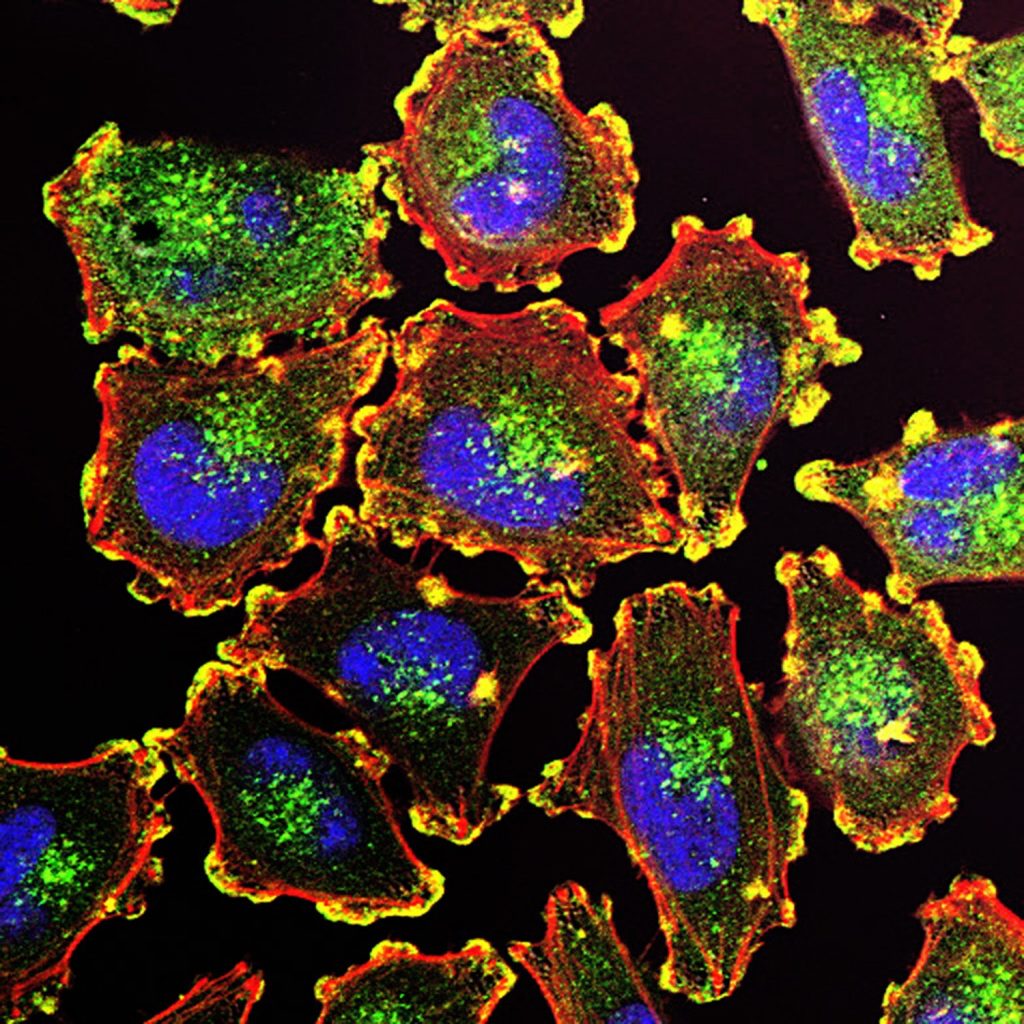
Melanoma cells. Source: National Cancer Institute.

Researchers have discovered the mechanism behind how normal epithelial cells push out precancerous ones present in the epithelium with  ‘cell competition’. Researchers have unravelled the interactions and cellular pathways leading to this extrusion, allowing them to identify a candidate for a therapeutic target for future cancer prevention research.

Recent studies have shown that the human body has defence mechanisms run by non-immune epithelial cells. These epithelial cells can recognise and extrude neighbouring precancerous cells from the epithelium, known as cell competition. This form of immune-like surveillance has garnered attention in recent years based on its potential for future immune-like therapeutic targets for cancer preventive treatment. However, it is still unknown what kind of ligand-receptor interactions are involved in the recognition of precancerous cells by normal epithelial cells.

Discussing the study, Professor Takeshi Maruyama, an Associate Professor at the Waseda Institute for Advanced Study at Waseda University, who led the research group, says, “During the process of cell competition, normal epithelial cells can be primed by contact with precancerous cells. However, it was previously unclear how neighbouring normal epithelial cells recognise precancerous cells to eliminate them.”

In this work, the researchers identified a plasma membrane protein, leukocyte immunoglobulin-like receptor B3 (LILRB3). AltR/LILRB3 interacts with major histocompatibility complex class I (MHC class I) that is expressed on precancerous epithelial cells.

MHC class I-AltR/LILRB3 interaction causes the activation of AltR/LILRB3, which triggers an intracellular SHP2–ROCK2 pathway. This SHP2–ROCK2 pathway leads to the “accumulation of cytoskeletal components”, creating a mechanical force to extrude precancerous cells, in the normal epithelial cells at the boundary with precancerous cells. This pushes the precancerous cells out of the epithelium to eliminate them from the body.

However, this occurs independently of natural killer or CD8+ T cell-mediated immune responses. “Our study describes a new immune-like mechanism by non-immune epithelial cells to suppress tumorigenesis,” said Prof Maruyama.

The researchers hope that these findings can be applied to cancer treatment. “The recombinant MHC-I-α3 protein used in this study enhances the elimination of precancerous cells and suppresses the formation of tumours and precancerous lesions,” added Prof Maruyama. “We hope that this biomolecule would contribute to a therapeutic candidate for cancer prevention by the elimination of precancerous cells.”

Source: Waseda University

Urinary Incontinence Worsens as Women Age

Photo by Tim Mossholder on Unsplash

A new study published in Menopause suggests postmenopausal women aged 45 to 54 years are more likely to have overactive bladder (OAB) syndrome. Additionally, obesity and multiple births put a woman at greater risk for stress urinary incontinence (SUI). 

Urinary incontinence symptoms are common in women and typically worsen as women age. In the United States, the prevalence of urinary incontinence is 17.1% in women aged 20 years or older and 38% in women aged 60 years and older.

There are two main types of urinary incontinence: urinary urge incontinence (UUI) and SUI. Urinary urge incontinence is defined as the involuntary loss of urine associated with the urge to urinate. Stress urinary incontinence, which women are more likely to be diagnosed with, is the involuntary loss of urine because of effort or physical exertion, including sporting activities, sneezing, and coughing. Overactive bladder syndrome is characterised by urinary urgency and is usually accompanied by increased daytime frequency and/or nocturia, with urinary incontinence.

This is the largest known study, with data from more than 12 000 women. Its goal was to investigate the prevalence and factors associated with urinary symptoms.

While the study showed a significant association of OAB in women aged 45 to 54 years and postmenopausal status, it also demonstrated that SUI symptoms may likely become less frequent after menopause. However, high body mass index and the number of times a woman has given birth were shown to increase SUI symptoms.
Other factors studied included smoking status, history of diabetes, hysterectomy, and the use of hormone therapy. The researchers suggest that additional studies should be conducted to consider the association between time since menopause and OAB symptoms in the perimenopause period.

“This study underscores how common urinary incontinence is in women, with nearly one in five Japanese women reporting urinary incontinence related to OAB or SUI in the last month. Midlife women were particularly affected by SUI (18.2% in women aged 50 to 54 years). Given the significant negative effect on quality of life and the presence of effective strategies for management of these burdensome symptoms, clinicians should routinely ask women about urinary incontinence,” said Dr Stephanie Faubion, The North American Menopause Society medical director.

Source: EurekAlert!

Real-world Data Shows Booster Shot Protective against Omicron

Photo by Mat Napo on Unsplash

While two doses of a COVID vaccine offered less protection against Omicron, a booster shot restored immunity back to high levels, according to real-world data from the UK.

Two doses of Pfizer vaccine provided just under 40% protection against symptomatic infection with the Omicron variant about 25 weeks after the second dose compared with around 60% protection against Delta, according to a technical briefing released by the UK Health Security Agency. [PDF]

“These early estimates suggest that vaccine effectiveness against symptomatic disease with the Omicron variant is significantly lower than compared to the Delta variant,” the agency noted in the report. However, “moderate to high” vaccine effectiveness was observed in the early period after a booster shot, they added.

The agency found that a Pfizer booster increased vaccine effectiveness to 76%. Among people who received the AstraZeneca series for their initial immunisation (which offered almost no protection against Omicron), vaccine effectiveness jumped to 71% after a Pfizer booster.

The reportcompared vaccine effectiveness against Omicron versus Delta, including 581 people who were infected with the new strain and more than 56 000 infected with Delta from the end of November to December 6.

Omicron’s reinfection rate was also much higher than Delta’s. Of 329 individuals infected with Omicron, 7% had a previous infection, compared with 0.4% of the approximately 85 000 people infected with Delta.

After adjustments for age and area, the risk ratio of reinfection for Omicron was 5.2 (95% CI 3.4-7.6).

The report also found a 20- to 40-fold reduction in neutralising antibody activity compared with the viruses used to develop the vaccines. However, a booster dose significantly improved neutralising antibodies, regardless of which vaccine was given in the initial immunisation.

Katelyn Jetelina, PhD, an epidemiologist at the University of Texas Health Science Center at Houston, said that the study data confirm what researchers have already discovered in lab research: vaccines offer significantly less protection against Omicron, and reinfection rates are expected to be high.

Dr Jetelina noted that it was reassuring to see that “we can curb infection still with a booster, which is really quite phenomenal.” However, she said that cases were likely to increase.

“I think all this data is showing us that we’re going to have a lot of infections with Omicron,” Jetelina told MedPage Today. While a high rate of infection does not necessarily translate to severe illness, Dr Jetelina said that she is concerned about population-level outcomes resulting from a flood of new cases.

“That’s where I get a bit more nervous,” she said. She pointed out that “even if the rate of severe disease is low […] those numbers start adding up real quickly.”

The UK Health Security Agency advised interpreting the results with caution, due to the low number of Omicron cases. Additionally, more data are needed before scientists can determine how well vaccines will work against severe illness, hospitalisation, and death from the Omicron strain.

“It will be a few weeks before effectiveness against severe disease with Omicron can be estimated,” the agency stated. “However, based on this experience, this is likely to be substantially higher than the estimates against symptomatic disease.”

Source: MedPage Today

Synthetic Progestogen in Utero Leads to Doubled Cancer Rate in Offspring

Photo by Shvets Productions on Pexels

In utero exposure to a synthetic progestogen used to prevent miscarriage can lead to an increased risk of developing cancer, according to a new study.

The study by researchers at The University of Texas Health Science Center at Houston (UTHealth Houston) was published in the American Journal of Obstetrics and Gynecology.

The drug, 17α-hydroxyprogesterone caproate (17-OHPC), is a synthetic progestogen frequently used by women in the 1950s and 1960s, and is still prescribed today to women to help prevent preterm birth. Progesterone helps the uterus grow during pregnancy and prevents early contractions that may lead to miscarriage.

“Children who were born to women who received the drug during pregnancy have double the rate of cancer across their lifetime compared to children born to women who did not take this drug,” said the study’s lead author, Caitlin C. Murphy, PhD, MPH, associate professor in the Department of Health Promotion and Behavioral Sciences at UTHealth School of Public Health in Houston. “We have seen cancers like colorectal cancer, pancreatic cancer, thyroid cancer, and many others increasing in people born in and after the 1960s, and no one really knows why.”

Researchers reviewed data from the Kaiser Foundation Health Plan on women who received prenatal care between June 1959 and June 1967, and the California Cancer Registry, which traced cancer in offspring through 2019.

Out of more than 18 751 live births, researchers discovered 1008 cancer diagnoses were made in offspring ages 0 to 58 years. Additionally, a total of 234 offspring were exposed to 17-OHPC during pregnancy. Offspring exposed in utero had cancer detected in adulthood at more than twice the rate of of those unexposed: 65% of cancers occurred in adults younger than 50.

“Our findings suggest taking this drug during pregnancy can disrupt early development, which may increase risk of cancer decades later,” Murphy said “With this drug, we are seeing the effects of a synthetic hormone. Things that happened to us in the womb, or exposures in utero, are important risk factors for developing cancer many decades after we’re born.”

A new randomised trial shows there is no benefit of taking 17-OHPC, and that it does not reduce the risk of preterm birth, according to Murphy.

The U.S. Food and Drug Administration proposed in October 2020 that this particular drug be withdrawn from the market.

Source: University of Texas Health Science Center at Houston

A ‘Sweet Spot’ for Exercise to Reverse Cognitive Decline

Photo by Ketut Subiyanto on Pexels

Researchers at the University of Queensland have identified an exercise ‘sweet spot’ that reverses the cognitive decline in ageing mice, paving the way for human studies.

After more than a decade of research, the team led by Professor Perry Bartlett and Dr Dan Blackmore, the team found 35 days of voluntary physical exercise improved learning and memory. The findings were published in iScience.

“We tested the cognitive ability of elderly mice following defined periods of exercise and found an optimal period or ‘sweet spot’ that greatly improved their spatial learning,” Dr Blackmore said.

Additionally, the researchers also discovered how exercise improved learning – down to growth hormones.

“We found that growth hormone (GH) levels peaked during this time, and we’ve been able to demonstrate that artificially raising GH in sedentary mice also was also effective in improving their cognitive skills,” Dr Blackmore said

“We discovered GH stimulates the production of new neurons in the hippocampus – the region of the brain critically important to learning and memory.

“This is an important discovery for the thousands of Australians diagnosed with dementia every year.”

Dementia is the second leading cause of death of all Australians, and with no medical breakthrough the number of people with dementia is expected to increase to around 1.1 million by 2058.

Professor Bartlett said the findings add to the body of evidence showing that loss of cognitive function in old age is directly related to the diminished production of new neurons.

“It underlines the importance of being able to activate the neurogenic stem cells in the brain that we first identified 20 years ago,” Professor Bartlett said.

The team were able to explore how the production of new neurons changed the circuitry in the brain using Magnetic Resonance Imaging (MRI).

“Using MRI, we were able to study the brain following exercise, and for the first time identify the critical changes in the structure and functional circuitry of the hippocampus required for improved spatial learning,” Dr. Blackmore said.

Source: University of Queensland

Astronauts Will Test A Portable Bioprinter for Wounds

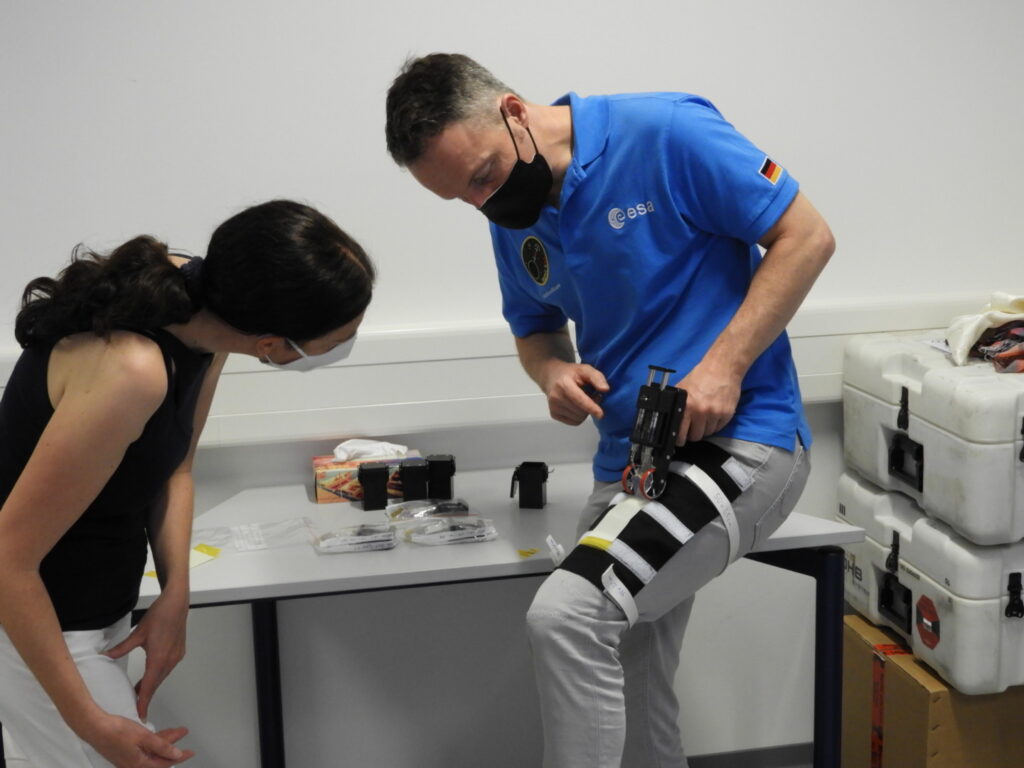
ESA astronaut Matthias Maurer is shown during preflight training for the BioPrint First Aid investigation, which tests a bioprinted tissue patch for enhanced wound healing.
Credit: ESA

A suitably advanced piece of wound care technology will be sent into orbit to the space station in the next few days: a prototype for portable bioprinter that can cover a wound area on the skin by applying a tissue-forming bio-ink that acts like a patch, and accelerates the healing process.

While the aim is to provide a effective wound treatment for astronauts millions of kilometres from the nearest hospital, such a personalised wound healing patch would also have a great benefit on Earth. Since the cultured cells are taken from the patient, immune system rejection is unlikely, allowing a safe regenerative and personalised therapy. Other advantages are the possibilities of treatment and greater flexibility regarding wound size and position. In addition, due to its small size and portability, physicians could take the device anywhere to an immobile patient if their cells were cultivated in advance.

“On human space exploration missions, skin injuries need to be treated quickly and effectively,” said project manager Michael Becker from the German Space Agency. “Mobile bioprinting could significantly accelerate the healing process. The personalised and individual bioprinting-based wound treatment could have a great benefit and is an important step for further personalised medicine in space and on Earth.”

The use of bioprinting for skin reconstruction following burns is one growing application for the technology. However, it presently requires large bioprinters that first print the tissue, allow it to mature, before it is implanted onto the patient. By testing it in the gravity-free environment of space, Bioprint FirstAid will help optimise of bioprinting materials and processes. Microgravity-based 3D tissue models are important for greater understanding of the bioengineering and bio-fabrication requirements that are essential to achieve highly viable and functional tissues. Under microgravity conditions, the pressure of different layers containing cells is absent, as well as the potential sedimentation effect of living cell simulants. The stability of the 3D printed tissue patch, and the potentially gravity-dependent (electrolyte to membrane interface) crosslinking process, can be analysed for future applications.

The Bioprint FirstAid prototype contains no cells at this point. The surprisingly simple prototype is a robust, purely mechanical handheld bioprinter consisting of a dosing device in the handle, a print head, support wheels, and an ink cartridge. The cartridge contains a substitution (in total two different substitutions, both without skin cells) and a crosslinker, which serves as a stabilising matrix. To test it out, the simulant will be applied to the arm or leg of a crew member wrapped in foil, or alternatively at any other surface wrapped in foil. On Earth, a printed sample with human cells will be tested, and the distribution pattern will be compared to the cell-free sample that was printed in space.

Source: NASA