No Food Allergy Link to Caesarean Delivery

Man holding newborn baby
Photo by Jonathan Borba on Unsplash

A new study found that caesarean delivery, either with or without labour, or elective or emergency, compared to vaginal birth does not impact on the likelihood of food allergy at 12 months of age. Led by the Murdoch Children’s Research Institute (MCRI), the study was published in the Journal of Allergy and Clinical Immunology: In Practice.

Associate Professor Rachel Peters of the Children’s Research Institute (MCRI) said the association between food allergy and mode of delivery remained unclear due to the lack of studies with food challenge outcomes.

The study involved 2045 infants from the HealthNuts study, with data linked to a perinatal database for detailed information on birth factors.

The study found that, of the 30% born by caesarean, 12.7% had a food allergy compared to 13.2% born vaginally.

“We found no meaningful differences in food allergy for infants born by caesarean delivery compared to those born by vaginal delivery,” Associate Professor Peters said. “Additionally, there was no difference in the likelihood of food allergy if the caesarean was performed before or after the onset of labour, or whether it was an emergency or elective caesarean.”

Associate Professor Peters said it was thought a potential link between caesarean birth and allergy could reflect differences in early microbial exposure from the mother’s vagina during delivery.

“The infant immune system undergoes rapid development during the neonatal period,” she said. Caesarean delivery may interfere with the normal development of the immune system, as there is less exposure to the mother’s vagina and gut bacteria, influencing the baby’s own microbiome. “However, this doesn’t appear to play a major role in the development of food allergy.”

Australia has the highest rates of childhood food allergy in the world, with about one in 10 infants and one in 20 children over five years of age having a food allergy.

These findings come as other MCRI-led research found 30% of peanut allergy and 90% of egg allergy resolves naturally by age six.

Associate Professor Peters said the resolution rates were great news for families and were even a little higher than what was previously thought.

The results, published in the Journal of Allergy and Clinical Immunology, found infants with early-onset and severe eczema and multiple allergies were less likely to outgrow their egg and peanut allergies.

Associate Professor Peters said these infants should be targeted for early intervention trials that evaluate new treatments for food allergy such as oral immunotherapy.

“Prioritising research of these and future interventions for infants less likely to naturally outgrow their allergy would yield the most benefit for healthcare resources and research funding,” she said.

Source: SciTech Daily

Radio DJ Mark Pilgrim Shares Good News on His Cancer Treatment

Radio DJ Mark Pilgrim has revealed on Twitter that his latest scan results showed a ‘significant shrinkage’ of all of the tumours present in his lung, spine, leg and lymph nodes.

In March 2022, the radio star revealed that he had been diagnosed with stage 4 lung cancer, and that he was to start treatment “in a week”.

Speaking about his most recent diagnosis, he said: “I’m not Chuck Norris. Yes, I’m scared. I am also strong. Both emotions run parallel with each other. I’m under the care of incredible doctors and surrounded by love.”

It is not the first time the popular DJ has been through such difficult times. Pilgrim had already survived stage stage 4 testicular cancer in 1998 at the age of 18. The cancer had spread to his lungs and kidney, and he recalls that his oncologist said that his prognosis was “uncertain”. He endured 9 months of 4-hour chemotherapy sessions.

In 2008 he suffered heart damage from a massive myocardial infarction suffered in the doctor’s office, and last year he tested positive for COVID.

For patients with non-small cell lung cancer (NSLC), the most common form of lung cancer, half present at stage 4. In one Canadian study, only 14.9% of patients received chemotherapy as first-line treatment, with most patients receiving palliative radiotherapy.

A Tangled Web of Brain Damage from Concussions in Children

Boy hanging from tree
Photo by Annie Spratt on Pexels

Concussion may cause different types of brain damage which lead to similar symptoms in children, according to research published in eLife. A new way of studying concussions could help inform the development of future treatments.

While most children fully recover after a concussion, some will have lasting symptoms. The findings help explain the complex relationships that exist between symptoms and the damage caused by the injury.

The researchers found that certain combinations of brain damage were associated with specific symptoms such as attention difficulties. Other symptoms, such as sleep problems, occurred in children with multiple types of injuries. For example, damage to areas of the brain that are essential for controlling sleep and wakefulness could cause challenges with sleeping, as could damage to brain regions that control mood.

The brain’s white matter holds clues

To do this, they examined how damage to the brain resulting from concussion affected its structural connection network, known as white matter. They then used statistical modelling techniques to see how these changes related to 19 different symptoms reported by the children or their caregivers.

Analysing symptoms may advance treatment

“Despite decades of research, no new treatment targets and therapies for concussions have been identified in recent years,” said lead author Guido Guberman, a Vanier Scholar and MDCM Candidate at McGill University. “This is likely because damage to the brain caused by concussions, and the symptoms that result from it, can vary widely across individuals. In our study, we wanted to explore the relationships that exist between the symptoms of concussion and the nature of the injury in more detail.”

Guberman and his colleagues analysed data collected from 306 children, aged nine to 10 years old, who had previously had a concussion. The children were all participants in the Adolescent Brain Cognitive Development (ABCD) Study.

“The methods used in our study provide a novel way of conceptualising and studying concussions,” says senior author Maxime Descoteaux, a Professor of Computer Science at Université de Sherbrooke. “Once our results are validated and better understood, they could be used to explore potential new treatment targets for individual patients. More broadly, it would be interesting to see if our methods could also be used to gather new insights on neurological diseases that likewise cause varied symptoms among patients.”

Source: McGill University

Over-the-counter Drugs and Supplements Overlooked in Polypharmacy

Pills and tablets
Photo by Myriam Zilles on Unsplash

While patients usually report any medications they are on, over-the-counter drugs and supplements are not reported as often to the medical team, according to a study on polypharmacy published in The Oncologist, an overlooked situation that complicates the problem of polypharmacy, especially in cancer.

Polypharmacy can lead to harmful drug interactions, especially dangerous for cancer patients about to undergo therapy.

Even for those without cancer, multiple medication use has risks and is tricky to navigate because of the emotions involved, said Erika Ramsdale, MD, study leader.

“As doctors, we tell people to take medications but we don’t always do a great job of following up,” she said. “From the patient perspective, if it’s determined that a medication is no longer needed, it’s hard to stop taking it. There’s a sense of, ‘What will happen if I stop?’ or ‘Are you giving up on me?’ A lot of uncertainty and emotions are tied up in this issue.”

The more drugs and supplements a person takes, the higher the risk of inappropriate use and serious drug interactions, she said.

The fragmentation of healthcare across specialties complicates the issue. “Sometimes, there is no quarterback,” Dr Ramsdale said, which can result in “prescribing cascades,” where additional drugs are given to offset the adverse side effects of the original medications.

Researchers analysed medication use in a sample of 718 adults with a mean age of 77 who had stage 3 or 4 cancer and other health conditions. They screened for potentially inappropriate medications that have risks higher than benefits (known as PIMS), drug-drug interactions (DDI), and drug-cancer treatment interactions (DCI). Drug interaction can have consequences such as falls, functional decline, and death. Patients on multiple medications are also more likely to have anxiety or depression.

Among the 718 patients, 70% were at risk of drug-drug interactions and 67% were taking at least one drug that was potentially inappropriate.

In fact, 61% of the patients were taking five or more medications before starting chemotherapy – and nearly 15% were taking 10 or more medications.

Other findings from the study include:

  • Nearly 68% of the patients had serious health issues besides cancer, requiring associated medications. Most common was cardiovascular disease. When a person has cancer combined with other ailments, there is a greater risk of toxicity from cancer treatments due to polypharmacy.
  • Approximately 10% of hospital admissions for older adults are associated with hazardous drug interactions. Among older adults with cancer receiving chemotherapy, polypharmacy is associated with dramatic increases (up to 114%) in unplanned hospitalisations.
  • Cholesterol-lowering medications, minerals, and thyroid therapy are most commonly involved in potential drug interactions.
  • More than 25% of the medications used by the patients in the study were non-prescription—and these accounted for 40% of the potentially inappropriate medications detected by investigators.
  • Common non-prescription remedies included vitamins and minerals, anti-anemic preparations such as ferrous sulfate, and drugs for acid-related disorders and constipation.

“Older adults may incorrectly assume that over-the-counter medications are safe for them,” the authors wrote. “This study helps delineate the size and shape of a problem under-recognised by both providers and patients.”

It’s also an understudied problem, Dr Ramsdale said, and including over-the-counter medications sets Wilmot’s data apart from previous research; most polypharmacy studies among cancer patients look only at prescription drugs.

The study highlights an opportunity for education and problem-solving, such as deprescribing some drugs.

Deprescribing is the planned reduction of medications to avoid harm. Doctors take into account the risks-versus-benefits of each medication and the patient’s life expectancy. For example, statins that are taken for high cholesterol do not have an immediate effect. They are meant to be preventive and can take 10 years to have an impact. Therefore, if a patient is old and has incurable cancer, he or she may not need to take statins. (Discontinuing statins in this setting is supported by a landmark study, according to the Ramsdale publication.)

However, these conversations can be quite delicate, Ramsdale said. The goal is to promote better quality of life, and she is conducting a clinical trial to test the best way to intervene in cases of polypharmacy among older people with cancer.

Source: University of Rochester Medical Center

High-fat Diets Increase Nitric Oxide, a Cancer Promoter

A hamburger
Photo by Ilya Mashkov on Unsplash

Research which appears in ACS Central Science has shown that a direct link exists between the amount of fat in the diet and bodily levels of nitric oxide, a naturally occurring signalling molecule that is related to inflammation and cancer development.

Nitric oxide (NO) is one of the critical components of the vasculature, regulating key signalling pathways in health. In macrovessels, NO functions to suppress cell inflammation as well as adhesion. In this way, it inhibits thrombosis and promotes blood flow. It also functions to limit vessel constriction and vessel wall remodelling. In microvessels and particularly capillaries, NO, along with growth factors, is important in promoting new vessel formation, a process termed angiogenesis. With age and cardiovascular disease, animal and human studies confirm that NO is dysregulated at multiple levels including decreased production, decreased tissue half-life, and decreased potency.

“We are trying to understand how subtle changes in the tumour microenvironment affect cancer progression at the molecular level. Cancer is a very complicated disease,” said Anuj Yadav, a senior research associate and the study’s lead coauthor.

Cancer is more than just a few tumour cells, rather the entire microenvironment of the tumour supporting the cells, Yadav explained.

“Inflammation can play a significant role in this environment. Certain inflammatory response comes from highly processed foods, which are high in calories and high in fat. We wanted to understand the links between food, inflammation, and tumors at a molecular level, so we had to develop advanced probes to be able to visualise these changes,” he said.

Yadav and coauthors are familiar with existing research linking increased NO levels to inflammation, and inflammation to cancer. Proving the connection between high-fat diets and NO levels on a molecular level required developing a highly sensitive molecular probe capable of deep-tissue imaging.

The team designed a molecular probe which is the first of its kind to be used in bioluminescence imaging of NO in cancer.

“Our group specialises in making designer molecules, which allows us to look at molecular features that are invisible to the naked eye,” said Jefferson Chan, an associate professor of chemistry at the University of Illinois Urbana-Champaign and the study’s principal investigator. “We design these custom-made molecules to discover things that weren’t previously known.”

With the probe, the researchers compared the tumourigenicity of the breast-cancer-carrying mice on a high-fat diet (60% of calories coming from fat) with mice on a low-fat diet (10% of calories coming from fat) by measuring the NO levels in both groups.

“As a result of the high-fat diet, we saw an increase in nitric oxide in the tumor microenvironment,” said Michael Lee, a student researcher in the Chan lab and a lead coauthor on this study. “The implication of this is that the tumor microenvironment is a very complex system, and we really need to understand it to understand how cancer progression works. A lot of factors can go into this from diet to exercise – external factors that we don’t really take into account that we should when we consider cancer treatments.”

The authors emphasised the importance of proving a direct link between a high-fat diet, NO levels, and cancer development. With this association now known, new implications exist for cancer diagnosis and treatment.

“Without this technology, you wouldn’t see this missing molecular link,” said Chan. “Now that we know that this is happening, how do we prevent it, and how do we improve the situation?”

Source: Beckman Institute

Methylprednisolone Halves Kidney Failure Risk in IgA Nephropathy

Anatomic model of a kidney
Photo by Robina Weermeijer on Unsplash

A large study has found that treatment with methylprednisolone – a cheap, widely used corticosteroid – halves the risk of losing kidney function and kidney failure in IgA nephropathy. The study, published in the journal JAMA, also found that this can be effectively achieved with fewer side effects if a reduced dose is used.

Researchers say the results of the multi-country study will provide a clear treatment option with definite benefits outweighing well defined and mostly manageable risks. 

IgA nephropathy is a common form of glomerulonephritis caused by the deposition of IgA immunoglobulins in the glomerular basement membrane. Immune-mediated damage to the basement membrane results in haematuria and renal insufficiency progressing to kidney failure in some.

Joint Principal Investigator Professor Vlado Perkovic said that around 10–30% of people with the condition go on to develop kidney failure that requires dialysis or kidney transplantation to prevent death.

“There are few proven treatment options so many treatments including corticosteroids have been used in some patients for decades, despite uncertainty about their effectiveness, as well as the ideal dose. This has led to significant regional variability and clinical uncertainty about this treatment,” he said.

The Therapeutic Evaluation of Steroids in IgA Nephropathy Global (TESTING) study is a double-blinded, randomised, controlled trial that assessed the effects of oral methylprednisolone on major kidney outcomes, kidney failure and safety in patients with IgA nephropathy.

503 patients diagnosed with IgA nephropathy were recruited from centres across Australia, Canada, China (including Hong Kong), India and Malaysia between May 2012 and November 2019. Patients were randomised to receive methylprednisolone or a placebo at:

  1. full dose of 0.6-0.8mg/kg per day of methylprednisolone or placebo for 2 months reducing by 8mg per day each month (262 participants between May 2012 and November 2015), or
  2. reduced dose of 0.4mg/kg per day of methylprednisolone or placebo, also for two months, reducing to 4mg per day each month (241 participants between March 2017 and November 2019), 

for a total treatment period of 6–9 months.

“We found that that treatment with methylprednisolone for six to nine months significantly reduced the risk of losing substantial kidney function, kidney failure requiring dialysis or transplantation, or death from kidney disease compared to placebo,” said Professor Perkovic.

“However, there was an increase in serious adverse events in those who received methylprednisolone, mainly seen in the full dose regimen with fewer in the reduced dose treatment group.”

Joint Principal Investigator Professor Hong Zhang said that with IgA nephropathy being an immune-mediated condition, the benefits seen were likely due to the immune suppressing action of the steroid treatment.

“A well-known side effect of steroid treatment is an increased risk of infections, but we found that this could be mitigated to a degree by using the lower dose and giving the patients antibiotics to prevent infections,” she said. 

“This is the strongest evidence yet for the benefit of any treatment for the prevention of kidney failure in people with IgA nephropathy.

“The results provide a treatment option for clinicians and patients, especially at the lower dose, given the net benefits versus the risk of side effects,” she added.

Associate Professor Muh Geot Wong said that given that the condition develops slowly, and that there was some indication that the effects of treatment appeared to diminish over time, the research team have now extended the study.

“We are now following a significant number of patients from our original study for another five years so we will have a total of around ten years follow up,” he said.

“By then, we hope to have the most comprehensive set of evidence ever collected to help guide the treatment of people with this type of kidney disease.”

Source: EurekAlert!

Early Warning Signs for Age-related Macular Degeneration

Credit: National Eye Institute

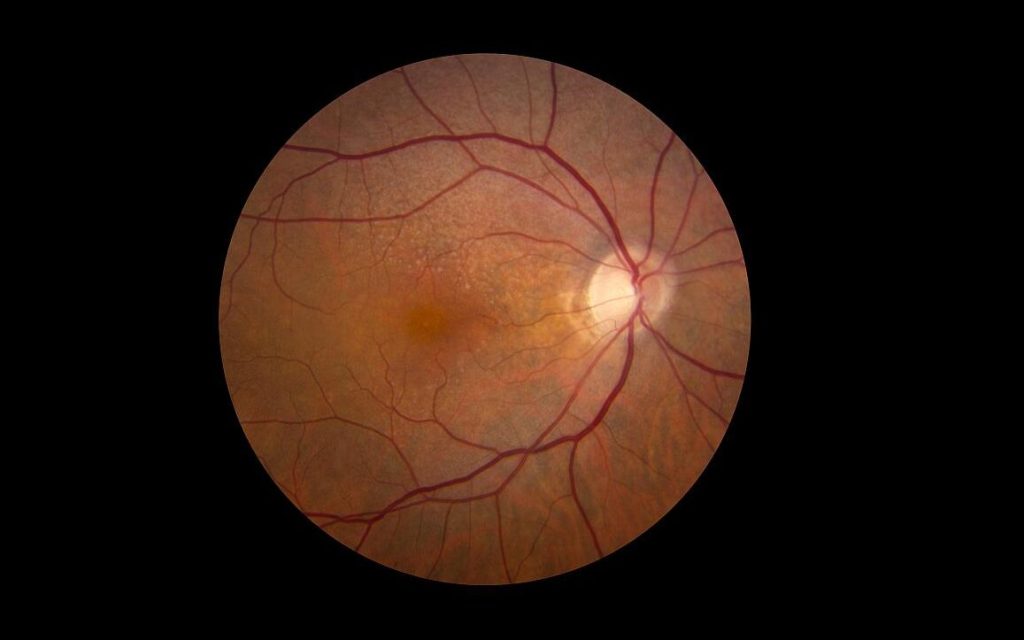
In an important step in treating a major cause of blindness, scientists have successfully identified early signs of age-related macular degeneration (AMD), in which higher number of mast cells are observed. This finding could be exploited by new treatments before symptoms develop. The study is published in PNAS.

Scientists have long known that people with certain genes on chromosomes 1 and 10 have a 2- to 3-fold higher risk of developing AMD, although lifestyle factors also play a role.

The team identified higher numbers of mast cells in the eyes of people when either of the risk genes were present, even when there were symptoms, suggesting an early mechanism in common.

They also showed the mast cells release enzymes in the back of the eye which then damage structures underneath the retina that in time is likely to damage the retina itself.

Mast cells exist in most tissues and are one of the immune system’s first defenses against infection, especially parasitic disease and damage.

Scientists already know there are more mast cells in the choroid in people with established AMD. The current study, however, identified higher levels in people before the disease develops.

The genes on chromosome 1 are linked to a part of the immune system called the complement cascade, which is associated with a risk of AMD.

Though the functional role of genes expressed by chromosome 10 are not known, but increased risk of AMD is.

Dr Richard Unwin, one of the study leaders, said: “What is really exciting about this work is that we are studying tissue from people before they have signs of the disease. This gives us a look into the very earliest stages, and gives us hope that we can intervene to stop the disease developing and ultimately prevent loss of vision”

The scientists used healthy human eye tissue donated post mortem to the Manchester Eye Tissue Repository.

They identified those who are at risk of developing age-related macular degeneration based on their risk genes, and discovered underlying changes in the tissue of the otherwise healthy at-risk individuals.

They collected retinal tissue from the back of donor eyes post mortem, following removal of the cornea for transplantation.

Then they took a small sample from the macula and removed the cells to leave a thin layer of membrane which supports the photoreceptors called rod and cone cells and is where disease begins.

They analysed the proteins present in the membrane from 30 people using mass spectrometry, which identifies protein components based on their mass, to find differences in the tissue make-up between those with and without genetic risk of AMD.

The mass spectrometry, identified a series of enzymes which are made almost exclusively by mast cells. In tissue from an additional 53 people, higher levels of mast cells were found in patients with higher disease risk.

Dr Unwin added: “We next need to look at how mast cells are activated, and whether by preventing, or clearing mast cell activation we can slow or stop disease development. There are several researchers and companies looking at complement mediated-therapies for AMD and while these are promising for Chr1-related disease there is no evidence that they will have an effect on Chr10 disease. A therapy designed to target mast cell activation as a unified mechanism could in theory treat all patients with AMD and prevent sight loss.”

Source: University of Manchester

The American Heart Association’s New Intracerebral Haemorrhage Guideline

Credit: American Heart Association

A new guideline published in the journal Stroke reveal that home treatments or preventive therapies used to manage intracerebral haemorrhages (ICH) are not as effective as previously believed.

The guideline from the  American Heart Association/American Stroke Association includes recommendations on surgical techniques, individual activity levels after an ICH, and additional education and training for at-home caregivers. It reflects advances in the intracerebral haemorrhage field since the last guideline on ICH management was published in May 2015.

“Advances have been made in an array of fields related to ICH, including the organisation of regional health care systems, reversal of the negative effects of blood thinners, minimally invasive surgical procedures and the underlying disease in small blood vessels,” said Steven M. Greenberg, M.D., Ph.D., FAHA, chair of the guideline writing group.

Updates to Standard Care Practices

The new guideline suggests that many techniques widely considered “standard care” are unnecessary. For example, wearing compression socks or stockings to prevent deep vein thrombosis after ICH was not found to be effective. Instead, use of intermittent pneumatic compression may be helpful if started on the same day of an ICH diagnosis.

“This is an area where we still have a lot of exploration to do. It is unclear whether even specialised compression devices reduce the risks of deep vein thrombosis or improve the overall health of people with a brain bleed. Even more research is needed on how new blood clot prevention medications may help, especially within the first 24 to 48 hours of the first symptoms,” said Dr Greenberg.

Use of anti-seizure medicines or anti-depressants after ICH is also updated; neither of these classes of medications helps a person’s overall health unless a seizure or depression is already present, therefore, they are not advised for most people. Anti-seizure medication did not contribute to improvements in functionality or long-term seizure control, and the use of anti-depressants increased the chance of bone fractures.

The guideline writing group also addresses previously standard in-hospital therapies. They suggest administering steroids to prevent complications from a bleeding stroke is ineffective and highlight that platelet transfusions, unless used during an emergency surgery, may worsen the stroke survivor’s condition.

Surgical Intervention

Some research suggests procedures with a less invasive approach are less likely to damage brain tissue while removing the fluid build-up.

“The evidence is now reasonably strong that minimally invasive surgery may improve the likelihood that a patient will survive following a moderate or large ICH,” says Greenberg. “It is less clear, however, whether this or any other kind of surgical procedure improves the chances of survival and recovery from ICH, which are our ultimate goals.”

Recovery and Rehabilitation

Stroke rehabilitation includes several strategies to help restore the individual’s quality of life, and the guideline reinforces the importance of having a multi-disciplinary team to develop a plan for recovery. Research suggests a person with a mild or moderate ICH may begin activities like stretching, dressing, bathing and other normal daily tasks 24–48 hours after the stroke to improve survival rate and recovery time; however, moving too much or too intensely within 24 hours is linked to an increased risk of death within 14 days after an ICH.

Home Caregivers

The guideline also recommends education, practical support and training for family members so they may be involved and knowledgeable about what to expect during rehabilitation.

Other Highlights

The guideline suggests there may be an opportunity to prevent ICH in some people by using MRI which can image small blood vessel damage. In addition, major risk factors for small vessel damage are high blood pressure, Type 2 diabetes and older age. Blood thinners remain an important topic since the use of these medications may increase complications and death from a bleeding stroke. Updated guidance is provided for immediate reversal of the newer blood thinners like apixaban, rivaroxaban, edoxaban and dabigatran, as well as older medications like warfarin or heparin.

Renewed emphasis is placed on the complexities of a do-not-attempt-resuscitation (DNAR) status versus the decision to limit other medical and surgical interventions. The writing group highlights the need to educate medical professionals, stroke survivors and/or the individual’s caregiver about the differences. The guideline recommends the severity of a hemorrhage, as measured by the standard scales, not be used as the sole basis for determining life-saving treatments.

Source: American Heart Association

Oestrogen from Hormone Replacement Therapy Reduces COVID Mortality

Older woman smiling
Photo by Ravi Patel on Unsplasj

A new study in Family Practice reported that receiving oestrogen in the form of hormone replacement therapy within six months of a recorded diagnosis of COVID was associated with a reduction in mortality from the disease.

While men and women are equally susceptible to the infection, men tend to have more severe disease, with higher rates of hospitalisation and mortality. A recent 38-country review of sex differences in COVID found men to have a 1.7 times higher mortality rate than women. Younger women or those with higher oestrogen levels are less likely to experience COVID complications.

Earlier studies have also shown that women have faster and greater immune responses to viral infections. Similar trends has been observed in previous pandemics, including the SARS-CoV (Severe Acute Respiratory Syndrome Corona Virus) and MERS-CoV (Middle East Respiratory Syndrome Corona Virus) outbreaks.

The reason for these sex differences is uncertain. Limited recent observational data suggest that oestrogen may reduce the severity of COVID disease. This study investigated the association between hormone replacement therapy or combined oral contraception use, and the likelihood of death in women with COVID. Researchers investigated combined oral contraception, which contains oestrogen, because some Recent observational data suggests that women taking oral contraceptives have a lower risk of acquiring COVID.

Investigators used a retrospective cohort with medical records from the Oxford-Royal College of General Practitioners Research and Surveillance Centre primary care database. They identified a group of 1 863 478 women over 18 from 465 general practices in England.  There were 5451 COVID cases within the cohort. Hormone replacement therapy was associated with a 22% reduction in all-cause mortality in COVID.

This suggests that oestrogen may well contribute a protective effect against COVID severity. This may explain why fewer women compared to men have been hospitalised, admitted to ICU, or died due to COVID during the pandemic.

“This study supports the theory that oestrogen may offer some protection against severe COVID,” said Christopher Wilcox, one of the paper’s authors. “We hope that this study can provide reassurance to patients and clinicians that there is no indication to stop hormone replacement therapy because of the pandemic.”

Source: EurekAlert!

Two-drug Combination Inhaler Looks Good for Asthma ‘Rescue’ Therapy

Asthma inhaler
Source: PIxabay/CC0

An analysis published in the NEJM testing a two-drug combination inhaler shows promising results for helping asthma patients get their condition back under control when standard medication isn’t working for them. The phase III trial found that users of the product PT027, (90μg albuterol combined with 80μg budesonide), were 26% less likely to experience severe exacerbations than those using albuterol alone.

A version with a lower steroid dose (40 μg) also appeared to reduce severe exacerbation risk, but the 16% advantage over conventional albuterol-only treatment narrowly missed by statistically significant with a P value of 0.052.

The study authors explain that the approach is based on the notion that short-acting beta agonist (SABA) drugs, eg albuterol, are quite effective in reducing acute symptoms, but do not address the underlying inflammation causing the symptoms. The product’s developers reasoned that addition of a steroid should help prevent symptoms recurrence.

In the MANDALA trial, 3132 patients were randomised to one of three regimens: two actuations each of the 90/80 μg or 90/40 μg versions, or two actuations of 90 μg albuterol. Patients were all instructed to use the device when they experienced acute symptoms, and remained on their normal maintenance treatment, which consisted of long-acting beta agonists and inhaled corticosteroids, either individually or in combination and in a variety of doses.

Severe exacerbation was the primary endpoint, defined as any of the following:

  • Inpatient admission for asthma symptoms
  • Emergency department or urgent care visit
  • A minimum og three days of systemic steroid therapy for worsening symptoms

The researchers also tracked a variety of secondary outcomes, such as time to first exacerbation, and safety parameters.

Annualised severe exacerbation rates were 0.43 for the high-dose product versus 0.58 for albuterol alone, for a rate ratio of 0.75. As the low-dose group included all of the child participants, it was compared to a slightly different set of albuterol-only controls, giving annualised exacerbation rates in that comparison of 0.48 and 0.60, respectively. That rate ratio of 0.81 was significant.

Systemic steroids was another secondary outcome, with the combination inhaler proving superior again, with averages of 83.6 mg (prednisone equivalent) for the high-dose version, 94.7mg with the lower dose, and 130.0/127.6 mg for the respective albuterol-only control groups. Adverse effects were similar in either arm (46–47%).

Source: MedPage Today