Credit: Darryl Leja / National-Human-Genome Research Institute / National Institutes of Health
Researchers found that MRI scans, the current gold standard, can still detect prostate cancer more accurately than the newer, prostate-specific -PSMA PET/CT scanning technique.
The findings were presented at the European Association of Urology’s annual congress (EAU22).
Prostate-specific membrane antigen (PSMA) PET/CT scans, approved by the US FDA in 2020, use a radioactive dye to highlight areas of PSMA, which is overexpressed on the surface of prostate cancer cells. Presently, these scans are used to manage prostate cancer, as they can accurately measure the progression or recurrence of the disease. The researchers set out to find if they could be used to diagnose prostate cancer as well.
The PEDAL trial recruited 240 patients at risk of prostate cancer, with each patient given both an MRI scan and a PSMA PET/CT scan. If imaging suggested the presence of prostate cancer, a biopsy was performed by the patient’s urologist.
The MRI scans picked up abnormalities in 141 patients, while the PSMA PET/CT scans picked up abnormalities in 198 patients. A total of 181 patients (75%) underwent a prostate biopsy, and subsequently 82 of those patients were found to have clinically significant prostate cancer.
The MRI scans were significantly more accurate at detecting any grade of prostate cancer than the PSMA PET scans.
The research team was led by Associate Professor Lih-Ming Wong, who explained: “Our analysis found that MRI scans were better than PSMA-PET for detecting any grade of prostate cancer. When we looked only at clinically significant prostate cancers, there was no difference in accuracy. As this study is one of the first to explore using PSMA-PET to diagnose cancer within the prostate, we are still learning and adjusting how to improve using PSMA-PET in this setting.
Although detection thresholds will be fine-tuned as diagnostic use develops, Prof Wong believes the trial has important lessons for clinicians.
He said: “This study confirms that the existing ‘gold standard’ of pre-biopsy detection – the MRI – is indeed a high benchmark. Even with fine-tuning, we suspect PSMA PET/CT won’t replace the MRI as the main method of prostate cancer detection. But it will likely have application in the future as an adjunct to the MRI, or for people for whom an MRI is unsuitable, or as a single combined “diagnostic and staging” scan for appropriately selected patients.”
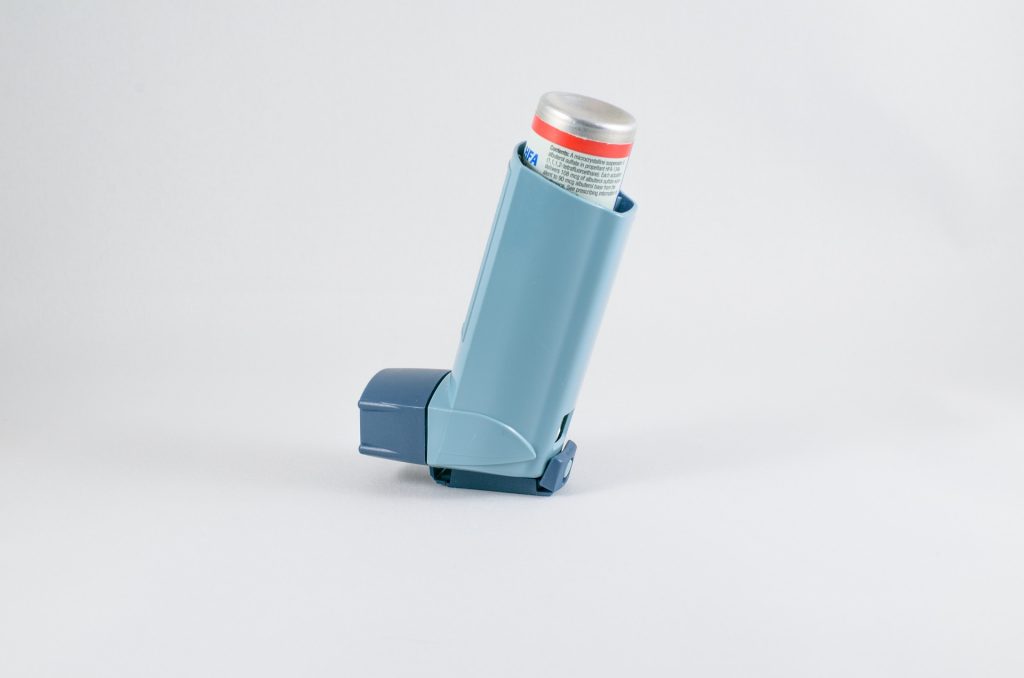
A study published in the European Respiratory Journal found severe asthmatics have a distinct metabolite profile detectable in their urine, compared to healthy individuals and those with milder asthma.
Researchers analysed urine samples from more than 600 participants as part of the U-BIOPRED study, a Europe-wide initiative to identify and better understand different sub-types of severe asthma.
The research team discovered a specific type of metabolite, called carnitines, decreased in severe asthmatics. Carnitines play an important role in cellular energy generation and immune responses. Further analyses found carnitine metabolism was lower in severe asthmatics.
These new findings will help enable researchers work towards new, more effective therapies for asthmatics.
Study leader Dr Stacey Reinke said it is vital that asthma treatment is improved.
“To identify and develop new treatment options, we first need to better understand the underlying mechanisms of the disease,” she said.
Examining the body’s chemical profile, or ‘metabolome’, provides a snapshot of a person’s current physiological state and gives useful insight into disease processes.
“In this case, we were able to use the urinary metabolome of asthmatics to identify fundamental differences in energy metabolism that may represent a target for new interventions in asthma control,” Dr Reinke said.
Dr Reinke said it can be difficult and invasive to investigate the lungs directly – but fortunately they contain a lot of blood vessels.
“Therefore, any biochemical changes in the lungs can enter the blood stream, and then be excreted through the urine,” she said.
“These are preliminary results, but we will continue to investigate carnitine metabolism to evaluate its potential as a new asthma treatment target.”
‘Urinary metabotype of severe asthma evidences decreased carnitine metabolism independent of oral corticosteroid treatment in the U-BIOPRED study’ was published in the .
For better mental health, music and other forms of relaxation have been shown to have positive benefits. Now, researchers have identified a previously overlooked way to improve mental health – going on holiday, a luxury many have abandoned since COVID.
In a new cross-disciplinary paper, researchers from Edith Cowan University (ECU) propose that we view tourism, as not just as a recreational experience but as an industry that can provide real health benefits.
The interdisciplinary collaboration found that many aspects of going on holiday could have a positive impact on those with mental health issues or conditions.
Led by researcher Dr Jun Wen, a diverse team of tourism, public health and marketing experts investigated how tourism could benefit those living with dementia.
“Medical experts can recommend dementia treatments such as music therapy, exercise, cognitive stimulation, reminiscence therapy, sensory stimulation and adaptations to a patient’s mealtimes and environment,” Dr Wen said.
“These are all also often found when on holidays. This research is among the first to conceptually discuss how these tourism experiences could potentially work as dementia interventions.”
According to Dr Wen, the varied nature of tourism meant there were many opportunities to incorporate treatments for conditions such as dementia. Being in new environments and having new experiences could provide cognitive and sensory stimulation, for example.
“Exercise has been linked to mental wellbeing and travelling often involves enhanced physical activity, such as more walking,” Dr Wen said.
“Mealtimes are often different on holiday: they’re usually more social affairs with multiple people and family-style meals have been found to positively influence dementia patients’ eating behaviour.
“And then there’s the basics like fresh air and sunshine increasing vitamin D and serotonin levels. Everything that comes together to represent a holistic tourism experience, makes it easy to see how patients with dementia may benefit from tourism as an intervention.”
Dr Wen said COVID’s impact on travel in recent years had raised questions about tourism’s value beyond lifestyle and economic factors.
“Tourism has been found to boost physical and psychological wellbeing,” he said. So, after COVID, it’s a good time to identify tourism’s place in public health — and not just for healthy tourists, but vulnerable groups.”
Dr Wen said he hoped that new research could begin to examine how tourism can enhance the lives of people with various conditions.
“We’re trying to do something new in bridging tourism and health science,” he said. “There will have to be more empirical research and evidence to see if tourism can become one of the medical interventions for different diseases like dementia or depression.
“So, tourism is not just about travelling and having fun; we need to rethink the role tourism plays in modern society.”
The article ‘Tourism as a dementia treatment based on positive psychology’ was published in Tourism Management.
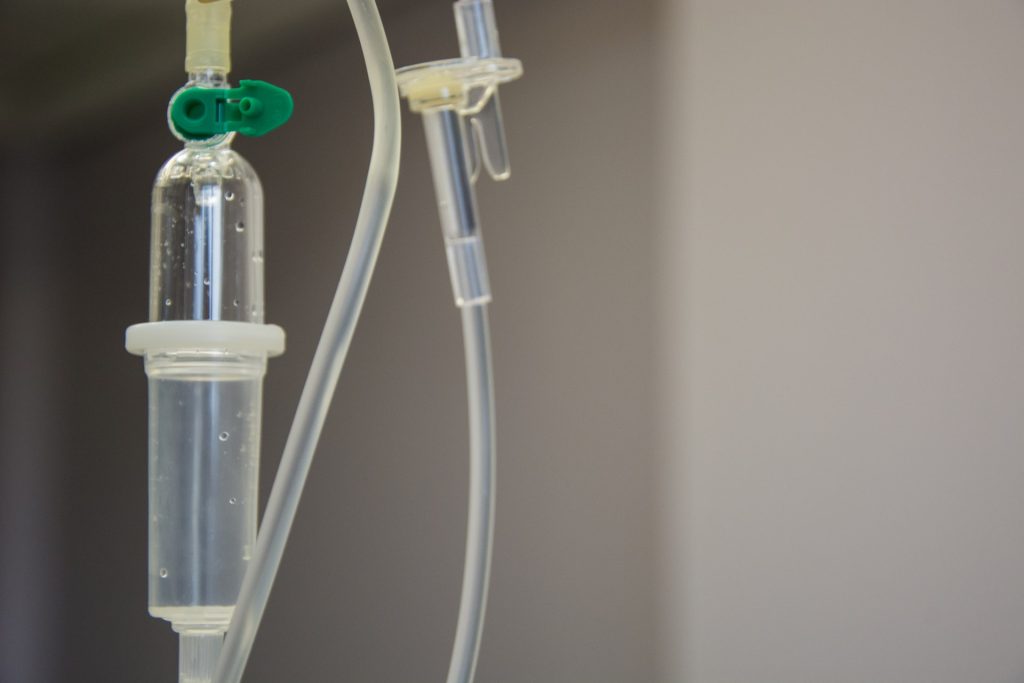
A new US study has found that Ringer’s lactate may be a better and safer treatment option for emergency department and hospital patients than saline solution, especially in sepsis.
According to the study of nearly 150 000 hospital patients, which was published in JAMA Network Open, Intermountain Healthcare researchers found that patients who received Ringer’s lactate solution instead of normal saline for IV fluids had a lower risk of kidney injury and death than when they were given saline.
Saline solution has long been the standard for IV solution with more than 200 million litres administered to hospital patients annually in the US.
Intermountain researchers found that patients who were given Ringer’s lactate as an alternative to saline solution had a 2.2% reduced risk of kidney injury and death.
Joseph Bledsoe MD, principal investigator of the study, said: “That might not sound like a big difference but considering how many patients receive IV fluids every day, it could lead to a major improvement in health outcomes. For our health system alone, that’s 3000 people every year who may avoid complications from normal saline, at no additional cost.”
For this large-scale, study researchers encouraged clinicians, through education and electronic order entry alerts, to use Ringer’s lactate solution rather than saline solution for IV fluid treatment.
Saline solution is a combination of sodium chloride and water at a concentration of 9g of salt per litre (0.9%) which are levels higher than blood, commonly called normal saline.
Mounting evidence points to intravenous normal saline solution increasing the risk of metabolic acidosis, acute kidney injury, and death. This could be due to normal saline having higher levels of chloride and being slightly more acidic than fluids in the human body.
Though they have different ingredients, both Ringer’s lactate and normal saline are used for replacing fluids and electrolytes in hospital patients who have low blood volume or low blood pressure.
Ringer’s lactate contains electrolytes more similar to blood plasma than saline solution. Ringer’s lactate, which is a type of balanced crystalloid, is also much closer to human fluid pH and did not show the same related risk of kidney injury, in line with previous smaller studies.
The study included 148 423 adult patients admitted to the emergency department or inpatient units at 22 Intermountain Healthcare hospitals in Utah and Idaho between November 1, 2018, and February 29, 2020.
At 30 days post treatment, researchers found a 2.2% reduction in major adverse kidney events, including persistent kidney dysfunction, new initiation of dialysis, and death in patients who were given Ringer’s lactate rather than normal saline solution during their emergency department or hospital treatment course.
The impact was even greater on patients with sepsis and on patients who received more fluids as part of their treatment. Not all patients benefit from Ringer’s lactate – patients with brain injury may still benefit from normal saline, but further studies are needed.
Researchers determined that before the study, approximately 25% of patients received Ringer’s lactate, and 75% received normal saline solution. Afterward, the percentages flipped to 25% receiving normal saline and 75% Ringer’s lactate.
Researchers found that nudges in the Intermountain electronic order system were more effective in changing clinician habits than relying on education.
“Given the success of nudges in making this change, our success could be replicated in other health systems and allows for sustained improvement,” said Dr. Bledsoe. “Given the scope of this study, and its success in addition to previous studies, hospitals around the country should consider what they use for IV fluids, too.”
In an editorial about these findings published in the same issue of JAMA Network Open, Matthew W. Semler, MD, MSc, assistant professor of medicine at Vanderbilt University Medical Center, wrote that the study “raises important questions about the choice between Ringer’s lactate solution and saline and, more broadly, how we should make evidence-based choices between widely available, commonly used treatment alternatives in acute care.”
By focusing on key parts which remain stable over time, scientists have created a universal flu vaccine that offers broad cross protection against different strains and subtypes of influenza A viruses in both young and old populations, according to a new study reported in npj Vaccines.
The researchers developed the universal flu vaccine by genetically linking two highly conserved portions of the virus: the extracellular domain of matrix 2 (M2e) and the stalk protein found in influenza A H3N2 viruses. The findings show that vaccinating against M2e-stalk protein induced broad protection against different influenza virus strains and subtypes by universal vaccine-mediated immunity in adult and aged mice.
Developing effective influenza vaccines has been a challenge because the head portion of the influenza virus is constantly mutating. When comparing the H1N1 and H3N2 influenza A viruses, particular challenges exist in H3N2 subtypes because of stalk mutations in circulating strains and the unstable structure of stalk proteins for H3N2 viruses. These drawbacks have been difficult to overcome in developing effective H3 stalk-based vaccines.
In the past decade, vaccine effectiveness against H3N2 hovered around 33%, and during the 2014–2015 flu season, it dropped to 6%. New mutations of H3N2 variants emerged with increased virulence. Also, the outbreak of H7N9, another influenza A subtype, caused concern for potential pandemics. Therefore, developing an effective vaccine to protect against these viruses is a high priority.
“The M2e-stalk protein, for the first time, could be easily produced in bacterial cell cultures at high yields and was found to confer protection against heterologous and heterosubtypic cross-group subtype viruses (H1N1, H5N1, H9N2, H3N2 and H7N9) at similar levels in adult and aged mice,” said Dr Sang-Moo Kang, senior author of the study and a professor in the Institute for Biomedical Sciences at Georgia State. “These results provide evidence that M2e-stalk genetic fusion proteins can be produced in a large scale at low cost and developed as a universal influenza A virus vaccine candidate for young and aged populations.”
The study found this novel M2e-stalk protein vaccine induced M2e and stalk-specific Immunoglobulin G (IgG) antibodies that recognised antigenically diverse influenza viral antigens on virus particles and on the infected cell surface. The vaccine also stimulated protective cellular T cell immunity and effective lung influenza viral clearance in mice.
Fourth-generation e-cigarettes, such as Juul devices, are associated with unique changes in markers of immune responses inside our airways, according to a new peer-reviewed paper in the American Journal of Respiratory and Critical Care Medicine.
Third-generation e-cigarettes include vape pens and box mods. Fourth generation include nicotine-salt-containing e-cigarettes, such as Juul products, and disposable e-cigarettes, which have become increasingly popular, especially after the recent FDA ban on the sale of Juul products.
Researchers in the lab of Professor Ilona Jaspers at the UNC School of Medicine found that users of fourth-generation nicotine-salt-containing devices display a unique mix of cellular biomarkers indicative of immune suppression.
“Our work demonstrates the importance of considering device type in future clinical, epidemiological, and mechanistic studies on the health effects of e-cigarettes,” said Prof Jasper, who led the study. “We also think this research can help regulators determine which products cause the most severe types of biological changes in airway cells important for maintaining proper health.”
E-cigarettes have become popular in the last decade. Some started used them to quit smoking, believing vaping was a safer alternative, both in the short-term and long-term. Also, because electronic cigarettes don’t contain tar, consumers assumed vaping decreased their risk of cancer down the road.
“It’s impossible to know if vaping decreases cancer risk or many other long-term conditions,” Prof Jaspers said. “It took 60 years of research to show that smoking causes cancer.” In contrast, e-cigarettes have only been around for about 15 years. “Still, the research from our lab and many others has shown many of the same acute biological effects in the airways that we have documented in smokers,” she said. “And we’ve seen some changes to cells and immune defences in people who vape that, frankly, we’ve never seen before, which is very concerning.”
A major concern for researchers, doctors, and public health officials is the fact that teenagers who would not have otherwise tried cigarettes began using e-cigarettes, which contain nicotine – with its attendant health implications – and thousands of chemicals, many of which are FDA-approved for eating but not inhaling.
Several studies have documented that inhaling chemical-laden nicotine aerosols suppresses the immune responses in the respiratory tracts of smokers and e-cigarette users. Some studies, including some at UNC, have detailed how different chemicals in various e-cigarettes, including chemicals that make up thousands of different flavours, have adverse effects on airway cells. The Jaspers lab, which has been at the forefront of such research, set out to study the effects of different varieties of e-cigarette devices. For this study, her team collected central airway (sputum) samples from non-smokers, smokers, and users of both third-generation and fourth-generation e-cigarette devices.
They found that users of fourth-generation e-cigarettes had significantly more bronchial epithelial cells in their sputum, suggestive of airway injury because normally, bronchial epithelial cells make up an intact barrier in the airways and are not found in sputum samples. Levels of two proteins, sICAM1 and sVCAM1, were significantly lower in fourth-generation e-cigarette users compared to all other groups. These proteins are important in fighting infections and other disease.
In addition, proteins are important for overall immune defence were significantly lower in fourth versus third generation e-cigarette users. Lower of these proteins – CRP, IFN-g, MCP-1, uteroglobin, MMP-2, and VEGF – indications immune system depression. “Another key finding of the study was that, when examining the mixture of immune markers overall rather than one by one, fourth generation e-cigarette users had the most distinguishable changes out of all of the groups, indicating a shift away from immune homeostasis,” said the study’s lead author, Elise Hickman, PhD.
The study did not demonstrate that e-cigarettes cause cancer, emphysema, COPD, or other long-term diseases associated with long-term cigarette smoking. But researchers think that altering immune responses in the respiratory tract over the course of many years, especially for teens, could play a major role in the development of long-term health conditions and in susceptibility to inhaled pathogens.
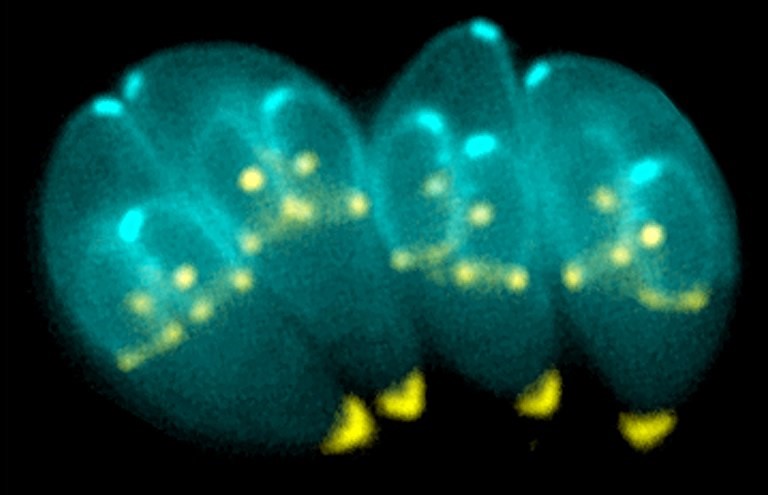
Findings from a new University of Kentucky College of Medicine study published in the Journal of Biological Chemistry could lead to a new treatment for Toxoplasma gondii, the parasite that causes toxoplasmosis.
An estimated 40 million people in the US carry the parasite T. gondii, according to the Centers for Disease Control and Prevention, but most are asymptomatic because the immune system usually keeps the parasite from causing illness. However, for women newly infected during pregnancy and anyone with a compromised immune system, toxoplasmosis can cause severe illness or even death.
In individuals with severe toxoplasmosis, cyst version of the parasite may be present within brain and muscle tissue. These cysts are responsible for causing serious disease, especially in people who are immunocompromised. While there are FDA-approved drugs to treat the symptoms of toxoplasmosis, no current therapeutics target the cyst form of the parasite.
The labs of Matthew Gentry, PhD, and Craig Vander Kooi, PhD, at UKCM and Zhong-Yin Zhang, PhD, at the Purdue Institute for Drug Discovery, collaborated to develop a drug that targets the cyst form of the parasite.
In previous research, Dr Gentry identified an enzyme in T. gondii called TgLaforin, which he hypothesised was critical in allowing the parasite to access energy from a carbohydrate storage molecule. The team developed a new drug that inhibits TgLaforin with the goal of preventing enzymes from accessing and providing energy to the parasite.
The new discovery was made possible thanks to the multidisciplinary collaboration of experts from the four labs, said Dr Gentry.
Robert Murphy, PhD, a member of the Gentry and Sinai labs, conducted initial experiments that characterised TgLaforin and provided a baseline for understanding the enzyme’s function.
Tiantian Chen, a graduate student in Vander Kooi’s lab, generated models of TgLaforin using a new program called AlphaFold2, an AI algorithm that provides valuable insights into research. Chen generated models that provided a picture of the enzyme that demonstrated TgLaforin was a unique and possible drug target.
Jianping Lin, PhD, a postdoc in Dr Zhang’s lab, then used information generated by Dr Murphy and Chen in combination with novel techniques in chemistry to generate the first version of a future anti-Toxoplasma drug.
“I was excited to find that the drug was effective against TgLaforin in test tubes and that it prevented TgLaforin from performing its normal activity against a variety of substrates, including carbohydrates,” said Dr Murphy.
The labs will next test the drug on parasites, and try to increase its potency and selectivity and adapt its chemical properties to allow for animal studies.
“This study is a great example of what Provost DiPaola consistently promotes regarding transdisciplinary research,” Dr Gentry said. “This work was a true team effort and it is very exciting to see where we take it next.”
Since the start of the COVID pandemic, dogs have been found to be able to sniff out signs of the virus in infected individuals, with some countries deploying the dogs at border posts to quickly check incoming travellers. Now, a new study published in PLOS One shows that they can be faster than rapid antigen tests, and in some instances even more sensitive than PCR testing.
Applications for medical sniffer dogs have been increasingly studied in recent years, and with the arrival of the COVID pandemic, they provided a quick, efficient way to test for SARS-CoV-2 infection. A number of studies demonstrated their effectiveness, with one study reporting a 94% accuracy. Now, this new study shows that can be as accurate as antigen tests, especially in asymptomatic individuals.
The researchers conducted a prospective cohort study in two community COVID screening centres, with 143 symptomatic and 192 asymptomatic adults. Participants were tested with two nasopharyngeal swabs (NPS), one saliva and one sweat sample. The dog handlers (and the dogs…) were blinded to the individuals’ COVID status. The dogs’ sniff tests were compared to nasopharyngeal RT-PCR as the reference standard, saliva RT-PCR and nasopharyngeal antigen testing.
Overall, 109 of the 335 participants tested positive on nasopharyngeal RT-PCR, 78 symptomatic and 31 asymptomatic. The overall sensitivity of canine detection was 97% and even reached 100% in asymptomatic individuals compared to NPS RT-PCR. The specificity was 91%, reaching 94% for asymptomatic individuals. The sensitivity of canine detection was higher than that of nasopharyngeal antigen testing (97%), but the specificity was lower (90% versus 97%).
The researchers concluded that using dogs’ sense of smell to detect SARS-CoV-2 infection could be a speedy alternative to NPS RT-PCR when rapid testing is necessary when antigenic tests are the standard for mass screening.
Adolescents have more than three times the risk of developing a cannabis addiction than adults, although they may only have the same risk of other mental health problems related to the drug, according to a new study published in the Journal of Psychopharmacology.
The study, led by King’s College London and University College London, found that adolescent cannabis users had the same odds for higher levels of subclinical depression or anxiety than adults cannabis users, nor were they more vulnerable than adult users to cannabis’s associations with psychotic-like symptoms.
These findings build on a separate study by the same teamthat found adolescents were not more vulnerable to associations between chronic cannabis use and cognitive impairment.
Lead author Dr Will Lawn said: “There is a lot of concern about how the developing teenage brain might be more vulnerable to the long-term effects of cannabis, but we did not find evidence to support this general claim.
“Cannabis addiction is a real issue that teenagers should be aware of, as they appear to be much more vulnerable to it than adults.
“On the other hand, the impact that cannabis use has during adolescence on cognitive performance or on depression and anxiety may be weaker than hypothesised.
“But we also replicated previous work that if someone becomes addicted to cannabis, that may increase the severity of subclinical mental health symptoms. Given adolescents are also at a greater risk of experiencing difficulties with mental health than adults, they should be proactively discouraged from regular cannabis use.”
The findings in both papers come from the CannTeenstudy, which is comparing the effects of regular cannabis use among adolescents and adults, while also comparing to age-matched controls (non-users of cannabis), a completely novel design.
The study involved 274 participants, including 76 adolescents (aged 16–17) who used cannabis one to seven days per week, alongside similar numbers of adult (aged 26–29) users, and teenage and adult control (comparison) participants, who all reported their cannabis use over the last 12 weeks and responded to mental health questionnaires. The cannabis users in the study, on average, used it four times per week. The adolescent and adult users were also carefully matched on gender, ethnicity, and type and strength of cannabis.
The researchers found that adolescent cannabis users were three and a half times as likely to develop severe ‘cannabis use disorder’ (ie addiction) than adult users, a finding which is in line with previous studies. Cannabis use disorder is defined by symptoms such as cravings; cannabis use contributing to failures in school or work; heightened tolerance; withdrawal; interpersonal problems caused by or exacerbated by cannabis use; or intending to cut back without success. Oof the teenage cannabis users studied, 50% had six or more cannabis use disorder symptoms, qualifying as severe cannabis use disorder.
Among people of any age, previous studies have found that roughly 9–22% of people who try the drug develop cannabis use disorder, and that risk is higher for people who tried it at a younger age, a finding which has now been robustly replicated.
The researchers say that adolescents might be more vulnerable to cannabis addiction because of factors such as increased disruption to relationships with parents and teachers, a hyper-plastic (malleable) brain and developing endocannabinoid system (the part of the nervous system that THC in cannabis acts upon), and an evolving sense of identity and shifting social life.
Adolescent users had greater odds than adult users or adolescent non-users of developing psychotic-like symptoms, but analysis showed that this is because all adolescents, and all cannabis users, are more likely to newly develop psychotic-like symptoms, rather than a different effect of cannabis for teenagers than adults. Thus, there was no interaction between cannabis use and being an adolescent. The researchers say this fits in with prior evidence that cannabis use may increase the likelihood of developing a psychotic disorder such as schizophrenia, but they warn their study did not investigate the risk of clinical psychosis or schizophrenia.
The researchers found that neither teenage nor adult cannabis users were more likely to develop depressive or anxiety symptoms than non-users. Only the adolescents that have severe cannabis use disorder had worse mental health symptoms, but the researchers caution that the small sample size for this group limits their confidence in this finding.
The separate study found that cannabis users were no more likely to have impaired working memory or impulsivity. Cannabis users were more likely to have poor verbal memory (remembering things said to you); this effect was the same in adults and teenagers, so again there was no adolescent vulnerability. However, the researchers caution that cannabis use could impact school performance during a key developmental stage of life.
The researchers caution that these findings were cross-sectional (only looking at one time point), and that longitudinal analyses of how their participants changed over time are ongoing.
Senior author Professor Val Curran (UCL Clinical Psychopharmacology Unit, UCL Psychology & Language Sciences) said: “Our findings suggest that schools should be teaching pupils more about the risk of addiction to cannabis, which has been neglected in drugs education. Becoming addicted to cannabis is a serious problem in itself, but it can also increase the likelihood of other mental health problems. Teenagers should therefore be informed of their greater risk of addiction.”
In a study published in Microbiology Spectrum, researchers detail how they have turned to attacking one of the critical proteins bacteria use to create an infection – adhesins, which confer the ability to adhere to cells. They also suggest that targeting adhesins with ‘anti-ligands’ could form a new class of antibiotics.
As their first decisive step in establishing a foothold in an organism, bacteria adhere to host cells. Infection pathogens use this adhesion to first colonise the host organism, and then to trigger an infection, which as a worst case scenario can end being fatal. Precise understanding of the bacteria’s adhesion to host cells is a key to finding therapeutic alternatives that block this critical interaction in the earliest possible stage of an infection.
The international collaborative effort has now explained the exact bacterial adhesion mechanism using the human-pathogenic bacterium Bartonella henselae. This pathogen causes ‘cat-scratch disease‘, which affects the lymph nodes draining the area where a cat scratch or bite occurs, causing regional lymphadenopathy. The bacterial adhesion mechanism was deciphered with the help of a combination of in-vitro adhesion tests and high-throughput proteomics. Proteomics is the study of all the proteins present in a cell or a complex organism.
The research group, led by University Hospital Frankfurt and Goethe University Frankfurt, shed light on a key mechanism: the bacterial adhesion to the host cells can be traced back to the interaction of a certain class of adhesins, trimeric autotransporter adhesins, with fibronectin, a common protein in human tissue. Adhesins are components on the surface of bacteria which enable the pathogen to adhere to the host’s biological structures. Homologues of the adhesin identified here as critical are also present in many other human-pathogenic bacteria, such as the multi-resistant Acinetobacter baumannii, which the World Health Organization (WHO) has classified as the top priority for research into new antibiotics.
The researchers visualised the exact points of interaction between the proteins using cutting-edge protein analytics. They also demonstrated that experimental blocking of these processes almost entirely prevents bacterial adhesion. Therapeutic approaches that aim to prevent bacterial adhesion in this way could represent a promising treatment alternative as a new class of antibiotics (known as ‘anti-ligands’) to treat the constantly growing array of multi-resistant bacteria.