Hyaluronic Acid of Little Value in Knee Osteoarthritis

Knee pain
Source: CC0

Treating knee osteoarthritis with hyaluronic acid injections (known as viscosupplementation) makes almost no difference to pain or functioning and might raise risk of adverse events, suggests a review of 50 years of literature on the procedure.

Viscosupplementation has been used to treat knee osteoarthritis since the 1970s, but there are long-standing questions over its safety and efficacy.

Some 560 million people worldwide suffer from knee osteoarthritis, which involves inflammation and structural changes of the joints, resulting in joint pain and limitations to physical movement.

National and international guidelines vary in their recommendations, but most advise against the use of viscosupplementation. Researchers therefore set out to review 50 years’ worth of studies to evaluate the safety and efficacy of viscosupplementation. The studies compared viscosupplementation to placebo or no treatment.

Published in The BMJ, the main analysis of this review found that viscosupplementation was associated with a small reduction in pain compared with placebo, but the difference was tiny and was described as “clinically irrelevant.”

Their analysis showed that since 2009, there has been conclusive evidence that viscosupplementation and placebo treatment have led to the same clinical result in terms of pain reduction, meaning there is no point to having the injections.

They also found from 15 large trials on 6462 randomised participants that viscosupplementation was linked to a 49% higher risk of serious adverse events than placebo.

The authors say that based on their analysis of the studies between 2009 and 2021 alone, more than 12 000 patients were arguably unnecessarily subjected to these injections in viscosupplementation trials, which raises ethical concerns.

The study has some limitations in that it represents summary estimates and does not necessarily exclude the possibility that selected patient populations could benefit from viscosupplementation. Also, the researchers looked at adverse events that emerged rather than adverse events directly and clearly related to treatment.

However, strengths include the fact that this is the largest collection of randomised trials on viscosupplementation reported to date, which significantly decreases the risk of bias influencing the results.

As such, the authors conclude: “There is strong, conclusive evidence that among patients with knee osteoarthritis, viscosupplementation, compared with placebo, is associated with a clinically irrelevant reduction in pain intensity and with an increased risk of serious adverse events.

“The findings do not support broad use of viscosupplementation for the treatment of knee osteoarthritis.”

Source: The BMJ

ADHD Overdiagnosis Common and Racially Skewed, US Study Finds

Children in classroom
Photo by CDC

A study in the Journal of Learning Disabilities examining overdiagnosis of attention-deficit/hyperactivity disorder (ADHD) found that diagnoses are common in children who are functioning well, and that there is a racial bias.

ADHD overdiagnosis and subsequent overtreatment poses needless potential harm to children. It also contributes to scepticism toward those who do have moderate or severe symptoms and significant impairments, resulting in less supportive care.

Yet which sociodemographic groups of children are overdiagnosed and overtreated for ADHD is poorly understood. As a proxy for overdiagnosis, researchers selected elementary schoolchildren who had displayed above-average levels of independently assessed behavioural, academic, or executive functioning the year prior to their initial ADHD diagnoses and who did not have prior diagnostic histories. This suggested they were unlikely to have ADHD.

The researchers conducted descriptive and logistic regression analyses of a population-based subsample of 1070 elementary schoolchildren.

Among these children, (a) 27% of White children versus 19% of non-White children were later diagnosed with ADHD and (b) 20% of White children versus 14% of non-White children were later using medication. In adjusted analyses, White children are more likely to later be diagnosed (odds ratio [OR] range = 1.70–2.62) and using medication (OR range = 1.70–2.37) among those whose prior behavioural, academic, and executive functioning suggested that they were unlikely to have ADHD.

The findings also skewed toward older children, and differences in diagnoses according to race was not linked to socioeconomic status. The authors acknowledge limitations such as a small sample size as well as not being able to account for English-speaking versus non-English speaking families, but note that their results are significant for 9 out of the 10 tests used.

The researchers suggest that greater overdiagnosis in White children may be in part explained by greater access to better-resourced schools more likely to pick up (or attempt to pick up) ADHD in children. Non-White children may also need to display behaviours more consistent with ADHD to be referred for evaluation and treatment.

Cultural misconceptions about ADHD are less likely to be prevalent in non-White families, and there is evidence to suggest that ADHD overdiagnosis is being used to gain academic achievement.

They concluded: “Preventing or reducing ADHD overdiagnosis and overtreatment should contribute to more appropriate care, limit increasing ADHD prevalence, increase the academic and behavioural functioning of elementary schoolchildren being diagnosed with ADHD but who are displaying few or mild symptoms, reduce unnecessary exposure to adverse side effects of medication use, and better allocate limited mental health resources.”

New Monoclonal Antibody Eptinezumab Success in Hard-to-treat Migraine

A trial for a new monoclonal antibody, eptinezumab, in the treatment of resistant migraine has demonstrated that it significantly reduced migraine days with acceptable safety and tolerability. The findings were published in The Lancet.

Eptinezumab, which targets calcitonin gene-related peptide, has shown migraine preventive effects starting the day following infusion and acceptable safety and tolerability in phase 3 trials, but benefits in the subpopulations of patients with previous preventive treatment failures were not examined.

In the 24-week double-blind placebo-controlled DELIVER phase 3b trial, the researchers recruited adults with episodic or chronic migraine with at least four monthly migraine days and two-to-four previous preventive treatment failures within the past 10 years. Patients were randomised to either eptinezumab 100mg, eptinezumab 300mg, or placebo. The primary efficacy endpoint was the change from baseline in mean monthly migraine days (captured using a daily electronic diary) in weeks 1–12, assessed in the full analysis set. All participants and study personnel were masked to study drug assignments. A 48-week dose-blinded extension period is ongoing.

In all, 865 patients completed the placebo-controlled period. Compared to baseline, weeks 1–12 saw reductions of 4.8 mean monthly migraine days with eptinezumab 100mg and 5.3 days at 300mg, which was a significantly less than the reduction of 2.1 days with placebo.

Adverse events were reported in 42% of patients in the eptinezumab 100mg group, 41% in the 300mg group, and in 40% in the placebo group. COVID was the most common treatment-emergent adverse event. Serious adverse events were uncommon (five [2%] of 299 in the 100mg group, seven [2%] of 294 in the 300mg group, four [1%] of 298 in the placebo group) and included anaphylactic reaction (eptinezumab 300 mg n=2) and COVID-19 (eptinezumab 100 mg n=1 and eptinezumab 300 mg n=1).

In adults with migraine and two-to-four previous preventive treatment failures, eptinezumab provided significant migraine preventive effects compared with placebo, with acceptable safety and tolerability, indicating that eptinezumab might be an effective treatment option for this patient population. The trial has a dose-blinded extension period which will provide additional long-term safety data in patients with migraine and previous preventive treatment failures.

Forced Retirement a Major Factor in Physician Suicides

Phot by Mulyadi on Unsplash

Forced retirement is a major factor when it comes to physician suicides, according to a study by Dr Kristin Kim and colleagues. Physicians also neglect to discuss physical health concerns as work stressors, the authors noted, but these are still detrimental to wellbeing – especially when it renders physicians unable to work.

The study was published in the journal Suicide and Life-Threatening Behavior.

“Medicine must dispel the myth of never-ill physicians who place the needs of their patients before their own to the detriment of their own health.”

Kim et al., 2022

While physicians are known to be more likely than non-physicians to experience work-related stressors prior to suicide, the specific nature of these stressors was not known. The present study therefore aimed to better characterise job-related problems prior to physician suicide.

Using a mixed methods approach, researchers combined thematic analysis and natural language processing to develop themes representing death investigation narratives of 200 physician suicides with implicated job problems in the National Violent Death Reporting System database between 2003 and 2018.

The thematic analysis identified six overarching themes: incapacity to work due to deterioration of physical health, substance use jeopardising employment, interaction between mental health and work-related issues, relationship conflict affecting work, legal problems leading to work-related stress, and increased financial stress. Natural language processing analysis confirmed five of these themes and elucidated important subthemes.

Clinicians often neglect physical health when identifying work stressors, but poor physical health affects work performance and increases work stress, the authors said, noting that legal and psychological supports, particularly during malpractice investigations and “fit for duty” evaluations, are sorely needed.

“Medicine must dispel the myth of never-ill physicians who place the needs of their patients before their own to the detriment of their own health,” the researchers wrote.

First author Kristen Kim, MD, told Medpage Today that she hopes that this research will help physicians “give ourselves permission to attend to those needs … to prevent the dire consequences that we may see.”

The findings highlight the importance of bolstering systemic support for physicians experiencing job problems associated with their physical and mental health, substance use, relationships, legal matters, and finances in suicide prevention efforts.

Vitamin D ‘Overdoses’ are Possible – and Dangerous

Vitamin D pills
Photo by Michele Blackwell on Unsplash

Doctors have warned that it it is possible to ‘overdose’ on Vitamin D, with harmful effects, after they treated a man hospitalised for excessive Vitamin D intake, a case which was detailed in BMJ Case Reports.

They further stress that ‘hypervitaminosis D’ is on the increase, and linked to a wide range of potentially serious health issues.

The case concerns a middle-aged man who was referred to hospital by his family GP after complaining of recurrent vomiting, nausea, abdominal pain, leg cramps, tinnitus, dry mouth, increased thirst, diarrhoea, and weight loss (12.7 kg). 

The patient had been experiencing these symptoms had for almost three months, which had started around one month after he began an intensive vitamin supplement regimen on the advice of a nutritional therapist.

The man had had a number of health issues, including tuberculosis; a left vestibular schwannoma, resulting in deafness in that ear, hydrocephalus; bacterial meningitis; and chronic sinusitis.  

He had been taking high doses of more than 20 over the counter supplements every day containing: vitamin D 50 000mg – the daily requirement is 600mg or 400IU; vitamin K2 100mg (daily requirement 100–300 μg); vitamin C, vitamin B9 (folate) 1000mg (daily requirement 400 μg); vitamin B2 (riboflavin), vitamin B6, omega-3 2000mg twice daily (daily requirement 200–500 mg), plus several other vitamin, mineral, nutrient, and probiotic supplements.

Once he developed symptoms, he stopped taking his daily supplement cocktail, but his symptoms didn’t go away.

Blood test results from his family doctor revealed that he had very high levels of calcium and slightly raised levels of magnesium. And his vitamin D level was seven times over the level required for sufficiency.

The tests also indicated acute kidney injury. The results of various x-rays and scans to check for cancer were normal. 

The man was hospitalised for 8 days, during which time he was given intravenous fluids to flush out his system and treated with bisphosphonates – ordinarily used to treat osteoporosis or hypercalcaemia.

Two months post-discharge, his calcium level had returned to normal, but his vitamin D level was still abnormally high.

“Globally, there is a growing trend of hypervitaminosis D, a clinical condition characterised by elevated serum vitamin D3 levels,” with women, children and surgical patients most likely to be affected, the authors noted. 

Recommended vitamin D levels can be obtained through diet, sunlight exposure to sunlight, and supplements.

“Given its slow turnover (half-life of approximately two months), during which vitamin D toxicity develops, symptoms can last for several weeks,” the authors warned.

Hypervitaminosis D has many and varied symptoms, they point out, and are mostly caused by hypercalcaemia. They include drowsiness, confusion, apathy, psychosis, depression, stupor, coma, anorexia, abdominal pain, vomiting, constipation, peptic ulcers, pancreatitis, hypertension, abnormal heart rhythm, and kidney abnormalities, including renal failure. 

Other associated features, such as keratopathy (inflammatory eye disease), joint stiffness (arthralgia), and hearing loss or deafness, have also been reported, they add.

This is just one case, and while hypervitaminosis D is on the rise, it is still relatively uncommon, the authors cautioned.

Nevertheless, complementary therapy, including the use of dietary supplements, is popular, and people may not realise that it’s possible to overdose on vitamin D, or the potential consequences of doing so, they say.

“This case report further highlights the potential toxicity of supplements that are largely considered safe until taken in unsafe amounts or in unsafe combinations,” they concluded.

Source: The BMJ

Topping up Mitochondrial Content to Fight Kidney Cancer

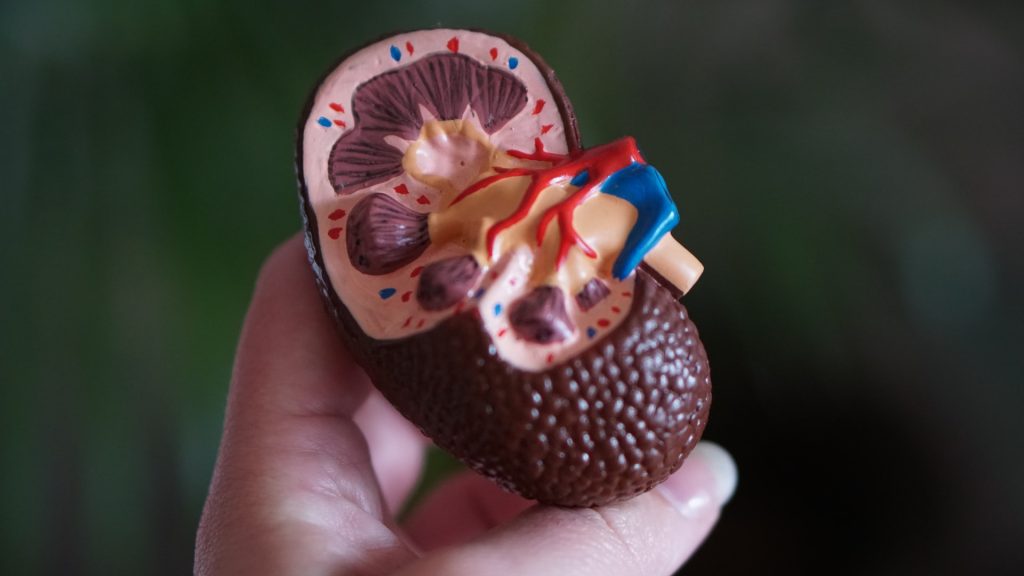
Anatomic model of a kidney
Photo by Robina Weermeijer on Unsplash

Researchers at Karolinska Institutet in Sweden have linked resistance to treatment for VHL syndrome-induced kidney cancer to low mitochondrial content in the cell. When the researchers increased the mitochondrial content with an inhibitor, the cancer cells responded to the treatment. Their findings, which are published in Nature Metabolism, may lead to more targeted cancer drugs.

Mitochondria are the most oxygen-demanding component of the cell, but it was not known how mitochondria adapt in a low-oxygen environment and how they are linked to cancer therapy resistance.

“We’ve shown for the first time how the formation of new mitochondria is regulated in cells that lack oxygen and how this process is altered in cancer cells with VHL mutations,” explained Associate Professor Susanne Schlisio, group leader at the Karolinska Institutet.

A gene called von Hippel-Lindau (VHL) prevents healthy cells from turning cancerous. The 2019 Nobel Prize in Physiology or Medicine was awarded to the discovery that VHL was part of the cell’s oxygen detection system. Normally, VHL breaks down another protein called HIF – but when VHL is mutated, HIF accumulates and causes a disease called VHL syndrome in which the cells react as if they were lacking oxygen. This syndrome greatly increases the risk of tumours, both benign and malignant. VHL syndrome-induced kidney cancer has a poor prognosis, with a five-year survival rate of just 12%.

Researchers analysed the protein content of cancer cells from patients with different variants of VHL syndrome, to see how they differed from another group of individuals with a special VHL mutation called Chuvash, a mutation involved in hypoxia-sensing disorders without any tumour development. Those with the Chuvash VHL-mutation had normal mitochondria in their cells, while those with VHL syndrome mutation had few.

To increase the amount of mitochondrial content in VHL related kidney cancer cells, the researchers treated these tumours with an inhibitor of a mitochondrial protease called “LONP1.” This resulted in the cells becoming susceptible to the cancer drug sorafenib, which they had previously resisted. In mouse studies, this combination treatment led to reduced tumour growth.

The study’s first author Shuijie Li, postdoctoral researcher in the Schlisio’s group, suggested that the findings could be applied to more than just VHF syndromic kidney cancers.

“We hope that this new knowledge will pave the way for more specific LONP1 protease inhibitors to treat VHL-related clear cell kidney cancer,” Dr Li said. “Our finding can be linked to all VHL syndromic cancers, such as the neuroendocrine tumours pheochromocytoma and paraganglioma, and not just kidney cancer.”

Source: Karolinska Institutet

Modelling Suggests COVID Will Reach Endemic Stage by 2024

COVID heat map. Photo by Giacomo Carra on Unsplash

A new study on coronavirus transmission in rats suggests that COVID will enter the endemic stage in about two years. The study also suggested that infections from high-risk conditions such as close contact with infected individuals produced more robust immunity than by exposure in low-risk settings.

The study, published in PNAS Nexus, made use of rats to determine when and how SARS-CoV-2 would eventually become endemic. Rats, like humans, are susceptible to coronaviruses. By collecting data on coronaviral reinfection rates among rats, the researchers were able to model the potential trajectory of COVID.

SARS-CoV-2 is just one of many coronaviruses, and there are several that cause the common cold. Many livestock animals live with endemic coronaviruses, too, and a key factor identified in the spread of animal and human coronaviruses alike is their tendency to evoke non-sterilising immunity.

“It means that initially there is fairly good immunity, but relatively quickly that wanes,” explained the study’s senior author, Caroline Zeiss, a professor of comparative medicine at Yale School of Medicine. “And so even if an animal or a person has been vaccinated or infected, they will likely become susceptible again.”

Over the past two years, scientists have come to see that SARS-CoV-2 yields non-sterilising immunity as people become re-infected.

The strong similarities between animal and human coronaviruses, animal data helps improve the understanding of SARS-CoV-2, said Prof Zeiss.

“There are many lessons to be learned from animal coronaviruses,” she said.

In this study, Prof Zeiss and her colleagues observed how a coronavirus similar to one that causes the common cold in humans was transmitted through rat populations. The team modelled the exposure scenario to resemble human exposures in the US, where a portion of the population is vaccinated against COVID and where people continue to face natural exposure to SARS-CoV-2. They also reproduced the different types of exposure experienced by people in the US, with some animals exposed through close contact with an infected rat (high risk of infection) and others exposed by being placed in a cage once inhabited by an infected rat (low risk of infection).

Infected animals contracted an upper respiratory tract infection and then recovered. Three to four months later, the rats were then reorganised and re-exposed to the virus. The rates of reinfection showed that natural exposure yielded a mix of immunity levels, with those exposed to more virus through close contact having stronger immunity, while those exposed to lower virus levels by (being placed in a contaminated cage) having higher rates of reinfection.

The takeaway, said Prof Zeiss, is that with natural infection, some individuals will develop better immunity than others. People also need vaccination, which is offered through a set dose and generates predictable immunity. But with both vaccination and natural exposure, the population accumulates broad immunity that pushes the virus toward endemic stability, the study showed.

Mathematical models using the data predicted that the median time for SARS-CoV-2 to become endemic in the United States is 1437 days, or just under four years from the start of the pandemic in March 2020.

In this model’s scenario, 15.4% of the population would be susceptible to infection at any given time after it reaches endemic phrase.

“The virus is constantly going to be circulating,” said Prof Zeiss. So it will be important to keep more vulnerable groups in mind. “We can’t assume that once we reach the endemic state that everybody is safe.”

Four years is the median time predicted by the model, she said, so it could take even longer to reach the endemic stage. And this doesn’t take into account mutations that could make SARS-CoV-2 more harmful.

“Coronaviruses are very unpredictable, so there could be a mutation that makes it more pathogenic,” said Prof Zeiss. “The more likely scenario, though, is that we see an increase in transmissibility and probable decrease in pathogenicity.” That means the virus would be easily transmitted between people but less likely to cause severe illness, much like the common cold.

There is precedent for this trajectory. In the late 1800s, the ‘Russian flu’ killed approximately one million people around the world. Researchers now think that virus was a coronavirus that originated in cattle, which eventually evolved into one of the common cold viruses still in circulation. Reduced pathogenicity associated with the transition from epidemic to endemic status has also been observed in pig coronaviruses. And almost all commercial chicken flocks across the globe are vaccinated for an endemic respiratory coronavirus that has been present since the 1930s.

Longstanding experience with coronaviral infections in other animals can help navigate a pathway to living with SARS-CoV-2.

However, endemic stability in the United States also depends on what happens to the virus elsewhere.

“We are one global community,” Zeiss said. “We don’t know where else these mutations are going to arise. Until we reach endemic stability around the entire globe, we are vulnerable here to having our US endemic stability disrupted by introduction of a new variant.

“But I think overall the picture’s hopeful. I think we will be in endemic stability within the next year or two.”

Source: Yale University

Good Vaginal Microbiota Makeup for IVF can Happen without Probiotics

Pregnant with ultrasound image
Source: Pixabay

The vaginal microbiota makeup can affect IVF success, and probiotics have attracted interest as a means of improving it. However, a new study presented at the 38th Annual Meeting of ESHRE shows that probiotics failed to make an impact in the microbiota composition – but a third of patients spontaneously improved within three months anyway.

Previous studies have shown that pregnancy and live birth rates are higher among women whose vaginal microbiota is dominated by lactobacillus. Conversely, those with an imbalance, or dysbiosis, where lactobacillus concentration is too low may have a lesser chance of an embryo implanting in the uterus.

Now, a new study has concluded that probiotics do not improve unhealthy vaginal flora when administered vaginally in a daily capsule to patients for 10 days before fertility treatment. No significant difference was observed between these women and those taking a placebo.

However, more than a third (34%) of all women who took part in the trial showed an improvement between a month to three months later, regardless of whether they took a probiotic or not.

On this basis, the authors suggest that it may be worthwhile to postpone fertility treatment among patients with an ‘unfavourable’ vaginal microbiome until a normal balance is achieved.

Principal investigator Ida Engberg Jepsen from The Fertility Clinic at Zealand University Hospital, Denmark, presented the findings at the 38th Annual Meeting of ESHRE. She said that the “spontaneous” improvement rate observed among patients may provide grounds for a change in approach towards IVF timing.

She added: “The study indicates that administering vaginal lactobacilli probiotics may not improve a suboptimal vaginal microbiome.

“However, a spontaneous improvement rate over a period of one to three months may provide the basis for an alternative therapeutic approach. The strategy would involve postponing fertility treatment until spontaneous improvement occurs, but further research is needed. The specific vaginal probiotic tested in this study had no effect on the favourability of the vaginal microbiome before IVF. But probiotics in general should not yet be discounted.”

The study recruited a total of 74 women with abnormal lactobacillus profile referred for IVF treatment. The women were randomised either to receive vaginal probiotic capsules (n = 38) or a placebo (n = 36). Samples were taken to determine the effect on the vaginal microbiome following the 10-day course of probiotics, and again in the subsequent menstrual cycle (on cycle day 21 to 25). Improvement in the vaginal microbiome was defined as a shift in receptivity profile from low to medium; low to high; and from medium to high.

Results showed that the vaginal microbiome improved by 40% in the placebo group and by 29% in those taking the lactobacillus probiotic. This did not represent a significant difference. Similar outcomes were observed in the menstrual cycle after intervention.

The authors advise that only two strains of lactobacilli were contained in the probiotic samples. In addition, they say the broad categorisation of the vaginal microbiome profile may not capture ‘more subtle changes’ that could affect fertility.

Source: European Society of Human Reproduction and Embryology

Ulcerative Colitis Treatment Fixes Inflammation in Gut Microbiota

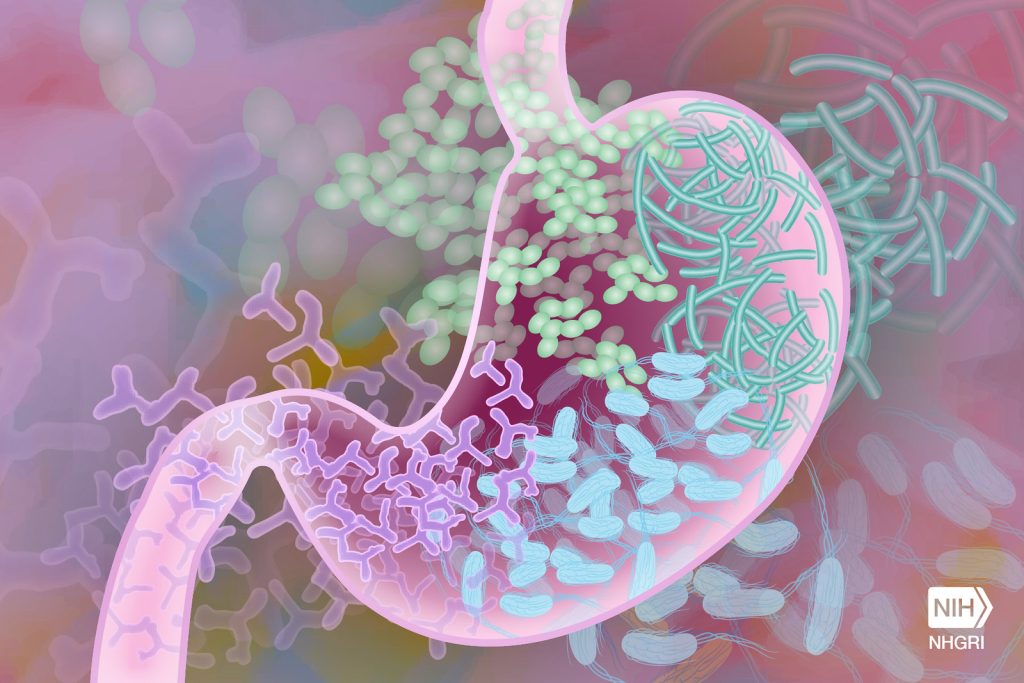
Gut microbiome. Credit: Darryl Leja, NIH

Researchers have developed a new oral treatment for ulcerative colitis that takes the innovative approach of focusing on reducing inflammation in gut microbiota.

Published in Pharmaceutics, the study comprised a two-step approach to fighting ulcerative colitis. First, the researchers reduced inflammation in gut microbiota from a mouse using an anti-inflammatory drug candidate delivered by lipid nanoparticles. Then, they orally administered the end products of these treated microbiota to the same mouse, resulting in a new, effective way to prevent ulcerative colitis.

Studies have shown that irregular gut microbiota composition is linked to ulcerative colitis, and altering this composition can effectively treat a variety of chronic diseases, including ulcerative colitis. However, current methods such as faecal microbiota transplants carry a serious infection risk because they involve the transmission of drug-resistant organisms.

In this study, the researchers developed an organism-free strategy in which gut microbiota were altered in test tubes, and then microbiota-secreted metabolites were transferred back to the host. Analysis of faeces from mice with ulcerative colitis, researchers found that a natural lipid nanoparticle-encapsulated drug candidate modified the composition of inflamed gut microbiota, which were cultured outside of the host, and the secreted metabolites.

The researchers found that their M13/nLNP nano formulation shifted the inflamed microbiota composition toward being non-inflamed. This altered microbiota composition induced significant changes in secreted metabolites, and when these metabolites were fed to mice, they established strong protection against the formation of chronic inflammation.

“Our study demonstrates that modifying microbiota outside of the host using M13/nLNP effectively reshaped the microbial secreted metabolites,” commented Dr Didier Merlin, a professor at Georgia State University. “Oral transfer of these metabolites might be an effective and safe therapeutic approach for preventing chronic ulcerative colitis.”

“Our strategy to tackle the progression of ulcerative colitis might offer an alternative and complementary approach for better managing this disease,” said Dr Chunhua Yang, a research assistant professor at the Institute for Biomedical Sciences at Georgia State. “Although this study demonstrates the anti-inflammatory effects of metabolites modified outside of the organism, further investigations are required to characterise the specific bacteria that contribute to the anti-inflammatory metabolites and to identify anti-inflammatory metabolite structures.”

Source: Georgia State University

Another Fire Breaks Out at Charlotte Maxeke

Source: Pixabay CC0

In what is becoming something of a regular occurrence for Gauteng hospitals, another fire has broken at beleaguered Charlotte Maxeke Academic Hospital on Tuesday night. Fortunately, the fire was contained to a currently unused parking area in a damaged section of the hospital. The situation was deemed not to be serious enough to warrant a patient evacuation.

A fire in April 2021 caused the closure of seven wards, with some 200 beds. Reopening had long been delayed, and there have been complaints of thefts of equipment and construction material. Alleged corruption has continued to dog the full reopening of the 1088-bed academic hospital, overloading other hospitals and also impacting the training of student doctors.

An investigation by Spotlight revealed a number of factors for the 2021 fire including ageing infrastructure, essential equipment such as fire doors not working, low water pressure and incompatible fire hydrants (due to theft), a lack of evacuation plans and a fire service that was woefully underequipped.

Gauteng department of health spokesperson Motalatale Modiba gave a report on the latest fire: “Late on Tuesday night, security personnel reported that there was smoke that seemed to be coming from one of the structures. Firefighters for the City of Joburg immediately responded to the situation and managed to contain the fire which was confined to a small section of the level two parking.”

“The level two parking is one of the areas that was affected by the April 2021 fire and is currently under props and not accessible to the public or staff except for construction people,” Modiba said.

“Upon assessment of the situation clinicians on site together with the facility’s head of disaster made a call that the situation did not warrant for patients to be evacuated as the smoke from the fire was not too thick or high risk for inhalation.”

This comes after two fires broke out within weeks of one another at Steve Biko Academic Hospital.