fMRI in World’s Largest Childhood Trauma Study Reveals Brain Rewiring

Photo by Caleb Woods on Unsplash

The world’s largest brain study of childhood trauma has revealed how it affects development and rewires vital pathways. The University of Essex study, published in Biological Psychiatry Cognitive Neuroscience and Neuroimaging, uncovered a disruption in neural networks involved in self-focus and problem-solving.

This means under-18s who experienced abuse will likely struggle with emotions, empathy and understanding their bodies. Difficulties in school caused by memory, hard mental tasks and decision making may also emerge.

The cutting-edge research, led by the Department of Psychology’s Dr Megan Klabunde, used AI to re-examine hundreds of brain scans and identify patterns. It is hoped the research will help hone new treatments for children who have endured mistreatment. This could mean therapists focus on techniques that rewire these centres and rebuild their sense of self.

Dr Klabunde said: “Currently, science-based treatments for childhood trauma primarily focus on addressing the fearful thoughts and avoidance of trauma triggers.

“This is a very important part of trauma treatment. However, our study has revealed that we are only treating one part of the problem.

“Even when a child who has experienced trauma is not thinking about their traumatic experiences, their brains are struggling to process their sensations within their bodies.

“This influences how one thinks and feels about one’s ‘internal world’ and this also influences one’s ability to empathise and form relationships.”

Dr Klabunde reviewed 14 studies involving more than 580 children for the research. The paper re-examined functional magnetic resonance imaging (fMRI) scans. This procedure highlights blood flow in different centres, showing neurological activity.

The study discovered a marked difference in traumatised children’s default mode (DMN) and central executive networks (CEN) – two large scale brain systems.

The DMN and the posterior insula are involved in how people sense their body, the sense of self and their internal reflections.

New studies are finding the DMN plays an important role in most mental health problems — and may be influenced by experiencing childhood trauma.

The CEN is also more active than in healthy children, which means that children with trauma histories tend to ruminate and relive terrible experiences when triggered.

Dr Klabunde hopes this study will be a springboard to find out more about how trauma affects developing minds.

She said: “Our brain findings indicate that childhood trauma treatments appear to be missing an important piece of the puzzle.

“In addition to preventing avoidance of scary situations and addressing one’s thoughts, trauma therapies in children should also address how trauma’s impacts on one’s body, sense of self, emotional/empathetic processing, and relationships.

“This is important to do so since untreated symptoms will likely contribute to other health and mental health problems throughout the lifespan.”

Dr Klabunde worked with Dr Anna Hughes, also from the Department of Psychology, and Masters student Rebecca Ireton on the study.

Source: University of Essex

UK’s King Charles Diagnosed with Cancer

The UK’s King Charles has been diagnosed with cancer, though reportedly at an early stage. This follows a brief hospital stay where he underwent a procedure for a benign enlarged prostate. For the time being, he will not being public duties, but will continue his private duties.

Speaking to the BBC, UK Prime Minister Rishi Sunak said that the cancer was “caught early”. The nature of the cancer was not disclosed by Buckingham Palace, which is in line with its usual practice of sharing only basic information concerning the health of the royal family. It however noted that it was not connected to his prostate treatment, ruling out prostate cancer.

Well-wishes for the king have come in from around the globe. Mia Mottley, Barbados’ first female PM, wished wishes King Charles a “full and speedy recovery”. Barbados became a republic in 2021, ending the the role of UK monarchs as its Head of State.

Since the UK is a constitutional democracy, his private duties consist of governmental approvals. For example, the king has constitutional duties, such as approving the passing of laws and appoints new judges, ambassadors and prime ministers. Public activities such as charity events and giving honours for public or voluntary service.

It is expected that certain activities such as his weekly meetings with Prime Minister Sunak will continue unless his doctors advise otherwise. Other members of the royal family will be able to stand in for him for ceremonial duties if he is unable to perform them. Recently, 41-year-old Catherine, Princess of Wales,

It is not an unexpected medical condition to occur for the 75-year old monarch – age is a major factor for almost all cancers – just over a quarter of all cancers are diagnosed from age 75 onward. The American Cancer Society now recommends general cancer screenings start at 45.

Did the Ancient Greeks and Romans Suffer from Dementia?

Bust of Hippocrates. By ESM – Own work, CC BY-SA 4.0, https://commons.wikimedia.org/w/index.php?curid=90175388

Age-related dementia is often assumed to having been with us all along, stretching back to the ancient world. But a new analysis of classical Greek and Roman medical texts suggests that it was extremely rare 2000 to 2500 years ago, in the time of Aristotle, Galen and Pliny the Elder.

The USC-led research, published in the Journal of Alzheimer’s Disease, bolsters the idea that Alzheimer’s disease and related dementias are diseases of modern environments and lifestyles, with sedentary behaviour and exposure to air pollution largely to blame.

“The ancient Greeks had very, very few – but we found them – mentions of something that would be like mild cognitive impairment,” said first author Caleb Finch, a University Professor at the USC Leonard Davis School of Gerontology.

“When we got to the Romans, and we uncovered at least four statements that suggest rare cases of advanced dementia – we can’t tell if it’s Alzheimer’s. So, there was a progression going from the ancient Greeks to the Romans.”

Ancient Greeks recognised that aging commonly brought memory issues that we would recognise as mild cognitive impairment, but nothing approaching a major loss of memory, speech and reasoning as caused by Alzheimer’s and other types of dementia.

Finch and co-author Stanley Burstein, a historian at California State University, Los Angeles, pored over a major body of ancient medical writing by Hippocrates and his followers.

The text catalogues ailments of the elderly such as deafness, dizziness and digestive disorders – but makes no mention of memory loss.

Centuries later in ancient Rome, a few mentions crop up. Galen remarks that at the age of 80, some elderly begin to have difficulty learning new things.

Pliny the Elder notes that the senator and famous orator Valerius Messalla Corvinus forgot his own name.

Cicero prudently observed that “elderly silliness … is characteristic of irresponsible old men, but not of all old men.”

Finch speculates that as Roman cities grew denser, pollution increased, driving up cases of cognitive decline.

In addition, Roman aristocrats used lead cooking vessels, lead water pipes and even added lead acetate into their wine to sweeten it – unwittingly poisoning themselves with the powerful neurotoxin.

(A few ancient writers recognised the toxicity of lead-containing material, but little progress was made in dealing with the problem until well into the 20th century. Some scholars blame lead poisoning for the fall of the Roman Empire.)

For this paper, Finch did not just think about the Roman Empire or the Greeks.

In the absence of demographic data for ancient Greece and Rome, Finch turned to a surprising model for ancient aging: today’s Tsimane Amerindians, an Indigenous people of the Bolivian Amazon.

The Tsimane, like the ancient Greeks and Romans, have a preindustrial lifestyle that is very physically active, and they have extremely low rates of dementia.

An international team of cognitive researchers led by Margaret Gatz, a professor of psychology, gerontology and preventive medicine at the USC Leonard Davis School, found among older Tsimane people, only about 1% suffer from dementia.

In contrast, 11% of people aged 65 and older living in the United States have dementia, according to the Alzheimer’s Association.

“The Tsimane data, which is quite deep, is very valuable,” Finch said.

“This is the best-documented large population of older people that have minimal dementia, all of which indicates that the environment is a huge determinant on dementia risk. They give us a template for asking these questions.”

Source: University of Southern California

New Small Molecule Brings Hope for Neuropathic Pain

Source: Pixabay CC0

Neuropathic pain is one of the hardest types of pain to alleviate – many of the available pain medications are only moderately effective and often come with serious side effects, as well as risk of addiction.

Now researchers at UT Austin, The University of Texas at Dallas and the University of Miami have identified a molecule that reduces hypersensitivity in trials in mice by binding to a protein they have shown is involved in neuropathic pain. The findings appear in the journal Proceedings of the National Academy of Sciences.

“We found it to be an effective painkiller, and the effects were rather long-lived,” said Stephen Martin, co-corresponding author of the paper at The University of Texas at Austin.

“When we tested it on different models, diabetic neuropathy and chemotherapy-induced neuropathy, for example, we found this compound has an incredible beneficial effect.”

The new compound, dubbed FEM-1689, does not engage opioid receptors in the body, making it a possible alternative to existing pain medications linked to addiction.

In addition to reducing sensitivity, the compound can help regulate the integrated stress response (ISR), a network of cellular signaling that helps the body respond to injuries and diseases.

When well regulated, the ISR restores balance and promotes healing. When it goes awry, the ISR can contribute to diseases such as cancer, diabetes and metabolic disorders.

“It’s our goal to make this compound into a drug that can be used to treat chronic pain without the dangers of opioids,” Martin said.

“Neuropathic pain is often a debilitating condition that can affect people their entire lives, and we need a treatment that is well tolerated and effective.”

Source: University of Texas at Austin

Officials Raise Alarm over Hiring Freeze at Western Cape’s Largest Hospitals

By Daniel Steyn for GroundUp

Health workers at Groote Schuur Hospital and Red Cross Children’s Hospital in Cape Town are starting to feel the effects of an ongoing freeze on the hiring of critical medical staff.

According to senior officials at these hospitals, speaking to GroundUp anonymously, the situation has reached a point where managers are struggling to fill shift rosters. An impact on patient care and waiting times is inevitable, the officials say.

A senior hospital manager at Groote Schuur told GroundUp that almost half of medical officer (doctor) posts in the medicine department are vacant, in addition to hundreds of other nursing and operational posts. 

Another senior official at Red Cross Children’s Hospital told GroundUp that “critical medical posts” are being left vacant, including medical officer, registrar (doctors in training for a speciality), and specialist posts.

Groote Schuur Hospital is one of the largest government hospitals in the Western Cape and Red Cross Children’s Hospital is the largest children’s hospital in Sub-Saharan Africa. The Daily Maverick reported in November that the budget shortfall for these two hospitals amounts to more than R300-million for 2023/2024.

In addition to hiring freezes at Groote Schuur and Red Cross, the Western Cape Department of Health decided to de-escalate services at the hospitals for a period of four weeks over December and January. Hospital managers were also told to reduce spending on consumables by 50%, according to the Daily Maverick.

At the start of 2023, large cuts were made to the conditional grants that fund these hospitals. And then in the middle of the year, National Treasury announced significant austerity measures including a R21-billion reduction in national government spending for 2023/24.

In August last year, a letter by National Treasury to provincial governments recommended several “cost containment” measures for the 2023/24 financial year and suggested a freeze on hiring of new employees.

It appears that each province’s health department is dealing with the “cost containment” measures in different ways. In the Eastern Cape, for example, hiring freezes have been implemented but not for clinical staff, Sizwe Kupelo, spokesperson for that province’s health department, told GroundUp.

In the Western Cape, as of May 2022, the vacancy rate of medical posts was 5%, compared to 14% in the Eastern Cape, 20% in Gauteng and 28% in KwaZulu-Natal. Health experts are concerned that budget cuts and hiring freezes will have a devastating impact on these provinces.

Hospital officials at Groote Schuur and Red Cross told GroundUp that there has been a lack of clarity from the provincial department on how long hiring freezes will last and whether there will be a permanent reduction in medical posts.

Senior officials fear that the hiring freeze is undoing decades of investment by the government in the capacity of state hospitals. Newly graduated doctors looking to specialise need to take up a registrar post in a state facility, but with registrar posts frozen in the Western Cape, this is almost impossible for them to do.

Hospital managers told GroundUp that some medical officers have resigned from Western Cape hospitals to take up registrar posts in other provinces or even other countries.

Officials are also concerned that if hiring freezes are implemented in primary and secondary care facilities, referrals to hospitals will increase, putting further pressure on an already overburdened tertiary health system.

Dwayne Evans, spokesperson for the Western Cape Department of Health, told GroundUp that the department is unable to respond to specific questions on budget shortfalls or the number of posts frozen, as the 2024/25 budgets are being finalised.

Evans told GroundUp that as part of the hiring freeze, the filling of vacant posts now needs to be authorised by the provincial department to attain “provincial consensus”. 820 vacant nursing posts and 441 doctor positions have been “earmarked to be filled soon”, Evans said.

“We are doing everything we can to reduce the impact on our patients. No patients will be refused emergency and basic medical care and treatment,” he said.

The National Department of Health did not respond to GroundUp’s questions despite several follow-up attempts. National Treasury said that guidance will be given during the upcoming budget speech by Finance Minister Enoch Godongwana.

Republished from GroundUp under a Creative Commons Attribution-NoDerivatives 4.0 International License.

Source: GroundUp

Long-term Blood Pressure Control from Bariatric Surgery is Most Effective

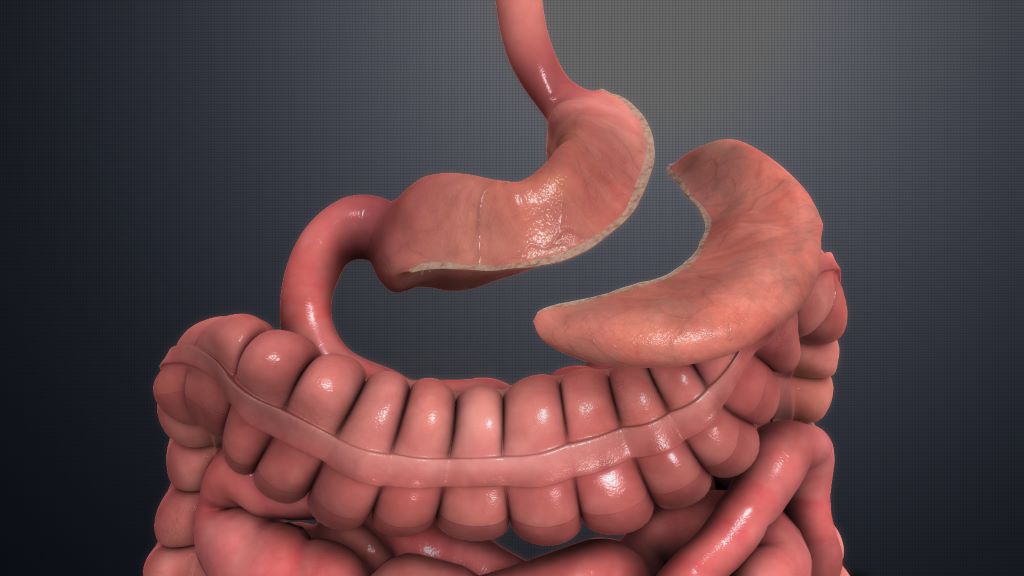
Sleeve gastrectomy. Credit: Scientific Animations CC4.0

Compared to antihypertensives alone, bariatric surgery is more effective in controlling hypertension rates in people with obesity and uncontrolled hypertension, according to a study published in the Journal of the American College of Cardiology. People who underwent bariatric surgery had lower BMI and were on fewer medications after five years while maintaining normal blood pressure levels than those who only used antihypertensive medications.

“In clinical practice, obesity is an overlooked condition. As a consequence, there is a frequent failure in approaching obesity as a crucial step for mitigating the risk of important cardiovascular risk factors including hypertension,” said Carlos Aurelio Schiavon, MD, FACS, lead author of the study and a surgeon specialising in bariatric surgery at Heart Hospital (hcor) and BP Hospital in Sao Paulo.

Researchers in this study looked at the impact of treating obesity to lower hypertension. While new weight loss drugs exist, long-term adherence to medication can be challenging.

This study looks at bariatric surgery as a better long-term solution to control obesity and, as a result, hypertension.

The GATEWAY trial included 100 people (76% of whom were female) who had a body mass index (BMI) of around 36.9kg/m2. All participants had hypertension and were using at least two medications. People with previous cardiovascular events and poorly controlled Type 2 diabetes were excluded.

Subjects were assigned to either Roux-en-Y gastric bypass with medical therapy or medial therapy alone and the primary outcome was reduction of at least 30% antihypertensive medications while maintaining blood pressure levels less than 140/90mmHg at five years.

At five years, BMI was 28.01kg/mfor those who received bariatric surgery and 36.40kg/mfor those on medical therapy alone.

People who had bariatric surgery had an 80.7% reduction in the number of medications they were taking compared to a 13.7% reduction in those only using medical therapy.

Hypertension remission, defined as controlled blood pressure without medications, was 46.9% in those who underwent bariatric surgery compared to 2.4% in those on medical therapy alone.

“Our results underscore the importance of approaching obesity in reducing hypertension rates,” Schiavon said.

Limitations of the study include that it was a single-center, open-label study with a small sample size and there was loss of follow up in some patients.

In an accompanying editorial comment, Michael Hall, MD, MSc, professor and chair of the Department of Medicine at the University of Mississippi Medical Center, said the study provides important long-term data on the benefits of gastric bypass on weight loss and blood pressure control, but questions remain.

“Further studies assessing the threshold for bariatric surgery in people with obesity, optimal timing of bariatric surgery in obese people with cardiometabolic diseases, type of bariatric surgery and comparative studies of obesity pharmacotherapies and bariatric surgery are needed to clarify the optimal treatment pathways for this common and growing disease,” he said.

Source: American College of Cardiology

Polycystic Ovary Syndrome Tied to Cognitive Problems

Photo by Sora Shimazaki on Pexels

Those with polycystic ovary syndrome (PCOS) may be more likely to have memory and thinking problems in middle age, according to a study involving over 900 women, 66 of whom had PCOS. The study, published in Neurology, followed the women for 30 years.

PCOS is a hormonal disorder that is defined by irregular menstruation and elevated levels of androgen. Other symptoms may include excess hair growth, acne, infertility and poor metabolic health.

“Polycystic ovary syndrome is a common reproductive disorder that impacts up to 10% of women,” said study author Heather G. Huddleston, MD, of the University of California, San Francisco.

“While it has been linked to metabolic diseases like obesity and diabetes that can lead to heart problems, less is known about how this condition affects brain health. Our results suggest that people with this condition have lower memory and thinking skills and subtle brain changes at midlife. This could impact a person on many levels, including quality of life, career success and financial security.”

The study involved 907 female participants who were 18 to 30 years old at the start of the study.

They were followed for 30 years, at which time they completed tests to measure memory, verbal abilities, processing speed and attention. At the time of testing, 66 participants had polycystic ovary syndrome.

In a test measuring attention, participants looked at a list of words in different colours and were asked to state the colour of the ink rather than read the actual word. For example, the word “blue” could be displayed in red, so the correct response would be red.

Researchers found for this test, people with PCOS had an average score that was approximately 11% lower compared to people without the condition.

After adjusting for age, race and education, researchers found that people with polycystic ovary syndrome had lower scores on three of the five tests that were given, specifically in areas of memory, attention and verbal abilities, when compared to those without this condition.

At years 25 and 30 of the study, a smaller group of 291 participants had brain scans.

Of those, 25 had PCOS. With the scans, researchers looked at the integrity of the white matter pathways in the brain by looking at movement of water molecules in the brain tissue.

Researchers found that people with PCOS had lower white matter integrity, which may indicate early evidence of brain aging.

“Additional research is needed to confirm these findings and to determine how this change occurs, including looking at changes that people can make to reduce their chances of thinking and memory problems,” Huddleston said.

“Making changes like incorporating more cardiovascular exercise and improving mental health may serve to also improve brain aging for this population.”

A limitation of the study was that PCOS diagnosis was not made by a doctor but was based on androgen levels and self-reported symptoms, so participants may not have remembered all the information accurately.

The study was funded by the University of California, San Francisco.

Source: American Academy of Neurology 

Rickets in the Industrial Revolution Driven by Low Vitamin D

Photo by Mayur Gala on Unsplash

Rickets ran rife in children following the Industrial Revolution, but University of Otago-led research has found factory work and polluted cities aren’t entirely to blame for the period’s vitamin D deficiencies.

In a study published in PLOS One, researchers sampled teeth from a cemetery site in industrial era England, looking for microscopic markers of nutritional disease.

Lead author Dr Annie Sohler-Snoddy, Research Fellow in Otago’s Department of Anatomy, says they uncovered some of the first clear evidence of seasonal vitamin D deficiency in an archaeological sample.

She says it has been known for many years that there was an increase in rickets, a childhood bone disease caused by vitamin D deficiency, in 18th and 19th Century Europe.

“It has been assumed that this was due to more people, including children, working long hours indoors, living in crowded housing and in smog-filled environments, all of which reduce the amount of sunlight that reaches a person’s skin, which is the main way humans make vitamin D.”

However, new bioarchaeological methods enabled the researchers to get a much clearer picture of how vitamin D deficiency affected the people living in industrial England, rather than looking at bone deformities alone.

The study, from Otago, Durham University, University of Edinburgh, University of Brighton, and University of Queensland, found markers associated with vitamin D deficiency in the interior part of 76% of the teeth analysed.

In many samples, these occurred regularly, in annual increments.

“This shows clear evidence of seasonal vitamin D deficiency in the teeth of people living in the north of England.

“This is exciting because it highlights that latitude and seasonal lack of sunlight was a major factor in the amount of vitamin D these people could make in their skin – it’s more complicated than the factors associated with the industrial revolution like working indoors more,” Dr Sohler-Snoddy explains.

Poor vitamin D status is associated with several negative health outcomes including increased risk for infectious diseases, cardiovascular disease, and cancers.

Vitamin D deficiency has been an ongoing problem in society and Dr Sohler-Snoddy believes it is important to study what happened in the past in order to inform modern approaches to the ailment.

“We tend to think of archaeological human remains as belonging to a different world, but our biology hasn’t changed in the last 200 years.

“Teeth provide a really important source of information for archaeologists as they form in a very precise chronology and, importantly, their tissues do not change over the lifespan. This means that they lock in a record of a person’s development and this stays with them until they die, or the tooth is lost.

“Understanding how vitamin D deficiency impacted past populations and why gives us an important deep-time perspective on the disease,” she says.

Source: University of Otago

What can South Africans Expect from Medical Aid Schemes this Year?

Leo Dlamini – Bestmed CEO & Principal Officer

The medical aid industry is at a crucial turning point, driven by innovative technologies, and an ever-growing need for inclusive and affordable healthcare solutions.

According to Bestmed CEO and Principal Officer, Leo Dlamini, this sector is likely to witness the emergence of a more collaborative ecosystem as a result of partnerships between tech businesses, insurance companies and healthcare providers – those that offer an integrated experience – to align to shifting consumer demands.

“In fact, there are several pressure points that continue to challenge the industry,” says Dlamini. “Compliance, with its evolving regulations and policies, including those related to data protection and member privacy, are high on the list, along with balancing the budget within a tight economic environment remain key priorities.”

Increasing health costs

The cost of providing healthcare cover is increasing faster than the economic growth rate and the consumer price index (CPI) which renders medical scheme membership unaffordable for the majority of South Africans. “Balancing the rising costs of healthcare and affordability for members is delicate and critical aspect of a running a sustainable medical scheme,” adds Dlamini. “Driving the increase in costs of healthcare is also the utilisation rate (claims ratio) by the members. This is partly due to a rise in elective procedures post-COVID and the more aggressive clinical interventions. Much of this, we believe, is a consequence of people neglecting their regular health screenings, which is now translating into more serious health issues that require deeper intervention, more exploratory procedures and specialised treatment.”

The biggest cost driver in healthcare in 2024 continues to be hospitals, followed by specialists. “Although the number of hospital admissions are currently lower than they were in 2019/2020, the average cost of admission has risen substantially. This is why it is very important to establish collaborative ecosystems that are inclusive and beneficial to all stakeholders.”

Personalised prevention over cure

Now more than ever, consumers are demanding transparency, simplicity and responsiveness when it comes to their medical aid, says Dlamini, which means a focus on more digitally integrated platforms for easier access to service, information and support. “Digital health technologies, including telemedicine, AI-driven diagnostics and personalised medicine options are increasingly shaping the medical landscape, allowing for more efficient and tailored healthcare solutions.”

“There is also a growing trend towards preventive healthcare,” adds Dlamini. “Medical schemes are, therefore, focusing more on wellness programmes, health screenings and preventive measures to improve members costs and reduce downstream / future costs. This also includes recognising the importance of mental health, and providing broader coverage and services, which include access to counselling, psychiatric treatments and support programmes.”

Retaining control while innovating for the future

2024 will see Bestmed mark 60 years since inception.  Bestmed is South Africa’s fourth largest open medical scheme and the country’s largest self-administered entity.

“As we celebrate our 60th anniversary, it’s an opportune time to take stock of how we’ve fared thus far and what the future outlook is,” adds Dlamini. “Embracing technological advancements to create an integrated healthcare ecosystem, as well as focus on delivering innovative health solutions that are competitively priced are key.  Equally important is the ability to adapt our offering to the changing healthcare needs of our members whilst also maintaining our Personally Yours brand promise.”

Bestmed achieved over 20% growth rate over the last few years which Dlamini attributes to the organisation’s ability to retain existing members, attract new ones (members) with our value-for-money product offering as well as being responsiveness to members’ needs.  “As a self-administering medical scheme, we pride ourselves with being more agile and responsive to members whilst also ensuring that every interaction is not transactional but personal,” adds Dlamini.

As for healthcare advice this year, Dlamini urges consumers to take control. “Do not neglect regular screenings, particularly as you grow into the senior years. Committing to these does not only prove life-saving, but also ensures that your money is not consumed unnecessarily and that your medical scheme is able to safeguard your contributions (reserves) to cover future medical expenses. Make sure that every procedure recommended is necessary and relevant to your condition.”

“It is going to be a tough year as economic growth remains flat and disposable income under sustained pressure from high interest rates and inflation.  The national election and the outcomes therefrom will most likely impact all of us in some form or other.  As medical schemes we must remain focused on providing value–for–money from our offerings and actively working to improve the health of members,” concludes Dlamini. 

Antibiotic-resistant Bacteria can Persist in the Body for Years

Photo by CDC on Unsplash

People with pre-existing conditions in particular can carry resistant germs and suffer from repeated infections for years, according to a study in the scientific journal Nature Communications.

Some bacteria have developed the ability to break down beta-lactam antibiotics like penicillins and cephalosporins, making them ineffective.

Once a patient’s body has been colonised by these resistant bacteria, they can persist for a long time, reports Professor Sarah Tschudin Sutter’s research group at the Department of Clinical Research of the University of Basel and University Hospital Basel.

The researchers looked at a much longer period of time than previous studies and focused on older people with pre-existing conditions, analysing multiple samples taken from over 70 individuals over a period of ten years.

Their key question: whether and how resistant Klebsiella pneumoniae and Escherichia coli bacteria in the body change over this long period and how they differ in various parts of the body.

Recurring illness

DNA analysis indicates that the bacteria initially adapt quite quickly to the conditions in the colonized parts of the body, but undergo few genetic changes thereafter.

The resistant bacteria could still be detected in the patients up to nine years later.

“These patients not only repeatedly become ill themselves, they also act as a source of infection for other people — a reservoir for these pathogens,” says Dr Lisandra Aguilar Bultet, the study’s lead author.

“This is crucial information for choosing a treatment,” explains Professor Tschudin Sutter.

If someone has previously been infected with resistant bacteria and later requires another course of treatment because of a new infection, there is a risk that standard antibiotics will again fail to work.

Transmission of resistance

In addition, the researchers found that in some patients, bacterial strains of the same species, as well as of different species (specifically, Klebsiella pneumoniae and Escherichia coli), share identical genetic mechanisms of resistance through what are known as mobile genetic elements (such as plasmids). The most likely explanation is that they have transmitted these elements to each other.

Hospitals use special protective measures if a patient has been infected with resistant bacteria in the past.

In everyday life, however, it is difficult to reduce the risk of pathogen transmission.

These findings about the bacterial genetic diversity expected to develop in individual patients over time are a valuable basis for future studies to analyse factors found in both bacteria and patients that correlate with duration of colonisation and progression from colonisation to infection.

Source: University of Basel