New Study Suggests that Pumping Iron can Help Fight the Blues
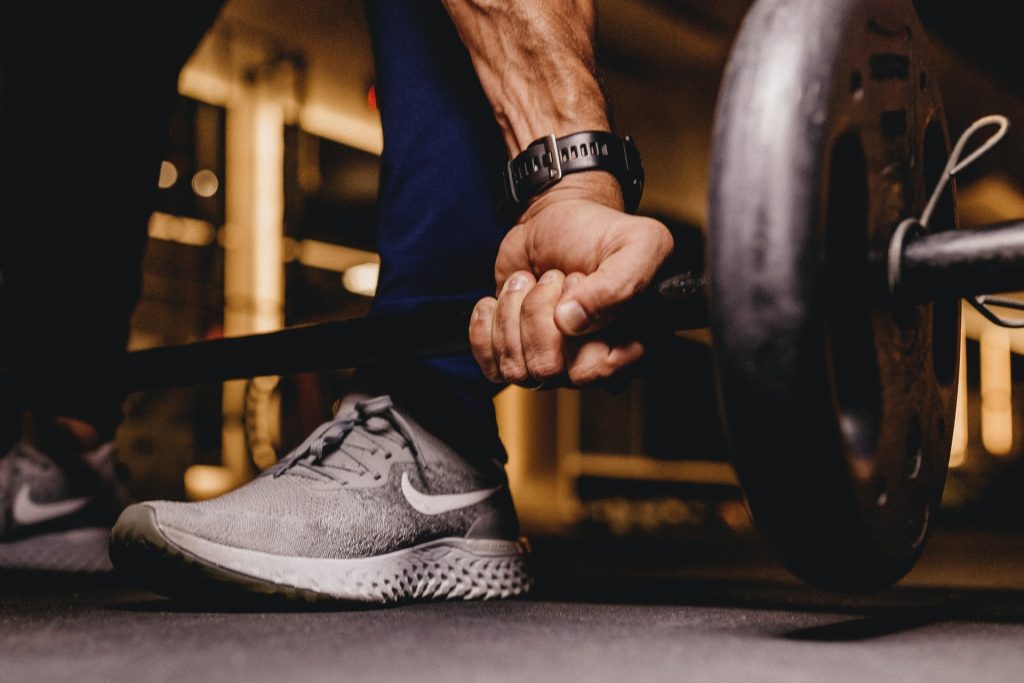
Photo by Jonathan Borba on Unsplash

A new study has demonstrated the impact that resistance exercise training can have in the treatment of anxiety and depressive symptoms. The findings, published in Trends in Molecular Medicine, provide evidence to support the benefits of resistance exercise training can have on anxiety and depression and offers an examination of possible underlying mechanisms.

The research was carried out by Professor Matthew P. Herring at University of Limerick and Professor Jacob D. Meyer at Iowa State University.

“We are tremendously excited to have what we expect to be a highly cited snapshot of the promising available literature that supports resistance exercise training in improving anxiety and depression.

“Notwithstanding the limitations of the limited number of studies to date, there is exciting evidence, particularly from our previous and ongoing research of the available studies, that suggests that resistance exercise training may be an accessible alternative therapy to improve anxiety and depression.

“A more exciting aspect is that there is substantial promise in investigating the unknown mechanisms that may underlie these benefits to move us closer to maximizing benefits and to optimising the prescription of resistance exercise via precision medicine approaches,” Dr Herring added.

Professor Meyer, a co-author on the study, said: “The current research provides a foundation for testing if resistance training can be a key behavioural treatment approach for depression and anxiety.

“As resistance training likely works through both shared and distinct mechanisms to achieve its positive mood effects compared to aerobic exercise, it has the potential to be used in conjunction with aerobic exercise or as a standalone therapy for these debilitating conditions.

“Our research will use the platform established by current research as a springboard to comprehensively evaluate these potential benefits of resistance exercise in clinical populations while also identifying who would be the most likely to benefit from resistance exercise.”

Source: University of Limerick

Pharmaceutical Task Group (PTG) Announces Appointment of Chairman and Deputy Chairman

Zwelethu (Zweli) Bashman, has been appointed chairman of the Pharmaceutical Industry Association (PTG), and Dr Stavros Nicolaou as deputy chairman.  Four pharmaceutical associations, representing more than 80% of the industry, comprise the membership of the PTG.

Bashman is president of the Innovative Pharmaceutical Association South Africa (IPASA), and managing director of MSD South Africa and sub-Saharan Africa.

“Our goal is to contribute towards an environment that promotes growth and investment in the South African pharmaceutical industry while aspiring to broaden access to medicines for all people living in South Africa,” said Bashman.  

Stavros Nicolaou has assumed the role of deputy chairman after serving as chairman of the PTG for several years.

New T Cell ‘Rescue’ Therapy Promising for ARDS

Credit: Scientific Animations CC4.0

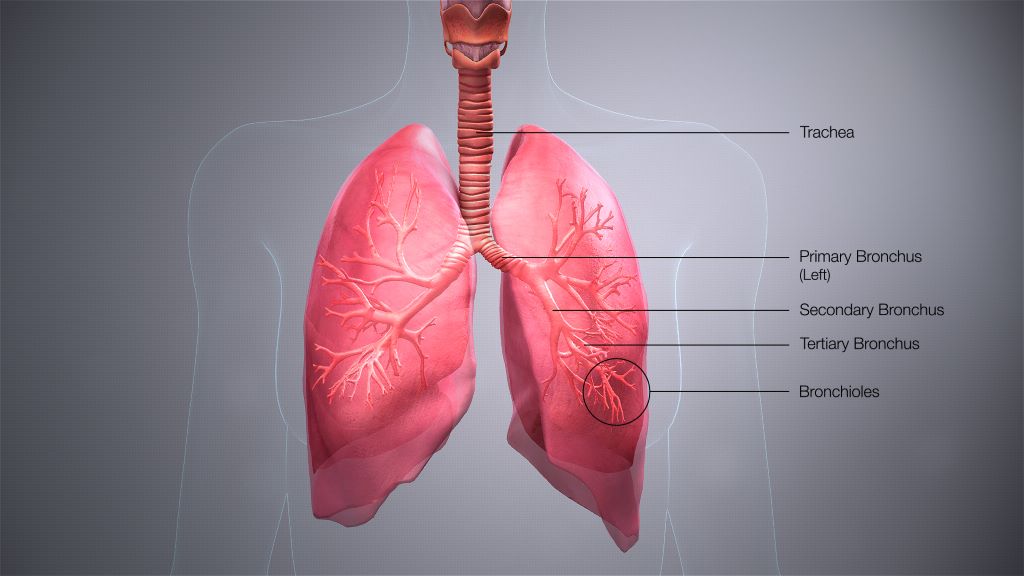
Promising trial results indicate that a new type of cell therapy could improve the prognosis of those who are critically ill with acute respiratory distress syndrome (ARDS) resulting from severe COVID.

Published in the journal Nature Communications, Professor Justin Stebbing of Anglia Ruskin University (ARU) is the joint senior author of the new study investigating the use of agenT-797, MiNK Therapeutic’s allogeneic, unmodified invariant natural killer T (iNKT) cell therapy.

The iNKT cell therapy has the effect of rescuing exhausted T cells and prompting an anti-inflammatory cytokine response, potentially activating anti-viral immunity to help these patients fight infection as well as to reduce severe, pathogenic inflammation of the lung.

The new research was carried out at three medical centres and found that agenT-797, which is also under investigation in cancer trials, could be manufactured rapidly, had a tolerable safety profile, and appeared to have a positive effect on mortality among critically unwell Covid-19 ARDS patients receiving intensive care.

The exploratory trial included 20 mechanically ventilated patients with severe ARDS secondary to Covid-19. Of the 20 patients in the trial, 14 survived (70%) at 30 days (compared to a control group of 10%), and there was an 80% lower occurrence of bacterial pneumonia amongst those who received the highest dosage of agenT-797, compared to those who received fewer cells.

Twenty-one patients were treated overall (the main trial, plus one under compassionate use), which included five who were also receiving veno-venous extracorporeal membrane oxygenation (VV-ECMO), known as ‘the most aggressive salvage therapy’ for critically ill patients with ARDS.

In VV-ECMO, deoxygenated blood is pumped through a membrane lung and returned to the body via a cannula. This trial is believed to be the first immune cell therapy of any type to be used in critically unwell patients undergoing VV-ECMO.

Survival of the VV-ECMO cohort was 80% after 30 and 90 days, and 60% after 120 days. This compares favourably to overall survival of 51% for patients with Covid-19 who were treated with just VV-ECMO at the same institution, during the same timeframe.

Joint senior author Justin Stebbing, Professor of Biomedical Sciences at Anglia Ruskin University (ARU) in Cambridge, England, said: “During this small, exploratory study we observed that MiNK’s iNKT cell treatment, which is also being advanced for people with cancer, triggered an anti-inflammatory response in ARDS patients.

“Despite a poor prognosis, critically ill patients treated with this therapy showed favourable mortality rates and those treated at the highest dose also had reduced rates of pneumonia, underscoring the potential application of iNKT cells, and agenT-797 in particular, in treating viral diseases and infections more broadly.

Source: Anglia Ruskin University

Rare-X 2024 a Beacon of Hope for Those Living with Rare Diseases

Source: Unsplash CC0

Amongst the intricacies of South Africa’s healthcare landscape, a silent but significant challenge lurks – the prevalence of rare diseases. Behind the curtain of mainstream medical discourse, millions grapple with the complexities of these often overlooked conditions, a stark reality often overshadowed by the glare of more prevalent health concerns. 

With more than 7000 identified rare diseases to date, they affect as many as 4.2 million South Africans, of which 50 – 70% are children1. These conditions are more prevalent than predicted, each posing unique and often debilitating challenges for patients and families alike. 

With 29 February commemorated as Rare Diseases Day, Rare Diseases South Africa (RDSA), is hosting its third biennial rare diseases conference, Rare-X 2024, at the Indaba Hotel in Fourways, from 14 to 17 February. 

More than just a conference, Rare-X 2024 will focus on patient advocacy, education, policy reform, and improving equitable access to ensure better outcomes and support for individuals living with rare diseases.

As the first in-person conference since the COVID-19 pandemic, the event brings together patients, policymakers, academics, government and pharmaceutical companies to discuss the plight of rare diseases and find collaborative ways to improve patients’ lives and treatment efforts. 

The conference will comprise several activities, including keynote speeches by renowned experts in rare diseases; interactive panel discussions; workshops and training sessions; scientific presentations; networking opportunities and policy roundtables. 

Some of the renowned speakers to share their insights and global developments on rare diseases include Prof Alex van den Heever, Chair of Social Security Systems Administration and Management Studies at the Wits School of Governance; Professor Fatima Suleman, Professor in the School of Health Sciences at the University of KwaZulu-Natal; and Professor Chris Hendriksz, Global Clinical Development Lead for Rare Diseases at Nestle Health Science, amongst others. Bringing a wealth of practical experience following his work with health professionals, will be traditional health practitioners (THPs), Mr Elliot Makhathini and Dr Conradie from North-West University’s Centre for Human Metabolomics, to name a few.

A rare disease relates to a condition that is considered rare when it affects one person in 20002. Currently, South Africa does not have its own definition of a rare disease, which is one of the major issues that need to be addressed by the government3.

As a patient-focused non-profit organisation, RDSA was launched in 2013 by CEO and Rare-X Director, Kelly du Plessis. The mother of a child with a rare condition, du Plessis realised the dire need for support for a highly under-acknowledged community, with the organisation advocating that people living with rare diseases and congenital disorders experience greater recognition, support, improved health services, and overall, a better quality of life. 

“Despite the need for increased representation, the rare diseases community remains vulnerable from a medical and policy perspective,” says du Plessis. “As part of our mandate, RDSA brings together international best practice and local medical innovation, driving a collective voice and playing a fundamental role in bridging the gap between vulnerable communities and medical advancement.”

To date, RDSA has successfully launched initiatives that have positively impacted the lives of over 6500 patients including engaging with various governmental departments, organs of state, industry players and strategic stakeholders to raise awareness and move rare disease policy forward.

For more information on the Rare-X conference, kindly visit www.rare-x.co.za 

References:

1. Marhebe, HL. Introducing the South African Rare Diseases Access Initiative. SAMJ. 2023;113(8).

2. Reserved IUA. Orphanet: About rare diseases [Internet]. [cited 2024 Feb 2]. Available from: https://www.orpha.net/consor/cgi-bin/Education_AboutRareDiseases.php?lng=EN

3. FAQs [Internet]. Rare Diseases SA. [cited 2024 Feb 2]. Available from: https://www.rarediseases.co.za/faqs

Focused Ultrasound can Shut Down Pain Centre in Brain

Source: CC0

A new method has been developed that could non-invasively ease pain, avoiding the side effects of pain medication and the addiction problems associated with current opioid pain relievers.

This new study by Wynn Legon, assistant professor at the Fralin Biomedical Research Institute at Virginia Tech, and his team targets the insula, the location for pain reception deep within the brain. Their study, published in the journal PAIN, found that soundwaves from low-intensity focused ultrasound aimed at this spot can reduce both the perception of pain and other effects of pain, such as heart rate changes.

“This is a proof-of-principle study,” Legon said. “Can we get the focused ultrasound energy to that part of the brain, and does it do anything? Does it change the body’s reaction to a painful stimulus to reduce your perception of pain?”

Unlike ultrasound scans, focused ultrasound delivers a narrow band of sound waves to a tiny point. At high intensity, ultrasound can ablate tissue. At low-intensity, it can cause gentler, transient biological effects, such as altering nerve cell electrical activity

Neuroscientists have long studied how non-surgical techniques, such as transcranial magnetic stimulation, might be used to treat depression and other issues. Legon’s study, however, is the first to target the insula and show that focused ultrasound can reach deep into the brain to ease pain.

The study involved 23 healthy human participants. Heat was applied to the backs of their hands to induce pain. At the same time, they wore a device that delivered focused ultrasound waves to a spot in their brain guided by magnetic resonance imaging (MRI).

Participants rated their pain perception in each application on a scale of zero to nine. Participants reported an average reduction in pain of three-fourths of a point.

“That might seem like a small amount, but once you get to a full point, it verges on being clinically meaningful,” said Legon, also an assistant professor in the School of Neuroscience in Virginia Tech’s College of Science.

“It could make a significant difference in quality of life, or being able to manage chronic pain with over-the-counter medicines instead of prescription opioids.”

Researchers also monitored each participant’s heart rate and heart rate variability as a means to discern how ultrasound to the brain also affects the body’s reaction to a painful stimulus.

The study also found the ultrasound application reduced physical responses to the stress of pain – heart rate and heart rate variability, which are associated with better overall health.

“Your heart is not a metronome. The time between your heart beats is irregular, and that’s a good thing,” Legon said.

“Increasing the body’s ability to deal with and respond to pain may be an important means of reducing disease burden.”

The effect of focused ultrasound on those factors suggests a future direction for the Legon lab’s research – to explore the heart-brain axis, or how the heart and brain influence each other, and whether pain can be mitigated by reducing its cardiovascular stress effects.

Source: Virginia Tech

UK Austerity Politics Correlated with Increased Frailty in the Oldest Adults

Photo by Kampus Production on Pexels

The period of austerity politics from 2012 to 2018 was associated with steeper increases in frailty with age compared to pre-austerity between 2002 and 2010, according to a new study published February 7th in the open-access journal PLOS ONE by Carys Pugh of the University of Edinburgh, UK, and colleagues.

Previous research has linked a stalling in life expectancy growth to austerity politics implemented in response to the 2008–2009 financial crisis. However, the mechanism through which public spending cuts are associated with decreased life expectancy has been unclear.

In the new study, researchers analysed data on the frailty index, which captures broad age-related declines in functional ability and physical and mental health. The analysis included 16 410 people enrolled in the English Longitudinal Study of Ageing 2002-2018 with a mean age of 67 years and a mean frailty index score of 0.15 (on a scale of 0 to 1, with 1 being maximum frailty).

The study found that frailty index scores increased more rapidly with age after implementation of austerity policies. This was the case for all population groups, across genders and socioeconomic groups, but was particularly so for the oldest people. For instance, among the poorest women aged 85+, the frailty index increased an average of 0.013 per year in the eight-year pre-austerity period (2002-2010) but increased by 0.021 per year, two thirds as much again, in the six-year austerity period (2012-2018).

The additional increase in frailty for all ages from 2012 to 2018 was similar in magnitude to the difference in mean frailty score between people five years apart – those aged 65-69 and those aged 70-74.

The authors conclude that frailty may be one mechanism through which public spending reductions have negative impacts on health and mortality, particularly among the oldest people in society. New austerity measures, they write, need careful consideration given their potential impact on long-term health.

The authors add: “Compared to the 2000s, we found that older people in England were becoming more frail, more quickly during the 2010s, and that frailty was particularly common in the poorest in society. Our work is another warning about the possible impacts of austerity on the health of an ageing nation.”

COVID did not get Weaker – Our Immune Systems got Stronger, Large Scale Study Suggests

Image by Fusion Medical on Unsplash

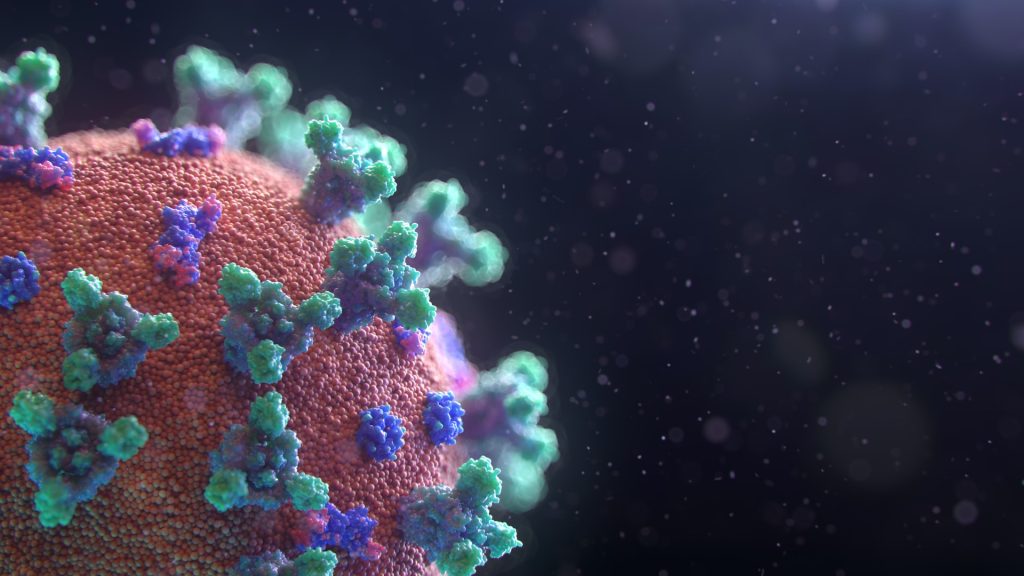
Researchers have shown that the reduced mortality from COVID is not necessarily due to the fact that later variants, such as Omicron, have been less severe. Rather, the reduced mortality seems to be due to several other factors, such as immunity from previous vaccinations and previous infections. The study is published in the latest issue of Lancet Regional Health Europe.

The researchers at Karolinska Institutet, together with partners in the EuCARE project, conducted a study using patient data from more than 38 500 hospitalised patients with COVID, from the start of the pandemic to October 2022. The data comes from hospitals in ten countries, including two outside Europe.

The data showed that in-hospital mortality decreased as the pandemic progressed, especially since Omicron became the dominant variant. However, when the researchers modelled the mortality rates for different variants (pre-Alpha, Alpha, Delta and Omicron) and took into account factors such as age, gender, comorbidity, vaccination status and time period, they saw far fewer differences and weaker associations. They also saw differences between age groups, highlighting the importance of conducting separate analyses for different age groups. 

“Overall, our findings suggest that the observed reduction in mortality during the pandemic is due to multiple factors such as immunity from vaccination and previous infections, and not necessarily tangible differences in inherent severity,” says Pontus Hedberg, first author of the study. 

Omicron variant no less severe 

Understanding the disease course and outcomes of patients hospitalised with COVID during the pandemic is important to guide clinical practice and to understand and plan future resource use for COVID. A particularly interesting finding is that the inherent severity of Omicron has not necessarily been significantly reduced, but that other factors are behind the reduction in mortality. 

“The fact that Omicron can cause severe disease was seen in Hong Kong, for example, where the population had low immunity from previous infections and low vaccination coverage. In Hong Kong there was a relatively high mortality from Omicron,” says Pontus Hedberg. 

Highlights the importance of protecting the elderly and those with underlying diseases

The main applications of the study results going forward are the continued need to protect the elderly and patients with other underlying disease from severe disease outcomes through vaccination against COVID, even though new virus variants may appear less virulent. The results are also important for understanding trends in mortality in hospitalised patients with COVID and thus planning for resource use in hospital care.

Larger multinational collaborative projects like this are of great value to increase the generalisability of studies and not least to promote international collaboration also for future pandemic or epidemic scenarios.

Source: Karolinska Institutet

Is There a Link Between Body Temperature and Depression?

Photo by Inzmam Khan

People with depression have higher body temperatures, suggesting there could be a mental health benefit to lowering the temperatures of those with the disorder, a new UC San Francisco-led study found. The study, published in Scientific Reports, only indicated an association, not a causative effect in either direction.

It’s also unknown whether the higher body temperature observed in people with depression reflects decreased ability to self-cool, increased generation of heat from metabolic processes or a combination of both.

Researchers analysed data from more than 20 000 international participants who wore a device that measures body temperature, and also self-reported their body temperatures and depression symptoms daily.

The seven-month study began in early 2020 and included data from 106 countries. The results showed that with each increasing level of depression symptom severity, participants had higher body temperatures.

The body temperature data also showed a trend toward higher depression scores in people whose temperatures had less fluctuation throughout a 24-hour period, but this finding didn’t reach significance.

The findings shed light on how a novel depression treatment method might work, said Ashley Mason, PhD, the study’s lead author and associate professor of psychiatry at UCSF Weill Institute for Neurosciences.

A small body of existing, causal studies has found that using hot tubs or saunas can reduce depression, possibly by triggering the body to self-cool, for example, through sweating.

“Ironically, heating people up actually can lead to rebound body temperature lowering that lasts longer than simply cooling people down directly, as through an ice bath,” said Mason, who is also a clinical psychologist at the UCSF Osher Center for Integrative Health.

“What if we can track the body temperature of people with depression to time heat-based treatments well?”

“To our knowledge, this is the largest study to date to examine the association between body temperature – assessed using both self-report methods and wearable sensors – and depressive symptoms in a geographically broad sample,” added Mason. “Given the climbing rates of depression in the United States, we’re excited by the possibilities of a new avenue for treatment.”

Source: University of California – San Francisco

Potential New Treatment to Reverse Inflammation and Atherosclerosis in Rheumatoid Arthritis

Image by Scientific Animations, CC4.0

Researchers from Queen Mary University of London have found that the molecule RvT4 enhances the body’s natural defences against atherosclerosis in patients with rheumatoid arthritis.

The mouse-based study, published in Nature Communications, shows that increasing levels of the RvT4 molecule in the body improves the ability of the body’s own defence mechanisms [macrophages] to reduce local inflammation and remove blockages in blood vessels.

This breakthrough in understanding the processes involved could lead to better treatments for people who have rheumatoid arthritis (RA), and who are at higher risk of developing cardiovascular disease.

Alongside the more widely-known symptoms of joint inflammation, people with the condition are also twice as likely as others to develop blood vessel disease.

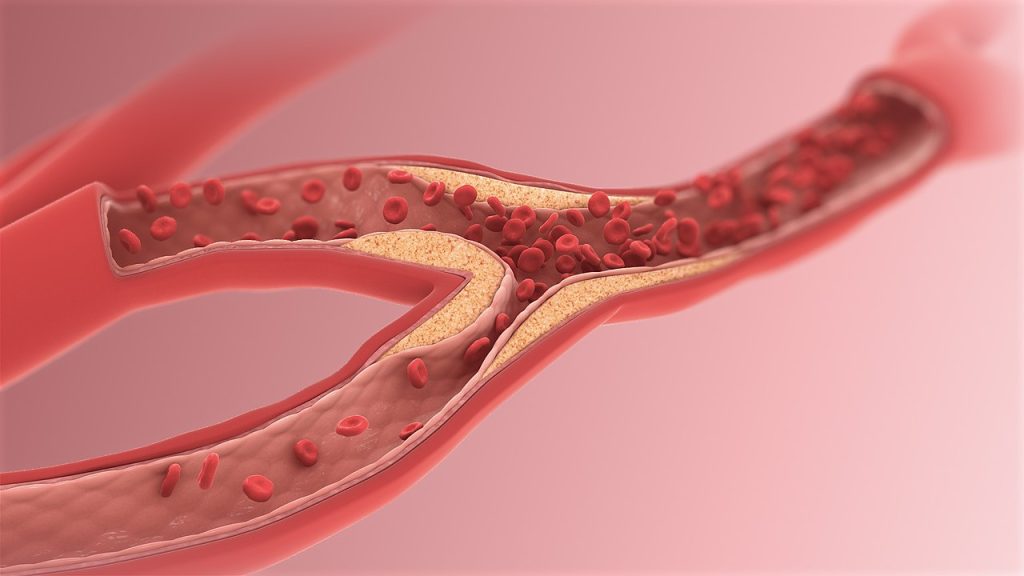
One type of blood vessel disease seen in people with RA is atherosclerosis, which is caused by a build-up of ‘plaque’ along the artery walls, which can break free and cause heart attacks and strokes.

Understanding the reasons why RA patients are at increased risk of these cardiovascular problems is critical in developing better treatments for this group and others.

To gain a better understanding of the causes of blood vessel disease in patients with RA, researchers explored the role of a group of molecules called 13-series resolvins (RvTs). In experimental arthritis the levels of one of these molecules, RvT4, are markedly reduced, a phenomenon that associates with a higher degree of blood vessel disease.

This study was designed to explore why this might be the case.

The findings

The study found that treating arthritic mice with RvT4 reduced blood vessel inflammation by re-programming macrophages, which accumulate in the diseased vessels, to release stored lipids.

Researchers observed that these lipids were preventing the macrophage from carrying out their usual work of clearing dead cells and reducing localised inflammation in blood vessels.

Once freed of their lipid burden, the macrophages were able to move and work much more effectively to reduce the causes of atherosclerosis.

The observation that RvT4 restores protective macrophage biological activities is an exciting finding.

RA patients also often present with metabolic dysfunction and this is thought to exacerbate vascular disease.

The study found that administration of RvT4 to mice engineered to develop characteristics of metabolic dysfunction, advanced atherosclerosis, and arthritis led to an overall decrease in lipoprotein-associated cholesterol in plasma and an increase in the ratio of HDL-associated cholesterol to total cholesterol.

Jesmond Dalli, Professor in Molecular Pharmacology and Lipid Mediator Unit Director at the William Harvey Institute, Queen Mary University of London, said: “The study is important because it identifies for the first time the loss of RvT4 production as a potential new cause of blood vessel inflammation in the context of arthritis, offering a mechanistic explanation on the cause of this important disease in RA patients. It also showed that RvT4 restores the biological activities of lipid loaded macrophages by promoting lipid breakdown and efflux from the cells, an observation that can guide the development of new treatments to limit the incidence and/or severity of cardiovascular disease in patients with RA.”

Source: Queen Mary University of London

Strongest Evidence Yet of Brain’s Compensation for Cognitive Decline in Aging

Image: Pixabay CC0

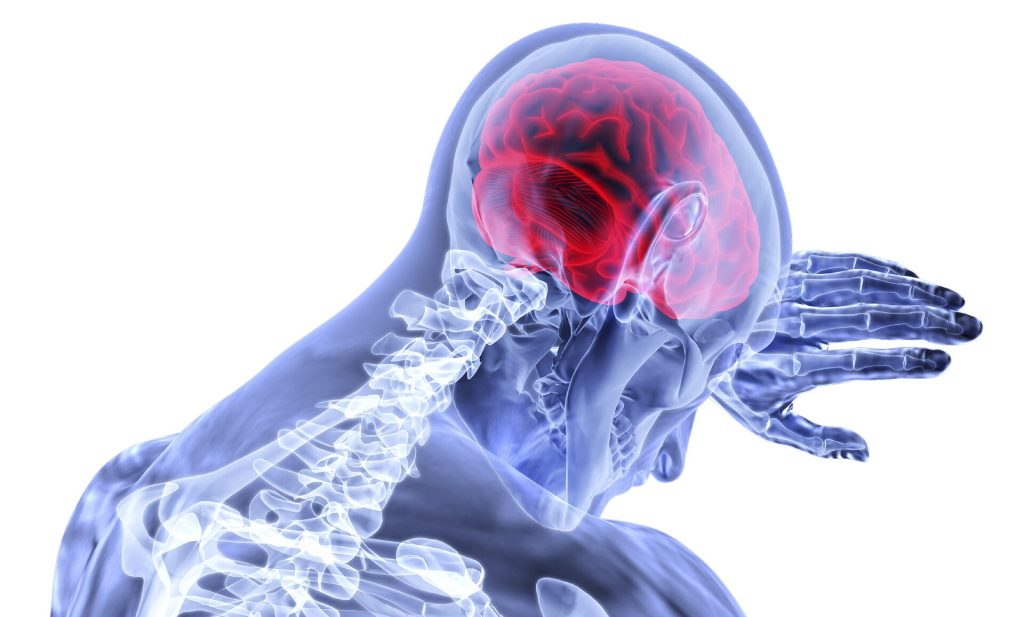
Scientists have found the strongest evidence yet that our brains can compensate for age-related deterioration by recruiting other areas to help with brain function and maintain cognitive performance.

As we age, our brain gradually atrophies, losing nerve cells and connections and this can lead to a decline in brain function. It’s not fully understood why some people appear to maintain better brain function than others, and how we can protect ourselves from cognitive decline.

A widely accepted notion is that some people’s brains are able to compensate for the deterioration in brain tissue by recruiting other areas of the brain to help perform tasks. While brain imaging studies have shown that the brain does recruit other areas, until now it has not been clear whether this makes any difference to performance on a task, or whether it provides any additional information about how to perform that task.

In a study published in the journal eLife, a team led by scientists at the University of Cambridge in collaboration with the University of Sussex have shown that when the brain recruits other areas, it improves performance specifically in the brains of older people.

Study lead Dr Kamen Tsvetanov, an Alzheimer’s Society Dementia Research Leader Fellow in the Department of Clinical Neurosciences, University of Cambridge, said: “Our ability to solve abstract problems is a sign of so-called ‘fluid intelligence’, but as we get older, this ability begins to show significant decline. Some people manage to maintain this ability better than others. We wanted to ask why that was the case – are they able to recruit other areas of the brain to overcome changes in the brain that would otherwise be detrimental?”

Brain imaging studies have shown that fluid intelligence tasks engage the ‘multiple demand network’ (MDN), a brain network involving regions both at the front and rear of the brain, but its activity decreases with age. To see whether the brain compensated for this decrease in activity, the Cambridge team looked at imaging data from 223 adults between 19 and 87 years of age who had been recruited by the Cambridge Centre for Ageing & Neuroscience (Cam-CAN).

The volunteers were asked to identify the odd-one-out in a series of puzzles of varying difficulty while lying in a functional magnetic resonance imaging (fMRI) scanner, so that the researchers could look at patterns of brain activity by measuring changes in blood flow.

As anticipated, in general the ability to solve the problems decreased with age. The MDN was particularly active, as were regions of the brain involved in processing visual information.

When the team analysed the images further using machine-learning, they found two areas of the brain that showed greater activity in the brains of older people, and also correlated with better performance on the task. These areas were the cuneus, at the rear of the brain, and a region in the frontal cortex. But of the two, only activity in the cuneus region was related to performance of the task more strongly in the older than younger volunteers, and contained extra information about the task beyond the MDN.

Although it is not clear exactly why the cuneus should be recruited for this task, the researchers point out that this brain region is usually good at helping us stay focused on what we see. Older adults often have a harder time briefly remembering information that they have just seen, like the complex puzzle pieces used in the task. The increased activity in the cuneus might reflect a change in how often older adults look at these pieces, as a strategy to make up for their poorer visual memory.

Dr Ethan Knights from the Medical Research Council Cognition and Brain Sciences Unit at Cambridge said: “Now that we’ve seen this compensation happening, we can start to ask questions about why it happens for some older people, but not others, and in some tasks, but not others. Is there something special about these people – their education or lifestyle, for example – and if so, is there a way we can intervene to help others see similar benefits?”

Dr Alexa Morcom from the University of Sussex’s School of Psychology and Sussex Neuroscience research centre said: “This new finding also hints that compensation in later life does not rely on the multiple demand network as previously assumed, but recruits areas whose function is preserved in ageing.”

The original text of this story is licensed under a Creative Commons Attribution-NonCommercial-ShareAlike 4.0 International License.

Source: University of Cambridge