56% Stem Cell Donor Dropout Rate Puts Blood Cancer Patient Survival at Risk
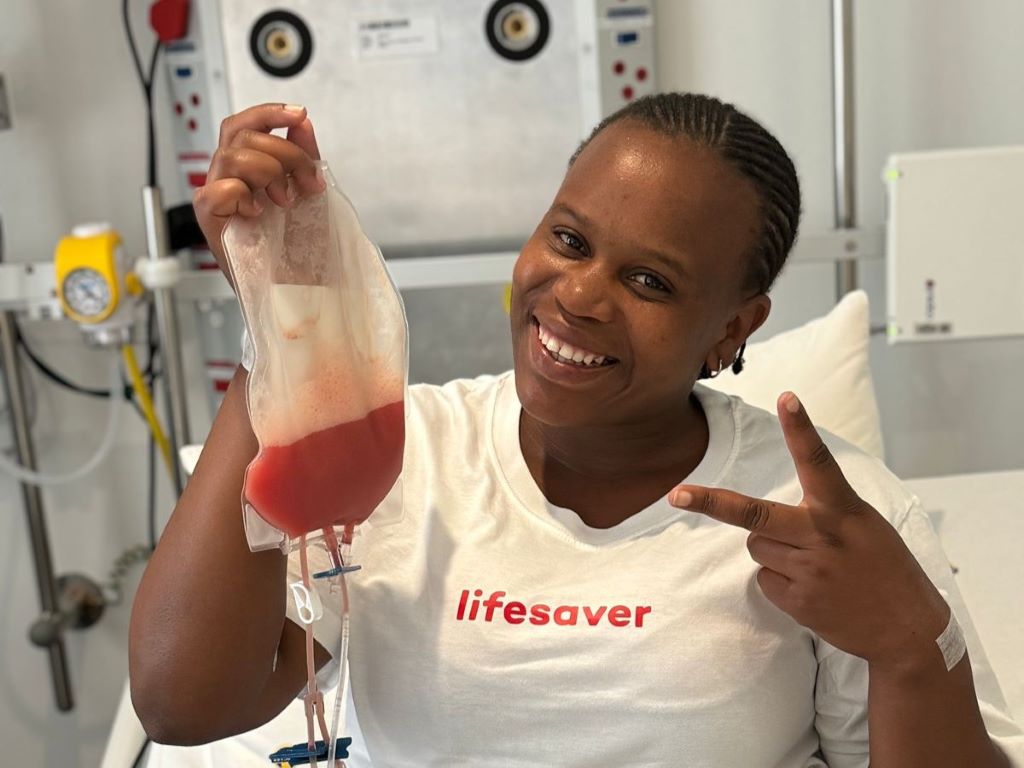
Twenty-five-year-old Amahle is a proud stem cell donor – despite her fear of needles. Photo: supplied.

South Africans in need of life-saving stem cell transplants face an uphill battle due to a high rate of donor attrition. While more than 30 000 South Africans registered as stem cell donors in 2023, a 43% increase year-on-year, more than half of matched donors changed their minds when they received the call.

Palesa Mokomele, Head of Community Engagement and Communications at DKMS Africa, says that donor attrition reduces the chances of survival for many patients. “Unlike other medical donations, such as donating blood, which take place immediately, stem cell donation is a multi-stage process, meaning that those who have registered may be contacted weeks, months, or even years after they have signed up if they are a possible match for a patient. “The uncertainty around whether and when they will be called on to donate therefore impacts donor availability.”

“If notified, they will be asked to undergo confirmatory typing to determine whether they are the best match for the patient and healthy enough to donate. It is usually at this point that they decide whether to proceed with the donation or not,” shares Mokomele.

“Finding a matching stem cell donor is already like searching for a needle in a haystack, so when they choose not to follow through, it further delays the process of locating suitable donors while also increasing wait times for transplants – putting patient survival at risk,” she points out.

To prevent this and help give patients a second chance at life as fast as possible, Mokomele urges those who have registered to regularly update their donor profile to reflect their current health status and availability. “Although it can take some time between registering and receiving the call that you’re a match, it is well worth the wait.”

Twenty-five-year-old Amahle, who recently answered the call, concurs, saying, “I couldn’t believe I was going to give another person a chance to live a healthy life.”

After receiving the news, she underwent confirmatory typing and a preliminary health check. She was also given a detailed briefing call on what to expect.

As with most cases, a Peripheral Stem Cell Donation was required, which is similar to a blood donation in 90% of cases. Blood is drawn and passes through a machine (apheresis machine) that collects the stem cells after which the rest of the blood is returned back into the body. This procedure does not require anaesthetic or admission to hospital and is normally completed within four to six hours. To help Amahle generate sufficient stem cell quantities, she was injected with a hormone-like substance called G-CSF in the lead up to the donation so her body can produce more stem cells for her genetic twin. G-CSF is safe and is a significant part of the process.

Finally, the big day arrived and although she was a ball of nerves (especially given her fear of needles), she pushed through. “I was strong. I knew I needed to continue because soon I was going to save a life.”

“We applaud Amahle’s selfless act. It is moments like these that remind us of the profound impact each individual can have on another’s life. At the same time, however, we are forced to acknowledge the sobering reality that 56% of registered donors drop out. With every registration, there is hope. But hope alone is not enough. Action is what truly makes a difference. We, therefore, urge South Africans between the ages of 17 and 55 who are in good health to not only register as a stem cell donor but to act when the call for donation comes,” concludes Mokomele.

Register today at https://www.dkms-africa.org/register-now.
Vaccinologists Keith Klugman and Shabir Madhi awarded Sabin’s Prestigious Gold Medal

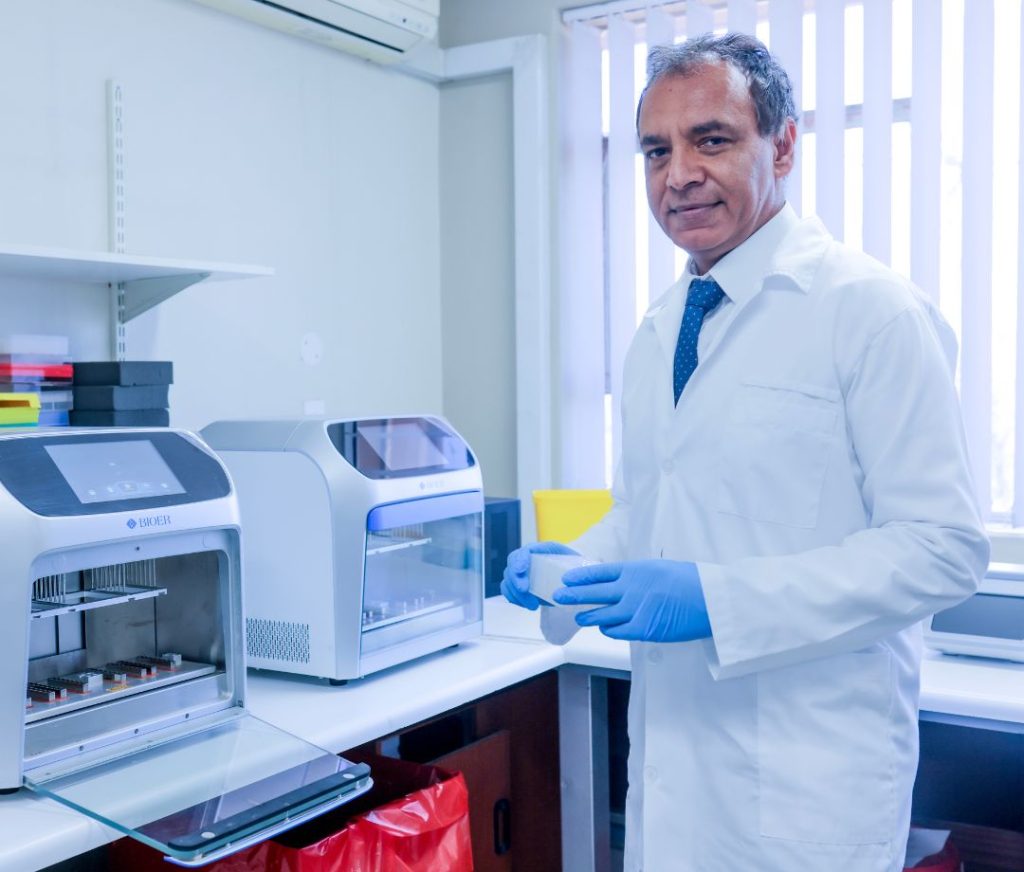
Professor Shabir Madhi of Wits University. Photo: supplied.

The Sabin Vaccine Institute presented the Albert B. Sabin Gold Medal to physician-researchers Keith Klugman and Shabir Madhi.

Nicole Basta, an associate professor at Canada’s McGill University and Canada Research Chair in Infectious Disease Prevention, received Sabin’s 2024 Rising Star Award.

The awards were made on 18 April 2024 at a ceremony in the National Academy of Sciences building in Washington D.C.

Formidable Wits alumni are world leaders in vaccinology

Klugman and Madhi received the Sabin Gold Medal, one of the highest recognitions for vaccinologists globally, for their seminal combined contributions to the development of vaccines against pneumonia and diarrhoeal disease – major causes of death in children in low- and middle-income countries (LMICs).

Klugman is a Wits University alumnus who received an honorary doctorate from his alma mater in 2023.

Madhi, also a Wits alumnus, is currently Professor of Vaccinology and Dean of the Faculty of Health Sciences at  Wits University.

The Gold Medal is Sabin’s highest scientific honour. It has been given annually for more than three decades to a distinguished member of the global health community who has made exceptional contributions to vaccinology or a complementary field. 

Klugman first met his then-graduate student Madhi at Wits University, where Klugman established, and Madhi expanded, a now globally renowned infectious diseases research institute. Apart from pneumonia, their work focused on maternal and children’s vaccines including influenza, respiratory syncytial virus (RSV), typhoid, and Group B streptococcus (GBS).

The evidence produced by these two awardees has and continues to inform the World Health Organization’s recommendations for vaccines. Klugman and Madhi’s research has helped pave the way for the introduction of lifesaving vaccines in public immunization programs – including the pneumococcal conjugate vaccine where their findings were pivotal in influencing vaccination policy in many low- and middle-income countries (LMICs).

Klugman’s efforts help prevent babies from dying of pneumonia

Fuelled by an early interest in science as a child in South Africa – in part due to a physician father – Klugman holds both a medical as well as a science doctorate degree from Wits University and was the first student in the school’s history to obtain them simultaneously.

He began his research career nearly five decades ago investigating the typhoid vaccine and has since distinguished himself as a formidable infectious diseases’ scientist.

Klugman is widely known for his work on pneumonia, which still kills a child under five every 43 seconds, many in the world’s poorest countries.

As the director of the pneumonia programme at the Seattle-based Bill & Melinda Gates Foundation, Klugman orchestrates strategic initiatives aimed at reducing deaths from pneumonia, RSV, neonatal sepsis, and meningitis.

He has authored hundreds of publications that have been cited over 50 000 times to date and has been elected to the National Academy of Medicine in the United States. He is also a professor emeritus of global health at Atlanta’s Emory University.

His scientific achievements aside, Klugman has long championed the need for the world’s poorest children to have equitable access to vaccines. While in South Africa he joined in Wits University’s struggle to allow access to the institution for all students.

“It is absolutely wonderful to be receiving this award, especially together with Shabir,” he says. “When I look down the list of previous awardees, I recognize the great majority of them, and it is extraordinary to now be numbered among them.”

Past award recipients include leaders of vaccinology and vaccine advocacy such as Drs. Barney Graham, Carol Baker, Bill Foege, Anne Gershon, Stanley Plotkin, and Kathrin Jansen.

Madhi’s research informed WHO recommendations on universal rotavirus vaccination

With a career spanning more than 25 years, Madhi, also from South Africa, is a trained paediatrician whose research continues to be instrumental in prioritising the rollout of vital vaccines and guiding global public health policies. At Wits University, he led clinical trials focused on respiratory and meningeal pathogens, including vaccines targeted at pregnant women and their unborn babies.

Madhi led the first study showing that a rotavirus vaccine could significantly prevent severe diarrhoea during the first year of life in African infants. That research served as a key piece of evidence for the WHO’s recommendation of universal rotavirus vaccination. In addition, he also led the first two COVID-19 vaccine trials in Africa, and a number of COVID-19 epidemiology studies which led to the first evidence suggesting that infection-induced immunity and vaccinations played a role in reducing severity of disease.

In addition to serving as Professor of Vaccinology and Dean of Health Sciences at Wits University, Madhi heads South Africa’s widely respected South African Medical Research Council (SAMRC) Vaccines and Infectious Diseases Analytics Research Unit (Wits VIDA). He is also the co-founder and co-Director of the African Leadership Initiative for Vaccinology Expertise (ALIVE).

He has co-authored hundreds of publications which have been cited over 59 000 times. Madhi is a recipient of numerous lifetime achievement awards in South Africa, as well being bestowed an Honorary Commander of the Order of the British Empire (CBE) from the British Government for his services to science and public health in a global pandemic.

“It is really humbling for me to be acknowledged for my contributions in the field of vaccinology along with those who have received the Gold Medal award,” says Madhi. “It makes me realise that the work my team and I have done is acknowledged by my peers as being of substance. Most significantly, we contributed to protecting lives in those settings where a majority of death and suffering occurs, and that is in LMICs.”

Amy Finan, Sabin’s chief executive officer, says, “I am honoured to award the Sabin Gold Medal to Dr Klugman and D. Madhi for their extraordinary work on vaccines that have saved lives in communities most in need of these interventions. Their pneumonia research has been particularly transformative in shaping our understanding of the disease and strengthening global health strategies to protect children from this vaccine-preventable disease.”

Source: Wits University

A Single Gene Variant that Gave Rise to Humans’ Unique Skull Base

Source: CC0

One of the unique features that Homo sapiens have compared with other closely related hominin species and primates is the shape of the base of the skull, which enabled larger brains to evolve. Now, in a study recently published in the American Journal of Human Genetics, a team from Tokyo Medical and Dental University (TMDU), the University of Helsinki, and the University of Barcelona has analysed a genomic variant responsible for this unique human skull base morphology.

Most of the genomic changes that occurred during human evolution did not occur directly to genes themselves, but in regions responsible for controlling and regulating the expression of genes. Variants in these same regions are often involved in genetic conditions, causing aberrant gene expression throughout development. Identifying and characterising such genomic changes is therefore crucial for understanding human development and disease.

The development of the basicranial region, the base of the skull where it joins the vertebra, was key in the evolution of Homo sapiens, as we developed a highly flexed skull base that allowed our increased brain size. Therefore, variants that affect the development of this region are likely to have been highly significant in our evolution.

First, the team searched for variants in just a single letter of the DNA code, called single nucleotide polymorphisms (SNPs), that caused different regulation of genes in the basicranial region in Homo sapiens compared with other extinct hominins. One of these SNPs stood out, located in a gene called TBX1.

They then used cell lines to show that the SNP, called “rs41298798,” is located in a region that regulates the expression levels of the TBX1 gene, and that the “ancestral” form of the SNP, found in extinct hominins, is associated with lower TBX1 expression, while the form found in Homo sapiens gives us higher levels of TBX1.

“We then employed a mouse model with lower TBX1 expression,” explains lead author Noriko Funato, “which resulted in distinct alterations to the morphology at the base of the skull and premature hardening of a cartilage joint where the bones fuse together, restricting the growth ability of the skull.” The changes in the Tbx1-knockout mice were reminiscent of the known basicranial morphology of Neanderthals.

These morphological changes are also reflected in human genetic conditions associated with lower TBX1 gene dosage, such as DiGeorge syndrome and velocardiofacial syndrome, further indicating the significance of this genetic variant in the evolution of our unique skull base morphology.

The identification of this genomic variant sheds light on human evolution, as well as providing insight into common genetic conditions associated with lower expression of the TBX1 gene, paving the way for greater understanding and management of these conditions.

Source: Tokyo Medical and Dental University

Dietary Intervention Trumps Drugs for IBS Treatment

Irritable bowel syndrome. Credit: Scientific Animations CC4.0

Dietary treatment is more effective than medications in irritable bowel syndrome (IBS), according to the results of a study conducted at the University of Gothenburg. With dietary adjustments, more than seven out of ten patients had significantly reduced symptoms.

Irritable bowel syndrome (IBS) is a common diagnosis that causes abdominal pain, gas and abdominal bloating, diarrhoea, and constipation, in various combinations and with varying degrees of severity.

Treatment often consists of dietary advice such as eating small and frequent meals and avoiding excessive intake of food triggers such as coffee, alcohol and fizzy drinks. Patients may also be given medications to improve specific symptoms, such as gas or constipation, diarrhoea, bloating or abdominal pain. Antidepressants are sometimes used to improve symptoms in IBS.

The current study, published in The Lancet Gastroenterology & Hepatology, compared three treatments: two dietary and one medication-based. The participants were adult patients with severe or moderate IBS symptoms at Sahlgrenska University Hospital in Gothenburg.

More symptom relief after dietary adjustment

The first group was given traditional IBS dietary advice, focusing on eating behaviour combined with low intake of fermentable carbohydrates (FODMAPs). These include products with lactose, legumes, onions, and grains, which ferment in the colon and can cause pain in IBS.

The second group received a dietary treatment low in carbohydrates and proportionally high in protein and fat. In the third group, the best possible medication was given based on the patient’s most troublesome IBS symptoms.

Each group included around 100 participants in four-week treatment periods. Treatment response was measure with an established IBS symptom scoring scale.

Of those who received traditional IBS dietary advice and low content of FODMAPs, 76% had significantly reduced symptoms. In the group receiving low carbohydrates and high protein and fat, the proportion was 71%, and in the medication group 58%.

All groups reported significantly better quality of life, less physical symptoms and less symptoms of anxiety and depression.

The importance of personalisation

At a six-month follow-up, when participants in the dietary groups had partially returned to their previous eating habits, a large proportion still had clinically significant symptom relief; 68% in the traditional dietary advice and low FODMAP group, and 60% in the low-carbohydrate diet group.

The study was led by Sanna Nybacka, Researcher and Dietician, Stine Störsrud, Associate Professor, and Magnus Simrén, Professor and Senior Consultant, all at Sahlgrenska Academy, University of Gothenburg.

“With this study, we can show that diet plays a central role in the treatment of IBS, but that there are several alternative treatments that are effective,” says Sanna Nybacka.

“We need more knowledge about how to best personalise the treatment of IBS in the future and we will further investigate whether there are certain factors that can predict whether individuals will respond better to different treatment options,” she concludes.

Source: University of Gothenburg

Inflammation may Link Depression and Cardiomyopathy

Photo by Alex Green on Pexels

Coronary artery disease and major depression may be genetically linked via inflammatory pathways to an increased risk for cardiomyopathy, a degenerative heart muscle disease, researchers at Vanderbilt University Medical Center and Massachusetts General Hospital have found.

Their report, published in Nature Mental Health, suggests that drugs prescribed for coronary artery disease and depression, when used in combination, potentially may reduce inflammation and prevent the development of cardiomyopathy.

“This work suggests that chronic low-level inflammation may be a significant contributor to both depression and cardiovascular disease,” said the paper’s corresponding author, Lea Davis, PhD, associate professor of Medicine in the Division of Genetic Medicine and Vanderbilt Genetics Institute.

The connection between depression and other serious health conditions is well known. As many as 44% of patients with coronary artery disease (CAD), the most common form of cardiovascular disease, also have a diagnosis of major depression. Yet the biological relationship between the two conditions remains poorly understood.

A possible connection is inflammation. Changes in the levels of inflammatory markers have been observed in both conditions, suggesting that there may be a common biological pathway linking neuroinflammation in depression with atherosclerotic inflammation in CAD.

In the current study, the researchers used a technique called transcriptome-wide association scans to map single nucleotide polymorphisms (genetic variations) involved in regulating the expression of genes associated with both CAD and depression.

The technique identified 185 genes that were significantly associated with both depression and CAD, and which were “enriched” for biological roles in inflammation and cardiomyopathy.

This suggests that predisposition to both depression and CAD, which the researchers called (major) depressive CAD, or (m)dCAD, may further predispose individuals to cardiomyopathy.

However, when the researchers scanned large electronic health record databases at VUMC, Mass General, and the National Institutes of Health’s All of Us Research Program, they found the actual incidence of cardiomyopathy in patients with the enriched genes for (m)dCAD was lower than in patients with CAD alone.

One possible explanation is that medications prescribed for CAD and depression, such as statins and antidepressants, may prevent development of cardiomyopathy by reducing inflammation, the researchers concluded.

“More research is needed to investigate optimal treatment mechanisms,” Davis added, “but at a minimum this work suggests that patient heart and brain health should be considered together when developing management plans to treat depression or cardiovascular disease.”

Source: Vanderbilt University Medical Center

Spotting the Aggressive Prostate Cancers among Urine Test Results

Credit: Darryl Leja National Human Genome Research Institute National Institutes Of Health

Researchers have developed a new urine-based test that addresses a major problem in prostate cancer: how to separate the slow-growing form of the disease unlikely to cause harm from more aggressive cancer that needs immediate treatment.

The test, called MyProstateScore2.0, or MPS2, looks at 18 different genes linked to high-grade prostate cancer. In multiple tests using urine and tissue samples from men with prostate cancer, it successfully identified cancers classified as Gleason 3+4=7 or Grade Group 2 (GG2), or higher. These cancers are more likely to grow and spread compared to Gleason 6 or Grade Group 1 prostate cancers, which are unlikely to spread or cause other impact. More than one-third of prostate cancer diagnoses are this low-grade form. Gleason and Grade Group are both used to classify how aggressive prostate cancer is.

Results from the University of Michigan Rogel Cancer Center-led study are published in JAMA Oncology.

“Our standard test is lacking in terms of its ability to clearly pick out those who have significant cancer. Twenty years ago, we were looking for any kind of cancer. Now we realise that slow-growing cancer doesn’t need to be treated. All of a sudden, the game changed. We went from having to find any cancer to finding only significant cancer,” said co-senior study author John T. Wei, M.D., David A. Bloom Professor of Urology at Michigan Medicine.

Prostate-specific antigen, or PSA, remains the linchpin of prostate cancer detection. MPS2 improves upon a urine-based test developed by the same U-M team nearly a decade ago, following a landmark discovery of two genes that fuse to cause prostate cancer. The original MPS test, which is used today, looked at PSA, the gene fusion TMPRSS2::ERG, and another marker called PCA3.

“There was still an unmet need with the MyProstateScore test and other commercial tests currently available. They were detecting prostate cancer, but in general they were not doing as good a job in detecting high-grade or clinically significant prostate cancer. The impetus for this new test is to address this unmet need,” said co-senior author Arul M. Chinnaiyan, M.D., Ph.D., director of the Michigan Center for Translational Pathology. Chinnaiyan’s lab discovered the T2::ERG gene fusion and developed the initial MPS test.

“If you’re negative on this test, it’s almost certain that you don’t have aggressive prostate cancer,” said Chinnaiyan, S. P. Hicks Endowed Professor of Pathology and professor of urology at Michigan Medicine.

Moreover, MPS2 was more effective at helping patients avoid unnecessary biopsies. While 11% of unnecessary biopsies were avoided with PSA testing alone, MPS2 testing would avoid up to 41% of unnecessary biopsies.

“Four of 10 men who would have a negative biopsy will have a low risk MPS2 result and can confidently skip a biopsy. If a man has had a biopsy before, the test works even better,” Wei explained.

For example, a patient may get a prostate biopsy due to an elevated PSA, but no cancer is detected. The patient is followed over time and if his PSA inches up, he would typically need another biopsy.

“In those men who have had a biopsy before and are being considered for another biopsy, MPS2 will identify half of those whose repeat biopsy would be negative. Those are practical applications for patients out there. Nobody wants to say sign me up for another biopsy. We are always looking for alternatives and this is it,” Wei said.

Source: Michigan Medicine – University of Michigan

Hot Days may Drive Inflammation and Accelerate Cardiovascular Disease

Photo by Fandy Much: https://www.pexels.com/photo/toshiba-outdoor-air-conditioner-unit-on-yellow-wall-14086132/

Short-term exposure to higher heat may increase inflammation and interfere with normal immune system functions in the body, which may, in turn, increase susceptibility to infections and accelerate the progression of cardiovascular disease, according to preliminary research be presented at the American Heart Association’s Epidemiology and Prevention – Lifestyle and Cardiometabolic Scientific Sessions 2024, March 18-21.

An inflammatory response that is longstanding (lasting weeks to months) or that occurs in healthy tissues is damaging and plays a key role in the build-up of plaque in the arteries. This may lead to atherosclerosis. Heat waves are known to promote inflammation, however, studies examining air temperature and biomarkers of inflammation have had mixed results.

“Most research only considers temperature as the exposure of interest, which may not be adequate to capture a person’s response to heat,” said lead study author Daniel W. Riggs, PhD, an assistant professor of medicine at the University of Louisville. “In our study, we used alternative measurements of heat in relation to multiple markers of inflammation and immune response in the body to investigate the short-term effects of heat exposure and produce a more complete picture of its health impact.”

Participants visited study sites in Louisville, during the summer months for a blood test, and researchers analysed the blood for multiple markers of immune system function. The researchers then examined associations between the markers of immune system function and heat levels, including temperature, net effective temperature (which factors in relative humidity, air temperature and windspeed) and the Universal Thermal Climate Index (UTCI) on that day. UTCI is a thermo-physiological model developed by the International Society of Biometeorology Commission that factors in temperature, humidity, wind speed and ultraviolet radiation levels, which was used to evaluate participant’s physical comfort.

The analysis found:

  • For every 5°F (2.8°C) increase in UTCI (in this study, the equivalent of going from a day with no thermal stress to a day with moderate thermal stress, Riggs said), there was an increase in blood levels of key inflammatory markers: monocytes (4.2%), eosinophils (9.5%), natural killer T-cells (9.9%) and tumour necrosis factor-alpha (7.0%). These immune molecules indicate activation of the body’s innate immune system, which spurs a fast and non-specific inflammatory response throughout the body to protect against pathogens and injury.
  • A decrease in B-cells (-6.8%), indicating the body’s adaptive immune system that remembers specific viruses and germs and creates antibodies to fight them, was lowered.
  • A lesser impact on the immune system was found when heat was measured by average 24-hour temperature or by net effective temperature, which incorporates humidity and wind but not sunshine.

“Our study participants only had minor exposure to high temperatures on the day of their blood test, however, even minor exposure may contribute to changes in immune markers,” Riggs said. “With rising global temperatures, the association between heat exposure and a temporarily weakened response from the immune system is a concern because temperature and humidity are known to be important environmental drivers of infectious, airborne disease transmission. Thus, during the hottest days of summer people may be at higher risk of heat exposure, they may also be more vulnerable to disease or inflammation.”

Adults over 60 years and adults with existing cardiovascular disease are particularly at risk for heat-related cardiovascular events and deaths, Riggs explained.

“It’s important for physicians to communicate with patients about the risk of adverse health effects from heat exposure. For example, cardiologists could conduct customised consultations and assessments to increase patient awareness about their susceptibility to the effects of high temperatures. Also, changes to treatment regimens may be important to consider to address other risks. For example, some medications could make people more susceptible to heat-related illness or some may not be as effective when the body is exposed to high temperatures,” Riggs said.

Source: American Heart Association

How the Brain’s Working Memory… Works

Photo by Alex Green on Unsplash

Cedars-Sinai investigators have discovered how brain cells responsible for working memory – which holds onto things like phone numbers while we use them – coordinate intentional focus and short-term storage of information. Their discovery, which confirms the involvement of the hippocampus, is published in the journal Nature.

“We have identified for the first time a group of neurons, influenced by two types of brain waves, that coordinate cognitive control and the storage of sensory information in working memory,” said Jonathan Daume, PhD, a postdoctoral scholar in the Rutishauser Lab at Cedars-Sinai and first author of the study. “These neurons don’t contain or store information, but are crucial to the storage of short-term memories.”

Working memory, which requires the brain to store information for only seconds, is fragile and requires continued focus to be maintained, explained senior study author Ueli Rutishauser, PhD, director of the Center for Neural Science and Medicine at Cedars-Sinai. It can be affected by different diseases and conditions.

“In disorders such as Alzheimer’s disease or attention-deficit hyperactivity disorder, it is often not memory storage, but rather the ability to focus on and retain a memory once it is formed that is the problem,” said Rutishauser, who is a professor of Neurosurgery, Neurology and Biomedical Sciences at Cedars-Sinai. “We believe that understanding the control aspect of working memory will be fundamental for developing new treatments for these and other neurological conditions.”

To explore how working memory functions, investigators recorded the brain activity of 36 hospitalised patients who had electrodes surgically implanted in their brains as part of an epilepsy diagnosis procedure. The team recorded the activity of individual brain cells and brain waves while the patients performed a task that required use of working memory.

On a computer screen, patients were shown either a single photo or a series of three photos of various people, animals, objects or landscapes. Next, the screen went blank for just under three seconds, requiring patients to remember the photos they just saw. They were then shown another photo and asked to decide whether it was the one (or one of the three) they had seen before.

When patients performing the working memory task were able to respond quickly and accurately, investigators noted the firing of two groups of neurons: “category” neurons that fire in response to one of the categories shown in the photos, such as animals, and “phase-amplitude coupling,” or PAC, neurons.

PAC neurons, newly identified in this study, don’t hold any content, but use a process called phase-amplitude coupling to ensure the category neurons focus and store the content they have acquired. PAC neurons fire in time with the brain’s theta waves, which are associated with focus and control, as well as to gamma waves, which are linked to information processing. This allows them to coordinate their activity with category neurons, which also fire in time to the brain’s gamma waves, enhancing patients’ ability to recall information stored in working memory.

“Imagine when the patient sees a photo of a dog, their category neurons start firing ‘dog, dog, dog’ while the PAC neurons are firing ‘focus/remember,'” Rutishauser said. “Through phase-amplitude coupling, the two groups of neurons create a harmony superimposing their messages, resulting in ‘remember dog.’ It is a situation where the whole is greater than the sum of its parts, like hearing the musicians in an orchestra play together. The conductor, much like the PAC neurons, coordinates the various players to act in harmony.”

PAC neurons do this work in the hippocampus, a part of the brain that has long been known to be important for long-term memory. This study offers the first confirmation that the hippocampus also plays a role in controlling working memory, Rutishauser said.

Source: Cedars-Sinai Medical Center

Study Explains How Aspirin can Help Prevent Colorectal Cancer Development

Photo by cottonbro studio

Studies have shown that long-term daily use of aspirin can help to prevent the development and progression of colorectal cancer, but the mechanisms involved have been unclear. New research has revealed that aspirin may exert these protective effects by boosting certain aspects of the body’s immune response against cancer cells. The findings are published by Wiley online in CANCER, a peer-reviewed journal of the American Cancer Society.

To investigate the effects of aspirin (a nonsteroidal anti-inflammatory drug) on colorectal cancer, investigators in Italy obtained tissue samples from 238 patients who underwent surgery for colorectal cancer in 2015–2019, 12% of whom were aspirin users. Patients were enrolled in the METACCRE section of the IMMUNOlogical microenvironment in the REctal Adenocarcinoma Treatment (IMMUNOREACT 8) multicenter observational study. The study was funded by the Associazione Italiana per la Ricerca sul Cancro (AIRC) and was mainly carried out at the University Hospital of Padova.

Compared with tissue samples from patients who did not use aspirin, samples from aspirin users showed less cancer spread to the lymph nodes and higher infiltration of lymphocytes into tumours. In analyses of colorectal cancer cells in the lab, exposing the cells to aspirin caused increased expression of a protein called CD80 on certain immune cells, which enhanced the capacity of the cells to alert other immune cells of the presence of tumour-associated proteins. Supporting this finding, the researchers found that in patients with rectal cancer, aspirin users had higher CD80 expression in healthy rectal tissue, suggesting a pro-immune surveillance effect of aspirin.

“Our study shows a complementary mechanism of cancer prevention or therapy with aspirin besides its classical drug mechanism involving inhibition of inflammation,” said principal investigator Marco Scarpa MD, PhD, of the University of Padova. “Aspirin is absorbed in the colon by passive diffusion to a significant degree. Its absorption is linear and depends on concentration along the bowel, and in the rectum, the concentration of orally administered aspirin can be much lower than in the rest of the colon. Thus, if we want to take advantage of its effects against colorectal cancer, we should think of how to guarantee that aspirin reaches the colorectal tract in adequate doses to be effective.” 

Source: Wiley

Probing an Outdated Diabetes Drug’s Insulin Resistance Lowering Abilities

Photo by Photomix Company on Pexels

Thiazolidinediones (TZDs) are a class of drug that can be used to treat type 2 diabetes by reversing insulin resistance, one of the main hallmarks of the disease. While TZDs were extremely popular in the 1990s and early 2000s, they have fallen out of use among physicians in recent decades because unwanted side effects emerged, including weight gain and excess fluid accumulation in body tissues.

Now, researchers at University of California San Diego School of Medicine are exploring how to isolate the positive effects of these drugs, which could help yield new treatments that don’t come with the old side effects.

In a new study published in Nature Metabolism, the researchers discovered how one of the most well-known TZD drugs works at the molecular level and were able to replicate its positive effects in mice without giving them the drug itself.

“For decades, TZDs have been the only drugs we have that can reverse insulin resistance, but we seldom use them anymore because of their side effects profile,” said Jerrold Olefsky, MD, a professor of medicine and assistant vice chancellor for integrative research at UC San Diego Health Sciences.

“Impaired insulin sensitivity is the root cause of type 2 diabetes, so any treatment we can develop to safely restore this would be a major step forward for patients.”

The main driver of insulin resistance in type 2 diabetes is obesity. Obesity-related inflammation causes macrophages to accumulate in adipose tissue, where they can comprise up to 40% of the total number of cells in the tissue.

When adipose tissue is inflamed, these macrophages release tiny nanoparticles containing instructions for surrounding cells in the form of microRNAs. These microRNA-containing capsules, called exosomes, are released into the circulation and can travel through the bloodstream to be absorbed by other tissues, such as the liver and muscles. This can then lead to the varied metabolic changes associated with obesity, including insulin resistance.

To understand how TZD drugs, which restore insulin resistance, affect this exosome system, the researchers treated a group of obese mice with the TZD drug rosiglitazone. Those mice became more sensitive to insulin, but they also gained weight and retained excess fluid, known side effects of rosiglitazone.

However, by isolating exosomes from the adipose tissue macrophages of the mice who had received the drug and injecting them into another group of obese mice that had not received it, the researchers were able to deliver the positive effects of rosiglitazone without transferring the negative effects.

“The exosomes were just as effective in reversing insulin resistance as the drug itself but without the same side effects,” said Olefsky.

“This indicates that exosomes can ultimately link obesity-related inflammation and insulin resistance to diabetes. It also tells us that we may be able to leverage this system to boost insulin sensitivity.”

The researchers were also able to identify the specific microRNA within the exosomes that was responsible for the beneficial metabolic effects of rosiglitazone. This molecule, called miR-690, could eventually be leveraged into new therapies for type 2 diabetes.

“It’s likely not practical to develop exosomes themselves as a treatment because it would be difficult to produce and administer them, but learning what drives the beneficial effects of exosomes at the molecular level makes it possible to develop drugs that can mimic these effects,” said Olefsky. “There’s also plenty of precedent for using microRNAs themselves as drugs, so that’s the possibility we’re most excited about exploring for miR-690 going forward.”

Source: University of California – San Diego