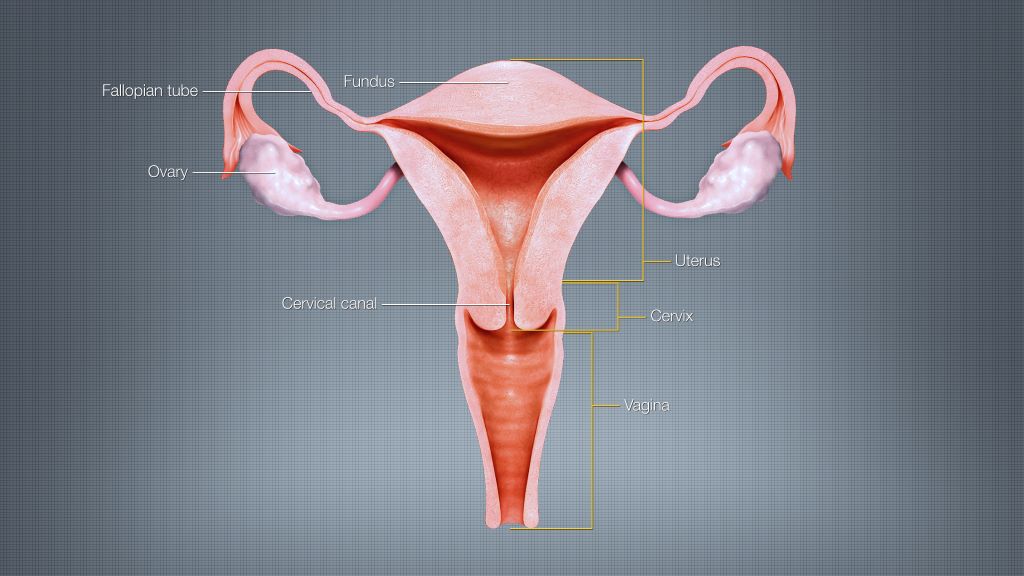
New research from McMaster kinesiologists is challenging the internet belief that timing resistance training to specific phases of the menstrual cycle boosts the body’s ability to build muscle and strength.
The researchers have shown that exercising at various points in the cycle had no impact — positive or negative — on the synthesis of new muscle proteins, a process essential to building and maintaining muscle.
The results, published in the print edition of the Journal of Physiology, debunk the popularly touted practice of cycle syncing, or tailoring workouts to align with the way hormones change throughout a woman’s menstrual cycle.
“Our findings conflict with the popular notion that there is some kind of hormonal advantage to performing different exercises in each phase,” explains Lauren Colenso-Semple, lead author of the study and a former graduate student in the Department of Kinesiology, who conducted the work while at McMaster.
“We saw no differences, regardless of cycle timing.”
For the study, researchers monitored the menstrual cycles of participants — all healthy young women — for three months to confirm their cycles were normal. Contrary to popular belief, only a small percentage of women — about 12 per cent — have a consistent 28-day cycle and ovulate regularly on Day 14 or the “textbook” menstrual cycle.
Participants then ingested a tracer molecule, a benign substance designed to track and monitor muscle protein levels. They performed heavy resistance exercise during two distinct phases of their menstrual cycles: the follicular phase, when estrogen levels are at their peak; and the luteal phase, characterized by peak progesterone levels.
Researchers observed no effect of either menstrual cycle phase on the production of muscle proteins.
Cycle syncing has been made popular by internet influencers to coordinate workouts, certain diets and lifestyle behaviours with the menstrual cycle.
There are fitness apps for tracking cycles, and social media channels are rife with advice and recommendations.
Proponents routinely cite a handful of scientific studies on animals as evidence that fluctuations in ovarian hormones can affect how human muscles respond to exercise, but this study shows that not to be correct.
“Our work shows that women who want to lift weights and recondition their muscles should feel free to do so in any phase of their cycle. There is no physiological difference in response to the exercise,” says Stuart Phillips, the Canada Research Chair in Skeletal Muscle Health at McMaster who supervised the study.
“It is important to tailor your training to how you feel.”
Scientists highlight the need for further research, particularly studies that focus on women’s health. This includes investigating how training, in relation to the menstrual cycle, affects women and how both oral and non-oral contraceptives influence their responses to exercise.
Tattoo ink does not just stay under the skin – some of it makes its way into the lymph nodes. Researchers from the Department of Public Health and the Department of Clinical Research at the University of Southern Denmark (SDU), together with the University of Helsinki, have investigated whether this could have health consequences. Using data from Danish twin pairs, they found that tattooed individuals are more frequently diagnosed with skin and lymphoma cancers compared to those without tattoos.
Ink particles in the body may affect the immune system
When tattoo ink penetrates the skin, some of it is absorbed into the lymph nodes, a key part of the immune system. The researchers are particularly concerned that tattoo ink may trigger chronic inflammation in the lymph nodes, which over time could lead to abnormal cell growth and an increased risk of cancer.
“We can see that ink particles accumulate in the lymph nodes, and we suspect that the body perceives them as foreign substances,” explains Henrik Frederiksen, consultant in haematology at Odense University Hospital and clinical professor at SDU.
“This may mean that the immune system is constantly trying to respond to the ink, and we do not yet know whether this persistent strain could weaken the function of the lymph nodes or have other health consequences.”
Studying this link is challenging because cancer can take years to develop. This means that exposure in youth may not lead to illness until decades later, making it difficult to measure a direct effect.
Twin data provides a unique opportunity to study the link
The study is based on data from the Danish Twin Tattoo Cohort, where researchers have information from more than 5900 Danish twins. By analysing tattoo patterns alongside cancer diagnoses, they found a higher occurrence of both skin and lymphoma cancers in tattooed individuals.
“The unique aspect of our approach is that we can compare twin pairs where one has cancer, but they otherwise share many genetic and environmental factors,” says Jacob von Bornemann Hjelmborg, professor of biostatistics at SDU.
“This provides us with a stronger method for investigating whether tattoos themselves may influence cancer risk.”
The size of tattoos matters
The results show that the link between tattoos and cancer is most evident in those with large tattoos – defined as bigger than a palm.
For lymphoma, the rate is nearly three times higher for the group of individuals with large tattoos compared to those without tattoos. This rate (more specifically, ‘hazard rate’) accounts for age, the timing of the tattoo, and how long the individuals have been followed in the study.
“This suggests that the bigger the tattoo and the longer it has been there, the more ink accumulates in the lymph nodes. The extent of the impact on the immune system should be further investigated so that we can better understand the mechanisms at play,” says Signe Bedsted Clemmensen, assistant professor of biostatistics at SDU.
Another study from the Danish Twin Tattoo Cohort shows that tattoos are becoming increasingly common. Researchers estimate that four in ten women and three in ten men will have tattoos by the age of 25.
The link to lymphoma has also been observed in an independent Swedish study from 2024.
Are some ink colours worse than others?
Previous research has suggested that certain pigments in tattoo ink may be more problematic than others.
“In our study, we do not see a clear link between cancer occurrence and specific ink colours, but this does not mean that colour is irrelevant. We know from other studies that ink can contain potentially harmful substances, and for example, red ink more often causes allergic reactions. This is an area we would like to explore further,” says Signe Bedsted Clemmensen.
What are the next steps?
The researchers now plan to investigate how ink particles affect the function of lymph nodes at a molecular level and whether certain types of lymphoma are more linked to tattoos than others.
“We want to gain a better understanding of the biological mechanisms – what happens in the lymph nodes when they are exposed to ink particles over decades? This can help us assess whether there is a real health risk and what we might do to reduce it,” concludes Signe Bedsted Clemmensen.
Six out of every ten people globally lack access to safe medical oxygen, resulting in hundreds of thousands of preventable deaths each year and reducing quality of life for millions more, an international report co-authored by the University of Auckland has found.
Associate Professor Stephen Howie from the University’s Faculty of Medical and Health Sciences (FMHS) was an adviser to the Lancet Global Health Commission on Medical Oxygen Security and co-author of its report Reducing global inequities in medical oxygen access released 18 February.
A key finding shows global access to medical oxygen is highly inequitable. Five billion people, mostly from low and middle-income countries don’t have access to safe, quality, affordable medical oxygen.
Associate Professor Howie, child health researcher and a specialist paediatrician says he hopes further lives will be saved because of this work, and that children and adults will not only survive but thrive.
The Auckland University team are leading the field to improve access to medical oxygen. Howie recently gave a plenary address at the World Lung Health Conference in Bali, spelling out the challenges and opportunities to tackle the global issue.
“I have been working in the area of oxygen treatment for oxygen-starved (hypoxic) illnesses for two decades, particularly in Africa and the Pacific. My first priority was children (naturally, as a paediatrician) but we learnt soon enough that solving the problem has to involve catering for all ages.
“It is such an obvious need. I saw it at the hospitals I worked at in Africa where needless death from diseases like pneumonia happened because oxygen supplies were short, and this hit families and staff very hard. It was at that time that we made it our goal that ‘no child should die for lack of oxygen’ and this applies to adults too.”
Fiji was particularly hard hit when the first waves of the COVID-19 pandemic arrived, at one point it had the highest rate of COVID-19 in the world. A close partnership between the Fiji Ministry of Health, the University of Auckland, Cure Kids and Fiji National University, funded by New Zealand MFAT and other donors, played an important role in supporting the pandemic response says Howie.
I saw it at the hospitals I worked at in Africa where needless death from diseases like pneumonia happened because oxygen supplies were short, and this hit families and staff very hard. It was at that time that we made it our goal that ‘no child should die for lack of oxygen’ and this applies to adults too.
Associate Professor Stephen Howie Waipapa Taumata Rau, University of Auckland, Faculty of Medicine and Health Sciences
Dr Sainimere Boladuadua is Lancet Commission’s Western Pacific Region ambassador
On the ground during that time was Dr Sainimere Boladuadua, a public health medicine specialist, now a doctoral student at the University of Auckland and currently undertaking a Fulbright fellowship at Johns Hopkins University in Baltimore.
Boladuadua (Somosomo, Cakaudrove, vasu i Levuka-i-Yale, Kadavu/Fiji) also has the honour of being the Lancet Commission’s Western Pacific Region ambassador and will spearhead advocacy for improving access to medical oxygen in the region.
“I remember those days, the adrenalin was pumping and it was scary. It was very difficult before the vaccine arrived. We had very little sleep trying to get everything set up,” she says recalling the period of the country organising itself and the national response which included setting up field hospitals.
Boladuadua met Howie in Fiji where he helped to lead the Fiji Oxygen Project, supporting the vital work of health leaders like Dr Luke Nasedra and Dr Eric Rafai.
“The project was just doing exactly this, trying to improve and ensure that all the health facilities had access to medical oxygen, facilities to deliver them. That no child or adult should die for lack of oxygen, and it’s such a simple medical therapy that you expect to be available but often it isn’t, says Boladuadua.
“The reality was rural health facilities sometimes had to ration the oxygen. You have a limited supply, the cylinders that come in every month you have your quota, and if you run out then sometimes you have to prioritize who gets it, who doesn’t. Which is just so heartbreaking.”
The Fiji Ministry of Health, supported by the project, was in the midst of covering those gaps when COVID hit, and Boladuadua says the one silver lining was that it shone a light on the gaps, putting the issue on the radar.
“You saw the images around the world, hospitals running out of oxygen in India, family members hauling oxygen cylinders on motorcycles. I guess that made it really come up to the forefront.”
This was the entry point for Boladudua to start work on her doctoral studies at the University with Howie as her primary academic supervisor, and unsurprisingly her PhD has a focus closely related to her previous work.
“My research question is how to improve access to care for children with acute respiratory infections in Fiji and obviously links to the supply of oxygen as well.”
She says respiratory conditions are rising and pneumonia is still one of the leading causes of death and disease particularly in under five year-olds across the Pacific and even in New Zealand.
“Within New Zealand, our Pacific children experience a larger acute respiratory burden than children of any other ethnic group.”
Boladuadua says she’s grateful to Professor Cameron Grant, Head of Paediatrics, Child & Youth Health at FMHS who encouraged her to apply for the Fulbright Scholarship. As well as support from her friends, doctoral candidates Alehandrea Manuel (who has since completed her PhD) and Ashlea Gillon.
“Professor Grant was a Fulbright scholar 30 years ago and he said it would be life changing, and it has been in so many ways,” she says of working closely with the team at Johns Hopkins and the opportunities presented such as the lecture she’s been asked to present next month at the School of Public Health: ‘Decolonising Global Health – a Pacific perspective’.
“What appealed to me was they had a Centre for Indigenous Health that worked very closely with Native American communities. And although Johns Hopkins is in Baltimore, their work is very much within the communities themselves, in the tribal lands of the Navajo and White Mountain Apache peoples in the Southwest of the US.
“They’ve got sites in all these communities and the staff – data collectors, researchers, the research nurses and everyone in those teams, the majority are Native American. So it’s about responding to their health needs and also building local capacity.”
Learning how the Indian Health System has accommodated traditional medicine has inspired Boladuadua and she’s brimming with ideas that she’s eager to bring back to Aotearoa later this year when she returns.
“I wanted to see how you can use traditional knowledge and practices with western knowledge, I wanted to learn how that happened. They’re just doing it so beautifully here. I am learning so much and it has been life changing with all the different perspectives, exposure and the incredible people I’m able to work with.”
A novel tool for rapidly identifying the genetic “fingerprints” of cancer cells may enable future surgeons to more accurately remove brain tumours while a patient is in the operating room, new research reveals. Many cancer types can be identified by certain mutations, changes in the instructions encoded in the DNA of the abnormal cells.
Led by a research team from NYU Langone Health, the new study describes the development of Ultra-Rapid droplet digital PCR, or UR-ddPCR, which the team found can measure the level of tumour cells in a tissue sample in only 15 minutes while also being able to detect small numbers of cancer cells (as few as five cells/mm2).
The researchers say their tool is fast and accurate enough, at least in initial tests on brain tissue samples, to become the first practical tool of its kind for detecting cancer cells directly using mutations in real time during brain surgery.
The researchers showed that UR-ddPCR had markedly faster processing speed than standard droplet digital polymerase chain reaction (ddPCR). Standard ddPCR can accurately quantify tumor cells, but it typically takes several hours to produce a result, making it impractical as a surgical guide.
“For many cancers, such as tumors in the brain, the success of cancer surgery and preventing the cancer’s return is predicated on removing as much of the tumor and surrounding cancer cells as is safely possible,” said study co-senior study investigator and neurosurgeon Daniel A. Orringer, MD.
“With Ultra-Rapid droplet digital PCR, surgeons may now be able to determine what cells are cancerous and how many of these cancer cells are present in any particular tissue region at a level of accuracy that has never before been possible,” said Dr Orringer.
Published in the journal Med, the study showed that UR-ddPCR produced the same results as standard ddPCR and genetic sequencing in more than 75 tissue samples from 22 patients at NYU Langone undergoing surgery to remove glioma tumours. Results from UR-ddPCR were also checked against known samples with cancer cells and samples without any cancer.
“Our study shows that Ultra-Rapid droplet digital PCR could be a fast and efficient tool for making a molecular diagnosis during surgery for brain cancer, and it has potential to also be used for cancers outside the brain,” said senior study investigator Gilad Evrony, MD, PhD.
To develop UR-ddPCR, researchers looked for efficiencies in each of the steps involved in standard ddPCR. The team shortened the time needed to extract DNA from tumour samples from 30 minutes to less than 5 minutes in a manner that is still compatible with subsequent ddPCR. The researchers also found efficiencies by increasing the concentrations of the chemicals used in testing, reducing the overall time needed for some steps from two hours to less than three minutes. Time savings were also achieved by using reaction vessels prewarmed to each of the two temperatures required by the PCR rather than repeatedly cycling the temperature of a single reaction vessel between two temperatures.
For the study, researchers used UR-ddPCR to measure the levels of two genetic mutations, IDH1 R132H and BRAF V600E, which are prevalent in brain cancers. They combined UR-ddPCR with another technique the researchers developed earlier, called stimulated Raman histology, to calculate both the fraction and the density of tumour cells within each tissue sample.
Researchers caution that widespread use of the tool awaits further refinements and clinical trials. They say their next step is to automate UR-ddPCR to make it faster and simpler to use in the operating room. Subsequent clinical trials will be necessary to compare patient outcomes using their tool compared to current diagnostic technologies. They also plan to develop the technology to identify other common genetic mutations for other cancer types.
A decade of studies from labs around the world provide a growing evidence base that increasing the power of the brain’s gamma rhythms could help fight Alzheimer’s, and perhaps other, neurological diseases.
Source: Pixabay
A decade after scientists in The Picower Institute for Learning and Memory at MIT first began testing whether sensory stimulation of the brain’s 40Hz “gamma” frequency rhythms could treat Alzheimer’s disease in mice, a growing evidence base supporting the idea that it can improve brain health – in humans as well as animals – has emerged from the work of labs all over the world. A new review article in PLOS Biology describes the state of research so far and presents some of the fundamental and clinical questions at the forefront of the non-invasive gamma stimulation now.
“As we’ve made all our observations, many other people in the field have published results that are very consistent,” said Li-Huei Tsai, Picower Professor at MIT, director of MIT’s Aging Brain Initiative, and senior author of the new review with postdoc Jung Park. “People have used many different ways to induce gamma including sensory stimulation, transcranial alternating current stimulation or transcranial magnetic stimulation, but the key is delivering stimulation at 40 Hz. They all see beneficial effects.”
A decade of discovery at MIT
Starting with a paper in Nature in 2016, a collaboration led by Tsai has produced a series of studies showing that 40Hz stimulation via light, sound, a combination of the two, or tactile vibration reduces hallmarks of Alzheimer’s pathology such as amyloid and tau proteins, prevents neuron death, decreases synapse loss, and sustains memory and cognition in various Alzheimer’s mouse models. The collaboration’s investigations of the underlying mechanisms that produce these benefits has so far identified specific cellular and molecular responses in many brain cell types including neurons, microglia, astrocytes, oligodendrocytes and the brain’s blood vessels. Last year, for instance, the lab reported in Nature that 40Hz audio and visual stimulation induced interneurons in mice to increase release of the peptide VIP, prompting increased clearance of amyloid from brain tissue via the brain’s glymphatic “plumbing” system.
Meanwhile, at MIT and at the MIT spinoff company Cognito Therapeutics, phase II clinical studies have shown that people with Alzheimer’s exposed to 40Hz light and sound experienced a significant slowing of brain atrophy and improvements on some cognitive measures compared to untreated controls. Cognito, which has also measured significant preservation of white matter in volunteers, has been conducting a pivotal, nationwide phase III clinical trial of sensory gamma stimulation for more than a year.
“Neuroscientists often lament that it is a great time to have AD if you are a mouse,” Park and Tsai wrote in the review. “Our ultimate goal, therefore, is to translate GENUS discoveries into a safe, accessible, and non-invasive therapy for AD patients.” The MIT team often refers to 40Hz stimulation as “GENUS” for Gamma Entrainment Using Sensory Stimulation.
A growing field
As Tsai’s collaboration, which includes MIT colleagues Edward Boyden and Emery N. Brown, has published its results, many other labs have produced studies adding to the evidence that various methods of non-invasive gamma sensory stimulation can combat Alzheimer’s pathology. Among many examples cited in the new review, in 2024 a research team in China independently corroborated that 40Hz sensory stimulation increases glymphatic fluid flows in mice. In another example, a Harvard Medical School-based team in 2022 showed that 40Hz gamma stimulation using Transcranial Alternating Current Stimulation significantly reduced the burden of tau in three out of four human volunteers. And in another study involving more than 100 people, researchers in Scotland in 2023 used audio and visual gamma stimulation (at 37.5Hz) to improve memory recall.
Open questions
Amid the growing number of publications describing preclinical studies with mice and clinical trials with people, open questions remain, Tsai and Park acknowledge. The MIT team and others are still exploring the cellular and molecular mechanisms that underlie GENUS’s effects. Tsai said her lab is looking at other neuropeptide and neuromodulatory systems to better understand the cascade of events linking sensory stimulation to the observed cellular responses. Meanwhile the nature of how some cells, such as microglia, respond to gamma stimulation and how that affects pathology remains unclear, Tsai added.
Even with a national Phase III clinical trial underway, it is still important to investigate these fundamental mechanisms, Tsai said, because new insights into how non-invasive gamma stimulation affects the brain could improve and expand its therapeutic potential.
“The more we understand the mechanisms, the more we will have good ideas about how to further optimize the treatment,” Tsai said. “And the more we understand its action and the circuits it affects, the more we will know beyond Alzheimer’s disease what other neurological disorders will benefit from this.”
Indeed the review points to studies at MIT and other institutions providing at least some evidence that GENUS might be able to help with Parkinson’s disease, stroke, anxiety, epilepsy, and the cognitive side effects of chemotherapy and conditions that reduce myelin such as multiple sclerosis. Tsai’s lab has been studying whether it can help with Down syndrome as well.
The open questions may help define the next decade of GENUS research.
The varicella zoster virus (VZV), an infectious virus from the herpes virus family, is primarily known to cause varicella in children and shingles in adults. But lately, this virus has also been reported to trigger severe complications like central nervous system (CNS) infections. Researchers from Fujita Health University, Japan, conducted a comprehensive study spanning 10 years (2013–2022), to identify the VZV-related infections affecting the CNS. Their study reveals a marked increase in adult VZV-related CNS infections, particularly since 2019. The findings were published in the journalEmerging Infectious Diseases.
The study was led by Professor Tetsushi Yoshikawa, along with Hiroki Miura and Ayami Yoshikane from the Department of Pediatrics, Fujita Health University School of Medicine. The researchers analysed cerebrospinal fluid samples of 615 adult patients with suspected CNS infections. VZV DNA was most frequently detected in these patients, with its presence in 10.2% of the cases, and aseptic meningitis being the most common infection.
The data from 2019 to 2022 revealed that there was a noticeable rise in VZV DNA-positive cases, forming a distinct temporal cluster during this period. Professor Yoshikawa highlighted the results of the patient demographic analysis, reporting that “the proportion of aseptic meningitis increased from 50% between 2013 and 2018 to 86.8% between 2019 and 2022.” He further adds, “Similar to the rise in herpes zoster cases through VZV reactivation in the elderly, we believe this increase is also linked to VZV reactivation.”
The universal varicella vaccination, introduced in Japan in 2014, has reduced the natural booster effects from re-exposure to the virus. This potentially accelerates the immunity decline, leading to VZV reactivation, especially in cases like shingles. The researchers highlight the connection between the vaccination and the current scenario, saying, “The increase in VZV-induced CNS infections coincides with changes in varicella vaccination programs and emphasises the need for better preventive strategies.”
Furthermore, the researchers examined trends in VZV-induced CNS infection throughout the observation period using Kulldorff’s circular spatial scan statistics. As a result, it was confirmed that there was an accumulation of VZV-related CNS infections from 2019 to 2022. Although no direct causation was established, six patients did develop CNS infections after receiving COVID-19 vaccines.
“Further studies are needed to understand these interactions,” Yoshikawa notes. None of the eligible patients in this study had received the zoster vaccine, which was introduced in Japan in 2016. Increasing the number of VZV-related CNS infections underscores the importance of zoster vaccination in adults.
The research team stresses the broader implications of their findings, stating that the reactivation of VZV in the CNS is linked to an increased risk of dementia, including Alzheimer’s disease. They hypothesize, “If the prevention of VZV-related aseptic meningitis through herpes zoster vaccination is possible, these vaccinations could play a pivotal role in mitigating these risks of dementia.”
To address the growing concern, the research team advocates expanding public health initiatives to promote zoster vaccination among at-risk populations. “Our research underscores the necessity of proactive measures to prevent not just shingles, but also severe neurological complications associated with VZV,” explains Yoshikawa.
With the rise of the aging population and CNS infections, the study calls for urgent action to evaluate and implement comprehensive vaccination strategies to prevent CNS infections in the future.
Obesity rates are set to skyrocket, with one in six children and adolescents worldwide forecast to be obese by 2050, according to a new study. But with significant increases predicted within the next five years, the researchers stress urgent action now could turn the tide on the public health crisis.
The research, led by Murdoch Children’s Research Institute (MCRI) and published in The Lancet, found a third of children and adolescents will be overweight (385 million) or obese (360 million) within the next 25 years. The forecast equates to 356 million children aged 5–14 years and 390 million aged 15–24 years with one in six facing obesity.
The global obesity rate for those between 5-24 years old tripled from 1990 to 2021, rising by 244 per cent to 174 million, suggesting that current approaches to curbing increases in obesity have failed a generation of young people. As of 2021, 493 million children and adolescents were overweight or obese.
MCRI Dr Jessica Kerr said if immediate five-year action plans were not developed, the future was bleak for our youth.
“Children and adolescents remain a vulnerable population within the obesity epidemic,” she said, adding that obesity drives a whole range of diseases. Prevention is key as obesity rarely resolves after adolescence.
“Despite these findings indicating monumental societal failures and a lack of coordinated global action across the entire developmental window to reduce obesity, our results provide optimism that this trajectory can be avoided if action comes before 2030.”
The United Arab Emirates, Cook Islands, Nauru and Tonga are forecast to have the highest prevalence while China, Egypt, India and the US will have the greatest number of children and adolescents with obesity by 2050.
In Australia, children and adolescents have experienced some of the fastest transitions to obesity in the world. Girls are already more likely to be obese than overweight. Overall, by 2050 for those aged 5-24 years, 2.2 million are forecasted to be obese and 1.6 million overweight.
Globally, there will be more boys, 5–14 years, with obesity than being overweight by 2050.
“Without urgent policy reform, the transition to obesity will be particularly rapid in north Africa, the Middle East, Latin America and in the Caribbean, where the rise is concurrent with high population numbers and limited resources,” Dr Kerr said.
“Many regions have historically had to focus on preventing undernutrition and stunting in children. To prevent a public health emergency from this newer threat, an immediate imperative should be creating national surveillance surveys of obesity in children and adolescents in every country.”
Dr Kerr said older adolescent girls, aged 15-24 years entering their reproductive years, were a priority population for intervention.
“Adolescent girls who are obese are a main focus if we are to avoid intergenerational transmission of obesity, chronic conditions and the dire financial and societal costs across future generations,” she said.
“With this age group increasingly being out of school and cared for by adult services, we need to focus interventions at the community and commercial level.”
Researchers at the University of Liverpool have conducted a large-scale analysis that sheds light on the critical steps needed to combat the vertical transmission of chronic hepatitis B virus (HBV) in Africa.
Almost two thirds of all new hepatitis B infections globally occur in Africa. The newly published paper in The Lancet Global Health shows the importance of giving the hepatitis B birth dose vaccine (HepB-BD) within 24 hours of birth, and the potential impact of providing antiviral therapy (antiviral prophylaxis) to mothers during pregnancy. The study estimates for the first time that hepatitis B vertical transmission (passed from mother to baby) could be eliminated in Africa, with increased coverage of these two key interventions.
Chronic hepatitis B is the leading cause of liver cancer and liver cirrhosis in Africa and deaths are rising. Most cases of liver cancer are diagnosed late and are associated with a very poor prognosis in the region. Vertical transmission is one of the commonest routes of infection and is associated with an increased lifetime risk of severe liver disease.
Dr Alexander Stockdale, Senior Clinical Lecturer at the University’s Department of Clinical Infection, Microbiology and Immunology, based at the Malawi-Liverpool-Wellcome Trust Clinical Research Programme, together with Dr Nicholas Riches at Liverpool School of Tropical Medicine, led the comprehensive analysis of more than 113 individual studies which reported on the prevalence of hepatitis B in more than 190 000 women and investigated rates of vertical transmission.
The World Health Organization (WHO) African region faces a significant burden, accounting for 63% of the global total of new infections. This amounted to 771 000 new infections and 272 000 deaths in 2022. Among children under 5 years, the prevalence of HBV stands at 2.5% in the WHO African region – the highest globally.
Dr Alexander Stockdale said: “This study makes the case for investment in birth dose vaccination and maternal antiviral prophylaxis, in view of the exciting potential for elimination of vertical transmission in the WHO African region in our lifetime. Vertical transmission is a key route of new hepatitis B infections. Due to limited implementation of interventions, elimination targets are not currently being met. We project that expanding HepB-BD vaccination coverage to 90% could reduce transmission events by 44%, and adding maternal antiviral prophylaxis for 90% of eligible women could further reduce transmission by 86% and achieve the WHO targets for elimination.”
Dr Stockdale and colleagues have also recently been awarded £3million funding from the National Institute of Health and Care Research to conduct implementation research in Malawi and The Gambia. The NIHR Global Health Research Grant will allow researchers in Malawi, led by Dr Stockdale and in The Gambia, led by Professor Maud Lemoine and Dr Gibril Ndow, to evaluate the effectiveness, safety, feasibility and cost-effectiveness of giving antiviral treatment (tenofovir) to all pregnant women living with chronic hepatitis B to prevent transmission. This study will provide vital evidence on the potential impact of this strategy to guide public health policy in Africa, which has been recognised as a key knowledge gap by the WHO in the 2024 hepatitis B guidelines.
Cocaine use disorder casts a long shadow, trapping individuals in a cycle of dependence and leaving limited options for effective treatment. A new study in Science Advances delves deep into the brain, offering crucial insights into the underlying mechanisms of this complex disorder. By understanding how this intricate circuitry functions, scientists can pave the way for the development of more effective therapies, offering new hope to those struggling with this debilitating disorder.
At the heart of this discovery lies the role of glucagon-like peptide-1 (GLP-1), a hormone known for its involvement in regulating food intake and blood sugar. The study reveals that chronic cocaine use is associated with reduced GLP-1 levels, effects that suggest that increasing central GLP-1 signalling could reduce cocaine seeking.
Further investigation pinpointed a specific brain circuit: GLP-1-producing neurons in the nucleus tractus solitarius (NTS) that project to the ventral tegmental area (VTA), a key brain region involved in reward and motivation. By manipulating this circuit, researchers were able to significantly reduce cocaine-seeking behavior in animal models.
The study also sheds light on the specific cells involved. GLP-1 receptors were found to be primarily located on GABA neurons within the VTA. GABA, an inhibitory neurotransmitter, plays a crucial role in regulating brain activity. Importantly, activating these GLP-1 receptors increases the activity of GABA neurons, which in turn reduces the activity of dopamine neurons, a key neurotransmitter involved in reward and addiction.
“This research provides exciting new insights into the brain mechanisms underlying cocaine seeking,” said Schmidt, the Killebrew-Censits Chair of Undergraduate Education and a Professor of Neuroscience and Pharmacology in the Department of Biobehavioral Health Sciences. “By understanding how GLP-1 signaling influences brain activity in this context, we can potentially develop new GLP-1-based treatments to treat cocaine use disorder.”
This research opens a new chapter in the fight against cocaine use disorder. The findings offer a promising avenue for developing innovative therapies that target this critical brain circuit, potentially offering a lifeline to individuals struggling to break free from the grip of this devastating disorder.
Menopause, driven by ovarian aging and the depletion of ovarian reserve, marks the end of a woman’s fertility, and while many aspects of these processes are well understood, the overall dynamics remain unclear. A new study from Rice University researchers, published inBiophysical Journal, introduces a novel approach to unravelling the complex patterns of ovarian aging using stochastic analysis, a mathematical approach that examines systems by evaluating all potential outcomes using random probability.
Led by Anatoly Kolomeisky, professor of chemistry and chemical and biomolecular engineering, the research team has developed a theoretical framework that quantitatively predicts menopause timing. By analysing how ovarian follicles transition through different stages, the researchers’ model explains why menopause occurs and sheds light on individual variability and cross-population differences. These insights could improve fertility planning, inform health care decisions related to hormonal therapies and enhance our understanding of age-related health risks associated with ovarian aging.
“By considering menopause as a sequential process involving random transitions of follicles, we can better understand individual variability and population-wide trends in menopause timing,” Kolomeisky said.
A new theoretical model unlocks the mystery of menopause
The research team hypothesised that ovarian aging follows a stochastic sequential process influenced by follicles transitioning through multiple developmental stages. Unlike previous studies focusing primarily on hormonal and genetic influences, this study employed explicit analytical calculations supported by extensive computer simulations.
The approach allowed researchers to model the gradual depletion of ovarian follicle reserves, providing a detailed quantitative framework that aligns with medical data from diverse populations.
“By applying stochastic analysis, we can move beyond broad observations and develop precise, predictive insights into menopause timing and variability,” Kolomeisky said.
Key findings uncover menopause timing
The researchers discovered a universal relationship between three critical factors: the initial follicle reserve, the rate of ovarian depletion and the threshold that triggers menopause. Their model also revealed that menopause occurs within a surprisingly narrow age range, a phenomenon that had not yet been fully explained.
“One of the most unexpected findings was the synchronisation of follicular transitions, which may regulate the timing of menopause,” Kolomeisky said. “This suggests that underlying biochemical processes ensure a relatively consistent age of menopause despite individual variations.”