Category: Uncategorized

Young COVID Patients Talk About Their Experiences

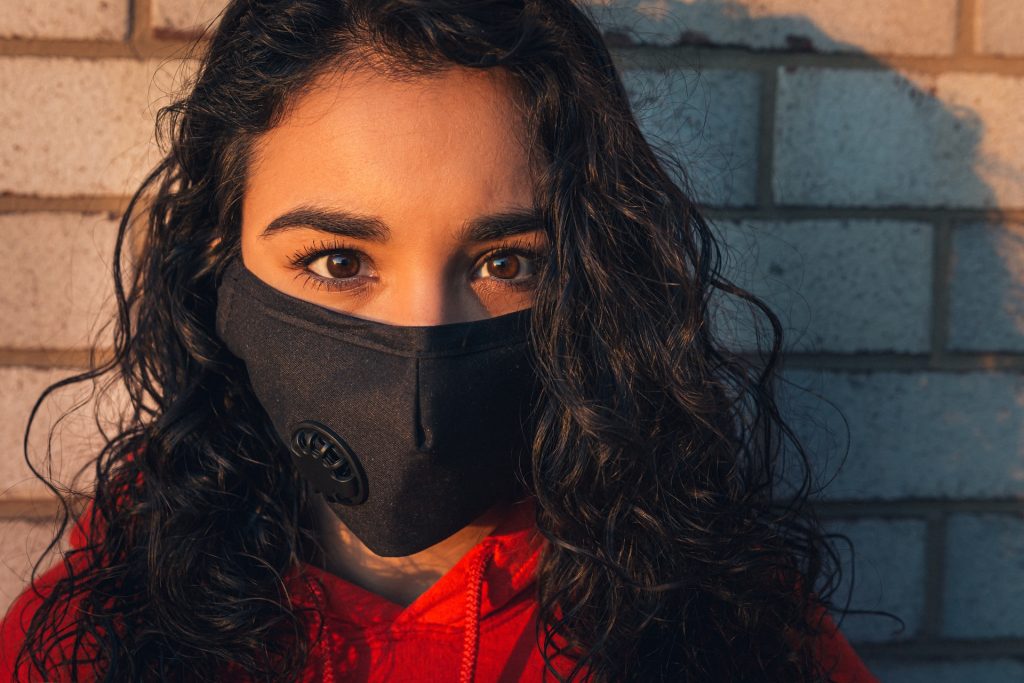
Photo by Gayatri Malhotra on Unsplash

To encourage young people to get vaccinated, the UK government has released a video in which young COVID patients tell their stories of battling the virus and suffering long-term debilitating effects.

The video features several patients who experienced serious symptoms of COVID or developed long COVID, as well as the doctors and frontline staff who treated them, to warn of the dangers of the virus for those who are not vaccinated. It is narrated by Dr Emeka Okorocha.

It comes as people aged 16 to 17 in England are offered a COVID vaccine, and all at-risk people aged 12 to 15 in England are also invited for a vaccination. Young people are being encouraged to take up the offer as soon as possible to build vital protection before returning to school in September.

A fifth of COVID hospital admissions in England are aged 18 to 34 – 4 times higher than the peak in the winter of 2020.

The patients who feature in the new short film have issued a rallying call: young people should take up the vaccine to avoid suffering a similar fate.

After putting off the vaccine, Quincy Dwamena, a 31-year-old videographer and support worker spent 2 weeks in hospital with COVID. He said: “I’m a healthy, young guy. I went to the gym often and have no underlying health concerns. I put off getting the vaccine because I thought the way I was living my life would mean there would be little to no chance of me catching the virus, or it would have little effect.

“But I ended up being hospitalised and thought I was going to die. My advice is to get the vaccine: don’t put yourself and others at risk, I wish I’d got mine as soon as it was offered.”

Ella Harwood, a 23-year-old illustrator from London, said:

I’m young and fit but I was bed-bound for 7 months with COVID-19. Before I caught the virus, I was super active and had no health concerns, but I now suffer with asthma which I didn’t have before and a number of allergies.

I fear I’ll never be the same again but I’m making progress and I’m very grateful that I’m still alive. Please get vaccinated if you haven’t already.

People aged 16 and 17 are able to get vaccinated at one of more than 800 GP-led local vaccination sites and NHS England has launched an online walk-in site finder to help this age group locate the nearest available centre. Further sites will come online over the coming days and weeks.

In the UK, 87.5% of people have received their first dose, and 76.3% have received their second. The interviews were filmed in London, where uptake among under 30s is lowest.

According to data from Public Health England, the highest COVID case rates are among 20 to 29-year-olds with a case rate of 670.7 cases per 100 000 people. Additionally, 6.3% of people aged 16 to 29 have had long COVID, higher than the national average. Many of these have said long COVID has had a major impact on their lives, especially the ability to exercise, work, and maintain relationships.

TV doctor and emergency medicine physician, Dr Emeka Okorocha said:

“As an A&E doctor, I’ve seen a lot during the pandemic. But nothing has shaken me like the sight of young, otherwise healthy adults, being rushed into our hospitals with COVID.

“As well as their age, many of them have 1 other thing in common, they are unvaccinated. Vaccines truly are the way out of this pandemic and are the best way to protect everyone from the virus, so please get your vaccine.”

Alongside Dr Emeka and patients, the film features interviews with the frontline workers who have been treating young COVID-19 patients.

Vaccines Minister Nadhim Zahawi said: “There is no doubt the COVID vaccination programme is having a major impact, keeping around 82 100 people out of hospital and saving an estimated 95 200 lives in England.

“But we are seeing more unvaccinated young people in hospital now than ever before. Please don’t delay – get your jabs to avoid a similar fate to these brave people who have shared their stories.”

Source: United Kingdom Government

COVID Eradication is Tough but not Impossible, Study Shows

Image by Ivan Diaz on Unsplash

A new analysis shows that the global eradication of COVID is tough but theoretically more feasible than for polio and less so than it was for smallpox.

The article in BMJ Global Health ranked the feasibility of eradicating the three diseases based on technical, socio-political and economic factors.

Smallpox, which was declared eradicated in 1980, had the highest average score for eradication feasibility. It had an average score of 2.7 on a three-point scale across 17 variables.  COVID had an average score of 1.6 which was close to polio’s average score of 1.5.

Professor Nick Wilson from the University of Otago said that their analysis shows COVID’s eradication is feasible.

Vaccination programmes, public health measures and the global interest in combating the disease together contribute to making eradication possible.

“Elimination of COVID-19 at the country level has been achieved and sustained for long periods in various parts of the Asia Pacific region, which suggests that global eradication is possible.”

Vaccination programmes eradicated smallpox and two of the three serotypes of poliovirus, while other diseases are close to eradication. China recently became the 40th country to be certified malaria-free.

In ranking the feasibility of eradication for the three diseases, the researchers incorporated factors including the availability of safe and effective vaccines, the possibility of lifelong immunity, the impact of public health measures, effective infection control messaging by governments, political and public concern about the infection and public acceptance of infection control measures.

While there has been a focus on the need to reach herd immunity to overcome COVID, population immunity may not be essential to combat the disease, as smallpox was eradicated through ring-vaccination programmes which target the contacts of those infected.

The challenges of eradicating COVID relative to smallpox and polio include poor vaccine acceptance in some countries and the emergence of variants of the pandemic virus that may be more transmissible or able to evade the protection from vaccines.

But Professor Wilson said eventually the virus will be reach the limit of more infectious mutations, and so new vaccines will likely be formulated to deal with evolving strains of the disease.

Other obstacles includedthe cost of global vaccination and upgrading health systems, and achieving international cooperation in the face of aggressive anti-science movements and vaccine nationalism.

Professor Wilson says while the virus may infect animal populations, they will note likely hamper eradication.

“Wild animal infections with SARS-CoV-2 appear to be fairly rare to date and when companion animals become infected, they don’t appear to reinfect humans.”

A co-author of the article, Professor Michael Baker from the University’s Department of Public Health, says global concern about the pandemic could be tapped.

“The massive scale of the health, social and economic impacts of COVID-19 in most of the world has generated unprecedented global interest in disease control and massive investment in vaccination programmes.

“Unlike smallpox and polio, control of COVID-19 also benefits from the added impact of public health measures, such as border controls, social distancing, contact tracing and mask wearing, which can be very effective if well deployed.”

Professor Baker says upgrading health systems to target COVID-19 could also help to control other diseases, and could even aid in eradicating measles.

“When all factors are taken into account, it could be that the benefits of eradicating COVID-19 outweigh the costs, even if eradication takes many years and has a significant risk of failure.”

This work is preliminary, the researchers cautioned.

“The World Health Organization or a coalition of national agencies working collaboratively needs to formally review the feasibility and desirability of attempting COVID-19 eradication on a global basis,” Professor Baker says.

The researchers noted it is important to distinguish between eradication of infection, ie the permanent reduction to zero of the worldwide incidence of infection caused by a specific agent as a result of deliberate efforts; and elimination, ie the reduction to zero of the incidence of infection caused by a specific agent in a defined geographical area as a result of deliberate efforts.

COVID elimination has been reached and sustained for long periods in a number of jurisdictions in the Asia-Pacific region (notably China, Hong Kong, Taiwan, Australia and New Zealand), demonstrating that global eradication is technically possible.

Source: EurekAlert!

Helping People With Depression Quit Smoking can Save Lives

Source: Sabine R on Unsplash

Giving the means to quit smoking to patients with depression could save as many as 125 000 lives over the next 80 years, researchers estimate. This number could be as high as 203 000 if people with depression who are not yet in mental health care settings are included.

The study, led by the Yale School of Public Health, shows the potential benefits that smoking cessation could have in a population suffering disproportionately from tobacco-related disease and death. Smokers with depression already find it harder to quit, and experience more negative withdrawal symptoms if they do, including increased depression. The study is also the first to estimate the population health effects of integrating smoking cessation treatments with standard mental health care.
Using more than a decade of data from the National Survey on Drug Use and Health, the researchers made a model to project the effectiveness of smoking-cessation treatments into the future. They assessed how the benefits varied based on different rates of treatment adoption over the next 80 years.

Simulating the health benefits reveals that, at least 32 000 deaths could be prevented by 2100 if a significant number of patients with depression adopted any kind of cessation treatment. Assuming 100% mental health service utilisation and pharmacological cessation treatment, the number of potential lives saved could rise to 203 000.

“We’ve known for a long time that people with depression smoke more than the general population, and that mental health care settings often don’t have cessation treatment as part of standard care. Our study asks: what is that missed opportunity? What do we have to gain when mental health care and smoking cessation treatment are fully integrated,” said lead author and assistant professor Jamie Tam, PhD. The findings are published in the American Journal of Preventive Medicine.

Such high benefits would be a best-case scenario, the researchers cautioned. Even so, the model’s results match public health experts’ long-standing predictions of the results of smoking-cessation treatment becoming a routine part of mental health care. The findings show that even less-optimal cessation treatments would greatly impact both quality and length of life for patients living with depression.

“Beyond reducing the risk of early death, smoking cessation improves quality of life and increases productivity,” Tam added. “Decision makers should remove barriers to mental health care and smoking cessation treatments for people with mental health conditions.”

The researchers concluded that while existing treatments, such as nicotine replacement therapy, varenicline, and bupropion, can raise cessation rates by nearly 60%, in the future there would be even larger health gains if there were better cessation treatments.

Source: Yale University

No Azithromycin Benefit in Mild COVID

Photo by Tamanna Rumee on Unsplash

A small study has found that the antibiotic azithromycin had no effect in prevention of COVID symptoms among non-hospitalised patients, and could increase hospitalisation risk, even though the antibiotic is widely used for the disease.

“These findings do not support the routine use of azithromycin for outpatient SARS-CoV-2 infection,” said lead author Catherine E Oldenburg, ScD, MPH, an assistant professor with the UCSF Proctor Foundation. 

Azithromycin, a broad-spectrum antibiotic of the macrolide class, is widely prescribed as a treatment for COVID-19 in the United States and the rest of the world. “The hypothesis is that it has anti-inflammatory properties that may help prevent progression if treated early in the disease,” said Oldenburg. “We did not find this to be the case.”

The study was published in the Journal of the American Medical Association.

The study recruited 263 non-hospitalised participants who had tested positive for SARS-CoV-2 seven days or sooner before entering the study. Of these, 171 participants were randomised to receive\ a single, 1.2 gram oral dose of azithromycin and 92 received an identical placebo.
At day 14, 50 percent of the participants remained symptom-free in both groups. By day 21, five of the participants who received azithromycin had been hospitalised with severe COVID symptoms and none of the placebo group had been hospitalised.

From these findings, the researchers concluded that treatment with a single dose of azithromycin compared to placebo did not result in greater likelihood of being symptom-free.

“Most of the trials done so far with azithromycin have focused on hospitalised patients with pretty severe disease,” said Oldenburg. “Our paper is one of the first placebo-controlled studies showing no role for azithromycin in outpatients.”

The PRINCIPLE study being conducted in the UK investigating common medications for community treatment of moderate COVID also found no benefit to using azithromycin.

Source: University of California, San Francisco

Journal information: Catherine E. Oldenburg et al, Effect of Oral Azithromycin vs Placebo on COVID-19 Symptoms in Outpatients With SARS-CoV-2 Infection, JAMA (2021). DOI: 10.1001/jama.2021.11517

High Burden of Uncontrolled Disease in KwaZulu-Natal

Photo by Hush Naidoo on Unsplash

A comprehensive health-screening program has found a high burden of poorly controlled or uncontrolled disease KwaZulu-Natal, along with a high incidence of undiagnosed diseases.

The study, published in The Lancet Global Health, found that four out of five women over 30 had a chronic health condition, and that the HIV-negative population and older people had the highest burden of undiagnosed or poorly controlled non-communicable diseases such as diabetes and hypertension. The study was conducted at the Africa Health Research Institute (AHRI).

Study co-leader Emily Wong, MD, at AHRI in Durban, said: “The data will give AHRI researchers and the Department of Health critical indicators for where the most urgent interventions are needed,” Dr Wong said. “The research was done before COVID, but it has highlighted the urgency of diagnosing and treating people with non-communicable diseases — given that people with uncontrolled diabetes and hypertension are at higher risk of getting very ill with COVID.” 

HIV-associated tuberculosis infections are particularly prevalent in Durban. Dr Wong of the University of Alabama works there to understand the impact of HIV infection on tuberculosis pathogenesis, immunity and epidemiology. In sub-Saharan Africa, 15 years of intense public health efforts that increased access to antiretroviral therapy has resulted in decreased AIDS mortality and raised life expectancy. As a result, there is an increasing priority to address other causes of disease, including tuberculosis and non-communicable diseases.

Over 18 months, health workers screened 17 118 people aged 15 years and older via mobile camps within 1 kilometre of each participant’s home in the uMkhanyakude district. They found high and overlapping burdens of HIV, tuberculosis, diabetes and hypertension among men and women.

While the HIV cases were largely well diagnosed and treated, some demographic groups  still had high rates of undiagnosed and untreated HIV, such as men in their 20s and 30s. In contrast, the majority of people with tuberculosis, diabetes or hypertension were either undiagnosed or not well controlled. Of particular concern was the high rates of undiagnosed and asymptomatic tuberculosis discovered, as it remains one of the leading causes of death in South Africa.

“Our findings suggest that the massive efforts of the past 15 years to test and treat for HIV have done very well for that one disease,” Dr Wong said. “But in that process, we may have neglected some of the other important diseases that are highly prevalent.”

The mobile camps screened for diabetes, high blood pressure, nutritional status (obesity and malnutrition), and tobacco and alcohol use, as well as HIV and tuberculosis. The tuberculosis screening component included high-quality digital chest X-rays and sputum tests for people who reported symptoms or had abnormal X-rays. Clinical information was combined with 20 years of population data from AHRI’s health and demographic surveillance research. Using a sophisticated data system combined with artificial intelligence to interpret the chest X-rays, AHRI’s clinical team examined the information in real time, referring people to the public health system as needed.

The study found that: 

  • Half of the participants had at least one active disease, and 12 percent had two or more diseases. Diabetes and hypertension incidences were 8.5 percent and 23 percent, respectively.
  • One-third of the people were living with HIV, but this was mostly well diagnosed and treated. A particularly high burden of HIV, high blood pressure and diabetes was seen in women.
  • For tuberculosis, 1.4 percent of the people had active disease, and 22 percent had lifetime disease. About 80 percent of the undiagnosed tuberculosis was asymptomatic, with higher rates of active tuberculosis seen in men.
  • Several disease patterns varied by geographical location — eg, the highest HIV burden was seen near main roads, while higher rates of tuberculosis and non-communicable diseases were seen in more remote areas.

Source: University of Alabama at Birmingham

Journal information: Wong, E. B., et al. (2021) Convergence of infectious and non-communicable disease epidemics in rural South Africa: a cross-sectional, population-based multimorbidity study. The Lancet Global Health. doi.org/10.1016/S2214-109X(21)00176-5.

SA on The Brink of Third Wave, Says Health Department

COVID heat map. Photo by Giacomo Carra on Unsplash

The health department called the increasing number of COVID cases across South Africa “worrying” on Wednesday night, adding that although close, the requirements had not yet been met for a third wave.

In a statement, the department said that it had observed an increase in the weekly number of new cases over the past seven and 14 days compared to the previous corresponding periods. Increases have been seen in all provinces — particularly the North West and Gauteng. There was also an increase in the number of COVID-related deaths over the past seven days.

However the department maintained that these increases had not yet met the requirements of the “resurgence threshold”. Dr Zweli Mkhize however said that numbers would not go down unless containment measures were put in place.

“There was an increase in new cases from 8593 cases in the preceding seven days (April 26-May 2) to 12 531 cases in the past seven days (May 3-9), constituting a 46% increase. The 14-day comparisons also showed that the cases increased from 17 017 in the preceding 14 days to 21 124 cases in the past 14 days, an overall 24% increase. All provinces showed a positive percentage increase, with Northern Cape 68% up in the past seven  days followed by Gauteng at 63%, Limpopo at 47%, North West at 42% and Western Cape at 39%.

“The new Covid-19 related deaths increased by 18.22% in the past seven days (May 3-9) to 318 from 269 in the preceding seven days (April 26-May 2). However, the 14-day comparison showed the deaths decreased by 28.93% to 587 in the past 14 days compared to 826 in the preceding 14 days. The cumulative case fatality ratio is 3.43% (54 735 of 1 596 595),” the department said.

Hospital admissions fortunately “have not shown an increase”. As of Wednesday, the detection rate for COVID tests was 7.45%. Adam Lowe, a member of the ASSA COVID working group, said that based on modelling and historical parallels, three scenarios are possible for a third wave: an early, less severe, wave in May driven by school holidays; a later, more severe third wave; or a sudden and severe, but unlikely, third wave.

“As much as these figures are worrying, our resurgence dashboard, which was developed by the South African Covid-19 Modelling Consortium, which is updated thrice a week, still shows that we have not as a country reached a resurgence threshold, though some districts in the country are fast approaching the threshold,” the department said.

The department of health added that it was working with provinces to update their resurgence plans, which mainly focus on case management, contract tracing, oxygen availability, bed capacity, respiratory support equipment and human resources.

It also said that the main drivers of the new wave will be one or both of the resurgence of new variants and growing fatigue to measures such as social distancing and masking. Genomic surveillance is being conducted to catch the emergence of new variants.

“So we want to assure South Africans that we have not yet hit the third wave, however we are at risk and we hence need to be on heightened vigilance,” the department said.

Source: Times Live

Suicide and Self-harm Risk Increased After ICU Stay

A new study shows that being admitted to an intensive care unit (ICU) is linked to a small increased risk of future suicide or self-harm after discharge.

The findings show that survivors of critical illness who later died by suicide or had self-harm events had a tendency to be younger, with a history of psychiatric illness, and had received invasive life support. These results are particularly important in light of the large number of ICU survivors due to the COVID pandemic.  The study was published in The BMJ.

The researchers stressed that while the overall risk is still very low, knowledge of these factors “might allow for earlier intervention to potentially reduce this important public health problem.”

Survival after critical illness is associated with important effects, including muscle weakness, reduced exercise capacity, fatigue, cognitive impairment, pain, and financial hardship. Evidence is piling up that shows that ICU survivors have higher rates of psychiatric illness. Some 17–44% of ICU survivors have psychiatric symptoms. However it is yet not known whether that results in an elevated risk of suicide and self-harm.

Researchers in the Canada and the US therefore set out to analyse the association between survival from critical illness and suicide or self-harm after hospital discharge.

For their study, the researchers drew on health records for 423 000 adult ICU survivors in Ontario, Canada from 2009 to 2017.

They matched health records for 423 000 adult ICU survivors (average age 62 years, 39% women) with 3 million non-ICU hospital survivors with similar risk factors for suicide in Ontario, Canada from 2009 to 2017.

The researchers took into account possible confounding factors such as  age, sex, mental health history, and previous hospitalisation for self-harm.

Among ICU survivors, it was found that 0.2% of patients died by suicide compared with 0.1% of non-ICU hospital survivors.

Self-harm was seen in 1.3% of  ICU survivors compared with 0.8% of non-ICU hospital survivors.

ICU survivors were found to have a 22% higher risk of suicide compared with non-ICU hospital survivors risk of self-harm was 15% higher. The increased risk was greatest after discharge, and persisted in a reduced manner for several years afterward.

Younger ICU survivors (ages 18-34), were most likely to be at risk for suicide, along with those with pre-existing diagnoses of depression, anxiety or PTSD, and those who received invasive procedures such as mechanical ventilation or mechanical blood filtration due to kidney failure in the ICU.

This is a large study involving a cohort of consecutive ICU survivors from an entire population, with minimal missing data. However, given the observational design, the researchers cannot rule out the possibility that other unmeasured factors may have affected their results, and say these associations require further study.
Despite being a large cohort study from an entire population with little missing data, because it is an observational design the researchers cannot rule out the possibility of unknown factors affecting their results. However, the links do warrant further study.

“Survivors of critical illness have increased risk of suicide and self-harm, and these outcomes were associated with pre-existing psychiatric illness and receipt of invasive life support,” they wrote.

“Knowledge of these prognostic factors might allow for earlier intervention to potentially reduce this important public health problem,” the authors concluded.

Source: News-Medical.Net

Journal information: Fernando, S.M., et al. (2021) Suicide and self-harm in adult survivors of critical illness: population based cohort study. BMJ. doi.org/10.1136/bmj.n973.

Nurse Recounts His Year on the Frontlines

Stethoscope. Photo by Robert Ruggiero on Unsplash

One year into the first case of COVID being detected in South Africa, one nurse recounts the hardships he and other healthcare workers have faced as they battled against the pandemic.

Lebohang Nkoana, a nurse on the frontline at Thelle Mogoerane Hospital in Vosloorus, Ekurhuleni, spoke to IOL of his experiences.

“When Covid-19 came, no one knew what to expect,” said Nkoana, who has been a nurse for eight years and is also a branch secretary for the Democratic Nurses Organisation of SA.

“It was devastating because we were already short-staffed. At first, we were resistant. We did not want to work with Covid-19 patients

“We were just using normal non-sterile gloves. Then we stopped working for two days as we did not want to risk our lives and also because we were not fully informed about the disease.”

Like many in the first days of the pandemic, he was forced to work without adequate PPE. Lack of regulation and price gouging had also worsened the PPE situation during the early days of the pandemic.

“There was no PPE, no increment, nothing. I had to use what I had at my disposal to protect myself and render a service.

“I went into a Covid ward to save lives, but in the process, exposed myself.”

Mr Koana contracted COVID during the course of his duty, and lost 19 of his colleagues to the disease, with little in the way of support for his trauma. He is also stigmatised in his community, as people assume that he has COVID. He also fears for his wife and two children.

“I am not scared for myself, because as a nurse, I took an oath. I am scared for my children. If I bring the virus home and it kills my wife, who will take care of our children?”

Source: IOL

Exercise can Block Muscle Wasting from Chronic Inflammation

In yet another discovery pointing to the benefits of physical activity, human muscle has been shown to stave off the destructive effects of chronic inflammation through exercise.

“Lots of processes are taking place throughout the human body during exercise, and it is difficult to tease apart which systems and cells are doing what inside an active person,” said Nenad Bursac, professor of biomedical engineering at Duke. “Our engineered muscle platform is modular, meaning we can mix and match various types of cells and tissue components if we want to. But in this case, we discovered that the muscle cells were capable of taking anti-inflammatory actions all on their own.”

Inflammation can be beneficial, such as a low-level response which clears out debris and helps regeneration, or it can be detrimental, such as the lethal COVID cytokine storms. Chronic inflammation as in arthritis or sarcopenia can be damaging as it takes away the ability of muscle to contract, resulting in weakening.

One inflammatory molecule in particular, interferon gamma, has been shown to be associated in many different types of muscular wasting. Interferon gamma is primarily produced by T lymphocytes and natural killer (NK) cells.

“We know that chronic inflammatory diseases induce muscle atrophy, but we wanted to see if the same thing would happen to our engineered human muscles grown in a Petri dish,” said Zhaowei Chen, a postdoctoral researcher in Bursac’s laboratory and first author of the paper. “Not only did we confirm that interferon gamma primarily works through a specific signaling pathway, we showed that exercising muscle cells can directly counter this pro-inflammatory signaling independent of the presence of other cell types or tissues.”

To determine if interferon gamma was the true culprit, Berac and Chen grew contractile human muscle tissue in vitro, then flooded it with interferon gamma over seven days. As predicted, the muscle shrank and lost strength,

They then applied interferon gamma again, but this time electrically stimulating the muscle to contract. They expected the simulated exercise to result in some muscle regrowth as seen in their previous studies, but to their surprise, the muscle suffered almost no effect from the chronic inflammation.They demonstrated that exercise blocked a particular molecular pathway as used in a pair of drugs to treat rheumatoid arthritis, tofacitinib and baricitinib, which produce the same anti-inflammatory effect.

“When exercising, the muscle cells themselves were directly opposing the pro-inflammatory signal induced by interferon gamma, which we did not expect to happen,” Bursac said. “These results show just how valuable lab-grown human muscles might be in discovering new mechanisms of disease and potential treatments. There are notions out there that optimal levels and regimes of exercise could fight chronic inflammation while not overstressing the cells. Maybe with our engineered muscle, we can help find out if such notions are true,” Bursac concluded.

Source: Medical Xpress

Journal information: Z. Chen el al., “Exercise mimetics and JAK inhibition attenuate IFN-γ-induced wasting in engineered human skeletal muscle,” Science Advances (2020). advances.sciencemag.org/lookup … .1126/sciadv.abd9502