Category: Obstetrics & Gynaecology

Removing Ovaries and Fallopian Tubes Linked to Lower Risk of Early Death Among Certain Breast Cancer Patients

Photo by National Cancer Institute on Unsplash

Women diagnosed with breast cancer who carry particular BRCA1 and BRCA2 genetic variants are offered surgery to remove the ovaries and fallopian tubes as this dramatically reduces their risk of ovarian cancer. Now, Cambridge researchers have shown that this procedure – known as bilateral salpingo-oophorectomy (BSO) – is associated with a substantial reduction in the risk of early death among these women, without any serious side-effects.

Women with certain variants of the genes BRCA1 and BRCA2 have a high risk of developing ovarian and breast cancer. These women are recommended to have their ovaries and fallopian tubes removed at a relatively early age – between the ages 35 and 40 years for BRCA1 carriers, and between the ages 40 and 45 for BRCA2 carriers.

Previously, BSO has been shown to lead to an 80% reduction in the risk of developing ovarian cancer among these women, but there is concern that there may be unintended consequences as a result of the body’s main source of oestrogen being removed, which brings on early menopause. This can be especially challenging for BRCA1 and BRCA2 carriers with a history of breast cancer, as they may not typically receive hormone replacement therapy to manage symptoms. The overall impact of BSO in BRCA1 and BRCA2 carriers with a prior history of breast cancer remains uncertain. 

Ordinarily, researchers would assess the benefits and risks associated with BSO through randomised controlled trials, the ‘gold standard’ for testing how well treatments work. However, to do so in women who carry the BRCA1 and BRCA2 variants would be unethical as it would put them at substantially greater risk of developing ovarian cancer.

To work around this problem, a team at the University of Cambridge, in collaboration with the National Disease Registration Service (NDRS) in NHS England, turned to electronic health records and data from NHS genetic testing laboratories collected and curated by NDRS to examine the long-term outcomes of BSO among BRCA1 and BRCA2 PV carriers diagnosed with breast cancer. The results of their study, the first large-scale study of its kind, are published today in The Lancet Oncology.

The team identified a total of 3400 women carrying one of the BRCA1 and BRCA2 cancer-causing variants (around 1700 women for each variant). Around 850 of the BRCA1 carriers and 1,000 of the BRCA2 carriers had undergone BSO surgery.

Women who underwent BSO were around half as likely to die from cancer or any other cause over the follow-up period (a median follow-up time of 5.5 years). This reduction was more pronounced in BRCA2 carriers compared to BRCA1 carriers (a 56% reduction compared to 38% respectively). These women were also at around a 40% lower risk of developing a second cancer.

Although the team say it is impossible to say with 100% certainty that BSO causes this reduction in risk, they argue that the evidence points strongly towards this conclusion.

Importantly, the researchers found no link between BSO and increased risk of other long-term outcomes such as heart disease and stroke, or with depression. This is in contrast to previous studies that found evidence in the general population of an association between BSO and increased risk of these conditions.

First author Hend Hassan, a PhD student at the Centre for Cancer Genetic Epidemiology, Department of Public Health and Primary Care, and Wolfson College, Cambridge, said: “We know that removing the ovaries and fallopian tubes dramatically reduces the risk of ovarian cancer, but there’s been a question mark over the potential unintended consequences that might arise from the sudden onset of menopause that this causes.

“Reassuringly, our research has shown that for women with a personal history of breast cancer, this procedure brings clear benefits in terms of survival and a lower risk of other cancers without the adverse side effects such as heart conditions or depression.”

Most women undergoing BSO were white. Black and Asian women were around half as likely to have BSO compared to white women. Women who lived in less deprived areas were more likely to have BSO compared to those in the most-deprived category.

Hassan added: “Given the clear benefits that this procedure provides for at-risk women, it’s concerning that some groups of women are less likely to undergo it. We need to understand why this is and encourage uptake among these women.”

Professor Antonis Antoniou, from the Department of Public Health and Primary Care, the study’s senior author, said: “Our findings will be crucial for counselling women with cancer linked to one of the BRCA1 and BRCA2 variants, allowing them to make informed decisions about whether or not to opt for this operation.”

Professor Antoniou, who is also Director of the Cancer Data-Driven Detection programme, added: “The study also highlights the power of exceptional NHS datasets in driving impactful, clinically relevant research.”

The research was funded by Cancer Research UK, with additional support from the National Institute for Health and Care Research (NIHR) Cambridge Biomedical Research Centre.

The University of Cambridge is fundraising for a new hospital that will transform how we diagnose and treat cancer. Cambridge Cancer Research Hospital, a partnership with Cambridge University Hospitals NHS Foundation Trust, will treat patients across the East of England, but the research that takes place there promises to change the lives of cancer patients across the UK and beyond. Find out more here.

Reference

Hassan, H et al. Long-term health outcomes of bilateral salpingo-oophorectomy in BRCA1 and BRCA2 pathogenic variant carriers with personal history of breast cancer: a retrospective cohort study using linked electronic health records. Lancet Oncology; 7 May 2025; DOI: 10.1016/S1470-2045(25)00156-1

The original text of this story is licensed under a Creative Commons Attribution-NonCommercial-ShareAlike 4.0 International License.

Read the original article.

Updated Review Raises Concern About Cannabis Use in Pregnancy

Research team finds moderate risk for preterm birth, low birth weight

Photo by Thought Catalog on Unsplash

An updated systematic review finds that consuming cannabis while pregnant appears to increase the odds of preterm birth, low birth weight and infant death. This study by researchers at Oregon Health & Science University appears in JAMA Pediatrics.

Study lead author Jamie Lo, MD, MCR, is a physician-scientist who provides prenatal care for high-risk pregnancies at OHSU.

“Patients are coming to me in their prenatal visits saying, ‘I quit smoking and drinking, but is it safe to still use cannabis?’” said Lo, associate professor of obstetrics and gynaecology (maternal-foetal medicine) in the OHSU School of Medicine. “Until direct harms have been proven, they perceive it to be safe to use.”

In fact, cannabis remains one of the most common substances used in pregnancy that’s still illegal under federal law, and, unlike declines in prenatal use of alcohol or nicotine, cannabis use is continuing to increase. Lo said many of her patients are reluctant to give up cannabis during pregnancy because it helps to reduce common prenatal symptoms such as nausea, insomnia and pain.

Researchers updated the systematic review and meta-analysis, drawing on a total of 51 observational studies involving 21.1 million people to examine the potential adverse effects of cannabis use in pregnancy. The researchers found eight new studies since their previous update, raising the certainty of evidence from “very-low-to-low” to “moderate” for increased odds of low birth weight, preterm birth and babies being small for their gestational age.

The updated review also indicated increased odds of newborn mortality, though still with low certainty.

Researchers noted that the new systematic review includes a larger proportion of human observational studies examining people who only use cannabis, but don’t also use nicotine. And even though the evidence is low to moderate for adverse outcomes, Lo noted that the findings are consistent with definitive evidence in nonhuman primate models exposed to THC, the main psychoactive compound in cannabis.

The related research in animal models included standard prenatal ultrasound and MRI imaging that revealed a detrimental effect on the placenta, in terms of blood flow and availability of oxygen in addition to decreased volume of amniotic fluid.

“These findings tell me as an obstetrician that the placenta is not functioning as it normally would in pregnancy,” Lo said. “When the placenta isn’t functioning well, it can affect the baby’s development and growth.”

Even though cannabis remains a Schedule 1 substance under the federal Controlled Substances Act, Oregon is one of several states that have legalised it under state law for medicinal and recreational use. Lo said she recommends a harm-reduction approach to patients. For those who cannot abstain, she advises them to reduce the amount and frequency of use to help reduce the risk of prenatal and infant complications.

“Even using less can mitigate the risk,” she said. “Abstinence is ideal, but it’s not realistic for many patients.”

Source: Oregon Health & Science University

Gestational Diabetes Linked to ADHD in Children

Source: Pixabay CC0

An Edith Cowan University (ECU) study has found children born to mothers who experienced gestational diabetes (GDM) during pregnancy are more likely to develop attention-deficient hyperactive disorder (ADHD) and externalising behaviour. The study appears in BMC Paediatrics.

The study used data from 200 000 mother-child pairs across Europe and Australia, and found that in children aged 7 to 10, those born to mothers with gestational diabetes had consistently higher ADHD symptoms.

Children aged 4 to 6 years, born to mothers with gestational diabetes consistently exhibited more externalising problems than those born who didn’t.

“Externalising symptoms are behaviours directed outward. Instead of experiencing depression or anxiety, these children often display hyperactivity, impulsivity, defiance, or aggression,” explained first author Dr Rachelle Pretorius, ECU Honorary researcher.

“Externalising problems frequently coexist with ADHD symptoms and tend to emerge before medical intervention, especially during the early school years,” she added.

“At younger ages, children may exhibit more externalising problems and as the child matures, symptoms or behaviour related to ADHD may become more apparent. ADHD does not have biological markers for diagnosis, making ADHD a disorder that is difficult to detect before symptoms manifest,” said senior author Professor Rae-Chi Huang.

It is still unclear why children exposed to gestational diabetes retained more externalising problems and ADHD symptoms respectively after adjustments.

“However, our findings suggest that these externalising behaviours may decrease over time but could extend into other domains such as neurodevelopment outcomes such as ADHD symptoms.”

Dr Pretorius noted that while the exact mechanics of gestational diabetes influence on child development is still unclear, it is believed that acute and chronic maternal inflammation during pregnancy may influence certain pathways in a child’s brain programming in-utero and contribute to neurodevelopment, cognitive and behaviour outcomes later in life.

“Several studies suggest that the severity of maternal diabetes, associated with maternal obesity, chronic inflammation have a joint impact on the development of autism spectrum disorder and ADHD in children, which is greater than the impact of either condition alone.”

Source: Edith Cowan University

Oestrogen and Progesterone Stimulate the Body to Make Opioids

Source: Pixabay CC0

Female hormones can suppress pain by making immune cells near the spinal cord produce opioids, a new study from researchers at UC San Francisco has found. This stops pain signals before they get to the brain.

The discovery could help with developing new treatments for chronic pain. It may explain why some painkillers work better for women than men and why postmenopausal women, whose bodies produce less of the key hormones oestrogen and progesterone, experience more pain.

The work reveals an entirely new role for T regulatory immune cells (T-regs), which are known for their ability to reduce inflammation.

“The fact that there’s a sex-dependent influence on these cells – driven by oestrogen and progesterone – and that it’s not related at all to any immune function is very unusual,” said Elora Midavaine, PhD, a postdoctoral fellow and first author of the study, which appears in Science.

The researchers looked at T-regs in the protective layers that encase the brain and spinal cord in mice. Until now, scientists thought these tissue layers, called the meninges, only served to protect the central nervous system and eliminate waste. T-regs were only discovered there in recent years.

“What we are showing now is that the immune system actually uses the meninges to communicate with distant neurons that detect sensation on the skin,” said Sakeen Kashem, MD, PhD, an assistant professor of dermatology. “This is something we hadn’t known before.”

That communication begins when a neuron, often near the skin, receives a stimulus and sends a signal to the spinal cord.

The team found that the meninges surrounding the lower part of the spinal cord harbour an abundance of T-regs. To learn what their function was, the researchers knocked the cells out with a toxin.

The effect was striking: Without the T-regs, female mice became more sensitive to pain, while male mice did not. This sex-specific difference suggested that female mice rely more on T-regs to manage pain.

“It was both fascinating and puzzling,” said Kashem, who co-led the study with Allan Basbaum, PhD. “It actually made me sceptical initially.”

Further experiments revealed a relationship between T-regs and female hormones that no one had seen before: Estrogen and progesterone were prompting the cells to churn out enkephalin, a naturally occurring opioid.

Exactly how the hormones do this is a question the team hopes to answer in a future study. But even without that understanding, the awareness of this sex-dependent pathway is likely to lead to much-needed new approaches for treating pain.

In the short run, it may help physicians choose medications that could be more effective for a patient, depending on their sex. Certain migraine treatments, for example, are known to work better on women than men.

This could be particularly helpful for women who have gone through menopause and no longer produce oestrogen and progesterone, many of whom experience chronic pain.

The researchers have begun looking into the possibility of engineering T-regs to produce enkephalin on a constant basis in both men and women.

Source: University of California – San Francisco

Amniotic Fluid Protects Both Baby and Birthing Parent, Research Finds

Image by Scientific Animations CC4.0

Researchers at Oregon Health & Science University have made new discoveries about amniotic fluid, which is historically not well understood in medical research due to the difficulty in obtaining it during pregnancy, especially across gestation in birthing parents.

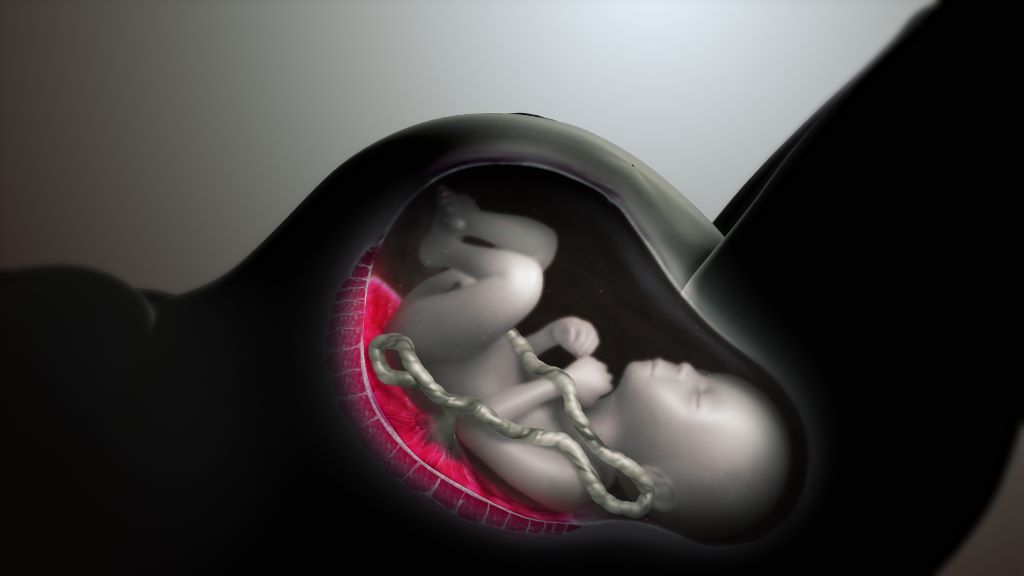
In addition to providing much-needed cushion and protection for the foetus, amniotic fluid also aids in development of vital organs – especially the lungs, digestive tract and skin – and stabilises the temperature inside the womb.

The new study, published in the journal Research and Practice in Thrombosis and Haemostasis, found that the addition of amniotic fluid to plasma improves the blood’s ability to thicken and clot, which is a critical and likely a protective function throughout pregnancy and during delivery for both the birthing parent and the baby. It also appears to offer other unexpected functions, such as serving as a ‘pre-milk’ for foetuses.

The mechanism of amniotic fluid’s role in foetal development is not well understood and is understudied: The OHSU study is one of the first to identify how the features and properties of amniotic fluid change over time, especially those properties that play a role in thickening the blood, and how those changes can affect how maternal blood coagulates. If a pregnant person’s blood does not clot properly, it can create life-threatening complications for the foetus and birthing parent, including excessive bleeding during pregnancy and delivery.  

“We have always known that amniotic fluid is very important for foetal development and growth, but we don’t know much about it beyond that,” said the study’s corresponding author Jamie Lo, MD, MCR., associate professor of obstetrics and gynaecology (maternal-foetal medicine) in the OHSU School of Medicine, and Division of Reproductive & Developmental Sciences at the Oregon National Primate Research Center, or ONPRC. “We examined amniotic fluid across the pregnancy and found that indeed the composition and proteins in the amniotic fluid do change to match the growing needs of the developing baby.”

This discovery prompted Lo and her team to work with scientists in the Department of Biomedical Engineering at OHSU to take a deeper dive into the potential protective factors of amniotic fluid, and consider potential regenerative and therapeutic uses that could be developed down the road.

The research involved a multidisciplinary team including Lo, Chih Jen Yang, MD, Lyndsey Shorey-Kendrick, PhD, Joseph Shatzel, MD, MCR, Brian Scottoline, MD, PhD, and Owen McCarty, PhD.

Researchers analysed the properties of amniotic fluid obtained by amniocentesis, a prenatal test that involves sampling a small amount of amniotic fluid to examine the health of the pregnancy, from both human and non-human primates at gestational-age matched timepoints. The findings showed that amniotic fluid increases blood clotting through key fatty acids and proteins that change each trimester and help regulate coagulation.

With the untapped potential for amniotic fluid to aid in diagnosing and treating various prenatal conditions, researchers are now collaborating with Sanjay Malhotra, PhD, professor of cell, developmental and cancer biology in the OHSU School of Medicine, to target disorders of pregnancy – including disorders that affect the blood and blood-forming organs – that could benefit from the protective properties of proteins and other compounds within amniotic fluid.

Researchers are eager to learn more about the potential uses of amniotic fluid components and how they might be harnessed to improve prenatal and maternal health.

“Babies born prematurely miss out on critical weeks developing within amniotic fluid,” said the study’s co-senior author Brian Scottoline, MD, PhD, professor of paediatrics (neonatology), OHSU School of Medicine. “But if we have a better understanding of amniotic fluid, how it develops and what properties are valuable for what functions, that opens up many new possibilities for creating new therapies.”

“Through our research, our team is learning that amniotic fluid may be a critical precursor to breast milk – almost like ‘pre-term’ milk for a foetus in utero. With that analogy, could we eventually develop a formula that’s fit for preterm babies that mimics amniotic fluid, aiding in growth and development and protecting babies from complications of being born prematurely?” Lo added. “This is really the tip of the iceberg for what’s possible.”

Source: Oregon Health & Science University

Oxytocin Can ‘Pause’ Pregnancy After Conception

Photo by Pavel Danilyuk on Pexels

Oxytocin, a hormone already known for its role in childbirth, milk release, and mother–infant bonding, may have a newfound purpose in mammalian reproduction. In times of maternal stress, the hormone can delay an embryo’s development for days to weeks after conception, a new study in rodents shows. According to the authors, the findings about so-called “diapause” may offer new insights into pregnancy and fertility issues faced by humans.

Led by researchers at NYU Langone Health, the study explored diapause, in which an embryo temporarily stops growing early in its development before it attaches to the lining of its mother’s uterus, a key step leading to the formation of the placenta. Known to occur in species as varied as armadillos, giant pandas, and seals, diapause is thought to have evolved to help expectant mothers preserve scarce resources (e.g., breast milk) by delaying birth until they have enough to successfully take care of their offspring.

Although recent studies have uncovered evidence that a form of diapause may occur in humans, the underlying mechanisms behind it have until now remained unclear.

The findings in mice showed that one type of stress that may cause diapause is milk production and release (lactation), as it requires a mother to expend bodily resources nursing already-born pups, and supplying nutrients to pups growing in the womb, at the same time. The study revealed that the time between conception and birth, typically 20 days for these animals, was delayed by about a week in pregnant rodents that were already nursing a litter.

Further, the research team showed that this delay was brought about by a rise in the production of oxytocin, levels of which are known to go up as a mother lactates. To confirm this role for the hormone, the researchers exposed mouse embryos in the lab to a single dose (either 1 microgram or 10 micrograms) of oxytocin, and found that even these small amounts delayed their implantation in the uterus by as much as three days. The team found that the chemical did more than just pause pregnancy: oxytocin surges that were large enough to mimic the amounts and timing measured during nursing caused loss of pregnancy in the mice in nearly all cases.

“Our findings shed light on the role of oxytocin in diapause,” said study co-author Moses V. Chao, PhD, a professor at NYU Grossman School of Medicine. “Because of this newfound connection, it is possible that abnormalities in the production of this hormone could play roles in infertility, premature or delayed birth, and miscarriage.”

A report on the findings appears in Science Advances in a special issue focused on women’s health.

In another part of the study, the team searched for a mechanism that would allow embryos to react to an oxytocin surge. They found that the hormone can bind to special proteins called receptors on the surface of a layer of cells known as the trophectoderm, which surrounds the early embryo and eventually forms the placenta.

Notably, mouse embryos that were genetically altered to disable oxytocin receptors lived long enough to implant into their mother’s placenta at much lower rates than normal embryos. This suggests that the ability to respond to oxytocin spikes and therefore go into diapause is somehow important for the developing pups’ survival, says Dr. Chao, who plans to examine this protective function in more detail.

“Despite being extremely common, infertility and developmental issues that can arise during pregnancy remain poorly understood and can have a lasting, devastating impact on parents and their children,” said study senior author Robert Froemke, PhD, professor of genetics. “Having a deeper understanding of the factors that contribute to these problems may allow experts to better address them in the future.”

The researchers next plan to examine how cell growth gets turned back on after diapause, Dr Froemke says. In addition, the team plans to explore how diapause may affect offsprings’ health and development after birth, and determine whether and how their discoveries can inform reproductive medicine.

Dr Froemke cautions that while the study results are promising, mice and humans have significant differences in their reproductive processes, despite both being mammals. He adds that the current investigation did not assess the role that other pregnancy-related hormones, such as oestrogen and progesterone, may play in diapause.

Source: NYU Langone Health / NYU Grossman School of Medicine

Researchers Debunk Common Beliefs About ‘Cycle Syncing’ and Muscles

Photo by John Arano on Unsplash

New research from McMaster kinesiologists is challenging the internet belief that timing resistance training to specific phases of the menstrual cycle boosts the body’s ability to build muscle and strength.

The researchers have shown that exercising at various points in the cycle had no impact — positive or negative — on the synthesis of new muscle proteins, a process essential to building and maintaining muscle.

The results, published in the print edition of the Journal of Physiology, debunk the popularly touted practice of cycle syncing, or tailoring workouts to align with the way hormones change throughout a woman’s menstrual cycle.

“Our findings conflict with the popular notion that there is some kind of hormonal advantage to performing different exercises in each phase,” explains Lauren Colenso-Semple, lead author of the study and a former graduate student in the Department of Kinesiology, who conducted the work while at McMaster.

“We saw no differences, regardless of cycle timing.”

For the study, researchers monitored the menstrual cycles of participants — all healthy young women — for three months to confirm their cycles were normal. Contrary to popular belief, only a small percentage of women — about 12 per cent — have a consistent 28-day cycle and ovulate regularly on Day 14 or the “textbook” menstrual cycle.

Participants then ingested a tracer molecule, a benign substance designed to track and monitor muscle protein levels. They performed heavy resistance exercise during two distinct phases of their menstrual cycles: the follicular phase, when estrogen levels are at their peak; and the luteal phase, characterized by peak progesterone levels.

Researchers observed no effect of either menstrual cycle phase on the production of muscle proteins.

Cycle syncing has been made popular by internet influencers to coordinate workouts, certain diets and lifestyle behaviours with the menstrual cycle.

There are fitness apps for tracking cycles, and social media channels are rife with advice and recommendations.

Proponents routinely cite a handful of scientific studies on animals as evidence that fluctuations in ovarian hormones can affect how human muscles respond to exercise, but this study shows that not to be correct.

“Our work shows that women who want to lift weights and recondition their muscles should feel free to do so in any phase of their cycle. There is no physiological difference in response to the exercise,” says Stuart Phillips, the Canada Research Chair in Skeletal Muscle Health at McMaster who supervised the study.

“It is important to tailor your training to how you feel.”

Scientists highlight the need for further research, particularly studies that focus on women’s health. This includes investigating how training, in relation to the menstrual cycle, affects women and how both oral and non-oral contraceptives influence their responses to exercise.

This article was first published on Brighter World. Read the original article.

Researchers Unravel Menopause Timing, Shedding Light on Ovarian Aging and Fertility

Female reproductive system. Credit: Scientific Animations CC4.0 BY-SA

Menopause, driven by ovarian aging and the depletion of ovarian reserve, marks the end of a woman’s fertility, and while many aspects of these processes are well understood, the overall dynamics remain unclear. A new study from Rice University researchers, published in Biophysical Journal, introduces a novel approach to unravelling the complex patterns of ovarian aging using stochastic analysis, a mathematical approach that examines systems by evaluating all potential outcomes using random probability.

Led by Anatoly Kolomeisky, professor of chemistry and chemical and biomolecular engineering, the research team has developed a theoretical framework that quantitatively predicts menopause timing. By analysing how ovarian follicles transition through different stages, the researchers’ model explains why menopause occurs and sheds light on individual variability and cross-population differences. These insights could improve fertility planning, inform health care decisions related to hormonal therapies and enhance our understanding of age-related health risks associated with ovarian aging.

“By considering menopause as a sequential process involving random transitions of follicles, we can better understand individual variability and population-wide trends in menopause timing,” Kolomeisky said.

A new theoretical model unlocks the mystery of menopause

The research team hypothesised that ovarian aging follows a stochastic sequential process influenced by follicles transitioning through multiple developmental stages. Unlike previous studies focusing primarily on hormonal and genetic influences, this study employed explicit analytical calculations supported by extensive computer simulations.

The approach allowed researchers to model the gradual depletion of ovarian follicle reserves, providing a detailed quantitative framework that aligns with medical data from diverse populations.

“By applying stochastic analysis, we can move beyond broad observations and develop precise, predictive insights into menopause timing and variability,” Kolomeisky said.

Key findings uncover menopause timing

The researchers discovered a universal relationship between three critical factors: the initial follicle reserve, the rate of ovarian depletion and the threshold that triggers menopause. Their model also revealed that menopause occurs within a surprisingly narrow age range, a phenomenon that had not yet been fully explained.

“One of the most unexpected findings was the synchronisation of follicular transitions, which may regulate the timing of menopause,” Kolomeisky said. “This suggests that underlying biochemical processes ensure a relatively consistent age of menopause despite individual variations.”

Source: Rice University

Ensuring Safe Motherhood: The Need for Quality Maternity Care

Photo by Shvets Production on Pexels

As we observe Pregnancy Awareness Month this February, it is crucial to reflect on the journey of motherhood and the importance of comprehensive maternity care. According to the latest data from 2024, South Africa’s maternal mortality rate stands at approximately 119 deaths per 100 000 live births1. This statistic underscores the urgent need for improved maternity care services across the country.

Pregnancy is a transformative time, and the right support can make all the difference. From prenatal education to quality healthcare services, expectant mothers require tools and support to navigate this journey confidently. Focus must remain on education, enhancing maternity care services, and addressing the unique challenges faced by South African mothers to ensure that we promote healthy pregnancies and safe motherhood.

Empowering Mothers Through Education

“Education is the cornerstone of empowerment,” says Margot Brews, Head of Health Risk Management Strategy at Momentum Health. “By providing expectant mothers with accurate information about prenatal care, nutrition, and the stages of pregnancy, we can help them make informed decisions that benefit their health and the health of their babies.”

Margot Brews, Head of Health Risk Management Strategy at Momentum Health. Photo: Supplied.

Early antenatal care is crucial, as it allows for the early detection and management of potential complications such as hypertension, diabetes, and infections. In South Africa, where maternal and neonatal mortality rates remain a concern, education can be a powerful tool in reducing these numbers.

Enhancing Maternity Care Services

Quality maternity care is essential for ensuring safe pregnancies and healthy births. In South Africa, access to quality healthcare services can be disparate, with rural areas often facing significant challenges.

“Maternity care is critically important as it directly impacts the health and well-being of both mothers and their babies,” Brews emphasises. “Comprehensive maternity care includes not only medical care but also emotional and psychological support for expectant mothers.”

Early and regular antenatal visits are crucial for detecting and managing potential complications, such as hypertension, diabetes, and infections. Additionally, providing mental health support as part of maternity care can help address anxiety and depression, which are common during pregnancy and postpartum.

Efforts to enhance maternity care services must focus on improving infrastructure in healthcare facilities, training healthcare providers, and ensuring the availability of essential medicines and equipment. “By addressing these challenges, we can create a supportive environment that promotes healthy pregnancies and safe motherhood for all women in South Africa,” Brews adds.

Addressing the Challenges Faced by Mothers

South African mothers face a range of challenges, from financial constraints to social stigma. Teenage pregnancies, in particular, pose significant risks to both the mother and the child. Additionally, teenage mothers often face barriers to continuing their education, which can impact their long-term economic prospects.

“To address these challenges, we must create supportive environments which encourage young mothers to seek prenatal care and continue their education. This should start before pregnancy in the form of guidance and support within the context of broader sexual reproductive health. Community-based programs that provide childcare support, financial assistance, and educational opportunities can make a significant difference in the lives of young mothers and their children,” says Brews.

The Role of Partners and Families

Pregnancy is not only a journey for the mother; it involves the entire family. Partners and families play a crucial role in providing support and creating a nurturing environment for the expectant mother. This involvement can help strengthen the family unit and ensure that the mother receives the emotional and practical support she needs.

“Partners and families are integral to the pregnancy journey, specifically within the cultural context of South Africa,” Brews notes. “Their support can make a significant difference in the emotional and physical well-being of the expectant mother.”

Promoting Maternal Mental Health

Mental health is a critical aspect of maternity care that is often overlooked. Pregnancy and childbirth can be emotionally challenging, and many women experience anxiety, depression, or other mental health strains during this time. It is essential to provide mental health support as part of comprehensive maternity care.

“February presents an opportunity to reflect on the importance of empowering mothers and enhancing maternity care in South Africa,” says Brews. “By working together, we can ensure that every mother has the resources and support she needs for a healthy and positive pregnancy journey.”

Momentum Health believes that by prioritising maternity care, a significant difference can be made in the lives of mothers and their babies. Education and advocating for quality maternity care for all is critical and more must be done to improve maternal care, address disparities in healthcare access, and provide comprehensive support to expectant mothers and mothers in general. “Together, we can make a significant difference in the lives of mothers and their babies, creating a healthier and brighter future,” concludes Brews.

A Short Course of Radiation Therapy for Endometrial Cancer Patients is Effective

Female reproductive system. Credit: Scientific Animations CC4.0 BY-SA

In a randomised clinical trial, researchers from Huntsman Cancer Institute at the University of Utah (the U) have found that short-course, higher dose vaginal brachytherapy for endometrial cancer had similar effectiveness to more frequent, lower dose sessions.

Gita Suneja, MD, MS, physician-scientist at Huntsman Cancer Institute and professor of radiation oncology at the U, is the first author of the SAVE trial report – which stands for, Short-Course Adjuvant Vaginal Cuff Brachytherapy in Early Endometrial Cancer Compared with Standard of Care.

“There isn’t high quality-data on optimal dose and schedule for brachytherapy treatments. Because of this, practice patterns really vary,” says Suneja. “The SAVE trial sought to try to lower the number of treatments that patients were receiving but maintain short-term quality of life and disease control.”

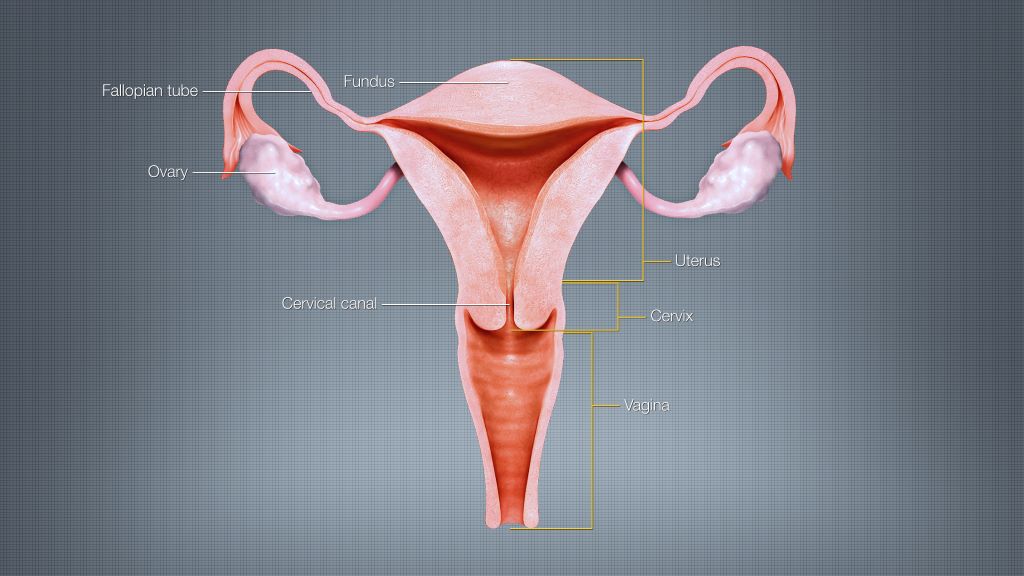
Endometrial cancer is a disease that begins in the lining of the uterus. The primary treatment for endometrial cancer is surgery, including the removal of the uterus, cervix, and upper vagina. Brachytherapy, a form of internal radiation, is used as a secondary treatment to prevent the cancer’s return. Patients receiving vaginal cuff brachytherapy are treated with internal radiation by way of an applicator in the vaginal cavity.

The SAVE trial compared two groups who received different treatment doses over a varying number of sessions. The control group received the standard treatment – between three to five appointments with lower doses. The experimental group received higher doses of radiation in just two sessions.

“The study outcomes will help improve cancer care for Huntsman Cancer Institute patients across the five states of the Mountain West.”

Gita Suneja, MD, MS

The researchers found similarly effective short-term outcomes and few acute toxicities for the patients in the experimental group.

David Gaffney, MD, PhD, FACR, FABS, FASTRO, physician-scientist at Huntsman Cancer Institute and professor of radiation oncology at the U, developed the idea for the SAVE study after seeing patient need. According to the American Cancer Society, endometrial cancer is the most common cancer of the female reproductive organs. Incidence is on the rise, as is the mortality rate.

“It is a big win when we can preserve good outcomes and make cancer care easier,” says Gaffney.

The results of the SAVE trial were published in JCO Oncology Advances.

Source: Huntsman Cancer Institute