Children who were exposed to cannabis in the womb continue to show elevated rates of symptoms of psychopathology (depression, anxiety and other psychiatric conditions), even as they reach pre-adolescence (aged 11–12), according to research published in JAMA Pediatrics.
The study, led by Ryan Bogdan, associate professor at Washington University in St. Louis, is a follow-up to 2020 research from the Bogdan lab that revealed younger children who had been prenatally exposed to cannabis were slightly more likely to have had, inter alia, sleep problems, lower birth weight and lower cognitive performance.
In both cases, the effect is strongest when looking at exposure to cannabis after the pregnancy is known. To find out whether or not these associations persisted as the children aged, David Baranger, a postdoctoral researcher in the BRAIN Lab, revisited the more than 10 500 children from the 2020 analysis, who were an averaged of 10 years old in 2020.
The data on the children and their mothers came from the Adolescent Brain and Cognitive Development Study (ABCD Study), an ongoing study of nearly 12 000 children, beginning in 2016 when they were 9–10 years old, and their parents or caregivers.
This seemingly small change in age – from 10 to 12 – is an important one. “During the first wave, they were just children. Now they’re edging up on adolescence,” Baranger said. “We know this is a period when a large proportion of mental health diagnoses occur.”
An analysis of the more recent data showed no significant changes in the rate of psychiatric conditions as the children aged; they remain at greater risk for clinical psychiatric disorders and problematic substance use as they enter the later adolescent years.
“Once they hit 14 or 15, we’re expecting to see further increases in mental health disorders or other psychiatric conditions – increases that will continue into the kids’ early 20s,” Baranger said.
About 50% of all mothers of children with autism spectrum disorder (ASD) had raised levels of depressive symptoms over 18 months, while rates were much lower (6% to 13.6%) for mothers with neurotypical children in the same period, according to a new study in Family Process.
Additionally, thought past studies suggest that having a parent with depression increases the child’s risk of mental health and behaviour problems, this study found something different.
“We found mothers’ higher symptoms of depression did NOT predict increases in children’s behaviour problems over time, including among families with a child with autism who experience a lot of stress,” said first author and UCSF Assistant Professor Danielle Roubinov. “That was surprising and good news.”
“Being the parent of a child with special needs is inherently challenging every day,” noted senior author UCSF Professor Elissa Epel. “It is a prototypical example of chronic stress, which is why we have been focusing on caregiving moms in our studies that examine effects of stress on health.”
“We already know from this sample that mothers with more depression tend to have signs of faster biological aging, such as lower levels of the anti-aging hormone klotho and older immune cells, on average,” added Prof Epel. “Here, we wanted to understand the impact of their depression on their child, and vice versa.”
A One-Way Street
Child behaviour problems predicted higher levels of maternal depression down the road, regardless of ASD status. The inverse effect was not seen, ie prior maternal depression didn’t predict later child behaviour problems.
Asst Prof Roubinov said that mothers of children with ASD need not feel guilty over their depressions impact on their children’s behaviours. “We hope these findings will reassure mothers that it’s both common to struggle with some depression in this high-stress situation of chronic caregiving, and that their depression likely isn’t making their child’s behavioural issues worse.”
Self-blame and guilt among parents of ASD children is common and predicts worsening depression and lower life satisfaction over time, the team’s past research shows.
In the current study, the researchers repeatedly measured maternal depression and children’s behaviour problems in 86 mother-child dyads across 18 months. Half of the mothers had children with ASD and half had neurotypical children. The children were aged 2–17 years old, with 75% being primary school age or younger.
Maternal depression was measured using the Inventory of Depressive Symptoms, a self-report scale completed by mothers. Child behaviour was measured through maternal report on the Child’s Challenging Behavior Scale, which focuses on externalising behaviours such as tantrums, aggression and defiance.
Few studies on maternal depression, child behaviour in ASD context
Bidirectional associations between maternal depression and child behaviour problems have been reported in prior research but few studies have examined these relationships in families with autism.
Families with autism tend to experience more marital conflict, lower relationship satisfaction, and many other challenges, said Ass Prof Roubinov, noting that a “stressful family environment may spill over onto family members” and changing their interactions. “We wanted to see whether the link between maternal and child mental health was different in the context of a high-stress family system, such as when a child has autism.”
Although the study acknowledged that families with a child with ASD experience high levels of stress, the authors were cautious to note that stress is not their only defining characteristic.
“Many mothers of children with autism also report high levels of emotional closeness and positive interactions with their children,” Asst Prof Roubinov said. “These are important experiences that supportive programs can build upon.”
The researchers offered mindfulness classes after the study to the participants to help manage parenting stress, and this improved their mental health.
It is important to experience and notice positive emotions and joy, despite having a more challenging life situation, said Prof Epel.
“Given the effects of chronic stress on health and mood, caregiving parents need extraordinary emotional support in addition to the special services for their child,” she said. “It’s as vital to provide support for parents’ mental health as it is for children’s mental health.”
Physicians should be on the lookout for parental distress and ready to offer resources for parents, especially for parents of special needs children, she said. The researchers said future studies should also look at associations between maternal depression and children’s internalising symptoms (eg, withdrawal, anxiety, emotional reactivity).
For newborns, caregivers have to identify and evaluate any pain they may be in. Until the turn of this century, many clinicians did not even recognise that neonates could even experience pain, resulting in infrequent, nonstandard training for medical workers. The COVID pandemic also disrupted opportunities for training. Now, researchers are reporting that a flexible e-learning program improves neonate pain management knowledge and skills for nurses.
They published the results of their randomised, controlled study in Pain Management Nursing.
“Continuing education is essential to maintain and increase nurses’ proficiency in neonatal pain assessment and treatment,” said corresponding author Mio Ozawa, associate professor in the Graduate School of Biomedical and Health Science at Hiroshima University. “Our results showed that e-learning programs were more effective as compared to no training.”
The researchers randomly divided recruited certified neonatal intensive care nurses from across Japan into two groups. One group received four weeks of online training in pain measurement, using structured scales designed for pre-term newborns, called the e-Pain Management of Neonates program. The other group did not receive training. Both groups took pre- and post-tests. While the pre-test results were the same across both groups, the e-learning group scored higher for both knowledge and skill.
The research builds on a prior pilot study, in which 52 nurses completed the e-learning program and improved their test scores. However, without a control group for comparison, the evidence was not sufficient to illustrate the intervention’s effectiveness, according to Prof Ozawa.
“In the current study, we tested the e-learning program with a randomised control trial, a more powerful research design than used with the pilot study,” Prof Ozawa said. “To the best of our knowledge, this is the first such trial that investigates the effects of e-learning on the knowledge and skill in neonatal pain measurement for certified nurses across NICUs across multiple hospitals.”
The e-learning program consists of four modules, each of which takes about 15 minutes to complete. Participants could save their progress and return at any point, as well as review as many times as they wanted. While more nurses were more likely to access the program in the middle of the day or late at night on a weekday, participants still accessed the program at odd hours and over the weekend.
“An e-learning program may be a more efficient method as nurses can participate in the program at their own convenience,” Prof Ozawa said. “In comparison with other health care professionals, NICU nurses stay at the bedside of newborns for the longest time to provide care, including invasive procedures. It is vital for nurses to be educated and train in using the neonatal pain management scale.”
Prof Ozawa stressed that while this study did not demonstrate e-learning’s superiority as a learning method compared to traditional approaches, such as in-person training, it does indicate that e-learning can improve skills and knowledge.
“Learning in this program would allow nurses to acquire knowledge and skills concerning newborn pain, which is preferred over no education,” Prof Ozawa said. “Further research is needed to determine how nurses’ training through e-learning programs is related to patient outcomes, such as more frequent pain assessment of infants by nurses and improved pain management.”
In the COVID era, when vaccinations are all the more important, new research published in the European Journal of Pain shows that children’s vaccination and needle fear can be reduced with a couple of different techniques used by nurses.
These techniques divide the children’s attention or redress their fears by framing the positive elements of their experience.
Working with children aged 8–12 years, the preliminary study found that two new nurse-led techniques show promise in reducing needle fear in primary-aged children:
Divided Attention – where a child’s attention and expectations are drawn away from the needle.
Positive Memory Reframing – where a child’s exaggerations about the distress and discomfort of needles are redressed through discussion about the positive elements of the experience so that the form more realistic memories of the event.
Dr Felicity Braithwaite, lead researcher of the study, said that helping children reduce fear and distress around vaccinations is a key area of research in the COVID era.
“For many children, undergoing a needle procedure can be painful and distressing,” Dr Braithwaite said.
“Negative experiences of vaccinations in childhood can often lead to medical avoidance and vaccine hesitancy into adulthood, which can have devastating consequences when it comes to outbreaks of preventable diseases.
“By investing more time into techniques to help children manage their fears about needles, we hope to change these outcomes and deliver better health outcomes for the next generation.”
The study involved 41 children and their parents, with participants randomised to one of four groups – usual care, divided attention, positive memory reframing, or a combination of the latter two interventions. Clinical outcomes were assessed at baseline, immediately post-vaccination and at two-weeks post-vaccination.
The Divided Attention technique involved a one to two minute distraction game where a nurse tapped the child’s arm above and below the vaccination spot in a random order, with the child focussing their attention on guessing which spot was touched each time. This game takes advantage of the potential analgesic effects of distraction.
The Positive Memory Reframing technique involved talking to children about a past injection and emphasising positive aspects, such as how brave the child was and praising specific strategies they used to reduce their own distress, for example, deep breathing and looking away. The aim is to foster a sense of self-efficacy to help children better cope.
Both techniques were tested outside of clinical locations, such as in schools, to maximise their applicability in real-world settings.
Among children born at term (37–41 weeks), those born before 39 weeks are more likely to experience symptoms associated with attention-deficit/hyperactivity disorder (ADHD), according to a study published in the Journal of Pediatrics.
ADHD manifests early in childhood with symptoms of hyperactivity, impulsivity or inattention, and has known links to preterm birth (less than 37 weeks gestation). The present study is one of only a handful to investigate the associations between gestational age at term and a diagnosis or symptoms of ADHD. It is the first to include reports from teachers.
“Teachers’ reports, in conjunction with maternal reports and physician evaluations, provide valuable input for the diagnosis of ADHD,” said study author Nancy Reichman, author of the study and a professor of paediatrics at Rutgers Robert Wood Johnson Medical School. “Mother-reported symptoms generally reflect behaviours in the home or in small family or social groups, while teacher-reported symptoms reflect behaviours in a structured educational setting by professionals who work with a large number of children and observe the range of behaviours that students exhibit in classrooms.”
Prof Reichman and her team set out to estimate the link between gestational age at term and 9-year-old children’s teacher-reported ADHD symptoms.
The team analysed data on about 1400 children in a birth cohort study that randomly sampled births from large US hospitals 1998 to 2000 and re-interviewed mothers over nine years as well as teachers’ evaluations using the Conners’ Teacher Rating Scale-Revised Short Form.
The researchers found that children born early-term (37-38 weeks) had significantly higher scores on the teacher rating scales than children who were full-term (39-41 weeks) for hyperactivity, ADHD and cognitive problems or inattention, but that gestational age wasn’t significantly associated with oppositional behaviour.
Specifically, the researchers found that each week of gestational age at term was associated with 6% lower hyperactivity scores and 5% lower ADHD and cognitive problems or inattention scores, and that birth at 37 to 38 weeks was associated with 23% higher hyperactivity scores and 17% higher ADHD scores when compared with birth at 39 to 41 weeks.
“The findings add to growing evidence supporting current recommendations for delaying elective deliveries to at least 39 weeks and suggest that regular screenings for ADHD symptoms are important for children born at 37 to 38 weeks,” Prof Reichman said.
Preterm infants are at greater risk for ADHD because of immature brain development, she said. “Significant growth and development in various kinds of brain cells are observed between 34 and 40 weeks of gestation,” said Reichman. “Infants born at full-term likely benefit from the additional one to two weeks of brain growth in utero compared with those born early-term.”
A study has found that the Bacillus Calmette-Guérin (BCG) vaccine, when administered in infancy, only protects against tuberculosis (TB) in children under five years of age. The findings, published in The Lancet Global Health, showed that the vaccine provided no protection among adolescents or adults in the study.
Despite the age and widespread use of the BCG vaccine, debate continues on how effective it is in preventing TB, and the duration of immunity after it is administered in infancy. And as experts study and propose new TB vaccines to supplement the BCG vaccine, an important consideration is the age at which these new vaccines should be administered to high-risk populations.
Gathered from 20 years of recent studies, this analysis provides new insight and clarity on these issues.
These results suggest that protectiveness from the BCG vaccine may begin to wane as children get older and, thus, children over 10 years old and adults should receive a booster BCG vaccine for immunity against TB beyond childhood. Unfortunately, a BCG booster has limited efficacy, so new vaccines are needed.
“Unlike many of the mRNA COVID vaccines, which we know are highly effective, there is widespread debate on the BCG vaccine’s effectiveness and duration of protection, as well as whether the vaccine only works in selective settings,” explained study lead author Leonardo Martinez, assistant professor of epidemiology at Boston University School of Public Health. “Our findings indicate that BCG vaccination is effective at preventing tuberculosis in young children. Since tuberculosis in children is a highly debilitating and severe disease, BCG vaccination should continue to be used.”
However, since the results show that the vaccine was ineffective in adolescents and adults, “boosting immunoprotection is needed for older populations,” Asst Prof Martinez said. “Novel vaccines are urgently needed to supplement BCG vaccination in high-burden settings.”
Most studies on this subject were done over 50 years ago, with varying results, and primarily in settings with a relatively low burden of the disease. This new analysis presents data over the past 10 years, from high-burden settings in 17 countries, including South Africa, China, Vietnam, Indonesia, Uganda, The Gambia, and Brazil.
For the study, Asst Prof Martinez and colleagues analysed individual-level data from 26 longitudinal studies that included nearly 70 000 participants exposed to TB from 1998 to 2018. The researchers examined the impact of BCG vaccination for all TB disease, as well as specifically for pulmonary and extrapulmonary TB. The analysis examined variability across the studies, including the use of skin and blood TB infection tests, and accounted for potentially confounding factors such as HIV, exposure status, and history of prior TB, amongst others.
Among all children under 5 years old, BCG vaccination was 37% effective. The researchers did not find conclusive evidence that the vaccine was protective among children over 10 or among adults. When focusing only on pulmonary TB, BCG vaccination was 19% effective, however this effect was also only among young children.
The researchers stress that substantial investment in TB vaccine development is critical to controlling global TB.
“We urgently need vaccines that are effective against tuberculosis in adults,” said study co-author C. Robert Horsburgh, professor of epidemiology. “There are a number of promising TB vaccine candidates under study and we hope that one or more of them will prove effective.”
Children with disabilities enjoy free riding lessons at the South African Riding for the Disabled Association in Durban. Photo: Nokulunga Majola
GroundUp reports on the South African Riding for the Disabled Association, which provides 50 rides a week for children with disabilities near Durban.
“You make the world of difference one day of the week in the lives of the Browns Pre-Primary children, and for this I thank you,” Browns School teacher Fiona Muhl tells the volunteers at the South African Riding for the Disabled Association (SARDA) in Durban.
Based in Assagay on the outskirts of Durban, SARDA has been offering free therapeutic horse-riding lessons since 2007 for children with disabilities. They see about 50 children a week, aged five to 16.
From the minute the children arrive at the Ridgetop Equestrian Centre to the moment they leave, their day is filled with thrills. Children giggle on their horses in the riding arena as volunteers play with them and teach them riding.
Each child is allocated a suitable pony. Once they are all mounted, the lesson begins. There are obstacle courses and various activities, such as throwing a ball into a hoop, to encourage coordination, flexibility and cognitive development.
A SARDA volunteer said one child is still completely non-verbal at school, but laughed right through a riding session and at the end gave a cowboy style “Yeehaw”. What is happening at the riding school is magic, she said.
Susan Warrington, a volunteer at SARDA, said it is one of the most rewarding things she has ever done. “The joy on their faces, the often first words an autistic child speaks, and knowing that these little souls had a good day is the reason we do this,” said Warrington.
Libby Durk, chairperson of SARDA Durban, said children come from Browns School in Pinetown, Ethembeni School in Inchanga, West Park School in Malvern and the Open Air School in Glenwood.
The riding school depends on donor funding.
“We currently lease six ponies from Ridgetop Equestrian Centre and also pay a lease for the use of the property. Other costs include vet fees, farrier fees, dentist fees, insurance, cost of equipment, training days for volunteers, and training and therapy of our horses,” said Durk.
Three volunteers are also needed per child in addition to the instructor of the day – two side walkers and a leader for the horse.
“Our ponies are an integral part of our programme and require special training to become a therapeutic riding pony. The cost of keeping and caring for the horses is our main expense,” said Durk.
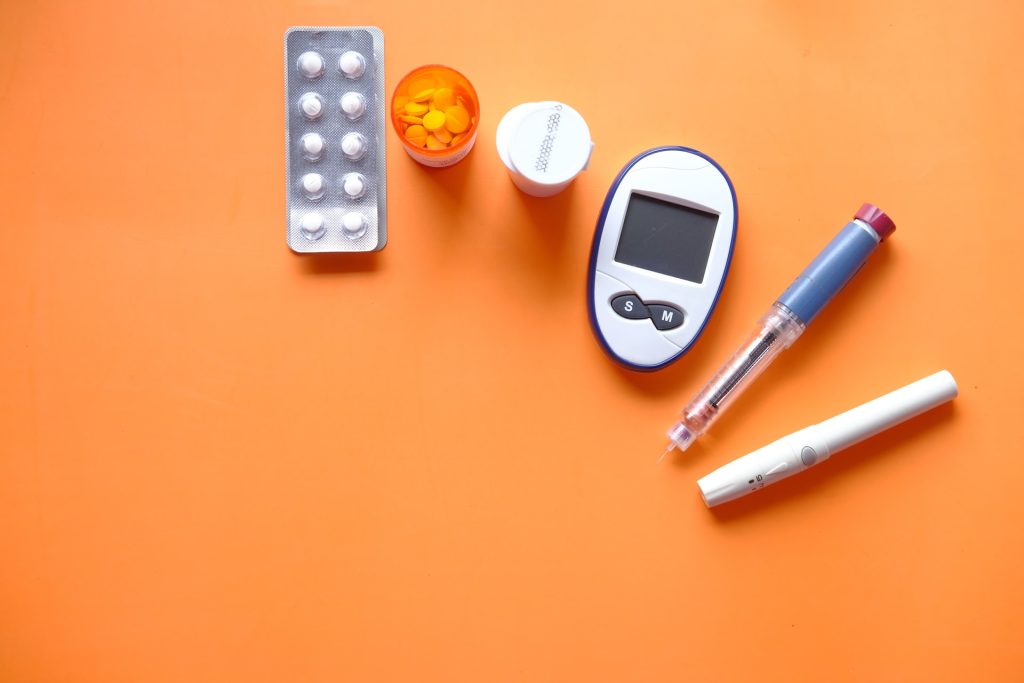
A trial testing dulaglutide in children and adolescents with diabetes found that it was effective in achieving glycaemic control. The findings, reported in the New England Journal of Medicine, suggest that dulaglutide may be a more convenient pharmacological treatment for youths.
The incidence of type 2 diabetes mellitus is increasing among youths, and metformin has shown high treatment failure against a backdrop of greater insulin resistance and deterioration in β-cell function than in adults. Daily liraglutide and weekly exenatide, glucagon-like peptide-1 receptor agonists, are available, but have complicated administration and exenatide is available only at a single dose level, making it harder to escalate glycaemic control. The researchers sought to determine whether once-weekly treatment with dulaglutide was effective with regard to glycaemic control in youths with type 2 diabetes.
In a double-blind, placebo-controlled, 26-week trial, 154 participants (aged 10–17; body-mass index [BMI], >85th percentile) being treated with lifestyle modifications alone or with metformin, with or without basal insulin, were randomised in a 1:1:1 ratio to receive once-weekly subcutaneous injections of placebo, dulaglutide at a dose of 0.75mg, or dulaglutide at a dose of 1.5 mg. Participants were then included in a 26-week open-label extension study in which those who had received placebo began receiving dulaglutide at a weekly dose of 0.75mg.
At 26 weeks, the mean glycated haemoglobin level had increased in the placebo group (0.6%) and had decreased in the dulaglutide groups compared to placebo (–0.6% in the 0.75mg group and −0.9% in the 1.5mg group). At 26 weeks, a significantly higher percentage of participants in the pooled dulaglutide groups than in the placebo group had a glycated haemoglobin level of less than 7.0% (51% vs 14%), which was a secondary endpoint. The fasting glucose concentration increased in the placebo group (17.1mg/dL) and decreased in the pooled dulaglutide groups (−18.9mg/dL), and BMI did not change between groups. More gastrointestinal adverse events were reported in dulaglutide therapy than with placebo, and dulaglutide’s safety profile was consistent with that reported in adults.
Overall, the researchers concluded that dulaglutide at a once-weekly dose of 0.75mg or 1.5mg was superior to placebo in improving glycaemic control through 26 weeks among youths with type 2 diabetes (with or without metformin or basal insulin), without an effect on BMI.
An Australian study published in PLOS Biologysuggests the nasal epithelium of children inhibits infection and replication of the ancestral strain of the SARS-CoV-2 virus and also the Delta variant, but not the Omicron variant.
Children are in general less susceptible to COVID, with a lower infection rate and milder symptoms than adults. However, the factors driving this apparent paediatric resistance to COVID infections remained unknown.
In order to better understand infection and replication of SARS-CoV-2 in children, Kirsty Short at University of Queensland, and colleagues, obtained samples of primary nasal epithelium cells from twenty-three healthy children aged 2–11 and fifteen healthy adults aged 19–66 in Australia. They exposed the cells of adults and children to SARS-CoV-2 and then observed the infection kinetics and antiviral responses in children compared to adults.
The researchers found that ancestral SARS-CoV-2 replicated less efficiently and was associated with a heightened antiviral response in the nasal epithelial cells of children. This lower viral replication rate was also observed with the Delta variant, but not the Omicron variant.
Study limitations included a small sample size, so future clinical studies will be needed to validate these preliminary findings in a larger population and to determine the role of other factors, such as antibodies in protecting children from SARS-CoV-2 infection. Additionally, paediatric protection from emerging variants has yet to be quantified.
The authors wrote, “We have provided the first experimental evidence that the paediatric nasal epithelium may play an important role in reducing the susceptibility of children to SARS-CoV-2. The data strongly suggest that the nasal epithelium of children is distinct and that it may afford children some level of protection from ancestral SARS-CoV-2.”
Short added, “We use nasal epithelial cells from children and adults to show that the ancestral SARS-CoV-2 and Delta, but not Omicron, replicate less efficiently in paediatric nasal epithelial cells.”
Following a highly critical independent report and accusations of inadequate and unsafe care, the UK will shut down the Tavistock gender identity clinic for children – the only one in the country. It will be replaced by a number of smaller facilities with closer links with mental health care.
The Tavistock and Portman NHS Foundation Trust clinic, named the Gender Identity Development Service (GIDS), had faced complaints of both long waiting lists for a burgeoning number of referrals, as well as rushing to assign puberty-blocking drugs and cross-sex hormones to children experiencing gender dysphoria.
Concerns had been voiced as early as 2005, when a nurse working at the clinic said that patients were being assessed too quickly and giving in to pressure from interest groups. Nevertheless, demand for its services skyrocketed in later years, from less than 100 per year in 2010 to nearly 2500 by 2018. In 2018, concerns were raised anew, with staff going on to make serious public accusations.
In July 2019, Dr Kirsy Entwhisle, a psychologist at GIDS Leeds hub, said that staff misled patients and made decisions about young people’s “bodies and lives” without “robust evidence”. Some of the children had suffered “very traumatic early experiences” which had not been addressed by the staff. The trust’s safeguarding lead, Sonia Appleby, won a claim from an employment tribunal after trust managers tried to stop her from carrying out her role when staff raised concerns.
One of the loudest critics of Tavistock Centre is Keira Bell, who at 16 was assigned puberty blockers, then cross-sex hormones at 17, and had a double mastectomy at 20 before later de-transitioning.
The former patient, who said she was suffering from anxiety and depression at the time she received treatment, said medics should have considered her mental health issues, “not just reaffirm my naïve hope that everything could be solved with hormones and surgery”.
Along with the unnamed parent of an autistic girl at the clinic, she won a ruling against the NHS assigning cross-sex hormones to children under 16 – but was overturned on appeal.
Helen, a parent of a patient at the clinic, welcomed its closure, but expressed concern for the future of her son’s treatments, according to LGBT site Pink News. While she said her son was treated quickly and received puberty blocking drugs, “From that point on, it felt like it was a little bit like they were winging it,” she said.
During therapy sessions at Tavistock, she said her son was asked a lot of questions and treated “almost like a little bit of an academic curiosity”. She criticised the fact that the same staff evaluated children for medical interventions and also offered therapy session, creating “a fear that they would stop access to medical support”. In contrast to the legal claims of Keira Bell’s and the unnamed patient, she said that GIDS refused to even discuss cross-sex hormones.
Dr David Bell (no relation to Keira Bell) welcomed the closure of Tavistock, telling the BBC: “Some children have got the double problem of living with the wrong treatment, and the original problems weren’t addressed – with complex problems like trauma, depression, large instances of autism.”