According to a new study published in Acta Obstetricia et Gynecologica Scandinavica, in women with uncomplicated pregnancies, elective induction of labour at any point between 37 and 41 weeks was consistently associated with those children having lower scholasti performance at age 12.
Investigators analysed data for 266 684 children born between 37 and 42 weeks from uncomplicated pregnancies in white women in the Netherlands. Scholastic performance scores at age 12 years were lower in those from pregnancies with induced labour at 37–41 weeks compared with those with uninduced labour. At 42 weeks, there was no significant difference in scholastic performance between these groups.
The proportion of children who reached higher secondary school level was significantly lower after induction of labour at each gestational week from 38–41 weeks. For example, at 38 weeks, rates were 48% versus 54% in induced versus uninduced. (In the Dutch education system, when children reach the end of primary school, around 12 years of age, they are divided over four different levels of secondary education according to their intellectual ability. All children in the last year of regular primary education take a test to guide the choice of level of secondary education.)
“Of course, if there is an indication to induce delivery before 41 weeks, there is little doubt we should do this. But if the reason is purely elective, it is reasonable to be cautious of these subtle adverse effects,” said Wessel Ganzevoort, MD, PhD, senior investigator and maternal foetal medicine specialist at Amsterdam UMC.
Despite being one of the most common non-communicable diseases globally and there being highly effective treatments for it, asthma is often not well controlled in many low-resource settings, according to a cross-sectional study recently published in the Lancet medical journal.
Closer to home, the Global Asthma Report from 2022 showed that there has been an increase in severe asthma symptoms among adolescents in Cape Town over the last few years. There is little data available for the rest of the country, which makes comparisons with other South African cities very tricky.
‘Disproportionate number of children have severe asthma’
Dr Ahmed Ismail Manjra, a paediatrician and allergologist at the Allergy and Asthma Centre in Durban, tells Spotlight that globally more children than adults have asthma. The centre is in the Life Westville Hospital and provides specialist services to adults and children with asthma or allergic disorders.
“Asthma is quite common in children. It is estimated [globally] that one in ten children have asthma, and in adults, the prevalence is less than in children,” he says. “But the problem is that in South Africa we see a disproportionate number of children with severe asthma. And what has been shown is that over the years the prevalence of asthma is rising, and the severity is rising.” (For more on what asthma is and how it is treated in South Africa’s public sector, see this Spotlight article from December 2022.)
Impact of undiagnosed uncontrolled asthma
The impact of undiagnosed or uncontrolled asthma on children is huge. First, according to Professor Refiloe Masekela, Paediatric Pulmonologist and the Head of Department of Paediatrics and Child Health at the University of KwaZulu-Natal, the symptoms are very noticeable, which can affect children socially. Secondly, a child with undiagnosed asthma will miss school because of their symptoms and be unable to participate in school activities like sport. They will also become less active because exercise may trigger symptoms, which have further effects on their health.
Another implication of uncontrolled asthma, according to Manjra, is poor sleep quality, which can impact a child’s academic performance.
“And in severe asthma without proper treatment, it can lead to recurrent admissions to hospital. This places a burden on the healthcare system, which can be easily prevented by proper management of asthma. And of course, in a small percentage of cases where the asthma is not well controlled, it can also lead to fatality,” he says.
Manjra urges parents to take their children to be checked for asthma if they have recurrent respiratory symptoms.
“The asthma treatment is extremely effective, very safe as well, [and] they have very few side effects. Parents should not be afraid to use asthma treatments to control their children’s asthma,” he says. “Although we don’t have a cure for asthma, we do have medicines that can control it and give better quality of life.”
Asthma trends in children: what the data says
Masekela explains that the data published in the Global Asthma Report is published by the Global Asthma Network (GAN), which consists of a network of centres across the world – including three in South Africa – that contribute data on asthma in their regions every few years.
This data collection effort started with the ISAAC one and ISAAC three studies (International Studies of Asthma and Allergens in Children). The GAN centre in Cape Town contributed data to ISAAC I in 1995 and for ISAAC III data was collected in Cape Town in 2002 and Polokwane in 2004-2005 where adolescents were also included.
According to Masekela, the latest study collecting data on asthma was the Global Asthma Network (GAN) Phase one study, to which the Cape Town centre contributed. Masekela says the data from the ISAAC studies – ISAAC 1 and ISAAC 3 as well as GAN is available in South Africa only for Cape Town.
This means that it is possible to compare trends in childhood asthma in Cape Town over a longer time period, and data from ISAAC 3 can be used to compare Polokwane and Cape Town. But there isn’t current data collected by the GAN to give a clear picture of childhood asthma in the other cities and provinces.
In the 2022 Global Asthma report changes among the prevalence of asthma symptoms – measured as a 12-month prevalence rate of wheezing among adolescents aged 13 to14 – showed that in ISAAC 1, 16% of the around 5 000 adolescents surveyed in Cape Town had symptoms, which increased to 20.3% of just over 5 000 surveys in ISAAC 3 and finally 21.7% of the just under 4 000 adolescents surveyed for the 2022 study.
Masekela says in Cape Town if we look at the period between ISAAC Phase 1 and phase three, there was an increase in the prevalence [of asthma in children], but from the ISAAC 3 to the GAN Phase 1, there has been a stabilisation in the asthma prevalence [among children. “So, it’s very high, it’s over 20%, but it’s stable so it hasn’t been increasing, which it was doing before.”
When comparing data from Polokwane and Cape Town in ISAAC 3, at the time of the study, more children and adolescents in Cape Town had severe asthma than in Polokwane. The prevalence of asthma in children and adolescents was also higher in Cape Town.
Situation is ‘interesting and worrying’
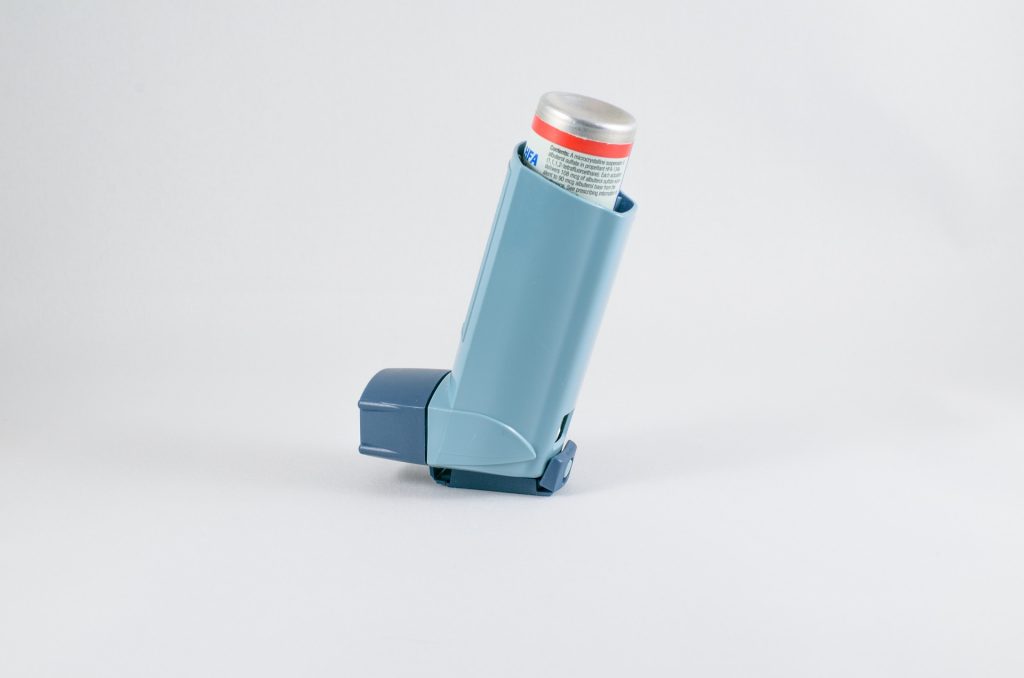
Masekela explains that in many low-and-middle-income countries, those living with asthma don’t have access to the right asthma medications, namely inhalers. What also happens is that when those individuals have access to asthma medications, they are only able to get the reliever inhaler, not the controller inhaler.
People living with asthma need two types of inhalers, a reliever inhaler which brings relief and opens up the chest during an asthma attack and a control medication which is used every day to reduce inflammation in the long run. In order to control asthma adequately, both inhalers need to be used and used correctly.
In South Africa, both types of inhalers are on the Essential Medicines List.
“The story of South Africa is interesting and worrying. We have in our essential medicine list inhalers [both relievers and controllers],” she says. “It should be available. It’s on the essential medicine list for the primary care level. So any person who has asthma in South Africa should have access to that first step of treatments.”
Yet the data from South Africa suggests there is a problem. When looking at the symptoms of asthma among schoolchildren from the GAN phase one study, Masekela says it is worrying because they found that many children in South Africa with asthma symptoms don’t have an asthma diagnosis and of those that do have the diagnosis most only have the reliever inhaler and very few are using both the reliever and the controller inhaler.
“We know that asthma is under-diagnosed and actually the data from Cape Town, as well as Durban, is very similar. You see that 50% of adolescents have severe symptoms, half of them have never got the label – they’ve never been diagnosed as having asthma,” she says.
Under-diagnosed
A possible reason for the under-diagnosis, according to Masekela, is that when a child presents to a clinic with wheezing, the child is treated for something else that might be causing the symptoms and sent home. Then when the child goes back a few weeks or months later with the same symptoms, they are seen by a different doctor or nurse and there isn’t continuity, so the fact that the symptoms are recurrent isn’t picked up on.
Manjra tells Spotlight that asthma can sometimes be difficult to diagnose in small children because its symptoms – wheezing, shortness of breath, tight chest, and coughing – can be caused by a number of other diseases. Wheezing, in particular, can be caused by a number of conditions that can affect children.
“The most common being viral upper respiratory tract infection, particularly with RSV [respiratory syncytial virus] and rhinovirus. And sometimes in young children, it can be extremely difficult to make a correct diagnosis of asthma because there’s overlap between viral-induced wheezing and asthma,” he says.
“However, if the child has an underlying – what we call atopic predisposition – that means if the child has eczema or has allergic rhinitis or food allergy or has [an] inhalant allergy, then the possibility of that child having asthma is very high,” he says.
Other childhood conditions that can cause wheezing in children are TB and inhaling foreign bodies into the lungs.
“So, the diagnosis of asthma in young children is basically made by an exclusion of other causes of wheezing,” he says. “Asthma diagnosis is made over a period of time because, as I’ve mentioned, it’s recurrent wheezing.”
Another problem, according to Masekela, is that those people who do receive a diagnosis of asthma are often not getting the right treatment.
“People who have a label at least should have access to the treatments, but we do see that even in those that have the diagnosis, a lot of them are not using their medicine because they’re getting repeated attacks, they have severe symptoms,” she says. “So, something is not right. Either they are not getting the label, we know that’s happening, or they’re not getting the right treatment.”
This is a bi-directional problem, Masekela says, in that either healthcare workers are not adequately teaching patients how to use both inhalers or patients are relying on the reliever medications despite being taught how to use both.
Manjra says that while inhalers are on the EML, this doesn’t necessarily translate to healthcare facilities having stock. Meaning that there can be stock-out of the medication, but also of the spacers that children need to use with the inhalers.
According to Manjra, children are unable to use inhalers properly with spacers, because the inhaler releases the plume of medication too quickly for the child to be able to breathe it into their lungs. The spacer allows the medication to go into a holding chamber where the child is able to breathe the medication into their lungs in a controlled way, through a special valve.
Better education needed
The solution to the problems of the under-diagnosis of asthma and incorrect inhaler use is better education on all fronts, says Masekela. There needs to be better training among healthcare workers on how to recognise asthma, how to manage it and how to teach patients how to manage it properly.
“We know that there is a system problem about them [children] getting the correct medication, using the correct medication and that all boils down to education of the patient, education of the health workers. And really, overall education in the community about how to handle asthma,” she says.
She adds that patients and the wider community also need to be educated on what asthma is and how to manage it properly and destigmatise it. A good starting place is in schools so that children who are living with asthma and their peers are able to better understand the condition and be more accepting of the use of inhalers.
“It’s important that we then find strategies to get people to understand the need for using these medicines, even when they’re feeling well,” she says.
A new poll done in the US suggests that some parents may not be properly measuring or responding to elevated temperatures in children, and are unnecessarily using antipyretics to bring down their temperatures.
While most parents recognise that a low-grade fever helps a child’s body fight off infection, one in three would give fever-reducing medication for spiked temperatures below 38°C (which isn’t recommended) according to the C.S. Mott Children’s Hospital National Poll on Children’s Health at University of Michigan Health.
Half of parents would also use medicine if the fever was between 38 and 38.9°C, and a quarter of parents would likely give another dose to prevent the fever from returning.
“Often parents worry about their child having a fever and want to do all they can to reduce their temperature. However, they may not be aware that in general the main reason to treat a fever is just to keep their child comfortable,” said Mott Poll co-director and Mott pediatrician Susan Woolford, M.D.
“Some parents may immediately rush to give their kids medicine but it’s often better to let the fever runs its course. Lowering a child’s temperature doesn’t typically help cure their illness any faster. In fact, a low-grade fever helps fight off the infection. There’s also the risk of giving too much medication when it’s not needed, which can have side effects.”
The report is based on 1,376 responses from parents of children ages 12 and under polled between August and September 2022.
Two in three parents polled say they’re very confident they know whether their child needs medication to reduce a fever. But just over half are sure they understand how temperature readings can change according to the method used.
The method used to take a child’s temperature matters and can affect the accuracy of the measurement, Woolford notes. Parents polled most commonly take their child’s temperature by forehead scan or mouth while less than a sixth use ear, underarm or rectal methods.
Remote thermometers at the forehead or inside the ear canal can be accurate if used correctly. But forehead readings may be inaccurate, Woolford says, if the scanner is held too far away or if the child’s forehead is sweaty. With ear thermometers, which aren’t recommended for newborns, earwax can also interfere with the reading.
For infants and young children, rectal temperatures are most accurate. Once children are able to hold a thermometer in their closed mouth, oral temperatures also are accurate while armpit temperatures are the least accurate method.
“Contact thermometers use electronic heat sensors to record body temperature but temperatures may fluctuate depending on how it’s measured,” Woolford said.
“Regardless of the device used, it’s important that parents review the directions to ensure the method is appropriate for the child’s age and that the device is placed correctly when measuring temperature.”
Three in four parents say they take their child’s temperature as soon as they notice a possible problem, while a little less than a fourth wait to see if the problem continues or worsens before taking the temperature.
Two-thirds of parents also prefer to try methods like a cool washcloth before using fever-reducing medication. Most parents also say they always or usually record the time of each dose and re-take their child’s temperature before giving another dose.
“A quarter of parents would give their child more medicine to prevent a fever from returning even though it doesn’t help them get better,” Woolford said. “If a child is otherwise doing well, parents may consider monitoring them and using alternative interventions to help keep them comfortable.”
However, if a newborn or infant less than three months old has a fever, they should immediately see a health professional, Woolford adds.
New research published in Clinical & Experimental Allergyindicates that the burden related to eczema in young individuals is substantial in a number of countries. A median of 6% of both children and adolescents experience some form of eczema while 0.6% and 1.1% of children and adolescents, respectively, report symptoms of severe eczema.
The results come from an analysis of data from 14 countries involving 74 361 adolescents aged 13–14 years and 47 907 children aged 6–7 years.
Investigators estimated an average increase over 27 years in the prevalence of current eczema symptoms of 0.98% per decade in adolescents and 1.21% per decade in children, and of 0.26% and 0.23% per decade in severe eczema symptoms. However, there was substantial variation in changes in eczema prevalence over time by income and region.
“Eczema remains a big public health problem around the world,” said corresponding author Sinéad Langan, PhD, of the London School of Hygiene & Tropical Medicine. “Global research efforts are needed to address the burden related to eczema with continued international efforts to identify strategies to prevent the onset of eczema and to better manage the impact on individuals, their families, and health service.”
In the public mind, eating disorders are associated mainly with girls from wealthy backgrounds. Now, a new study on twins published in the Journal of Psychopathology and Clinical Science has found that boys living in disadvantaged circumstances are at an increased risk for disordered eating – particularly if they have underlying genetic risk factors.
“This is critical information for health care providers who might not otherwise screen for or recognize disordered eating in this population,” said Megan Mikhail, lead author of the study and Ph.D. candidate in the MSU Clinical Psychology program. “It is also important for the public to recognize that eating disorders can affect everyone, including people who do not fit the historical stereotypes.”
The study from Michigan State University, is the first to look at associations between multiple forms of disadvantage and risk for disordered eating in boys, as well as how disadvantage may interact with biological risks to impact disordered eating in boys.
Using a large population-based sample of male twins from the Michigan State University Twin Registry, the researchers found that boys from more disadvantaged backgrounds reported greater disordered eating symptoms and had earlier activation of genetic influences on disordered eating, which could lead to increased long-term risk.
By using population-based sample, the researchers could avoid overlooking those unable to afford mental health care. They examined factors such as parental income, education and neighbourhood disadvantage to see how those factors related to disordered eating symptoms in the boys. Since all the participants were twins, researchers were also able to study genetic influences on disordered eating.
“This research is particularly relevant following the COVID pandemic when many families experienced financial hardship,” said Kelly Klump, MSU Foundation Professor of Psychology and co-author of the study. “Those financial stressors are putting many young people at risk for an eating disorder, so it’s vital that there be increased screening and access to care for these young people.”
Experts led by researchers from the Murdoch Children’s Research Institute have created the world’s first international clinical guidelines to help prevent and treat heart complications in children undergoing cancer treatment.
Published in JACC:Advances, the guidelines cover cardiovascular disease assessment, screening and follow-up, for paediatric patients receiving cancer treatment with new molecular therapies, immunotherapy, chemotherapy and radiotherapy.
The expert consensus has defined the high-risk group of cancer patients who should undergo a heart check-up, standardised an approach to screening and surveillance during treatment and provided recommendations to protect vulnerable young hearts.
Murdoch Children’s Associate Professor Rachel Conyers said while international guidelines to monitor poor heart side effects during therapy exist for adult patients, none were specific to children.
Associate Professor Conyers said the success of new cancer drugs had increased the chances of cardiac side effects that occur early on during therapy, sometimes within days, which warranted closer heart health surveillance and earlier monitoring.
“Recent advances in treating childhood cancer have resulted in survival rates of more than 80 percent. However, improving serious health outcomes in survivors remains an important and essential focus and prevention is key,” she said.
“Heart complications are a leading cause of death for childhood cancer survivors, second only to cancer relapse. Modern treatments including precision medicine have broadened the agents that can cause heart problems.”
Childhood cancer survivors are 15 times more likely to have heart failure and eight times more likely to have heart disease than the general population.
Associate Professor Conyers said the guidelines would be an indispensable tool for clinicians to significantly reduce the harmful impact of cancer drugs on children’s hearts.
“The guidelines are a major advance for the cardio-oncology field as before this there was no defined approach for surveillance or follow up of pediatric patients during treatment despite new therapeutics having early heart complications such as high blood pressure, abnormal heart beats and heart failure,” she said.
The Australian and New Zealand expert group consisted of pediatric and adult cardiologists and pediatric oncologists who undertook a Delphi consensus approach across 11 areas of cardio-oncology care. The Australian New Zealand Children’s Oncology Group endorsed the study with the guidelines useful for any tertiary institutes treating pediatric oncology patients or initiating cardio-oncology clinics.
Children around the world are spending more and more time with screens, which is a great concern for parents and physicians alike. New research from Japan indicates that more screen time at age 2 is associated with poorer communication and daily living skills at age 4 – but playing outdoor seems to reduce some of the negative effects.
For their study, published in JAMA Pediatrics, the researchers followed 885 children from 18 months to 4 years of age. They looked at the relationship between three key features: average amount of screen time per day at age 2, amount of outdoor play at age 2 years 8 months, and neurodevelopmental outcomes at age 4: communication, daily living skills, and socialization scores according to a standardised assessment tool called Vineland Adaptive Behavior Scale-II.
“Although both communication and daily living skills were worse in 4-year-old children who had had more screen time at aged 2, outdoor play time had very different effects on these two neurodevelopmental outcomes,” explains Kenji J. Tsuchiya, Professor at Osaka University and lead author of the study. “We were surprised to find that outdoor play didn’t really alter the negative effects of screen time on communication – but it did have an effect on daily living skills.”
Specifically, almost one-fifth of the effects of screen time on daily living skills were mediated by outdoor play, meaning that increasing outdoor play time could reduce the negative effects of screen time on daily living skills by almost 20%. The researchers also found that, although it was not linked to screen time, socialisation was better in 4-year-olds who had spent more time playing outside at 2 years 8 months of age.
“Taken together, our findings indicate that optimizing screen time in young children is really important for appropriate neurodevelopment,” says Tomoko Nishimura, senior author of the study. “We also found that screen time is not related to social outcomes, and that even if screen time is relatively high, encouraging more outdoor play time might help to keep kids healthy and developing appropriately.”
These results are particularly important given the recent COVID-related lockdowns around the world, which have generally led to more screen time and less outdoor time for children. Because the use of digital devices is difficult to avoid even in very young children, further research looking at how to balance the risks and benefits of screen time in young children is eagerly awaited.
A cohort study on the prescription of antipsychotics to children and adolescents in the UK has found that they have doubled over the past two decades. The findings, published in The Lancet Psychiatry, depict a concerning tendency for more, longer prescriptions of antipsychotics for a wider array of indications, many of them off-label, and which may be influenced by US and European approvals.
Studies around the world have reported an increase in the prescription of antipsychotics for children and adolescents. While this may reflect actual changing clinical needs, most antipsychotics are not approved for use in under-18s due to lacking safety data, especially in the long term. There is also little evidence on indications for, and doses of, antipsychotic prescribing in children and adolescents.
The study used a cohort of over 7 million children and adolescents (age 3–18 years) assembled from a large English primary care database, and found a doubling in the proportion of prescribed antipsychotics between 2000 and 2019.
This increase resulted from the accumulation of repeated prescriptions to the same individuals combined with an increase in new prescriptions. The researchers found that antipsychotic prescribing was more frequent for children in more deprived areas, which reflected a previous UK study on adults.
The study also revealed multiple clinical indications for antipsychotics beyond their initial approvals, most commonly for anxiety and depression. Risperidone was the most prescribed antipsychotic for all indications apart from depression, for which the most prescribed antipsychotic was quetiapine, and eating disorders, for which it was olanzapine.
Prescribing trends for certain disorders could be though to reflect prevalence. The authors noted however that “the most common indications for antipsychotics were ASD, ADHD, anxiety, and depression. It could be the increasing prevalence of these disorders that causes higher prescribing rates. However, increasing ASD prevalence results primarily from patients with less severe ASD, who are unlikely to receive antipsychotics.”
They also observed that increases in prescribing appeared to be linked to new US and European approvals.
Limitations included the database not identifying whether a prescription was for a first time, and not tying indications directly to prescriptions. Dosage regimen information was also only available for a third of prescriptions. The database was also not necessarily nationally representative, and only reflected prescriptions issued in secondary care – referral to primary care means that the rate of prescribing may be underestimated.
In October last year, the National Institute for Communicable Diseases (NICD) alerted the public to a measles outbreak in Limpopo. Since then, four more provinces have reported outbreaks, and the number of positive cases in the country has climbed rapidly.
Last week’s measles report from the NICD indicated that between the first week of October 2022 and mid-week in the second week of January 2023, a total of 397 cases of measles were identified across the country. Of those, 382 cases were detected in five provinces – Limpopo 145, North West 125, Mpumalanga 79, Gauteng 18, and the Free State 15. These five provinces have all met the criteria for a measles outbreak (three or more cases in a district within a month).
The remaining 15 cases are spread around KwaZulu-Natal, Northern Cape, the Eastern Cape, and the Western Cape – none of which have so far met the criteria for an outbreak.
‘Biggest outbreak in 11 years’
Dr Kerrigan McCarthy, a pathologist from the Centre for Vaccines and Immunology at the NICD, tells Spotlight that this is the biggest outbreak in 11 years, surpassing the outbreak in 2017 when around 280 cases of measles were identified.
According to the NICD report, the total number of laboratory-confirmed measles cases and the total number of samples submitted for testing has decreased for the third consecutive week. However, McCarthy cautions that this apparent decline might actually be due to a decrease in the number of specimens sent to the NICD for testing, and not to the outbreak actually slowing down.
“The fact that we have seen a decrease in the number of positive cases could be attributed to the decrease in number of specimens that have been submitted, but there is a small possibility that it could represent a turnaround in the outbreak. However, a consensus amongst us in public health is that it is the former problem,” says McCarthy.
She adds that the true extent of this outbreak – and whether new cases have really declined or not – may only become clear in the next few weeks, as schools across the country resume activities.
While it isn’t possible to predict exactly where the outbreak is going, McCarthy says at the moment it is following a similar trend to the widespread measles outbreak that occurred just over a decade ago. “In 2009 to 2011 we had an outbreak of over 22 000 measles cases… and in fact, in that outbreak, we saw a similar pattern. The outbreak was declared in late 2009 and cases started increasing into December and then when the schools closed and December holidays happened, there was a lull in cases and then when the schools returned there was a massive increase in cases,” she says.
Fears of much larger outbreaks
In a Spotlight article published in July last year, Dr Haroon Saloojee, Professor and Head of the Division of Community Paediatrics at the University of the Witwatersrand, and other experts warned that low vaccination rates may lead to measles outbreaks of the type we are now seeing. Now they are concerned that things might get worse.
Saloojee agrees that it isn’t possible to predict exactly how this outbreak will behave. “There are obviously three possible outcomes,” he says, “An increase, levelling off, or decline. My fear and expectation [are] that the outbreak will continue to expand. There are more than a million unvaccinated children under five, and possibly about 2.5 million unvaccinated under 15 years.
“We should be greatly concerned. It is highly likely that the outbreak will extend beyond the five provinces and affect all provinces in the country,” he says.
He adds that children are protected from measles through vaccination and if 95% of children are vaccinated against measles, then this herd immunity will protect the 5% who are not vaccinated. But in South Africa, measles coverage is not at 95%.
“In South Africa, at best, about 80% of children are vaccinated [against measles]. The proportion is lower in some provinces. Thus, all children, but particularly unvaccinated children, are at risk of acquiring measles,” he says. “We haven’t had a serious problem [with] measles in South Africa for at least the last 20 years. But in other low- and middle-income countries, it is still one of the five major causes of child mortality.”
Mass measles immunisation campaign needed
Saloojee tells Spotlight the only way to curtail the outbreak at this point is through a national supplementary mass measles immunisation campaign.
“There is only one option at this stage, as we are facing a crisis. A national supplementary immunisation campaign is warranted, despite its high cost and resource demands,” he says. “Such activities have already commenced in the affected provinces and will be extended to other provinces if the outbreak continues to spread. The aim of the campaign is to boost measles vaccine coverage to the 95% mark in the short term, so that herd immunity can kick in.”
How did we get here?
While such an immunisation campaign should help mitigate the current spread of measles, the question remains how a widespread outbreak could occur in the first place given South Africa’s well-established childhood immunisation programme.
“The outbreak was entirely predictable and preventable,” says Saloojee. “We have had similar outbreaks [about] every five years since 2000. Paradoxically, COVID delayed this outbreak, which should have happened in 2020 because the isolation measures protected against measles spread too.”
“However, we cannot run away from the fact that too few children receive all their routine vaccinations, and there is little being done to systematically change this such as stopping vaccine stockouts, and clinics and hospitals reducing missed opportunities to vaccinate eligible children,” he says. “If nothing is done, we can count on another outbreak in 2028.”
Countries across the world are reporting measles outbreaks, according to the CDC, which is being attributed to a disruption in services like routine immunisation because of the COVID pandemic. However, according to Saloojee, South Africa’s outbreak cannot be attributed exclusively to the pandemic disrupting services, instead, it is also due to years of suboptimal measles vaccine coverage.
Spotlight previously reported in-depth on results from the 2019 Expanded Programme on Immunisation (EPI) National Coverage survey, which showed that only around 77% (76.8%) of the children surveyed had received all fourteen age-appropriate vaccines from birth to 18 months. This includes the two doses of the measles vaccine.
Dr Lesley Bamford, a child health specialist in youth and school health at the National Department of Health, provided Spotlight with a table showing measles vaccination coverage per province between 2017 and 2022.
Note that the data only includes vaccinations provided in the public sector, whilst the denominator includes all children in South Africa. Graph courtesy of Dr Lesley Bamford, National Department of Health
According to the figures provided by Bamford, national coverage for the first dose of the measles vaccine has improved from 80% in 2017-2018 to 88% in 2021-2022. However, coverage for the second measles dose remained stuck in a narrow band from 77% to 80%, until 2021-2022, when it improved to 84% – still well below the 95% coverage required for herd immunity.
Expanded vaccination campaign
The NICD report shows the highest number of measles cases so far have been in the five to nine-year age group, which represents 40% of cases. 29% of cases were in the one to four age group and 17% in the 10 to 14-year age group. The remaining cases occurred in children younger than one year and those aged 15 and older.
According to McCarthy, based on the distribution of cases in these age groups, the NICD recommended to the National Department of Health that it extend its planned mass measles vaccination campaign to include children between six months and 15 years of age – which the Department has agreed to do.
Bamford tells Spotlight that a mass measles immunisation campaign had already been planned across all provinces for February 2023. But for the five provinces experiencing outbreaks, the timeline has since moved up. The four remaining provinces will still start their campaigns in February as planned.
“The target age group for that campaign has been extended. So, the initial plan was targeting children under 5 years of age and now in most provinces, it has been extended to include all children six months to 15 years of age,” she says.
Spokesperson for the National Department of Health, Foster Mohale confirms that all children between the ages of six months and 15 years, regardless of documentation, are eligible to receive their measles vaccination in the catch-up drive. “Most provinces have been vaccinating all children between 6 months and 15 years, with [or] without documents because diseases have no discrimination. So, we haven’t received any concern or report about non-vaccination of children without documentation,” he says.
Bamford adds that a measles incident management team has been established by the National Department of Health, which meets with the NICD and the provinces on a weekly basis.
She says Limpopo started its campaign in November, Mpumalanga and North West started in December, and Gauteng and the Free State started in January. The campaigns have so far been conducted mainly at primary healthcare clinics and outreach to ECD centres but now that the school year has resumed, children will also be vaccinated at schools.
Because the provinces all started at different times, there is no specific timeline for the vaccination campaign to be completed, according to Bamford, but the expectation from the National Department is that all provinces will wrap up their campaigns by mid-February when the HPV vaccination campaign kicks off.
“We know that measles coverage is suboptimal, and that is why we were planning to run a campaign, but of course, that is the single biggest reason why we are now experiencing these outbreaks,” she says. “The only way really to stop measles outbreaks is to improve immunisation coverage.”
A study of 104 children wearing pedometers to monitor daily activity showed that higher levels of physical activity are associated with reduced susceptibility to upper respiratory tract infections such as the common cold. Reporting the findings in Pediatric Research, the researchers suggest reduced inflammatory cytokines and improved immune responses as a possible mechanism.
Wojciech Feleszko, Katarzyna Ostrzyżek-Przeździecka and colleagues measured the physical activity levels and symptoms of upper respiratory tract infections of children aged between four and seven years in the Warsaw city region between 2018 and 2019. Participants wore a pedometer armband 24 hours a day for 40 days to measure their activity levels and sleep duration. For 60 days, parents used daily questionnaires to report their children’s symptoms of upper respiratory tract infections, such as coughing or sneezing. On a second questionnaire, parents reported their children’s vaccinations, participation in sport, whether they had siblings, and their exposure to smoking and pet hair.
The authors found that as the average daily number of steps taken by children throughout the study period increased by 1000, the number of days that they experienced symptoms of upper respiratory tract infections decreased by an average of 4.1 days. Additionally, children participating in three or more hours of sport per week tended to experience fewer days with respiratory tract infection symptoms than those not regularly participating in sports.
Higher activity levels at the beginning of the study were associated with fewer days with respiratory tract infection symptoms during the following six weeks. Among 47 children, with 5668 average daily steps during the first two weeks of the study period, the combined number of days during the following six weeks that these children experienced upper respiratory tract infection symptoms was 947. However, among 47 children whose initial average daily steps numbered 9368, the combined number of days during the following six weeks that these children experienced respiratory symptoms for was 724. Upper respiratory tract infection symptoms were not associated with sleep duration, siblings, vaccinations, or exposure to pet hair or smoking.
The authors speculate that higher physical activity levels could help reduce infection risk in children by reducing levels of inflammatory cytokines and by promoting immune responses involving T-helper cells. They also suggest that skeletal muscles could release small extracellular vesicles that modulate immune responses following exercise. However, they caution that future research is needed to investigate these potential mechanisms in children. In addition, since this was an observational study, causality could not be established.









 Note that the data only includes vaccinations provided in the public sector, whilst the denominator includes all children in South Africa. Graph courtesy of Dr Lesley Bamford, National Department of Health