Category: Diet and Nutrition

New Billboard Campaign Challenges Politicians and Businesses to Close the Food Gap

Photo by Gemma on Unsplash

Child hunger and resulting malnutrition is a national emergency so consequential that it should be the number one issue for politicians and businesses ahead of next year’s general elections. Already, one in five South African households don’t have enough food on the table, and times are getting tougher as food prices soar.

This is why public innovator, the DG Murray Trust (DGMT) and Grow Great, a national zero-stunting organisation, have launched a national advocacy campaign, involving over 300 billboards, to demand urgent action to make basic nutritious food more affordable.

The first set of billboards is a picture of a child making his mark at a voting booth with the words ‘I vote for food’. It’s a challenge to every political party to respond to the growing food crisis by ensuring that household food security is a central objective of every election manifesto.

“Our campaign features a series of incisive messages that present child nutrition as a national priority for public health, education and economic growth,” says David Harrison, DGMT’s Chief Executive Officer.

“South Africa has the worst record of household food insecurity compared to middle-income countries of similar per capita GDP. The last national survey, done in 2016, found that 27% of children under the age of five had stunted growth – a proxy for impaired brain development,” Harrison explains.

The relationship between malnutrition and low education outcomes is highlighted in the second set of billboards of a uniformed schoolboy conveying a lesson to a group of adults with the words ‘if I grow well, I learn well’ written on a chalkboard. This message makes the point that without good nutrition our children’s bodies and brains are deprived of the fuel they need to grow and develop.

Stunted children are more likely to drop out of school, struggle to find employment and live in poverty as adults. The consequence is successive generations of children unable to reach their full potential.

The third set of billboards show a girl confidently seated on an office desk overlooking a cityscape with the message ‘good nutrition today is good for business tomorrow’.“

According to the World Bank, high stunting rates are one of the main reasons for South Africa’s dismal economic growth because our country doesn’t have a sufficient human capital pipeline to drive productivity. But if we ensured that all children had enough food, our long-term economic prospects would be radically different,” says Harrison.

These billboards also aim to build public support for a bold new proposal championed by DGMT and Grow Great earlier this year – a proposal that requires food producers, retailers and the government to work together to reduce the cost of 10 nutritious foods by at least 30%.

These items are eggs, dried beans and lentils, tinned fish, fortified maize meal, peanut butter, rice, amasi, soya mince, 4-in-1 soup mix, and powdered full cream milk – many are already staple pantry items in South African households.

What’s in the proposal?

The proposal involves food manufacturers and retailers agreeing to waive the mark-ups of at least one product label of each of the ‘10 best buys’. Government would then show its support by agreeing to provide a rebate to retailers and manufacturers.

A fourth set of billboards acknowledges that times are tough and invites parents and caregivers to contact Grow Great to learn more about the 10 best buys.

“Civil society organisations can do their part by raising awareness about the 10 best buys and sharing the resources and information we’ve made available on our platforms, like our WhatsApp number 060 073 3333,” says Dr Edzani Mphaphuli, Grow Great executive director.

Good nutrition cannot only be the responsibility of the Department of Health, Mphaphuli adds. “Given what we know about the consequence of child malnutrition on households and the economy, we need the whole of society to mobilise to turn things around.”

“We call on the government, food producers, wholesalers and retailers to stand in solidarity with South African families to close the food gap,” she concludes.

Taurine may Help Extend Healthy Lifespan

Photo by Barbara Olsen on Pexels

A deficiency of the amino acid taurine is a driver of ageing in animals, according to a new study published in Science. The same study also found that taurine supplements can slow down the ageing process in worms, mice, and monkeys and can even extend the healthy lifespans of middle-aged mice by up to 12%.

“For the last 25 years, scientists have been trying to find factors that not only let us live longer, but also increase healthspan, the time we remain healthy in our old age,” says study leader Vijay Yadav, PhD, assistant professor of genetics & development at Columbia University. “This study suggests that taurine could be an elixir of life within us that helps us live longer and healthier lives.”

Anti-ageing molecules within us

Many studies into ageing have found that various molecules carried through the bloodstream are associated with ageing. Less certain is whether these molecules actively direct the ageing process or are just passengers going along for the ride. If a molecule is a driver of ageing, then restoring its youthful levels would delay ageing and increase healthspan, the years we spend in good health.

Taurine first came into Yadav’s view during his previous research into osteoporosis that uncovered taurine’s role in building bone. Around the same time, other researchers were finding that taurine levels correlated with immune function, obesity, and nervous system functions.

“We realised that if taurine is regulating all these processes that decline with age, maybe taurine levels in the bloodstream affect overall health and lifespan,” Yadav says.

Taurine declines with age, supplementation increases lifespan in mice

First, Yadav’s team looked at levels of taurine in the bloodstream of mice, monkeys, and people and found that the taurine abundance decreases substantially with age. In people, taurine levels in 60-year-old individuals were only about one-third of those found in 5-year-olds.

“That’s when we started to ask if taurine deficiency is a driver of the ageing process, and we set up a large experiment with mice,” Yadav says.

The researchers started with close to 250 14-month-old female and male mice (about 45 years old in people terms). Every day, the researcher fed half of them a bolus of taurine or a control solution. At the end of the experiment, Yadav and his team found that taurine increased average lifespan by 12% in female mice and 10% in males. For the mice, that meant three to four extra months, equivalent to about seven or eight human years.

Taurine supplements in middle age improves health in old age

To learn how taurine impacted health, Yadav brought in other ageing researchers who investigated the effect of taurine supplementation on the health and lifespan in several species.

These experts measured various health parameters in mice and found that at age 2 (60 in human years), animals supplemented with taurine for one year were healthier in almost every way than their untreated counterparts.

The researchers found that taurine suppressed age-associated weight gain in female mice (even in “menopausal” mice), increased energy expenditure, increased bone mass, improved muscle endurance and strength, reduced depression-like and anxious behaviours, reduced insulin resistance, and promoted a younger-looking immune system, among other benefits.

“Not only did we find that the animals lived longer, we also found that they’re living healthier lives,” Yadav says.

At a cellular level, taurine improved many functions that usually decline with age: The supplement decreased the number of “zombie cells” (old cells that should die but instead linger and release harmful substances), increased survival after telomerase deficiency, increased the number of stem cells present in some tissues (which can help tissues heal after injury), improved the performance of mitochondria, reduced DNA damage, and improved the cells’ ability to sense nutrients.

Similar health effects of taurine supplements were seen in middle-aged rhesus monkeys, which were given daily taurine supplements for six months. Taurine prevented weight gain, reduced fasting blood glucose and markers of liver damage, increased bone density in the spine and legs, and improved the health of their immune systems.

Randomised clinical trial needed

The researchers do not know yet if taurine supplements will improve health or increase longevity in humans, but two experiments they conducted suggest taurine has potential.

In the first, Yadav and his team looked at the relationship between taurine levels and approximately 50 health parameters in 12 000 European adults aged 60 and over. Overall, people with higher taurine levels were healthier, with fewer cases of type 2 diabetes, lower obesity levels, reduced hypertension, and lower levels of inflammation. “These are associations, which do not establish causation,” Yadav says, “but the results are consistent with the possibility that taurine deficiency contributes to human ageing.”

The second study tested if taurine levels would respond to an intervention known to improve health: exercise. The researchers measured taurine levels before and after a variety of male athletes and sedentary individuals finished a strenuous cycling workout and found a significant increase in taurine among all groups of athletes (sprinters, endurance runners, and natural bodybuilders) and sedentary individuals.

“No matter the individual, all had increased taurine levels after exercise, which suggests that some of the health benefits of exercise may come from an increase in taurine,” Yadav says.

Only a randomized clinical trial in people will determine if taurine truly has health benefits, Yadav adds. Taurine trials are currently underway for obesity, but none are designed to measure a wide range of health parameters.

Other potential anti-ageing drugs – including metformin, rapamycin, and NAD analogues – are being considered for testing in clinical trials.

“I think taurine should also be considered,” Yadav says. “And it has some advantages: Taurine is naturally produced in our bodies, it can be obtained naturally in the diet, it has no known toxic effects (although it’s rarely used in concentrations used ), and it can be boosted by exercise.

“Taurine abundance goes down with age, so restoring taurine to a youthful level in old age may be a promising anti-ageing strategy.”

Source: Columbia University Irving Medical Center

Scientists Find that The Sweetener Sucralose Breaks up DNA

Photo by Sharon Mccutcheon on Unsplash

A new study published in the Journal of Toxicology and Environmental Health, Part B, found that a chemical formed during the digestion of widely used sweetener is “genotoxic,” meaning it breaks up DNA. The chemical is also found in trace amounts in the sweetener itself, and the finding raises questions about how the sweetener may contribute to health problems.

At issue is sucralose, a widely used artificial sweetener. Previous work by the same research team established that several fat-soluble compounds are produced in the gut after sucralose ingestion. One of these compounds is sucralose-6-acetate.

“Our new work establishes that sucralose-6-acetate is genotoxic,” says Susan Schiffman, corresponding author of the study and an adjunct professor at North Carolina State University. “We also found that trace amounts of sucralose-6-acetate can be found in off-the-shelf sucralose, even before it is consumed and metabolised.

“To put this in context, the European Food Safety Authority has a threshold of toxicological concern for all genotoxic substances of 0.15 micrograms per person per day,” Schiffman says. “Our work suggests that the trace amounts of sucralose-6-acetate in a single, daily sucralose-sweetened drink exceed that threshold. And that’s not even accounting for the amount of sucralose-6-acetate produced as metabolites after people consume sucralose.”

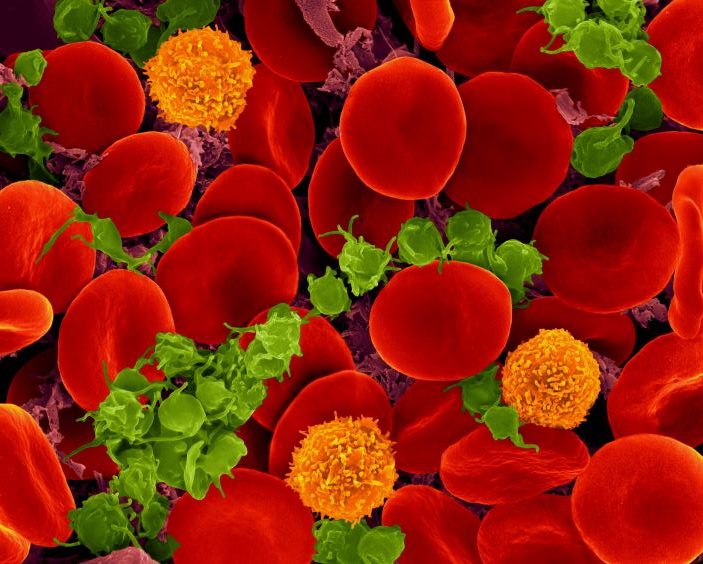
For the study, researchers conducted a series of in vitro experiments exposing human blood cells to sucralose-6-acetate and monitoring for markers of genotoxicity.

“In short, we found that sucralose-6-acetate is genotoxic, and that it effectively broke up DNA in cells that were exposed to the chemical,” Schiffman says.

The researchers also conducted in vitro tests that exposed human gut tissues to sucralose-6-acetate.

“Other studies have found that sucralose can adversely affect gut health, so we wanted to see what might be happening there,” Schiffman says. “When we exposed sucralose and sucralose-6-acetate to gut epithelial tissues – the tissue that lines your gut wall – we found that both chemicals cause ‘leaky gut.’ Basically, they make the wall of the gut more permeable. The chemicals damage the ‘tight junctions,’ or interfaces, where cells in the gut wall connect to each other.

“A leaky gut is problematic, because it means that things that would normally be flushed out of the body in feces are instead leaking out of the gut and being absorbed into the bloodstream.”

The researchers also looked at the genetic activity of the gut cells to see how they responded to the presence of sucralose-6-acetate.

“We found that gut cells exposed to sucralose-6-acetate had increased activity in genes related to oxidative stress, inflammation and carcinogenicity,” Schiffman says.

“This work raises a host of concerns about the potential health effects associated with sucralose and its metabolites. It’s time to revisit the safety and regulatory status of sucralose, because the evidence is mounting that it carries significant risks. If nothing else, I encourage people to avoid products containing sucralose. It’s something you should not be eating.”

Source: NC State University

Are Nitrates a Cancer Menace… or Cardiac Protector?

Photo by Louis Reed on Unsplash

Despite our understanding of nutrition expanding remarkably in recent times, few aspects of our diet continue to confuse and divide the experts like nitrate. For a long time nitrate has been viewed warily, with previous research showing it could potentially be linked to causing cancer.

However, subsequent research has revealed dietary nitrate also has various cardiovascular health benefits, which could help reduce the risk of related conditions such as heart disease, dementia and diabetes.

So, how can one dietary compound have such contrasting potential risks and benefits? Researchers set out to find out how and why nitrate such contrasting potential risks and benefits, publishing their findings in Trends in Food Science & Technology.

All about the source

Dr Catherine Bondonno led a review of nitrate research and says the key may lie in where it comes from.

“We get nitrate from three major dietary sources: meat, water and vegetables,” she said.

“Nitrate’s reputation as a health threat stems from 1970, when two studies showed it can form N-nitrosamines, which are highly carcinogenic in laboratory animals.

“However, no human studies have confirmed its potential dangers, and our clinical and observational studies support nitrate preventing cardiovascular disease if it’s sourced from vegetables.

“So the review looked to unpack all of that, identify new ways forward and ways that we can solve this puzzle, because it’s really time to address it: it’s been 50 years.”

Urgency required

Despite recent research indicating the source of nitrate may affect its health benefits and risks, current dietary guidelines relating to nitrate have been in place since the 1970s and don’t differentiate between nitrate from meat, vegetables and water.

Dr Bondonno said while the 1970s animal studies reported a small incidence of malignant tumours, there was evidence not all nitrates deserve to be “tarred with the same brush.”

“For instance, unlike meat and water-derived nitrate, nitrate-rich vegetables contain high levels of vitamin C and/or polyphenols that may inhibit formation of those harmful N-nitrosamines associated with cancer,” she said.

Dr Bondonno said it was vital more research was conducted so guidelines could be updated.

“The public are unlikely to listen to messages to increase intake of nitrate-rich vegetables, if they are concerned about a link between nitrate intake and cancer.”

However, she stressed while official guidelines hadn’t changed, the apparent benefits of nitrate had seen many people potentially put themselves at risk.

“We need to be sure nitrate-rich vegetables don’t actually have an increased risk of cancer if we consume a higher amount,” she said.

“High dosage nitrate supplements are already used to improve physical performance in sport, while vegetable nitrate extracts are being added to cured meat products with a “clean label” claim, purporting to be better for you.

“So we really need to get this right.”

What do we eat, then?

Given its divided experts in the field, Dr Bondonno said it’s understandable people may be confused as to whether nitrate is good or bad for them.

“They’re probably thinking, ‘If I can’t have a salad, what CAN I have?’,” she said.

Despite the debate, she said current evidence suggests people should aim to get their nitrate from vegetables — but there was no need to go overboard.

“Dark green, leafy vegetables and beetroot are good sources, our research shows one cup of raw, or half a cup cooked per day is enough to have the benefits on cardiovascular health,” she said.

“We know processed meat isn’t good for us and we should limit our intake, but whether it’s the nitrate in them that is causing the problem or something else, we don’t know.

“It just further emphasises the need to investigate dietary nitrate to clarify the message for people.

“The potential cancer link was raised 50 years ago; now it’s time to conduct an in-depth analysis to distinguish fact from fiction.”

Source: Edith Cowan University

‘Green’ Mediterranean Diet Reduces Aortic Stiffness

Photo by Charlotte Karlsen on Unsplash

Among a variety of diets a low-calorie ‘green’ Mediterranean diet caused the biggest reduction in aortic stiffness among overweight or dyslipidaemic individuals in a post hoc analysis of a randomised trial. The findings were discussed in Journal of the American College of Cardiology.

As its name suggests, the green Mediterranean diet is rich in plant polyphenols and lower in red or processed meat and simple carbohydrates than a typical low-calorie Mediterranean diet.

Controlling for other variables, the green Mediterranean diet reduced proximal aortic stenosis (PAS) by 15%, better than a typical hypocaloric Mediterranean diet (7.3% reduction) or following standard healthy diet guidelines (4.8% reduction).

The study used the unique environment of a remote Israeli nuclear research facility, where the makeup of the staff meals could be closely controlled and monitored. This also created the limitation of having a predominantly male population for the study group.

More than simple weight loss, the green Mediterranean diet may have greater influence on PAS, which as a measure of “the aortic stiffness from the ascending to the proximal descending thoracic aorta, is a distinct marker of vascular aging and a sensitive early predictor of cardiovascular morbidity and mortality risk,” the researchers noted. “Beyond aging, and similarly to atherosclerosis, PAS is sensitive to obesity-related metabolic conditions, specifically metabolic syndrome.”

Source: MedPage Today

Study Finds Healthy Diet is Independently Linked to Fitness

Photo by Charlotte Karlsen on Unsplash

A healthy diet is associated with greater physical fitness in middle-aged adults, according to research published in the European Journal of Preventive Cardiology.

“This study provides some of the strongest and most rigorous data thus far to support the connection that better diets may lead to higher fitness,” said study author Dr Michael Mi of Beth Israel Deaconess Medical Center. “The improvement in fitness we observed in participants with better diets was similar to the effect of taking 4000 more steps each day.”

Cardiorespiratory fitness reflects the body’s ability to provide and use oxygen for exercise, and it integrates the health of multiple organ systems, such as the heart, lungs, blood vessels and muscles. It is one of the most powerful predictors of longevity and health. While exercise increases cardiorespiratory fitness, it is also the case that among people who exercise the same amount, there are differences in fitness, suggesting that additional factors contribute. A nutritious diet is associated with numerous health benefits, but it has been unclear whether it is also related to fitness.

This study examined whether a healthy diet is associated with physical fitness in community-dwelling adults. The study included 2380 individuals in the Framingham Heart Study. The average age was 54 years and 54% were women. Participants underwent a maximum effort cardiopulmonary exercise test on a cycle ergometer to measure peak VO2. This is the gold standard assessment of fitness and indicates the amount of oxygen used during the highest possible intensity exercise.

Participants also completed the Harvard semi-quantitative food frequency questionnaire to assess intake of 126 dietary items during the last year ranging from never or less than once per month to six or more servings per day. The information was used to rate diet quality using the Alternative Healthy Eating Index (AHEI; 0 to 110) and Mediterranean-style Diet Score (MDS; 0 to 25), which are both associated with heart health. Higher scores indicated a better quality diet emphasising vegetables, fruits, whole grains, nuts, legumes, fish and healthy fats and limiting red meat and alcohol.

The researchers evaluated the association between diet quality and fitness after controlling for other factors that could influence the relationship, including age, sex, total daily energy intake, body mass index, smoking status, cholesterol levels, blood pressure, diabetes and routine physical activity level. The average AHEI and MDS were 66.7 and 12.4, respectively. Compared with the average score, an increase of 13 points on the AHEI and 4.7 on the MDS was associated with a 5.2% and 4.5% greater peak VO2, respectively.

Dr Mi said: “In middle-aged adults, healthy dietary patterns were strongly and favourably associated with fitness even after taking habitual activity levels into account. The relationship was similar in women and men, and more pronounced in those under 54 years of age compared to older adults.”

To discover the potential mechanism linking diet and fitness, the researchers performed further analyses. They examined the relationship between diet quality, fitness and metabolites, which are substances produced during digestion and released into the blood during exercise. Researchers measured 201 metabolites (eg amino acids) in blood samples collected in a subset of 1154 study participants. Some 24 metabolites were associated with either poor diet and fitness, or with favourable diet and fitness, after adjusting for the same factors considered in the previous analyses. Dr Mi said: “Our metabolite data suggest that eating healthily is associated with better metabolic health, which could be one possible way that it leads to improved fitness and ability to exercise.”

“This was an observational study and we cannot conclude that eating well causes better fitness, or exclude the possibility of a reverse relationship, i.e. that fit individuals choose to eat healthily.”

Dr Mi concluded: “There are already many compelling health reasons to consume a high-quality diet, and we provide yet another one with its association with fitness. A Mediterranean-style diet with fresh, whole foods and minimal processed foods, red meat and alcohol is a great place to start.”

Source: European Society of Cardiology

New WHO Guideline Advises Against Non-sugar Sweeteners for Weight Management

The World Health Organization (WHO) has released a new guideline on non-sugar sweeteners (NSS), which recommends against using NSS to control body weight or reduce the risk of noncommunicable diseases (NCDs).

This comes as WHO conducts its first review of obesity management guideline in more than two decades. Last week, Francesco Branca, WHO director of nutrition and food safety, had also warned that weight-loss drugs such as Wegovy are “not a silver bullet” in tackling obesity.

The recommendation is based on the findings of a systematic review of the available evidence which suggests that use of NSS does not confer any long-term benefit in reducing body fat in adults or children. Results of the review also suggest that there may be potential undesirable effects from long-term use of NSS, such as an increased risk of type 2 diabetes, cardiovascular diseases, and mortality in adults.

“Replacing free sugars with NSS does not help with weight control in the long term. People need to consider other ways to reduce free sugars intake, such as consuming food with naturally occurring sugars, like fruit, or unsweetened food and beverages,” says Francesco Branca, WHO Director for Nutrition and Food Safety. “NSS are not essential dietary factors and have no nutritional value. People should reduce the sweetness of the diet altogether, starting early in life, to improve their health.”

The recommendation applies to all people except individuals with pre-existing diabetes and includes all synthetic and naturally occurring or modified non-nutritive sweeteners that are not classified as sugars found in manufactured foods and beverages, or sold on their own to be added to foods and beverages by consumers. Common NSS include acesulfame K, aspartame, advantame, cyclamates, neotame, saccharin, sucralose, stevia and stevia derivatives.

The recommendation does not apply to personal care and hygiene products containing NSS, such as toothpaste, skin cream, and medications, or to low-calorie sugars and sugar alcohols (polyols), which are sugars or sugar derivatives containing calories and are therefore not considered NSS.

Because the link observed in the evidence between NSS and disease outcomes might be confounded by baseline characteristics of study participants and complicated patterns of NSS use, the recommendation has been assessed as conditional, following WHO processes for developing guidelines. This signals that policy decisions based on this recommendation may require substantive discussion in specific country contexts, linked for example to the extent of consumption in different age groups.

The WHO guideline on NSS is part of a suite of existing and forthcoming guidelines on healthy diets that aim to establish lifelong healthy eating habits, improve dietary quality and decrease the risk of NCDs worldwide.

Source: WHO

Can Low-carbohydrate or Low-fat Diets Extend Lifespan?

Better diets are needed to address the macronutritional needs of an ageing population. Short-term clinical trials have demonstrated the health benefits of low-carbohydrate diets (LCDs) and low-fat diets (LFDs) for weight loss and heart protection. Now a study published in the Journal of Internal Medicine looks at the effects of these diets on mortality in middle-aged and older adults.

In the study of 371 159 individuals aged 50 to 71 years, 165 698 deaths occurred over a median follow-up of 23.5 years.

A healthy LFD – characterised by low intake of saturated fat and high intakes of plant protein and high-quality carbohydrates – was related to fewer deaths from all causes, from cardiovascular diseases, and from cancers. In contrast, an overall LCD and an unhealthy LCD were associated with significantly higher total, cardiovascular, and cancer mortality rates. A healthy LCD was associated with slightly lower death rates.

“Our results support the importance of maintaining a healthy LFD with less saturated fat in preventing all-cause and cause-specific mortality among middle-aged and older people,” the authors wrote.

Source: Wiley

Processed Foods Increase Miscarriage Risk; Fruits Reduce it

A preconception and early-pregnancy diet that contains lots of fruit, vegetables, seafood, dairy, eggs and grain may be associated with reducing risk of miscarriage, suggests a new review of research in the journal Fertility and Sterility.

University of Birmingham researchers analysed 20 studies on eating habits in the months before and shortly after conceiving a baby to see whether these studies showed evidence of association with a lower or higher chance of miscarriage. The team conclude that there is evidence to suggest a diet rich in fruit, vegetables, seafood, dairy products, eggs and grain reduces miscarriage risk.

Not surprisingly, these are foods which typically make up ‘healthy’ well-balanced diets, with previous evidence showing that eating a well-rounded diet which is rich in vitamins and minerals during pregnancy is important.

The research review found that, when compared to low consumption, high intake of fruit may be associated with a 61% reduction in miscarriage risk. High vegetable intake may be associated with a 41% reduction in miscarriage risk. For dairy products it is a 37% reduction, 33% for grains, 19% for seafood and eggs.

Led by Dr Yealin Chung, researchers also looked at whether pre-defined dietary types, such as the Mediterranean Diet or Fertility Diet could also be linked to miscarriage risk. They could not find evidence that following any of these diets lowered or raised risk.

However, a whole diet containing healthy foods overall, or foods rich in antioxidant sources, and low in pro-inflammatory foods or unhealthy food groups may be associated with a reduction in miscarriage risk for women.

A diet high in processed food was shown to be associated with doubling of miscarriage risk.

The studies included in the analysis focused on the peri-conception period, which is before and during the first 3 months of pregnancy. Data collected from a total of 63 838 healthy women of reproductive age was included, with information on their diets typically collected through food frequency questionnaires for each study.

Dr Chung explains:

“Miscarriage is common, with estimates suggesting 1 in 6 pregnancies end in miscarriage, and there are many known causes, from problems with the baby’s chromosomes to infections in the womb.

“Yet nearly 50% of early pregnancy losses remain unexplained and in the absence of a cause, parents often turn to their healthcare providers for guidance on the best ways to be as healthy as possible and reduce the risk of future miscarriages.

“There’s a growing body of evidence to show that lifestyle changes – including changes to diet, stopping smoking and not drinking alcohol – before conceiving and in your pregnancy’s early stages – may have an impact.”

Source: University of Birmingham

The Effectiveness of Salt Restriction in Primary Aldosteronism

Results from a clinical trial published in the Journal of Internal Medicine reveal several health benefits of moderate salt restriction in patients on standard medical treatment for primary aldosteronism/ These included lowered blood pressure and reduced depressive symptoms. 

Primary aldosteronism – when adrenal glands produce excess aldosterone – is a common cause of secondary hypertension. The combination of aldosterone excess and high dietary salt intake leaves affected patients with a higher risk of cardiovascular disease than patients with hypertension from other causes. Mineralocorticoid antagonists are the main treatment of primary aldosteronism, but these medications do not completely normalise patients’ elevated cardiovascular risk.

Because elevated aldosterone and high dietary salt intake have detrimental effects on patients’ health, investigators wanted to find out whether salt restriction might benefit patients. In the non-randomised single-arm Salt CONNtrol trial that included 41 patients, moderate salt restriction reduced blood pressure and depressive symptoms without detectable adverse effects.

“The study shows that a moderate dietary salt restriction is feasible, when combined with a dedicated smartphone app for continuous motivation, and has a strong antihypertensive effect in patients with primary aldosteronism,” said corresponding author Christian Adolf, MD, of Ludwig Maximilian University of Munich, in Germany. “Our findings will help to improve care for patients with primary aldosteronism and, likely, also for subgroups of patients with essential hypertension.”

Source: Wiley