Category: Diet and Nutrition

Health Activists Make Over 12 000 Submissions on Draft Food Labelling Regulations

These are examples of the proposed new black and white warning labels on food packaging. Photo: supplied

By Mary-Anne Gontsana

Over 12 000 submissions have been collected by Community Media Trust and the Healthy Living Alliance (HEALA) in response to the Department of Health’s draft Regulations Relating to the Labelling and Advertising of Foodstuffs.

The draft regulations were gazetted in January and consumers had until 21 July to comment. These regulations, among other things, propose the mandatory use of new and bolder warning labels on unhealthy food which include items high in salt, sugar, saturated fats and items containing artificial sweeteners.

Community Media Trust (CMT) is a not-for-profit company, mainly focused on health and human rights and has partnered with the Healthy Living Alliance (HEALA), a coalition of organisations focused on nutrition.

In February, CMT and HEALA staged a flash mob as part of the “Less Sugar, More Life” campaign in Cape Town ahead of the Finance Minister’s Budget Speech, advocating for an increase in the sugary drinks tax. They were disappointed by the announcement that the tax would be frozen for two years.

Following a massive media campaign on the draft regulations, CMT and HEALA successfully collected thousands of submissions.

CMT’s co-director Lucilla Blankenberg said the warning labels had been tested with audiences and researchers. If you’re a diabetic shopping for food and there was a clear warning label saying, ‘high in sugar’, the consumer won’t have to spend time trying to work it out because the message is simple.

The proposed warning labels are black and white triangles and would clearly indicate when food is high in sugar, salt and fat or contains artificial sweeteners.

“The reason the food industry is fighting back is because if food has a warning label, it cannot be marketed directly to children. Which means cartoons and animation that will attract children cannot be used to market a food item that has a warning label. If a pack has a warning label they can’t make any health claims whatsoever,” said Blankenberg.

“We won’t see the results immediately, but it will happen over time, especially for the children. With warning labels, it will be easier for parents to avoid buying certain food,” said Blankenberg.

HEALA’s communications manager Zukiswa Zimela said conversations proposing front of pack warning labels started in 2016.

Zimela said research for the campaign was initially done by the University of Western Cape to determine which foods qualify to have front of pack warning labels. She said the research gave more insight into what consumers thought of the current information on packaging as well as what the new warnings should look like.

“We started the campaign in May and went to eight provinces, mainly to educate and inform communities about the importance of front of pack warning labels and the food they were eating,” said Zimela. She said they found that many consumers agreed that they did not understand the nutritional information on food packaging.

She said the food industry had used scare tactics like saying warning labels would cause job losses which was “completely untrue”.

“This is not something new, warning labels have been done in other countries like Chile, Mexico, Peru and Columbia and there has been no evidence that jobs have been lost because of it. This is just undermining the government’s plan to get people to eat better.”

Zimela said HEALA will be monitoring the responses to the regulations. “Should the regulations be implemented, we need to make sure that they are not watered down or seen as useless.”

Sugar industry warns against “demonising sugar”

The South African Sugar Association (SASA) told GroundUp it had also submitted comments on the draft regulations, and that the front of pack warning labelling system was of particular concern to the industry.

SASA executive director, Trix Trikam, said: “The objective of this system is to encourage the reduction of energy/calorie intake, saturated fat and salt to prevent obesity and non-communicable diseases.

“It is well known and there is evidence that sugar is not the sole contributor of kilojoules to the diet and should therefore not be singled out in a regrettable out-of-context manner,” he said.

He said the warning labels should not be done in a sensationalist or alarmist manner “which seeks to demonise sugar” because that would have “a significant adverse impact on the sugar industry”.

Trikman suggested that the warning labels should instead reflect the calories in a food product. “SASA is also not convinced that the perceived cut-off values for sugar is evidence-based. A possible solution to that would be to use the perceived cut-off values based on percentage of energy value and not the amount of sugar per volume of product,” said Trikam.

“The draft regulations make it mandatory for a warning symbol to be placed on the front of pack labels for foods that exceed a perceived cut-off value for sugar. In order to avoid the warning symbol for sugar, food manufacturers will seek to find ways of removing sugar from their products. This will lead to a decrease in the demand for sugar and will ultimately negatively impact the livelihoods of those dependent on the sugar industry in the deeply rural areas of KwaZulu-Natal and Mpumalanga.”

Trikam said SASA is concerned about the obesity rates in South Africa but added that the solutions should be evidence-based.

Disclosure: GroundUp was once a project of, and still has a close relationship with, Community Media Trust.

Republished from GroundUp under a Creative Commons Licence.

Source: GroundUp

Specialised Omega-3 Lipid Could be a New Treatment for Acute Kidney Injury

Photo by Robina Weermeijer on Unsplash

Researchers from Singapore have identified a potential dietary supplement of omega-3 that may improve recovery following acute kidney injury (AKI). The finding, published in the Journal of Lipid Research, may offer a new way to treat this serious condition, which currently has few therapies.

The study was part of a long-running research programme at Duke-NUS Medical School investigating how cells take up a specialised omega-3 lipid called LPC-DHA.

AKI affects some 13.3 million people globally each year, with a mortality rate of 20 to 50% depending on the economic status of the country and stage of the disease. One of the main causes of AKI is ischaemic reperfusion injury, which occurs when the kidney’s blood supply is restored after a period of restricted blood flow and poor oxygen delivery due to illness, injury or surgical intervention. In particular, it damages a crucial part of the kidney called the S3 proximal tubules that regulate the levels of absorption of water and soluble substances, including salts.

“AKI is a serious health problem with limited treatment options,” said Dr Randy Loke, first author of the study. “We sought to understand how these tubules repair themselves and found that the activity of the protein Mfsd2a, which transports LPC-DHA into cells, is a key factor influencing the rate of recovery of kidney function after ischaemic reperfusion injury.”

In their study, the researchers discovered that preclinical models with reduced levels of Mfsd2a showed delayed recovery, increased damage and inflammation after kidney injury. However, when these models were treated with LPC-DHA, their kidney function improved and the damage was reduced. LPC-DHA also restored the structure of the S3 proximal tubules, helping them function properly again.

“While more research is needed, the potential of LPC-DHA as a dietary supplement is exciting for future recipients who have suffered from AKI,” said senior study author Professor David Silver. “As our results suggest that LPC-DHA could become a safe and effective treatment that offers lifelong protection, its potential can help protect the kidneys and aid in recovery for these individuals.”

In the next phase, the research team plans to continue investigating the beneficial functions of LPC in the kidney and are aiming to initiate clinical testing of LPC supplements to determine their effectiveness in improving renal function and recovery following AKI in patients.

They also plan to continue their investigations of the protein Mfsd2a to learn more about its role in LPC transport and its involvement in diseases affecting other tissues and organs. Previous research by Prof Silver’s group, with collaborators from other institutions, have already highlighted the significance of the protein’s LPC-transporting activities in diseases of other organs, including the liver, lungs and brain.

Source: Duke–NUS Medical School

Quality and Timing of Snacks Determines Their Health Impacts

Credit: Pixabay CC0

Snacking is becoming increasingly popular, with more than 70% of people reporting they snack at least twice a day. In a new study presented at NUTRITION 2023, researchers examined whether snacking affects health and if the quality of snack foods matters.

“Our study showed that the quality of snacking is more important than the quantity or frequency of snacking, thus choosing high quality snacks over highly processed snacks is likely beneficial,” said presenter Kate Bermingham, PhD, a postdoctoral fellow at King’s College London. “Timing is also important, with late night snacking being unfavourable for health.”

The work is part of the ZOE PREDICT project, a group of large in-depth nutritional research studies designed to uncover how and why people respond differently to the same foods.

“Surprisingly little has been published on snacking, despite the fact that it accounts for 20–25% of energy intake,” said Bermingham. “PREDICT followed a large number of people and captured detailed information on their snacking behaviours, allowing this in-depth exploration of snacking on health.”

Using data from just over 1000 participants in the ZOE PREDICT 1 study, the researchers examined the relationship between snacking quantity, quality, and timing with blood fats and insulin levels, which are both indicators of cardiometabolic health.

The analysis showed that snacking on higher quality foods, which contain significant amounts of nutrients relative to the calories they provide, was associated with better blood fat and insulin responses. The researchers also observed that late-evening snacking, which lengthens eating windows and shortens the overnight fasting period, was associated with unfavourable blood glucose and lipid levels. There was no association between snacking frequency, calories consumed, and food quantity with any of the health measures analysed.

“We observed only weak relationships between snack quality and the remainder of the diet, which highlights snacking as an independent modifiable dietary feature that could be targeted to improve health,” said Bermingham.

Source: EurekAlert!

Is A Healthy Diet Using Ultra-processed Food Possible?

Photo by Julia M Cameron

Researchers constructed a healthy diet with 91% of the calories coming from foods classified as ultra-processed but still in line with the 2020–2025 Dietary Guidelines for Americans (DGA). The seven-day diet, which consists more of ultra-processed foods like dried fruit and canned beans instead of doughnuts and hot dogs, was published in The Journal of Nutrition.

“The study is a proof-of-concept that shows a more balanced view of healthy eating patterns, where using ultra-processed foods can be an option,” said Research Nutritionist Julie Hess at the USDA Agricultural Research Service (ARS). “According to current dietary recommendations, the nutrient content of a food and its place in a food group are more important than the extent to which a food was processed.”

In the study, scientists used the NOVA scale to determine which foods to classify as ultra-processed. The NOVA scale first appeared in literature in 2009 and is the most commonly used scale in nutrition science to classify foods by degree of processing.

According to the NOVA scale, foods can be classified into four groups depending on their degree of processing: (1) Unprocessed or minimally processed foods; (2) Processed culinary ingredients; (3) Processed foods; and (4) Ultra-processed foods.

To test if ultra-processed foods can be used to build a healthy diet, ARS scientists and collaborators created a menu with breakfast, lunch, dinner, and snacks using MyPyramid as a guide for a seven-day, 2000-calorie food pattern The menu consisted of foods categorised as ultra-processed by at least two NOVA graders. The foods included in the menu also aligned with 2020 DGA recommendations for servings of groups and subgroups of fruits, vegetables, grains, protein foods, and dairy. Scientists selected food products that have lower levels of saturated fats and added sugars while still containing enough micronutrients and macronutrients. Some of the ultra-processed foods used in this menu included canned beans, instant oatmeal, ultra-filtered milk, whole wheat bread, and dried fruit.

“We used the Healthy Eating Index to assess the quality of the diet as it aligns with key DGA recommendations,” said Hess. “The menu we developed scored 86 of 100 points on the Healthy Eating Index-2015, meeting most of the thresholds, except for sodium content [exceeded recommendations] and whole grains [below recommendations].”

Scientists will continue researching this concept, understanding that observational research indicates that ultra-processed products could be associated with adverse health outcomes. This research shows that there is a role for a variety of foods when building a healthy diet and that more research is needed in this field, especially intervention studies.

Source: US Department of Agriculture – Agricultural Research Service

Steaks are OK? Global Study Challenges Current Advice on High-fat Diets

Photo by Jose Ignacio Pompe on Unsplash

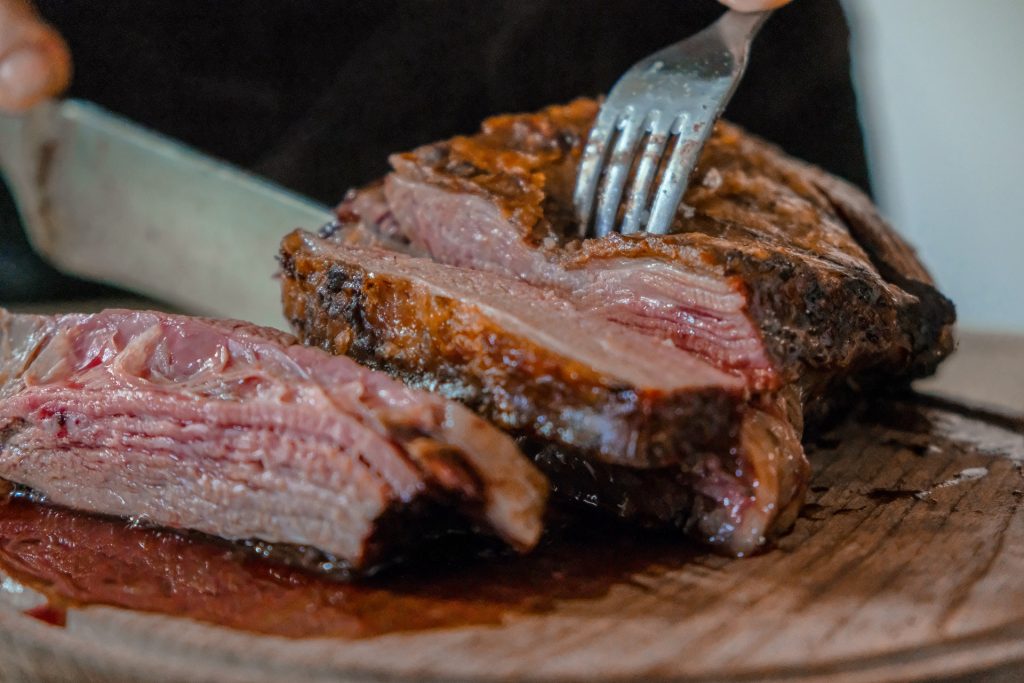
In a study conducted across 80 countries, researchers found that unprocessed red meat and whole grains can be included or left out of a healthy diet. Published in the European Heart Journal, the findings showed that diets emphasising fruit, vegetables, dairy (mainly whole-fat), nuts, legumes and fish were linked with a lower risk of cardiovascular disease (CVD) and premature death in all world regions. The addition of unprocessed red meat or whole grains had little impact on outcomes.

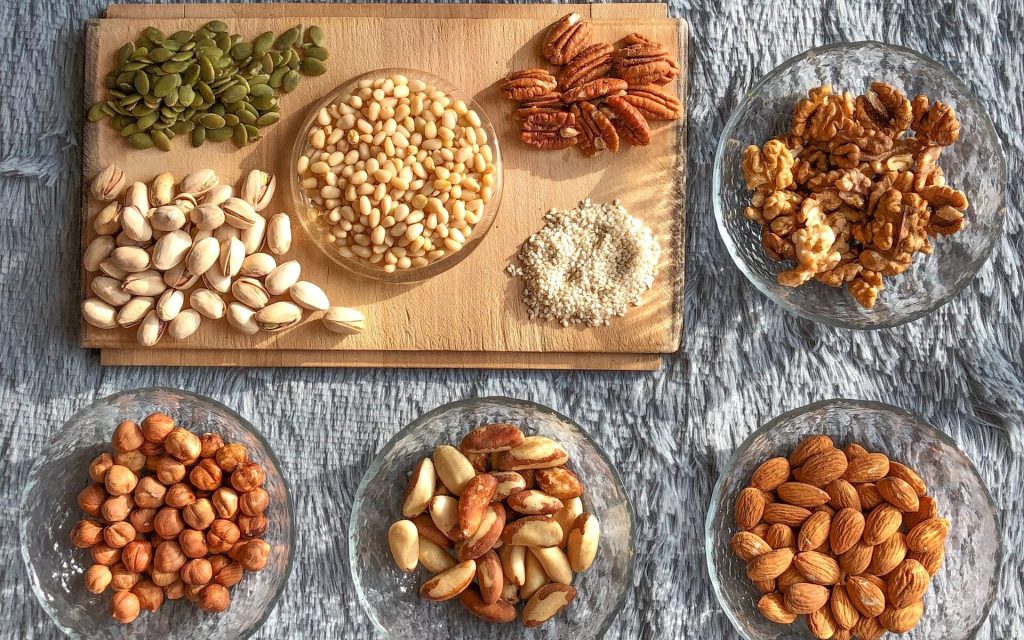
“Low-fat foods have taken centre stage with the public, food industry and policymakers, with nutrition labels focused on reducing fat and saturated fat,” said study author Dr Andrew Mente of the Population Health Research Institute, McMaster University, Hamilton, Canada. “Our findings suggest that the priority should be increasing protective foods such as nuts (often avoided as too energy dense), fish and dairy, rather than restricting dairy (especially whole-fat) to very low amounts. Our results show that up to two servings a day of dairy, mainly whole-fat, can be included in a healthy diet. This is in keeping with modern nutrition science showing that dairy, particularly whole-fat, may protect against high blood pressure and metabolic syndrome.”

The study examined the relationships between a new diet score and health outcomes in a global population. A healthy diet score was created based on six foods that have each been linked with longevity. The PURE diet included 2-3 servings of fruit per day, 2-3 servings of vegetables per day, 3-4 servings of legumes per week, 7 servings of nuts per week, 2-3 servings of fish per week, and 14 servings of dairy products (mainly whole fat but not including butter or whipped cream) per week. A score of 1 (healthy) was assigned for intake above the median in the group and a score of 0 (unhealthy) for intake at or below the median, for a total of 0 to 6. Dr Mente explained: “Participants in the top 50% of the population – an achievable level – on each of the six food components attained the maximum diet score of six.”

Associations of the score with mortality, myocardial infarction, stroke and total CVD (including fatal CVD and non-fatal myocardial infarction, stroke and heart failure) were tested in the PURE study which included 147 642 people from the general population in 21 countries. The analyses were adjusted for factors that could influence the relationships such as age, sex, waist-to-hip ratio, education level, income, urban or rural location, physical activity, smoking status, diabetes, use of statins or high blood pressure medications, and total energy intake.

The average diet score was 2.95. During a median follow-up of 9.3 years, there were 15 707 deaths and 40 764 cardiovascular events. Compared with the least healthy diet (score of 1 or less), the healthiest diet (score of 5 or more) was linked with a 30% lower risk of death, 18% lower likelihood of CVD, 14% lower risk of myocardial infarction and 19% lower risk of stroke. Associations between the healthy diet score and outcomes were confirmed in five independent studies including a total of 96 955 patients with CVD in 70 countries.

Dr Mente said: “This was by far the most diverse study of nutrition and health outcomes in the world and the only one with sufficient representation from high-, middle- and low-income countries. The connection between the PURE diet and health outcomes was found in generally healthy people, patients with CVD, patients with diabetes, and across economies.”

“The associations were strongest in areas with the poorest quality diet, including South Asia, China and Africa, where calorie intake was low and dominated by refined carbohydrates. This suggests that a large proportion of deaths and CVD in adults around the world may be due to undernutrition, that is, low intakes of energy and protective foods, rather than overnutrition. This challenges current beliefs,” said Professor Salim Yusuf, senior author and principal investigator of PURE.

In an accompanying editorial, Dr Dariush Mozaffarian of the Friedman School of Nutrition Science and Policy, Tufts University, USA, stated: “The new results in PURE, in combination with prior reports, call for a re-evaluation of unrelenting guidelines to avoid whole-fat dairy products. Investigations such as the one by Mente and colleagues remind us of the continuing and devastating rise in diet-related chronic diseases globally, and of the power of protective foods to help address these burdens. It is time for national nutrition guidelines, private sector innovations, government tax policy and agricultural incentives, food procurement policies, labelling and other regulatory priorities, and food-based healthcare interventions to catch up to the science. Millions of lives depend on it.”

Source: European Society of Cardiology

Obesity Genetic Risk Could be Curbed by Practising Restraint

Photo by Jonathan Borba

Obesity risk genes make people feel hungrier and lose control over their eating, but practisng dietary restraint could counteract this, according to new research from University of Exeter. Published in the International Journal of Epidemiology, the study found that those with higher genetic risk of obesity can reduce the effects that are transmitted via hunger and uncontrolled eating by up to half through dietary restraint.

Lead author psychology PhD student, Shahina Begum said: “At a time when high calorie foods are aggressively marketed to us, it’s more important than ever to understand how genes influence BMI. We already know that these genes impact traits and behaviours such as hunger and emotional eating, but what makes this study different is that we tested the influence of two types of dietary restraint – rigid and flexible – on the effect of these behaviours. What we discovered for the first time was that increasing both types of restraint could potentially improve BMI in people genetically at risk; meaning that restraint-based interventions could be useful to target the problem.”

Genes linked to obesity increase BMI, with up to a quarter of this effect explained by increases in hunger and uncontrolled (including emotional) eating. There are over 900 genes that have so far been identified by researchers as being associated with BMI and several studies suggest these risk genes influence feelings of hunger and loss of control towards food.

This study examined 3780 adults aged between 22 and 92 years old from two UK cohorts: the Genetics of Appetite Study, and Avon Longitudinal Study of Parents and Children. Their weight and height were measured, and they provided a DNA sample via their blood to calculate an overall score for their genetic risk of obesity. They then completed questionnaires to measure 13 different eating behaviours, including disinhibition (a tendency to engage in binge or emotional eating) and over-eating due to hunger.

As expected, researchers found that a higher genetic risk score was associated with a higher BMI, partly due to increased disinhibition and hunger. However, results also found that those who had high levels of dietary restraint reduced those effects by almost half for disinhibition and a third for hunger, suggesting that restraint may counteract some of the effects of genetic risk.

There are different types of dietary restraint, including flexible strategies to rigid strategies, like calorie counting. The study tested the influence of both types of restraint for the first time and found both could potentially improve BMI in people genetically at risk.

Interventions to facilitate dietary restraint could include changing the food environment (by reducing the calorie content or portion size of food) or supporting individuals. To this end, members of the research team have developed a Food Trainer app (https://www.exeter.ac.uk/research/foodt/) to help achieve that. The app works as a game that trains people to repeatedly stop to high calorie food and research suggests this training may be particularly beneficial for those with a higher BMI.

Source: University of Exeter

Female Athletes’ Metabolism Drops if They Cut Energy Intake

Photo by Andrea Piacquadio on Pexels

Most athletes know that diet and training go hand in hand for the best results, and many of them closely monitor their energy intake and training. However, a new study from Aarhus University shows that the bodies of female athletes are negatively affected when they consume too little energy through their diet in comparison with their training volume, explains PhD student Mikkel Oxfeldt. He and Associate Professor Mette Hansen are behind the study, which is published in the Journal of Physiology.

“We know that both elite female athletes and active women at times, either consciously or unconsciously, don’t have an energy intake that matches their energy expenditure when training. The study shows that insufficient energy intake can negatively affect muscles’ ability to respond to training. After just ten days of low energy intake, we began seeing changes to the hormonal system such as a decrease in the metabolic hormone followed by a decrease in metabolism.”

The study shows that it is important that women are careful not to reduce their energy intake too much. In fact, they should actually be increasing their energy intake if they increase their training volume, says Mikkel Oxfeldt:

“When you don’t get enough energy from your diet, your body will begun to pare down processes that require a lot of energy, just like a mobile phone that goes into battery-saving mode. We know from previous studies that it can cause some women’s periods to stop. However, our results show that other processes in the body, such as building new muscle proteins, are also affected.”

We must confront the unilateral focus on weight

Thirty fit women aged 18–30 participated in the study which is part of the Novo Nordic-funded Team Denmark network called ‘competition preparation and training optimisation’. All the women started the study right after the start of their menstrual period and followed a very controlled training and diet regimen for three weeks.

“Under the supervision of the researchers, the participants carried out individual training programmes aimed at increasing muscle mass, strength and overall fitness. The women’s meals were also provided by us. By controlling their training regimen and their diets, we were able to see how much energy they expended and what they ate during the study,” says Mikkel Oxfeldt and continues:

“This is the first time that such a well-controlled study has been carried out in this area, where both the diet and training of a group of fit women has been regulated to this extent. During the study, all participants drank doubly labelled water, which is enriched with a trace material. When we combine this tracer technique with the retrieval and subsequent analysis of muscle tissue samples, we can gain detailed insight into the muscles’ response to the experimental protocol,” explains Mikkel Oxfeldt.

Mikkel and the research group believe it’s necessary to confront the idea that weight loss leads to medals when in fact weight loss can negatively impact a number of the body’s systems, including muscles.

“In recent years, we’ve heard about public weigh-ins within some elite sports. They are part of promoting a culture in which some women are constantly trying to lose weight. However, our results show that this focus on weight loss can have short and potentially long-term negative consequences for women, both in relation to their health and training results. The study will hopefully provide athletes and coaches with a more nuanced picture of possible side effects.”

In collaboration with colleagues from the University of Copenhagen and University of Southern Denmark, the researchers behind the study are now investigating how physical performance, the immune system and metabolism are affected by an insufficient energy intake. They hope to one day be able to establish whether there is a difference between how women’s and men’s bodies react to inadequate energy intake.

Source: Aarhus University

Five Years of High-dose Vitamin D Reduced Atrial Fibrillation Risk

Photo by Michele Blackwell on Unsplash

Taking higher-than-recommended doses of vitamin D for five years reduced the risk of atrial fibrillation in older adults, according to a randomised controlled study conducted in Finland and published in the American Heart Journal.

Atrial fibrillation is the most common arrhythmia, the risk of which increases with age, and which is associated with an increased risk of stroke, heart failure and mortality. Vitamin D has been shown to have an effect, for example, on the atrial structure and the electrical function of the heart, suggesting that vitamin D might prevent atrial fibrillation.

Conducted at the University of Eastern Finland in 2012–2018, the main objective of the Finnish Vitamin D Trial (FIND) was to explore the associations of vitamin D supplementation with the incidence of cardiovascular diseases and cancers. The five-year study involved 2 495 participants, men aged 60 and older, and women aged 65 and older, who were randomised into three groups: one placebo group and two vitamin D3 supplementation groups, with one of the groups taking a supplement of 40µg (1600 IU) per day, and the other a supplement of 80µg (3200 IU) per day. All participants were also allowed to take their personal vitamin D supplement, up to 20µg (800 IU) per day, which at the beginning of the study was the recommended dose for this age group. Participants had no diagnoses of cardiovascular disease or cancer at baseline, and they completed comprehensive health-related questionnaires, both at the beginning. Data on the occurrence of diseases and deaths were also obtained from Finnish nationwide health registers. Approximately 20% of participants were randomly selected for more detailed examinations and blood samples.

During the five-year study, 190 participants were diagnosed with atrial fibrillation: 76 in the placebo group, 59 in the 40µg group, and 55 in the 80 micrograms group. The risk of atrial fibrillation was 27% lower in the 40µg group, and 32% lower in the 80 micrograms group, when compared to the placebo group. In the sub-cohort selected for more detailed examinations, the mean baseline serum calcidiol concentration, which is a marker of the body’s vitamin D concentration, was relatively high, 75nmol/l. After one year, the mean calcidiol concentration was 100nmol/L in the 40µg group, and 120nmol/l in the 80µg group. No significant change in the calcidiol concentration was observed in the placebo group.

Only two randomised trials tried to test whether vitamin D supplementation reduces AF risk in healthy adults, and they did not observe an effect when using doses of 10µg (400 IU) or 50µg (2000 IU) per day. Further confirmation of the present results from the FIND study is therefore needed before doses of vitamin D that significantly exceed current recommendations can be recommended for preventing atrial fibrillation. The FIND study has previously published findings showing no association with the incidence of other cardiovascular events or cancers.

Source: University of Eastern Finland

Intermittent Fasting Might be a Good Idea for Preventing Diabetes

Photo by Ernest Brillo on Unsplash

New research from the University of Georgia suggests that the intermittent fasting fad might actually reduce the risk of diabetes. Published in Nutrients, the review found that time-restricted eating may reduce the chances of developing Type 2 diabetes and improve overall health.

Time-restricted eating involves having regular but fewer meals, cutting out late-night snacks and not eating for 12 to 14 hours (often overnight). After a comprehensive review of published, peer-reviewed studies, the researchers found a connection between number of meals and obesity and Type 2 diabetes.

“What we’ve been taught for many decades is that we should eat three meals a day plus snacking in between,” said Krzysztof Czaja, an associate professor of biomedical sciences in UGA’s College of Veterinary Medicine. “Unfortunately, this appears to be one of the causes of obesity.” The study was co-authored by Carlee Harris, an undergraduate biology major in UGA’s Franklin College of Arts and Sciences.

The three meals and snacks style of eating prevents insulin levels from going down during the day, and, with the amount of calories and sugars Americans consume on average, that can overload the body’s insulin receptors. That leads to insulin resistance and often Type 2 diabetes.

“That’s why it’s so hard to lose body fat,” Czaja said. “We are not giving our bodies a chance to use it. Having fewer meals a day will allow these fat deposits to be used as an energy source rather than the sugar we keep consuming.”

Modern eating approach disrupts body’s biological clock

The researchers found that time-restricted eating allows the body to relax and lower insulin and glucose levels, which in turn can improve insulin resistance, brain health and glycaemic control. It can also reduce calorie intake by around 550 calories per day without the stress of calorie counting.

Previous studies have shown disruptions to sleep and meal schedules can change both the type and amount of bacteria and other microorganisms in the digestive tract. But fasting may positively alter the gut microbiome, potentially staving off inflammation and a variety of metabolic disorders.

Additionally, the review suggests time-restricted eating can help regulate hormones responsible for appetite regulation and energy levels.

Regular meal schedules, eating breakfast and decreasing meals and snacks can help guard against obesity and Type 2 diabetes, according to the publication. And all breakfasts aren’t created equal. Aim for healthy fats and protein, like eggs, and avoid the sugar-filled breakfast cereals and pastries.

Although time-restricted eating appeared to improve health, the researchers found that other types of restricted eating, such as fasting for days on end, provided few benefits.

Regular but fewer meals can stave off obesity and metabolic disorders

The modern approach of three meals plus snacks became popular decades ago, and it’s a hard pattern to break.

“But our gut-brain signalling is not designed for this type of eating,” Czaja said.

The researchers caution that eating is not a one size fits all situation. Smaller, less active people need fewer calories on average than taller athletes, for example. So for some, one meal of nutrient-rich food might be another while others may need more.

But one thing was very clear from the literature they reviewed: Fewer meals of high-quality food is a good guideline for individuals at risk of developing Type 2 diabetes and obesity.

“Also definitely avoid late-night eating,” Czaja said. “Our midnight snacks spike insulin, so instead of us going into a resting state when we sleep, our GI is working on digestion. That’s why we wake up in the morning tired – because we don’t get enough resting sleep.”

Source: University of Georgia

How Chronic Stress Drives Cravings for ‘Comfort Foods’

Photo by Patrick Fore on Unsplash

Reaching for a high-calorie snack is a common reaction when stressed – but this could be driving a vicious circle. Australian scientists report that stress combined with calorie-dense ‘comfort’ food creates brain changes that drive more eating, boost cravings for sweet, highly palatable food and lead to excess weight gain.

A team from the Garvan Institute of Medical Research reported in the journal Neuron that stress overrode the brain’s natural response to satiety, leading to non-stop reward signals that promote eating more highly palatable food. This occurred in a part of the brain called the lateral habenula, which when activated usually dampens these reward signals.

“Our findings reveal stress can override a natural brain response that diminishes the pleasure gained from eating — meaning the brain is continuously rewarded to eat,” says Professor Herzog, senior author of the study and Visiting Scientist at the Garvan Institute of Medical Research.

“We showed that chronic stress, combined with a high-calorie diet, can drive more and more food intake as well as a preference for sweet, highly palatable food, thereby promoting weight gain and obesity. This research highlights how crucial a healthy diet is during times of stress.”

From stressed brain to weight gain

Most people will eat more than usual during times of stress and choose calorie-rich options high in sugar and fat. To understand what drives these eating habits, the team investigated in mouse models how different areas in the brain responded to chronic stress under various diets.

“We discovered that an area known as the lateral habenula, which is normally involved in switching off the brain’s reward response, was active in mice on a short-term, high-fat diet to protect the animal from overeating. However, when mice were chronically stressed, this part of the brain remained silent – allowing the reward signals to stay active and encourage feeding for pleasure, no longer responding to satiety regulatory signals,” explains first author Dr Kenny Chi Kin Ip.

“We found that stressed mice on a high-fat diet gained twice as much weight as mice on the same diet that were not stressed.”

The researchers discovered that at the centre of the weight gain was the molecule NPY, which the brain produces naturally in response to stress. When the researchers blocked NPY from activating brain cells in the lateral habenula in stressed mice on a high-fat diet, the mice consumed less comfort food, resulting in less weight gain.

Driving comfort eating

The researchers next performed a ‘sucralose preference test’ – allowing mice to choose to drink either water or water that had been artificially sweetened.

“Stressed mice on a high-fat diet consumed three times more sucralose than mice that were on a high-fat diet alone, suggesting that stress not only activates more reward when eating but specifically drives a craving for sweet, palatable food,” says Professor Herzog.

“Crucially, we did not see this preference for sweetened water in stressed mice that were on a regular diet.”

Stress overrides healthy energy balance

“In stressful situations it’s easy to use a lot of energy and the feeling of reward can calm you down — this is when a boost of energy through food is useful. But when experienced over long periods of time, stress appears to change the equation, driving eating that is bad for the body long term,” says Professor Herzog.

The researchers say their findings identify stress as a critical regulator of eating habits that can override the brain’s natural ability to balance energy needs.

“This research emphasises just how much stress can compromise a healthy energy metabolism,” says Professor Herzog. “It’s a reminder to avoid a stressful lifestyle, and crucially – if you are dealing with long-term stress – try to eat a healthy diet and lock away the junk food.”

Source: Garvan Institute of Medical Research