Category: Neurodegenerative Diseases

Polypharmacy Negatively Impacts Older Adults with Dementia

Photo by Kampus Production

Over 30% of older adults take five or more medications daily, which is termed polypharmacy. It is associated with poor health outcomes like falls, medication interactions, hospitalisations and even death. Multiple chronic conditions in older adults increases the risk of polypharmacy. While polypharmacy is more common in older adults with Alzheimer’s disease and related dementias, there is little research examining the impact on symptoms, health outcomes and physical function.

Researchers from Drexel University’s College of Nursing and Health Professions recently published a study in Biological Research For Nursing examining symptoms, health outcomes and physical function over time in older adults with and without Alzheimer’s disease and related dementias and polypharmacy.

Led by Martha Coates, PhD, the research team found that individuals who are experiencing polypharmacy and have Alzheimer’s disease and related dementias experience more symptoms, falls, hospitalisations, mortality and had lower physical function – indicating that polypharmacy can also negatively impact quality of life for older adults with Alzheimer’s disease and related dementias.

“The cut-off of point of five or more medications daily has been associated with adverse health outcomes in previous research, and as the number of medications increase the risk of adverse drug events and harm increases,” said Coates.

The research team used a publicly available dataset from the National Health and Aging Trends Study – a nationally representative sample of Medicare beneficiaries in the United States from Johns Hopkins University. Since 2011, data is collected yearly to examine social, physical, technological and functional domains that are important in aging.

For this study, the research team used data from 2016 through 2019 to compare changes in symptoms, health outcomes and physical function among four groups: 1) those with Alzheimer’s disease and related dementias and polypharmacy; 2) those with Alzheimer’s disease and related dementias only; 3) those with polypharmacy only; and 4) those without either Alzheimer’s disease and related dementias or polypharmacy.

Coates explained that the researchers used analytic weights to analyse the data, which generates national estimates, making the sample of 2052 individuals representative of 12 million Medicare beneficiaries in the US, increasing the generalisability of the findings.

“We found that older adults with Alzheimer’s disease and related dementias and polypharmacy experienced more unpleasant symptoms, increased odds of falling, being hospitalised and mortality compared to those without Alzheimer’s disease and related dementias and polypharmacy,” said Coates. “They also experienced more functional decline, required more assistance with activities of daily living like eating, bathing and dressing, and were more likely to need an assistive device like a cane or walker.”

Coates noted that there are tools available to help health care providers review and manage medication regimens for older adults experiencing polypharmacy and possibly taking medications that are potentially inappropriate or no longer provide benefit. However, currently there are no specific tools like that for older adults with Alzheimer’s disease and related dementias.

The findings from this research shed light on the negative impact polypharmacy can have on older adults with Alzheimer’s disease and related dementias. But Coates added that further research is needed to develop strategies to reduce the occurrence of polypharmacy in people with Alzheimer’s disease and related dementias.

The research team anticipates this study will help guide future analysis of the impact of specific medications on health outcomes in individuals with Alzheimer’s disease and related dementias and that it provides a foundation to support intervention development for medication optimisation in older adults with Alzheimer’s disease and related dementias and polypharmacy.

Source: Drexler University

Major Discovery for the Understanding of Parkinson’s Disease: New Neurotransmitter

Neurotransmitters at a synapse. Credit: Scientific Animations CC4.0

The treatment of certain neurodegenerative diseases and the pages of neuroscience textbooks may soon be in need of a major update. A research team has discovered that a molecule in the brain – ophthalmic acid – unexpectedly acts like a neurotransmitter similar to dopamine in regulating motor function, offering a new therapeutic target for Parkinson’s and other movement diseases.

As reported in the journal Brain, researchers observed that ophthalmic acid binds to and activates calcium-sensing receptors in the brain, reversing the movement impairments of Parkinson’s mouse models for more than 20 hours.

Parkinson’s disease (PD) symptoms, which include tremors, shaking and lack of movement, are caused by decreasing levels of dopamine in the brain as those neurons die. L-dopa, the front-line drug for treatment, acts by replacing the lost dopamine and has a duration of two to three hours. While initially successful, the effect of L-dopa fades over time, and its long-term use leads to dyskinesia – involuntary, erratic muscle movements in the patient’s face, arms, legs and torso.

“Our findings present a groundbreaking discovery that possibly opens a new door in neuroscience by challenging the more-than-60-year-old view that dopamine is the exclusive neurotransmitter in motor function control,” said co-corresponding author Amal Alachkar, School of Pharmacy & Pharmaceutical Sciences professor. “Remarkably, ophthalmic acid not only enabled movement, but also far surpassed L-dopa in sustaining positive effects. The identification of the ophthalmic acid-calcium-sensing receptor pathway, a previously unrecognised system, opens up promising new avenues for movement disorder research and therapeutic interventions, especially for Parkinson’s disease patients.”

Alachkar began her investigation into the complexities of motor function beyond the confines of dopamine more than two decades ago, when she observed robust motor activity in Parkinson’s mouse models without dopamine. In this study, the team conducted comprehensive metabolic examinations of hundreds of brain molecules to identify which are associated with motor activity in the absence of dopamine. After thorough behavioural, biochemical and pharmacological analyses, ophthalmic acid was confirmed as an alternative neurotransmitter.

“One of the critical hurdles in Parkinson’s treatment is the inability of neurotransmitters to cross the blood-brain barrier, which is why L-DOPA is administered to patients to be converted to dopamine in the brain,” Alachkar said. “We are now developing products that either release ophthalmic acid in the brain or enhance the brain’s ability to synthesise it as we continue to explore the full neurological function of this molecule.”

Source: University of California – Irvine

Epstein-Barr Virus: How does a Common Infection Trick the Immune System into Attacking the Brain in People with MS?

An electron micrograph showing three Epstein-Barr virus (EBV) particles colourised red-orange. Credit: NIAID

Olivia Thomas, Karolinska Institutet; Graham Taylor, University of Birmingham, and Jill Brooks, University of Birmingham

Almost 3 million people worldwide have multiple sclerosis (MS) – an autoimmune disease caused by the immune system mistakenly attacking the brain and central nervous system.

While treatments for MS have improved over the years, there’s still no cure. This is largely because researchers still don’t fully understand what goes wrong in the immune system to cause MS. But our latest research has revealed new insights into the way certain immune cells behave in people with MS. This discovery brings us closer to understanding why some people get MS – and may also be a crucial step in developing better treatments and even cures.

Although the causes of MS aren’t fully understood, we know that genetics, lifestyle and environment factors can all influence MS risk. But the biggest risk factor for developing MS appears to be a common virus called Epstein-Barr virus (EBV).

EBV typically infects people during childhood without causing any symptoms – so most early infections go unnoticed. But if the infection occurs during adolescence, it may cause glandular fever (infectious mononucleosis) which, although debilitating in the short-term, usually has no long-term effects.

Most viral infections are rapidly cleared by the body’s immune system, but EBV is cleverer than most viruses. Although the immune system controls the infection, it is unable to completely eradicate the virus as it hides inside a type of immune cell called a B cell (which normally produce antibodies that bind to and destroy invading viruses or bacteria). Once you’re infected with EBV you carry it for life – although for most people this causes no problems.

By adulthood about 95% of people are infected with EBV, but in people with MS nearly 100% are infected. Large epidemiological studies have shown that EBV infection increases the risk of developing MS over 30-fold. For people who have had glandular fever the risk is even higher. Research has also shown that in people with MS, EBV infection occurs before the very earliest stages of disease.

Many researchers now believe being infected with EBV is more than a risk factor in MS – it’s essential.

But how does EBV cause MS – and why does a common virus only cause MS in a few people? Several theories are currently being investigated.

One theory is that in some people the immune cells activated by EBV mistakenly attack parts of the brain and central nervous system. This process, called molecular mimicry, also occurs in other autoimmune diseases, such as Guillain-Barré syndrome. This could explain why drugs which prevent immune cells from entering the brain are shown to dramatically improve MS symptoms.

Research into EBV molecular mimicry in MS has mainly focused on the viral protein EBNA1. Without EBNA1 EBV cannot live in B cells, and MS patients have higher levels of antibodies towards EBNA1.

But EBV makes over 80 different proteins during its life cycle. In our latest work we investigated immune responses to these other viral proteins in people with MS.

Altered immunity

We compared the immune responses of 31 people with MS, 33 healthy people and 11 people who had recently recovered from glandular fever. We wanted to see if each group reacted to EBV infections differently.

We found that antibodies targeting EBNA1 and another viral protein called VCA were higher in people with MS compared to the other groups. People with MS were also more likely to have antibodies targeting several other viral proteins. This suggests EBV antibodies are more altered in MS than previously thought – but it isn’t certain whether these antibodies are fighting infection or if they have a role in MS disease.

Scanning electron micrograph of a T cell lymphocyte. Credit: NIH / NIAID

Antibodies aren’t the full story. Previous research has suggested another type of immune cell, called a T cell, may also play an important role as they’re found in high numbers in MS brain lesions. As such, we wanted to understand whether T cells which fight EBV were different in people with MS.

By analysing blood samples we found that, although EBV T cell numbers were similar in MS and healthy people, these cells behaved differently in people with MS. T cells from people with MS produced slightly higher amounts of an inflammatory substance called interleukin-2. The body normally produces this substance in response to injury or infection, but too much interleukin-2 can cause chronic disease.

We also looked at molecular mimicry, wondering whether EBV T-cells mistakenly target brain proteins rather than fighting the virus.

Surprisingly, we found that in both people with MS and healthy people, their EBV T cells reacted to multiple proteins found in the brain. Notably, most people had EBV T cells that targeted a protein called myelin oligodendrocyte glycoprotein, or Mog, which surrounds the nerves.

Looking at one person with MS in more detail, we found individual T cells that directly recognised both EBNA1 and Mog. This means that, rather than just fighting infection, some EBV T cells could also target nerve cells in the brain.

This widespread misdirection between EBV T cells and the brain goes some way to suggest how infection with this common virus can lead to MS. But its presence in healthy people is slightly confusing. One possible explanation could be that EBV T cells are better able to cross the blood-brain barrier (a tight-knit lining of cells that protect the brain) in people with MS. This idea is something we’re keen to explore in future research.

While there’s still much we don’t know about these misdirected EBV T cells in the brain, our latest findings provide fresh evidence for researchers and hopefully will lead to the development of new, targeted treatments for MS.

Olivia Thomas, Assistant Professor, Department of Clinical Neuroscience, Karolinska Institutet; Graham Taylor, Associate Professor in Viral and Tumour Immunology, University of Birmingham, and Jill Brooks, Research Fellow, Institute of Cancer and Genomic Sciences, University of Birmingham

This article is republished from The Conversation under a Creative Commons license. Read the original article.

Alzheimer’s Disease may Damage the Brain in Two Phases

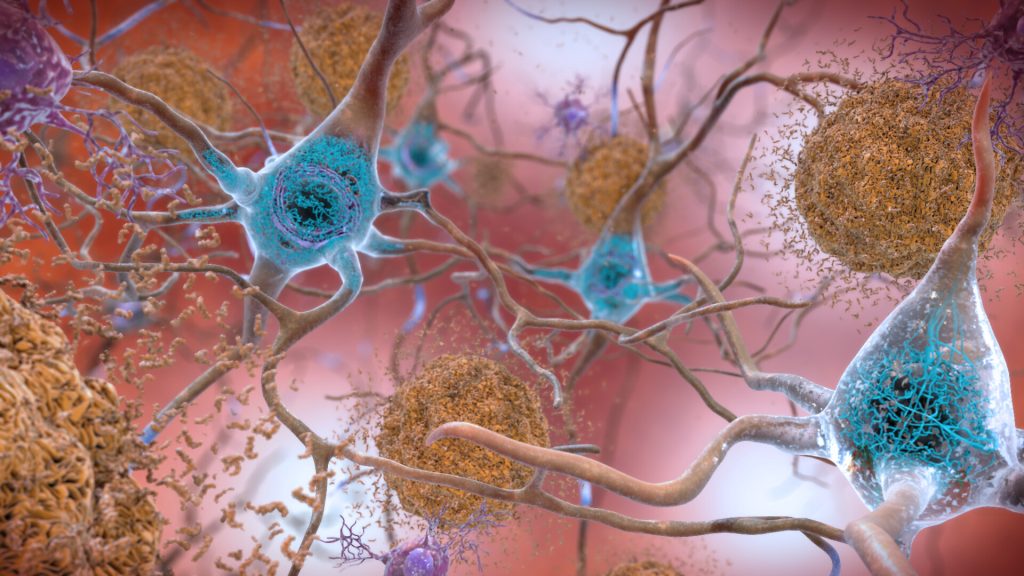
Neurons in the brain of an Alzheimer’s patient, with plaques caused by tau proteins. Credit: NIH

Alzheimer’s disease may damage the brain in two distinct phases, based on new research funded by the National Institutes of Health (NIH) using sophisticated brain mapping tools. According to researchers who discovered this new view, the first, early phase happens slowly and silently – before people experience memory problems – harming just a few vulnerable cell types. In contrast, the second, late phase causes damage that is more widely destructive and coincides with the appearance of symptoms and the rapid accumulation of plaques, tangles, and other Alzheimer’s hallmarks.

“One of the challenges to diagnosing and treating Alzheimer’s is that much of the damage to the brain happens well before symptoms occur. The ability to detect these early changes means that, for the first time, we can see what is happening to a person’s brain during the earliest periods of the disease,” said Richard J. Hodes, MD, director, NIH National Institute on Aging. “The results fundamentally alter scientists’ understanding of how Alzheimer’s harms the brain and will guide the development of new treatments for this devastating disorder.”

Scientists analysed the brains of 84 people, and the results, published in Nature Neuroscience, suggest that damage to one type of cell, called an inhibitory neuron, during the early phase may trigger the neural circuit problems that underlie the disease. Additionally, the study confirmed previous findings about how Alzheimer’s damages the brain and identified many new changes that may happen during the disease.

Specifically, the scientists used advanced genetic analysis tools to study the cells of the middle temporal gyrus, a part of the brain that controls language, memory and vision. The gyrus has been shown to be vulnerable to many of the changes traditionally seen during Alzheimer’s. It is also a part of the brain that researchers have thoroughly mapped for control donors. By comparing control donor data with that from people who had Alzheimer’s, the scientists created a genetic and cellular timeline of what happens throughout the disease.

Traditionally, studies have suggested that the damage caused by Alzheimer’s happens in several stages characterized by increasing levels of cell death, inflammation and the accumulation of proteins in the form of plaques and tangles. In contrast, this study suggests that the disease changes the brain in two “epochs” – or phases – with many of the traditionally studied changes happening rapidly during the second phase. This coincides with the appearance of memory problems and other symptoms.

The results also suggest that the earliest changes happen gradually and “quietly” in the first phase before any symptoms appear. These changes include slow accumulation of plaques, activation of the brain’s immune system, damage to the cellular insulation that helps neurons send signals and the death of cells called somatostatin (SST) inhibitory neurons.

The last finding was surprising to the researchers. Traditionally, scientists have thought that Alzheimer’s primarily damages excitatory neurons, which send activating neural signals to other cells. Inhibitory neurons send calming signals to other cells. The paper’s authors hypothesised how loss of SST inhibitory neurons might trigger the changes to the brain’s neural circuitry that underlie the disease.

Recently, a separate NIH-funded brain mapping study by researchers at MIT found that a gene called REELIN may be associated with the vulnerability of some neurons to Alzheimer’s. It also showed that star-shaped brain cells called astrocytes may provide resilience to or resist the harm caused by the disease.

Researchers analysed brains that are part of the Seattle Alzheimer’s Disease Brain Cell Atlas, which is designed to create a highly detailed map of the brain damage that occurs during the disease. The project was led by Mariano I. Gabitto, PhD, and Kyle J. Travaglini, PhD, from the Allen Institute, Seattle. The scientists used tools – developed as part of the NIH’s BRAIN Initiative – Cell Census Network – to study more than 3.4 million brain cells from donors who died at various stages of Alzheimer’s disease.

“This research demonstrates how powerful new technologies provided by the NIH’s BRAIN Initiative are changing the way we understand diseases like Alzheimer’s. With these tools, scientists were able to detect the earliest cellular changes to the brain to create a more complete picture of what happens over the entire course of the disease,” said John Ngai, Ph.D., director of The BRAIN Initiative®. “The new knowledge provided by this study may help scientists and drug developers around the world develop diagnostics and treatments targeted to specific stages of Alzheimer’s and other dementias.”

Source: NIH/National Institute on Aging

MS Associated with an Increased Risk of Certain Cancers

This is a pseudo-coloured image of high-resolution gradient-echo MRI scan of a fixed cerebral hemisphere from a person with multiple sclerosis.

Credit: Govind Bhagavatheeshwaran, Daniel Reich, National Institute of Neurological Disorders and Stroke, National Institutes of Health

A new study has found some cancers to be slightly more frequent in people with multiple sclerosis (MS) than in people without MS. The study is published online in Neurology®, the medical journal of the American Academy of Neurology. Types of cancers found to have a small increased risk include bladder, brain and cervical cancers.

“People with MS undergo an increased number of tests to monitor MS, making it more likely to detect other diseases,” said study author Emmanuelle Leray, PhD, of Rennes University in France. “We found an association between some types of cancer and MS which may have different explanations depending on a person’s age and the types of cancer. Overall, our study found the increased risk of cancer was quite small.”

For the study, researchers reviewed 10 years of data in the French national health care database. Researchers identified 140 649 people with MS and matched them for factors such as age, sex and residence to 562 596 people without MS. All participants were cancer free three years before the study. They were followed for an average of eight years.

During the study, 8,368 people with MS and 31,796 people without MS developed cancer.

Researchers determined there were 799 cancers per 100 000 person-years for people with MS and 736 cancers per 100 000 person-years for people without MS. Person-years represent both the number of people in the study and the amount of time each person spends in the study.

Researchers found people with MS had a 6% increased risk of developing any type of cancer regardless of age, sex and residence. They also found cancer risk was higher in those under 55 and lower in people 65 and older when compared to people without MS.

Researchers then looked at cancer types. People with MS had a 71% increased risk for bladder cancer, a 68% increased risk for brain cancer and a 24% increased risk for cervical cancer. However, they also had a 20% lower risk of prostate cancer, a 10% lower risk of colorectal cancer and a 9% lower risk of breast cancer.

“While our study found a higher risk for brain cancer, it may be due in part to earlier detection in those with MS since they regularly have brain scans which may detect cancers earlier, before a person has symptoms,” said Leray. “Frequent urinary tract infections in people with MS and the use of immunosuppressant drugs may contribute to their higher risk of bladder and cervical cancers.”

Leray added, “The lower risk for colorectal and breast cancers may be due in part to fewer people with MS getting screened for cancer in older age when they may be experiencing more MS symptoms. More research is needed, including studies that look at more closely at how cancer screenings may play a role.”

A limitation of the study was that researchers were unable to adjust for factors such as education, income, smoking and alcohol consumption since this information was not available in the national database.

Source: American Academy of Neurology

New Approach to MS ‘Teaches’ Immune Cells not to Attack

Myelin sheath damage. Credit: Scientific Animations CC4.0

Researchers from have found a potential new way to improve the treatment of multiple sclerosis (MS) using a novel combined therapy. The results, published in the Journal of Clinical Investigation, builds on two harmonised Phase I clinical trials, focusing on the use of Vitamin D3 tolerogenic dendritic cells (VitD3-tolDCs) to regulate the immune response in MS patient.

Multiple Sclerosis (MS) is a long-term disease where the immune system mistakenly attacks the protective myelin sheath around nerve cells. This leads to nerve damage and worsening disability. Current treatments, like immunosuppressants, help reduce these harmful attacks but also weaken the overall immune system, leaving patients vulnerable to infections and cancer. Scientists are now exploring a more targeted therapy using special immune cells, called tolerogenic dendritic cells (tolDCs), from the same patients.

TolDCs can restore immune balance without affecting the body’s natural defences. However, since a hallmark of MS is precisely the dysfunction of the immune system, the effectiveness of these cells for auto transplantation might be compromised. Therefore, it is essential to better understand how the disease affects the starting material for this cellular therapy before it can be applied.

In this study, researchers from Barcelona’s Germans Trias i Pujol Institute and Josep Carreras Leukaemia Research Institute, examined CD14+ monocytes, mature dendritic cells (mDCs), and Vitamin D3-treated tolerogenic dendritic cells (VitD3-tolDCs) from MS patients who had not yet received treatment, as well as from healthy individuals. The clinical trials (NCT02618902 and NCT02903537) are designed to assess the effectiveness of VitD3-tolDCs, which are loaded with myelin antigens to help “teach” the immune system to stop attacking the nervous system. This approach is groundbreaking as it uses a patient’s own immune cells, modified to induce immune tolerance, in an effort to treat the autoimmune nature of MS.

The study, led by Dr Eva Martinez-Cáceres and Dr Esteban Ballestar, with Federico Fondelli as first author, found that the immune cells from MS patients (monocytes, precursors of tolDCs) have a persistent “pro-inflammatory” signature, even after being transformed into VitD3-tolDCs, the actual therapeutic cell type. This signature makes these cells less effective compared to those derived from healthy individuals, missing part of its potential benefits.

Using state-of-the-art research methodologies, the researchers identified a pathway, known as the Aryl Hydrocarbon Receptor (AhR), that is linked to this altered immune response. By using an AhR-modulating drug, the team was able to restore the normal function of VitD3-tolDCs from MS patients, in vitro. Interestingly, Dimethyl Fumarate, an already approved MS drug, was found to mimic the effect of AhR modulation and restore the cells’ full efficacy, with a safer toxic profile.

Finally, studies in MS animal models showed that a combination of VitD3-tolDCs and Dimethyl Fumarate led to better results than using either treatment on its own. This combination therapy significantly reduced symptoms in mice, suggesting enhanced potential for treating human patients.

These results could lead to a new, more potent treatment option for multiple sclerosis, offering hope to the millions of patients worldwide who suffer from this debilitating disease. This study represents a significant step forward in the use of personalised cell therapies for autoimmune diseases, potentially revolutionising how multiple sclerosis is treated.

The team is now preparing to move into Phase II trials to further explore these findings.

Source: Josep Carreras Leukaemia Research Institute

Over 100 Key Alzheimer’s Papers Found To Have Suspicious Data

Photo by National Cancer Institute on Unsplash

An investigation by Science has shown that over 100 key papers on Alzheimer’s research have used falsified data. The papers all have a common author – veteran neuropathologist Eliezer Masliah, a key researcher at the National Institute on Aging (NIA), typically as first or last author.

The investigation has found that scores of Masliah’s lab studies at the University of California San Diego (UCSD) and NIA are riddled with apparently falsified Western blots (images used to show the presence of proteins) and micrographs of brain tissue. Numerous images seem to have been inappropriately reused within and across papers, sometimes published years apart in different journals, under supposedly different experimental conditions.

At UCSD, Masliah had amassed decades of experience researching Alzheimer’s and Parkinson’s disease, amassing 800 papers. Some important topics in them, such as alpha-synuclein (a protein linked to both diseases), continue to have great influence. The US Congress had released a flood of funding for Alzheimer’s research, US$2.6 billion for last year’s budget, far outstripping that for the rest of the NIA, and Masliah was an ideal choice for its neuroscience division director. This was a position which was enormously influential for Alzheimer’s research in the US as well as internationally, allowing him to fund selected research over and above others with better scores form peer-review.

One of the drugs being developed based on his work is prasinezumab, which failed to show benefit over placebo in a trial of 316 Parkinson’s patients – but resulting in a host of adverse effects, though none serious. The drug was based on an idea by Masliah and another scientist (whose papers were also seemingly doctored) that a vaccine-like approach could cause the body to create antibodies against harmful precursors in both Parkinson’s and Alzheimer’s.

Questions began to be raised about his research two years ago. These were assessed by a team of forensic analysts and a neuroscientist, who concluded, “In our opinion, this pattern of anomalous data raises a credible concern for research misconduct and calls into question a remarkably large body of scientific work.” They acknowledge that accidental duplication is a possibility, and that images can acquire artefacts resembling improper manipulation during the publication process.

Columbia University neurobiologist Mu Yang used specialised software to detect similarities and alterations in images. She had previously worked with the team investigating manipulation in Alzheimer’s and stroke data. In her analysis, duplicated sections in certain Western blots that had been “seamlessly blended” quickly floated into view, she said. “It tells me someone put a lot of thought and effort into the image … and usually indicates something is very wrong.”

A team of 11 neuroscientists was less charitable when they viewed the images. Samuel Gandy, a prominent neurologist at the Mount Sinai Alzheimer’s Disease Research Center said that he was “floored” by what he saw, noting that even a “bus driver” could see that two images of a mitochondrion published two years apart were identical. “Hundreds of images,” he said in a video interview. “There had to have been ongoing manipulation for years.”

In response to this latest dossier, the NIH issued a statement stating that there was a finding of “research misconduct” for Masliah over reuse of figures in two papers, further stating that Masliah no longer serves as NIA’s neuroscience division director. The NIH stated that it had started its own investigation in 2023.

Source: Science

Two Treatments for Progressive Multiple Sclerosis Fail to Show Benefit

This is a pseudo-colored image of high-resolution gradient-echo MRI scan of a fixed cerebral hemisphere from a person with multiple sclerosis. Credit: Govind Bhagavatheeshwaran, Daniel Reich, National Institute of Neurological Disorders and Stroke, National Institutes of Health

In people with primary progressive multiple sclerosis (MS), a new study has found no difference in the amount of time before disability worsened between people taking certain medications and those not receiving treatment. The study is published in Neurology®, the medical journal of the American Academy of Neurology.

With MS, the body’s immune system attacks the myelin sheaths of nerves. People with primary progressive MS experience a steady decline in symptoms. About 10 to 15% of people with the disease have this type of MS.

The study looked at rituximab and ocrelizumab, anti-CD20 infusion therapies that target a protein called CD20 found on some white blood cells called B-cells. Removing these cells from the bloodstream is believed to reduce inflammation and damage that can occur to the myelin.

Ocrelizumab is approved by the US Food and Drug Administration (FDA) for primary progressive MS and for people with relapses, but rituximab is not. Rituximab is FDA approved for other diseases like rheumatoid arthritis and prescribed off label for MS in the US.

“MS is a disabling disease, so treatments that slow the progression to worse disability are sorely needed,” said study author Laure Michel, MD, PhD, of Rennes University in France. “Anti-CD20 therapies are widely prescribed, in part because there are few alternate treatments. However, our study suggests they may not slow disability from worsening for people with primary progressive MS.”

The study involved 1184 people with primary progressive MS who had an average age of 56. They did not take MS medications in the two years prior to the study. For the study, 295 people were treated with rituximab, 131 were treated with ocrelizumab and 728 were untreated.

They were followed for an average of four years. Participants’ level of disability was measured on a scale with scores ranging from zero, meaning no symptoms, to 10 points, meaning death due to MS. At the start of the study, all participants had a score of 6.5 or less. Researchers then measured how long it took for people to advance to their first confirmed disability progression.

For those whose score was less than 5.5 at the start of the study, advancing one point on the scale was considered progressing in disability. If their score was 5.5 or more, advancing 0.5 points on the scale was disability progression.

After adjusting for possible differences between the treated and untreated groups, researchers found there was no difference in the time it took to progress to the next level of disability between those taking a medication and those taking no medication. “

Medications for MS can be expensive and come with risks of side effects,” said Michel. “Our results indicate that there should be a constant evaluation of MS therapies to determine if the benefits outweigh the risks for people with primary progressive MS.”

A limitation of the study was that it was retrospective and did not follow people in real time. Also, among those taking medications, most were taking rituximab with fewer people taking ocrelizumab. More research is needed in larger groups of people to confirm the findings.

Source: American Academy of Neurology

Why do Some Parkinson’s Disease Treatments Affect Decision Making?

Created with Gencraft. CC4.0

Parkinson’s disease, a debilitating nervous system disorder, is treated with medications that sometimes cause impaired decision-making and poor impulse control. Now, researchers from Fujita Health University in Japan have identified a structure in the brain called the external globus pallidus which may be responsible for this side effect, paving the way for new treatments.

Parkinson’s disease (PD), also known simply as Parkinson’s, is a disorder of the nervous system that affects millions of people worldwide. The nerve cell damage associated with Parkinson’s can cause tremors, slowed movements, problems with balance, and many other symptoms which worsen gradually over time. Although there is no cure, there are medications available that can treat PD symptoms. Some of these medications, however, have previously unexplained side effects – including impaired decision-making that leads to potentially harmful behaviours such as pathological gambling, binge eating and compulsive shopping.

Now, in a study published in the International Journal of Molecular Sciences, researchers at Fujita Health University in Japan, led by Assistant Professor Hisayoshi Kubota from the Division of Behavioral Neuropharmacology, International Center for Brain Science (ICBS), Fujita Health University, have investigated the mechanism by which a drug called pramipexole or PPX impairs the decision-making process in mice with Parkinson’s disease. The research was co-authored by Professor Taku Nagai from the Division of Behavioral Neuropharmacology, International Center for Brain Science (ICBS), and Professor Hirohisa Watanabe from the Department of Neurology, School of Medicine, both at Fujita Health University.

To take a closer look at the findings of this study, we first need to understand how PPX works to alleviate PD symptoms. PD mainly results from a loss of nerve cells or neurons that produce a compound called dopamine. Some neurons are dependent on dopamine for their regular functioning – they have structures called ‘dopamine receptors’ which can be thought of as locks which can then be activated using dopamine as the ‘key’. Drugs like PPX can imitate the function of dopamine and bind to these receptors instead, especially in patients with PD who lack dopamine-producing neurons.

To study the effects of PPX on PD, the researchers injected the brains of mice with a toxin called 6-hydroxydopamine (or 6-OHDA). 6-OHDA damages neurons in a very similar manner to that observed in the brains of patients with PD. The mice were treated with PPX and then subjected to a touchscreen-based ‘gambling task’ to test their decision-making skills. Interestingly, these mice picked the high-risk/high-reward option much more often – they opted for a disadvantageous outcome where they received a large reward (of strawberry milkshake), which also comes with an increased risk of a large punishment by exposure to flashing lights.

But which part of the brain is responsible for this behaviour? Investigating the brains of mice treated with PPX revealed that a region deep inside the brain called the external globus pallidus (GPe) was hyperactivated, or showed a much higher level of neuron activity. The researchers then chemically inhibited the neurons in the GPe, which actually reduced disadvantageous risk-taking activity in the mice. This proved that hyperactivation of the GPe was indeed responsible for poor decision-making in the mice treated with PPX.

This study has huge implications for treating patients with Parkinson’s disease. “Our findings could lead to the development of new medications or interventions that specifically target the external globus pallidus,” explains Dr. Kubota. “This would help to prevent or reduce decision-making impairments in Parkinson’s disease patients.“

Besides helping medical professionals develop better treatments for Parkinson’s disease, these findings can also help improve awareness among affected patients, their families, as well as the general public. Dr. Kubota, explains that “Investigating how Parkinson’s disease medications affect decision-making will help the public to better understand the complexity of the disease and its treatment.” He also says “This will benefit patients, their families and carers, and motivate them to consider early care and preventive strategies.”

These findings shed new light on the complex processes in the brain that aid our everyday decision-making skills, and promise to improve quality of life for patients affected by Parkinson’s disease. Maybe we can take away some important lessons from this study as well, and think twice before we indulge in poor decision-making in our daily lives!

SGLT-2 Inhibitors may Lower Risk of Dementia and Parkinson’s Disease

Created with Gencraft. CC4.0

A class of drugs for diabetes may be associated with a lower risk of dementia and Parkinson’s disease, according to a study published in Neurology®, the medical journal of the American Academy of Neurology. The study looked at sodium-glucose cotransporter-2 (SGLT2) inhibitors, which are also known as gliflozins. They lower blood sugar by causing the kidneys to remove sugar from the body through urine.

“We know that these neurodegenerative diseases like dementia and Parkinson’s disease are common and the number of cases is growing as the population ages, and people with diabetes are at increased risk of cognitive impairment, so it’s encouraging to see that this class of drugs may provide some protection against dementia and Parkinson’s disease,” said study author Minyoung Lee, MD, PhD, of Yonsei University College of Medicine in Seoul, South Korea.

The retrospective study looked at people with type 2 diabetes who started diabetes medication from 2014 to 2019 in South Korea. People taking SGLT2 inhibitors were matched with people taking other oral diabetes drugs, so the two groups had people with similar ages, other health conditions and complications from diabetes.

Then researchers followed the participants to see whether they developed dementia or Parkinson’s disease. Those taking the SGLT2 inhibitors were followed for an average of two years and those taking the other drugs were followed for an average of four years.

Among the 358 862 participants with an average age of 58, a total of 6837 people developed dementia or Parkinson’s disease during the study. For Alzheimer’s disease, the incidence rate for people taking SGLT2 inhibitors was 39.7 cases per 10 000 person-years, compared to 63.7 cases for those taking other diabetes drugs. Person-years represent both the number of people in the study and the amount of time each person spends in the study.

For vascular dementia, which is dementia caused by vascular disease, the incidence rate for people taking the SGLT2 drugs was 10.6 cases per 10 000, compared to 18.7 for those taking the other drugs. For Parkinson’s disease, the incidence rate for those taking the SGLT2 drugs was 9.3 cases per 10 000, compared to 13.7 for those taking the other drugs.

After researchers adjusted for other factors that could affect the risk of dementia or Parkinson’s disease, such as complications from diabetes and medications, they found that SGLT2 inhibitor use was associated with a 20% reduced risk of Alzheimer’s disease and a 20% reduced risk of Parkinson’s disease. Those taking the drugs had a 30% reduced risk of developing vascular dementia.

“The results are generally consistent even after adjusting for factors like blood pressure, glucose, cholesterol and kidney function,” Lee said. “More research is needed to validate the long-term validity of these findings.” Lee said that since participants were followed for less than five years at the most, it’s possible that some participants would later develop dementia or Parkinson’s disease.

Source: American Academy of Neurology