Category: Neurodegenerative Diseases

Thinning of the Retina is an Early Marker of MS

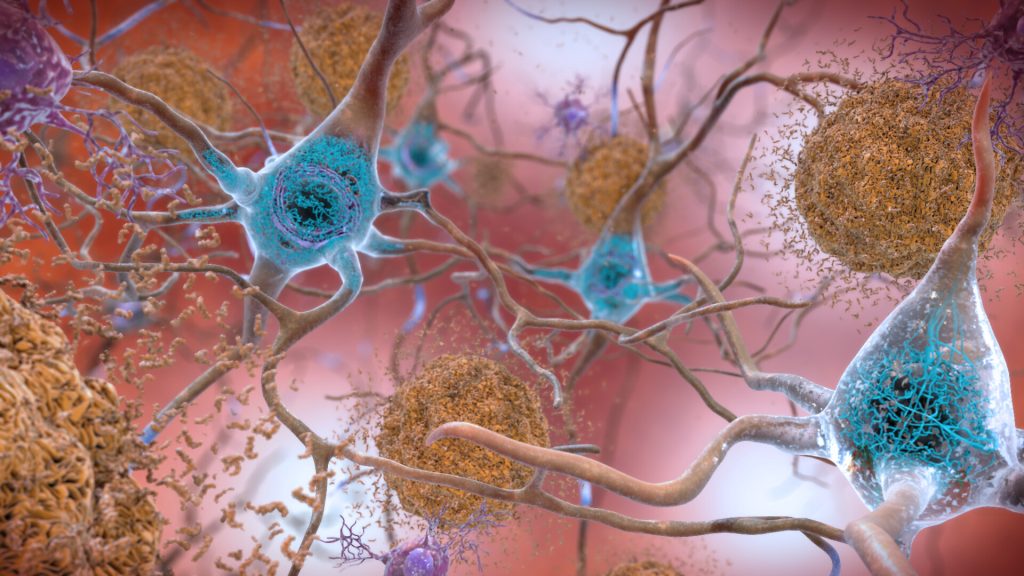
Retina and nerve cells. Credit: NIH

For the first time, a study has shown that diagnosis of multiple sclerosis (MS) can be significantly improved by additionally measuring the thickness of retinal layers in the eye in a currently existing procedure. Use of the procedure helps to detect the condition at an earlier stage and predict its progression more accurately, which can help to improve patient outcomes. The findings have been published in the journal Neurology.

As part of their investigation, the research team headed by Gabriel Bsteh and Thomas Berger collaborated with ophthalmology colleagues examine 267 MS patients over five years. Their research built on study results published in 2022, which showed that MS relapse-related damage to the retina reflects the degree of damage caused to the patient’s brain. The previous study also demonstrated that a 5µm reduction in the thickness of the retinal layer following optic neuritis indicated a doubling of the risk of permanent disability after the next relapse. Thanks to the latest research with the large cohort of MS patients, the research team has confirmed that the thickness of the retinal layer can be used as a precise biomarker to assist early diagnosis.

Diagnostic procedure already available

The researchers used a procedure known as optical coherence tomography (OCT) to measure the thickness of the retinal layer. An imaging method that uses infrared light, OCT allows for the generation of high-resolution, three-dimensional images of extremely thin layers of tissue measuring just a few µm. OCT is also a tool for diagnosing and evaluating the progression of eye diseases such as glaucoma. “So we already have this procedure at our disposal,” commented Gabriel Bsteh, first author of the study. He added: “If we use optical coherence tomography alongside the current criteria to diagnose MS, we obtain significantly more accurate results at a much earlier stage. This means we can initiate treatment measures sooner, which considerably improves the long-term prognosis for patients.”

The retina: a window to the brain

Multiple sclerosis is an autoimmune, chronic inflammatory disease that causes inflammation and loss of nerve cells throughout the nervous system. For the most part, patients are unable to feel the consequences of this damage to begin with, so the condition often goes undiagnosed until a late stage, meaning that valuable time is lost during which effective treatment could have been administered. Given that early detection and prognosis of the disease’s progression play a decisive role in MS cases, medical researchers have been trying to find improved detection methods for some time now to help avert serious consequences such as impaired mobility and blindness as far as possible. “We have identified a new biomarker for MS diagnosis, namely the retinal layer thickness, which can be likened to a window to the brain,” said Gabriel Bsteh, summing up the study’s key finding. In the next phases of research, the focus will turn to the importance of retinal layer thickness in measuring responses to MS treatment.

Source: Medical University of Vienna

Fluctuating Cholesterol and Triglyceride Levels Linked to Developing Dementia

Photo by Matteo Vistocco on Unsplash

Older people who have fluctuating levels of total cholesterol and triglycerides may have a higher risk of Alzheimer’s disease and related dementias compared to people who have steady levels, according to new research published online in Neurology. Since the study is observational, it cannot establish a causative link.

“Prevention strategies for Alzheimer’s and related dementias are urgently needed,” said study author Suzette J. Bielinski, PhD, of the Mayo Clinic in Rochester, Minnesota. “Routine screenings for cholesterol and triglyceride levels are commonly done as part of standard medical care. Fluctuations in these results over time could potentially help us identify who is at greater risk for dementia, help us understand mechanisms for the development of dementia and ultimately determine whether levelling out these fluctuations could play a role in reducing dementia risk.”

Researchers used health care data to identify 11 571 people age 60 or older without a prior diagnosis of Alzheimer’s disease or dementia. They assessed total cholesterol, triglycerides, low-density lipoprotein cholesterol (LDL) and high-density lipoprotein cholesterol (HDL) for the participants on at least three different days in the five years before the start of the study. Then participants were assigned into five equal groups based on the degree of measurement fluctuation, from lowest to highest.

Participants were followed for an average of 13 years. During that time, 2473 of them developed Alzheimer’s disease or another form of dementia. After adjusting for confounding variables, researchers found for total cholesterol, participants in the highest fluctuation group had a 19% increased risk of dementia compared to those in the lowest group. Of the 2311 people in the highest group, 515 developed dementia compared to 483 of the 2311 people in the lowest group. For triglycerides, those in highest group had a 23% increased risk.

No link was found between dementia and variations in LDL and HDL, however.

“It remains unclear why and how fluctuating levels of cholesterol and triglycerides are related to the risk of Alzheimer’s disease,” said Bielinski. “Further studies looking at the changes over time for this relationship are needed in order to confirm our results and potentially consider preventative strategies.”

One study limitation was that researchers looked at Alzheimer’s disease and related dementias as a whole and did not differentiate between the types of dementia.

Source: American Academy of Neurology

Alzheimer’s Patients have an Altered Perception of Pain

Photo by Kampus Production on Pexels

New research published in Nature Communications has found that in a mouse model mimicking Alzheimer’s Disease (AD) pain signals are not processed in the same way as in healthy mice. The research, from King’s College London, suggests that the perception of pain in people with Alzheimer’s Disease may be altered, and asks whether changes in management of pain in people with AD could improve their quality of life.

While chronic musculoskeletal pain is common in individuals with AD, it remains largely untreated as it can go unreported due to the cognitive deficits attached to the disease.

In this study, the researchers sought to explore whether there is also an alteration in the body’s response to pain by the nervous system in people with AD.

In healthy mice, pain signals are transmitted from the point of origin to the central nervous system to initiate an immune response. The protein Galectin-3 has been demonstrated to be responsible for pain signal transmission to the spinal cord. Upon reaching the spinal cord, it binds to another protein, TLR4, to initiate the immune response.

In this study, researchers used an AD mice model and gave them rheumatoid arthritis, a type of chronic inflammatory disease, through blood transfer. They observed an increase in allodynia, pain caused by a stimulus that doesn’t normally provoke pain, as a response to the inflammation. They also saw increased activation of a microglia in the spinal cord. They determined that these effects were regulated by TLR4.

Researchers found that the mice with AD lacked TLR4 in the immune cells of their central nervous system and were therefore unable to respond to pain in the typical way as the signals were not being perceived.

This resulted in the mice with AD developing less joint inflammation related pain, and a less powerful immune cell response to the pain signals received by the central nervous system.

Professor Marzia Malcangio, Professor of Neuropharmacology at King’s IoPPN and the study’s senior author said, “Nociceptive pain – pain which is the result of tissue damage – is the second most prevalent comorbidity in individuals with Alzheimer’s disease. Our study has shown that, in mice with Alzheimer’s, the body’s ability to process that pain is altered due to the lack of TLR4; a protein vital to the immune response process in the central nervous system.

“These are important findings, as untreated pain can contribute to the psychiatric symptoms of the disease. Increasing our understanding of this area could, with more research, lead to more effective treatments and ultimately improve people’s quality of life.”

George Sideris-Lampretsas, a PhD student at King’s IoPPN and the study’s first author said, “The results of this study have the potential to make an impact, not only by identifying Galectin-3/TLR4 as a potential therapeutic target for chronic pain, but most importantly by raising awareness around the underreported and untreated pain experienced by patients with AD.”

Source: King’s College London

Forming Supportive Connections for Multiple Sclerosis Sufferers

This is a pseudo-colored image of high-resolution gradient-echo MRI scan of a fixed cerebral hemisphere from a person with multiple sclerosis. Credit: Govind Bhagavatheeshwaran, Daniel Reich, National Institute of Neurological Disorders and Stroke, National Institutes of Health

Multiple sclerosis (MS), an unpredictable, often disabling disease of the central nervous system with symptoms ranging from numbness and tingling to blindness and paralysis,1 is estimated to affect 2.8 million people around the world.2 Most people with MS are diagnosed between the ages of 20 and 50 years, with at least two to three times more women than men being diagnosed with the disease.1

Non Smit, Chairperson of Multiple Sclerosis South Africa, stresses the importance of generating extensive awareness to reach individuals with MS as well as healthcare providers and therapists. “This inclusive approach aims to establish a support system and platform that addresses crucial issues such as treatment accessibility, advocacy, epidemiology, and financial assistance,” says Smit.

The progress, severity, and specific symptoms of MS in any one person cannot yet be predicted; the disease varies greatly from person to person, and from time to time in the same person.1 Although MS can be very debilitating, it is estimated that about two-thirds of affected persons are still able to walk, although many may need an aid such as a cane or crutches.1

Dr Andile Mhlongo, Medical Advisor, Specialty Care at Sanofi South Africa, says: “There are no hard and fast rules about what life with MS will mean for each patient, because everybody experiences MS differently, depending on which part of the brain is affected. Symptoms range from problems with mobility to problems with vision, extreme tiredness and thinking – but these are just a few examples. It mostly affects young people, and if untreated can have a devasting impact on the lives of patients and their families.”

In terms of diagnosis, in early MS elusive symptoms that come and go might indicate any number of possible disorders. Some people have symptoms that are very difficult to interpret. While no single laboratory test is yet available to prove or rule out MS, magnetic resonance imaging (MRI) is a great help in reaching a definitive diagnosis.2

MS comes in several forms, including clinically isolated syndrome, relapsing-remitting MS, secondary progressive MS and primary progressive MS.The course is difficult to predict: some people may feel and seem healthy for many years after diagnosis, while others may be severely debilitated very quickly. Most people fit somewhere in-between.3

Clinically isolated syndrome (CIS) is the first episode of neurological symptoms experienced by a person, lasting at least 24 hours. They may experience a single sign or symptom, or more than one at the same time. CIS is an early sign of MS, but not everyone who experiences CIS goes on to develop MS.3

In relapsing-remitting MS (RRMS) people experience attacks or exacerbations of symptoms, which then fade or disappear. The symptoms may be new, or existing ones that become more severe. About 85% of people with MS are initially diagnosed with RRMS.3

Secondary progressive MS (SPMS) is a secondary phase that may develop years or even decades after diagnosis with RRMS. Most people who have RRMS will transition to SPMS, with progressive worsening of symptoms and no definite periods of remission.3

Primary progressive MS (PPMS) is diagnosed in about 10–15% of people with MS. They have steadily worsening symptoms and disability from the start, rather than sudden attacks or relapses followed by recovery.3

While there is no medicine that can cure MS, treatments are available which can modify the course of the disease. Sanofi has been a partner in the MS community since 2012, through the introduction of two treatments. One of these is an oral formulation for patients with relapsing forms of MS and the other is an infusion therapy for patients with rapidly evolving, severe relapsing-remitting MS.

“Sanofi continues to be a partner through research and development to bring about therapies to improve the management of this disease. Sanofi also supports various initiatives that bring education to patients and healthcare providers and the MS community in general,” says Mhlongo.

Advances in treating and understanding MS are being achieved daily and progress in research to find a cure is encouraging. In addition, many therapeutic and technological advances are helping people with MS to manage symptoms and lead more productive lives.2

For further information on MS, visit: https://www.sanofi.com/en/our-science/rd-focus-areas/neurology-rd or https://www.multiplesclerosis.co.za

References

  1. Multiple Sclerosis SA. What is multiple sclerosis? Available from: https://www.multiplesclerosis.co.za/ms-information/what-is-ms, accessed 29 May 2023.
  2. MS International Federation. About World MS Day. Available from: https://worldmsday.org/about/, accessed 29 May 2023.
  3. MS International Federation. Types of MS. Available from: https://www.msif.org/about-ms/types-of-ms/?gclid=Cj0KCQjw4NujBhC5ARIsAF4Iv6fOHSQYim5KoJidw7_9ig8HBcC3FRKWBmXViloS6H-__GPuavAsTgoaAuJjEALw_wcB, accessed 31 May 2023.

Biomarkers Suggest That an Old Antihistamine Could Reverse MS

Source: CC0

A decade after scientists identified an over-the-counter antihistamine as a treatment for multiple sclerosis, researchers have developed an approach to measure the drug’s effectiveness in repairing the brain, making it possible to also assess future therapies for the devastating disorder. Their study is published in PNAS.

The UC San Francisco researchers, led by physician-scientist Ari Green, MD, who together with neuroscientist Jonah Chan, PhD, first identified clemastine as a potential MS therapy, used MRI scans to study the drug’s impact on the brains of 50 participants in a clinical study.

In the brain, water trapped between the thin layers of myelin that wrap nerve fibers cannot move as freely as water floating between brain cells. This unique property of myelin allowed imaging experts to develop a technique to compare the difference in myelin levels before and after the drug was administered, by measuring the so-called myelin water fraction, or the ratio of myelin water to the total water content in brain tissue.

In their study, the researchers found that patients with MS who were treated with clemastine experienced modest increases in myelin water, indicating myelin repair. They also proved that the myelin water fraction technique, when focused on the right parts of the brain, could be used to track myelin recovery.

“This is the first example of brain repair being documented on MRI for a chronic neurological condition,” said Green. “The study provides the first direct, biologically validated, imaging-based evidence of myelin repair induced by clemastine. This will set the standard for future research into remyelinating therapies.”

Myelin increased even after medication was stopped

In the study, patients with MS who enrolled in the ReBUILD trial were divided into two groups: the first group received clemastine for the first three months of the study and the second group received clemastine only in months three to five. Using the myelin water fraction as a biomarker, the researchers found that myelin water increased in the first group after participants received the drug and continued to increase after clemastine was stopped. In the second group, the myelin water fraction showed decreases in myelin water in the first portion of the study, under the placebo, and a rebound after participants received clemastine.

The findings corroborate the results of a previous study with the same 50 patients that had found the allergy medication reduced delayed nerve signalling, potentially alleviating symptoms.

In the current study, researchers looked at the corpus callosum, a region of the brain with a high myelin content that connects the right and left hemispheres. They found that significant repair occurred outside the visible lesions typically associated with MS. This underscores the need to focus on myelin repair beyond these lesion sites.

Clemastine works in this setting by stimulating the differentiation of myelin-making stem cells. This places the medication a generation ahead of existing MS drugs that work by dampening the activity of the immune system, calming inflammation and reducing the risk of relapse. It still isn’t ideal, though, making the water fraction measurement an important tool in developing better therapeutics.

“Clemastine can only be partially effective at the doses we can use,” said Green, who is also a neuro-ophthalmologist and chief of the Division of Neuroimmunology and Glial Biology in the UCSF Department of Neurology. “It can be sedating, which may be especially undesirable in patients with MS. We are hopeful better medications will be developed, but clemastine has proven to be the tool to show remyelination is possible.”

Proposed future research will examine clemastine’s potential in treating brain injury in premature infants, who often experience myelin damage. 

Source: University of California San Francisco

Scientists Strengthen Evidence Linking Autoimmunity and Schizophrenia

Image by Pikisuperstar On Freepix

Links have been reported between schizophrenia and autoimmunity. In a study published in Brain Behavior and Immunity, Japanese researchers identified autoantibodies that target a ‘synaptic adhesion protein’, neurexin 1α, in a subset of patients with schizophrenia. When injected into mice, the autoantibodies caused many schizophrenia-related changes.

What is a synaptic protein, and why might it be linked to schizophrenia? Synaptic adhesion proteins are specialised proteins that bind to create physical connections between brain cells. These connections, called synapses, allow the cells to communicate by passing molecules back and forth. Both synapses and autoimmunity are known to be associated with schizophrenia, so the research team from Tokyo Medical and Dental University (TMDU) decided to investigate autoantibodies that target synaptic proteins in patients with schizophrenia.

“In around 2% of our patient population, we identified autoantibodies against the synaptic protein neurexin 1α, which is expressed by one cell in the synapse and binds to proteins known as neuroligins on the other cell in the synapse,” says lead author of the study Hiroki Shiwaku. “Once we had identified these autoantibodies, we wanted to see if they were able to cause schizophrenia-related changes.”

To do this, the researchers isolated autoantibodies from some of the patients with schizophrenia and injected them into the cerebrospinal fluid of mice, so that the autoantibodies would travel into the brain. In these mice, the autoantibodies blocked neurexin 1α and neuroligin binding and altered some related synaptic properties. The administration of these autoantibodies also resulted in fewer synapses in the brains of mice and schizophrenia-related behaviours, such as reduced social behaviour toward unfamiliar mice and reduced cognitive function.

“Together, our results strongly suggest that autoantibodies against neurexin 1α can cause schizophrenia-related changes, at least in mice,” explains Hiroki Shiwaku. “These autoantibodies may therefore represent a therapeutic target for a subset of patients with schizophrenia.”

Schizophrenia has a wide variety of both symptoms and treatment responses, and many patients have symptoms that are resistant to currently available treatment options. Therefore, the identification of possible disease-causing autoantibodies is important for improving symptom control in patients with schizophrenia. It is hoped that the results of this investigation will allow patients with autoantibodies that target neurexin 1α – all of whom were resistant to antipsychotic treatment in the present study — to better control their symptoms in the future.

Source: Tokyo Medical and Dental University

Could the BCG Vaccine Reduce Alzheimer’s Risk?

Photo by Mari Lezhava on Unsplash

The Bacillus Calmette-Guérin (BCG) for tuberculosis vaccine has a number additional beneficial effects, and is currently a recommended therapy for non–muscle-invasive bladder cancer. In a new study published in JAMA Network Open, treatment with the BCG vaccine was associated with a reduced risk of Alzheimer’s disease and related dementias.

Although previous research has suggested a link between the BCG vaccine and a lower risk of dementia, studies were limited by size, study design, or analytical methods. To conduct a more robust study, researchers followed 6467 individuals for up to 15 years after they were diagnosed with non–muscle-invasive bladder cancer.

The group included 3388 patients who underwent BCG vaccine treatment and 3079 who served as controls, matched by factors such as age, sex, and medical co-morbidities.

During follow-up, 202 patients in the BCG vaccine group and 262 in the control group developed Alzheimer’s disease and related dementias. The incidence was 8.8 per 1000 person-years and 12.1 per 1000 person-years in the respective groups.

Analyses revealed that treatment with the BCG vaccine was associated with a 20% lower risk of Alzheimer’s disease and related dementias. The protective association was greater in patients aged 70 years or older. Additionally, during follow-up, 751 patients in the BCG vaccine group and 973 in the control group died. Thus, treatment with BCG vaccine was associated with a 25% lower risk of death.

Study leader Marc Weinberg, MD, Ph.D., an Instructor in Psychiatry at MGH, said: “A vaccine like BCG, if proven effective, is a perfect example of a cost-effective, population-health–based solution to a devastating illness like Alzheimer’s disease. We are shifting our focus towards studying the potential benefits of BCG vaccination of older adults in Alzheimer’s disease–related clinical trials.”

If a causal link is found, it will be important to understand the mechanisms involved. Weinberg and his colleagues note that the BCG vaccine’s effects on the immune system may play a role.

Source: Massachusetts General Hospital

Epstein–Barr Virus Antibodies may Trigger Multiple Sclerosis

Source: CC0

Researchers at Karolinska Institutet have found further links between Epstein–Barr virus and multiple sclerosis. A study published in Science Advances shows that some individuals have antibodies against the virus that mistakenly attack a protein in the brain and spinal cord.

Many years ago, the Epstein–Barr virus (EBV), which infects most people early in life and then usually lies dormant was linked to multiple sclerosis (MS) but the reason remained a mystery. Increasing evidence, including two papers published in Science and Nature last year, suggests that EBV infection precedes MS and that antibodies against the virus may be involved. However, the molecular mechanisms seem to vary between patients and remain largely unknown.

“MS is an incredibly complex disease, but our study provides an important piece in the puzzle and could explain why some people develop the disease,” says Olivia Thomas, postdoctoral researcher at the Department of Clinical Neuroscience, Karolinska Institutet and shared first author of the paper. “We have discovered that certain antibodies against the Epstein-Barr virus, which would normally fight the infection, can mistakenly target the brain and spinal cord and cause damage.”

The researchers analysed blood samples from more than 700 patients with MS and 700 healthy controls. They found that antibodies that bind to a certain protein in the Epstein-Barr virus, EBNA1, can also bind to a similar protein in the brain and spinal cord called CRYAB, whose role is to prevent protein aggregation during conditions of cellular stress such as inflammation. These misdirected, cross-reactive antibodies may damage the nervous system and cause severe symptoms in MS patients, including problems with balance, mobility and fatigue. The antibodies were present in about 23 percent of MS patients and 7% of control individuals.

“This shows that, whilst these antibody responses are not required for disease development, they may be involved in disease in up to a quarter of MS patients,” says Olivia Thomas. “This also demonstrates the high variation between patients, highlighting the need for personalised therapies. Current therapies are effective at reducing relapses in MS but unfortunately, none can prevent disease progression.”

“We are now expanding our research to investigate how T cells fight EBV infection and how these immune cells may damage the nervous system in multiple sclerosis and contribute to disease progression,” says joint first author of the paper Mattias Bronge, affiliated researcher at the Department of Clinical Neuroscience, Karolinska Institutet.

Source: Karolinska Institutet

Sex Differences in Alzheimer’s Rates may be Caused by Stress Responses

Photo by Ravi Patel on Unsplash

Women are about twice as likely as men to be diagnosed with Alzheimer’s disease. Some of that is age: women outlive men in most countries, and advanced age is the strongest risk factor for Alzheimer’s. But not all of it explains the excess risk.

One such factor may be stress may be one such reason. A study published in Brain shows that the effect stress has on the brain differs by sex, at least in mice. In stressful situations, levels of the Alzheimer’s protein amyloid beta rises sharply in the brains of females but not males. In addition, the researchers identified a molecular pathway that is active in brain cells from female mice but not male mice, and showed that it accounts for the divergent responses to stress.

The findings, from researchers at Washington University School of Medicine in St. Louis, add to a growing collection of evidence that sex matters in health and disease. From cancer to heart disease to arthritis, scientists have found differences between males and females that could potentially affect how men and women respond to efforts to prevent or treat chronic diseases.

“How women respond to stress versus how men respond to stress is an important area of research that has implications for not just Alzheimer’s disease but other conditions, too,” said co-corresponding author Carla M. Yuede, PhD, an associate professor of psychiatry. “In recent years, the National Institutes of Health (NIH) has prioritized understanding sex differences in medicine. Stress is one area in which you can clearly see a difference between males and females. This study shows that reducing stress may be more beneficial for women than men, in terms of lowering the risk of Alzheimer’s disease.”

Stress falls into the category of socioeconomic risk factors, along with factors such as depression and social isolation, that together account for an estimated 8% of the risk of developing Alzheimer’s. That risk calculation, however, doesn’t take sex into account. Women consistently report higher levels of stress than men, and it affects them differently.

Corresponding author John Cirrito, PhD, an associate professor of neurology; Yuede; and first author Hannah Edwards, a graduate student in Cirrito’s lab, reasoned that stress also may affect women’s brains differently than men’s, and these differences may help explain the sex imbalance in Alzheimer’s disease.

To find out, they measured levels of amyloid beta in the brains of mice every hour for 22 hours, beginning eight hours before the mice experienced stress. The experience was equally stressful for male and female mice, as measured by the levels of stress hormones in their blood. But the responses in their brains were not the same.

In female mice, amyloid beta levels rose significantly within the first two hours and stayed elevated through the end of the monitoring period. In male mice, brain amyloid levels did not change overall, although about 20% of them did show a delayed and weak rise in amyloid levels.

Further experiments revealed that the difference comes down to a cellular stress response pathway in brain cells. Stress causes the release of a hormone known as corticotropin releasing factor. Neurons from female rodents take up the stress hormone, triggering a cascade of events that results in increasing levels of amyloid beta in the brain. In contrast, neurons from male rodents lack the ability to take up the stress hormone. It is not known whether there are similar sex differences in how human neurons take up stress hormones.

“There’s a fundamental biological difference between males and females in how they respond to stress at the cellular level, in both mice and people,” Cirrito said. “We don’t think that stress is the sole factor driving the sex difference in Alzheimer’s disease. There are many other differences between men and women – in hormones, lifestyle, other diseases they have – that undoubtedly contribute in some way. But that stress is driving one aspect of this sex difference I think is very likely.”

Source: Washington University School of Medicine

Gene Silencing Treatment Lowers Tau Proteins in Alzheimer’s Patients

Neurons in the brain of an Alzheimer’s patient, with amyloid plaques caused by tau proteins. Credit: NIH

In a preliminary trial, a new ‘gene silencing’ treatment has been able to safely and successfully lower levels of the harmful tau protein known to cause the disease. This success, published in Nature Medicine, demonstrates that a ‘gene silencing’ approach could work in dementia and Alzheimer’s disease.

The approach uses a drug called BIIB080 (/IONIS-MAPTRx), which is an antisense oligonucleaotide (used to stop RNA producing a protein), to ‘silence’ the gene coding for the tau protein – known as the microtubule-associated protein tau (MAPT) gene. This prevents the gene from being translated into the protein in a doseable and reversible way. It also reduces production of that protein, altering the course of disease.

Further trials will be needed in larger groups of patients to determine whether this leads to clinical benefit, but the phase 1 results are the first indication that this method has a biological effect.

There are currently no treatments targeting tau. The drugs aducanumab and lecanemab – recently approved for use in some situations by the FDA – target a separate disease mechanism in AD, the accumulation of amyloid plaques.

The phase 1 trial enrolled 46 patients with an average age of 66, and looked at the safety of BIIB080, what it does in the body, and how well it targets the MAPT gene. The trial compared three doses of the drug, given by intrathecal injection (an injection into the nervous system via the spinal canal), with the placebo.

Results show that the drug was well tolerated, with all patients completing the treatment period and over 90% completing the post-treatment period.

Patients in both the treatment and placebo groups experienced either mild or moderate side effects – the most common being a headache after injection of the drug. However, no serious adverse events were seen in patients given the drug.

The research team also looked at two forms of the tau protein in the central nervous system (CNS) – a reliable indicator of disease – over the duration of the study.

They found a greater than 50% reduction in levels of total tau and phosphor tau concentration in the CNS after 24 weeks in the two treatment groups that received the highest dose of the drug.

Consultant neurologist Dr Catherine Mummery, who led the study, said: “We will need further research to understand the extent to which the drug can slow progression of physical symptoms of disease and evaluate the drug in older and larger groups of people and in more diverse populations.

“But the results are a significant step forward in demonstrating that we can successfully target tau with a gene silencing drug to slow – or possibly even reverse – Alzheimer’s disease, and other diseases caused by tau accumulation in the future.”

Source: Imperial College London