Even when participants knew they had placebos, their COVID anxiety reduced
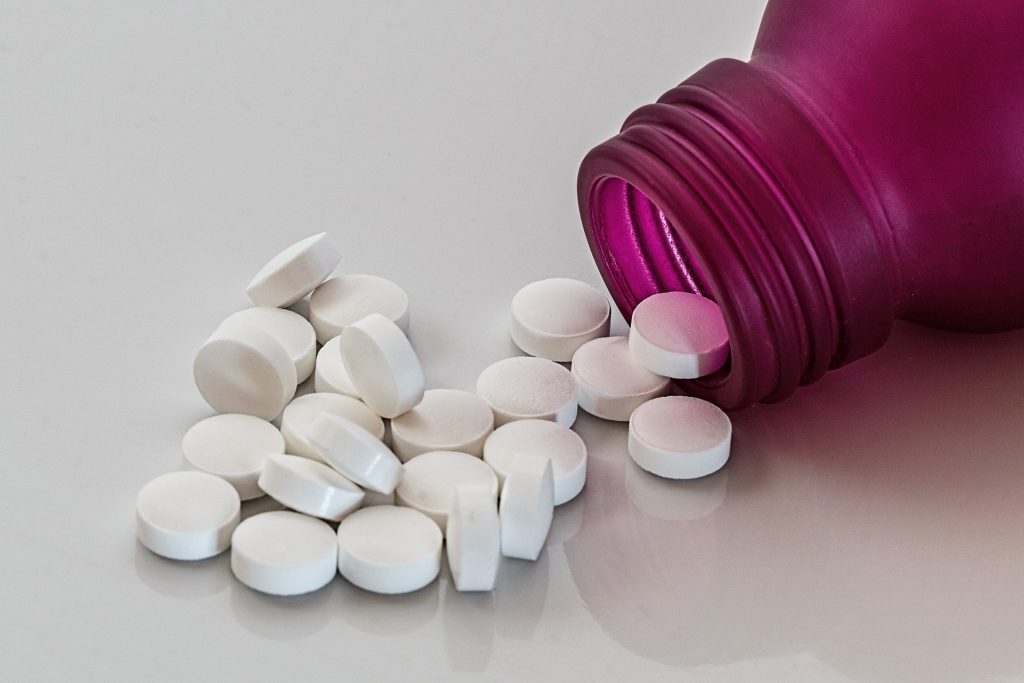
Photo from Pixabay CCO
A study out of Michigan State University found that non-deceptive placebos, or placebos given with people fully knowing they are placebos, effectively manage stress – even when the placebos are administered remotely.
Researchers recruited participants experiencing prolonged stress from the COVID pandemic for a two-week randomised controlled trial. Half of the participants were randomly assigned to a non-deceptive placebo group and the other half to the control group that took no pills. The participants interacted with a researcher online through four virtual sessions on Zoom. Those in the non-deceptive placebo group received information on the placebo effect and were sent placebo pills in the mail along with instructions on taking the pills.
The study, which appears in Applied Psychology: Health and Well-Being, found that the non-deceptive group showed a significant decrease in stress, anxiety and depression in just two weeks compared to the no-treatment control group. Participants also reported that the non-deceptive placebos were easy to use, not burdensome and appropriate for the situation.
“Exposure to long-term stress can impair a person’s ability to manage emotions and cause significant mental health problems, so we’re excited to see that an intervention that takes minimal effort can still lead to significant benefits,” said Jason Moser, co-author of the study and professor in MSU’s Department of Psychology. “This minimal burden makes non-deceptive placebos an attractive intervention for those with significant stress, anxiety and depression.”
The researchers are particularly hopeful in the ability to remotely administer the non-deceptive placebos by health care providers.
“This ability to administer non-deceptive placebos remotely increases scalability potential dramatically,” said Darwin Guevarra, co-author of the study and postdoctoral scholar at the University of California, San Francisco, “Remotely administered non-deceptive placebos have the potential to help individuals struggling with mental health concerns who otherwise would not have access to traditional mental health services.”
A new study on psychiatric hospitalisations, out now in Drug and Alcohol Dependence, found that while most hospitalisations did not involve any substances, methamphetamine-related hospitalisations have increased even as the overall number of psychiatric hospitalisations remained stable.
Additionally, researchers detail that psychiatric hospitalisations caused by methamphetamine use was highest in a region which has higher reported methamphetamine use, but were also shifting geographically.
“Rates of methamphetamine-involved psychiatric hospitalisations were by far the highest in the Mountain West,” said Susan Calcaterra, MD, MPH, professor at the University of Colorado Anschutz Medical Campus and study lead author. “As expected, this mirrors rates of self-reported methamphetamine use and methamphetamine-related overdose deaths in the Mountain West,” Calcaterra said. “Psychiatric hospitalisations involving methamphetamine use is really taking off in the Midwest and Northeast, in particular.”
Study underscores need for clinic-based harm-reduction tactics
While rates of methamphetamine-related psychiatric hospitalisations increased 68% over the study period, opioid-related hospitalizations decreased by 22%. Methamphetamine rate increases may be attributed to methamphetamine’s ubiquity and affordability, as well as the lack of resources available to manage methamphetamine use. Why opioid-involved psychiatric hospitalizations declined is less clear but may be related to the lethality of fentanyl.
“An important takeaway from this study is the need for resources to address the mental and physical treatment of methamphetamine use,” Calcaterra said.
“While the vast majority of psychiatric hospitalisations in this timeframe did not involve substance use, the significant increase in methamphetamine use means we have to better consider harm reduction in clinical settings,” she said.
“Evidence-based interventions such as contingency management, which involves offering incentives for abstinence, harm reduction education, provision of naloxone for overdose reversal and access to expanded mental health treatments are proven to help mitigate dangerous effects from methamphetamine use, especially when contaminated with fentanyl much like the campaigns aimed at public awareness around opioid use.”
Nurses play a key role in helping patients manage emotional and social health challenges, or psychosocial health, after a stroke, and improved screening and assessment for psychosocial needs are essential to provide optimal patient care. These findings are highlighted in a new statement from the American Stroke Association, a division of the American Heart Association, published in the Association’s peer-reviewed scientific journal Stroke.
While there have been significant advances in stroke prevention and treatment, stroke remains the second leading cause of death globally and a major cause of disability. The latest research indicates that 16% to 85% of stroke survivors experience psychosocial symptoms, such as depression, anxiety, stress, fatigue and/or a decreased quality of life during their recovery.
“Stigma often surrounds discussions about psychosocial health. Therefore, it is crucial for nurses and all health care professionals to create a safe and therapeutic environment for patients and offer hope and comprehensive education on the topic,” said Chair of the scientific statement’s writing group Patricia A. Zrelak, PhD, RN, FAHA, a regional stroke program quality nurse consultant for Kaiser Permanente Northern California and a member of the American Heart Association’s Council on Cardiovascular and Stroke Nursing.
The scientific statement details a comprehensive review of the latest evidence published from 2018-2023 about psychological health in patients who experienced a stroke. The statement addresses the effects, underlying causes, screening, diagnosis and treatment for five key emotional and social health factors, including depression, stress, anxiety, fatigue and quality of life. The scientific statement aims to establish a guide for nursing care throughout a patient’s recovery after a stroke, from prevention of adverse psychosocial health conditions to identifying and managing symptoms.
“Emotional, cognitive, behavioural and/or personality changes may occur after a stroke,” Zrelak said. “These conditions can emerge immediately after a stroke or have a delayed onset, sometimes occurring more than a year later, and they may also fluctuate in intensity over time. In addition, psychosocial symptoms are interrelated, and patients who experience one are at higher risk of developing other mental health conditions. Effective and regular screening are vital for early detection and treatment.”
Depression
Depression affects about 30% of stroke survivors and is particularly common within the first three months after a stroke. Symptoms of depression may include persistent sadness, anxious or “empty” mood; restlessness and irritability; loss of interest or pleasure in hobbies and activities; difficulty in concentrating and thinking; increased or decreased sleep; changes in appetite; and weight gain or loss. Post-stroke depression worsens cognitive and functional recovery and increases the risks of death and/or another stroke.
The AHA/ASA Guidelines for the Early Management of Patients With Acute Ischemic Stroke recommend routine depression screening for all patients after a stroke. Nurses can help educate stroke survivors and their families on symptom recognition, prevention and treatment options, such as medication management and/or cognitive behavioural therapy.
Stress
A 2022 study found that post-stroke stress and post-traumatic stress disorder (PTSD) affects about one in six (about 16.5%) stroke survivors. These conditions may increase the risk of additional health issues, including anxiety and poor medication adherence. Screening stroke patients for stress and PTSD should occur when they are hospitalised and continue during rehabilitation and outpatient visits after hospital discharge.
Nursing interventions that may help lower patients’ distress include stroke education and self-management strategies, such as mindfulness and meditation. Nurses may also consider stroke survivors’ coping styles. People with high-anxious coping styles face a significantly higher risk of experiencing PTSD after a stroke in comparison to people with low-anxious coping styles.
Anxiety
The frequency of anxiety ranges from 20%-25% in the first months after stroke, increasing to 32% as the year progresses, with a five-year prevalence of 34%. Factors such as younger age at the time of the stroke, lower income, inability to work, social isolation, previous mental health conditions and/or severity of the stroke are factors that increase the risk of developing anxiety. Anxiety is also linked to a higher risk and severity of depression.
Standard screening for anxiety and prompt detection may lead to early treatment, greater patient engagement and improved recovery for stroke survivors. Although established clinical guidelines for treating general anxiety exist, more research is needed on anxiety interventions after different types of strokes.
Fatigue
Post-stroke fatigue may develop anytime, however, it is most common within the first six months after a stroke. Symptoms of fatigue may include reduced physical and mental energy levels that interfere with daily activities and difficulty with self-control, emotions and memory. Women and people with depression, sleep problems, anxiety and/or multiple health conditions are at higher risk for developing post-stroke fatigue.
More research is needed for effective management strategies for post-stroke fatigue, as there are currently no proven treatments. However, interventions focused on improving general physical fitness may help prevent, reduce or treat post-stroke fatigue and other components of psychosocial health.
Quality of life
Returning to the same quality of life after a stroke is challenging and even more so after a severe stroke. Physical strength, speech, depression, anxiety and the ability to return to work and social activities are factors that contribute to a stroke survivor’s quality of life. However, conditions such as chronic pain can negatively impact recovery and return to independent living.
Physical activities that also include interpersonal engagement, such as yoga and tai chi, have shown positive effects on patients’ quality of life. Nurses can help stroke survivors improve their post-stroke quality of life by linking patients to social services in their local area, such as post-stroke support groups and community-based organisations.
“Mental and emotional well-being are crucial for recovery, and nurses play an important role in supporting patients after a stroke,” Zrelak said. “It’s important to engage stroke survivors and their caregivers so they are aware of these psychosocial conditions and ways they can help. Early detection of symptoms and treatment have the potential to improve post-stroke recovery.”
The statement also highlights existing research that shows stroke outcomes vary significantly among people in different racial and ethnic groups. Social determinants of health, such as structural racism, socioeconomic status, inadequate housing and/or limited access to health care including mental health services, may all influence a stroke survivor’s recovery.
Zrelak added, “The stroke care team is crucial in addressing these health inequities, using targeted interventions and customised treatments to improve mental health support and overall care coordination for those most at risk. More research is needed to help us understand how best to support psychosocial well-being for people after a stroke, so they are better able to return to their routine daily activities and have a better quality of life.”
Fear of missing out (FoMO) is a key risk factor for employee mental health and, along with information overload, may increase burnout, according to new research.
Researchers from the University of Nottingham’s Schools of Psychology and Medicine analysed survey data from 142 employees to investigate the ‘dark side’ of digital working and found that employees who are worried about missing out on information and are overloaded by it are more likely to suffer stress and burnout. The results have been published today in SAGE Open.
The digital workplace is now recognised as a key strategic asset in organisations that enables worker productivity and flexibility in context of hybrid working. However, the potential downsides in terms of worker well-being also need to be considered, especially given the proliferation of digital communication channels and tools since Covid.
Elizabeth Marsh, PhD student from the School of Psychology
This new study connects to previous work which revealed that employees who are more mindful in the digital workplace are better protected against stress, anxiety and overload.
In this research FoMO is defined as anxiety about missing out on both important information and updates, as well as opportunities for relationships and interactions. FoMO has long been a term used in relation to social media, and now this new research shows it is an effect that is being felt in the workplace.
The participants in the study were surveyed about their experiences of the dark side effects of the digital workplace which were identified as; stress, overload, anxiety and fear of missing out and how these affected their wellbeing.
The results showed that among the dark side effects, those relating to information – both feeling overloaded by it and fearing missing out on it – proved particularly detrimental for well-being both directly and by elevating overall stress related to digital working.
Elizabeth adds: “The glut of information flowing through channels such as email, intranets or collaboration tools can lead workers to worry about missing out on it as well as succumbing to overload as they strive to keep up. To help people cope with information overwhelm, serious and sustained attention should be given to both optimising information management and supporting information literacy.”
The research makes some practical suggestions for employers which include investing in practices to optimise the amount and flow of information to employees. The findings could also be used by HR departments to consider policy and training options that would support the end-users of the digital workplace to better access, manage and consume information in a way that is conducive to well-being as well as productivity.
Consideration of the digital workplace in work and job design is essential to not only employee productivity but also well-being in modern organisations. Where this is lacking, elevated stress and burnout as well as poorer mental health may result. Our findings indicate the information ecosystem as an important area for attention both inside organisations and among the research community.
A lesser-known cannabinoid that is gaining in popularity, Cannabigerol (CBG), was shown to effectively reduce anxiety in a clinical trial – without the intoxication typically associated with whole plant cannabis. It may even have some memory enhancing effects, according to a new study in Scientific Reports.
For the study, Carrie Cuttler, an associate professor of psychology at Washington State University, and colleagues conducted the first human clinical trial investigating the acute effects of CBG on anxiety, stress and mood.
The research revealed that 20mg of hemp-derived CBG significantly reduced feelings of anxiety at 20, 45 and 60 minutes after ingestion compared to a placebo. Stress ratings also decreased at the first time point compared to the placebo. The findings align with survey data from a previous study led by Cuttler that indicated 51% of CBG users consume it to decrease anxiety, with 78% asserting its superiority over conventional anxiety medications.
“CBG is becoming increasingly popular, with more producers making bold, unsubstantiated claims about its effects,” Cuttler said. “Our study is one of the first to provide evidence supporting some of these claims, helping to inform both consumers and the scientific community.”
For the study, Cuttler’s team at WSU and colleagues at the University of California, Los Angeles, conducted a double-blind, placebo-controlled, experimental trial with 34 healthy cannabis users. The participants completed two sessions over Zoom during which they provided baseline ratings of their anxiety, stress and mood.
They then ingested either 20mg of hemp-derived CBG or a placebo tincture mailed to them ahead of time. The participants then rerated their mood, stress, anxiety and other variables such as feelings of intoxication and whether they liked how the drug made them feel at three different time points post-ingestion. Additionally, they reported on potential side effects like dry eyes and mouth, increased appetite, heart palpitations and sleepiness.
The sessions were repeated a week later with the participants taking the alternate product prior to completing the same assessments. The design ensured that neither the participants nor the research assistants knew which product was administered.
Surprising outcomes
One of the most surprising outcomes was CBG’s effect on memory. Contrary to expectations based on THC’s known effects on memory, CBG significantly enhanced the ability to recall lists of words. Participants were able to recall more words after taking 20mg of CBG than after taking a placebo.
“We triple-checked to ensure accuracy, and the enhancement was statistically significant,” Cuttler said.
Furthermore, the study found that CBG did not produce cognitive or motor impairments, or other adverse effects commonly associated with THC, the psychoactive ingredient in cannabis. Participants in the experimental group reported low intoxication ratings and minimal changes in symptoms like dry mouth, sleepiness and appetite. Contrary to previous self-report surveys where users touted CBG’s antidepressant effects, the participants in the current study did not report significant mood enhancement after taking CBG.
While the research is promising, Cuttler cautions the results should be interpreted carefully due to the study’s limitations. The use of experienced cannabis users, the modest dose of CBG and the timing of assessments might have influenced the findings. Additionally, the study’s remote nature, conducted via Zoom, and lack of physiological measurements further constrain the conclusions.
“We need to avoid claims that CBG is a miracle drug. It’s new and exciting, but replication and further research are crucial,” Cuttler said. “Ongoing and future studies will help build a comprehensive understanding of CBG’s benefits and safety, potentially offering a new avenue for reducing feelings of anxiety and stress without the intoxicating effects of THC.”
Moving forward, Cuttler and her team are designing a new clinical trial to replicate their findings and include physiological measures such as heart rate, blood pressure and cortisol levels. They also plan to extend the research to non-cannabis users. Additionally, Cuttler is planning a study on CBG’s effects on menopause symptoms in women.
The 2020 Tokyo Olympics were unique not just for taking place during the COVID pandemic but for being the first athletic event to measure and broadcast competitors’ heart rates as world-class archers took a shot at Olympic gold. Analysis of these biometric data by Yunfeng Lu (Nanjing University) and Songfa Zhong (National University of Singapore, New York University Abu Dhabi) in Psychological Scienceprovides empirical support for something sports fans have long suspected: When athletes feel the pressure, their performance suffers.
“We found that high contactless real-time heart rate is associated with poor performance,” said Lu and Zhong in an interview. “This suggests that even the best professional athletes are negatively influenced by psychological stress, even though they are generally well trained to cope with pressure.”
Olympic archery includes several types of individual and team-based competitions, but for this study, Lu and Zhong focused on cisgender individual competitions for which heart-rate data were available. During these competitions, the heart rates of 122 male and female archers were broadcast as they took 2247 shots. The World Archery Federation, in collaboration with Panasonic, measured athletes’ heart rates using high-frame-rate cameras that are designed to detect skin reflectance and can determine a person’s heart rate 96% as accurately as a pulse oximeter or electrocardiogram.
During each match, individual archers shot a set number of arrows at a target, with a 20s time limit for each shot. Archers could earn a maximum of 10 points for a perfect bulls-eye shot, with points decreasing the farther an arrow landed from the centre of the target.
Lu and Zhong found that athletes whose heart rates were higher before taking a shot consistently scored lower on those shots. While archers’ age and gender were not found to significantly influence the relationship between stress and performance, a number of factors related to the nature of the competition did.
Increased heart rate was more likely to reduce the performance of lower-ranking archers and of all archers who shot second in a match or who had a lower score than their opponent at that point in the match. There was also a stronger relationship between stress and performance closer to the end of each match, possibly due to the increase in pressure as athletes progressed in the competition, the authors wrote.
“Elite athletes usually receive training to manage psychological stress, but our results suggest that they continue to be subject to the influence of psychological stress,” wrote Lu and Zhong.
In addition to offering evidence for the link between stress and performance in a real-life setting, this research demonstrates that heart rate captured by high-frame-rate cameras can serve as a reliable source of biometric data, according to Lu and Zhong, particularly in situations like the COVID pandemic in which researchers and participants may be unable to meet in person.
“This method could become increasingly important in diverse settings, ranging from sports and business to mental health and medicine,” the researchers wrote. “In this regard, our study can be viewed as a proof of concept by showing that contactless real-time heart rates captured psychological stress.”
In future work, this technology could be used to observe how psychological stress influences athletic performance across different sports, Lu and Zhong said. The researchers would also like to further investigate how contactless real-time heart rate can be incorporated into behavioural studies in laboratory and field settings.
While physical activity, especially aerobic exercise, is known to reduce depressive symptoms, the processes behind this have been poorly understood – until now. In a new review article published in Translational Psychiatry, researchers propose a novel hypothesis to understand the antidepressant effects of exercise. They believe that the process may hinge on motivation, which is very important for alleviating a number of symptoms of depression, such as anhedonia (a lack of interest or joy in life’s experiences), low energy and ‘brain fog’.
The team summarised research papers that explored the mechanisms of depression in both humans and animals and concluded that depression, especially anhedonia, is associated with elevated inflammation (caused by the body’s immune response). Importantly, inflammation is also linked to disrupted dopamine transmission. These biological changes may represent key processes leading to changes in motivation, and in particular a lower willingness to exert physical or mental effort.
Meanwhile, exercise reduces inflammation, boosts dopamine function, and enhances motivation. The researchers believe that this could be an important reason as to why exercise exerts an antidepressant effect.
Lead author, Dr Emily Hird (UCL Institute of Cognitive Neuroscience) said: “The antidepressant effect of aerobic exercise has been convincingly demonstrated through randomised controlled trials, but its mechanism is not well understood. This is, in part, because it likely involves a variety of biological and psychological processes.
“For example, alongside its positive effect on inflammation, dopamine and reward processing, exercise also reduces oxidative stress and improves self-esteem and self-efficacy.
“However, we are proposing that exercise – particularly aerobic activities that make you sweaty and out of breath – decreases inflammation and boosts dopamine transmission, which in turn increases the desire to exert effort, and therefore boosts motivation generally.”
The team hope that this understanding of how exercise reduces symptoms of depression will help to inform the development of new treatment strategies – such as personalised exercise programmes.
Dr Hird said: “Understanding the mechanisms that underly the antidepressant effects of physical activity in depression could also inform our understanding of the mechanisms causing depression and the development of novel intervention strategies, in particular personalised intervention, and social prescribing.”
To further test their hypothesis, the researchers advise that large randomised controlled trials need to be conducted that assess the antidepressant effects of exercise, whilst also measuring the effect on variables including inflammation, dopamine transmission and motivation.
It would also be important to investigate any potential barriers to exercise.
Dr Hird said: “Addressing barriers to exercise – particularly in people with depression – is crucial, as regular physical activity may be able to alleviate symptoms, enhance mood and empower individuals on their path to recovery. As part of this, finding strategies to encourage exercise is key.”
The team are now running a trial based on the hypothesis proposed in the review, which will involve 250 participants aged 18 to 60 and is funded by a Wellcome Mental Health Award.
Since I was young, I have been intrigued by altered states of consciousness, such as out-of-body experiences, paranormal phenomena and religious visions. I studied psychology and neuroscience to gain a better understanding of how these experiences come about. And in my scientific career, I have focused on the question of why some people are more prone to having these experiences than others.
Naturally, when I came across psychedelic science a couple of years ago, this field also sparked my academic interest. Here was an opportunity to study people who had a psychedelic experience and who claimed to have had a glimpse of ultimate reality. I started to research psychedelic experiences at Leiden University and founded the PRSM lab – a group of scientists from different academic backgrounds who study psychedelic, religious, spiritual and mystical experiences.
Initially, I was enthusiastic about the mind-transforming potential of psychedelics. These substances, when administered correctly, appear to be capable of enhancing people’s mental and physical wellbeing. They also increase feelings of connectedness to and concern for the environment.
Psychedelic therapy appeared to offer great potential for treating a wide variety of disorders, including depression, anxiety, addiction and post-traumatic stress disorder. This enthusiasm about the potentially transformative effects of psychedelics was reflected in positive media attention on this topic over the past few years. Michael Pollan, an American author and journalist, has brought psychedelics to an audience of millions with his book and Netflix documentary.
However, my initial optimism about psychedelics and their potential has changed into scepticism about the science behind much of the media hype. This is due to a closer scrutiny of the empirical evidence. Yes, at face value it seems as if psychedelic therapy can cure mental disease. But on closer inspection, the story is not that straightforward.
The main reason? The empirical evidence for the efficacy of and the working mechanisms underlying psychedelic therapy is far from clear.
Two issues
I wrote a critical review paper with my colleague Eiko Fried in which we listed the problems with the current clinical trials on psychedelic therapy. The main concern is called the “breaking blind problem”. In psychedelic studies, patients easily figure out if they have been randomly assigned to the psychedelic or the placebo group, simply because of the profound mind-altering effects of psychedelic substances.
This breaking-of-the-blind can actually result in placebo effect in patients in the psychedelic group: they finally get the treatment they’d been hoping for and they start feeling better. But it can also result in frustration and disappointment in patients assigned to the control group. They were hoping to get a miracle cure but now find out they will have to spend six hours on a placebo pill with their therapist.
As a consequence, any difference in therapeutic outcomes between the psychedelic and the placebo group is largely driven by these placebo and nocebo effects. (A nocebo effect is when a harmless treatment causes side-effects or worsening of symptoms because the person believes they may occur or expects them to occur.)
Knowing who received what also affects the therapists, who may be motivated to get more out of the therapy session if their patient got the “real deal”. And this problem is impossible to control for in so-called randomised controlled trials – still the gold standard in evaluating the effectiveness of drugs and treatments.
Also, non-clinical research on psychedelics faces problems. You may recall the graphic of a brain on psilocybin compared to one on a placebo (see below). Psilocybin increases the connections between different brain areas, which is represented in a colourful array of connecting lines.
This has become known as the “entropic brain hypothesis”. Psychedelics make your brain more flexible such that it returns to a child-like state of openness, novelty and surprise. This mechanism in turn has been hypothesised to underlie psychedelic therapy’s efficacy: by “liberating your brain” psychedelics can change entrenched and maladaptive patterns and behaviour. However, it turns out the picture is much more complicated than that.
Psychedelics constrict the blood vessels in your body and brain and this causes problems in the measurement of brain signals with MRI machines.
The graphic of the entropic brain may simply reflect the fact that the blood flow in the brain is dramatically altered under psilocybin. Also, it is far from clear what entropy exactly means – let alone how it can be measured in the brain.
A recent psilocybin study, which is yet to be peer-reviewed, found that only four out of 12 entropy measures could be replicated, casting further doubt on how applicable this mechanism of action is.
Although the story about psychedelics freeing your mind is compelling, it does not yet square well with the available empirical evidence.
These are just two examples that illustrate why it is important to be really cautious when you evaluate empirical studies in psychedelic science. Don’t trust findings at face value, but ask yourself the question: is the story too good or too simple to be true?
Personally, I have developed a healthy dose of scepticism when it comes to psychedelic science. I am still intrigued by psychedelics’ potential. They offer great tools for studying changes in consciousness. However, it is too early to conclude anything definite about their working mechanisms or their therapeutic potential. For this, we need more research. And I’m excited to contribute to that endeavour.
Approximately one in seven patients who discontinued their use of antidepressants experienced discontinuation symptoms, according to a wide-ranging analysis published in The Lancet Psychiatry. In arriving at this figure, the researchers accounted for a high frequency of anticipated discontinuation symptoms.
The emergence of adverse symptoms after antidepressant cessation has been described as far back as 1959, but was mostly neglected until the late 1990s. Today, the existence of antidepressant discontinuation symptoms is widely accepted, with transnational guidelines suggesting safe tapering. They can be highly variable and non-specific, with the most frequently reported symptoms being dizziness, headache, nausea, insomnia, and irritability. It has been reported that symptoms typically occur within a few days and are usually transient, but can last up to several weeks or months.
The incidence and severity of symptoms remained controversial however, with estimates ranging up to a majority (56%) of patients experiencing them, half of them severe. Previous reviews have been criticised for bias, and medical opinions are polarised on the subject.
The researchers reviewed 79 studies involving more than 21 000 participants, and found that about one-third of patients experienced symptoms such as headaches, nausea, insomnia, and irritability after accounting for patient expectations. Even in patients taking placebo, 17% experienced symptoms – suggesting that this is attributable to patient expectations about the adverse effects of stopping the drug.
After taking this into account, roughly one in seven individuals had antidepressant discontinuation symptoms. Neither tapering nor abrupt cessation of the drugs made no difference in the proportion of people who experienced discontinuation symptoms.
In addition, about 1 in 35 people experienced severe discontinuation symptoms. Desvenlafaxine, venlafaxine, imipramine, and escitalopram were associated with higher frequencies of discontinuation symptoms, and imipramine, paroxetine, and either desvenlafaxine or venlafaxine were associated with higher symptom severity. The authors cautioned that there was substantial heterogeneity of results.
Scientists have identified a gene which, when missing or impaired, can cause obesity, behavioural problems and, in mothers, postnatal depression. The discovery, reported on 2 July in Cell, may have wider implications for the treatment of postnatal depression, with a study in mice suggesting that oxytocin may alleviate symptoms.
Obesity and postnatal depression are significant global health problems. Postnatal depression affects more than one in 10 women within a year of giving birth and is linked to an increased risk of suicide, which accounts for as many as one in five maternal deaths in high income countries. Meanwhile, obesity has more than doubled in adults since 1990 and quadrupled in adolescents, according to the World Health Organization.
While investigating two boys from different families with severe obesity, anxiety, autism, and behavioural problems triggered by sounds or smells, a team led by scientists at the University of Cambridge, UK, and Baylor College of Medicine, Houston, USA, discovered that the boys were missing a single gene, known as TRPC5, which sits on the X chromosome.
Further investigation revealed that both boys inherited the gene deletion from their mothers, who were missing the gene on one of their X chromosomes. The mothers also had obesity, but in addition had experienced postnatal depression.
To test if it was the TRPC5 gene that was causing the problems in the boys and their mothers, the researchers turned to animal models, genetically-engineering mice with a defective version of the gene (Trpc5 in mice).
Male mice with this defective gene displayed the same problems as the boys, including weight gain, anxiety, a dislike of social interactions, and aggressive behaviour. Female mice displayed the same behaviours, but when they became mothers, they also displayed depressive behaviour and impaired maternal care. Interestingly, male mice and female mice who were not mothers but carried the mutation did not show depression-like behaviour.
Dr Yong Xu, Associate Director for Basic Sciences at the USDA/ARS Children’s Nutrition Research Center at Baylor College of Medicine, said: “What we saw in those mice was quite remarkable. They displayed very similar behaviours to those seen in people missing the TRPC5 gene, which in mothers included signs of depression and a difficulty caring for their babies. This shows us that this gene is causing these behaviours.”
TRPC5 is one of a family of genes that are involved in detecting sensory signals, such as heat, taste and touch. This particular gene acts on a pathway in the hypothalamus region of the brain, where it is known to control appetite.
When the researchers looked in more detail at this brain region, they discovered that TRPC5 acts on oxytocin neurons – nerve cells that produce the hormone oxytocin, often nicknamed the ‘love hormone’ because of its release in response to displays of affection, emotion and bonding.
Deleting the gene from these oxytocin neurons led to otherwise healthy mice showing similar signs of anxiety, overeating and impaired sociability, and, in the case of mothers, postnatal depression. Restoring the gene in these neurons reduced body weight and symptoms of anxiety and postnatal depression.
In addition to acting on oxytocin neurons, the team showed that TRPC5 also acts on so-called POMC neurons, which have been known for some time to play an important role in regulating weight. Children in whom the POMC gene is not working properly often have an insatiable appetite and gain weight from an early age.
Professor Sadaf Farooqi from the Institute of Metabolic Science at the University of Cambridge said: “There’s a reason why people lacking TRPC5 develop all of these conditions. We’ve known for a long time that the hypothalamus plays a key role in regulating ‘instinctive behaviours’ – which enable humans and animals to survive – such as looking for food, social interaction, the flight or fight response, and caring for their infants. Our work shows that TRPC5 acts on oxytocin neurons in the hypothalamus to play a critical role in regulating our instincts.”
While deletions of the TRPC5 gene are rare, an analysis of DNA samples from around 500,000 individuals in UK Biobank revealed 369 people – around three-quarters of whom were women – that carried variants of the gene and had a higher-than-average body mass index.
The researchers say their findings suggests that restoring oxytocin could help treat people with missing or defective TRPC5 genes, and potentially mothers experiencing postnatal depression.
Professor Farooqi said: “While some genetic conditions such as TRPC5 deficiency are very rare, they teach us important lessons about how the body works. In this instance, we have made a breakthrough in understanding postnatal depression, a serious health problem about which very little is known despite many decades of research. And importantly, it may point to oxytocin as a possible treatment for some mothers with this condition.”
There is already evidence in animals that the oxytocin system is involved in both depression and in maternal care and there have been small trials into the use of oxytocin as a treatment. The team say their work provides direct proof of oxytocin’s role, which will be crucial in supporting bigger, multi-centre trials.
Professor Farooqi added: “This research reminds us that many behaviours which we assume are entirely under our control have a strong basis in biology, whether that’s our eating behaviour, anxiety or postnatal depression. We need to be more understanding and sympathetic towards people who suffer with these conditions.”
This work was supported by Wellcome, the National Institute for Health and Care Research (NIHR), NIHR Cambridge Biomedical Research Centre, Botnar Fondation and Bernard Wolfe Health Neuroscience Endowment.