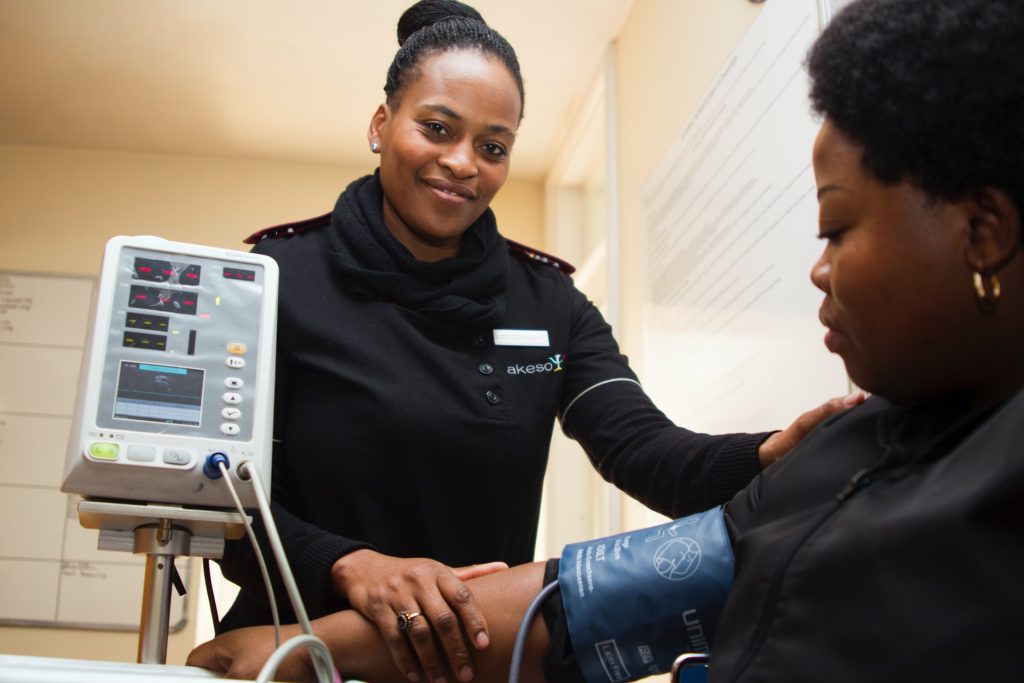
Work stress, high workload, and understaffing are the primary factors driving health professionals out of the NHS, suggest the results of a survey published in the open access journal BMJ Open.
The findings prompt the researchers to suggest that pay increases alone may not be sufficient to fix NHS staff retention. The NHS is short of well over 100 000 staff and fallout from COVID-19 has seen worsening retention.
The researchers investigated the ‘push’ factors behind decisions to leave the NHS, and whether these were ranked differently by profession and NHS setting, a year after exposure to the effects of the pandemic.
In 2021, NHS health professionals completed an online survey to determine the relative importance they gave to 8 factors as the key reasons for leaving NHS employment.
The respondents included 227 doctors; 687 nurses/midwives; 384 healthcare assistants and other nursing support staff; 417 allied health professionals, such as physiotherapists and occupational therapists; and 243 paramedics from acute, mental health, community, and ambulance services.
Using the paired comparison technique, whereby two push factors at a time were presented at a time, respondents were asked: ‘Which of these two factors is the bigger influence on why staff in your profession/job role leave the NHS’?’
Compared to other professions, paramedics gave a much higher relative weighting to work stress, work-life balance, work intensity and pay higher relative weighting.
The factors compared were: staffing levels; working hours; mental health/stress; pay; time pressure; recognition of contribution; workload intensity; and work–life balance.
Compared to other professions, paramedics gave a much higher relative weighting to work stress, work-life balance, work intensity and pay higher relative weighting. Paramedics also ranked work-life balance as a stronger driver to leave the NHS. They ranked this second compared to a fourth or fifth ranking across the other professions.
Pay was considered more important by healthcare assistants and other nursing support staff and paramedics, but was generally ranked fourth or fifth by other professional groups.
This contrasts with “some contemporary media and industrial relations accounts, and some academic research findings,” say the researchers, who nevertheless add: “While other variables appear to exert a stronger push than pay, this is not grounds to diminish it as a potential source of dissatisfaction in absolute terms.”
Overall, health professionals ranked work-related stress, workload intensity, and staffing levels as the primary ‘push factors’ underpinning decisions to leave the NHS. Recognition of effort and working hours were ranked lowest. But there were differences in the order of importance and relative weighting given to the push factors among the different health professions.
Work intensity in acute care hospitals and community services; time pressure in community services; and recognition of effort in mental health services were given higher relative weightings.
“In common with the NHS annual staff survey and all other voluntary participation employee surveys, the potential for self-selection response bias cannot be discounted,” emphasise the researchers.
But they conclude: “Excepting paramedics, rankings of leave variables across the different health professional families exhibit a high degree of alignment, at the ordinal level, and highlight the primacy of psychological stress, staff shortages, and work intensity.”
They add: “While increases in pay are transparently important to NHS staff, findings from this research suggest that enhancements in that domain alone may produce a modest impact on retention.
“An equivalent conclusion might be drawn with respect to the current high-profile emphasis on increased access to flexible working hours as a solution within contemporary NHS staff retention guidance to employers.
“Both have potential to do good, but there are grounds for inferring there is a risk that neither may deliver sufficient good to redress the high and rising exodus in the absence of attention to what present as more fundamental factors driving exit.”
The healthcare industry is in the midst of a digital revolution. We are witnessing a growth in healthcare consumerism, where patients and consumers are more active and engaged, keen to track their own health and are more understanding of their body. Digital therapeutics are emerging and disruptive technologies that overcome the limitations of place, time, and availability of healthcare resources in South Africa.
Digital therapeutics is the key to shifting from reactive healthcare to proactive holistic care. By leveraging technologies such as artificial intelligence/machine learning (AI/ML), augmented reality/virtual reality (AR/VR), m-health applications, and gamified platforms, these software driven intelligent solutions empower patients and healthcare providers with high-quality, safe, and effective data based interventions.
Christo Groenewald, CEO of CompuGroup Medical South Africa, a MedTech company that has spent over 20 years researching and providing tools doctors, dentists and medical professionals worldwide, has identified two key stages during the interaction between a patient and the healthcare professional, where digital platforms can build a more efficient relationship.
STEP ONE: Keeping accurate records
From the first call or appointment, preferably through an online booking system, being able to quickly capture data and access these records saves time and helps gain a deeper understanding of the patient’s experience. This also helps practitioners make informed decisions about the necessary treatment.
Clinical documentation can effortlessly be facilitated through the employment of systems such as SOAP (subjective, objective, assessment, and plan) or SINSS (severity, irritability, nature, stage, and stability) model, further complemented by user-friendly aids for methodical body chart completion.
Should a referral be necessary, the uniformity of the anatomy chart and notes make it easy for colleagues to understand the consulting history and it can be shared with the patient on request or their medical aid.
STEP TWO: Real time imaging
The future of medicine must include integration with diagnostic imaging, which currently often involves multiple departments and hard copies such as x-rays and scans. One digital therapeutics feature that is gaining popularity, especially in sports medicine, is the capacity to visually map pain and musculoskeletal concerns on an interactive 360-degree model of the human body, enhancing diagnostic precision and patient comprehension.
This visual system also helps with virtual consulting, requesting blood work from the labs or writing e-scripts, which is increasingly being done and recorded remotely.
Software programmes, such as Practice Perfect by CGM, are now trusted for their capability to easily capture comprehensive medical and treatment histories right at the point of care. This sleek approach facilitates efficient tracking of patient rehabilitation, fitness progress, and treatment responses. The ability to merge personal and clinical data in real time, paints a portrait of each patient’s physical health, empowering accurate diagnoses, prognosis and subsequent follow-ups.
Constantly evolving
Top multinational MedTech companies have invested heavily in the development and advancement of their platforms so that they can be used to predict and manage a patient’s future health rather than reacting to symptoms. This will help reduce the disease burden and be a cost saving for insurance providers and private and public health sectors and empower patients to take control of their physical wellbeing.
Dr Roberto Beffa, a Cape Town based chiropractor states that “As a loyal customer of CGM for more than a decade, I can confidently say that their Perfect Pair solution has truly helped shape my practice. The seamless integration of clinical notes and billing information in one user-friendly platform has transformed our operations, making the flow from clinical documentation to billing a breeze. Thanks to this efficient system, I can now dedicate more time to what I am truly passionate about – providing exceptional care to my patients”.
For more information about CGM’s Perfect Pair, which is a combination of Practice Perfect plus the powerful billing engine for physical health practitioners, CGM MEDEDI, visit www.cgm.com/za.
In the ensuing court battle between Discovery Health and the Road Accident Fund (RAF) over reimbursements to be paid on motor vehicle claims, medical schemes members had always sought clarity or a position from the Council for Medical Schemes regarding this. In normative terms, the CMS is not obliged to release commentary on matters remote to its mandate, however, as a responsible regulator, it became a necessary act to clear any anomality.
Medical scheme members usually do not always have the full understating of the arrangements between RAF and medical schemes. At best, members sometimes have difficulty engaging with their scheme’s rules or RAF due to language barrier or be it of a technical nature of the matter.
In terms of the Medical Schemes Act 131 of 1998 (the “MSA”), Medical Schemes undertake liability in return for a contribution by among others granting assistance in defraying expenditure incurred in connection with the rendering of any relevant health services.
MSA further obliges medical schemes to pay for Prescribed Minimum Benefits (PMB), which include any emergency medical condition, under which motor vehicle claims could fall, in full. Unless a claim is specifically excluded in terms of the schemes’ rules and/or does not meet the criteria in terms of the definition of relevant healthcare, the medical scheme must still pay.
Most medical schemes provide for the handling of motor vehicle claims in their rules, wherein members of medical aid can claim compensation from the Road Accident Fund (the “RAF”) for such claims and any future healthcare services which may arise due to such motor vehicle accident.
It is also common cause that where RAF is responsible for claims, which a medical scheme has paid in terms of its rules and the MSA, that the RAF should refund to such medical scheme the amounts paid. Members of medical schemes who would have claimed directly from the RAF and received compensation for such claims, must also pay such amounts back to the medical scheme. This is commonly known as subrogation.
Should a member not receive any compensation from the RAF even after claiming, the scheme remains liable for the costs of the treatment subject to the registered scheme rules and must not be required to repay/refund such funds to the scheme.
The scheme may, however, attempt to recover such amounts paid from the RAF for the benefit of its members.
Subrogation allows medical schemes to minimise losses as a result of these claims and keep members’ contributions reasonable, by holding responsible parties accountable. It also prevents members from being “overcompensated” or unjustifiably enriched for the loss since they should not receive double compensation from both the medical scheme claim payout and the recovery from the RAF.
It must be emphasized that the financial risk associated with health interventions for which the need is uncertain is equitably shared within the covered population through a risk pool managed by medical schemes under the Medical Schemes Act. Therefore, CMS cannot condone a situation where members of medical schemes are forced to be out of pocket due to the non-payment of medical costs by RAF where these have since been paid out by medical schemes.
In line with our mandate under Section 7 of the Medical Schemes Act, it is not in the members interest if medical schemes are required to claw back payment made on behalf of members due to non-payment of these costs by RAF.
Moreover, the non-recovery of these costs by medical schemes negatively and unfairly withdraws from the entire risk pool that is aimed at benefitting the whole membership.
The World Health Organization (WHO) defines pooling as “…accumulation and management of revenues in such a way as to ensure that the risk of having to pay for healthcare is borne by all members within the pool, not by each contributor individually…” (WHO, 2000).
By implication, the refusal to refund medical schemes by RAF leads to the unfair deterioration of the entire risk pool funds.
Within this background, CMS believes that the refusal to refund medical schemes by RAF is not in line with the provisions of the Medical Schemes Act and it is not in the interest of beneficiaries of medical schemes.
DISCLAIMER: COUNCIL FOR MEDICAL SCHEMES. 2023
This document has been prepared by the author(s) from the Council for Medical Schemes Legal Services Unit and Benefits Management Unit. The views and information expressed in this article are for information purposes only. CMS cannot be held liable for any incorrectness of statements and statistical errors. Recommendations and conclusions are based on the author(s) research outcomes/findings and does not necessarily espouse or state as a CMS policy stance. The information is subject to change without notice. Companies and individuals wishing to use the information must reference the CMS in company reports, news reports, interviews, panel discussions etc.
Bada Pharasi, CEO of The Innovative Pharmaceutical Association of South Africa (IPASA)
Lessons from the COVID-19 pandemic have underlined the importance of continued investment into pharmaceutical innovation and R&D to not only bring life-saving medications to those in need, but to improve public health outcomes, writes Bada Pharasi, CEO of The Innovative Pharmaceutical Association of South Africa (IPASA).
From treatments for cancer, cardiovascular diseases and more recently, the COVID-19 vaccine, the pharmaceutical industry has made significant progress in the development of over 470 medications in the last 10 years alone.1
While the innovative pharmaceutical process typically takes between 10 and 15 years from discovery to regulatory approval2 – owing to factors including immense R&D costs, regulatory compliance, and the protection of patents3 – the fast-tracked development and approval of COVID-19 vaccines laid bare the need for pharmaceutical companies to be prepared to mitigate the risk of future outbreaks – and this means continued investment in innovation and R&D.
The pandemic underlined the need for countries to be prepared for outbreaks on the horizon. To ensure we can meet the next challenge, pharmaceutical innovations must match the pace at which diseases mutate. This kind of innovation is non-negotiable and requires continued investment as a safeguard against losing lives and endangering South Africa’s fragile healthcare system.
As we are in the midst of a cholera epidemic, as well as the recent measles outbreak,4 it’s important to continue driving innovation to treat diseases, with medicines developed by innovative pharmaceutical companies benefiting millions across the country every day.
This is evidenced by mortality rates for HIV/AIDS and TB in the country falling by 59.2% and 55.7% between 2007 and 2017, with at least 60 new medicines currently in the R&D pipeline to treat TB.5
While patents in pharmaceutical innovation protect the originators’ intellectual property, it is important that innovative medications be developed to ensure a continuous pipeline of access to generics once the patent has lost its exclusivity. This will drive consumer accessibility and affordability of life-saving treatments and medications that may otherwise be unattainable for many.
As we continue racing against the proverbial clock in protecting against current and future diseases, pharmaceutical companies should continue to invest in innovation and R&D to outsmart existing dreaded diseases, and provide agility and preparedness should the next unknown pandemic threaten. Our health, and lives, depend on it.
Doing ‘the right thing’ for one’s health, be it eating well, exercising, or going for an annual HIV test or blood pressure check, is easier said than done. One way to nudge people to make these ‘right’ decisions is to offer rewards or incentives. Discovery Health Medical Scheme’s Vitality programme is probably the best local example of such an incentive programme.
While incentive programmes have made a splash in private healthcare, they’ve hardly caused a ripple in South Africa’s public sector. In fact, the only public sector incentive of any notable scale of which we are aware was the vouchers that were offered to people who got vaccinated against SARS-CoV-2. There have been several scientific studies of cash transfers and other incentives, but the data is relatively limited and the differences between studies were substantial, as indicated in this review of cash transfers for HIV prevention, among others.
Evidence from other countries has shown that a targeted public sector incentive programme could yield significant positive results. The Indian Government launched a programme called Janani Suraksha Yojana (JSY) in 2005, “with the goal of reducing the numbers of maternal and neonatal deaths” using a conditional cash transfer scheme to encourage giving birth in a health facility. In those who benefited from the scheme, there was a reduction of 4.1 perinatal deaths per 1000 pregnancies and a reduction of 2.4 neonatal deaths per 1000 live births.
As Spotlight has recently reported, South Africa is doing relatively poorly against its diabetes and hypertension targets and substantially better against its HIV targets. Yet, we can find no evidence that the Department of Health has given serious thought to incentive programmes in these various areas.
Some might argue that the impact of such programmes is unproven and that they are too expensive. No doubt, a carbon copy public sector version of Vitality is wishful thinking. But are there any elements of it worth copying or adapting for the public sector?
“It has always amazed me that incentives are always so OK for rich people like me, on Discovery, but somehow unacceptable for poor people ‘who should do it for their own good’ in the public system,” says Professor Francois Venter, who heads up Ezintsha at the University of the Witwatersrand. He describes it as patronising.
Venter says that while hugely complex issues like controlling non-communicable diseases (NCDs) and obesity can’t be solved with incentives, they could certainly be added to the very limited toolbox of the existing arsenal being used to prevent disease or death through early detection, testing, and screening. He says incentives “definitely should not be dismissed right off the bat when it comes to the 84% of people who rely on the public system”.
The power of ‘points’
An estimated 60% of diseases across the board are caused by unhealthy lifestyles, according to a 2022 study published in the International Journal of Environmental Research and Public Health. In line with such evidence, Discovery’s Vitality programme is primarily focused on encouraging its members to make healthier lifestyle choices.
“Vitality aims to leverage behaviour change techniques, most notably using incentives, to motivate or nudge members to adopt healthy behaviours,” says Dr Mosima Mabunda, who is the Head of Wellness at Vitality. She says that four core factors are implicated in most NCDs, namely an unhealthy diet, a lack of physical activity, smoking, and alcohol misuse.
The Vitality programme is complex and uses a wide range of incentives and rewards to motivate members, including giving members monetary rebates for healthy food purchases, subsidised gym membership, and a comprehensive points-based system that rewards a range of healthy lifestyle choices. These points can be converted to cash or used at a range of local retailers. There is an incredible variety of Vitality rewards that range from discounts on flights to discounts at movie theatres.
According to a Discovery report, the “overall impact of Vitality on mortality rates is significant”. By “making people healthier” they say they have achieved an average reduction in mortality of 13%.
Several experts interviewed by Spotlight point out that most of this data has not been published in reputable, peer-reviewed journals. Even so, it is certainly plausible that Vitality’s annual incentivised health check helps with earlier diagnosis of hypertension, diabetes, and even HIV. Similarly plausible is the idea that points may successfully incentivise some people to exercise more. Scepticism of the health benefits of other elements of the Vitality programme may well be warranted – it is hard to know without independent analysis.
Importance of early detection
The underlying logic of such incentive systems is typically that the savings due to behaviour change or early detection outweighs the cost of the incentives. Put another way, the private sector isn’t just doing this to help people stay healthy, they are also doing it to save money. The costs and benefits for state-run incentive programmes will obviously look very different, but there may well be cases where the benefits of incentives outweigh their costs.
It is also possible that in some instances incentives are actually needed more urgently by users of the public sector than the private. As Professor Harsha Thirumurthy, who is an expert on behavioural economics and health incentives based at the University of Pennsylvania points out, “the majority of Vitality members don’t face barriers like transport costs” or even being located many kilometres away from the nearest state facility.
Late diagnosis or poor disease control has high human and economic costs in both the public sector and private. According to a 2013 study published in the Global Health Action journal, uncontrolled diabetes caused 8000 new cases of blindness and 2000 new amputations in South Africa in 2009 alone. More recent statistics reveal the situation is getting worse. In 2018, then KwaZulu-Natal MEC for Health Dr Sibongiseni Dhlomo revealed that six amputations occur every single day – which equates to over 2100 a year – in that province.
And the financial implications are staggering. For example, a 2022 literature review that looked at the costs of treating common NCDs in South Africa, estimated the cost of treating one person for one year with medication for type 2 diabetes to be roughly between R1000 and R3500 in the public sector. In comparison, the study also looked at the costs of treating common complications of uncontrolled diabetes. For example, diabetes-related renal disease was estimated to cost roughly R67 000 per person per year.
Screening for diabetic retinopathy, an eye condition that causes vision loss, costs between R110 and R370 per person. In comparison, the cost of treating ophthalmic disease in people with diabetes is estimated to be R59 000 per person per year.
These are only the health system costs and don’t include the costs of serious complications and lifelong disability to individuals, families, and communities.
Barriers to healthy lifestyle choices
Most experts we spoke to agree that the Vitality programme in its entirety is too complex and expensive to be replicated at scale in the public sector. Additionally, helping the majority of the population make healthy lifestyle choices, particularly those around healthy diets and physical activity, is a mammoth task and exceeds the ambit and powers of the National Department of Health.
“It’s really important to appreciate that there are so many environmental, social, [and] structural factors that make it difficult for people to quote-unquote ‘do the right thing’ when it comes to health-related behaviours,” says Thirumurthy. “For example, people are constantly subjected to advertising of unhealthy food products. Many are living in environments that make it hard to eat a healthy diet even if they wanted to.
“To really make a difference, we have to take a step back and identify the overall system-level or structural changes that could be made to influence people’s diets and other health behaviours. We need to think about what types of government regulation and policy levers can be utilised to achieve better health outcomes,” says Thirumurthy, who is also the co-founder of South Africa’s first ‘nudge unit’, based at Wits University called Indlela: Behavioural Insights for Better Health, which is focused on identifying low-cost behavioural solutions to public health challenges.
As Spotlight previously reported, many of these issues are flagged in South Africa’s recently published Strategy for the Prevention and Management of Obesity in South Africa 2023 – 2028. But while most experts we interviewed felt the strategy flagged the right issues, there was also agreement that the strategy didn’t set out a realistic plan for dealing with those issues. And not finding ways to deal with these issues is costing a lot of money.
In 2018, the public sector cost of treating patients diagnosed with diabetes alone totalled R2.7 bn “and would be R21.8 bn if both diagnosed and undiagnosed patients are considered”, according to a 2020 report about the health promotion of NCDs published by the South African Medical Research Council (SAMRC). Moreover, in real terms, it is estimated that by 2030 the cost of all type 2 diabetes cases will soar to R35.1 bn.
According to Thirumurthy, incentive-based interventions represent one creative solution with the potential to help improve health outcomes and reduce the financial burden on the health system in the long term. “I’m not saying incentives or rewards-based programmes are going to save the day, so to speak. However, they do represent a small but important part of an overall policy package that is necessary to address NCDs. Global experience suggests this policy package should prioritise regulatory interventions, including taxes on sugary sweetened beverages and other unhealthy foods, but incentive-based interventions can certainly be a useful addition to a broader strategy or policy package,” he says.
A public sector annual health check?
Early detection is one area where the public sector could potentially benefit from copying a private sector incentive scheme.
Vitality’s annual health check is a free screening and testing consultation that includes HIV testing, mental health screening, body mass index evaluation, blood pressure check and a blood glucose test, among other things. Members are rewarded handsomely with points, simply for showing up. Critically, these checks are offered at many pharmacies and are thus relatively easy to access.
According to Belinda Kahler, Wellness Specialist for Vitality, there is data that suggests that the inclusion of a screening questionnaire for depression in their annual health check yields significant benefits for both the scheme and its members. She says that members who complete the screening and are flagged as high-risk are over three times more likely to seek professional help which “fosters early detection and management which reduces complications and ultimately reduces healthcare costs”.
One way a public sector version of this could work would be for the state to contract with nurses at private sector pharmacies and GPs to provide the checkups in addition to public sector clinics. This would make it much easier for people to access these checkups, and may well boost early diagnosis of diabetes, hypertension, and other diseases, especially if an incentive is included. For this to work, the public sector data systems to facilitate the capturing of measurements and test results will have to be in place, but presumably, work along these lines is already underway for the NHI data system that is being developed. Many public-sector clients already collect their medicines from private-sector pharmacies and some were vaccinated against SARS-CoV-2 at private-sector pharmacies – so it won’t be breaking entirely new ground to add checkups to the mix.
According to Thirumurthy, programmes that are ongoing, requiring daily or weekly action, are not feasible or sustainable for the public health system at this stage as they are too resource-intensive, requiring constant monitoring, and reward allocation. “But incentivising a once-off or annual behaviour, such as going for a vaccination or health check, is not only more likely to succeed compared to daily behaviours like going to the gym or taking a certain number of steps, it is also much more cost-effective and much easier for a government to implement,” he says.
He says addressing healthy lifestyles is incredibly difficult and preventive care interventions represent a more attainable goal for the National Department of Health. Screening, preventive care, and early detection save money and lives, but it is notoriously difficult to get patients to engage in the health system before they get really sick or experience noticeable symptoms. More often than not, patients seek care too late to prevent costly complications.
“Depending on the particular behaviour, test or screening combination that is incentivised, a programme like this could really move the needle on the intended health outcome and equate to money well spent in future averted healthcare costs,” says Thirumurthy.
Dr Brendan Maughan-Brown, who is the Chief Research Officer at the Southern Africa Labour and Development Research Unit, points out that “we really are going to have a collision of comorbidities in the next seven to eight years” fuelled by an ageing HIV population. “All these NCDs are going to become even more burdensome to the health system – already in some areas, over 25% of people over 50 are living with HIV. This is going to be a major challenge for the health system, insurers, and the NHI, so thinking about solutions now, including a proposed annual health check or screening, is a good place to start.”
What should incentives look like?
Once-off or annual programmes do not need to be expensive, according to Dr Sophie Pascoe, who is the Indlela Co-Director. “They would require a level of coordination, but there are many companies who I’m sure would be willing to come on board as sponsors. The big supermarket chains could subsidise grocery vouchers or incentives could be in the form of airtime backed by one of the big mobile networks, for example,” she says. These partnerships would “benefit everybody” by encouraging those targeted behaviours, while sponsors would profit from the exposure and an increase in their customer base.
“I think part of the problem is, when we mention the word ‘incentives’, everyone imagines a lot of money and big rewards. But the rewards don’t need to be big or costly,” she says.
Maughan-Brown, who is also an expert in behavioural economics and the behavioural determinants of HIV risk, says that for an incentivised preventive programme to be successful, there needs to be a comprehensive understanding of the various “hassle factors” faced by those who rely on the public health sector. What would be valuable to people? Transport, airtime, grocery vouchers, child care, paid leave from work or something else? He says a lot of work would need to be done to understand what rewards will work and there needs to be a level of flexibility because different people will need or value different incentives.
Pascoe, in turn, suggests that a lottery incentive could be added and would be inexpensive to augment an immediate but smaller reward that would be received directly after the health check or screening intervention, for example.
She adds that another difficulty when it comes to advocating for this kind of programme is that tangible benefits or outcomes will only be seen in the long term, while government is more receptive to programmes or policies with clear and quick results.
Venter has similar concerns. He says there is a perception that these programmes are expensive to implement and run. “But that is only part of the issue,” he says, “I find it bizarre that I get incentivised left, right, and centre by Discovery, yet every time we raise it for poor people, I get told ‘they should be doing it, anyway’. It makes no sense.” As it stands, Venter says that problematic and pervasive perceptions need to be addressed before any incentive-based programme will even likely be considered by policy-makers and government officials, and even international funders, civil society, and the media for that matter.
‘Already incentivised’
National Department of Health Spokesperson, Foster Mohale, told Spotlight that his department “is not against incentivisation but each preventive programme has its own issues and each community of health system user has different incentives for staying well”. He agrees that the “public health benefits of health checks and health screening” have the potential to “result in early detection and reduced costs to the health system”.
However, he says that these services are already incentivised and that considering interventions inspired by Vitality is “inappropriate”. Asked about the nature of the current public sector incentives, he said, “[It] depends on what one sees as an incentive! For me, a gym membership, Fitbit, express check-in queue or cheap flights are of no value and I regard them as an insult. For others, they rush to ‘benefit’. For the majority of South Africans, a visit from the [community health worker] is the incentive!”
Mohale argues that, by definition, incentive “means inducement, motivation, motive, reason, encouragement” and that, “in the true spirit of incentives”, “testing and screening services are incentivised through health promotion in ALL public health clinics, and in school health programmes”.
He says that “the massive programme for HIV testing [is] incentivised through free testing [and] specific clinics”. He adds that the department offers another incentivised programme in the form of adherence clubs, where groups of about 30 people who are on chronic medication meet regularly, share their experiences with each other and receive some screening and counselling from healthcare workers.
NOTE:Professor Francois Venter is quoted in this article. Venter is a member of Spotlight’s Editorial Advisory Panel. The panel provides the Spotlight editors with advice and feedback on the quality and relevance of Spotlight’s public interest health journalism. The Spotlight editors, however, remain editorially independent and solely responsible for all editorial decisions. Read more on the role and purpose of the panel here.
Allmed Healthcare Professionals, a leading healthcare agency, has launched its innovative Pay Slip App, designed to provide convenience and efficiency to its valued staff. The app, available for both Android and iPhone devices, revolutionises the pay slip distribution process, eliminating the need for staff to physically visit the office.
The development of the Pay Slip App began in January 2022 with the vision of addressing the challenges staff faced while collecting their pay slips. “We saw that our staff were spending time and money to come to our offices, which led to inefficiencies and unnecessary expenses,” explained Zukisani Sirwaxa, Operations Manager at Allmed. “Our goal was to save costs, improve accessibility, and streamline the entire process for our staff.”
The user-friendly app allows staff to access all their pay slips since they started working for Allmed, aiding them in financial planning and loan applications. Staff can easily check their pay details, including overtime, leaves, and earnings for specific shifts. This real-time access empowers staff to proactively manage their finances.
Karishma Dayaram, Business Unit Manager at Allmed, highlighted the app’s broader benefits, saying, “The Pay Slip App not only saves costs in printing and delivery but also frees up valuable staff time that was previously spent on manual processes. It enhances transparency and empowers our staff with immediate access to their essential pay information.”
Donald McMillan, Managing Director of Allmed, shared his excitement about the app’s unique features, stating, “As one of the first agencies to introduce such a dedicated Pay Slip App, we have been at the forefront of technology adoption in the industry. We are continuously exploring ways to improve the app’s functionality to meet our staff’s evolving needs.”
The Pay Slip App, developed in collaboration with a third-party developer, underwent a rigorous testing phase to ensure its efficiency and reliability. Since its launch, the app has received several thousand downloads, and Allmed has been proactive in addressing any technical challenges to ensure a seamless user experience.
Looking towards the future, Allmed envisions expanding the app’s functionalities to provide enhanced communication with our staff. “We are exploring the possibility of using the platform to share important updates, memos, and notices directly with our staff,” said Zukisani Sirwaxa. “This will further streamline our communication and foster a dynamic and connected community.”
As a forward-thinking company, Allmed recognises the importance of environmental responsibility. “We are also proud to align ourselves with the green initiative,” stated Donald McMillan. “By embracing digital solutions like the Pay Slip App, we are reducing paper usage and contributing to a sustainable future.”
Boehringer Ingelheim, one of the world’s leading bio-pharmaceutical companies, appointed César Nieto as General Manager and Head of Human Pharma for the Southern Africa region. As part of his responsibilities, Cesar will manage the Southern Africa region which includes South Africa and Sub-Saharan Africa countries.
A qualified physician, César has previously held senior leadership positions with the company in North and Central America, Caribbean, United Arab Emirates, and the company’s headquarters in Germany.
Mohammed Tawil, Regional Managing Director and Head of Human Pharma for Boehringer Ingelheim’s India, Middle East, Turkey and Africa (IMETA) region, said, “César has a proven track record of success in driving growth for Boehringer Ingelheim. His diverse experience will be key to our ability to drive sustainable growth and we are confident that he will help us fulfil our purpose of transforming lives for generations by bringing innovative healthcare solutions to address areas of unmet medical needs in the region.”
Commenting on his appointment, Cesar Nieto said, “Through strong partnerships with our stakeholders and Boehringer Ingelheim team, I’m confident that we can positively impact the patients and communities and contribute to healthcare innovation.”
César was previously the Regional Cardiovascular Therapeutic Area Lead at Boehringer Ingelheim IMETA, where he played a key role in the transformation of the company’s cardiovascular and stroke portfolio. His strategy in this role served as a blueprint for other regions such as Brazil, Mexico, UK and Ireland, and led to an increase in profitability in IMETA.
Boehringer Ingelheim has been in the South African market since 1962 and later grew the network into Namibia and Botswana. Recently, the regional headquarters has extended its representation to the Sub-Sharan African region.
Private equity ownership of healthcare services such as nursing homes and hospitals is associated with harmful impacts on costs and quality of care, suggests a review of the latest evidence published by The BMJ. No consistently beneficial impacts of private equity ownership were identified, and the researchers say these results confirm the need for more research on private equity ownership in healthcare and possibly increased regulation.
Private equity firms use capital from wealthy individuals and large institutional investors to buy companies, and, after a relatively brief period of ownership, sell them for substantial returns. Over the past decade, private equity firms have increasingly invested in, acquired, and consolidated healthcare facilities, with global healthcare buyouts exceeding $200bn since 2021 alone. But despite much speculation, it’s still not clear what impact private equity ownership of healthcare operators has on costs, quality of care, and health outcomes.
To address this uncertainty, researchers analysed the results of 55 studies (47 focused exclusively on the US) published in peer reviewed journals in the past two decades.
Nursing homes were the most commonly studied settings, followed by hospitals and dermatology facilities. The studies were designed differently, and were of varying quality, but the researchers were able to allow for that in their analysis.
Nine of 12 studies showed higher costs to patients or payers at health facilities owned by private equity firms (harmful impact), three found no differences, and none showed lower costs (beneficial impact).
Private equity ownership was also associated with mixed to harmful impacts on quality. Of 27 studies that assessed healthcare quality, 12 found harmful impacts, three found beneficial impacts, nine found mixed impacts (some quality measures declined, some improved), and in three the results were neutral.
Health outcomes showed both beneficial and harmful results, as did costs to operators, but the volume of studies for these outcomes was too low for any definitive conclusions to be drawn.
When nursing homes were analysed separately, private equity ownership often had mixed impacts on quality, but the researchers point out that more evidence suggests a degradation rather than an improvement in quality, such as a decrease in nurse staffing or a shift to lower nursing skill mix.
The researchers acknowledge that they did not differentiate between different types of private equity investment and ownership, and were unable to assess larger possible impacts of private equity on access to care. And because most of the included studies occurred in the US, the impacts identified may not apply to all global settings.
Nevertheless, they say this study fills a gap in the current literature on private equity ownership in healthcare, and presents emergent patterns related to private equity ownership that other studies have been unable to synthesise.
As such, they say: “The results of this study confirm the need for increased rigorous research on private equity ownership in healthcare, particularly its impacts on health outcomes and system costs and in other non-US settings, such as Europe.”
“This said, the current body of evidence is robust enough to confirm that private equity ownership is a consequential and increasingly prominent element in healthcare, warranting surveillance, reporting, and possibly increased regulation.”
New drugs are often used not only for one disease (first approved indication) but also for other diseases (supplemental indications). But a study published by The BMJ finds that less than half of approved first indications for new drugs in the US and Europe between 2011 and 2020 add substantial therapeutic value over existing treatments. Only about a third of supplemental approvals add substantial therapeutic value compared with first approvals.
The researchers argue that when first or supplemental indications do not offer added benefit over existing treatments, this information should be clearly communicated to patients and reflected in the price of the drugs.
Previous study findings on the value of new drugs were unclear. To address this, researchers examined all new drugs approved for more than one indication in the US and Europe between 2011 and 2020, and assessed the therapeutic value of supplemental indications compared with first indications.
Using publicly available data, they identified 124 first and 335 supplemental indications approved by the US Food and Drug Administration (FDA) and 88 first and 215 supplemental indications approved by the European Medicines Agency (EMA).
In the US, 48% of drugs had one supplemental indication, 20% had two, 14% had three, and 18% had four or more. In Europe, 48% of drugs had one supplemental indication, 23% had two, 13% had three, and 17% had four or more. Most (58%) of indications approved by the FDA and EMA were for treatment of cancer.
Therapeutic ratings from French and German health technology assessment (HTA) bodies were available for 107 (86%) first and 179 (53%) supplemental indications in the US and for 87 (99%) first and 184 (86%) supplemental indications in Europe.
Among FDA-approved indications with available ratings, 41% (44 of 107) had high therapeutic value ratings for first, compared with 34% (61 of 179) for supplemental indications. In Europe, 47% (41 of 87) of first and 36% (67 of 184) of supplemental indications had high therapeutic value ratings.
Among FDA approvals, when the sample was restricted to the first three approved indications, second indication approvals were 36% less likely to have a high value rating and third indication approvals were 45% less likely when compared to the first indication approval. Similar findings were observed for Europe.
These are observational findings and the researchers acknowledge that therapeutic value ratings were not available for all indications, particularly indications approved in the US but not in Europe. Furthermore, the methods and value assessment system can be influenced by country specific factors and assumptions.
However, they point out that they focused on the highest rating provided by one of the two HTA bodies and did sensitivity analyses with the value scores of each authority separately, which confirmed the initial results.
As such, they conclude: “Fewer than half of approved first indications in the US and Europe were rated as having high therapeutic value, and the proportion of approved supplemental indications rated as having high therapeutic value was substantially lower than for approved first indications.”
“When indications do not offer added therapeutic benefit over other available treatments, that information should be clearly communicated to patients and reflected in the price of the drugs.”
The fact that new does not necessarily mean better needs to be clearly communicated to both patients and clinicians, agrees Beate Wieseler at the German Institute for Quality and Efficiency in Health Care, in a linked editorial.
“The system’s current performance does not meet the expectations of patients and the public, clinicians, or policy makers,” she writes. “Having experienced the potential of a coordinated drug development effort during the covid-19 pandemic, we should seek to align current legislation on drug development more closely with defined public health goals.”
A new joint health supplement has been launched in South Africa by iNOVA Pharmaceuticals which supports healthy joints and helps reduce the symptoms of osteoarthritis such as joint pain and stiffness1. Unlike other osteoarthritis supplements on the market, POSTEON™ has been shown to start working in as little as five days1.
According to scientifically based research, the ingredients in Posteon™ may help reduce the symptoms of osteoarthritis such as joint pain and stiffness, as well as improving range of motion and mobility1.
Boswellia serrata gum resin extract has traditionally been used to relieve symptoms of osteoarthritis. Taken once a day, Posteon™ contains 100mg of 3-O-Acetyl-11-keto-beta- boswellic acid (AKBA), the most active compound of Boswellia extract which is an inhibitor of 5-lipoxygenase (5-LOX). This is a key enzyme in the biosynthesis of leukotrienes from arachidonic acid in the cellular inflammatory cascade1.
It also contains 300mg of Avocado soy unsaponifiables (ASU), a dietary supplement consisting of one-third avocado oil and two-thirds soybean oil. Studies have found that ASU can reduce the production/action of various joint inflammatory substances which can prevent the destruction of joint cartilage and also help in its repair1.
Osteoarthritis is the most common form of arthritis2 and affects between 55.1% and as many as 82.7% of adults aged over 65 years in South Africa3. Globally, the prevalence of osteoarthritis is increasing, and is expected to continue to escalate4.
POSTEON™, which is now available at leading pharmacies, may reduce these symptoms1 which can significantly impact day-to-day functioning2.
Usenbo, A et al. Prevalence of Arthritis in Africa: A Systematic Review and Meta-Analysis. A Systematic Review of Arthritis Prevalence in Africa (2015) at https://www.ncbi.nlm.nih.gov/pmc/articles/PMC4524637/ (website accessed on 4 May 2023).
Osteoarthritis Research Society International (OARSI) Osteoarthritis: A Serious Disease, Submitted to the U.S. Food and Drug Administration (2016) at https://oarsi.org/oarsi-white-paper-oa-serious-disease (website accessed on 4 May 2023).
DISCLAIMER: This editorial has been commissioned and brought to you by iNova Pharmaceuticals.
Content in this editorial is for general information only and is not intended to provide medical or other professional advice. For more information on your medical condition and treatment options, speak to your healthcare professional.