Category: Genetics

The Need for an African Genetic Library
Source: Mart Production on Pexels

Earlier this year, UCT professor Ambroise Wonkam published the Three Million African Genomes (3MAG) project in Nature, which he said started with a “crazy idea”. Now, it looks like his vision is starting to take shape.

The idea of creating a huge library of genetic information about the population of Africa emerged from his work on how genetic mutations among Africans contribute to conditions like sickle-cell disease and hearing impairments.

African genes contain great genetic variation, more than that seen outside of Africa. As he explained, “We are all African but only a small fraction of Africans moved out of Africa about 20–40 000 years ago and settled in Europe and in Asia.”

Another concern for Prof Wonkam is equity, saying: “Too little of the knowledge and applications from genomics have benefited the global south because of inequalities in health-care systems, a small local research workforce and lack of funding.”

Thus far only about 2% of genomes mapped are African, a good proportion of which are African American. This stes from a lack of prioritising funding, policies and training infrastructure, he says, but it also means the understanding of genetic medicine as a whole is lopsided. By studying African genomes, injustics can be corrected, such as finding that genetic risk profiles based on Europeans could be misleading for those of African descent.

To address these disparities, Prof Wonkam and other scientists are speaking to governments, companies and professional bodies across Africa and internationally, in order to build up capacity over the next decade to make the vision a reality.

He expects three million is the number needed to accurately map genetic variations across Africa. The project will take a decade, he says, costing around $450m per year, with industry already showing interest. 

Biotech firms welcome prospects of new data
The Centre for Proteomic and Genomic Research (CPGR) in Cape Town works with biotech firm Artisan Biomed on a variety of diagnostic tests. Gaps in the applicability of genetic data to the local population are a challenge for the firm, it said.

A genetic mutation in someone could be found but it would be uncertain if that variation is associated with a disease, especially as a marker for that particular population.

“The more information you have at that level, the better the diagnosis, treatment and eventually care can be for any individual, regardless of your ethnicity,” said Dr Lindsay Petersen, the company’s chief operations officer.

Artisan Biomed says the data it collects feeds back into CPGR’s research – allowing them to design a better diagnostic toolkit that is better suited to African populations, for instance.

Dr Judith Hornby Cuff said that the 3MAG project would help streamline processes and improve research, and one day could provide cheaper, more effective and more accessible health care, particularly in the strained South African system.

Prof Wonkam acknowledged that while the costs are huge, the project will “improve capacity in a whole range of biomedical disciplines that will equip Africa to tackle public-health challenges more equitably”.

“We have to be ambitious when we are in Africa. You have so many challenges you cannot see small, you have to see big – and really big,” he said.

Source: BBC News

Chief Sitting Bull’s DNA Matched to Living Descendant

By Orlando Scott Goff – Heritage Auctions, Public Domain, https://commons.wikimedia.org/w/index.php?curid=27530348

A team of researchers led by the University of Cambridge has proven a man’s claim to be the great-grandson of legendary Native American leader Sitting Bull has been confirmed using DNA extracted from Sitting Bull’s scalp lock. This is the first time ancient DNA has been used to confirm a familial relationship between living and historical individuals.

The researchers used a new method to analyse family lineages using ancient DNA fragments, which searches for ‘autosomal DNA’ in the genetic fragments extracted from a body sample. Since half of our autosomal DNA is inherited from the father and half from the mother, this means genetic matches can be checked regardless of whether an ancestor is on the father or mother’s side of the family.

Autosomal DNA from Lakota Sioux leader Sitting Bull’s scalp lock was compared to DNA samples from Ernie Lapointe and other Lakota Sioux. The resulting match confirms that Lapointe is Sitting Bull’s great-grandson, and his closest living descendant.

“Autosomal DNA is our non-gender-specific DNA. We managed to locate sufficient amounts of autosomal DNA in Sitting Bull’s hair sample, and compare it to the DNA sample from Ernie Lapointe and other Lakota Sioux – and were delighted to find that it matched,” said senior author of the study, Professor Eske Willerslev in the University of Cambridge’s Department of Zoology and Lundbeck Foundation GeoGenetics Centre, who also developed the new DNA analysis technique.

Lapointe said: “over the years, many people have tried to question the relationship that I and my sisters have to Sitting Bull.”

Lapointe believes that Sitting Bull’s bones currently lie at a site in Mobridge, South Dakota, in a place that has no significant connection to Sitting Bull and the culture he represented. He also has concerns about the care of the gravesite. There are two official burial sites for Sitting Bull – at Fort Yates, North Dakota and Mobridge – and both receive visitors.

Lapointe, with the help of the DNA evidence confirming his heritage, now hopes to rebury the great Native American leader’s bones in a more appropriate location.

The new technique can be used when very limited genetic data are available, as was the case in this study. This could be used to match up long-dead historical figures and their living descendants.

The technique could also be used on old human DNA that might previously have been considered too degraded to analyse – for example in forensic investigations.

“In principle, you could investigate whoever you want – from outlaws like Jesse James to the Russian tsar’s family, the Romanovs. If there is access to old DNA – typically extracted from bones, hair or teeth, they can be examined in the same way,” said Willerslev, who is a Fellow of St John’s College, Cambridge.

It took the scientists 14 years to find a way of extracting useable DNA from the 5-6cm piece of Sitting Bull’s hair, which was extremely degraded, having been stored for over a century at room temperature in a museum before it was returned to Lapointe and his sisters in 2007.

In traditional DNA analysis, which searches for a genetic match between specific DNA in the Y chromosome passed down the male line, or, in females, specific DNA in the mitochondria passed from a mother to her offspring. Neither are particularly reliable, and in this case neither could be used as Lapointe claimed to be related to Sitting Bull on his mother’s side.

Tatanka-Iyotanka, better known as the Native American leader and military leader Sitting Bull (1831–1890), led 1,500 Lakota warriors at the Battle of the Little Bighorn in 1876 and wiped out US General Custer and five companies of soldiers.

“Sitting Bull has always been my hero, ever since I was a boy. I admire his courage and his drive. That’s why I almost choked on my coffee when I read in a magazine in 2007 that the Smithsonian Museum had decided to return Sitting Bull’s hair to Ernie Lapointe and his three sisters, in accordance with new US legislation on the repatriation of museum objects,” said Willerslev.

He added: “I wrote to Lapointe and explained that I specialised in the analysis of ancient DNA, and that I was an admirer of Sitting Bull, and I would consider it a great honour if I could be allowed to compare the DNA of Ernie and his sisters with the DNA of the Native American leader’s hair when it was returned to them.”

Until this study, the familial relationship between LaPointe and Sitting Bull was based on birth and death certificates, a family tree, and a review of historical records. This new genetic analysis lends further credence to his claims. Before the remain can be reburied, they will have to be analysed in the same to ensure a genetic match to Sitting Bull.

Before the remains from the Mobridge burial site can be reburied elsewhere, they will have to be analysed in a similar way to the hair sample to ensure a genetic match to Sitting Bull. 

Source: Cambridge University

Briefly Quitting Cannabis Can Reduce its Genetic Effects in Sperm

Photo by Grav on Unsplash

While cannabis use may impact some autism-linked genes in men’s sperm, briefly quitting cannabis over time may significantly lower many of those effects, according to a new study.

This study, published online in Environmental Epigenetics, followed several other studies at Duke University that linked cannabis use to epigenetic changes (alteration of expression without changing genes) present in sperm, including genes in early development.

This new study aimed to find out if cannabis abstinence could reduce such epigenetic changes. The results showed marijuana users who stopped using cannabis for 77 days produced sperm lacking most of the significant changes found when the men were actively using cannabis.
Study author Susan Murphy, PhD, associate professor in the Department of Obstetrics & Gynecology at Duke University School of Medicine, said the results may suggest that marijuana abstinence could result in washout of sperm with the drug’s epigenetic effects. More research is needed for lingering epigenetic effects after abstinence, but there are immediate implications for some.

“Stopping cannabis use for as long as possible – at least for a 74-day period before trying to conceive – would be a good idea,” she said. “If someone is really serious about that, I would say to stop cannabis use for as long as possible prior to conception – meaning multiple spermatogenic cycles.”

“Is it going to fix everything? Probably not,” Prof Murphy said. “We know there are other epigenetic changes that emerged in the ‘after’ sample that we don’t understand yet – and some of those changes are troubling, like an enrichment of other genes related to autism. But it does appear that the things that were the most severely affected in the ‘before’ sample seem to be mitigated by the abstinence period in the ‘after’ samples.”

The study took a baseline sperm sample from marijuana users and non-marijuana users, then followed both groups as the marijuana-using group abstained from cannabis for 77 days – a period spanning the average time it takes for a sperm to mature, which is 74 days. Researchers collected a second sample from both groups after the 77-day period.

During baseline tests, the marijuana-consuming group produced sperm with changes in line with previous studies, which showed altered epigenetic information, including changes in genes linked to early development and neurodevelopmental disorders. With a 77-day abstinence period, this same group was able to produce sperm that had far less altered epigenetic information at the same genes.

The post-abstinence sample was also much more in line with the samples produced by the non-cannabis-using control group.

Prof Murphy says further research is needed to see if the remaining epigenetic changes observed in the sperm of cannabis consumers, when they abstain, carry over into development after fertilisation.

“We don’t know yet whether the alterations that we’re seeing are at genes that have a stable characteristic,” she said, “or if they are in genes that get reprogrammed and really are going to be of no consequence to the child.”

In any case, Prof Murphy says this work is not about legalisation, rather about giving people the power to make informed decisions for themselves.

“I think that we deserve to know what the biological consequences are so that if you are planning to have a child, or even for your own health, you can make an informed decision about whether you want to use it and when, and that’s not really an option right now because we don’t know what it does,” Prof Murphy said.

Source: Duke University

Study Finds Testosterone’s Importance for Success Overrated

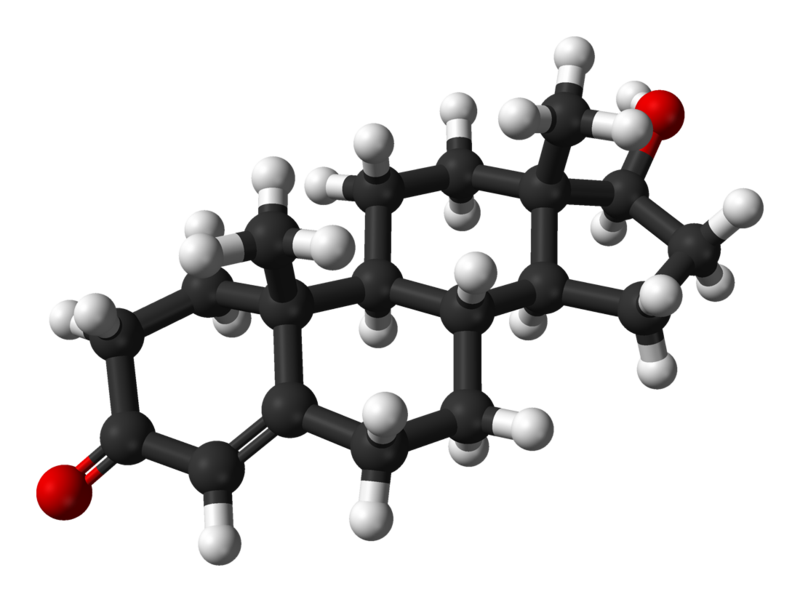
Ball-and-stick model of the testosterone molecule, C19H28O2, as found in the crystal structure of testosterone monohydrate. Credit: Ben Mills, Wikimedia Commons.

With the Olympics underway, testosterone is again in the spotlight over its role in enhancing physical performance, with rules about its natural level being once again debated. It has also been popularly thought to be involved in success in other endeavours – but its importance in this regard may be overrated.

New research has found little evidence that testosterone exerts a meaningful influence on successes in life for men or women. The study in fact suggests that testosterone’s importance outside of physical endeavours could be even less important than previously believed.

In men, it is known that testosterone is linked to socioeconomic position, such as income or educational qualifications.  Researchers from the University of Bristol’s Population Health Sciences (PHS) and MRC Integrated Epidemiology Unit (IEU) set out to determine whether this is because testosterone has an influence on socioeconomic position, as opposed to socioeconomic circumstances affecting testosterone levels, or if it was a case of health affecting both. The findings are published in Science Advances.

To isolate effects of testosterone itself, the investigators used Mendelian randomisation in a sample of 306,248 UK adults from UK Biobank. They explored testosterone’s influence on socioeconomic position, including income, employment status, neighborhood-level deprivation, and educational qualifications; on health, including self-rated health and BMI, and on risk-taking behaviour.  

Dr Amanda Hughes, Senior Research Associate in Epidemiology in Bristol Medical School: Population Health Sciences (PHS), said: “There’s a widespread belief that a person’s testosterone can affect where they end up in life. Our results suggest that, despite a lot of mythology surrounding testosterone, its social implications may have been over-stated.”

First, the team identified genetic variants linked to higher testosterone levels, and explored their links to outcomes. Since genetic variations are essentially fixed throughout a lifetime, it is highly unlikely that they are affected by socioeconomic circumstances, health, or other environmental factors.

In common with prior studies, multivariate analysis showed men with higher testosterone had higher household income, lived in less deprived areas, and were more likely to have a university degree and a skilled job. Higher testosterone in women was linked to lower socioeconomic position, including lower household income, living in a more deprived area, and lower chance of having a university degree. Consistent with previous evidence, higher testosterone was associated with better health for men and poorer health for women, and greater risk-taking behaviour for men.

In contrast, the Mendelian randomisation method showed there was little evidence that the testosterone-linked genetic variants were associated with any outcome for men or women. The research team concluded that there is little evidence that testosterone meaningfully affected socioeconomic position, health, or risk-taking in men or women. The study suggests that – despite the mythology surrounding testosterone – its importance is much less than previously held.

Since the results for women were less precise than the men’s, the influence of testosterone in women could be further explored with larger sample sizes.  

Dr Hughes added: “Higher testosterone in men has previously been linked to various kinds of social success. A study of male executives found that testosterone was higher for those who had more subordinates. A study of male financial traders found that higher testosterone correlated with greater daily profits. Other studies have reported that testosterone is higher for more highly educated men, and among self-employed men, suggesting a link with entrepreneurship.

“Such research has supported the widespread idea that testosterone can influence success by affecting behaviour. There is evidence from experiments that testosterone can make a person more assertive or more likely to take risks – traits which can be rewarded in the labor market, for instance during wage negotiations. But there are other explanations. For example, a link between higher testosterone and success might simply reflect an influence of good health on both. Alternatively, socioeconomic circumstances could affect testosterone levels. A person’s perception of their own success could influence testosterone: in studies of sports matches, testosterone has been found to rise in the winner compared to the loser.”

Source: University of Bristol

Journal information: Testosterone and socioeconomic position: Mendelian Randomization in 306,248 men and women in UK Biobank’, Science Advances (2021).

Mice Born From Stem Cell-derived Gametes

Photo by Kanashi on Unsplash

For the first time, mice have been born from gametes that have been created entirely from stem cells, marking the beginning of a revolutionary new reproductive option.

The experiment is the brainchild of Dr Katsuhiko Hayashi of Kyushu University, who has led the pursuit of making gametes outside of a living body. If adapted for humans, these wild reproductive pursuits are bound to shake up our entire conception of the beginning of life, similar to the way “test-tube” babies did when in vitro fertilisation (IVF) was first introduced.

Dr Hayashi dreams of even bigger possibilities; since stem cells can be rapidly created from skin or other cells, they are an endless source of raw material to make sperm and egg cells. These gametes, if fully functional, can merge into a zygote inside a test tube, be transplanted into a surrogate, and birth a new generation without ever seeing testes or ovaries.

Though still far off for humans, in vitro gametogenesis, or IVG, has great potential. Researchers can use these lab-grown models to better understand how reproductive cells form and mature. For couples struggling to conceive, or people who’ve lost reproductive function due to diseases like cancer, IVG would offer a new route towards pregnancy. Same-sex couples could also potentially conceive children with their own genetic makeup. There are many possibilities, and a wide range of ethical problems.

The basis of the technology uses induced pluripotent stem cells (iPSCs), which can be nudged in any direction, including sperm and egg. Back in 2011, Dr Hayashi showed that by bathing stem cells in a particular chemical soup, his team was able to produce sperm cell precursors, with the capacity to turn into functional sperm.

In 2016, the team achieved the same with eggs in mice, mimicking the entire process of how ovaries make eggs – which were used to produce healthy pups. However, eggs made in a test tube couldn’t develop naturally outside the ovary. Fresh ovarian tissue from mice was needed, creating an obvious challenge for fertility treatments in humans.

In the current study, the team focused on the support cells that normally encapsulate a developing egg. These support cells thrive inside the ovary, secreting hormones and nutrients that help support the metabolic needs of an egg  – a crucial step, which includes forming ovarian follicles for the eggs to mature in.

These ovary-supporting cells can also be made from stem cells if the right chemical keys are used, and so after five years Dr Hayashi figured out those keys. Many of them sport fanciful names like ‘sonic hedgehog‘ (SHH), but most of these proteins belong to the morphogen family, in that they can morph the physical structure and identity of a tissue.

After dousing stem cells with this soup, the cells differentiated into foetal ovary supporting cells, with a gene expression profile closely mimicking that of their natural counterparts.

Next, the researchers added precursor immature egg cells, also made from stem cells. Together, the cells coalesced into tiny ovarian follicles, with support cells forming a bubble wrapping the developing egg. The eggs were then fertilised with sperm, transplanted into surrogate mouse mothers, and after normal pregnancies, resulted in about a dozen healthy pups. Those mice eventually gave birth to babies of their own.

The artificial ovary produces mature eggs less effectively than its natural counterpart, suggesting there’s still much to be learned about this stage of reproduction.

Application of this technology to assisted reproduction in humans is still decades away: human reproductive cells take far longer to mature than those in mice, and likely require different supporting nutrients for the sperm, egg, and surrounding tissue.

The team is now testing their chemical soup in marmosets, to be followed by primates.

Currently no laws or ethical frameworks deal with IVG, since the technology is so new.

Dr Hayashi is taking it step by step, and welcoming public discourse before even considering any clinical use. The first step, he said, is verifying the quality of the stem-cell derived eggs, adding, “That could take a long, long time.”

Source: SingularityHub

Comprehensive Genome Sequencing Can Improve Cancer Outcomes

Image source: National Cancer Institute

Researchers from St Jude Children’s Research Hospital have demonstrated the feasibility of comprehensive genomic sequencing for all paediatric cancer patients, which maximises the lifesaving potential of precision medicine.

All 309 patients who enrolled in the study were offered whole genome and whole exome sequencing of germline DNA. For the 253 patients for whom adequate tumour samples were available, whole genome, whole exome and RNA sequencing of tumour DNA was carried out.

Overall, 86% of patients had at least one clinically significant variation in tumour or germline DNA. Those included variants related to diagnosis, prognosis, therapy or cancer predisposition. An estimated 1 in 5 patients had clinically relevant mutations that would not have been picked up with standard sequencing methods.

“Some of the most clinically relevant findings were only possible because the study combined whole genome sequencing with whole exome and RNA sequencing,” said Jinghui Zhang, PhD, St Jude Department of Computational Biology chair and co-corresponding author of the study.

While such comprehensive clinical sequencing is not widely available, as the technology becomes less expensive and accessible to more patients, comprehensive sequencing will become an important addition to paediatric cancer care.

“We want to change the thinking in the field,” said David Wheeler, PhD, St Jude Precision Genomics team director and a co-author of the study. “We showed the potential to use genomic data at the patient level. Even in common pediatric cancers, every tumor is unique, every patient is unique.

“This study showed the feasibility of identifying tumour vulnerabilities and learning to exploit them to improve patient care,” he said.

Tumour sequencing resulted in a change in treatment for 12 of the 78 study patients for whom standard of care was unsuccessful. In four of the 12 patients, the treatment changes stabilised disease and extended patient lives. Another patient, one with acute myeloid leukaemia, went into remission and was cured by blood stem cell transplantation.

“Through the comprehensive genomic testing in this study, we were able to clearly identify tumor variations that could be treated with targeted agents, opening doors for how oncologists manage their patients,” said co-corresponding author Kim Nichols, MD, St Jude Cancer Predisposition Division director.

The results of the study were published online in the journal Cancer Discovery.

Source: St. Jude Children’s Research Hospital

Journal information: Newman, S., et al (2021) Genomes for Kids: The scope of pathogenic mutations in pediatric cancer revealed by comprehensive DNA and RNA sequencing. Cancer Discovery. doi.org/10.1158/2159-8290.CD-20-1631.

Junk DNA Yields Insights into Ageing and Cancer

Findings from a new study into ‘junk DNA’ have brought scientists one step closer to solving the mysteries of ageing and cancer.

Jiyue Zhu, a professor in the College of Pharmacy and Pharmaceutical Sciences, led a team which recently identified a DNA region known as VNTR2-1 which seems to drive activity of the telomerase gene, which has been shown to prevent ageing in certain types of cells. The study was published in the journal Proceedings of the National Academy of Sciences (PNAS).

The telomerase gene controls the activity of the telomerase enzyme, which helps produce telomeres, the caps at the end of each strand of DNA that protect the chromosomes within our cells and which shorten over time until cells are no longer able to divide.

However, in certain cell types, such as reproductive cells and cancer cells, the telomerase gene’s activity ensures that telomeres are reset to the same length when DNA is copied. This is essentially what restarts the aging clock in new offspring but is also the reason why cancer cells can continue to multiply and form tumors.

Understanding how the telomerase gene is regulated and activated and why it is only active in certain types of cells could someday be the key to understanding how humans age, as well as how to stop the spread of cancer. That is why Prof Zhu has focused the past 20 years of his career as a scientist solely on the study of this gene.

Zhu said that VNTR2-1’s discovery is especially noteworthy due to the type of DNA sequence it represents.

“Almost 50% of our genome consists of repetitive DNA that does not code for protein,” noted Prof Zhu. “These DNA sequences tend to be considered as ‘junk DNA’ or dark matter in our genome, and they are difficult to study. Our study describes that one of those units actually has a function in that it enhances the activity of the telomerase gene.”

In previous work, deleting the DNA sequence from human and mouse cancer cells caused telomeres to shorten, cells to age, and tumours to stop growing. They conducted a subsequent study measuring the length of the sequence in DNA samples taken from Caucasian and African American centenarians and control participants in the Georgia Centenarian Study, a study that followed a group of people aged 100 or above between 1988 and 2008. The researchers found that the length of the sequence ranged from as short as 53 repeats of the DNA to as long as 160 repeats.

“It varies a lot, and our study actually shows that the telomerase gene is more active in people with a longer sequence,” Prof Zhu said.

Since very short sequences were found only in African American participants, they looked more closely at that group and found that there were relatively few centenarians with a short VNTR2-1 sequence as compared to control participants. However, Prof Zhu said that a shorter sequence does not necessarily translate to a shorter lifespan, since the telomerase gene is less active with possibly a shorter telomere length which could reduce cancer risk.

“Our findings are telling us that this VNTR2-1 sequence contributes to the genetic diversity of how we age and how we get cancer,” Prof Zhu said. “We know that oncogenes–or cancer genes–and tumor suppressor genes don’t account for all the reasons why we get cancer. Our research shows that the picture is a lot more complicated than a mutation of an oncogene and makes a strong case for expanding our research to look more closely at this so-called junk DNA.”

Prof Zhu observed that many African Americans in the United States for generations have Caucasian ancestry, which could have added this sequence. So he and his team hope to next be able to study the sequence in an African population.

Source: Washington State University

Journal information: Xu, T., et al. (2021) Polymorphic tandem DNA repeats activate the human telomerase reverse transcriptase gene. PNAS. doi.org/10.1073/pnas.2019043118.

Misattributed Paternity Decreasing – In Sweden, At Least

Photo by Drew Hays on Unsplash

The frequency of misattributed paternity, where the assumed father is not the biological father, is low and decreasing in Sweden, according to an analysis of nearly 2 million family units with children born mainly between 1950 and 1990.

The rates of misattributed paternity are estimated to range from 0.8% to 30% across different countries and studies. Taking information from genetic and behavioural studies, the article characterised that individuals at higher risk being those who conceive younger, live in deprived circumstances, are in long term relationships (rather than marriages), or in certain cultural groups.

In the study published in the Journal of Internal Medicine, the overall rate of misattributed paternity was 1.7%, with rates closer to 1% in more recent decades.

The researchers used nationwide ABO blood group data and a nationwide register of familial relationships in Sweden. These data were analysed using both a frequentist Poisson model and the Bayesian Gibbs model. The study, which drew on 1.95 million mother-father-offspring family units estimated that the frequency of misattributed paternity was 1.7% in both models. Misattributed paternity was more common among parents with low educational levels, and has decreased over time to a current 1%.

The researchers noted that beyond its general scientific and societal relevance, the frequency of misattributed paternity has an effect on studies on hereditary conditions. Fortunately, the study’s findings indicate that misattributed paternity is unlikely to have large effects on such studies.
“Using simple but elegant methods, together with large-scale register data, we present population-based estimates of a peculiar question. These findings should once and for all put an end to the common misconception of overinflated occurrences of misattributed paternity in the general population,” said lead author Torsten Dahlén, of the Karolinska Institutet, in Sweden.

Source: EurekAlert!

World First in Vivo CRISPR Gene Editing Treatment

Image by liyuanalison from Pixabay

An intravenous CRISPR gene editing infusion lowered levels of a disease-causing protein in vivo for the first time in humans, according to interim findings from a phase I trial.

Hereditary (ATTR) amyloidosis is a rare, rapidly progressive disease caused by a mutation in the  serum transthyretin (TTR) gene that results in the buildup of misfolded transthyretin and leads to the formation of amyloid deposits in the heart, gastrointestinal tract, and peripheral nerves. Life expectancy is about 3 to 15 years after the onset of neuropathy.
Researchers used the DNA-editing tool CRISPR-Cas9 to inactivate the TTR gene in liver cells to prevent misfolded TTR protein from being produced. The liver produces almost all circulating TTR.

The treatment reduced TTR by 87% in three people with hereditary transthyretin (ATTR) amyloidosis with polyneuropathy. The findings were published in the New England Journal of Medicine.

“This is the first successful demonstration of therapeutic gene editing within patients’ bodies, making it a watershed moment in modern medicine,” noted Kiran Musunuru, MD, PhD, MPH, director of the Genetic and Epigenetic Origins of Disease Program at the University of Pennsylvania in Philadelphia, who was not involved with the study.

“The investigators used lipid nanoparticle technology — the same technology used in COVID mRNA vaccines — to deliver CRISPR into the liver, with the goal of turning down a gene responsible for hereditary ATTR amyloidosis,” Dr Musunuru told MedPage Today.

“What was astonishing about this first-in-human study is not just that the treatment worked, but that it worked extremely well in patients, in one case turning off the disease gene close to 100%. It’s like launching a rocket ship in the hope of just getting into orbit, but making it all the way to the moon on the first try.”

Previously, other studies have removed blood stem cells from people with sickle cell anaemia and beta-thalassemia, editing them using CRISPR, and infusing them back into patients. In a trial of people with inherited blindness, a subretinal injection also has delivered CRISPR treatment.
Towever, the findings of NTLA-2001 represent the “first-ever clinical data suggesting that we can precisely edit target cells within the body to treat genetic disease with a single intravenous infusion of CRISPR,” noted John Leonard, MD, president and CEO of Intellia Therapeutics, which co-sponsored the trial with Regeneron Pharmaceuticals.

“Solving the challenge of targeted delivery of CRISPR-Cas9 to the liver, as we have with NTLA-2001, also unlocks the door to treating a wide array of other genetic diseases with our modular platform, and we intend to move quickly to advance and expand our pipeline,” said Dr Leonard in a statement.

NTLA-2001 is based on the clustered regularly interspaced short palindromic repeats and associated Cas9 endonuclease (CRISPR-Cas9) system. It consists of a lipid nanoparticle encapsulating messenger RNA for Cas9 protein and a single guide RNA targeting TTR.

The ongoing phase I study looked at safety and pharmacodynamic effects of single doses of NTLA-2001 in six patients with hereditary ATTR amyloidosis with polyneuropathy. Half received 0.1 mg/kg, the other received 0.3 mg/kg.
Three patients had a p.T80A mutation, two a p.S97Y mutation, and one a p.H110D mutation. Three patients received no prior therapy; three previously had received diflunisal.

Dose-dependent reductions in serum TTR were seen from treatment with NTLA-2001. At day 28, mean serum TTR levels declined by 52% in the 0.1 mg/kg group and by 87% in the 0.3 mg/kg group. No serious adverse events were recorded.

Two treatments for hereditary ATTR amyloidosis nerve pain won FDA approval in 2018: patisiran (Onpattro), an RNA interference drug, and inotersen (Tegsedi), an RNA-targeting drug that reduces the production of TTR protein.

The NTLA-2001 study could have profound clinical implications, noted Joel Buxbaum, MD, of Scripps Research Institute in La Jolla, California, who was not involved with the study. “If, as the authors surmise, the effect is permanent, and without off-target effects when studied in a much larger patient population, it would be a significant improvement [over] current therapies for this class of disorders, at least with respect to frequency of therapy,” he said.

“However, all that depends on the clinical effect of long-term suppression of hepatic TTR synthesis,” Buxbaum told MedPage Today. “In the published studies of the various currently available ATTR therapeutics, approximately one-third of subjects have little or no clinical response, regardless of the degree of suppression of circulating protein levels, suggesting that while diminishing the supply side for TTR aggregation is likely to be necessary for clinical responsiveness, it may not be sufficient for optimal or profound therapeutic efficacy.”

After phase I studies are complete, the company plans to move forward to pivotal studies for both polyneuropathy and cardiomyopathy manifestations of ATTR amyloidosis.

Source: MedPage Today

Journal information: Gillmore JD, et al “CRISPR-Cas9 in vivo gene editing for transthyretin amyloidosis” N Engl J Med 2021; DOI: 10.1056/NEJMoa2107454.

Novel Approach Targets Pancreatic Cancers Which Depend on Mutant KRAS Gene

KRAS Protein Structure. RAS is a family of related proteins that is expressed in all animals. KRAS is one of three RAS genes found in humans. RAS genes are mutated in approximately one-third of all human cancers. Photo by National Cancer Institute on Unsplash

Researchers have identified a novel drug that effectively thwarts pancreatic tumours that are addicted to the cancer-causing mutant KRAS gene.

Because early detection of pancreatic cancer is difficult, it has a low survival rate, accounting for just over 3% of all new cancer cases in the US, but leading to nearly 8% of all cancer deaths, according to the National Cancer Institute.

The KRAS gene was recognised more that 25 years ago as the component of Kirsten sarcoma virus responsible for oncogenesis. Since then, mutations of KRAS have been described in a large proportion of solid tumors ranging from more than 90% of pancreatic carcinomas to 20% to 30% of pulmonary adenocarcinomas.

Through a pre-clinical study, Said Sebti, PhD, associate director for basic research at VCU Massey Cancer Center, identified a novel drug that effectively thwarts pancreatic tumors that are addicted to the cancer-causing mutant KRAS gene. 

“We discovered a link between hyperactivation of the CDK protein and mutant KRAS addiction, and we exploited this link preclinically to counter mutant KRAS-driven pancreatic cancer, warranting clinical investigation in patients afflicted with this deadly disease,“ said Dr Sebti, who is also the Lacy Family Chair in Cancer Research at Massey and a professor of pharmacology and toxicology at the VCU School of Medicine. “Our findings are highly significant as they revealed a new avenue to combat an aggressive form of pancreatic cancer with very poor prognosis due mainly to its resistance to conventional therapies.”

In 90 percent of pancreatic cancers, KRAS is mutated. Prior studies have shown that some tumours harbouring mutant KRAS are in fact addicted to the mutant gene, meaning they cannot survive or grow without it. Sebti set out to discover if there is a drug that can specifically kill those tumours with a mutant KRAS addiction.

Searching for a suitable drug

Dr Sebti and colleagues used a three-pronged approach to tackle this question.

First of all, they mapped the blueprint of pancreatic cancer cells through global phosphoproteomics, showing them how the addicted and non-addicted tumours differ at the phosphoprotein level. They found two proteins, CDK1 and CDK2, which signalled which cells were addicted to mutant KRAS.

Additionally, they analysed a comprehensive database from the Broad Institute of MIT and Harvard which contains genome-wide CRISPR gRNA screening datasets. They discovered that CDK1 and CDK2 as well as CDK7 and CDK9 proteins were associated with mutant KRAS-addicted tumors.

Finally, they evaluated 294 FDA drugs to selectively kill mutant KRAS-addicted cancer cells over non-KRAS-addicted cancer cells in the lab. They determined the most effective drug in preclinical experiments was AT7519, an inhibitor of CDK1, CDK2, CDK7 and CDK9.

“Using three entirely different approaches, the same conclusion presented itself clearly to us: pancreatic cancer patients whose tumors are addicted to mutant KRAS could benefit greatly from treatment with the CDK inhibitor AT7519,” Dr Sebti said.

To further validate these findings in fresh tumours taken from pancreatic cancer patients the researchers found that AT7519 suppressed the growth of xenograft cells from five mutant KRAS pancreatic cancer patients who relapsed on chemotherapy and/or radiation therapies.

Though AT7519 had previously been tested unsuccessfully in a number of clinical trials, none of the trials were for pancreatic cancer.

“If our findings are correct and translate in humans, then we should be able to see a positive response in pancreatic cancer patients whose tumors are addicted to mutant KRAS,” Dr Sebti said.

As well as pancreatic cancer, the study authors believe these findings may also have clinical implications for colorectal and non-small cell lung cancer patients with prevalent KRAS mutations.

Source: Virginia Commonwealth University

Journal information: Kazi, A., et al. (2021) Global Phosphoproteomics Reveal CDK Suppression as a Vulnerability to KRas Addiction in Pancreatic Cancer. Clinical Cancer Research. doi.org/10.1158/1078-0432.CCR-20-4781.