
Category: Gender

Treating Brain Injuries with Sex-specific Interventions

New research has identified a sex-specific window of opportunity to treat traumatic brain injuries (TBIs), which scientists are exploiting in a project to create a sex-targeted drug delivery for TBI.

The study, a collaboration of The University of Texas Health Science Center at Houston (UTHealth) and Arizona State University will be used to help design nanoparticle delivery systems targeting both sexes for treatment of TBI.

“Under normal circumstances, most drugs, even when encapsulated within nanoparticles, do not reach the brain at an effective concentration due to the presence of the blood-brain barrier. However, after a TBI this barrier is compromised, allowing us a window of opportunity to deliver those drugs to the brain where they can have a better chance of exerting a therapeutic effect,” said Rachael Sirianni, PhD, associate professor of neurosurgery at McGovern Medical School at UTHealth. Dr Sirianni’s collaborator and co-lead investigator on this grant, Sarah Stabenfeldt, PhD, was the first to demonstrate that the window of opportunity created in the blood-brain barrier differed between men and women, and it was this key finding that led them to apply for funding.

TBI results from blows to the head, and in the most severe form of TBI, the entirety of the brain is affected by a diffuse type of injury and swelling. The body responds with an acute response to the injury, followed by a chronic phase as it tries to heal.

“In this second phase, a variety of abnormal processes create additional injury that go well beyond the original physical damage to the brain,” Dr Sirianni said.

Normally, the blood vessels maintain a very carefully controlled blood-brain barrier to prevent the entry of harmful substances. However, during this second phase of healing following a TBI, those blood vessels are compromised, possibly allowing substances to seep in.

One of the numerous differences between female and male patients is varying levels and cycles of sex hormones such as oestrogen, progesterone, and testosterone. While these levels already differ in healthy people, additional hormone disruption for both sexes can result from a brain injury.

Dr Sirianni explained that this work is extremely important as presently TBIs have no effective treatment options. Current treatments for TBI vary widely based on injury severity and range from daily cognitive therapy sessions to radical surgery such as bilateral decompressive craniectomies. 

“The goal of this research is to develop different nanoparticle delivery systems that can target the unique physiological state of males versus females following a TBI. Through this research, we hope to develop an optimum distribution system for these drugs to be delivered to the brain and can hopefully find an effective treatment plan for TBIs,” Sirianni said.

Drugs that previously perceived as unsafe or ineffective when given systemically can instead be targeted directly to the injury microenvironment through nanoparticle delivery systems.

“With these nanoparticle systems, we’re looking at how we can revisit a drug that showed promise in preclinical studies or clinical trials but then failed,” Stabenfeldt said.

Source: The University of Texas Health Science Center at Houston
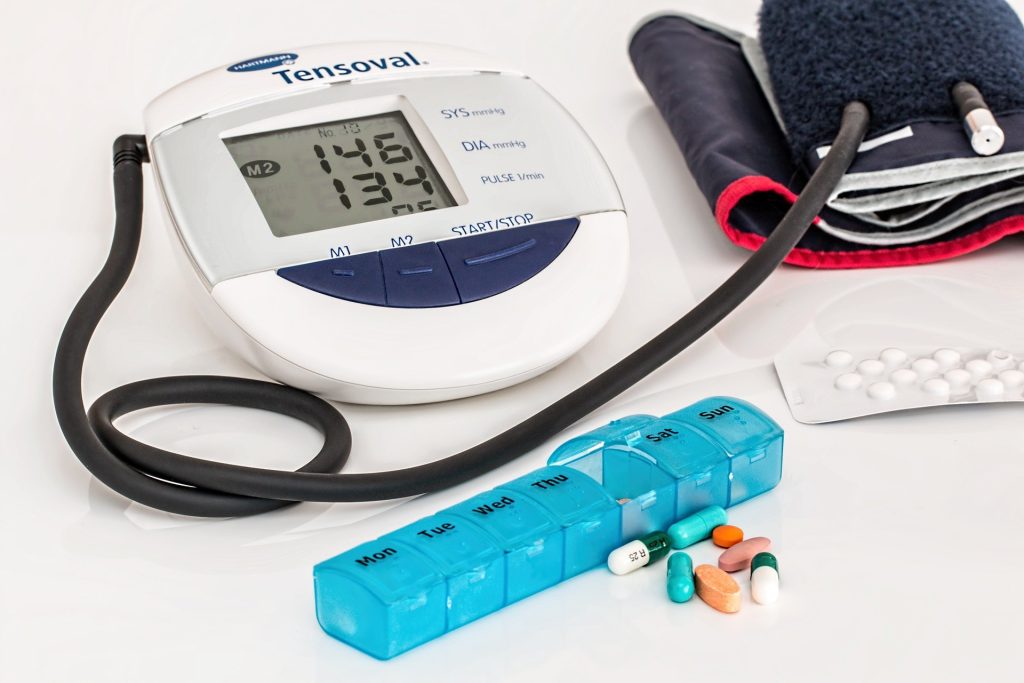
High Blood Pressure Dementia Risk Found for Women

Image by Steve Buissinne from Pixabay

Differences in blood pressure’s influence on dementia risk in men and women may provide clues to help slow the rapid progress of the disease, according to new research.

In a study involving half a million people, researchers found that although the link between several mid-life cardiovascular risk factors and dementia was similar for both sexes, for blood pressure it was not. Low and high blood pressure were both shown to be associated with a greater risk of dementia in men, but for women the risk of dementia increased as blood pressure went up.

Lead author Jessica Gong said that while more research was needed to verify these findings, they may point to better ways of managing risk.

“Our results suggest a more tailored approach to treating high blood pressure could be more effective at preventing future cases of dementia,” she said.

Dementia is fast becoming a global epidemic, currently affecting an estimated 50 million people worldwide. This is projected to triple by 2050 – mainly driven by aging populations. Rates of dementia and associated deaths are both known to be higher in women than men.

In 2016 it overtook heart disease as the leading cause of death in Australian women and it is the second leading cause of death for all Australians.

With no treatment breakthroughs of any significance, the focus has therefore been on cutting the risk of developing the disease. Cardiovascular risk factors are increasingly recognised as contributors to different types of dementia.

To explore differences in major cardiovascular risk factors for dementia between the sexes, George Institute researchers accessed data from the UK Biobank, a large-scale biomedical database that recruited 502 489 dementia-free Britons 40-69 years old between 2006 and 2010.

They found that, to a similar degree in women and men, smoking , diabetes, high body fat levels, prior stroke history, and low socio-economic status were all linked to a greater risk of dementia.

But when it came to blood pressure, the relationship with dementia risk between the sexes was different. Although the reason for this wasn’t clear, the authors proposed some possible explanations.

“Biological differences between women and men may account for the sex differences we saw in the relationship between blood pressure and the risk of dementia,” said Ms Gong.

“But there may also be differences in medical treatment for hypertension. For example, women are less likely to take medication as prescribed by their healthcare provider than men and may be taking more medications and experiencing more side effects.”

While there are no effective treatments for dementia, trying to reduce the burden of the disease by encouraging healthier lifestyles is the priority, and the strongest evidence points to blood pressure management.

“Our study suggests that a more individualised approach to treating blood pressure in men compared to women may result in even greater protection against the development of dementia,” said study co-author Professor Mark Woodward.

“It also shows the importance of ensuring sufficient numbers of women and men are recruited into studies and that the data for women and men should be analysed separately,” he added.

Source: George Institute

Severe COVID and Male Balding Gene Linked

Photo by Brett Sayles from Pexels

While COVID has been long known to be more dangerous in men than women, research which is still in its early stages shows that some of this increased risk could be from having a gene for male balding. 

A team of researchers in the US first suspected the link when they noticed that men with a common form of hormone-sensitive hair loss, known as androgenetic alopecia, were also more likely to be hospitalised with COVID.  They presented their findings May 6 at the virtual spring meeting of the European Academy of Dermatology and Venereology (EADV).

“Among hospitalized men with COVID-19, 79% presented with androgenetic alopecia compared to 31%-53% that would be expected in a similar aged match population,” said researchers led by Dr Andy Goren, chief medical officer at Applied Biology Inc in California. 

The researchers noted that androgenetic alopecia is due to the activity of the androgen receptor (AR) gene, which can lead to balding in some men. An enzyme called TMPRSS2, key to COVID infection, is also androgen-sensitive, and might be affected by the AR gene as well, explained Dr Goren’s group.

One key segment on the AR gene seems to affect both COVID severity and male balding.

In the new study, the Irvine group enrolled 65 men hospitalised with COVID, and conducted a genetic analysis on them. The results showed that participants with certain structural differences in the AR gene were at greater risk of developing severe COVID. Speaking in a meeting press release, Goren said the AR gene anomaly “could be used as a biomarker to help identify male COVID-19 patients most at risk for ICU admissions.”

He added that he believes that “the identification of a biomarker connected with the androgen receptor is another piece of evidence highlighting the important role of androgens [male hormones] in COVID-19 disease severity.”

Dr Teresa Murray Amato  has seen many severe cases of COVID. She is chair of emergency medicine at Long Island Jewish Forest Hills in New York City. Though not connected to the new research, but said it “did show a significant correlation between a higher number of androgen receptors and a higher incidence of ICU admissions for patients infected with COVID-19.”

Dr Amato added that, “While the study is small and the exact association is not completely understood, it may show at least one answer to why men were more likely to be admitted to ICU and have overall higher morality with COVID-19 infections.”

According to Amato, further investigations are necessary to determine whether “medications that block androgen receptors will be useful in treating a subset of [COVID-19] patients.”

Since the findings were presented at a medical meeting, they should be considered preliminary until published in a peer-reviewed journal.

Source: Medical Xpress

Girls at Almost Double The Risk of Concussion in American Football

In high school American football, girls are at nearly double the risk of concussion compared to boys, according to a new study. Girls are also less likely to be removed from play and take longer to recover from the injury than their male counterparts.

Researchers at the University of Pennsylvania and Michigan State University along with Prof Willie Stewart, Honorary Professor at the University of Glasgow reviewed three years of injury data for a population of around 40 000 female high school American footballers in the Michigan High School Athletic Association, comparing them to a similar number of their male counterparts.

They found that, as seen in previous studies, the risk of sports related concussion among female footballers was 1.88 times higher than among males. The researchers also identified several sex-associated differences in sports concussion mechanism and management. This provides new insight into this kind of injury in this demographic. 

Male footballers tended to be injured in collisions with another player and were 1.5 times more likely than females to be removed from play on the day of injury. Female footballers were most often injured from impacts involving equipment, such as the ball or a goalpost, and also took on two days longer on average to recover from injury and return to play. A recent study however showed no differences for concussion recovery time among male and female college athletes, but there could be differences depending on the type of sport.

These sex-associated differences among teenage athletes in mechanism of injury and in management and outcomes of concussion raise the question of whether sports should consider the adoption of sex specific approaches to both participation and concussion management.

Lead author Dr Abigail Bretzin, postdoctoral fellow and certified athletic trainer at the University of Pennsylvania, said: “This is the first study to look in this detail at sex-associated differences in concussion management and outcomes in teenage footballers. Our findings add to research showing that female athletes are at increased concussion risk compared to male athletes, and highlight the importance of sex-specific research in this field.”

Senior author Prof Stewart, said: “Given we know the importance of immediate removal from play for any athlete with suspected concussion, it is notable that “if in doubt, sit them out” appears more likely to happen for boys than girls. This, together with the finding that mechanism of injury appears different between boys and girls, suggests that there might be value in sex-specific approaches to concussion education and management in this age group.”

Source: Medical Xpress

Journal information: Abigail C. Bretzin et al. Association of Sex With Adolescent Soccer Concussion Incidence and Characteristics, JAMA Network Open (2021). DOI: 10.1001/jamanetworkopen.2021.8191

Unique Genetic Basis for Chronic Pain in Women Discovered

A meta-analysis of UK genetic data has found a different genetic basis for chronic pain in women compared to men.

While the results are still preliminary, this is one of the largest genetic studies on chronic pain analysing by sexes.

“Our study highlights the importance of considering sex as a biological variable and showed subtle but interesting sex differences in the genetics of chronic pain,” said population geneticist Keira Johnston of the University of Glasgow in Scotland.

Chronic pain conditions are among the most prevalent, disabling, and expensive conditions in public health, and are frequently overlooked for research funding. With 100 million people in chronic pain in the US in 2016, overprescription of opioids for chronic pain has resulted in an epidemic of opioid misuse, with 66% of overdose cases being for opioids. Even very moderate opioid use carries the risk of addiction and abuse.

Even when studies are done, they often overlook underlying sex differences, and that’s a huge and detrimental oversight. Compared to men, women are far more likely to develop multiple chronic pain disorders, and yet historically, 80 percent of all pain studies have been conducted on male mice or male humans. This means we know very little about how and why females are suffering more and what treatments can help them best.

While there are probably multiple biological and psychosocial processes in this sex discrepancy, the current genome-wide study suggests there’s a genetic factor in the mix, too.

The researchers compared gene variants associated with chronic pain in 209 093 women and 178 556 men from the UK Biobank, and found 31 genes associated with chronic pain in women and 37 genes associated with chronic pain in men with barely any overlap. This might be due to the slightly smaller sample size of men but the results are nonetheless intriguing, the researchers maintained.

The vast majority of these genes were active in a cluster of nerves within the spinal cord, known as the dorsal root ganglion, which transmits messages from the body to the brain.
While several genes in the male-only or female-only list were linked with psychiatric disorders or immune function, only one, called DCC, was found in both lists.
DCC encodes for a receptor that binds with a protein crucial for the development of the nervous system, especially the dopaminergic system. The dopaminergic system is the ‘reward centre’ but also has been linked to pain.

DCC is also linked to depression, and DCC mutations appear in those with congenital mirror movement disorder, which results in movements on one side of the body being replicated on the other side.

It’s not how DCC is linked to chronic pain, but the researchers believe their results support several theories “of strong nervous system and immune involvement in chronic pain in both sexes”, which will, they hope, result in the development of better treatments.

Should chronic pain be more closely linked to immune function in women, immune-targeting drugs may have very different side-effects than in men. Opioids negatively impact immune function, indicating that they could in fact worsen the situation for women suffering chronic pain. However, more research is needed to strengthen these findings and understand their impacts.

“All of these lines of evidence, together, suggest putative central and peripheral neuronal roles for some of these genes, many of which have not been historically well studied in the field of chronic pain,” the authors concluded.

Source: Science Alert

Journal information: Johnston KJA, Ward J, Ray PR, Adams MJ, McIntosh AM, Smith BH, et al. (2021) Sex-stratified genome-wide association study of multisite chronic pain in UK Biobank. PLoS Genet 17(3): e1009428. doi.org/10.1371/journal.pgen.1009428

Both Genders Rate Pain of Female Patients as Lower

Woman clutching her belly in pain. Photo by Andrea Piacquadio from Pexels.

In a recent study, researchers found that a patient’s pain responses may be perceived differently by others based on their gender.

The study was published in The Journal of Pain, with the co-author being Elizabeth Losin, assistant professor of psychology and director of the Social and Cultural Neuroscience lab at the University of Miami. A previous study showed that men are seen as more stoic and women as more emotional in expression of pain.

In the first of two experiments in the study, 50 participants viewed videos of male and female patients complaining of shoulder pain as they performed a series of range of motion exercises using their injured and uninjured shoulders. These videos came from a database that contains videos of actual shoulder injury patients, each with a different level of pain, as well as the patients’ self-reported discomfort levels on shoulder movement.

According to Prof Losin, this study is more applicable to patients in a clinical setting.
“One of the advantages of using these videos of patients who are actually experiencing pain from an injury is that we have the patients’ ratings of their own pain,” she explained. “We had a ground truth to work with, which we can’t have if it’s a stimulus with an actor pretending to be in pain.”

The patients’ facial expressions were also analysed through the Facial Action Coding System (FACS)—a system for describing all visible facial movements. The researchers created an objective score of the intensity of the patients’ pain facial expressions derived from the FACS values, providing a second ground truth.

The study participants were asked to gauge the amount of pain they thought the patients in the videos experienced on a scale from zero, labeled as “absolutely no pain,” to 100, labeled as “worst pain possible.”

For the second experiment, the first experiment was replicated with 200 participants, who were asked to complete the Gender Role Expectation of Pain questionnaire, which measures gender-related stereotypes about pain sensitivity, the endurance of pain, and willingness to report pain.

The participants also reported the amount of medication and psychotherapy they would prescribe to each patient, and which of these they believed be a more effective treatment for that patient.

The researchers analysed the participants’ perceptions relative to the two ground truth pain measures, Prof Losin explained. That is because bias could be defined as different ratings for male and female patients despite the same level of responses.

Overall, the study found that female patients were perceived to be in less pain than the male patients who reported, and exhibited, the same intensity of pain. Additional analyses using participants’ responses to the questionnaire about gender-related pain stereotypes allowed researchers to conclude that these perceptions were partially explained by these stereotypes. 

“If the stereotype is to think women are more expressive than men, perhaps ‘overly’ expressive, then the tendency will be to discount women’s pain behaviors,” Prof Losin said. “The flip side of this stereotype is that men are perceived to be stoic, so when a man makes an intense pain facial expression, you think, ‘Oh my, he must be dying!’ The result of this gender stereotype about pain expression is that each unit of increased pain expression from a man is thought to represent a higher increase in his pain experience than that same increase in pain expression by a woman.”

Additionally, the researchers found that psychotherapy was also selected over medication for a higher proportion of female than male patients. The participants’ gender did not influence pain estimation, with both male and female participants perceiving women’s pain to be less intense.

Prof Losin said the study was motivated by literature showing that women received less treatment for pain and waited longer.

“There’s a pretty wide literature showing demographic differences in pain report, the prevalence of clinical pain conditions, and then also a demographic difference in pain treatments,” Losin pointed out. “These differences manifest as disparities because it seems that some people are getting undertreated for their pain based on their demographics.”

Moving forward, Prof Losin and her fellow researchers hope this study is a step in identifying and addressing gender disparities in health care.

Prof Losin said that even medically trained people are subject to such biases. “Critically, our results demonstrate that these gender biases are not necessarily accurate. Women are not necessarily more expressive than men, and thus their pain expression should not be discounted.”

Source: Medical Xpress

Journal information: Lanlan Zhang et al, Gender Biases in Estimation of Others’ Pain, The Journal of Pain (2021). DOI: 10.1016/j.jpain.2021.03.001

Evidence for Puberty Blockers is ‘Very Low’ Says UK Guidance Body

In an official review of studies, the UK’s National Institute of Health and Care Excellence (NICE) said that the evidence for puberty blockers is “very low”.

In an assessment of the evidence for puberty blockers commissioned by NHS England, the guidance body said that existing studies of the drugs were small and “subject to bias and confounding”. The assessment forms part of a review into gender identity services for children and young people.

NHS England said the advice would be considered by the review and it would not be commenting further.

Gonadotrophin-releasing hormone (GnRH) analogues, popularly known as puberty blockers, are prescribed to some young people with gender dysphoria – distress caused by a discrepancy between a person’s gender identity (how they see themselves regarding their gender) and their sex at birth.

The NICE evidence review looked at what impact puberty blockers had on gender dysphoria, mental health – such as depression, anger and anxiety – and quality of life.

NICE, which provides national guidance and advice to improve health and social care, said: “The quality of evidence for these outcomes was assessed as very low certainty.”

The review sought to find out how treatment with GnRH analogues compared in terms of clinical effectiveness with other interventions that may be offered to young people with gender dysphoria. These include psychological support, social transitioning to the desired gender – such as changing pronouns and clothes but without medication – or no intervention at all.

NICE found it was difficult to draw conclusions from existing studies because they were “all small” and lacked control groups. They found other issues with the studies too, such as not describing what other physical and mental health problems a young person may have alongside gender dysphoria.

The review said there was “very little data” on any additional interventions, such as counselling or other drug treatments, that the young people may have received alongside taking puberty blockers, leading to possible bias in results. Impacts of puberty blockers on bone density were another concern.

However without a “comparator group”, it was not known whether bone density changes observed “are associated with GnRH analogues or due to changes over time”.

It is argued by some that it is difficult to withhold support to create a comparator group because it would mean unfairly disadvantaging some. NICE accepted this, but said offering psychological support to compare puberty blockers “may reduce ethical concerns in future trials”.

No evidence of cost-effectiveness of treatment was found by the review.

NICE also reviewed the evidence base for gender-affirming hormones, which can be given to young people with gender dysphoria from age 16 in the NHS. These start the development of the physical sex characteristics of the gender with which they identify with the aim of improving mental health, quality of life and body image.

The review found the evidence of clinical effectiveness and safety of gender-affirming hormones was also of “very low” quality.

“Any potential benefits of gender-affirming hormones must be weighed against the largely unknown long-term safety profile of these treatments in children and adolescents with gender dysphoria,” NICE said.

Source: BBC News

Social Plus Biological Factors Increase Knee Injuries Among Female Athletes

Writing in the British Medical Journal, scientists have argued that the study of knee injuries in female athletes is too focused on biological factors and not enough on social factors.

It is said that female athletes experience anterior cruciate ligament (ACL) injury, at a rate three to six times higher than their male counterparts.The ACL is one of the key ligaments that helps to stabilise the knee joint. This can be a career-ending injury, and occurs most often in sports involving sudden changes of direction such as basketball.

The authors of the paper argued that much of the focus still falls on biological and hormonal factors, with little attention paid to how sex-based factors are affected by the social concept of gender and how they could influence each other.

They suggested that gendered experiences are relevant in shaping female sport participation as well as disparities in injury outcomes. They demonstrated that, over a lifetime, gendered expectations of physical abilities (eg ‘throw like a girl’), to inequitable access to funding, training, and facilities for women’s sport (eg disparities in access to weight training).

Lastly, the authors suggested there may also be differences between post-injury rehabilitation for men and women recovering from an ACL injury. These social and environmental factors play a much bigger role in how sports injuries occur than once thought, they said, urging that there should be much more weight given to these issues.

Dr Sheree Bekker from the Department for Health at the University of Bath (UK) explained: “We wanted to unpack the biases and assumptions that we were seeing in research into and practice around sports injuries in girls and women. Specifically, we wanted to challenge the increasingly pervasive idea that this is simply a problem for girls/women because they are inherently prone to injury just because of their female biology. Approaching ACL injury prevention and management from a strictly biological view can propagate sexism in sport with detrimental consequences for girls and women.”

Dr Joanne Parsons from the University of Manitoba (Canada) added: “Over 20 years of research focussed on biological traits has failed to decrease the ACL injury rate in girls and women. To make a difference, we need to approach the problem in a different way. The recent challenges that the NCAA women’s teams faced with access to adequate training equipment is a perfect example of why we have to include society’s influence when talking about injury risk for girls/women.”

Paper co-author Dr Stephanie Coen of the University of Nottingham said: “By extending the focus from individual bodies and biology to the gendered environments contextualizing ACL injury, our approach identifies new opportunities to intervene and achieve better outcomes for girls and women, with implications beyond athletes. As childhood and youth physical activity levels influence those in adulthood, the sequelae of ACL injury can be lifelong and particularly concerning for girls and women who already participate in physical activity at lower rates than boys and men. There is a wider health equity issue at stake.”

Source: Medical Xpress

Journal information: Joanne L Parsons et al, Anterior cruciate ligament injury: towards a gendered environmental approach, British Journal of Sports Medicine (2021). DOI: 10.1136/bjsports-2020-103173

Cardiovascular Diseases in Transgender Youth

Young transgender people face a higher risk of cardiovascular diseases, according to a new study.

Anna Valentine, MD, of the University of Colorado Anschutz Medical Campus in Aurora, presented the findings of her team’s study at the Endocrine Society’s virtual ENDO 2021 meeting. Existing research shows increased cardiovascular risks in adult transgender people.

Researchers found that transgender youths assigned female at birth had a higher risk of obesity compared to cisgender female youths, as well as a nearly doubled chance of polycystic ovary syndrome. However, transgender youth did not have an increased risk of hypertension, dysglycaemia, or liver dysfunction.

These differences could be explained by any number of different mechanisms, Dr Valentine explained. “We know that some youth with gender dysphoria have higher rates of overweight and obesity, and that having overweight and obesity itself increases your risk of having other diagnoses.” It is also known that “youth with gender dysphoria have higher rates of mental health comorbidities … as well as getting less physical activity,” she said.

“And they also may be taking medication that could all influence their cardiometabolic health,” she added.

Adult transwomen taking estradiol are more likely to have higher levels of triglycerides and a higher rate of stroke, blood clots, and myocardial infarction (MI). Adult trans men are at greater risk of elevated triglycerides, low-density lipoprotein cholesterol, and body mass index (BMI), as well as lower high-density lipoprotein cholesterol, and an increased risk of MI.
The data of 4174 paediatric patients (average age of 16) diagnosed with gender dysphoria, were compared with 16 651 cisgender controls. This data came from six large paediatric centres. Participants were matched with four controls.

However, the data did not include information on which participants were receiving hormonal treatment, which is something that Dr Valentine is looking to address in her research.

“We do know that in the adult data, that there is some association with estradiol use and testosterone use with differences in cholesterol parameters, but this is still an emerging field in paediatrics,” Dr Valentine explained. “We have some small single-center studies that sometimes say ‘yes, with hormones we see an increase in BMI,’ but other studies say ‘this section looks very stable on this hormone’.”

“The fact that we have such a large cohort in this multicentre analysis for our next steps, I think it will be really interesting to look at that,” she added.

Source: MedPage Today

Presentation information: Valentine A, et al “Multicenter analysis of cardiometabolic-related diagnoses in transgender adolescents” ENDO 2021.

Alcoholic Liver Disease Is ‘Astronomical’ in Young Women

Image by ds_30 from Pixabay

Rates of alcoholic liver disease are skyrocketing in young women, doctors in the US have warned. Much of it has to do with added pressures on women in the pandemic.

Alcoholic liver disease — including milder fatty liver and the permanent scarring of cirrhosis, as well as alcoholic hepatitis — are up 30% over the last year at the University of Michigan’s health system, said Dr Jessica Mellinger, a liver specialist there. Severe liver disease and cirrhosis can see survival rates as low as 10%.

The route by which liver disease develops varies according to the individual, although obesity, genetics and underlying health conditions play a role. Moderate consumption of alcohol, a glass or two of wine daily, is unlikely to contribute to it.

However, Dr Mellinger says that along with her colleagues, she has seen alcohol consumption edging upward, to a bottle of wine per day which results in increased risk of serious liver disease.

Since the beginning of the pandemic, no data on overall increases in serious alcoholic liver disease has yet been compiled by The Centers for Disease Control and Prevention. But, Dr Mellinger said, “in my conversations with my colleagues at other institutions, everybody is saying the same thing: ‘Yep, it’s astronomical. It’s just gone off the charts.’ “

The age demographic is also changing. “We’re seeing kids in their late 20s and early 30s with a disease that we previously thought was kind of exclusive to middle age,” she said.

The pressures of the COVID pandemic are partly to blame, and in many cases the extra burden is falling on women – who are already more susceptible to alcohol because they have a smaller water volume to distribute alcohol into and their bodies do less ‘first pass’ metabolism of alcohol in the stomach. Popular culture and advertising also encourages women to drink.

Psychological factors such as eating disorders and trauma from sexual abuse also fuel the disease.

“Whether this is early life sexual trauma or they are in a recent or ongoing abusive relationship, we see this link very, very closely,” said psychiatrist Dr Scott Winder, a clinical associate professor at the University of Michigan who treats liver disease patients. “Just the sheer amount of trauma is really, really tragic.”

The lack of overlap between the various fields in this complex relationship results in what he calls a “tragic gap”.

“The cultures of hepatology and the cultures of psychology and psychiatry are very disparate; we see patients very differently,” so physicians aren’t coordinating care, even when they should, he said.

Advanced liver disease may leave no other recourse than a liver transplant.
“Unfortunately, transplantation is finite,” said Dr Haripriya Maddur, a hepatologist at Northwestern University. “There aren’t enough organs to go around. What it unfortunately means is that many of these young people may not survive, and die very young — in their 20s and 30s. It’s horrific.”

Some people such as Jessica Duena, a teacher who was diagnosed with alcoholic hepatitis at 34, and was hospitalised several times following the death of her boyfriend from heroin, have managed to turn the disease around and are encouraging others to do the same. 

She wrote about her long-held secret in the Louisville Courier-Journal: “I’m Jessica, I’m the 2019 Kentucky State Teacher of the Year, I’m an alcoholic and I’ve been suffering in silence for years.”

She received hundreds of responses, mostly women like herself who were in similar circumstances.

“What I’ve noticed is quite a few of the women, typically, they were either educators, they were moms or they happened to be nurses or attorneys,” Duenas said. They poured their hearts out about the crushing and constant stress of kids, work and home life.

They also complained of the pressures outside the home. “Imagine being a teacher who gets evaluated on how your students do, given the situation today,” Duenas says. “I mean, that makes me want to drink for them, you know — like that’s a terrible pressure to be under.”

Duenas has started writing about the stories of such people who reach out to her on her website, www.bottomlesstosober.com.

Source: NPR