Category: Expert Opinion

Why Independent Healthcare inside Prisons is Vital

Photo by Emiliano Bar on Unsplash

Judge Edwin Cameron, Inspecting Judge of Correctional Services, writes about the need for healthcare professionals working in prisons should be shifted to the Department of Health.

Our country’s healthcare system is a cumbersome double-decker bus: on top are those of us who have access of some kind to private healthcare (a high estimate is around 27% of the population). The great majority of necessity rely on public healthcare. But, within public healthcare, there is a further divide, an overlooked layer at the very lowermost – the healthcare afforded to people in prison.

During apartheid, healthcare for those inside prison and in police custody was used as a “tool of manipulation and coercion”. There was medical negligence, poor quality care, false medical and autopsy reports, and warped medical ethics. (Bram Fischer, in his dying days, received no treatment for his crippling cancer).

Some doctors and other medics were complicit in abuses, turning a blind eye to what was happening before them.

The Truth and Reconciliation Commission (TRC) Special Hearings on Prisons showed how basic access to medical treatment was used to punish. Henry Magkothi recounted how difficult it was to gain access on Robben Island to the hospital. “The doctor didn’t come often enough and even then there were so many obstacles they placed in your way.”

The problem was not only one of medical ethics. There was a “fragmented approach and a general lack of clarity” in governing what health professionals did to those in their custodial care, wrote Laurel Baldwin-Ragaven, Leslie London and Jeanelle De Gruchy in their book An Ambulance of the Wrong Colour: Health Professionals, Human Rights and Ethics in South Africa.

Not only did doctors have to have security clearance to work in prisons, but there were split institutional loyalties. Some health professionals were employed by the Department of Health and others by the Department of Prisons (now the Department of Correctional Services — DCS). This led to a dilemma of “dual obligations”, where the lines of authority for healthcare and custodial care were blurred. Health professionals owed loyalty to their patients (the inmates). But they had obligations to, and pressure from, their employers (the prison authorities).

Healthcare must be separated from prison administration

This blighted history led Dr Judith van Heerden, an expert in this area, to recommend to the TRC that prison healthcare “must be separated completely from custodial care”. All healthcare professionals in prisons “should be appointed, paid and responsible to the Department of Health” – and no longer to the prison authorities.

The TRC embraced this sound advice in its recommendations. It suggested that: the Department of Health should assume control over prison healthcare; prison health responsibilities and obligations should be clearly defined with an independent line of authority.

These recommendations accord with international guidelines. The UN Mandela Rules entail a demarcation between healthcare and custodial care; there shall be “full clinical independence”. Healthcare professionals “shall not have any role in the imposition of disciplinary sanctions or other restrictive measures”. And clinical decisions may only be taken by healthcare professionals “and may not be overruled or ignored by non-medical prison staff”.

Experts have underscored the importance of providing health services in prison that are separate from the prison administration. The World Health Organisation and the United Nations Office on Drugs and Crime note that healthcare professionals should act “completely independent of prison authorities” and in “alignment with public health services.”

Furthermore, the Association for the Prevention of Torture advocates for the “integration of the prison health service into the national health service” to guard the “professional and ethical independence of the health staff” and “provide recourse to an independent body in case of conflicts.”

Did democratic South Africa heed this advice? No.

Medical ethicist Professor Solomon Benatar observes that the Department of Health “began to dismantle the District Surgeon Services” and “[i]t became possible for DCS to appoint nurses and other medical staff to deliver healthcare” in our prisons.

This is evident in the plain wording of the Correctional Services Act of 1998. Section 12(1) states that DCS “must provide, within its available resources, adequate health care services” and section 12(2)(b) outlines that medical treatment “must be provided by a correctional medical practitioner, medical practitioners or by a specialist or health care institution or person or institution identified by such correctional medical practitioner”. And according to section 12(3), if an inmate opts to be “visited and examined by a medical practitioner of [their] choice” it is “subject to the permission of the Head of Centre”.

Post-apartheid, healthcare in prisons is still not independent. Benatar slates this “retrogressive step”; “diverting some responsibilities for healthcare away from the Department of Health” and towards DCS, diminishes the “loyalty of some health professionals” as it ranks “allegiance to prison authorities higher than professional responsibility to patients.”

A special duty of care

In his book Health and Health Promotion in Prisons, Professor Michael Ross states that depriving inmates of liberty does not mean we may deprive them of access to healthcare. On the contrary, their deprivation of liberty means we owe them a “special duty of care”. Critically, Ross acknowledges that we provide “good care to bad people because we are professional, and because we, and they, are human” and if bad care is given “the humanity we degrade is also ours, not only theirs”.

Those in prison should have the same quality of healthcare as the public outside. This is the “equivalence of care” principle. It means that you don’t add poor healthcare treatment on top of imprisonment to punish. As I have written before, “prison health affects our health” and “equivalence of care” should be considered a minimum threshold. In light of the higher mortality rates in prisons; government may have to provide higher standards of healthcare in prisons.

We know that injuries and the use of anti-depressants are warning signs of trouble. Many cases of claimed abuse (especially sexual violations, assaults, use of force and torture) are reported to nurses and doctors. Later, investigators, both internal and external, rely on medical reports. Ross emphasises that one must ensure health assessments of inmates are based on medical criteria and inmates ought to trust their healthcare providers and feel safe to report and speak out about abuse.

In addition, nurses, psychologists and other medical practitioners play a role in how prisons are run. For example, they are expected to visit inmates in segregation (sometimes in solitary confinement). The Act provides that segregation “must be discontinued” if medical practitioners determine that “it poses a threat to the health of the inmate”.

Further, independent healthcare can provide another significant layer of independent monitoring over our closed-off prisons.

Two parallel healthcare systems are not advisable. Does DCS have adequate training facilities to ensure training and updates on clinical care for clinicians on its payroll? The Judicial Inspectorate for Correctional Services (JICS), which I head, believes not. DCS clinicians often miss out on training opportunities. Further, DCS’s data systems are standalone – they are not linked to the Department of Health’s facilities (connecting them would ensure continuity of care when inmates are released).

And a heartening thought – why not allocate community service doctors to prisons? This would alleviate costs and skills scarcity.

The state of healthcare in our prisons

Grievously, our prisons are a microcosm of all our country’s social ills. This is true of healthcare, but perhaps it is worse, since, notoriously, prisons are epidemiologic pumps for the spread of infectious viruses and diseases.

The 2020-2021 annual report of the Judicial Inspectorate for Correctional Services paints an agonising picture of the state of prison healthcare.

Inmates do not get regular access to nurses and doctors, clinics in prisons are cramped and there is limited privacy for consultations, correctional officials are not always available to escort inmates to healthcare facilities, medications are not always dispensed on time, some medications have expired, health check-ups and screenings upon admission are not always conducted and medical files are not always updated.

Healthcare professionals in prisons, especially psychologists and social workers, are working with a desperate population. In the single year covered in the report, JICS reported 86 hunger strikes, 66 attempted suicides and 27 suicides. According to DCS’s annual report “suicide is the leading cause of [unnatural] deaths in correctional facilities”.

JICS’s recent quarterly report lists 40 unnatural deaths. We don’t know the cause of most; seemingly healthy inmates died. This requires JICS’s close investigative scrutiny of the post-mortem and medico-legal documents, which are in the hands of DCS and sometimes mysteriously go missing.

Further, there were 113 deaths as a result of natural causes, including pneumonia, cancer, meningitis, septicaemia and asthma. Could some of these deaths have been avoided with early detection, close monitoring and regular access to medical assistance? JICS thinks so.

JICS is also alarmed by the 116 declared state patients in prison; these are individuals whom the courts have found are suffering from mental unwellness challenges. As they wait indefinite periods for a transfer to a psychiatric hospital, they are wrongly housed in correctional facilities. State patients should not be a DCS responsibility. JICS has raised its voice on this: correctional facilities are not conducive for state patients, and correctional officials and fellow inmates are not trained to properly accommodate them.

To end off

While inspecting prisons, I have met passionate nurses and committed doctors. Prisons are tough, dangerous and complicated places. I acknowledge that DCS has worked hard to progress in dealing with Covid, HIV and TB behind bars. But we have to do better.

We need institutional reform. Healthcare professionals working in prisons ought to be independent of DCS. This means shifting all healthcare professionals to the Department of Health and ensuring proper channels of authority and oversight within prisons. In addition, healthcare professionals need specific and ongoing training for the prison environment. We also need more healthcare professionals working in prisons – and they must be accessible, proactive and willing to speak out.

That takes us back to where we started. Our Department of Health must be well-resourced, well-capacitated and well-run – and healthcare professionals must be trained and supported and have job security. And this goes to the heart of whether we have a capable state, strong institutions and a culture of accountability.

Judge Cameron is Inspecting Judge of Correctional Services.

Views expressed are not necessarily those of GroundUp.

This article is republished from GroundUp under a Creative Commons Attribution-NoDerivatives 4.0 International License.

Source: GroundUp
The Healthcare Threat of Chemical Warfare in Ukraine

Photo by Pablo Stanic on Unsplash

Writing for MedPage Today, two experts examine the possibility of chemical weapon use in Ukraine. Gavin Harris, MD assistant professor of infectious diseases and critical care, and Joel Zivot, MD, an associate professor of anaesthesiology/critical care, both of Emory University School of Medicine, explained the consequences of such an attack, noting that Russia has used such weapons in the past.

Though it’s uncertain whether Russia would launch a chemical attack, A/Profs Harris and Zivot wrote: “one thing is clear: in a large-scale chemical attack within the current Russian-Ukrainian conflict, the prospect of any meaningful healthcare response is bleak.”

Chemical agents fall under a number of classifications, which include blistering/vesicants such as mustard gas, blood agents such as hydrogen cyanide, choking/pulmonary agents such as chlorine gas, incapacitating agents such as opioids, and nerve agents such as sarin or the Russian-made Novichok. Development of modern chemical weapon traces back to the 1930s with the development of various nerve agents: organophosphorus cholinesterase inhibitors, each with particular potency.

Russia has recently complained to the UN Security Council that Ukraine and the US were cooperating to produce chemical and biological weapons for use in the war. The US government has responded that Russia is laying this claim to prepare for its own use of such weapons in Ukraine.

The preparation of chemical and biological agents can be done in secret, and easily introduced into the air, water, or food supply.

Invisible and odourless, nerve agents include sarin, soman, tabun, and the American-produced VX. The V agents were at one time considered to be the most toxic agents ever produced and are ten times more toxic than sarin. VX, tonnes of which was produced by the US government, can kill a person rapidly after they have been exposed to an infinitesimal amount.

Exposure to such nerve agents can cause a “constellation of symptoms,” according to the authors. “Nerve agents block the action of acetylcholinesterase, and this leads to accumulation of the neurotransmitter acetylcholine,” they wrote. “High levels of acetylcholine in the synaptic cleft causes overstimulation of cholinergic receptors. Symptoms related to excess accumulation of acetylcholine are divided into three groups: muscarinic, nicotinic, and central. Overstimulation of muscarinic cholinergic receptors causes pupil constriction, glandular hypersecretion, urination, defecation, sweating, and vomiting. Nicotinic symptoms are weakness and ultimately paralysis. Central nervous system poisoning will manifest as irritability, delirium, fatigue, lethargy, seizures, coma, and death by respiratory depression.”

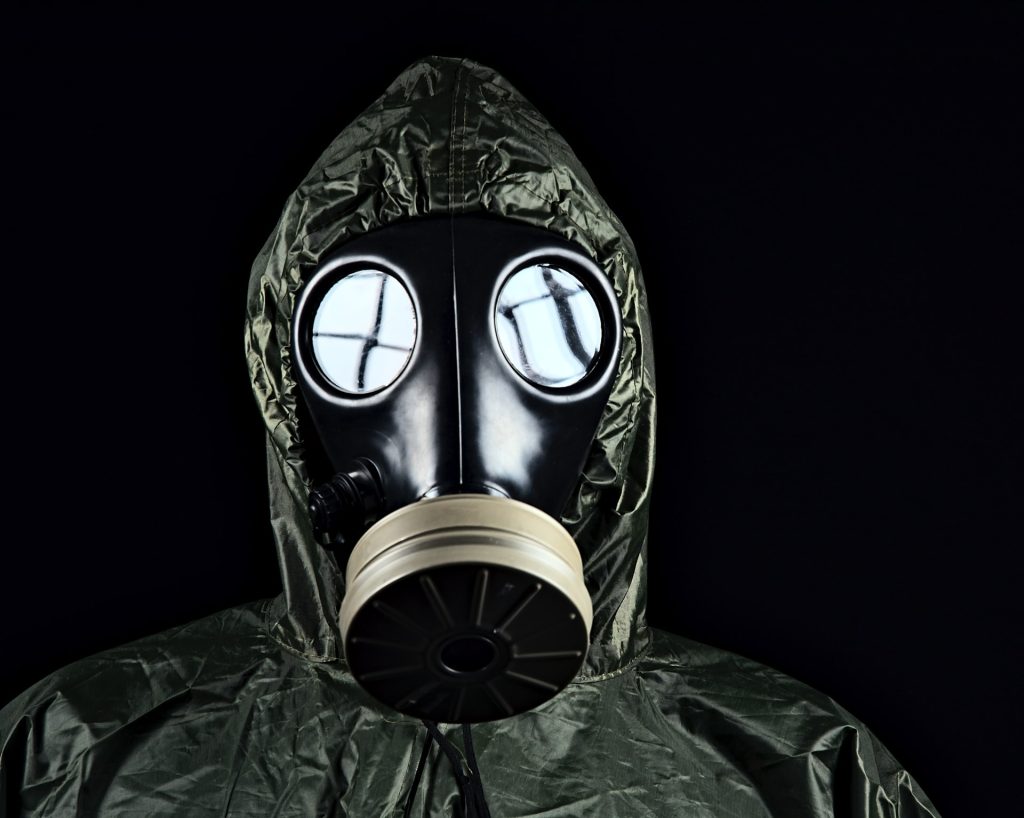
Chemical weapons would have a devastating impact on already strained healthcare systems, A/Profs Harris and Zivot concluded. “Such weapons can create a complex mass casualty event where the treating personnel and the healthcare facilities may themselves be within the zone of conflict,” they wrote. “Chemical and biologic attacks require intense and complex treatment, and in both types of attacks, treating personnel may themselves be at risk of becoming exposed and therefore decontamination may be required before the initiation of any supportive treatments. Emergency and medical providers would also need to have access to proper respiratory protection and hazardous material/chemically resistant suits, and in a widespread attack, in an ever-deteriorating war zone like Ukraine, such treatment capacity would be highly limited.”

The authors note that such an attack would not be the first for Russia, which has shown a willingness to use chemical agents on more than one occasion.

During a hostage crisis in 2002, where Chechen rebels took over a Moscow theatre and took 700 hostages, Russian authorities used a gas to incapacitate the rebels – as well as the hostages. The gas may have been a mixture of remifentanil/halothane or an aerosolised form of carfentanil, a synthetic opioid that is approximately 10 000 times more potent than morphine. Overdoses from carfentanil from substance abuse have been seen in recent years. In many cases of opioid overdose, death from respiratory failure is a consequence. After the raid, at least 33 Chechens and 129 hostages died, mostly from gas exposure and inadequate medical care. Russian authorities refused to release information on the gas used, hindering emergency response.

Russia has also apparently used Novichok, which may be up to eight times as potent as VX, in recent high-profile attempts to kill opponents of the Russian government. The most recent use of Novichok was an attempted assassination of Alexei Navalny, a prominent Russian dissident. Though whether Novichok was the agent, Navalny’s treatment was for nerve agent exposure, featuring large doses of atropine. Though he survived, his treatment was an intensive, organised effort. A large attack using Novichok or other chemical agent in Ukraine promises to be almost entirely lethal to civilians, military and first responders.

Source: MedPage Today

To Properly Use AI to Analyse Breast Cancers, Look to Past Mistakes

Source: National Cancer Institute

Doctors writing in an editorial in JAMA Health Forum caution that while using AI to analyse breast cancer tumours has the potential to improve healthcare efficiency and outcomes, similar technological leaps have previously led to higher rates of false-positive tests and over-treatment.

The editorial wasco-written by Joann G. Elmore, MD, MPH, professor of medicine at the David Geffen School of Medicine at UCLA, and Christoph I. Lee, MD, MS, MBA, a professor of radiology at the University of Washington School of Medicine.

“Without a more robust approach to the evaluation and implementation of AI, given the unabated adoption of emergent technology in clinical practice, we are failing to learn from our past mistakes in mammography,” the authors wrote.

One of those “past mistakes in mammography,” the authors said, was adjunct computer-aided detection (CAD) tools, which grew rapidly in popularity in the field of breast cancer screening starting more than two decades ago. CAD was approved by the FDA in 1998, and by 2016 more than 92% of U.S. imaging facilities were using the technology to interpret mammograms and hunt for tumours. However, CAD did not improve mammography accuracy., according to the evidence. “CAD tools are associated with increased false positive rates, leading to overdiagnosis of ductal carcinoma in situ and unnecessary diagnostic testing,” the authors wrote. The US Medicare system stopped paying for CAD in 2018, but by then the tools had run up more than $400 million a year in wasted health costs.

“The premature adoption of CAD is a premonitory symptom of the wholehearted embrace of emergent technologies prior to fully understanding their impact on patient outcomes,” Drs Elmore and Lee wrote. “As AI algorithms are increasingly receiving FDA clearance and becoming commercially available with ROC curves similar to what we observed prior to CAD clearance and adoption, how can we prevent history from repeating itself?”

The doctors suggest a number of safeguards to avoid “repeating past mistakes” such as tying reimbursement to proven efficacy.

Source: UCLA Health

An Estimated 70% of South Africans Have Had COVID

Image by Quicknews

Writing for GroundUpDr Alex Welte unpacks the results of the latest blood donor survey, which suggests that some 70% of South Africans have had a COVID infection.

The South African National Blood Service (which handles the blood supply for eight provinces) and the Western Cape Blood Service have been testing some donors for Covid antibodies over the last year or so. This has contributed to our understanding of how many people have been infected by SARS-CoV-2 (the virus that causes Covid), and what proportion of infections lead to death. It may help us plan for future waves, though exactly how is complicated.

On the assumption that another wave towards the end of 2021 was nearly inevitable – but before we all heard about omicron – it was decided to perform more such testing in early November. The numbers are now out.

The headline results are:

  • Overall about 80% of black donors had previously had Covid, and 40% of white donors.
  • There is no meaningful variation between age groups and sexes.
  • This latest survey did not include Western Cape data.
  • The test used does not detect the antibodies produced in response to vaccination, so this really is an estimate of people who have been infected.

While blood donors are not perfectly representative of the country’s population, we can take into account differences between the racial breakdown of the donor population and the racial breakdown of the general population. This means that our face-value national estimate is that about 70% of people had been infected before the omicron wave hit.

Since then we’ve had the omicron wave. We would very much like to know how many people are infected now, but there’s really no simple way to derive this number. Researchers are now updating their models with this additional piece of data, and we may see some estimates soon.

With that caution, here is my back-of-the-envelope estimate:

  • Omicron seems to have little trouble infecting people who have been infected by other variants, though there is some protection from prior infection and vaccination.
  • By late last year, quite a bit more than half the population had already had a prior infection.
  • Hence, I estimate that about half of the omicron wave infections were in previously uninfected individuals.
  • Given the infection detection rate estimates from previous waves, and a number of plausible sources of possible variation in this rate, I estimate the detection rate at about 1 in 10.
  • Given the roughly 700 000 cases reported between mid November and mid February, we get an estimate of 7 million cases, and therefore 3.5 million new infections.
  • Given our population of about 60 million, this is roughly an additional 6%.
  • Bottom line: it’s not crazy to estimate that about three-quarters of South Africans have by now been infected. But I would not be surprised if serious models come up with even higher estimates.

A troubling result of the survey is that once more it shows the serious racial disparities in South Africa. I don’t know if this carried over to the omicron wave. Estimating the racial breakdown of infection after omicron depends in a complicated way on variations in housing, lifestyle, access to vaccination, and all the usual factors that shape daily life in our country.

Dr Welte helped design and implement the blood donor survey.

Source: GroundUp

SA Scientists Criticise Developed Nations’ ‘Scepticism’ over Omicron

Image by Quicknews

South African scientists have criticised developed nations for ignoring early evidence that Omicron was “dramatically” milder than the previous strains of the coronavirus, an attitude which could be construed as “racism”.

“It seems like high-income countries are much more able to absorb bad news that comes from countries like South Africa,” said Prof Shabir Madhi, vaccinologist at Wits University.

“When we’re providing good news, all of a sudden there’s a whole lot of scepticism. I would call that racism.”

Prof Salim Karim, former head of the South African government’s COVID advisory committee and vice-president of the International Science Council concurs.

“We need to learn from each other. Our research is rigorous. Everyone was expecting the worst and when they weren’t seeing it, they were questioning whether our observations were sufficiently scientifically rigorous,” he said, though he acknowledged that Omicron’s high number of mutations may have led to an overabundance of caution.

But by early December, anecdotal evidence was already indicating that Omicron caused far fewer hospitalisations than the Delta Wave, despite being more transmissible.

“The predictions we made at the start of December still hold. Omicron was less severe. Dramatically. The virus is evolving to adapt to the human host, to become like a seasonal virus,” said Prof Marta Nunes, senior researcher at the Vaccines and Infectious Diseases Analytics department at Wits

“It didn’t take even two weeks before the first evidence started coming out that this is a much milder condition. And when we shared that with the world there was some scepticism,” Prof Karim added.

While some have argued that Africa’s pandemic experience is different due to factors such as its younger population, any advantage South Africa has is outweighed by poor health, with excess deaths during COVID at 480 per 100 000, one of the highest in the world. Prof Madhi points out a high prevalence of comorbidities such as obesity and HIV.

A majority of those excess deaths are probably due to the pandemic, many SA scientists believe. Half occurred during the Delta wave, but only 3% transpired during the Omicron wave so far, Prof Madhi pointed out.

The government chose not to tighten restrictions during the fourth wave, and criticised the reimposition of travel bans coming from South Africa. South African scientists have mostly welcomed this, even though the WHO continues to warn that Omicron should not be considered “mild”.

“We believe the virus is not going to be eradicated from the human population. We must now learn how to live with this virus and it will learn how to live with us,” said Prof Nunes.

The low death rate from Omicron indicates a different phase of the pandemic. “I’d refer to it as a convalescent phase,” said Prof Madhi. The government has already effectively stopped quarantining and contact tracing.

Source: BBC News

Doctors Should Avoid Reliance on Mental Shortcuts, Researchers Advise

Photo by Jafar Ahmed on Unsplash

The use of algorithms and analytics is widely used by professional sports, in sales forecasts, lending decisions and by car insurance providers. But doctors often remain reluctant to introduce such information when making medical decisions for patients. Often mental shortcuts, usually called decision rules or heuristics, are used.

Writing in an article published in Science, Helen Colby, an assistant professor of marketing at Indiana University, and Meng Li, associate professor of health and behavioural sciences at the University of Colorado Denver, note that it is time for many doctors to stop relying on their use of heuristics when making decisions about patient care with limited cognitive resources.

Profs Colby and Li wrote their accompanying editorial for an article in Science by Manasvini Singh, an assistant professor of health economics at the University of Massachusetts.

Using data for over 86 000 deliveries, Singh found that delivering physicians were influenced not just by the indications of the current patient but also by the outcome of their most recent previous delivery. For example, when a physician experienced a negative outcome with a vaginal delivery they were more likely to choose to deliver the next baby by caesarean section and vice versa.

“Most of the time, the heuristics do save time and resources and they produce pretty good outcomes. But in some situations, pretty good is not good enough,” Colby said. “When lives are on the line, any improvement in decision making can have life-saving consequences.”

Colby and Li highlight that a “win-stay-lose-shift” heuristic has been identified in other contexts as a learning strategy, but said it only works well in certain settings.

“In the medical context, this heuristic would be rational only if the specifics of the prior patient matched the specifics of the current patient and thus provided a useful learning experience. In that case, if one patient’s delivery went wrong, it can tell the physician that the same delivery plan may not work well with another patient with very similar characteristics and indications,” they wrote. “However, two patients who happen to have consecutive deliveries by the same physician are not expected to be highly similar.”

These mental shortcuts are not to suggest a lack of expertise or training, they stress, but the findings shows that it is a common tendency, even among more experienced doctors. Colby and Li offer several suggestions to help physicians overcome their reliance on maladaptive heuristics or decision rules. Firstly, the phenomenon needs to be acknowledged within the profession without condemning physicians.

“Although understanding decision biases usually does not entirely ameliorate them, teaching doctors about heuristics may promote the acceptance of potential interventions,” they wrote. “More research and clinical efforts need to focus on designing and testing decision aids that are beneficial to patients and user-friendly to physicians.

“In addition to making sure that the decision aid has a high degree of scientific accuracy in recommending the optimal treatment option, studies also need to examine whether physicians will accept and use such recommendations,” they added. “Physicians may have understandable concerns about recommendations from a ‘black box.’”

Prof Colby also said this is not an attempt to sound an alarm on doctors or castigate them for not always making optimal decisions, instead highlighting that doctors, like all experts, are only human.

“We patients, and often the doctors themselves, want to think of doctors and other healthcare staff as omniscient and omnipotent – a bastion of strength when we are in our time of need,” she said. “Doctors are regularly rated as the most respected profession in the United States, and a recent study found that doctors are often ascribed godlike powers.

“We cannot seek to assist medical decision making without first admitting the nature of the decision makers,” she added. “Helping doctors to make better decisions through reduced reliance on heuristics and decision rules should be a public health priority… It may be scary to admit that doctors are human, but it is the best thing we can do to help them, and ultimately to help them help us.”

Source: Indiana University

‘Every Guideline We Write Is Out of Date’ Quips ESC as New Data Emerges

Image by Marcelo Leal on Unsplash

Just as the European Society of Cardiology (ESC) unveiled their new guidelines for the treatment of heart failure, along came some data that the guideline’s authors hint will cause the work to be revised.

The guidelines, which appear in the European Heart Journal, state that so far, there is no treatment shown to reduce mortality and morbidity in patients with heart failure with preserved ejection fraction, however there are positive results from the EMPEROR-Preserved study showing that treatment with empagliflozin robustly reduced hospitalisation risk.

“Every guideline we write is out of date a few days after it’s published. I’m, of course, exaggerating a little bit, but guidelines are dynamic documents. They represent what we know at the time that they’re written and then new information comes out and they have to be updated, and that takes time,” Milton Packer, MD, of Baylor University Medical Center in Dallas, told MedPage Today.

“It’s a process, and we all understand that process; there is no real concept of finality here. We do the best we can with the data we have. And so these guidelines coming won’t represent the results of the EMPEROR-Preserved trial, but the next one will,” Dr Packer added.

Carlos Aguiar, MD, of Hospital Santa Cruz in Lisbon, agreed: “We also know that these new indications do need to go through the regulatory authorities, so it does take some time for the whole process to be concluded.”

“We do need to wait for those approvals also from the regulatory agencies in their reviews for physicians to be able to implement this in clinical practice,” he told MedPage Today.

However, the writers of the 2021 guideline did tweak the comprehensive algorithm for the treatment of heart failure, the highlights of which include:

  • Right heart catheterisation should be considered in patients in whom heart failure is thought to be due to constrictive pericarditis, restrictive cardiomyopathy, congenital heart disease, and high-output states. It may be considered in selected patients with heart failure with preserved left ventricular ejection fraction (LVEF) to confirm the diagnosis.
  • In patients with chronic heart failure with reduced LVEF, dapagliflozin (Farxiga) or empagliflozin are recommended to reduce hospitalisation and mortality risk. As a Class I recommendation, it is based on evidence gleaned from randomised clinical trials.
  • Vericiguat (Verquvo) may be considered in patients with New York Heart Association (NYHA) class II to IV heart failure after worsening with treatment with an angiotensin inhibitor, a beta-blocker, and a mineralocorticoid receptor antagonist, to reduce the risks of cardiovascular mortality or heart failure hospitalisation.
  • For treatment of heart failure with midrange LVEF — a change in term from “mildly reduced” ejection fraction — to reduce hospitalisation and mortality risk, the guidelines suggest a number of treatments including angiotensin inhibitors, beta-blockers, mineralocorticoid receptor antagonists, and the combination agent sacubitril/valsartan but none have strong clinical trial evidence (Class IIb)  .
  • For patients with heart failure with preserved ejection fraction, the current guidelines recommend (Class I evidence) screening for and treatment of aetiologies, as well as cardiovascular and non-cardiovascular comorbidities.
  • After hospitalisation for heart failure, the guidelines recommend (Class I evidence) that patients be carefully evaluated to exclude persistent signs of congestion before discharge and to optimise oral treatment, and that evidence-based oral medical treatment be administered before discharge. An early follow-up visit is recommended at 1 to 2 weeks after discharge to assess signs of congestion and drug tolerance, and to start and/or uptitrate evidence-based therapy.
  • The SGLT2 inhibitors canagliflozin (Invokana), dapagliflozin, empagliflozin, ertugliflozin (Steglatro), and sotagliflozin are recommended in patients with heart failure and type 2 diabetes at risk of cardiovascular events to reduce hospitalisations for heart failure, major cardiovascular events, end-stage renal dysfunction, and cardiovascular death. The SGLT2 inhibitors dapagliflozin, empagliflozin, and sotagliflozin are recommended in patients with type 2 diabetes and heart failure with reduced ejection fraction (Class I evidence). The DPP-4 inhibitor saxagliptin (Onglyza) is not recommended in patients with heart failure (Class III evidence).

Source: MedPage Today

COVID Deaths Exceeded Worst Predictions of The Public and Most Experts


Experts such as epidemiologists and statisticians made much more accurate predictions about COVID than the public, but both groups substantially underestimated the true extent of the pandemic, a study from the University of Cambridge has found.

Researchers from the Winton Centre for Risk and Evidence Communication surveyed 140 UK experts and 2086 UK laypersons in April 2020 and asked them to make predictions about the impact of COVID by the end of 2020. Participants were also asked to assign confidence in their predictions by providing upper and lower bounds of where they were 75% sure that the true answer would fall—for example, a participant would say they were 75% sure that the total number of infections would be between 300 000 and 800 000.

While only 44% of predictions from the expert group fell within their own 75% confidence ranges, only 12% of predictions from the non-experts fell within their ranges, though more numerate individuals performed a little better. The results were published in the journal PLOS ONE.

“Experts perhaps didn’t predict as accurately as we hoped they might, but the fact that they were far more accurate than the non-expert group reminds us that they have expertise that’s worth listening to,” said lead author Dr Gabriel Recchia from the Winton Centre for Risk and Evidence Communication,. “Predicting the course of a brand-new disease like COVID-19 just a few months after it had first been identified is incredibly difficult, but the important thing is for experts to be able to acknowledge uncertainty and adapt their predictions as more data become available.”

Expert opinion is important for those making decisions at any level from individual to policy. The quality of expert intuition can vary greatly depending on the field of expertise and the type of judgment required, so it is important to determine how good expert predictions really are, especially in where they could shape public opinion or government policy.

“People mean different things by ‘expert’: these are not necessarily people working on COVID-19 or developing the models to inform the response,” said Dr Recchia. “Many of the people approached to provide comment or make predictions have relevant expertise, but not necessarily the most relevant.” Dr Recchia noted that in the early stages of the pandemic, clinicians, epidemiologists, statisticians, and other individuals seen as experts by the media and the general public, were often asked to give off-the-cuff answers to questions about how bad the pandemic might get. “We wanted to test how accurate some of these predictions from people with this kind of expertise were, and importantly, see how they compared to the public.”

Participants in the survey were asked to predict how many people living in their country would have died and would have been infected by the end of 2020; they were also asked to predict infection fatality rates both for their country and worldwide.

The expert group and the non-expert group both underestimated the total number of deaths and infections in the UK. The official UK death toll at 31 December was 75 346. The median prediction of the expert group was 30 000, while that of the the non-expert group was 25 000.

For COVID fatality rates, the median expert prediction was that 10 out of every 1000 people with the virus worldwide would die from it, and 9.5 out of 1000 people with the virus in the UK would die from it. The median non-expert response to the same questions was 50 out of 1000 and 40 out of 1000. The true infection fatality rate at the end of 2020—as best could be estimated—was nearer to 4.55 out of 1000 worldwide and 11.8 out of 1000 in the UK.

“There’s a temptation to look at any results that says experts are less accurate than we might hope and say we shouldn’t listen to them, but the fact that non-experts did so much worse shows that it remains important to listen to experts, as long as we keep in mind that what happens in the real world can surprise you,” said Dr Recchia.

The researchers cautioned that it is important to differentiate between research on evaluating the forecasts of ‘experts’—individuals involved in relevant fields, such as epidemiologists and statisticians—and research on evaluating specific epidemiological models, though the models may inform experts. Many COVID prediction models have proved accurate in the short term, but rapidly become less accurate for later predictions.

Source: Medical Xpress

Journal information: PLOS ONE (2021). DOI: 10.1371/journal.pone.0250935

Is PTSD Underdiagnosed or Overdiagnosed?

Photo by Alex Green from Pexels

In an article published in the BMJ, experts debated as to whether diagnoses of post-traumatic stress disorder (PTSD) are surging in Western society due to real trauma, or whether it is simply being overdiagnosed. 

Some clinicians are concerned that diagnoses of PTSD have increased throughout Western society since the late 1980s.

PTSD is a serious and uncommon condition resulting from severe trauma, but is has come to mean an umbrella term encompassing other disorders and normal reactions to stress, argued John Tully at the University of Nottingham and Dinesh Bhugra at King’s College London’s Institute for Psychiatry, Psychology & Neuroscience (IoPPN).

Estimates of lifetime population prevalence are now around 7% in the US (26 million cases) and at 5% in other high income countries. In the UK, PTSD is estimated to be in 1 in 13 youths and in mothers after 4% of all births.

In military settings, there may be an underdiagnosis of PTSD, they acknowledged, as well as in the developing world due to limited psychiatric resources. 
But in other settings, they argue that PTSD is often conflated with normal responses to difficult situations, which has led to increased pressure on services to make this diagnosis. 

“The conflation of stress with trauma—and of trauma with PTSD—has become rife. This is the most convincing explanation for overdiagnosis,” they wrote.

This “concept creep” they argue, may also involve “compensation culture” and vested interests of the “trauma industry” as factors, they said. Am alternative explanation could be that psychiatry and society have become more accepting of trauma, and so give more leeway to diagnosis and treatment.

At a public health level however, they believe this approach is problematic as, “resources are finite, and a line must be drawn somewhere as to what level of symptoms meets criteria.”

PTSD misdiagnosis also risks other more common conditions, such as depression, anxiety disorder, and personality disorders, not being appropriately treated, while trivialising PTSD risks the medicalisation of everyday life, devaluing resilience and protective social factors, they warn.

“On this basis, we must reclaim the diagnosis of PTSD for what it is—a profound and severe response to catastrophic events—and not a spectrum of reactions to trauma or everyday life,” they conclude.

However Stephanie Lewis, Sarah Markham and Gerard Drennan at King’s IoPPN and the South London and Maudsley NHS Foundation Trust, contend that there is compelling evidence showing that PTSD is much more commonly underdiagnosed, which has concerning implications.

They say that PTSD has clear guidelines for diagnosis, and there is no evidence to suggest that it is being overdiagnosed – and rather the opposite.

“Large epidemiological studies representative of the population have found that less than half of adults and two fifths of young people who meet criteria for PTSD have sought help from any health professional,” they wrote.

“These findings fit with our professional experience that people with PTSD often find it difficult to seek help—for example, because of avoidance symptoms, concerns about stigma, or fear that there may be no effective treatment,” they write.

Additionally, only a fraction of people with PTSD who access health services receive a diagnosis, they added.

They warned that underdiagnosis is concerning because, compared to those without PTSD adults who meet the criteria are over six times more likely to attempt suicide, and 10 times for young people with PTSD. However, treatment can be effective.

They argued that underdiagnosis to PTSD should be reduced, and access increased to service for diagnosis and treatment.

“Prioritising these actions now may prove particularly timely because the COVID-19 pandemic may have exacerbated the underdiagnosis of PTSD,” they concluded.

Source: Medical Xpress

Journal information: Is PTSD overdiagnosed? BMJ (2021). www.bmj.com/content/373/bmj.n787

Microbes Develop Resistance to Disinfectant Too, Warns UFS Professor

News-Medical.Net interviewed Professor Robert Bragg of the University of the Free State on the topic of pathogens, particularly bacteria, developing resistance to common disinfectants.

Professor Robert Bragg said that the control of diseases rests on three pillars: 1) vaccinations and vaccines, 2) treatment options (such as antibiotics for bacterial diseases), and 3) biosecurity.

Proff Brage explained that 10 to 15 years ago, there was an assumption that bacteria would not evolve resistance against disinfectants, but the COVID pandemic prompted a rethink. Now, disinfectant resistance is being looked at in the same light as antibiotic resistance. Biosecurity, he said, is ensuring that individuals do not come into contact with the pathogens in the first place. This is easily seen in the COVID pandemic, where face masks are worn (with a protection against contracting the disease of up to 70%), social distancing is enforced and hands and surfaces are sanitised. Though Prof Bragg’s main area of research is not antibiotic resistance, he notes that, “There are resistance mechanisms that are shared between antibiotics and disinfectants and we are looking at how these mechanisms increase resistance to disinfectants.” 

The protection of antibiotics is something taken for granted, but although mostly easily treatable (for now), bacteria can spread much faster than viruses, which require cells to reproduce in and whose re[plication rate is measured in days. “A common well-known bacterium such as Escherichia coli has a doubling time of around 20 min under ideal conditions. In other words, it only takes just 20 minutes for a population of E. coli to go from 1 million to 2 million and another 20 mins to reach 4 million, and so on,” Prof Bragg said. In the post-antibiotic era, there would be some treatment options such as bacteriophages, but for livestock the best protection would be biosecurity. However, disinfectant resistance would reduce the effectiveness of that option.

His research team has conducted a number of studies into the mechanisms of bacterial disinfectant resistance. “My research team has been working on various aspects of efficacy and resistance to disinfectants for quite some time and we have various projects that are currently underway,” he said. “Recently we identified a highly resistant strain of a Serratia species of bacteria. This strain was substantially more resistant to many different disinfectants than the reference strain. This great difference in the levels of susceptibility has allowed us to investigate various possible research mechanisms and also to look for possible novel resistance mechanisms.”

One of his team’s discoveries was that this highly resistant bacteria strain could grow on disinfectant if it was the sole source of carbon. Other areas of research around the resistant strain include sequencing and analysis of its genome, the role of bacterial efflux pumps removing disinfectant, and the role of plasmids (vehicles of genetic transfer between bacteria) in resistance and whether they are transferrable.

With regard to viruses, there are two kinds of viruses, enveloped and naked, and disinfectant has different effects on them. Enveloped viruses such as SARS-CoV-2, have a lipid layer picked up from their host cell, and are easy to kill with simple disinfectants because they break up the lipid layer, killing the cell. Naked cells are much harder to kill, and the few disinfectants that work against them are thought to do so by somehow disrupting the virus’ receptors.

One sanitiser of concern is alcohol, where 70% is considered optimal. However, people believe that ‘more is better’, yet increasing the alcohol percentage actually makes it evaporate faster, reducing contact time and thus leaving more of the virus behind. Similarly, some sanitisers include low levels of other disinfectant substances which are below the minimum threshold to kill the pathogens. This can leave surviving bacteria to develop resistance against these other sanitisers.

Prof Bragg advised that the public should purchase and use sanitisers prudently, following their instructions for use appropriately, and preferably checking to see if they are registered. He also cautioned

Source: News-Medical.Net