Category: Diseases, Syndromes and Conditions

South Africa Marked World Hepatitis Day with a Call to Eliminate Viral Hepatitis by 2030

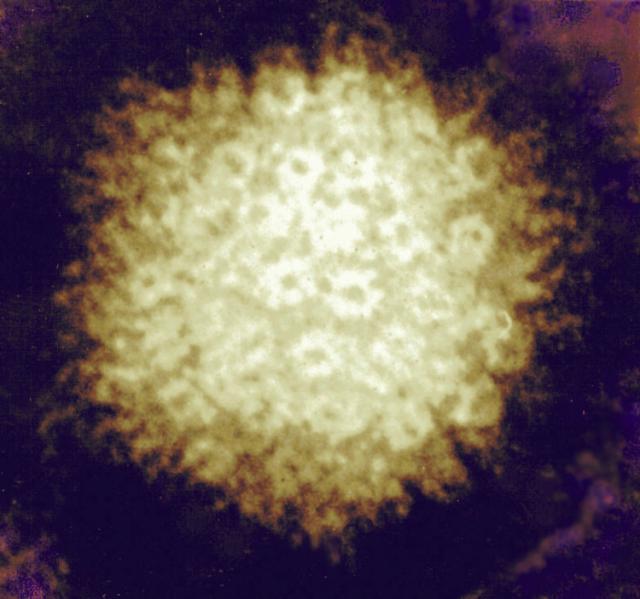
Hepatitis C virus. Credit: Scientific Animations CC4.0

On the 28th of July, South Africa joined the global community in marking World Hepatitis Day 2025, which is observed annually to raise awareness of viral hepatitis and to call for urgent action to eliminate it as a public health threat.

Under the theme “Let’s Break It Down,” this year’s campaign urged governments, healthcare systems, and communities to dismantle the financial, social, and systemic barriers that hinder progress—particularly stigma, underdiagnosis, and lack of access to testing and treatment.1

More than 304 million people globally are living with chronic hepatitis B or C, yet the majority remain undiagnosed until it is too late. In South Africa alone, over one million new cases are reported each year—despite the fact that hepatitis B is vaccine-preventable and hepatitis C is curable with available therapies. 1,2

Dr Neliswa Gogela, hepatologist, commented: “Hepatitis B and C are silent killers. People often do not know they’re infected until severe liver damage or cancer develops. But this is a crisis we can stop. We have vaccines, we have treatment, and we have the tools – we simply need to scale up access, embed hepatitis care into our health system, and break the stigma so people are not afraid to get tested or treated.”

Although hepatitis is preventable, treatable, and often curable, only 45% of babies globally received the hepatitis B birth dose vaccine within 24 hours of birth in 2022—a critical early intervention. South Africa has made notable strides, yet challenges remain in ensuring equitable access, particularly in rural and underserved areas. 1,2

Understanding the Disease

Hepatitis refers to inflammation of the liver, most often caused by a viral infection. The most common types, hepatitis B (HBV) and hepatitis C (HCV), are both blood-borne and can lead to chronic liver disease, liver failure, and liver cancer.

  • Hepatitis B is spread through contact with infected blood or bodily fluids, unprotected sex, and from mother to child at birth. It is preventable through vaccination, which has been available for over four decades.1
  • Hepatitis C is commonly spread through unsafe medical practices, contaminated injections, or sharing needles. While there is no vaccine, hepatitis C is curable in most cases with a class of medicines known as direct-acting antiviral medications.1

Because symptoms often only appear in advanced stages, early testing and diagnosis are vital to preventing life-threatening complications.

Time to Act – Before It’s Too Late. Speak to your healthcare practitioner for more information.

Viral hepatitis causes an estimated 1.3 million deaths each year—a figure comparable to that of HIV/AIDS. Yet countries such as Egypt have proven that elimination is achievable through aggressive, integrated screening and vaccination efforts.2

South Africa has the science, tools, and expertise to respond effectively. What is now needed is national commitment, adequate investment, and a public health approach that embeds hepatitis services into primary care.

World Hepatitis Day 2025 served as a timely reminder: the elimination of viral hepatitis is within reach—but only if we act now.

Source – accessed 24 July 2025:

  1. World Health Organization.  World Hepatis Day 2025.  Hepatitis Lets Break it down.  Available from: World Hepatitis Day 2025Fact sheets
  2. World Hepatitis Alliance.  What is Viral Hepatitis.  Available from: Home – World Hepatitis AllianceWhat is Viral Hepatitis – World Hepatitis Alliance

New Research Finds that Ivermectin Reduces Malaria Transmission

Photo by Ekamelev on Unsplash

A collaborative new study involving KEMRI-Wellcome Trust researchers has highlighted a new way to control malaria transmission. The study found that ivermectin, a drug normally used for neglected tropical diseases, led to a 26% reduction in new malaria infections among children aged 5-15 by killing feeding mosquitoes.

Malaria remains a global health challenge, with 263 million cases and 597 000 deaths reported in 2023. Current vector control methods, such as long-lasting insecticidal nets and indoor residual spraying, have become less effective due to insecticide resistance and behavioural adaptations in mosquitoes to bite outdoors and during dusk or dawn, when people are not protected by these measures. This underscores the urgent need for innovative solutions to combat malaria.

The BOHEMIA trial, the largest study on ivermectin for malaria to date, showed a 26% reduction in new malaria infection on top of existing bed nets,providing strong evidence of ivermectin’s potential as a complementary tool in malaria control. Coordinated by the Barcelona Institute for Global Health (ISGlobal) – an institution supported by the “la Caixa” Foundation – in collaboration with the Manhiça Health Research Centre and the KEMRI-Wellcome Trust Research Programme, the study has been published in The New England Journal of Medicine.

Ivermectin is a drug traditionally used to treat neglected tropical diseases like onchocerciasis which causes river blindness and lymphatic filariasis which causes elephantiasis. It has now been shown to reduce malaria transmission by killing the mosquitoes that feed on treated individuals. Given the rising resistance to conventional insecticides, ivermectin could offer an effective new approach totackle malaria transmission, especially in regions where traditional methods have become less effective.

The Unitaid-funded BOHEMIA project (Broad One Health Endectocide-based Malaria Intervention in Africa) conducted two Mass Drug Administration (MDA) trials in the high-burden malaria regions: Kwale County (Kenya) and Mopeia district (Mozambique). The trials assessed the safety and efficacy of a single monthly dose of ivermectin (400mcg/kg) given for three consecutive months at the start of the rainy season in reducing malaria transmission. In Kenya, the intervention targeted children aged 5–15, while in Mozambique it focused on children under five.

In Kwale County, Kenya, children who received ivermectin experienced a 26% reduction in malaria infection incidence compared to those who received the control drug. The trial involved over 20 000 participants and more than 56 000 treatments, demonstrating that ivermectin significantly reduced malaria infection rates – particularly among children living further from cluster borders or in areas where drug distribution was more efficient. Moreover, the safety profile of ivermectin was favourable, with no severe drug-related adverse events and only mild, transient side effects already seen with ivermectin in campaigns against neglected tropical diseases.

Professor Marta Maia, Associate Professor at the Centre for Tropical Medicine and Global Health and Medical Entomologist based at the KEMRI-Wellcome Trust Research Programme, said: ‘The findings suggest that ivermectin MDA could be a valuable complementary strategy for malaria control, particularly in areas where mosquito resistance to insecticides is a growing concern.’

Dr Joseph Mwangangi, Senior Principal Research Scientist at the KEMRI-Wellcome Trust Research Programme, added: ‘These results align with the World Health Organization’s (WHO) criteria for new vector control tools.’

Carlos Chaccour, co-principal investigator of the BOHEMIA project said: ‘We are thrilled with these results. Ivermectin has shown great promise in reducing malaria transmission and could complement existing control measures. With continued research, ivermectin MDA could become an effective tool for malaria control and even contribute to elimination efforts.’

In contrast, the implementation of the Mozambique trial in the rural district of Mopeia faced severe disruptions due to Cyclone Gombe in 2022 and a subsequent cholera outbreak, which significantly disrupted operations.

Francisco Saúte, director of the Manhiça Health Research Centre said: ‘One of the most important lessons we learned from the trial in Mopeia is thatstrong community engagement is essential. Building trust with local communities and fostering close collaboration with the Health Ministry, National Malaria Control Program, and local authorities was key to ensuring acceptance of the ivermectin MDA.’

In addition to reducing malaria transmission, ivermectin MDA offers significant collateral benefits. The BOHEMIA team found an important reduction in the prevalence of skin infestations such as scabies and head lice in the ivermectin group in Mozambique, and the community reported a major reduction in bed bugs in Kenya. These effects are particularly valuable when ivermectin is integrated into existing delivery systems, maximising its impact on public health.

The study is part of a larger global effort to assess ivermectin’s potential in malaria control. The findings have been reviewed by the WHO vector control advisory group, which concluded that the study had demonstrated impact and recommended further studies. Findings were also shared with national health authorities as they evaluate the potential inclusion of ivermectin in malaria control programmes.

Regina Rabinovich, BOHEMIA PI and Director of ISGlobal’s Malaria Elimination Initiative said: ‘This research has the potential to shape the future of malaria prevention, particularly in endemic areas where existing tools are failing. With its novel mechanism of action and proven safety profile, ivermectin could offer a new approach using a well-known, safe drug that can add to the effect of other mosquito control tools available today.’

Source: Nuffield Department of Medicine, University of Oxford

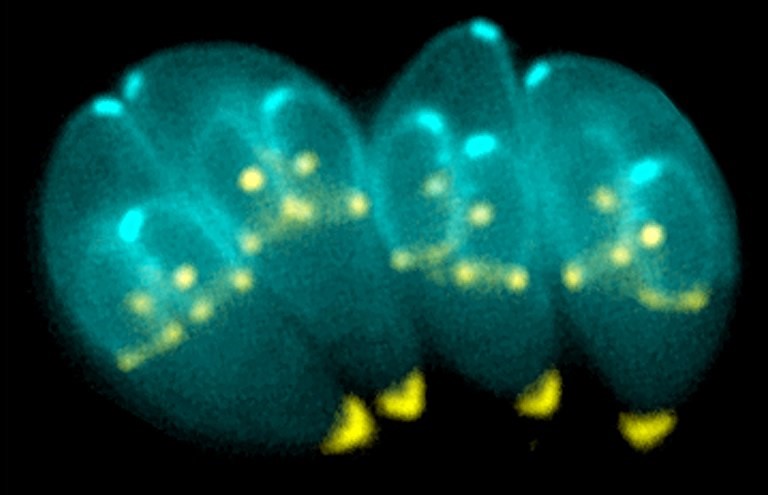
Toxoplasma Gondii’s Disruption of the Brain Gives Clues to New Treatments

Source: Wikimedia CC0

A team of scientists at the University of California, Riverside, explains in a paper published in PLoS Pathogens how the microscopic parasite Toxoplasma gondii can significantly disrupt brain function, even when it infects only a small number of neurons. The team found the parasite interferes with essential communication between brain cells — research that can offer new ways to detect and treat chronic brain infections.

Toxoplasma gondii can infect nearly any warm-blooded animal and prefers to live inside brain cells, forming cysts in neurons that can persist for life. The researchers report that they found infected neurons release fewer extracellular vesicles (EVs) — tiny, membrane-bound packets used by cells to exchange information. 

“We found this disruption in EV signalling can interfere with how neurons and glial cells, especially astrocytes, maintain a healthy brain environment,” said Emma H. Wilson, a professor of biomedical sciences in the UC Riverside School of Medicine who led the research team. “Even a handful of infected neurons can shift the brain’s neurochemical balance. This suggests that communication between neurons and supporting glial cells is not only critical, but also vulnerable to hijacking by parasites.”

Approximately 10–30% of people in the United States are infected with Toxoplasma gondii, often without knowing it. The parasite is typically contracted through undercooked meat or exposure to cat feces. Although the immune system typically keeps the infection in check, the parasite can lie dormant in the brain for decades. In individuals with weakened immunity, it can reactivate and cause serious illness.

Current diagnostic tools can only detect whether someone has been exposed to Toxoplasma gondii by identifying antibodies. The tools cannot confirm whether the parasite is still present in the brain or how it may be affecting brain function.

“Our research opens the door to using EVs as biomarkers, which can be isolated from blood,” Wilson said. 

The study was conducted using mouse models and human cells in a laboratory setting.

Wilson explained that in healthy mouse brains astrocytes regulate neurotransmitters like glutamate, ensuring that neurons do not become overexcited. But when neurons infected with Toxoplasma gondii stop sending the right EV signals, this regulation breaks down. The result is elevated glutamate levels, which can lead to seizures, neural damage, or altered brain connectivity.

“The parasite may play a larger role in neurological and behavioural conditions than we previously thought,” she said.

Wilson’s research team is now working to analyse samples from human blood banks to look for EVs linked to Toxoplasma gondii brain infection. The team also hopes to better understand how glial cells detect and respond to parasite proteins — insights that could one day lead to new therapies or even vaccines.

“Our brains have built-in defences that may recognise and respond to neurons infected by Toxoplasma gondii,” Wilson said. “If we can learn how to support or enhance that process, we may be able to better protect people, especially the most vulnerable.”

Despite its potential impact, Toxoplasma gondii is often misunderstood, Wilson added. 

“There’s no need to avoid someone who is infected; most people live their entire lives without symptoms,” she said. “Pregnant individuals should be cautious as the parasite can cause serious birth defects if contracted for the first time during pregnancy. The most effective prevention is proper food handling and hygiene. Cook meat thoroughly, wash vegetables, and always wash your hands after handling cat litter, especially from young cats, which are more likely to shed the parasite.”

Source: University of California, Riverside

Baby with Rare, Incurable Disease is First to Receive Personalised Gene Therapy

NIH-supported gene-editing platform lays groundwork to rapidly develop treatments for other rare genetic diseases.

Photo by Sangharsh Lohakare on Unsplash

A research team supported by the National Institutes of Health (NIH) has developed and safely delivered a personalised gene editing therapy to treat an infant with a life-threatening, incurable genetic disease. The infant, who was diagnosed with the rare condition carbamoyl phosphate synthetase 1 (CPS1) deficiency shortly after birth, has responded positively to the treatment.

The process, from diagnosis to treatment, took only six months and marks the first time the technology has been successfully deployed to treat a human patient. The technology used in this study was developed using a platform that could be tweaked to treat a wide range of genetic disorders and opens the possibility of creating personalised treatments in other parts of the body.

A team of researchers at the Children’s Hospital of Philadelphia (CHOP) and the Perelman School of Medicine at the University of Pennsylvania (Penn) developed the customised therapy using the gene-editing platform CRISPR. They corrected a specific gene mutation in the baby’s liver cells that led to the disorder. CRISPR is an advanced gene editing technology that enables precise changes to DNA inside living cells. This is the first known case of a personalised CRISPR-based medicine administered to a single patient and was carefully designed to target non-reproductive cells so changes would only affect the patient.

“As a platform, gene editing – built on reusable components and rapid customisation – promises a new era of precision medicine for hundreds of rare diseases, bringing life-changing therapies to patients when timing matters most: Early, fast, and tailored to the individual,” said Joni L. Rutter, Ph.D., director of NIH’s National Center for Advancing Translational Sciences (NCATS).

CPS1 deficiency is characterized by an inability to fully break down byproducts from protein metabolism in the liver, causing ammonia to build up to toxic levels in the body. It can cause severe damage to the brain and liver. Treatment includes a low protein diet until the child is old enough for a liver transplant. However, in this waiting period there is a risk of rapid organ failure due to stressors such as infection, trauma, or dehydration. High levels of ammonia can cause coma, brain swelling, and may be fatal or cause permanent brain damage.

The child initially received a very low dose of the therapy at six months of age, then a higher dose later. The research team saw signs that the therapy was effective almost from the start. The six-month old began taking in more protein in the diet, and the care team could reduce the medicine needed to keep ammonia levels low in the body. Another telling sign of the child’s improvement to date came after the child caught a cold, and later, had to deal with a gastrointestinal illness. Normally, such infections for a child in this condition could be extremely dangerous, especially with the possibility of ammonia reaching dangerous levels in the brain.

“We knew the method used to deliver the gene-editing machinery to the baby’s liver cells allowed us to give the treatment repeatedly. That meant we could start with a low dose that we were sure was safe,” said CHOP pediatrician Rebecca Ahrens-Nicklas, MD, PhD.

“We were very concerned when the baby got sick, but the baby just shrugged the illness off,” said Penn geneticist and first author Kiran Musunuru, MD, PhD. For now, much work remains, but the researchers are cautiously optimistic about the baby’s progress.

The scientists announced their work at the American Society of Gene & Cell Therapy Meeting on May 15th and described the study in The New England Journal of Medicine.

Source: NIH/Office of the Director

Semaglutide Treats Liver Disease in Two Thirds of Patients

Human liver. Credit: NIH

Results from the ESSENCE phase 3 clinical trial published in the New England Journal of Medicine shows that treating patients with semaglutide can halt and even reverse the disease.

The placebo-controlled outcome trial of participants with a life-threatening form of liver disease known as Metabolic dysfunction associated steatohepatitis (MASH) was conducted at 253 clinical sites across 37 countries around the world. This is the first regulatory-level trial showing the benefit of semaglutide for people with MASH.

The trial is led by two Chief Investigators, Professor Philip Newsome at King’s College London and Arun Sanyal at the VCU School of Medicine, United States, and funded by Novo Nordisk.

Metabolic dysfunction-associated steatotic liver disease (MASLD), formerly known as non-alcoholic fatty liver disease (NAFLD), is a long-lasting liver condition caused by having too much fat in the liver. MASH is a more severe form of MASLD. It is closely linked with obesity as well as conditions such as type 2 diabetes and heart and circulatory disease. Over time, the build-up of fat in the liver can lead to inflammation, liver fibrosis, cirrhosis and liver cancer. MASLD affects 1 in 5 people in the UK but there are no medicines licensed to specifically treat the disease.

Researchers chose to investigate semaglutide as a potential treatment because this class of drug helps reduce fat and liver scarring for people with MASH. Previous smaller but positive studies by Professor Newsome, published in the Lancet and NEJM, had shown using semaglutide as a treatment for MASH would have benefit for these patients.

Between May 27, 2021 and April 18, 2023, 800 participants were randomly assigned to receive once-weekly injection of 2.4milligrams of semaglutide or placebo, alongside lifestyle counselling. More than half of participants had type 2 diabetes and approximately three-quarters were living with obesity.

Results from the ESSENCE trials after 72 weeks of treatment found 62.9% of participants experienced a reduction in steatohepatitis (inflammation of the liver with fat accumulation in the liver) versus 34.3% for participants who took the placebo. The results also show 36.8% of the semaglutide group had improvements of their liver fibrosis versus 22.4% in the placebo group. Researchers also found other benefits. Those receiving semaglutide also saw improvements in liver enzymes and other blood measures of liver fibrosis, as well as 10.5% weight loss. Gastrointestinal adverse events were more common in the semaglutide group, such as nausea, diarrhoea, constipation, and vomiting.

I’ve been working with GLP-1 treatments for sixteen years and these results are hugely exciting. MASLD is a growing problem worldwide and this trial will provide real hope for patients with MASH. While these results must be treated with caution, the analysis shows semaglutide can be an effective tool to treat this advanced liver disease.

Professor Philip Newsome, Director of the Roger Williams Institute of Liver Studies

The research team will follow close to 1200 participants from 37 countries for up to five years to gather data on semaglutide’s impact on long-term liver complications.

Source: King’s College London

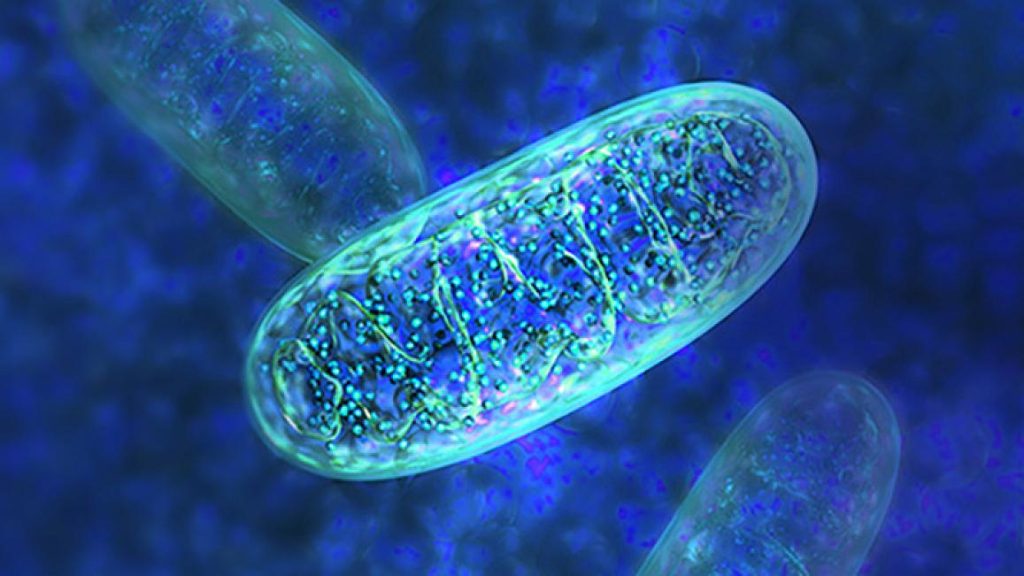
Weaker Immune Response to Viruses in Children with Mitochondrial Disorders

Credit: NIH

In a new study, National Institutes of Health (NIH) researchers found that altered B cell function in children with mitochondrial disorders led to a weaker and less diverse antibody response to viral infections. The study, published in Frontiers in Immunology, was led by researchers at the National Human Genome Research Institute (NHGRI), who analysed the gene activities of immune cells in children with mitochondrial disorders and found that B cells, which produce antibodies to fight viral infections, are less able to survive cellular stress.

“Our work is one of the first examples to study how B cells are affected in mitochondrial disease by looking at human patients,” said Eliza Gordon-Lipkin, MD, assistant research physician in NHGRI’s Metabolism, Infection and Immunity Section and co-first author of the paper.

Mitochondria are important components of nearly every cell in the body because they convert food and oxygen into energy. Genomic variants in more than 350 genes have been linked to mitochondrial disorders with varied symptoms depending on which cells are affected.

“For children with mitochondrial disorders, infections can be life threatening or they can worsen the progression of their disorder,” said Peter McGuire, MBBCh, NHGRI investigator, head of the Metabolism, Infection and Immunity Section and senior author of the study. “We wanted to understand how immune cells differ in these patients and how that influences their response to infections.”

Around 1 in 5000 people worldwide have a mitochondrial disorder. Examples of mitochondrial disorders are Leigh’s syndrome, which primarily affects the nervous system, and Kearns-Sayre syndrome, which primarily affects the eyes and heart.

While mitochondrial disorders are known to affect organs such as the heart, liver, and brain, less is known how they affect the immune system.

Using a genomic technique called single-cell RNA sequencing, which analyzes gene activity in different cell types, researchers studied immune cells found in blood. These cells include different types of white blood cells that help the body fight infections. During stressful conditions, these cells produce a microRNA called mir4485. MicroRNAs are small strings of RNA that help control when and where genes are turned on and off. mir4485 controls cellular pathways that help cells survive.

“We think that B cells in these patients undergo cellular stress when they turn into plasma cells and produce antibodies, and these B cells then try to survive by producing the microRNA to cope,” said Dr. McGuire. “But the B cells are too fragile due to their limited energy, so they are unable to survive the stressful conditions.”

Researchers used a technique called VirScan to look at all past viral infections, assess how well the immune system fought those infections and see the effects of B cells and plasma cells on antibody production. With a weaker antibody response, the immune systems in children with mitochondrial disorders are less able to recognize and neutralize invading viruses and clear infections.

Researchers aim to use the results of this study to guide future treatment of patients with mitochondrial disorders, noting that more translational studies are needed in this research area.

Source: National Institutes of Health

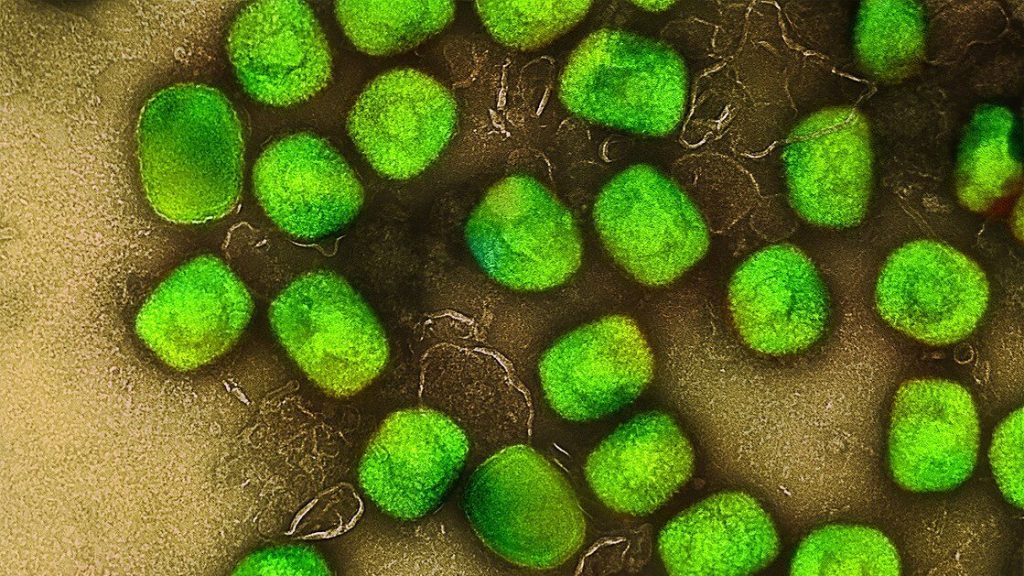
Mpox Could Become a Serious Global Threat, Scientists Warn

Mpox (monkeypox) virus. Source: NIH

Mpox has the potential to become a significant global health threat if taken too lightly, according to scientists at the University of Surrey. In a letter published in Nature Medicine, researchers highlight how mpox — traditionally spread from animals to humans — is now showing clear signs of sustained human-to-human transmission.

Mpox is a viral infection caused by a virus that belongs to the same family as smallpox.

The virus can cause a painful rash, fever, and swollen glands and, in some cases, lead to more serious illness.

Mpox usually spreads through close contact with an infected person or animal.

Carlos Maluquer de Motes, Reader in Molecular Virology at the University of Surrey, said:

“The most recent outbreaks show that intimate contact is now a significant way the virus spreads. That shift in how it’s transmitted is leading to longer transmission chains and lasting outbreaks.”

The article notes that this change coincided with the rapid spread of clade IIb (a clade is a group of viruses that share a common ancestor) mpox viruses, but different clade I variants are now on the rise too.

Researchers are also concerned because clade I viruses are thought to be more aggressive.

These viruses appear to be accumulating specific genetic mutations — driven by enzymes in the human body — that may be changing viral properties, so the longer these viruses circulate amongst us, the higher the chances these mutations help mpox adapt to humans.

Although mpox was once mainly seen in Central Africa, the virus caused an outbreak worldwide in 2022 and is now causing outbreaks in multiple sub-Saharan countries.

While it currently affects adults the most, the researchers stress that it has the potential to spread among other groups, including children, a group at greater risk of serious illness — although sustained transmission in children has not yet been reported.

Dr Maluquer de Motes added:

“Mpox control has to climb up the global health agenda. We have limited diagnostic tools and even fewer antiviral treatments. We urgently need better surveillance and local or regional capacity to produce what we need — otherwise, we are at risk of future epidemics.”

Unlike smallpox, mpox has an animal reservoir, meaning it can’t be fully eradicated. The authors warn that unless international action is taken now — including investment in point-of-care testing and new treatments — mpox will continue to re-emerge and threaten global health.

Source: University of Surrey

VZV Reactivation Is Driving CNS Infections

Varicella zoster vires (VZV). Credit: NIH/NIAID

The varicella zoster virus (VZV), an infectious virus from the herpes virus family, is primarily known to cause varicella in children and shingles in adults. But lately, this virus has also been reported to trigger severe complications like central nervous system (CNS) infections. Researchers from Fujita Health University, Japan, conducted a comprehensive study spanning 10 years (2013–2022), to identify the VZV-related infections affecting the CNS. Their study reveals a marked increase in adult VZV-related CNS infections, particularly since 2019. The findings were published in the journal Emerging Infectious Diseases.

The study was led by Professor Tetsushi Yoshikawa, along with Hiroki Miura and Ayami Yoshikane from the Department of Pediatrics, Fujita Health University School of Medicine. The researchers analysed cerebrospinal fluid samples of 615 adult patients with suspected CNS infections. VZV DNA was most frequently detected in these patients, with its presence in 10.2% of the cases, and aseptic meningitis being the most common infection.

The data from 2019 to 2022 revealed that there was a noticeable rise in VZV DNA-positive cases, forming a distinct temporal cluster during this period. Professor Yoshikawa highlighted the results of the patient demographic analysis, reporting that “the proportion of aseptic meningitis increased from 50% between 2013 and 2018 to 86.8% between 2019 and 2022.” He further adds, “Similar to the rise in herpes zoster cases through VZV reactivation in the elderly, we believe this increase is also linked to VZV reactivation.”

The universal varicella vaccination, introduced in Japan in 2014, has reduced the natural booster effects from re-exposure to the virus. This potentially accelerates the immunity decline, leading to VZV reactivation, especially in cases like shingles. The researchers highlight the connection between the vaccination and the current scenario, saying, “The increase in VZV-induced CNS infections coincides with changes in varicella vaccination programs and emphasises the need for better preventive strategies.”

Furthermore, the researchers examined trends in VZV-induced CNS infection throughout the observation period using Kulldorff’s circular spatial scan statistics. As a result, it was confirmed that there was an accumulation of VZV-related CNS infections from 2019 to 2022. Although no direct causation was established, six patients did develop CNS infections after receiving COVID-19 vaccines.

“Further studies are needed to understand these interactions,” Yoshikawa notes. None of the eligible patients in this study had received the zoster vaccine, which was introduced in Japan in 2016. Increasing the number of VZV-related CNS infections underscores the importance of zoster vaccination in adults.

The research team stresses the broader implications of their findings, stating that the reactivation of VZV in the CNS is linked to an increased risk of dementia, including Alzheimer’s disease. They hypothesize, “If the prevention of VZV-related aseptic meningitis through herpes zoster vaccination is possible, these vaccinations could play a pivotal role in mitigating these risks of dementia.”

To address the growing concern, the research team advocates expanding public health initiatives to promote zoster vaccination among at-risk populations. “Our research underscores the necessity of proactive measures to prevent not just shingles, but also severe neurological complications associated with VZV,” explains Yoshikawa.

With the rise of the aging population and CNS infections, the study calls for urgent action to evaluate and implement comprehensive vaccination strategies to prevent CNS infections in the future.

Source: Fujita Health University

Interventions to Eliminate Vertical Transmission of Hepatitis B in Africa

Photo by William Fortunato on Pexels

Researchers at the University of Liverpool have conducted a large-scale analysis that sheds light on the critical steps needed to combat the vertical transmission of chronic hepatitis B virus (HBV) in Africa.

Almost two thirds of all new hepatitis B infections globally occur in Africa. The newly published paper in The Lancet Global Health shows the importance of giving the hepatitis B birth dose vaccine (HepB-BD) within 24 hours of birth, and the potential impact of providing antiviral therapy (antiviral prophylaxis) to mothers during pregnancy. The study estimates for the first time that hepatitis B vertical transmission (passed from mother to baby) could be eliminated in Africa, with increased coverage of these two key interventions.

Chronic hepatitis B is the leading cause of liver cancer and liver cirrhosis in Africa and deaths are rising. Most cases of liver cancer are diagnosed late and are associated with a very poor prognosis in the region. Vertical transmission is one of the commonest routes of infection and is associated with an increased lifetime risk of severe liver disease.

Dr Alexander Stockdale, Senior Clinical Lecturer at the University’s Department of Clinical Infection, Microbiology and Immunology, based at the Malawi-Liverpool-Wellcome Trust Clinical Research Programme, together with Dr Nicholas Riches at Liverpool School of Tropical Medicine, led the comprehensive analysis of more than 113 individual studies which reported on the prevalence of hepatitis B in more than 190 000 women and investigated rates of vertical transmission.

The World Health Organization (WHO) African region faces a significant burden, accounting for 63% of the global total of new infections. This amounted to 771 000 new infections and 272 000 deaths in 2022. Among children under 5 years, the prevalence of HBV stands at 2.5% in the WHO African region – the highest globally.

Dr Alexander Stockdale said: “This study makes the case for investment in birth dose vaccination and maternal antiviral prophylaxis, in view of the exciting potential for elimination of vertical transmission in the WHO African region in our lifetime. Vertical transmission is a key route of new hepatitis B infections. Due to limited implementation of interventions, elimination targets are not currently being met. We project that expanding HepB-BD vaccination coverage to 90% could reduce transmission events by 44%, and adding maternal antiviral prophylaxis for 90% of eligible women could further reduce transmission by 86% and achieve the WHO targets for elimination.”

Dr Stockdale and colleagues have also recently been awarded £3million funding from the National Institute of Health and Care Research to conduct implementation research in Malawi and The Gambia. The NIHR Global Health Research Grant will allow researchers in Malawi, led by Dr Stockdale and in The Gambia, led by Professor Maud Lemoine and Dr Gibril Ndow, to evaluate the effectiveness, safety, feasibility and cost-effectiveness of giving antiviral treatment (tenofovir) to all pregnant women living with chronic hepatitis B to prevent transmission. This study will provide vital evidence on the potential impact of this strategy to guide public health policy in Africa, which has been recognised as a key knowledge gap by the WHO in the 2024 hepatitis B guidelines.

Source: University of Liverpool

Cold Sore Discovery Reveals an Unexpected Trigger for Flare-ups

Photo by Cottonbro on Pexels

Scientists have a new target to prevent cold sores after University of Virginia researchers discovered an unexpected way the herpes virus re-activates in the body. The finding, published in PNAS, could also have important implications for genital herpes caused by the same virus.

The discovery from UVA’s Anna Cliffe, PhD, and colleagues seems to defy common sense. She and her team found that the slumbering herpes virus will make a protein to trigger the body’s immune response as part of its escape from dormancy. You’d think this would be bad for the virus – that activating the body’s antiviral defences would be like poking a bear. But, instead, it’s the opposite: The virus hijacks the antiviral process in infected neurons to make the type of comeback nobody wants.

“Our findings identify the first viral protein required for herpes simplex virus to wake up from dormancy, and, surprisingly, this protein does so by triggering responses that should act against the virus,” said Cliffe of UVA’s Department of Microbiology, Immunology and Cancer Biology. “This is important because it gives us new ways to potentially prevent the virus from waking up and activating immune responses in the nervous system that could have negative consequences in the long term.”

Herpes Simplex Virus-Associated Disease

Cold sores are caused primarily by herpes simplex virus 1 (HSV-1), one of two forms of the herpes virus. HSV-1 is very contagious, and worldwide more than 60% of people under 50 (more than 3.8 billion) have been infected, the World Health Organization estimates.

In addition to causing cold sores, herpes simplex virus 1 can also cause genital herpes, a condition most often associated with HSV-1’s cousin, herpes simplex virus 2. Now, however, there are more new cases of genital herpes in the United States caused by HSV-1 than HSV-2. Notably, the UVA researchers found that herpes simplex virus 2 also makes this same protein and may use a similar mechanism to reactivate. So UVA’s new discovery may also lead to new treatments for genital herpes. 

In addition to cold sores and genital herpes, HSV-1 can also cause viral encephalitis (brain inflammation) and has been linked to the development of Alzheimer’s disease.

Once HSV-1 makes its way into our bodies, it stays forever. Our immune systems can send it into hiding, allowing infected people to be symptom free. But stress, other infections and even sunburns are known to cause it to flare. UVA’s new discovery adds another, surprising way it can spring back into action.

The researchers found that while the virus can make a protein called UL12.5 to reactivate, the protein was not needed in the presence of another infection. The scientists believe this is because the infections trigger certain “sensing pathways” that act as the home security system for neurons. Detection of a pathogen alone may be sufficient to trigger the herpes virus to begin replicating, the scientists believe, even in instances of “abortive infections” – when the immune system contains the new pathogen before it can replicate.

“We were surprised to find that HSV-1 doesn’t just passively wait for the right conditions to reactivate – it actively senses danger and takes control of the process,” researcher Patryk Krakowiak said. “Our findings suggest that the virus may be using immune signals as a way to detect cellular stress – whether from neuron damage, infections or other threats – as a cue to escape its host and find a new one.” 

With the new understanding of how herpes flares can be triggered, scientists may be able to target the protein to prevent them, the researchers say. 

“We are now following up on this work to investigate how the virus is hijacking this response and testing inhibitors of UL12.5 function,” Cliffe said. “Currently, there are no therapies that can prevent the virus from waking up from dormancy, and this stage was thought to only use host proteins. Developing therapies that specifically act on a viral protein is an attractive approach that will likely have fewer side effects than targeting a host protein.” 

Source: University of Virginia Health System