Category: COVID

Indian Medical Trainee Exams Postponed to Boost Personnel

Indian flag. Photo by Naveed Ahmed on Unsplash

India postponed exams for trainee doctors and nurses on Monday, freeing them up to fight the world’s biggest surge in COVID infections, as the health system buckles under the weight of new cases, and a lack of beds and oxygen.

The total number of infections so far rose to just short of 20 million, propelled by a 12th straight day of more than 300 000 new cases.

Actual numbers in India could be five to 10 times higher than those reported, according to medical exports.

Hospitals have been overloaded, oxygen has run short, and morgues and crematoriums have struggled with the number of corpses. 
“Every time we have to struggle to get our quota of our oxygen cylinders,” said BH Narayan Rao, a district official in the southern town of Chamarajanagar, where 24 COVID patients died, some suspected from lack of oxygen.

“It’s a day-to-day fight,” added Rao, describing the struggle for supplies.

In many cases, volunteer groups have come to the rescue. Outside a temple in India’s capital, New Delhi, Sikh volunteers provided oxygen to patients lying on benches inside makeshift tents, hooked up to a giant cylinder. A new patient would come in every 20 minutes.

“No one should die because of a lack of oxygen. It’s a small thing otherwise, but nowadays, it is the one thing every one needs,” Gurpreet Singh Rummy, who runs the service, told Reuters.

Offering a glimmer of hope, the country’s health ministry said that positive cases relative to the number of tests fell on Monday for the first time since at least April 15, and modelling shows that the virus could peak on Wednesday.

While 11 states and regions have put movement curbs in place to stem transmissions, Prime Minister Narendra Modi’s government, widely criticised for allowing the crisis to spin out of control, is reluctant to announce a national lockdown, concerned about the economic impact.

“In my opinion, only a national stay at home order and declaring medical emergency will help to address the current healthcare needs,” Bhramar Mukherjee, an epidemiologist with the University of Michigan, said on Twitter.

As medical facilities near collapse, the government postponed an exam for doctors and nurses to free up some to join in the COVID fight, it said in a statement.

Prime Minister Modi has provoked criticism for not acting earlier to limit the spread and for allowing millions of people, mostly without masks, to attend religious festivals and political rallies during March and April.

In early March, a forum of government scientific advisers warned officials of a new and more contagious variant of the coronavirus taking hold, five of its members told Reuters.

Four of the scientists said in spite of the warning, the federal government did not try and impose strict curbs.

Meanwhile, in response to India’s crisis, aid has poured in. On Sunday, the UK government said it will send another 1000 ventilators to India. 

Several nations have shut their borders to Indian arrival as the Indian COVID variant has now reached at least 17 countries including the UK, Iran and Switzerland.

Source: Reuters

Young Cancer Researchers Strive On Despite Pandemic

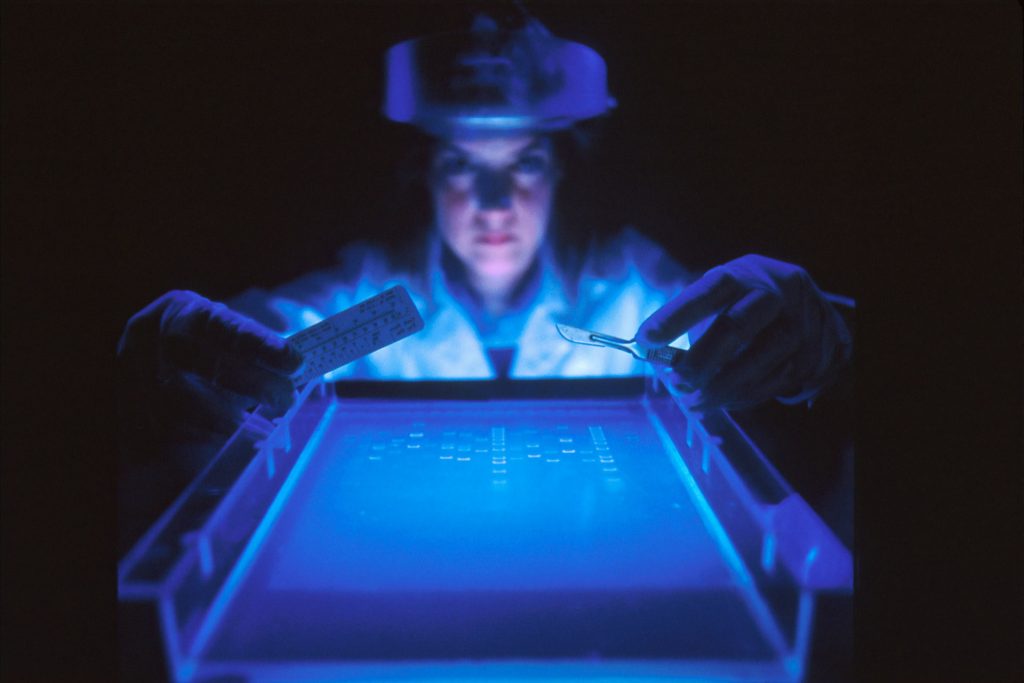
DNA Fragmentation. A dye marker on agarose gel used to separate DNA by a female scientist. The smaller fragments move faster, the larger ones move slower. This separation process is used to analyse the size of DNA fragments, to map DNA, to separate fragments of DNA to create clones. Photo by National Cancer Institute on Unsplash

Although long hours in the lab are standard, some young cancer researchers have told BBC’s Radio 1 Newsbeat that, in order to continue their work, the pandemic is forcing them to work longer, harder days with no pay.

Many relished the easing of COVID rules in the UK at the beginning of the summer months. However Dr Alba Rodriguez-Meira, 28, said that those sunny weeks were like an “extended lockdown”.

At the time, labs had been shut for nearly four months and Dr Rodriguez-Meira worked more than 90 hours a week – equivalent to 13 hours a day, 7 days a week – to catch up her leukaemia research at the University of Oxford.

“That was fine during the first month but it becomes a bit disruptive in terms of life quality if you try to do it for much longer,” Dr Rodriguez-Meira said.

Her weekly hours are slowly returning to her usual 60 a week – but she’s still feeling the pressure.

“I’ve lost a lot of productivity – sometimes I think I’ve not been as happy or as passionate as I used to be.

“Working under these circumstances has made me lose a bit of that. And I am sometimes so, so, absolutely tired.”

Social distancing rules mean that even though labs have reopened, not everyone can be there at the same time.

This is affecting the work of PhD student Laurien van de Weijer, 24, who is studying meningioma, a kind of tumour which makes up over a third of primary central nervous system tumours.

An important experiment she was running at her lab at the University of Plymouth over Easter weekend in April failed because she could not get in to provide nutrients to the tumour cells, which subsequently died. She is apprehensive about the 18 months she has left to finish her doctorate.

“I’ll be so overloaded… because I lost lots of time in the early stage, I really have to catch up, so I probably will do crazy hours.

“I really don’t look forward to being in the lab in the middle of the night.”

Laurien is also concerned that the longer she takes to get her research done, “the longer there won’t be any good drugs” for people with meningiomas.

The Institute of Cancer Research (ICR) says the COVID pandemic will add on an extra two years to the lag time between new treatments being discovered and cancer patients being able to use them.

“We don’t have the luxury of time – that’s the truth – to wait for two extra years,” says Amani Liaquat, 23, who has an aggressive cancerous brain tumour known as a glioblastoma multiforme, and according to doctors has between 12 and 18 months to live.

Amani is now trying a new drug called ONC201 which is still in trials, after chemotherapy and radiotherapy have both failed to shrink the tumour

Amani says she “can’t really put into words” how grateful she is to researchers going into labs during the pandemic, “risking their own health to try and help others”.

“The fact that people are still out there, trying their best in such difficult circumstances is really important,” she says.

Spurred on by stories like Amani’s, some groups of so-called “wet lab” researchers, whose work is experiment-heavy, have come up with shifts that allow them in to labs while observing social distancing.

It’s often after midnight when Beshara Sheehan begins her cycle home from the ICR lab in Sutton, south London.

Beshara Sheehan, 28, whose research is on improving prostate cancer therapy, works a lot of late shifts, often cycling home at midnight. She finds it “difficult to switch off” from work, having to still communicate with on-shift colleagues..

Fiona Want, 25, works at the same site as Beshara, albeit in a different research team, but prefers early morning shifts over late ones.

“It took a bit of getting used to having that real jumble of routine,” said Fiona, who has walked half her day at the lab and half at home.

Her research is on bladder cancer, and works up to 55 hours a week, 10 hours more than pre-COVID. She is driven on by the death of her fiance’s dad from cancer at the end of last year.

“That’s been a real source of motivation for me to keep working hard and a reminder that everyone’s life is, in some way, impacted by cancer,” she said.

“It is so important that we don’t let research slow down and keep pushing forward with discoveries that ultimately save lives.”

Source: BBC News

Vaccine-related Fainting Down to Anxiety, CDC Says

A brief bout of anxiety was likely the cause of possible COVID vaccine-linked symptoms that people experienced, said researchers with the US Centers for Disease Control and Prevention say.

Several reports emerged in early April that people in at least five different vaccination sites in the US, all in different states, experienced symptoms almost immediately after receiving a vaccination jab. 

These symptoms, all from people who received the Johnson & Johnson vaccine, were largely reported as being fainting, dizziness, lightheadedness, and rapid breathing. These incidents resulted in four of these sites being temporarily shut down, with pledges to investigate being made by both the CDC and local health officials.

The CDC investigation examined 64 cases documented across five vaccination sites between April 7 and 9, and interviewed providers who were at the sites when the events took place. Real-world safety data collected through the Vaccine Adverse Event Reporting System was also looked at.

While some people went to the hospital afterwards, none of the symptoms were deemed to be serious in severity, and most symptoms improved within 15 minutes. A total of 17 people experienced fainting, while more than half reported feeling lightheaded and dizzy and about a third experienced nausea and/or vomiting. Thirteen patients had also told staff members beforehand of past fainting due to a fear of needles or vaccines.

The CDC’s report on the investigation and its findings were published Friday in its Morbidity and Mortality Weekly Report (MMWR).

Fainting and similar short-term symptoms occasionally occurs following vaccination, and measures to reduce them are being investigated. In the CDC’s investigation of these cases and safety data doesn’t point to any other cause of these symptoms besides simple anxiety. In their report, the authors observed that these incidents took place before the more recent reports of a rare blood clotting condition possibly linked to the Johnson & Johnson vaccine were made known to the public. Use of the J&J vaccine has since resumed in many countries, with a warning of the risks.

Since the J&J vaccine is administered in a single dose, it’s possible that people who are more likely to be anxious about vaccines would also opt for it more often, which could then account for the higher incidence of vaccine-related fainting associated with the shot. Another possibility is that early media coverage of the first incidents on April 7 (or physically seeing someone faint) further increased people’s anxiety. However, it was widely reported that one of the first members of the public to take the Pfizer vaccine last December — a nurse — fainted right after. But the nurse pointed out at the time that she had a history of fainting.

The authors of the report summed it up in saying, “the stress of an ongoing pandemic might also increase anxiety surrounding covid-19 vaccination.”

Of course, fainting and these other symptoms can still be a scary experience, no matter the cause. And just because anxiety may be the root cause of these cases, that doesn’t mean there isn’t a real risk worth caring about. 

Since fainting is still an upsetting experience no matter the cause and the risk of it should not be dismissed, so the authors recommend that people are routinely monitored after vaccination for at least 15 minutes. This is not only the chance that fainting may occur but other rare symptoms that could appear post-vaccination, such as a strong allergic reaction.

Source: Gizmodo

What is India’s ‘Double Mutant’ COVID Variant?

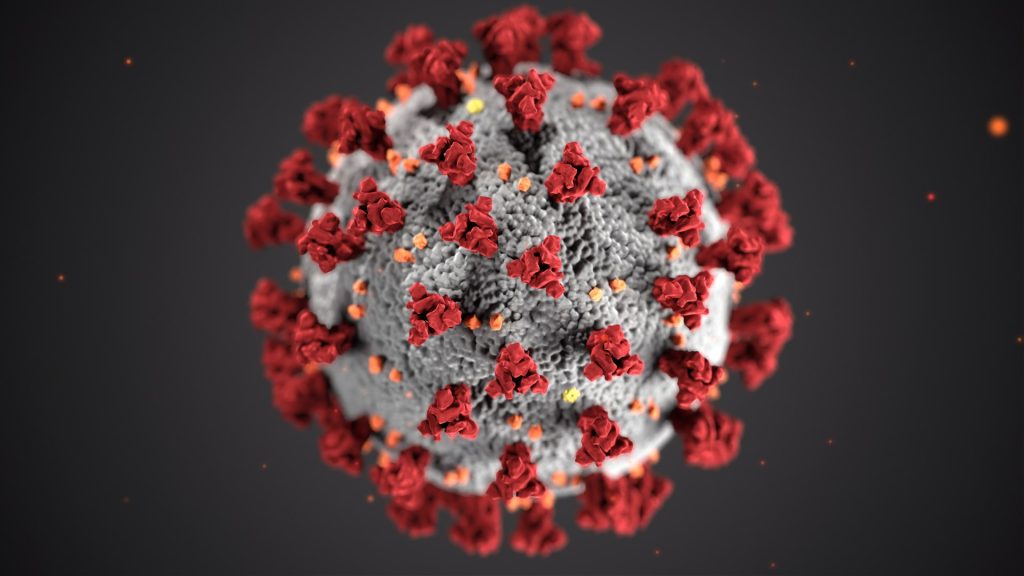
Artistic rendering of SARS-CoV-2 virus, which causes COVID. Photo by CDC from Pexels

While Indian hospitals buckle under COVID cases and even capacity for cremations runs out, a new ‘double mutant’ variant of the virus has emerged.

First announced just one month ago, scientists are already trying to determine if it is driving the surge in Indian cases — and the implications for the rest of the world.

“We need to keep a close eye on this variant,” Katelyn Jetelina, PhD, MPH, of the University of Texas Health Science Center at Houston, wrote in a recent email newsletter.

What ‘double mutant’ means

Officially named B.1.617, the ‘double mutant’ is a bit of a misnomer, because it actually carries 13 mutations, 7 of which are in the spike protein. The nickname comes from two notable mutations found in other variants that appeared together for the first time in this new strain: the L452R and the E484Q mutations.

The L452R mutation in the spike protein was first found in the COVID variant detected in California, which could be up to 20% more transmissible than wild-type strains.

The E484Q mutation seems very similar to the E484K mutations found in the B.1.351 (South African) and P.1 (Brazilian) variants. These are ‘escape mutations’ because it enables these SARS-CoV-2 variants to evade immune protection with monoclonal antibodies, potentially making vaccines less effective. Thus far, current vaccines appear to be holding up against these variants, according to Jetelina.

The exact significance of these mutations is still being worked out.

“Just because there are two worrisome mutations on one variant doesn’t necessarily mean this is [doubly] contagious or [doubly] deadly. The WHO [World Health Organization] has declared B.1.617 a ‘Variant of Interest’ instead of a ‘Variant of Concern,'” she wrote.

The WHO definition of ‘variant of interest’ is one that has been found to cause community transmission, has been found in numerous COVID cases or clusters, or has been found in multiple countries. A ‘variant of concern’ on the other hand is defined as one that has been associated with or has demonstrated increased transmissibility, increased virulence, a change in clinical disease, or decreased effectiveness in treating or controlling the illness.

What is the significance of this variant?

The B.1.617 variant has spread rapidly in India, becoming the dominant strain in the state of Maharashtra in southwestern India. Maharashtra is India’s second most populous state and also home to India’s financial centre in Mumbai.

In December 2020, 271 million people (about one-fifth of India’s population) were already infected with COVID, and modelling studies suggested that natural infection had already caused India to reach herd immunity. In light of this, India’s health minister announced that the country had successfully contained the spread of the virus.

Yet three months later, the biggest COVID surge yet is happening in India, with a new high of over 340 000 new infections reported daily. Furthermore, experts believe the actual number of infections and deaths may be under-estimated.

Is the new variant possibly to blame for the current surge? Or is it a combination of factors related to people letting their guard down, such as a lack of masking, large gatherings of people mixing and travelling together, and a belief that somehow India was already immune?

No-one has answers to this yet, but a similar situation has already occurred elsewhere in the world.

“We saw the same story in Brazil. The city of [Manaus] had over 70% of people ‘naturally’ infected. But, once P.1. hit, they had a major surge,” Jetelina wrote. “Populations that have high ‘natural’ immunity are getting re-infected. It doesn’t look like natural infection will protect us for long. Get your vaccine.”

The variant has been found in the US and 18 other countries and on all continents, except Africa. Preliminary evidence so far suggests that the Covaxin vaccine, an inactivated virus vaccine made in India, is still protective against the double mutant variant. The trial attracted controversy since it was approved in January without a final phase III clinical trial. Scientists in India have also reported that Covishield, which is a viral vector vaccine like AstraZeneca’s jab, has efficacy against the mutant.

Dr Jetelina nevertheless urged vigilance: “The more this virus jumps from person-to-person (regardless of where it’s at in the globe), the more chances it has to mutate,” she wrote. “The more it mutates, the more chances it has to outsmart our vaccines.”

Source: MedPage Today

Treatment of Lingering COVID Pain is Challenging

The treatment of pain in recovered COVID patients poses unique challenges, said a pain expert presenting at the American Academy of Pain Medicine virtual meeting.

“A lot of these patients are going to need rehabilitation” or physical therapy, noted Natalie Strand, MD, of the Mayo Clinic in Scottsdale, Arizona, at the meeting. “There can be quite a bit of deconditioning that occurs, especially after a prolonged ICU stay. Neuropathic pain is also quite common.”

Post-COVID neuropathy may be viral or else possibly related to patient positioning, including prone positioning. Some patients “may need short-term opioids or gabapentinoids and they may experience aggravation of prior underlying pain, either due to direct physical causes or to the increase in anxiety and depression that can accompany a COVID infection,” Dr Strand said.

A study that followed 143 patients two months after acute COVID showed a high proportion reported persistent symptoms — including fatigue (53%), joint pain, (27%) and chest pain (22%) — that often results in patients going to a pain clinic for care, she noted.

Persistent pain remains prevalent, following any ICU admission, ranging from 28% to 77%, according to Dr Strand.

Chronic neuropathic pain after a COVID patient’s ICU stay can include muscle pain related to joint contractures or muscle atrophy, and pain due to critical illness myopathy or polyneuropathy. In addition, peripheral nerve injuries have been associated with prone positioning for COVID–related acute respiratory distress syndrome, Dr Strand added. Complications from traumatic procedures like placement of chest tubes or tracheotomy can also cause chronic neuropathic pain.

Dr Strand noted that pain can persist after discharge of COVID patients, as indicated by follow-ups. In China, three-quarters of patients previously hospitalised with COVID continued to report at least one symptom 6 months later, with fatigue or muscle weakness by far the most common symptoms (63%). “Compared with 2-month follow up, 6 months later we see the same trends,” she pointed out.

In that study, “13% of the patients who did not develop an acute renal injury during their hospital stay and presented with normal renal function exhibited a decline in GFR at follow up,” Dr Strand noted. This may signal caution about using NSAIDS to manage pain in some patients, she said: “Normal renal function at discharge does not necessarily mean it will remain this way 6 months afterwards.”

There may be a relationship with the SARS-CoV-2 virus and chronic neuropathic pain, Strand observed. In a recent article in Pain Reports, “the authors concluded it could be direct or indirect effects of the virus on the nervous system that can cause neuropathic pain,” she noted. “We know that there are neuropathic symptoms involved with the famous loss of taste and loss of smell with presentation,” she continued. “But also in the acute phase, we commonly see headache, dizziness, muscle pain, ataxia, and in hospitalized patients we see stroke, meningitis, encephalitis, and autoimmune disorders like Guillain-Barré syndrome and acute disseminated encephalomyelitis.”

Psychological stressors can also be related to the emergence of chronic pain, added Dr Strand. “Anxiety and depression often follows COVID-19 infection,” she said. “It may be wise to screen our patients for anxiety and depression after infection to see if we can further control these components to help manage their pain overall.”

Source: MedPage Today

Presentation information: Strand NH “Treating the COVID-Recovered Patient: An Evolving Understanding” AAPM 2021.

Trump Encouraged to Urge Followers to Take Vaccine

As US polls show that half of Republicans voters are reluctant to get a COVID vaccine, two former senior Trump administration officials have said that former US President Donald Trump is being encouraged to urge his followers to get the jab. 

The officials stressed that herd immunity could be threatened by Republican vaccine hesitancy, and that Trump’s followers will listen to him and him alone.

“Vaccines are widely regarded as one of Trump’s greatest accomplishments, and Trump understands that this legacy is at risk because half of his supporters are not taking the vaccine,” one of the officials told CNN. “It’s just not clear yet if he understands that he’s the only one who can fix this.”

The other official concurred. “In Trump country, if you want to call it that, there are still significant numbers of people who aren’t sure [COVID] is a real thing, despite folks getting sick, and there are lots of suspicions about the vaccine,” the source said. “They have literally said to me, ‘I want to hear from the president about this.’ I don’t think they’re going to listen to anyone else.”

Trump told Fox News last week that he would make a “commercial” about the vaccine, but did not make a firm commitment.
However, a person close to Trump disagreed he should take this approach. “He shouldn’t be pushing these vaccines. His posse isn’t exactly vaccine-approving and it could backfire,” the person said.

All the living former presidents save for Trump, and their wives, appeared in an ad campaign started last month encouraging vaccination – though Trump’s team denied he was approached to participate. This was because the team that organised the PSA did not think it was likely he would participate, according to a source close to that project.

In the Fox interview, Trump said, “I encourage them to take it. I do,” referring to his supporters, but has only spoken out a few times about vaccination.

Fifty-four percent of Republicans are either hesitant about or opposed to getting a COVID vaccine, according to a March survey by the Kaiser Family Foundation, and 29% said they would not get a vaccine under any circumstances.

The number of people 18 and over with at least one vaccine dose, the top 10 states are all states President Joe Biden won last November. Trump won 9 out of the bottom 10 states for vaccination.

A third former Trump official confided that as early as last summer, there were already concerns over Republican vaccine refusal.

“On Facebook I saw a ton of hesitancy for that group — just insane amounts of hesitancy already and we knew it was just going to get worse,” the official said.

That official said Trump ally Michael Caputo briefly mentioned to Trump last fall that it would be good for the president to do a vaccine PSA after the election.

One of the other former officials noted that recently, Caputo “in particular has been active in discussing” the possibility of doing a PSA with the Trump team.

“Michael takes this very seriously and sees this as a big public health problem,” said the source. “His stepping out, because he’s so connected to the president, is really going to be forceful and incredibly helpful.”

Mr Caputo served as assistant secretary for public affairs at the US Department of Health and Human Services, leaving after being diagnosed with throat cancer and a rant at heath scientists saying they were undermining Trump.

Mr Caputo confirmed to CNN that he met with Trump and the two men “spoke about vaccine hesitancy and what can be done about it.”

Trump’s final year in office will define his legacy, according to historians, which was marred by the failure to contain COVID and his incitement of a mob that stormed the US Capitol.

The former  officials said they don’t want to see the vaccine development that Trump pushed undone by vaccine hesitancy, including among his own supporters.

“I see Operation Warp Speed tipping towards failure, and it really concerns me,” one of the senior officials warned. “If we don’t move half those people into the vaccinated column, we’re most likely not going to reach community immunity, and if we don’t reach it, then the president’s vaccine legacy is dead.”

The other senior official said Trump supporters would respond positively to the former president “taking ownership of Operation Warp Speed” and mentioning that he and his wife were both vaccinated.

“He could talk about how [vaccine uptake] is the way to get the country back to where it needs to be economically and socially, using his language that he uses with his supporters. I think that would be really powerful,” said the source.

Source: CNN

‘Nanotraps’ Capture COVID Virus and Prevent Infection

Researchers have developed an entirely new treatment for COVID: ‘Nanotraps’ that capture the viruses inside the body, allowing the immune systems to destroy them

The “Nanotraps” mimick the human cells the virus normally attaches to, and bind it to their surface, keeping the virus from reaching other cells and target it for destruction by the immune system. It is possible that Nanotraps could be used on SARS-CoV-2 variants, and could be administered as a nasal spray.

“Since the pandemic began, our research team has been developing this new way to treat COVID-19,” said Assistant Professor Jun Huang, whose lab led the research. “We have done rigorous testing to prove that these Nanotraps work, and we are excited about their potential.”

Postdoc Min Chen and graduate student Jill Rosenberg targeted the spike mechanism that SARS-CoV-2 uses to lock onto ACE2 proteins on human cells.

To create a trap that would bind to the virus in the same way, they designed nanoparticles with a high density of ACE2 proteins on their surface. Other nanoparticles were designed with neutralising antibodies on their surfaces.

ACE2 proteins and neutralising antibodies have both been used in COVID treatments, but by mounting them onto nanoparticles, a much more effective and robust means for trapping the virus was created.

The nanoparticles are smaller than cells, 500 nanometres in diameter, allowing them to reach deep inside tissue and trap the virus.

No evidence of toxicity was seen in tests with mice, and they then tested the Nanotraps against a non-replicating virus called a pseudovirus in human lung cells in tissue culture plates and saw that they completely prevented viral entry into the cells.

 When the nanoparticle binds to the virus (about 10 minutes after injection), it chemically signalled macrophages to engulf and destroy the nanoparticle and the attached virus. Macrophages normally engulf nanoparticles, so this merely sped up the process.

Testing the Nanotraps on a pair of donated lungs kept alive with a ventilator, they found that they completely prevented infection.

They also collaborated with researchers at Argonne National Laboratory to test the Nanotraps with a live virus (rather than a pseudovirus) in an in vitro system. They found a 10 times better performance than with neutralising antibodies or ACE2 inhibitor.

The researchers plan further tests, including live virus and its variants.

“That’s what is so powerful about this Nanotrap,” Rosenberg said. “It’s easily modulated. We can switch out different antibodies or proteins or target different immune cells, based on what we need with new variants.”

Storage is simple, as the Nanotraps can be kept in a standard freezer, and administration is simple, using a nasal spray. The researchers said it is also possible to serve as a vaccine by optimisation of the Nanotrap formulation.

Source: Phys.Org

Journal information: Min Chen et al, Nanotraps for the containment and clearance of SARS-CoV-2, Matter (2021). DOI: 10.1016/j.matt.2021.04.005

Loss of Smell and Taste in COVID Explained

Cut lemon. Photo by Karolina Grabowska from Pexels

New research awaiting peer review uncovers why the loss of sense of taste is one of the symptoms of COVID infection.  New research has found that taste receptors have ACE2 and are also at risk for SARS-CoV-2 invasion.

Understanding the presence of viral infection in taste buds could help treat people with ‘long COVID’ who could continue to experience changes in or loss of taste months after the initial infection.

SARS-CoV-2 uses the angiotensin-converting enzyme 2 (ACE2) enzyme attached to the membranes of cells as their point of entry. ACE2 enzymes are present all over the body, especially in the lungs and nose, coinciding with COVID’s early symptoms of loss of smell and difficulty breathing. Loss of taste is another early COVID infection sign, although the mechanism behind this is unclear. 

“By demonstrating the co-localization of SARS-CoV-2 virus, Type II taste cell marker, and the viral receptor ACE2, we show evidence for replication of this virus within taste buds that could account for acute taste changes during active COVID-19,” wrote the authors. “This work also shows that the proliferation of the taste stem cells in recovering patients may take weeks to return to their pre-COVID-19 state, providing a hypothesis for more chronic disruption of taste sensation, reports of which are now appearing in the medical literature.”

Source: Wikimedia. CC0 Creative Commons
Diagram of the tongue. The fungiform papillae is located near the centre of the tongue.

ACE2 is present on Type II taste bud cells on the tongue. There are three cranial nerves (CN VII, IX and X) that are involved in relaying taste information to the central nervous system. Taste is first discriminated in taste receptor cells (TRCs) within taste buds located in circumvallate (CVP), foliate (FLP) and fungiform papillae (FP) in the tongue. Three defined TRCs relay five basic tastes. Stem cells around the taste bud receive signals from taste cells, prompting differentiation into a replacement TRC. 

The researchers identified 5000 to 10 000 taste buds, with almost half located at the base of the tongue called circumvallate papillae. ACE2 was found to be coexpressed with phospholipase C β2 used in the signaling of type II taste receptor cells. Taste receptor cells in the back of the tongue, a region known as fungiform pallipae, also had ACE2 receptors, providing further evidence of a viral entry point for SARS-CoV-2.

“Replication of virus can likely then occur undisturbed and allow for transmission from the taste bud into circulation, and locally infect lingual and salivary gland epithelium, oral mucosa and larynx and even on into the lungs,”

Case Studies of Altered Taste During and After COVID Infection

A 45-year old woman with COVID and controlled hypertension reported changes in her sense of taste, including not being able to taste the sweetness from chocolate and describing curry as ‘white’ and her tongue was enlarged and redder around the fusiform pallipae.

SARS-CoV-2 RNA was found in samples taken from that area, specifically in PLCB2 positive cells. The virus was also found in the lamina propria with disruptions in the stem cell layer. Symptoms improved after six weeks, along with taste perception.

A 63-year-old man with no preexisting conditions had donated samples of his fusiform pallipae in 2019, and more samples were taken six weeks after testing positive for COVID. He experienced several long COVID symptoms, including mild loss of taste — coffee tasted like mud, and he could not taste chocolate. The virus was not present in samples of his fusiform pallipae 10 weeks after infection. However, he had altered changes to the stem cell layer of the tongue compared to the 2019 samples.

The researchers suggested that stem cell impairments may affect taste bud cell turnover and could contribute to the delayed return of sense of taste.

Source: News-Medical.Net

Journal information: Doyle ME, et al. Human Taste Cells Express ACE2: a Portal for SARS-CoV-2 Infection. bioRxiv, 2021. doi: https://doi.org/10.1101/2021.04.21.440680
https://www.biorxiv.org/content/10.1101/2021.04.21.440680v1

New High-yield Vaccine Technology Recycles Cell Junk

As the world struggles with COVID vaccine production bottlenecks and scaling issues, a team from Northwestern University synthetic biologists have developed a high-yield vaccine technology, increasing production of protein-based vaccines by a factor of five.

Scaling up COVID vaccine production has proved extremely challenging. Adenovirus vaccines such as AstraZeneca’s need to be cultured in 2000 litre tanks containing human cells and then extracted, while mRNA vaccines like that produced by Pfizer requires very careful mixing, as well as components and only a few companies have the skills to produce them. The promising protein subunit vaccines such as Novavax’s offering may be easier to scale up, but also require specific adjuvant, which uses saponin from the bark of a Chilean tree, Quillaja saponaria, which is also used in other vaccines.

Earlier this year, the researchers introduced a new biomanufacturing platform that can quickly make shelf-stable vaccines at the point of care, ensuring they will not go to waste due to transportation or storage problems. In this new study, the team found that enriching cell-free extracts with cellular membranes—the components needed to made conjugate vaccines—massively boosted yields of its freeze-dried platform.

The new technology can produce 40 000 doses per litre per day of antibiotics or vaccines, costing about $1 per dose. At that rate, the team could use a 1000 litre reactor to generate 40 million doses per day, reaching 1 billion doses in less than a month.

“Certainly, in the time of COVID-19, we have all realized how important it is to be able to make medicines when and where we need them,” said study leader Michael Jewett, a professor of chemical and biological engineering at Northwestern. “This work will transform how vaccines are made, including for bio-readiness and pandemic response.”

The new manufacturing platform—called in vitro conjugate vaccine expression (iVAX)—is made possible by cell-free synthetic biology, a process where a cell’s outer wall (or membrane) is removed, and its internal machinery repurposed. This repurposed machinery is then placed in a test tube and freeze-dry it. The cell-free system is activated by the addition of water, turning it into a catalyst for making usable medicine when and where it’s needed. With a shelf-life of over six months, the platform eliminates the need for complicated supply chains and extreme refrigeration, making it extremely valuable for remote or low-resource settings.

In a prior study, Jewett’s team used the iVAX platform to produce conjugate vaccines to protect against bacterial infections, repurposing molecular machinery from Escherichia coli to make a single dose of vaccine in an hour, at $5 per dose.

“It was still too expensive, and the yields were not high enough,” Prof Jewett said. “We set a goal to reach $1 per dose and reached that goal here. By increasing yields and lowering costs, we thought we might be able to facilitate greater access to lifesaving medicines.”

Prof Jewett and his team found that the cell’s membrane, which is typically discarded in cell-free synthetic biology, was key to solving this. When broken apart, membranes naturally reassemble into vesicles, spherical structures that still carry important molecular information. Studying these vesicles, the researchers discovered that increasing vesicle concentration could be useful in making components for protein therapeutics such as conjugate vaccines, which work by attaching a sugar unit—that is unique to a pathogen—to a carrier protein. 

Normally attaching the sugar unit to the protein is very complex, but the researchers found that the cell’s membrane contained machinery that enabled the sugar to more easily attach to the proteins. When they enriched vaccine extracts with this membrane-bound machinery, the researchers significantly boosted usable vaccine yields.

“For a variety of organisms, close to 30% of the genome is used to encode membrane proteins,” said study co-author Neha Kamat, who is an assistant professor of biomedical engineering at McCormick and an expert on cell membranes. “Membrane proteins are a really important part of life. By learning how to use membrane proteins effectively, we can really advance cell-free systems.”

Source: Phys.Org

Journal information: Improving cell-free glycoprotein synthesis by characterizing and enriching native membrane vesicles, Nature Communications (2021). DOI: 10.1038/s41467-021-22329-3

NICD Tracking Rise of COVID Cases

Following a steep rise in COVID cases in three provinces, The National Institute for Communicable Diseases (NICD) is working with teams in those areas to monitor the situation.

Increases in the Northern Cape, North West and Free State have been observed by the NICD. The Northern Cape has over 3000 active cases, the North West over 2600 and the Free State over 2200.

The NICD said that it was working with provinces to ascertain whether the rise in cases could be attributed to cluster outbreaks and has recommend increased testing and contact tracing to contain the situation.

Acting executive director of the NICD, Professor Adrian Puren, said: “We want to reassure South Africans that we are actively monitoring the situation in these provinces and will keep the community informed of any new developments.”

The NICD said that with the April school holiday season soon starting and many people making plans for travel and social gatherings, it was still vital to continue to comply with COVID preventative health measures.

Earlier this month, Discovery Health described possible scenarios for COVID in South Africa. Poor social distancing and masking behaviours, superspreader events and a lack of early vaccinations, a third wave could claim as many as 76 000 lives, the insurance company estimated. However, by maintaining good nonpharmaceutical interventions and engaging in a prompt vaccination rollout, deaths would fall to 9000 by the end of the year.

The NICD monitors the number of confirmed COVID-19 cases and tests performed on a daily basis and associated resurgence metrics.

Source: Eyewitness News