Category: COVID

Platelet Signalling Implicated in COVID Organ Damage

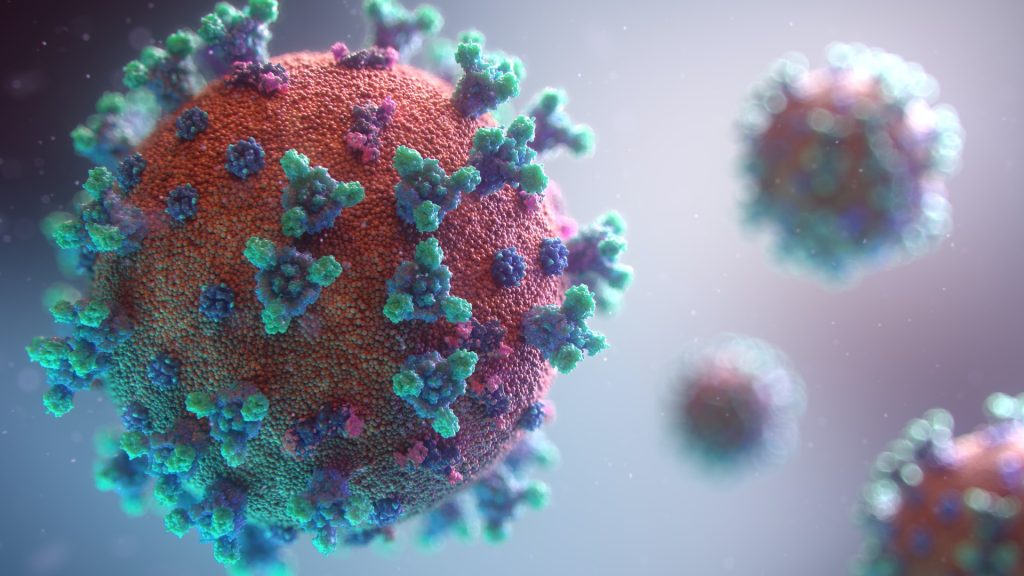
Source: Fusion Medical Animation on Unsplash

New research finds that one cause of organ damage in COVID patients is abnormal crosstalk between blood platelets and cells lining blood vessels.

The study published in Science Advances, revealed the protein signals released by platelets cause inflammation, abnormal clotting, and damage to vessels when exposed to SARS-CoV-2.

The work identified two related genes, S1000A8 and S1000A9, which are turned up in the platelets of COVID patients, causing them to make more of myeloid-related proteins (MRP) 8 and 14. Higher levels of the dual proteins were linked in the study to higher levels of clotting and inflammation in vessels and worse outcomes.

In support of the theory that platelets are at the core of blood vessel damage in COVID, the research team also presented evidence that approved medications known to block platelet activation via the platelet surface protein P2Y12 (clopidogrel or ticagrelor) reduced COVID-related inflammation in vessels. The study also found that COVID-exposed platelets change cells lining blood vessels (endothelial cells) largely through a protein called p-selectin, which makes platelets stickier and more likely to form clots.

“Our findings reveal a new role for platelets in COVID blood vessel damage, and may explain in large part what makes the COVID virus so much more deadly than its relatives that cause the common cold,” said corresponding author Tessa Barrett, PhD,.

Abnormal, body-wide inflammation and blood clotting were identified early in the pandemic as central features of severe COVID-19, with the two thought to be interrelated, say the study authors. As blood components that react to injuries in vessels by triggering inflammation, and by becoming sticky to clump together in clots, platelets are a possible culprit. Increasing evidence shows that interplay between platelets and endothelial cells may be important to these disease mechanisms.

For the current study, endothelial cells from small blood vessels were exposed to fluid released from the platelets of either COVID patients or healthy controls. RNA was then sequenced, In the presence of COVID-activated platelets, changes were observed in the activity of the exposed endothelial cells. Genes expressed differently in COVID-19 were linked to clotting, inflammation, and the weakening of junctions between endothelial cells, which lets blood serum seep into tissue to cause the pulmonary oedema seen in severe cases, where patients’ lungs fill with fluid.

The large list was narrowed down to S100A8 and S100A9, which coded for the building of MRP 8 and 14. COVID in patients was found to increase the amount of MRP8/14 produced by platelets and other cells by 166 percent compared to controls. Higher levels of these proteins were linked to abnormal thrombosis, inflammation, and critical illness among hospitalised COVID patients. Curiously S100A8/A9 were not upregulated after exposure of platelets to a coronavirus relative, CoV-OC43, which causes the common cold.

Additionally, damage and abnormal clotting could arise from p-selectin, which promotes platelet clumping and immune-boosting signals. The researchers also found that the anti-clotting P2Y12 inhibitors reduced the expression of S100A8 and S100A9 in platelets by 18 percent over four weeks, and in lab tests prevented COVID platelets from inducing blood vessel damage.

“The current study supports the theory that platelets are activating endothelial cells through P-selectin, and that both p-selectin and MRP8/14 contribute to vessel damage and an increased risk of dying,” said senior study author Jeffrey S. Berger, MD. “As our team also leads ACTIV4a, a large, ongoing NIH-funded, anti-clotting trial in COVID, we are currently testing in patients whether P2Y12 inhibitors can better prevent severe disease, with the results to be presented at the American Heart Association annual meeting in November.”

Source: NYU Langone Health

Healthy Diets Reduce COVID Risk

Photo by Ella Olsson on Pexels

A study based on self-reported app data showed that people who eat a high quality, gut friendly diet are less likely to develop COVID-19 or become severely ill. Those eating poorer quality diets are more at risk, especially if they live in a more socioeconomically deprived area.

The study, presented in GUT, analysed data from almost 600 000 ZOE COVID Study app contributors. Participants completed a survey about the food they ate before the pandemic, in February 2020, making it the largest study in this space. 19% of these contributors contracted COVID-19.

People with the highest quality diet were around 10% less likely to develop COVID than those with the lowest quality diet, and 40% less likely to fall severely ill.

This is the first longitudinal study of diet and COVID and the first to show that a healthy diet cuts the chances of developing the disease in the first place.

Instead of looking at specific foods, the survey aimed to broadly capture people’s diets. A ‘diet quality score’ reflected the overall merit of each person’s diet. Diets with high quality scores were found to contain plant-based foods such as fruits, vegetables and whole grains, as well as oily fish, less processed foods and refined carbohydrates. A low diet quality score is associated with diets high in ultra processed foods and low amounts of plant based foods.

The researchers found that people who ate the highest quality diet were around 10% less likely to develop COVID-19 than those with the least nutritious diet and 40% less likely to become severely ill if they developed COVID.

The link between diet quality and COVID risk persisted after accounting for all potential confounding factors such as age and BMI. Mask-wearing habits and population density were also considered.

The effect of diet was amplified by individual life situations, with people living in low-income neighbourhoods with the lowest quality diet being around 25% more at risk from COVID than people in more affluent communities eating the same kind of diet.

Based on these results, the researchers estimate that nearly a quarter of COVID cases could have been prevented if these differences in diet quality and socioeconomic status had not existed. The study also showed that improved access to better food is an important public health consideration.

Dr Sarah Berry, study co-lead and Reader in nutritional sciences at the School of Life Course Sciences said: “For the first time we’ve been able to show that a healthier diet can cut the chances of developing COVID, especially for people living in the more deprived areas. Access to healthier food is important to everyone in society, but our findings tell us that helping those living in more deprived areas to eat more healthily could have the biggest public health benefits.”

Professor Tim Spector, professor of genetic epidemiology at the School of Life Course Sciences, said: “These findings chime with recent results from our landmark PREDICT study, showing that people who eat higher quality diets (with low levels of ultra-processed foods) have a healthier collection of microbes in their guts, which is linked to better health. You don’t have to go vegan, but getting more diverse plants on your plate is a great way to boost the health of your gut microbiome, improve your immunity and overall health, and potentially reduce your risk from COVID.”

Source: Kings College London

Almost ‘Superhuman’ Immune Response Found in Certain People

Photo by Klaus Nielsen from Pexels

A series of studies in recent months has found that, thanks to the mRNA vaccine and previous infection, some people mount an extraordinarily powerful immune response against SARS-CoV-2 which some scientists have referred to as ‘superhuman’.

Called ‘hybrid immunity’, their bodies produce very high levels of antibodies, with great flexibility: likely capable of fighting off the SARS-CoV-2 variants currently circulating but also likely effective against future variants.

“Overall, hybrid immunity to SARS-CoV-2 appears to be impressively potent,” Crotty wrote in commentary in Science published in June.

“One could reasonably predict that these people will be quite well protected against most  and perhaps all of — the SARS-CoV-2 variants that we are likely to see in the foreseeable future,” says Paul Bieniasz, a virologist at Rockefeller University who helped lead several of the studies.

Bieniasz and his colleagues found antibodies in these individuals capable of strongly neutralising the six variants of concern tested, including Delta and Beta, as well as several other viruses related to SARS-CoV-2, including SARS-CoV-1.

“This is being a bit more speculative, but I would also suspect that they would have some degree of protection against the SARS-like viruses that have yet to infect humans,” Bieniasz said.

People who have had a ‘hybrid’ exposure to the virus, were infected with it in 2020 and then immunised with mRNA vaccines this year. “Those people have amazing responses to the vaccine,” said virologist Theodora Hatziioannou at Rockefeller University, who also helped lead several of the studies. “I think they are in the best position to fight the virus. The antibodies in these people’s blood can even neutralize SARS-CoV-1, the first coronavirus, which emerged 20 years ago. That virus is very, very different from SARS-CoV-2.”

These antibodies were so effective they were even able to deactivate a virus purposefully engineered to be highly resistant to neutralisation, containing 20 mutations that are known to prevent SARS-CoV-2 antibodies from binding to it. Antibodies from those who were only vaccinated or who only had prior coronavirus infections were ineffecgtive against this engineered virus..

This shows how powerful the mRNA vaccine can be in those infected with SARS-CoV-2, she said. “There’s a lot of research now focused on finding a pan-coronavirus vaccine that would protect against all future variants. Our findings tell you that we already have it.

The catch is getting COVID. “After natural infections, the antibodies seem to evolve and become not only more potent but also broader. They become more resistant to mutations within the [virus].”

Hatziioannou and colleagues don’t know if this applies to all those mRNA-vaccinated and previously COVID-infected. “We’ve only studied the phenomena with a few patients because it’s extremely laborious and difficult research to do,” she said.
“With every single one of the patients we studied, we saw the same thing.” The study reports data on 14 patients.

Several other studies lend credence to her hypothesis and reinforce the idea that exposure to both a coronavirus and an mRNA vaccine triggers an exceptionally powerful immune response. In one study in NEJM, scientists analysed antibodies generated by people who had been infected with SARS-CoV-1 back in 2002 or 2003 and who then received an mRNA vaccine this year.

Remarkably, these people also produced high levels of antibodies that could neutralise a whole range of variants and SARS-like viruses. Many questions remain, such as the effect of a third booster shot, or being infected again.

“I’m pretty certain that a third shot will help a person’s antibodies evolve even further, and perhaps they will acquire some breadth [or flexibility], but whether they will ever manage to get the breadth that you see following natural infection, that’s unclear.”

Immunologist John Wherry, at the University of Pennsylvania, is a bit more hopeful. “In our research, we already see some of this antibody evolution happening in people who are just vaccinated,” he said, “although it probably happens faster in people who have been infected.”

In a recent study, Wherry and colleagues showed that, over time, uninfected people with only two doses of the vaccine begin to produce more flexible antibodies, so a third dose would give even more of an evolutionary boost to the antibodies, Wherry said. So a person will be better equipped to fight off whatever variant the virus puts out there next.

“Based on all these findings, it looks like the immune system is eventually going to have the edge over this virus,” said Bieniasz, of Rockefeller University. “And if we’re lucky, SARS-CoV-2 will eventually fall into that category of viruses that gives us only a mild cold.”

Source: NPR

C.1.2 Variant Slows in SA; Colombian Variant Named Mu

Computer image of SARS-CoV-2. From CDC at Pexels
Source: CDC on Pexels

The Network for Genomic Surveillance in South Africa (NGS-SA) has reported that the C.1.2 variant is spreading less slowly than in July, from 2.2% of all sequenced COVID cases to 1.5% in August, and is therefore unlikely to become a dominant variant.

Meanwhile, B.1.621,  another variant that first emerged in Colombia in January has been recently classified by the World Health Organization (WHO) as a variant of interest (VOI), receiving the Greek letter “Mu”. Since its first detection, it has spread across North America, South America and Europe, and has also been detected in Asia. The majority of the Mu sequences (5123) have been detected in North America (55%, n=2841) followed by South America (23%, n=1328), Europe (18%, n=948) and Asia (0.1%, n=6). As of 3 September 2021, Mu has not been detected in Africa. Thus far, it makes up less than 1% of the globally circulating viruses with Delta accounting for 88%.

NGS-SA, which includes the National Institute for Communicable Diseases (NICD), continuously and rigorously monitors SARS-CoV-2 sequences circulating in South Africa. This work is crucial in the early detection of SARS-CoV-2 variants, including Mu.

Many of the mutations within the spike protein which define the Mu variant (T95I, E484K, N501Y, D614G, P681H and D950) have been seen before in other VOIs or variants of concern (VOCs) including Beta and Delta. Some of these mutations have previously been associated with decreased antibody responses and increased transmissibility. Therefore it is likely that Mu will have similar properties to other variants with increased transmissibility and reduced sensitivity to antibodies in vaccines and those who have recovered from COVID.

The NICD advises that both COVID vaccines being used in South Africa have high levels of protection against severe disease requiring hospitalisation and death even against VOI/VOCs such as Beta and Delta and therefore will likely also protect against Mu. 

Source: NICD

Metabolic Changes in Plasma, Immune Cells Linked to COVID Severity

Source: Fusion Medical Animation on Unsplash

Analysing plasma from patients infected with SARS-CoV-2, researchers have uncovered underlying metabolic changes that regulate how immune cells react to COVID, these are associated with disease severity and could be used to predict patient survival. The findings were published in the journal Nature Biotechnology.

“We know that there are a range of immune responses to COVID, and the biological processes underlying those responses are not well understood,” said co-first author Jihoon Lee, a graduate student at Fred Hutchinson Cancer Research Center. “We analyzed thousands of biological markers linked to metabolic pathways that underlie the immune system and found some clues as to what immune-metabolic changes may be pivotal in severe disease. Our hope is that these observations of immune function will help others piece together the body’s response to COVID. The deeper understanding gained here may eventually lead to better therapies that can more precisely target the most problematic immune or metabolic changes.”

The researchers performed two draws on each of nearly 200 patients during the first week after being diagnosed with SARS-CoV-2 infection, and analysed their plasma and single immune cells. The analysis included 1387 genes involved in metabolic pathways and 1050 plasma metabolites.

Increased COVID severity was found to be associated with metabolite alterations, which suggests increased immune-related activity. In addition, each major immune cell type was found to have a distinct metabolic signature.

“We have found metabolic reprogramming that is highly specific to individual immune cell classes (eg “killer” CD8+ T cells, “helper” CD4+ T cells, antibody-secreting B cells, etc.) and even cell subtypes, and the complex metabolic reprogramming of the immune system is associated with the plasma global metabolome and are predictive of disease severity and even patient death,” said co-first and co-corresponding author Dr. Yapeng Su, a research scientist at Institute for Systems Biology. “Such deep and clinically relevant insights on sophisticated metabolic reprogramming within our heterogeneous immune systems are otherwise impossible to gain without advanced single-cell multi-omic analysis.”

“This work provides significant insights for developing more effective treatments against COVID. It also represents a major technological hurdle,” said Dr. Jim Heath, president and professor of ISB and co-corresponding author on the paper. “Many of the data sets that are collected from these patients tend to measure very different aspects of the disease, and are analysed in isolation. Of course, one would like these different views to contribute to an overall picture of the patient. The approach described here allows for the sum of the different data sets to be much greater than the parts, and provides for a much richer interpretation of the disease.”

Source: Max Planck Institute

Ridhwaan Suliman on Twitter: Graphs, Insight and Empathy

Photo by Tracy le Blanc from Pexels

The Daily Maverick interviewed Dr Ridhwaan Suliman, a senior researcher at CSIR who has entered the spotlight by posting his concise, easy-to-understand COVID numbers graphs on Twitter.

Trained as a mechanical engineer and with a PhD in applied mathematics, he develops computational tools to model and simulate physical systems and processes. Equations in real-world contexts and how they govern physical systems are the relationships he translates into code. And from the code and modelling he can find solutions to make things work more optimally.

As a boy, he took apart his brothers’ old toys to see how they worked, and he took the same approach with COVID data to make sense of it. He started tracking the data in early 2020, and wanted to contribute in some way amidst all the growing uncertainty.

“When I started seeing the raw numbers that were being fed to us daily I couldn’t quite make sense of it myself because the raw numbers in isolation don’t show what’s happening, actually.”

As he tweeted his analyses, he drew attention for his concise summaries of the situation, and praise for helping people to understand the trends. However, he stresses that this is all unpaid, with nobody else’s agenda and that he is not a medical expert.

https://twitter.com/rid1tweets/status/1434570126091821062
This week’s update from Dr Ridhwaan

“I’m just comfortable with the numbers.” He gratefully turns to the science experts he engages with on Twitter because “there’s so much more to learn”, he says. That, and a lot of background reading, which he readily dives into.

Dr Suliman’s tracking of the data let him identify gaps and to add to the call for open data, better data collection and smarter analysis. This allows for the factoring in of more variables and laying out of better parameters. “Sure, data can be manipulated to fit a certain narrative, but the benefits outweigh the risks,” he says.

Even in the polarising, easily toxic world of Twitter, Dr Suliman’s interactions show a great empathy.

“We’ve all had numerous moments in this pandemic when things have been depressing and that’s probably something that doesn’t come out on Twitter because you’re generally only sharing things when things are hunky-dory, you don’t share when you’re not okay. There have been many times when I’ve just wanted to stop tweeting, but I get drawn back by people who reach out and say ‘you’re helping me’ – and that’s good enough reason to continue.”

Since he first started on Twitter, he has since appeared numerous times on television to explain the data behind COVID numbers.

Despite his newfound fame however, he looks forward to the time when he can travel again.  “I’ll trade the followers any day for our lives to go back to some sense of normality,” he says.

Source: Daily Maverick

Europe to Return Millions of Locally-filled J&J Vaccines

The European Union has agreed to return millions of COVID vaccines doses partially produced in South Africa back to the African continent.

South Africa’s Aspen Pharmacare operates the plant that is partially producing Johnson & Johnson vaccines, where vaccine substance from Europe is sent to be bottled and shipped.

The plant is supposed to produce 400 million doses for the AU’s African Vaccine Acquisition Trust through 2022, to be purchased by African nations using World Bank financing. Shipments started in August, with 6.4 million doses delivered to countries, but they have been limited due to the manufacturing plant’s production capacity.

The announcement came as Africa struggles to immunise its population against COVID, partly due to a lack of supply resulting from wealthier countries buying up most vaccines, and also from widespread vaccine hesitancy. 

“All the vaccines produced at Aspen will stay in Africa and be distributed to Africa,” said Strive Masiyiwa, special African Union envoy. “This issue has been corrected and corrected in a very positive way.”

The announcement came after a meeting in Berlin between South African President Cyril Ramaphosa and European Commission President Ursula Von der Leyen, he said, adding that the first supplies were expected this month.

“In addition, the Europeans committed to give us 200 million doses before the end of December,” Masiyiwa said at the briefing by the Africa Centres for Disease Control and Prevention.

About 2.93% of people who have been fully immunised against COVID, said Africa CDC director John Nkengasong. The World Health Organization meanwhile warned that eight out of 10 African countries were likely to fall short of the “crucial” goal of vaccinating the most vulnerable 10% of their populations against COVID by the end of the month.

Source: Eyewitness News

New Antiviral Drug for COVID to Be Trialled in SA

Source: CDC

Codivir, a new antiviral drug with promising effects against COVID, will be trialled in South Africa.

Following on from the phase I study’s successful completion, Code Pharma, a Dutch pharmaceutical company developing Codiviir, is starting phase II double-blind controlled study in Spain, Brazil, South Africa and Israel.

Codivir is a short synthetic 16 amino-acid peptide, originally derived from HIV peptides. Code Pharma discovered the peptide’s direct antiviral effect against SARS-CoV-2 after in vitro studies at the British virology research laboratory, Virology Research Services in London.

Codivir was tested in a phase I trial in São Paulo, Brazil, where researchers found that Codivir had a high safety profile while significantly suppressing viral replication in most of the fully assessed patients. All treated patients recovered quickly and no side effects often associated with COVID infections were seen. The results also indicated that Codivir might have a similar beneficial effect on other RNA viruses such as influenza.

Lead researchers from the Department of Medicine at Hadassah Medical Center, Dr Yotam Kolben and Dr Asa Kesler said the antiviral drug had potential for improving the current therapies for COVID.

“The pre-clinical data and the results of the clinical trial support the safety of Codivir administration in humans and suggest its significant anti-COVID effect,” the researchers said.

Professor Shlomo Maayan, director of the Infectious Disease division at the Barzilai Medical Center, said Codivir had a very good safety profile and an impressive antiviral effect, both in the lab and in the phase I clinical trials.

“We eagerly await the results of the double-blind studies using Codivir. It may be a breakthrough in the field of antiviral therapy for COVID patients,” said Prof Maayan.

Source: Biospace

MMR and Tdap Vaccines May Confer Some COVID Protection

Source: Pixabay CC0

Mounting evidence shows that the Measles-Mumps-Rubella (MMR) and Tetanus-Diphtheria-Pertussis (Tdap) vaccines confer limited protection against COVID.

The MMR vaccine, given during early childhood, and Tdap vaccine, given every 10 years, elicit protective responses against the diseases they are designed for. It’s possible that they also elicit cross-reactive memory T cells that can respond to antigens that are present in other pathogens — including the viral antigens in SARS-CoV-2. The idea is that pre-existing memory T cells generated by prior MMR or Tdap vaccination and activated by SARS-CoV-2 infection give the immune system a head start in responding to SARS-CoV-2, lowering the risk of severe COVID.

To find out if the MMR and Tdap vaccines provide additional protection against COVID, researchers at Brigham and Women’s Hospital performed laboratory-based analyses with new techniques to detect and characterise T cell responses to antigens. They applied these techniques to measure T cell responses isolated from the blood of COVID convalescent patients and patients vaccinated against COVID to antigens from SARS-CoV-2 and the MMR and Tdap vaccines. They also leveraged a large, well-annotated cohort of COVID patients and found that prior MMR or Tdap vaccination was associated with decreased disease severity. Their results are published in Med.

“Our Cleveland Clinic colleagues observed an association where individuals with COVID who had either MMR or Tdap vaccines had a much lower frequency of going to the intensive care unit or dying,” said co-author Andrew Lichtman, MD, PhD, an immunologist and senior investigator in the Brigham’s Department of Pathology and professor of Pathology at Harvard Medical School. “Although previous smaller studies suggested a similar link, our in-depth epidemiological analyses, together with our basic research results, suggest that these commonly given vaccines may protect against severe disease.”

“During the COVID pandemic, we know that there was a marked decline in routine vaccinations for children and adolescents,” said corresponding author Tanya Mayadas, PhD, a senior scientist in the Brigham’s Department of Pathology and professor of Pathology at Harvard Medical School. “Our findings emphasise the importance of routine vaccination for children and adults. We know vaccines protect against devastating diseases, and we’re now seeing growing evidence that some of them provide a degree of protection against severe COVID disease.”

An unexpected observation jumpstarted the investigation. Prof Mayadas, her postdoctoral fellow Vijaya Mysore, PhD, and colleagues noted in lab experiments with COVID convalescent blood that whenever they observed a heightened T cell response to SARS-CoV-2 proteins, they also saw a heightened response to proteins from MMR and Tdap, which were controls. This was seen in both COVID convalescent and uninfected individuals vaccinated against SARS-CoV-2.

In a subsequent analysis, Prof Mayadas and colleagues teamed up with researchers at Cleveland Clinic to examine the epidemiological evidence. The Cleveland Clinic team performed a retrospective cohort study using data from more than 75 000 patients seen at the Cleveland Clinic Health System in Ohio or Florida who had tested positive for COVID between March 8, 2020, and March 31, 2021. A statistical analysis found that patients who had previously been vaccinated for MMR had a 38 percent decrease in hospitalisation and a 32 percent decrease in ICU admission/death. Patients previously vaccinated for Tdap had 23 percent and 20 percent decreased rates, for these outcomes, respectively.

“Beyond learning about the potential benefits of the MMR and Tdap vaccines in the context of COVID, this study provides a blueprint for accelerating research,” said co-author Lara Jehi, MD, MHCDS, Chief Research Information Officer of the Cleveland Clinic Health System. “Biomedical hypotheses generated in the laboratory can be explored through robust clinical and epidemiological research in well-curated, real-world data such as the Cleveland Clinic COVID Registry. Knowledge learned through this collaboration is much more than the sum of our individual parts.”

The authors note that epidemiological observations strengthen their lab findings, more work is needed to find a causal association between the MMR and Tdap vaccinations and severity of COVID disease.

“With regards to COVID vaccines, our findings predict that although MMR and Tdap are not a substitute for COVID vaccines they may afford greater and more durable protection, possibly against emerging spike variants than the COVID vaccine alone,” said Prof Mayadas. “And in areas where the COVID vaccines are not available, they could protect infected individuals from developing severe disease.”

Source: Brigham and Women’s Hospital

August Poll Results; 18-34s Upbeat on Vaccines

Photo by Mufid Majnun on Unsplash

To date, nearly 12 600 000 vaccinations have been administered in South Africa, with 23.66% of the adult population now fully vaccinated. Quicknews’ August poll revealed that 44% of site visitors felt that the government’s COVID vaccine rollout was “Acceptable”, while 51% felt it was either “Poor” or “Very Poor”. Only 5% rated it “Good” or “Very Good”.

The Department of Health’s COVID-19 and Vaccine Social Listening Report finds that the demand for vaccination had increased, with around 250 000 daily jabs, fuelled by a surge by the recent eligibility of the 18 – 34 age group. The report highlights include:

  • Social media conversations are more positive about the vaccine rollout with improved services, such as free transport and pop-up vaccination sites. Barriers to vaccination seem now to be more of an issue than vaccine hesitancy. It is noticeable that most anti-vax videos originated from other countries (especially the US), while most pro-vax are local (eg celebrating being vaccinated).
  • While vaccination is met with eagerness and discussion among the 18 – 34 age group, they also still appear to be the most vaccine-resistant age group, believing themselves to be healthy and not needing a vaccine. Discussion over whether vaccines should be mandatory is ongoing, eg to go to concerts, with some disinformation suggesting that it is already happening, and a sign of control by the state.
  • There has been increasing media coverage supportive to vaccines. The Department of Health’s vaccine demand acceleration plan has been met positively, as well as favourable coverage of the FDA’s full approval of the Pfizer vaccine. 
  • However, there are some negative views of the government’s vaccine prioritisation, and is seen as neglecting basic services such as sanitation and public transport. 
  • A WhatsApp survey run by Praekelt.org suggests that 90% of 4,000 people who had been vaccinated are willing to encourage others to do so. People reportedly have more rational concerns about vaccines (efficacy, side effects, developed so quickly, reports of deaths) and not the wilder conspiracy theories (eg tracking devices, depopulation).
  • Disinformation and problematic statements such as those from Rev Kenneth Meshoe vaccine-resistant statements and support for anti-vaxxers Dr Susan Vosloo and Prof Tim Noakes have undermined vaccine trust.
  • There is some debate over preferences over currently available vaccines or those that may be available later, eg Astra Zeneca, Sinovac. Confusion on reports that J&J second dose might be required and other booster shots.
  • The report notes some anti-vaccination sentiment in the Muslim community, with messages circulated that vaccines are haram (forbidden by Sharia law), though most Muslim authorities produce responsible evidence-based views.

Source: SA Coronavirus Portal