Category: Cardiovascular Disease

Lung Fibrosis Drug Pirfenidone Shines in Heart Failure Trial

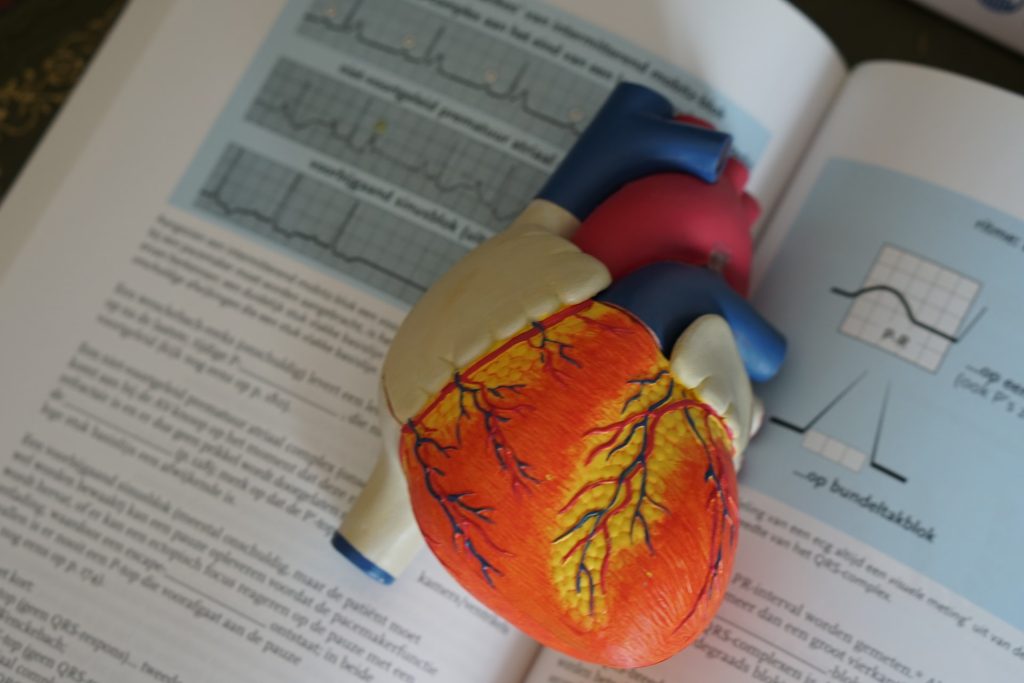
Source: Mat Napo on Unsplash

Pirfenidone, a drug to treat lung fibrosis, has shown in early trial phases that it could also help patients who suffer from a common form of heart failure.

Trialed by University of Manchester and Manchester University NHS Foundation Trust doctors and scientists, in conjunction with Liverpool Clinical Trials Centre, pirfenidone could offer a much-needed viable treatment for heart failure with preserved ejection fraction (HFpEF). The study was published in Nature Medicine.

Just under a third of 55-year-olds will develop heart failure, and 2 to 3 of every 10 people diagnosed die within a year. In about half of patients with heart failure, the forward pumping function of the heart is normal, referred to as heart failure with preserved ejection fraction (HFpEF).

While a number of processes lead to heart failure, fibrosis of the heart muscle is thought to be an important mechanism in around half to two-thirds of patients with HFpEF and is associated with adverse outcomes.

Study leader Dr Chris Miller, National Institute for Health Research Clinician Scientist at The University of Manchester, said: “Heart failure is as devastating an illness as some of the most common cancers, however its profile is much lower and treatment options for HFpEF are very limited.

“Using cardiac MRI, we were able to select patients in whom heart scarring is important. Pirfenidone then reduced that scarring.”

Pirfenidone inhibits the biological processes involved in scar formation.

The study enrolled 94 patients with heart failure, normal forward pumping function of the heart and evidence of fluid retention, randomising half to a pirfenidone treatment group and half to placebo.

Eligible patients had cardiac MRI scanning, and those who had evidence of heart scarring, as indicated by a measurement called ‘extracellular volume’. 

A second cardiac MRI was conducted a year later to measure change in heart scarring, and researchers found that extracellular volume fell by 1.21% on average in patients who took pirfenidone compared with those receiving placebo.

“Based on data from previous studies, this amount of reduction in heart scarring could translate into a substantial reduction in rates of death and admission to hospital for heart failure, however larger trials are needed to determine this,” said Dr Miller.

Additionally, fluid retention also improved in patients taking pirfenidone compared to those receiving placebo, measured using a blood test called NT-proBNP.

Dr Miller added: “Though further investigation is required, the associated improvement in fluid retention provides support for heart scarring having a causal role in heart failure and being an effective treatment target”.

The most common side effects were nausea, insomnia and rash, which are similar to that which lung patients can experience taking the drug. The results are “exciting”, Dr Miller said, but added that further trials are needed.

Source: University of Manchester

New Guidelines for Venous Thromboembolism Released

Source: Marcelo Leal on Unsplash

The American College of Chest Physicians (CHEST) have released new clinical guidelines for venous thromboembolism (VTE) management, which provide 29 recommendations on 17 Patients, Interventions, Comparators, Outcomes (PICO) questions, four of which have not been addressed previously.

The last full edition of the guideline, “Antithrombotic Therapy and Prevention of Thrombosis 9th ed: American College of Chest Physicians Evidence-Based Clinical Practice Guidelines,” was published in 2012, with an update in 2016. This guideline is the first addressing this topic, which will have regular updates as new evidence emerges according to the Living Guidelines Model of the American College of Chest Physicians.

Within the updated recommendations, the panel generated 29 guidance statements, 13 of which are graded as strong recommendations. These include:

  • In patients with acute isolated distal deep vein thrombosis (DVT) of the leg who are managed with anticoagulation, we recommend using the same anticoagulant regimen as for patients with acute proximal DVT.
  • In patients with cerebral venous sinus thrombosis, we recommend anticoagulation therapy for at least the treatment phase (first 3 months) over no anticoagulant therapy.
  • In patients with acute DVT of the leg, we recommend against the use of an inferior vena cava (IVC) filter in addition to anticoagulants.
  • In patients with thrombosis and antiphospholipid syndrome being treated with anticoagulant therapy, we suggest adjusted-dose vitamin K antagonists over direct oral anticoagulant therapy.

“These guidelines help to clarify for providers the intricacies of managing patients with VTE,” said expert panel member, Scott C Woller, MD, FCCP. “Serving as a comprehensive reference for any stage, the recommendations cover aspects from initial management through secondary prevention and risk reduction of post-thrombotic syndrome.”

The order in which PICOs and guidance statements are presented in the manuscript is intended to follow the chronology of VTE management:

  • Whether to treat
  • Interventional and adjunctive treatments
  • Initiation phase
  • Treatment phase
  • Extended phase
  • Complications of VTE

The guidance statements are mainly intended for clinicians who manage patients with VTE but could also inform researchers selecting topics for future studies. Patients and policy makers may also be informed by the guideline content.

Source: EurekAlert!

ACE Inhibitors Reduce Immune Defence against Bacteria

Neutrophil interacting with two pink-colored, rod shaped, multidrug-resistant (MDR), Klebsiella pneumoniae
Neutrophil interacting with two pink-colored, rod shaped, multidrug-resistant (MDR), Klebsiella pneumoniae. Photo by CDC on Unsplash

Scientists have found evidence suggesting that giving patients ACE inhibitors reduces the ability of their immune system to resist bacterial infections.  the group describes testing of multiple ACE inhibitors in mice and human cells.

ACE inhibitors are typically given to patients with hypertension, and some instances to people with heart failure, kidney disease or diabetes. The drugs relaxes the walls of arteries, veins and capillaries, reducing blood pressure. Some prior studies had shown that the drugs also help the immune system by boosting neutrophils, which are produced to fight bacteria. In this new study, published in the journal Science Translational Medicine, the researchers have found the opposite to be true.

In order to see the effects of ACE inhibitors on the immune system, researchers at Cedars-Sinai Medical Center administered different brands of ACE inhibitor such as Zestril and Altace, to mice and then tested their ability to resist bacterial infections. Compared to untreated mice, those with the ACE inhibitors had greater difficulty in recovering from bacterial infections such as staph.

Seven human patients who were taking an ACE inhibitor volunteered blood samples to measure their immune response. The researchers found that the neutrophils were unable to produce the molecules needed to fight off bacteria. They were also found to be in vitro ineffective against bacteria.

The researchers also tested another drug used to treat hypertension, an angiotensin II receptor drug, Cozaar. These drugs work by preventing arterial walls from constricting, which reduces blood pressure. They found no evidence of a negative impact on immunity. They did not test beta-blockers, which work by preventing adrenergic receptors from being stimulated, reducing cardiac action.

The researchers concluded that administering ACE inhibitors to patients puts them at an increased risk of bacterial infections, noting that doctors may want to try alternative drugs to treat their patients.

Source: MedicalXpress

Journal information: Duo-Yao Cao et al, An ACE inhibitor reduces bactericidal activity of human neutrophils in vitro and impairs mouse neutrophil activity in vivo, Science Translational Medicine (2021). DOI: 10.1126/scitranslmed.abj2138

Weight Loss Not Prioritised in Heart Patient Care

Image source: Neonbrand on Unsplash

Weight loss is given insufficient priority in the management of heart patients despite the benefits, according to a new study of over 10 000 European patients.

In overweight and obese patients with coronary heart disease, weight loss is strongly recommended to reduce the risk of another heart event by improving blood pressure and lipids levels and reducing diabetes risk. This study investigated the management of patients who were overweight or obese at the time of hospitalisation for a first or recurrent heart event such as heart attack. The researchers examined lifestyle advice received, actions taken, and the relationship between weight changes and health status.

The researchers pooled data from the EUROASPIRE IV (2012 to 2013) and EUROASPIRE V (2016 to 2017) studies, which included 10 507 patients with coronary heart disease. Patients were visited 6 to 24 months after hospitalisation for their heart event (the average gap was 16 months). The visit consisted of an interview, questionnaires and a clinical examination including weight, height and blood tests.

The study found that less than 20% had a healthy body mass index (BMI) at the time of hospitalisation for a heart event. Some 16 months later, 86% of patients who were obese during hospitalisation were still obese while 14% of overweight patients had become obese. Young women were particularly affected, with nearly half of those under 55 years being obese. Yet more than a third of obese patients reported they had not received advice on physical activity or nutrition and nearly one in five said they had not been informed that they were overweight. Half of all patients reported not receiving such advice.

Weight management proved effective, with overweight or obese patients who lost 5% or more of their body weight having significantly lower levels of hypertension, dyslipidaemia, and previously unrecognised diabetes compared to those who gained 5% or more of their body weight. However, quitting smoking was observed to result in a 1.8kg average weight gain compared to an 0.4kg average weight gain in persistent smokers.

Study author Professor Catriona Jennings of the National University of Ireland – Galway said cardiac rehabilitation programmes, which typically emphasise exercise, should give equal priority to dietary management. She said: “Weight loss is best achieved by adopting healthy eating patterns and increasing levels of physical activity and exercise. Whilst actively trying to lose weight at the same time as trying to quit smoking is not advised, adopting a cardio-protective diet and becoming more physically active has the potential to mitigate the effects of smoking cessation on weight gain in patients trying to quit. Their aim is to maintain their weight and to avoid gaining even more weight following their quit.”

“Uptake and access to cardiac rehabilitation programmes is poor with less than half of patients across Europe reporting that they completed a programme,” added Professor Jennings. “Such programmes would provide a good opportunity to support patients in addressing overweight and obesity, especially for female patients who were found to have the biggest problem with overweight and obesity in the study. Uptake and access could be improved with the use of digital technology, especially for women, who possibly are less likely to attend a programme because they have many other competing priorities, such as caring for others. There are good reasons for people to address their weight after a cardiac event – but it’s not easy and they do need help.”

The study was published in European Heart Journal – Quality of Care and Clinical Outcomes, a journal of the European Society of Cardiology (ESC).

Source: European Society of Cardiology (ESC)

Journal information: Harrison, S.L., et al. (2021) Cardiovascular risk factors, cardiovascular disease, and COVID-19: an umbrella review of systematic reviews. European Heart Journal – Quality of Care and Clinical Outcomes. doi.org/10.1093/ehjqcco/qcab029.

Nine in Ten Hypertension Cases Need More Treatment

Image by Hush Naidoo from Unsplash

A series of studies has shown that in most cases, hypertension is not being adequately treated.

Hypertension is the leading treatable cause of illness and death worldwide. More than a billion people are hypertensive, defined as having diastolic blood pressure (BP) with 140mmHg or higher, or diastolic blood pressure (DBP) 90 mmHg or higher. Fewer than half of people with hypertension are aware of their condition.

This condition increases the risk of several dangerous illnesses, such as myocardial infarction (MI) and stroke, and of dying prematurely. For some patient categories, the most advantageous BP levels in terms of avoiding MI and stroke are uncertain.

In one of the studies in his thesis at Sahlgrenska Academy, University of Gothenburg, specialist doctor Johan-Emil Bager investigated the link between BP levels and the risk of MI or stroke in 5041 older patients.with hypertension but no history of heart attacks or strokes.
Risk for MI or stroke was found to be some 40 percent lower for the patients with systolic blood pressure (SBP) below 130 mmHg, compared with those in the SBP 130–139 range. In the latter group, 5.2 percent of the patients experienced a heart attack or stroke during the follow-up period, compared with 3.4 percent of those in the lower SBP group.

This pattern was repeated in another study, which investigated the risk of haemorrhagic stroke at different levels of BP in 3972 patients with atrial fibrillation (AF). These patients were receiving treatment with blood-thinning drugs, such as Warfarin or Eliquis.

The study showed that patients with SBP ranging from 140 to 179 mmHg had a haemorrhagic stroke risk roughly double that of patients with SBP of 130–139 mmHg. In the patient group with higher SBP, 1.4 percent suffered a hemorrhagic stroke during the follow-up period, compared with 0.7 percent of patients in the group with lower SBP.

A separate study with data on 259 753 patients also demonstrated insufficiency of hypertension treatment. Nine out of ten patients had either insufficient BP control or high blood lipids (cholesterol), or were smokers.

Johan-Emil Bager at the University of Gothenburg, said: “This means that an overwhelming majority of the patients with high blood pressure are exposed to at least one important, modifiable risk factor for cardiovascular disease and premature death.”

He concluded that an unnecessarily high number of people in Sweden suffer MI or stroke, or die prematurely, because of insufficiently treated hypertension.

“Health professionals and patients with hypertension alike need to aim higher when it comes to treating high blood pressure. The vast majority of patients with hypertension could reduce their MI and stroke risk by lowering their BP and blood lipids with more drugs, or through lifestyle changes.”

Source: University of Gothenburg

Heart Failure Diagnoses Being Missed in Primary Care Settings

Image by StockSnap from Pixabay

A considerable number of heart failure diagnoses may be missed in primary care settings, a new Stanford University study suggests, with gender, racial and income disparities.

Black adults, women and individuals with lower net worth are significantly more likely to be diagnosed with heart failure in an acute care setting such as the emergency room or during a hospitalisation, according to a new study. This is true even if they reported symptoms of heart failure in a routine, outpatient health care appointment within the previous six months. The study was published in Circulation: Heart Failure, an American Heart Association journal.

“This national study raises concerns that many heart failure diagnoses may be missed in a primary care setting,” said Rebecca Tisdale, MD, MPA, co-first author and health services research and development fellow at the US Department of Veterans Affairs and Stanford University. “Our results suggest acute care diagnosis rates for heart failure may be reduced if signs and symptoms of heart failure are more closely assessed in a primary care setting, particularly among women and Black adults.”

According to the American Heart Association 2021 Statistical Update, an estimated 6 million Americans ages 20 and older have been diagnosed with heart failure, with mortality rates of over 20% within the first year after diagnosis. Previous studies have found that heart failure is frequently first diagnosed in an acute care setting.

“Patients diagnosed with heart failure in the emergency room or during inpatient hospitalisation often have more advanced heart failure and complications with worse prognoses than individuals diagnosed with heart failure in a primary care setting,” said Alexander Sandhu, MD, MS, lead author of the study, an instructor of medicine in advanced heart failure in the division of cardiovascular medicine and the Stanford Cardiovascular Institute at Stanford University. “Since earlier recognition and treatment may prevent some of the serious complications and costs of heart failure, our analysis focused on evaluating whether heart failure is identified before the patient is in the emergency room or the hospital.”

Drawing on a national database of health care claims from 2003-2019, the investigators evaluated if patients with new incidence of heart failure were diagnosed in an outpatient (primary care) or acute care (emergency room or urgent care) setting. The analysis included nearly one million adults ages 18 or older with a first-time heart failure diagnosis.

A large proportion of new heart failure diagnoses were found to have occurred in the emergency room or during hospitalisation, particularly among women and Black adults, yet many had potential heart failure symptoms in the months before their acute care visits. Delving further, the investigators found that:

  • Among patients with newly diagnosed heart failure, 38% were diagnosed in acute care settings.
  • Of patients diagnosed in the acute care setting, 46% had potential heart failure symptoms during primary care clinic visits in the previous six months, including oedema (15%), cough (12%), shortness of breath (11%), and chest pain (11%).
  • Heart failure diagnosis in an acute care setting was higher for women than men, and also higher for Black adults than white adults.
  • People with a net worth of under $25 000 had 39% higher odds of receiving heart failure diagnoses in an acute care setting compared to people with a net worth of over $500 000.

Disparities in heart failure diagnosis within clinical practices persisted nationally across race, gender and economic status, suggesting potential differences in either quality of care or local resource availability. In addition, acute care heart failure diagnoses increased by 3.2% annually during the 16-year study period.

Timely heart failure diagnosis can lead to earlier care with the slowing of heart failure progression and improved patient outcomes. However, previous research has shown that both women and Black adults are less likely to be referred to a cardiologist or to promptly receive advanced heart failure treatment.

“Further research is needed to better understand the factors influencing these disparities,” Dr Sandhu concluded. “It is important to note that we only analysed patients with health insurance, raising concerns that inequities may be even larger among people who are uninsured, marginally insured or those who have less access to care.”

Source: American Heart Association

Journal information: Sandhu, A.T., et al. (2021) Disparity in the Setting of Incident Heart Failure Diagnosis. Circulation: Heart Failure. doi.org/10.1161/CIRCHEARTFAILURE.121.008538.

ARB Has Slight Edge Over ACE Inhibitors for Hypertension Treatment

Photo by Hush Naidoo on Unsplash

A huge multinational study found that while angiotensin-converting enzyme (ACE) inhibitors are just as effective as angiotensin receptor blockers (ARBs) for hypertension treatment, ARBs have slightly fewer side effects.

The study, led by researchers at Columbia University Vagelos College of Physicians and Surgeons and encompassing millions of electronic health records, is the largest to compare the safety and efficacy of these two types of drugs. The findings were published online in Hypertension.

“Physicians in the United States and Europe overwhelmingly prescribe ACE inhibitors, simply because the drugs have been around longer and tend to be less expensive than ARBs,” said senior study author George Hripcsak, MD, the Vivian Beaumont Allen Professor and chair of biomedical informatics at Columbia University Vagelos College of Physicians and Surgeons.

“But our study shows that ARBs are associated with fewer side effects than ACE inhibitors. The study focused on first-time users of these drugs. If you’re just starting drug therapy for hypertension, you might consider trying an ARB first. If you’re already taking an ACE inhibitor and you’re not having any side effects, there is nothing that we found that would indicate a need for a change.”

“U.S. and European hypertension guidelines list 30 medications from five different drug classes as possible choices, yet there are very few head-to-head studies to help physicians determine which ones are better,” Dr Hripcsak said. “In our research, we are trying to fill in this information gap with real-world observational data.”

ACE inhibitors and ARBs are among the choices, and they have a similar mechanism of action. Both reduce the risk of stroke and heart attacks, though it’s known that ACE inhibitors are associated with increased risk of cough and angioedema.

“We wanted to see if there were any surprises–were both drug classes equally effective, and were ARBs producing any unexpected side effects when used in the real world?” Hripcsak says. “We’re unlikely to see head-to-head clinical trials comparing the two since we are reasonably sure that both are effective.”

To tackle the problem, the researchers analysed insurance claims and electronic health records from approximately 3 million patients in Europe, Korea, and the United States who were starting antihypertensive treatment with either an ACE inhibitor or an ARB.

The researchers employed a variety of cutting-edge mathematical techniques to dramatically reduce the bias and deal with information gaps from electronic health records, balancing the two treatment groups as if they had been enrolled in a prospective study.

The researchers tracked four cardiovascular outcomes–heart attack, heart failure, stroke, and sudden cardiac death–and 51 adverse events in patients after they started antihypertensive treatment.

They found that the vast majority of patients–2.3 million–were prescribed an ACE inhibitor, but found no significant difference between the two drug classes in reducing major cardiovascular complications in people with hypertension. As expected, patients taking ACE inhibitors had a higher risk of cough and angioedema, but the risk of pancreatitis and gastrointestinal bleeding was slightly higher as well.

“Our study largely confirmed that both antihypertensive drug classes are similarly effective, though ARBs may be a little safer than ACE inhibitors,” Hripcsak said. “This provides that extra bit of evidence that may make physicians feel more comfortable about prescribing ARBs versus ACE inhibitors when initiating monotherapy for patients with hypertension. And it shows that large-scale observational studies such as this can offer important insight in choosing among different treatment options in the absence of large randomised clinical trials.”

Source: EurekAlert!

Heart Health Strongly Linked to Pregnancy Outcomes

Photo by Anna Hecker on Unsplash

A strong and graded relationship between women’s heart health and pregnancy outcomes has been demonstrated by a study of more than 18 million pregnancies. 

Significant metabolic and haemodynamic changes occur to a woman’s body during pregnancy, some of which can later increase the risk of cardiovascular disease. Risk factors for cardiovascular disease also impact on pregnancy outcomes. The researchers examined the presence of four cardiovascular disease risk factors in women prior to pregnancy: unhealthy body weight, smoking, hypertension and diabetes. The risk of pregnancy complications – maternal intensive care unit (ICU) admission, preterm birth, low birthweight and foetal death – rose along with the number of pre-pregnancy cardiovascular risk factors.

“Individual cardiovascular risk factors, such as obesity and hypertension, present before pregnancy have been associated with poor outcomes for both mother and baby,” said study author Dr Sadiya Khan, Northwestern University Feinberg School of Medicine, Chicago, US. “Our study now shows a dose-dependent relationship between the number of risk factors and several complications. These data underscore that improving overall heart health before pregnancy needs to be a priority.”

The study, which was published in the European Journal of Preventive Cardiology, was a cross-sectional analysis of maternal and foetal data from the US National Center for Health Statistics (NCHS), which gathers information on all live births and foetal deaths after 20 weeks’ gestation. Individual-level data was pooled from births to women aged 15 to 44 years from 2014 to 2018. 

Information was collected on whether four cardiovascular risk factors were present before pregnancy: body mass index (BMI; under 18.5 kg/m2 or over 24.9 kg/m2), smoking, hypertension and diabetes. Women were categorised as having 0 to 4 risk factors. The researchers estimated the relative risks of maternal ICU admission, preterm birth (before 37 weeks), low birthweight (under 2500 g), and foetal death associated with risk factors compared with no risk factors (0). All analyses were adjusted for maternal age at delivery, race/ethnicity, education, receipt of prenatal care, parity, and birth plurality.

The analysis included a total of 18 646 512 pregnancies, with an average maternal age of 28.6 years. More than 60% of women had one or more pre-pregnancy cardiovascular risk factors, ranging from 52.5% with one risk factor and 0.02% with 4 risk factors.

Those with all four risk factors had an approximately 5.8-fold higher risk for ICU admission than those with none, 3.9-fold higher risk for preterm birth, 2.8-fold higher risk for low birthweight, and 8.7-fold higher risk for foetal death.

Graded associations were found between increasing numbers of pre-pregnancy risk factors and a higher odds of adverse outcomes. The risk ratio for maternal ICU admission compared to no risk factors was 1.12 for one risk factor, 1.86 for two risk factors, 4.24 for three risk factors, and 5.79 for four risk factors.

The analysis was repeated in women with their first pregnancy with consistent results. “We conducted this analysis since women with a complicated first pregnancy are more likely to have complications in subsequent pregnancies,” explained Dr Khan. “In addition, gestational weight gain can lead to a higher BMI going into the next pregnancy. We saw very similar results which strengthens the findings in the full cohort.”

She continued: “Levels of pre-pregnancy obesity and high blood pressure are rising and there are some indications that women are acquiring cardiovascular risk factors at earlier ages than before. In addition, pregnancies are occurring later in life, giving risk factors more time to accumulate. Taken together, this has created a perfect storm of more risk factors, earlier onset, and later pregnancies.”

Dr Khan concluded: “The findings argue for more comprehensive pre-pregnancy cardiovascular assessment rather than focussing on individual risk factors, such as BMI or blood pressure, in isolation. In reality not all pregnancies are planned, but ideally we would evaluate women well in advance of becoming pregnant so there is time to optimise their health. We also need to shift our focus towards prioritising and promoting women’s health as a society – so instead of just identifying hypertension, we prevent blood pressure from becoming elevated.”

Source: European Society of Cardiology (ESC)

Journal information: Wang, M.C., et al. (2021) Association of pre-pregnancy cardiovascular risk factor burden with adverse maternal and offspring outcomes. European Journal of Preventive Cardiology. doi.org/10.1093/eurjpc/zwab121.

A Treatment for Heart Attack from Spider Venom

Photo by Adrián Valverde on Unsplash

A protein found in the venom of one of the world’s deadliest spiders has been shown to preserve heart cells, and could be developed into a potentially life-saving treatment for heart attack victims.

A drug candidate developed from a molecule found in the venom of the Fraser Island (K’gari) funnel web spider can prevent damage caused by a heart attack and extend the life of donor hearts used for organ transplants. This would not be the first investigation into a clinical application for spider venom, however. Tarantula spider venom has also been investigated as a potent anaesthetic.

The discovery was made by a team led by Dr Nathan Palpant and Professor Glenn King from The University of Queensland (UQ) and Professor Peter Macdonald from the Victor Chang Cardiac Research Institute.

Dr Palpant, from UQ’s Institute for Molecular Bioscience (IMB), said the drug candidate worked by stopping a ‘death signal’ sent from the heart in the wake of an attack.

“After a heart attack, blood flow to the heart is reduced, resulting in a lack of oxygen to heart muscle,” Dr Palpant said. “The lack of oxygen causes the cell environment to become acidic, which combine to send a message for heart cells to die.

“Despite decades of research, no one has been able to develop a drug that stops this death signal in heart cells, which is one of the reasons why heart disease continues to be the leading cause of death in the world.”

Using beating human heart cells exposed to heart attack stresses, Dr Palpant tested the drug candidate, a protein called Hi1a, to see if the drug improved the cells’ survival.

“The Hi1a protein from spider venom blocks acid-sensing ion channels in the heart, so the death message is blocked, cell death is reduced, and we see improved heart cell survival.”

At present, there are no drugs in clinical use that prevent the damage caused by heart attacks.

Professor Macdonald of Victor Chang Cardiac Research Institute said that this incredible result had been decades in the making.

“This will not only help the hundreds of thousands of people who have a heart attack every year around the world, it could also increase the number and quality of donor hearts, which will give hope to those waiting on the transplant list,” said Professor MacDonald, who is also a senior cardiologist at St Vincent’s Hospital in Sydney.

“The survival of heart cells is vital in heart transplants — treating hearts with Hi1a and reducing cell death will increase how far the heart can be transported and improve the likelihood of a successful transplant,” added Prof MacDonald. “Usually, if the donor heart has stopped beating for more than 30 minutes before retrieval, the heart can’t be used — even if we can buy an extra 10 minutes, that could make the difference between someone having a heart and someone missing out. For people who are literally on death’s door, this could be life-changing.”

The discovery builds on earlier work by Professor King, who identified a small protein in the venom of the Fraser Island (K’gari) funnel-web spider that was shown to markedly improve recovery from stroke.

“We discovered this small protein, Hi1a, amazingly reduces damage to the brain even when it is given up to eight hours after stroke onset,” Professor King said.

“It made sense to also test Hi1a on heart cells, because like the brain, the heart is one of the most sensitive organs in the body to the loss of blood flow and lack of oxygen.

“For heart attack victims, our vision for the future is that Hi1a could be administered by first responders in the ambulance, which would really change the health outcomes of heart disease.”

“This is particularly important in rural and remote parts of Australia where patients and treating hospitals can be long distances apart — and when every second counts.”

Also, this could help for the transfer of donor hearts for cardiac transplantation — allowing these donor hearts to be transported over longer distances and therefore increasing the network of available donors and recipients.

The protein has been tested in human heart cells, and the team are aiming for human clinical trials for both stroke and heart disease within 2-3 years.

Source: ScienceDaily

Journal information: Meredith A. Redd, et al. Therapeutic Inhibition of Acid Sensing Ion Channel 1a Recovers Heart Function After Ischemia-Reperfusion Injury. Circulation, 2021; DOI: 10.1161/CIRCULATIONAHA.121.054360

Are Lower Haemoglobin Levels Protective?

Credit: Wikimedia CC0

A new study challenges the view that high haemoglobin levels are always desirable for health

A study based on two large human cohorts as well as experimental work supported the idea that lower haemoglobin levels may protect against both obesity and metabolic syndrome. The phenomenon may be related to the body’s adaptive response to low-oxygen conditions, which is exploited by endurance athletes in high-altitude training.

Haemoglobin levels vary from one individual to another, with normal levels in Finnish population ranging from 117 to 155 grams per litre in females and 134 to 167 grams per litre in males.

A recent study showed that individual differences in haemoglobin levels are strongly associated with metabolic health in adulthood. The haemoglobin levels were associated with body mass index, glucose metabolism, blood lipids and blood pressure. Subjects with lower haemoglobin levels were healthier in terms of metabolic measures. The study examined haemoglobin values within the normal range.  

“We found a clear association between hemoglobin levels and key cardiovascular traits, and the associations became more pronounced as the subjects aged,” said principal investigators Professor Juha Auvinen, doctoral student Joona Tapio and postdoctoral researcher Ville Karhunen.  

The effect of lower haemoglobin observed in the study is related to a mild oxygen deficiency in the body and the corresponding hypoxia inducible factors (HIF) response which is activated as a result. The research team of Professor Peppi Karppinen is internationally known for its studies on this phenomenon. The finding reinforces the understanding of the central role that the HIF response has in regulating the body’s energy metabolism.

“Haemoglobin levels are a good measure of the body’s ability to carry oxygen. A mild lack of oxygen activates the HIF response, which makes the body’s energy metabolism less economical and thus may protect against obesity and unfavourable metabolism,” explained study leader Prof Karppinen.

Prof Karppinen’s team has already shown in previous research that activation of the hypoxia response protects mice from obesity, metabolic syndrome, fatty liver and atherosclerosis. This is the first study to show the link between oxygen deficiency and a wide range of metabolic health markers in humans as well.

“Although this study uses multiple methods to establish links between lower body oxygen levels and metabolic health, it is very challenging to establish causality for the observed associations in human data. However, combining evidence from different components of the study, the results support that hypoxia response may also play an important role in peoples’ metabolic health,”explained co-leader of the study Professor Marjo-Riitta Järvelin.

“We also already know that in people living high above sea level, low oxygen levels in the habitat cause long-term activation of the HIF response. These people are slimmer, and they have better sugar tolerance and a lower risk of cardiovascular death,” said Prof Karppinen.

The study was based on a large cohort of people born in Northern Finland in 1966, which followed the health of 12 000 people since birth. The results were also replicated in The Cardiovascular Risk in Young Finns Study cohort material, which covers more than 1800 individuals. 

“Although this study uses multiple methods to establish links between lower body oxygen levels and metabolic health, it is very challenging to establish causality for the observed associations in human data. However, combining evidence from different components of the study, the results support that hypoxia response may also play an important role in peoples’ metabolic health”, explained study co-leader Professor Marjo-Riitta Järvelin.

Professor Peppi Karppinen said, “We also already know that in people living high above sea level, low oxygen levels in the habitat cause long-term activation of the HIF response. These people are slimmer, and they have better sugar tolerance and a lower risk of cardiovascular death.”

A question for future research is how to reduce the body’s oxidation levels if needed. This would be to achieve a permanent low-level activation of the HIF response and thus obesity protection. According to Prof Karppinen, the HIF enzymes that prompt a hypoxic response could potentially be used as targets of obesity and metabolism drugs in humans. Currently they are being used in Asia to treat renal anaemia.

Source: University of Oulu

Journal information: Auvinen, J., et al. (2021) Systematic evaluation of the association between hemoglobin levels and metabolic profile implicates beneficial effects of hypoxia. Science Advancesdoi.org/10.1126/sciadv.abi4822.