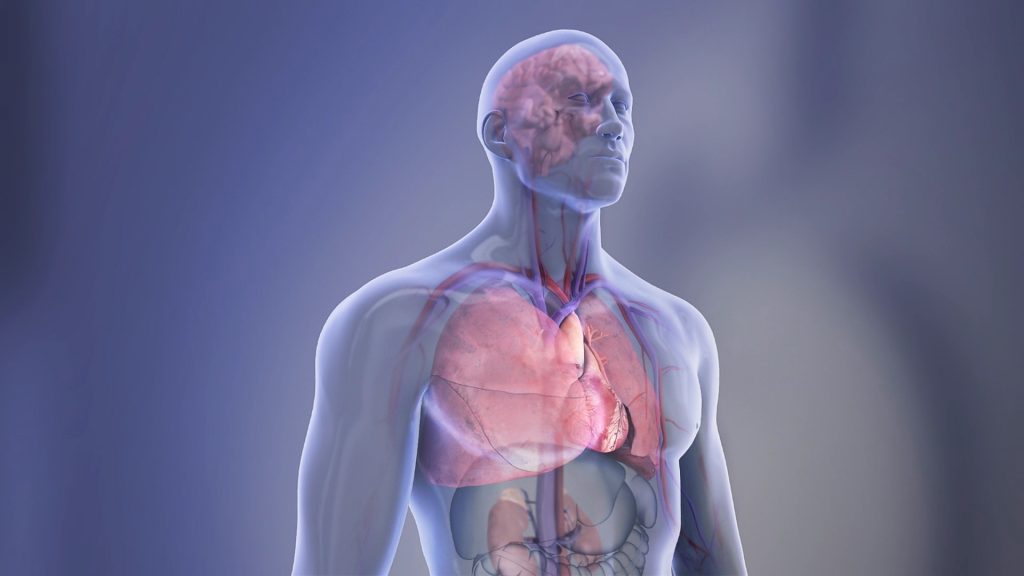
A large scale study of comatose intensive care (ICU) patients admitted after cardiac arrest and resuscitation has shown that antiepileptics to treat epilepsy-like brain activity has no effect, and may even prolong ICU stay.
Following a cardiac arrest and resuscitation, patients may need an ICU stay, and are in a coma. By that stage, the cardiac arrest may have damaged the brain to such an extent that half of the patients will not recover from coma. The other half will also have permanent damage, for example of memory functions. It is extremely difficult to predict if a patient will awaken and what their prognosis is, so clinicians make use of EEG (electroencephalography).
In 10–20% of the patients admitted to the ICU after cardiac arrest and resuscitation, there are signs of brain activity that appear similar to epilepsy: unlike an attack this activity is continuous. For a long time, it was unclear if anti-epileptic medication could help better recovery. As a result, some patients received this medication and some did not.
Now, a large-scale study done between 2014 and 2021 on 172 patients has proven that this medication is ineffective: it does not help recovery, even necessitating a longer ICU stay. The researchers, led by Professor Jeannette Hofmeijer of the University of Twente and Rijnstate Hospital in Arnhem, published their findings in the New England Journal of Medicine.
The conclusion from this study is that anti-epileptic medication does not lead to an improved recovery. The findings show that patients may need to stay longer at the ICU: for the patient an undesired situation, and it puts extra pressure on the health care system.
Aside from patients who show continuous epileptic signals, a small group of patients show signs of a typical epileptic seizure: a short and heavy attack. In these situations, anti-epileptics could help, but this still needs further research.
“Although the outcome of the trial may be disappointing in terms of chances of recovery, it also takes away uncertainties from the family. The signals point at serious brain damage that would lead to a much longer stay at the ICU,” said Prof Hofmeijer.
Having both a high lipoprotein(a) and high coronary artery calcium score (CAC) results in a 22% risk of heart attack or stroke over the following 10 years, nearly double the risk of having either condition alone. These are the findings are from a study published in the Journal of the American College of Cardiology (JACC).
Two decades ago, it was recognised that lipoprotein(a) (Lp(a)) concentrations were elevated in patients with cardiovascular disease (CVD). However Lp(a) was not yet proven to be important due to a lack of both Lp(a)-lowering therapy and evidence that reducing Lp(a) levels improves CVD risk. Recent research has added to the evidence
“We are hopeful that by making the connection between Lp(a) and CAC as dual risk drivers, we can raise awareness in the medical community and improve earlier heart attack prevention for these patients,” said cardiologist Parag Joshi, MD, Associate Professor of Internal Medicine at UT Southwestern. “Our data may also expedite the development of treatments designed specifically for this high-risk population.”
About one sixth of people in the U.S. have high Lp(a), driven largely by genetics. Coronary artery calcium (CAC) is a marker of plaque deposits around the heart.
Cardiology researchers confirmed the Lp(a) and CAC connection by comparing data from two landmark cardiovascular trials, the Dallas Heart Study, an ongoing comprehensive study of 6000 diverse and heart-healthy patients conducted from 2000 to present, and the Multi-Ethnic Study of Atherosclerosis (MESA) 6000-participant study investigating early-stage atherosclerosis.
The researchers found that participants with combined high Lp(a) and high CAC had a 22% 10-year risk of heart attack or stroke, compared with a 10-15% 10-year risk in patients who had either risk factor alone.
The team identified three distinct risk-related trends:
High Lp(a), high CAC: These individuals face the highest 10-year risk of heart attack or stroke.
High Lp(a), zero CAC: 10-year heart attack and stroke risk is low when there is no CAC, even if Lp(a) is high.
Low Lp(a), high CAC: 10-year heart attack or stroke risk is higher than average but lower than with high LP(a) and high CAC combined.
“Establishing the connection between Lp(a) and CAC means we can move to the important next phase of research, which will be defining and personalizing early screening protocols to identify patients at high risk of heart attack,” said Dr Joshi. “With further research, this could mean selectively scanning patients with high Lp(a) for their CAC score, and studying therapies specifically designed to reduce Lp(a) among patients with high CAC.”
Graphical abstract from European Heart Journal editorial: sodium hidden in medication warrants warning labels by drug companies
Clinicians have recommended avoiding effervescent, soluble paracetamol that contains sodium, following findings from a large study that shows a link with a significantly increased risk of cardiovascular disease (CVD) and mortality in people who have hypertension and even in people with normal blood pressure.
The study of nearly 300 000 patients registered with UK GPs was published in the European Heart Journal.
Sodium is often used to help drugs such as paracetamol dissolve and disintegrate in water. However, effervescent and soluble formulations of 0.5g tablets of paracetamol can contain 0.44 and 0.39g of sodium respectively. If a person took the maximum daily dose of two 0.5g tablets every six hours, they would consume 3.5 and 3.1g of sodium respectively – a dose that exceeds the WHO-recommended total daily intake of 2g a day. In 2018, 170 people per 10 000 of the population in the UK were using sodium-containing medications, with a higher proportion among women. There are alternative formulations that contain little or no sodium.
Excessive salt in the diet remains a major public health problem and is associated with an increased risk of cardiovascular disease (CVD) and death among patients with hypertension. However, there is inconsistent evidence showing an increased risk in normotensive individuals.
Professor Chao Zeng led a team which analysed data from a medical database of UK GPs’ records. They looked at 4532 hypertensive patients who had been prescribed sodium-containing paracetamol and compared them with 146 866 hypertensive patients who had been prescribed sodium-free paracetamol. They also compared 5351 normotensive patients who were prescribed sodium-containing paracetamol with 141 948 normotensive patients prescribed sodium-free paracetamol. The patients were aged 60-90 years and followed up for one year.
The researchers found the risk of heart attack, stroke or heart failure after one year for patients with high blood pressure taking sodium-containing paracetamol was 5.6% (122 cases of CVD), while it was 4.6% (3051 CVD cases) among those taking sodium-free paracetamol. Mortality risk was also higher; the one-year risk was 7.6% (404 deaths) and 6.1% (5510 deaths), respectively.
A similar increased risk was seen among normotensive patients. Among those taking sodium-containing paracetamol, the one-year CVD risk was 4.4% (105 cases of CVD) and 3.7% (2079 cases of CVD) among those taking sodium-free containing paracetamol. The risk of dying was 7.3% (517 deaths) and 5.9% (5190 deaths), respectively.
Prof Zeng said: “We also found that the risk of cardiovascular disease and death increased as the duration of sodium-containing paracetamol intake increased. The risk of cardiovascular disease increased by a quarter for patients with high blood pressure who had one prescription of sodium-containing paracetamol, and it increased by nearly a half for patients who had five or more prescriptions of sodium-containing paracetamol. We saw similar increases in people without high blood pressure. The risk of death also increased with increasing doses of sodium-containing paracetamol in both patients with and without high blood pressure.”
Prof. Zeng said that clinicians and patients should be aware of the risks associated with sodium-containing paracetamol and avoid unnecessary consumption, especially when the medication is taken for a long period of time.
“Given that the pain relief effect of non-sodium-containing paracetamol is similar to that of sodium-containing paracetamol, clinicians may prescribe non-sodium-containing paracetamol to their patients to minimise the risk of cardiovascular disease and death. People should pay attention not only to salt intake in their food but also not overlook hidden salt intake from the medication in their cabinet,” he said.
“Although the US Food and Drug Administration requires that all over-the-counter medications should label the sodium content, no warning has been issued about the potentially detrimental effect of sodium-containing paracetamol on the risks of hypertension, cardiovascular disease and death. Our results suggest re-visiting the safety profile of effervescent and soluble paracetamol.”
Being an observational study it can only show only that there is an association between salt in paracetamol and CVD and deaths, rather than that salt causes these events. Other limitations include a lack of data on dietary intake of salt and excretion of salt from urinary samples. The use of over-the-counter paracetamol was not also recorded, however by restricting the study to those over 60 who qualify for free prescriptions in the UK, the risk of this is minimised.
A new study has found that women who have experienced sexual assault or harassment are at higher long-term risk of developing hypertension than women who have not.
In the US, nearly 43% of women aged 20 and older have hypertension. Defined as a blood pressure of 130/80mmHg or higher, hypertension is a major risk factor for cardiovascular disease – the number one killer of women, causing one in three deaths each year.
“We know that experiences of sexual violence in the form of sexual assault and workplace sexual harassment are common, and that women are disproportionately victims of such violence, with 13–44% of women reporting sexual assault and up to 80% of women reporting workplace sexual harassment,” said study author Rebecca B. Lawn, PhD. “However, exposure to sexual violence is not widely recognized as a contributor to women’s cardiovascular health. We felt it was important to investigate the relationship among common forms of sexual violence with the risk of developing hypertension. These links could help in the early identification of factors that influence women’s long-term cardiovascular health.”
In this study, researchers analysed data over the course of seven years beginning with a 2008 follow-up of the Nurses’ Health Study II, an ongoing cohort study of US women. The 2008 follow-up measured the incidence of sexual violence and other trauma exposure, as well as post-traumatic stress disorder (PTSD) and symptoms of depression, among a subset of 54 703 of the study’s original participants.
From that subset, Lawn and colleagues analysed data for 33 127 women (95% non-Hispanic white women; average age of 53 years at the beginning of the 2008 follow-up) who had no history of hypertension or had not taken medication for high blood pressure as of the start of the 2008 follow-up.
The analyses found:
At the seven-year follow-up in 2015, about 1 in 5 (nearly 7100) of the women self-reported they had developed hypertension, validated with medical records.
Sexual assault and workplace sexual harassment were common, with lifetime prevalence of 23% for sexual assault and 12% for workplace sexual harassment; 6% of women reported experiencing both.
Compared to women with no history of sexual assault or harassment, women who reported having experienced both had the greatest increased hypertension risk (21%), followed women who reported experiencing workplace sexual harassment (15%) and an women who reported experiencing sexual assault (11%).
“We did not find any association of increased risk for hypertension among women who had a history of other types of trauma and who did not experience sexual violence, suggesting that increased hypertension risk does not appear to be associated with all trauma exposure,” Dr Lawn said. “Our finding that experiencing both sexual assault and workplace sexual harassment had the highest risk of hypertension underscores the potential compounding effects of multiple sexual violence exposures on women’s long-term cardiovascular health.”
Dr Lawn observed screening for partner violence by primary care clinicians is becoming more common, sexual violence overall is not recognised as a risk factor among women for developing cardiovascular disease.
“These results suggest that screening for a broader range of experiences of sexual violence in routine health care, including sexual harassment in the workplace, as well as verbal harassment or assault, and being aware of and treating potential cardiovascular health consequences may be beneficial for women’s long-term health,” she said. “Reducing sexual violence against women, which is important in its own right, may also provide a strategy for improving women’s lifetime cardiovascular health.”
There are several limitations to the study, including memory biases in recall of sexual violence. The sexual assault and harassment had no measures of severity or timing. Most of the women in the study were white women in the nursing field, limiting generalisability.
“We hope future studies will examine these questions with more detailed information on sexual and other forms of violence. These questions need to be investigated in more diverse groups of people of various ages, races and ethnic backgrounds and gender,” Dr Lawn said. “Although women are disproportionately victims of sexual violence, men are also victims and the physical health implications of experiences of sexual violence against men warrants further investigation.”
Heart attack survivors may be slightly less likely to develop Parkinson’s disease later in life, according to new research published in the Journal of the American Heart Association.
Parkinson’s disease (PD) is a common neurodegenerative disorder. While a number of non-motor manifestations arise, the typical clinical features involve a movement disorder consisting of bradykinesia, resting tremor, and rigidity, with postural instability occurring at a later stage. The cause of PD is not known, but a number of genetic risk factors have now been characterised, as well as several genes which cause rare familial forms of PD. Secondary parkinsonism, which has symptoms similar to Parkinson’s disease, may be caused by stroke, psychiatric or cardiovascular medications, or other illness.
“We have previously found that following a heart attack, the risk of neurovascular complications such as ischaemic stroke or vascular dementia is markedly increased, so the finding of a lower risk of Parkinson’s disease was somewhat surprising,” said lead study author Jens Sundbøll, MD, PhD. “These findings indicate that the risk of Parkinson’s disease is at least not increased following a heart attack and should not be a worry for patients or a preventive focus for clinicians at follow-up.
“It is not known whether this inverse relationship with risk of Parkinson’s disease extends to people who have had a heart attack. Therefore, we examined the long-term risk of Parkinson’s disease and secondary parkinsonism among heart attack survivors,” Dr Sundbøll said.
Drawing on Danish National Health Service data, the researchers compared the risk of PD and secondary parkinsonism among roughly 182 000 patients who had a first-time heart attack between 1995 and 2016 (average age 71 years old; 62% male) and more than 909 000 matched controls.
Over a maximum continual follow-up of 21 years, after adjusting for a wide range of potential confounding factors, the analysis found that, when compared to the control group:
there was a 20% lower risk of PD among people who had a heart attack; and
a 28% lower risk of secondary parkinsonism among those who had a heart attack.
“For physicians treating patients following a heart attack, these results indicate that cardiac rehabilitation should be focused on preventing ischaemic stroke, vascular dementia and other cardiovascular diseases such as a new heart attack and heart failure, since the risk of Parkinson’s appears to be decreased in these patients, in comparison to the general population,” Dr Sundbøll said.
Certain risk factors are common to both heart attack and PD, with higher risk found among elderly men and lower risk among people who drink more coffee and are more physically active. Interestingly, however, some classic heart attack risk factors – such as smoking, high cholesterol, hypertension and Type 2 diabetes – are associated with a reduced risk of PD.
In general, more heart attack patients smoke and have high cholesterol, either of which may explain the slightly reduced risk of PD among heart attack survivors.
“There are very few diseases in this world in which smoking decreases risk: Parkinson’s disease is one, and ulcerative colitis is another. Smoking increases the risk of the most common diseases including cancer, cardiovascular disease and pulmonary disease and is definitely not good for your health,” Dr Sundbøll noted.
One limitation of the study is that there was not enough information about smoking and high cholesterol levels among the participants, which may have influenced the findings. The study participants were almost entirely white, limiting the generalisability to other ethnic groups.
A long-term study on almost 400 000 people in the UK finds little or no evidence that differences in the amount of vegetables consumed affects the risk of cardiovascular disease.
When known socio-economic and lifestyle confounding factors are corrected for, the small apparent positive effect that remains could likely also be explained away by further confounders.
Getting enough vegetables is important for maintaining a balanced diet and avoiding a wide range of diseases. But might a diet rich in vegetables also lower the risk of cardiovascular disease (CVD)? Unfortunately, new results from a powerful, large-scale new study study inFrontiers in Nutrition found no evidence for this.
The notion of CVD risk being lowered by vegetable consumption might seem plausible at first, as their ingredients such as carotenoids and alpha-tocopherol (vitamin E) have properties that could protect against CVD. But so far, prior evidence for an overall effect of vegetable consumption on CVD has been inconsistent.
The study, which drew on UK Biobank data, found a higher consumption of cooked or uncooked vegetables is unlikely to affect the risk of CVD. The study authors also explained how confounding factors might explain previous spurious, positive findings.
“The UK Biobank is a large-scale prospective study on how genetics and environment contribute to the development of the most common and life-threatening diseases. Here we make use of the UK Biobank’s large sample size, long-term follow-up, and detailed information on social and lifestyle factors, to assess reliably the association of vegetable intake with the risk of subsequent CVD,” said Prof Naomi Allen, UK Biobank’s chief scientist and co-author on the study.
The UK Biobank, follows the health of half a million adults in the UK by linking to their healthcare records. Upon their enrolment in 2006-2010, these volunteers were interviewed about their diet, lifestyle, medical and reproductive history, and other factors.
The researchers used the responses at enrolment of 399 586 participants (of whom 4.5% went on to develop CVD) to questions about their daily average consumption of uncooked versus cooked vegetables. They analysed the association with the risk of hospitalization or death from myocardial infarction, stroke, or major CVD. They controlled for a wide range of possible confounding factors, including socio-economic status, physical activity, and other dietary factors.
Crucially, the researchers also assessed the potential role of ‘residual confounding’, that is, whether unknown additional factors or inaccurate measurement of known factors might lead to a spurious statistical association between CVD risk and vegetable consumption.
The mean daily intake of total vegetables, raw vegetables, and cooked vegetables was 5.0, 2.3, and 2.8 heaped tablespoons per person. The risk of dying from CVD was about 15% lower for those with the highest intake compared to the lowest vegetable intake. However, this effect was greatly weakened when possible confounding factors were taken into account. Controlling for factors such as socio-economic status reduced the predictive statistical power of vegetable intake on CVD by over 80%, suggesting that more precise measures of these confounders would have explained away any residual effect of vegetable intake.
Dr Qi Feng, the study’s lead author, said: “Our large study did not find evidence for a protective effect of vegetable intake on the occurrence of CVD. Instead, our analyses show that the seemingly protective effect of vegetable intake against CVD risk is very likely to be accounted for by bias from residual confounding factors, related to differences in socioeconomic situation and lifestyle.”
The researchers suggest that subsequent studies should further assess whether particular types of vegetables or their method of preparation might affect the risk of CVD.
Similar outcomes were seen for patients with out-of-hospital cardiac arrest (OHCA) regardless of the advanced airway management strategy used by paramedics, results from the Taiwanese SAVE trial showed.
There was no generally no difference in clinical outcomes between groups that had the initial strategies of endotracheal intubation or supraglottic airway device insertion:
Sustained return of spontaneous circulation (ROSC) two hours after resuscitation: 26.9% vs 25.8%; survival to hospital discharge: 8.5% vs 8.4%; cerebral performance category score ≤ 2: 3.9% vs 4.8%.
Only prehospital ROSC suggested an advantage to standard endotracheal intubation (10.6% vs 6.4%), according to the researchers, whose study was published in JAMA Network Open.
Endotracheal intubation is a difficult procedure to get right. The SAVE paramedics, all experienced in both methods of advanced airway management, employed direct laryngoscopy and achieved a 77% rate of first-attempt airway success with endotracheal intubation (vs 83% with the supraglottic device). Average scene time (18.4 vs 16.9 minutes) and call-to-airway time (15.9 vs 13.9 minutes) were both longer with endotracheal intubation.
“It is unclear whether a stepwise and algorithmic endotracheal intubation training program could reduce the time in the field and the time for advanced airway insertion, and further research is warranted,” the authors said.
For the SAVE trial conducted from 2016 to 2019, researchers randomly split four EMS teams in Taipei into two clusters, each assigned to initial endotracheal intubation or supraglottic i-gel device insertion when responding to OHCAs over a biweekly period. In case the first advanced airway attempt failed, rescue airway management was allowed using a number of techniques.
The 936 OHCA patients in the study had a median age of 77 years, and 60.8% were men.
However, subgroup analysis showed that prehospital ROSC rates favoured endotracheal intubation in patients with nonshockable rhythm, nonpublic collapse, witnessed arrest, call-to-airway time under 14 minutes, and age 77 years or older.
However, different in-hospital management between groups could have affected the results. The two study arms were unequal in size, and the study could have been underpowered because of inaccurate sample size representation at the study outset. However, the researchers lamented that “even if we had realised that the sample size was inadequate at that time, we would not have been able to recruit more cases because of the outbreak of COVID.”
An over-the-counter cough suppressant can knock some heart cells out of arrhythmia, a discovery that could lead to a new treatment for long QT syndrome. The finding, which was published in Nature Cardiovascular Research, was made using stem cells from patients with the disorder.
The QT interval on an electrocardiogram (ECG) represents the duration of the ventricular action potential, and this physiologically correlates with the duration of the ventricular depolarisation and repolarisation. Cardiac events and fatal arrhythmias may occur when the QT interval is prolonged either congenitally or through acquired causes. In people with long QT syndrome, cardiac cells are not always ready to produce the next beat, a situation that can knock the heart out of its normal rhythm, which may be life-threatening. For many people with long QT, no treatment can correct the heart cells or prevent arrhythmia.
Using mice to investigate how human heart arrhythmias can be stopped is difficult, so Masayuki Yazawa, PhD at the University of Columbia, turned to patient-derived reprogrammed stem cells, which can be made into heart cells in the lab.
The road to the discovery began several years ago when Dr Yazawa found that heart cells in the lab would resume a normal rhythm when a certain enzyme was inhibited. But the drugs used to inhibit the enzyme also had other unintended effects, such as liver toxicity, so alternatives were needed.
Looking through published research, the team learned that the enzyme could be inhibited through an intermediary molecule inside heart cells called SIGMAR1. Further reading suggested that SIGMAR1 could be targeted by a cough suppressant, dextromethorphan.
Dr Yazawa’s team found that the cough suppressant, when added to heart cells, successfully prepared the heart cells for the next beat and soothed the cells’ irregular rhythm.
The cough suppressant reset heart cells from people with Timothy syndrome, a genetic disorder that also causes other heart abnormalities, and from people with more common forms of long QT syndrome.
Dr Yazawa cautioned that it’s premature to use dextromethorphan to treat long QT patients; the drug has a short half-life and would have to be used long term, which might still have unknown adverse side effects.
“But our study shows that drugs targeting SIGMAR1 have potential to treat a wide array of patients with long QT syndrome,” said Dr Yazawa, “and we will continue to look for better options.”
Researchers looking for new anti-clotting drugs have discovered a unique class of medications that act as blood thinners by inhibiting an enzyme in the genes of tick saliva.
The study, published in Nature Communications, focused on novel direct thrombin inhibitors (DTI) from tick salivary transcriptomes, or messenger RNA molecules expressed by an organism. As a result of the research, there are now new anticoagulant medications that can be developed for the treatment of patients with a variety of coronary issues, including heart attacks.
“Interest in ticks as a model for developing drugs that prevent blood clotting – [often] the cause of heart attacks and strokes – is firmly rooted in evolutionary biology,” said Professor Richard Becker, a co-author of the study.
“Analysis of backbone structures suggest a novel evolutionary pathway by which different blood clot inhibiting properties evolved through a series of gene duplication events. Comparison of naturally occurring blood clot inhibitors of differing tick species suggests an evolutionary divergence approximately 100 million years ago.”
Prof Becker and his international colleagues discovered DTIs from tick salivary transcriptomes and optimised their use as a pharmaceutical. The most potent is a key regulating enzyme in blood clot formation with very high specificity and binding capacity that is almost 500 times that of bivalirudin, a drug used during a typical nonsurgical procedure used to treat narrowing of the coronary arteries. Those minimally invasive procedures are performed in roughly 1 million persons yearly in the United States.
“Despite their greater ability to reduce the incidence of the formation of blood clots, the drugs demonstrated less bleeding, achieving a wider therapeutic index in nonhuman models,” Becker says. “The higher potency of the drug means it’s not necessary to use a lot of it in treating patients, which holds the cost of goods and manufacturing down.”
According to Prof Becker, tick saliva, as in other blood-feeding such as mosquitoes, contains pharmacological and immunological active compounds, which modulate immune responses and induce antibody production. This research leveraged an understanding of tick-host interactions and antibody formation.
“The holy grail of anticoagulant therapy has always been specificity, selectivity, efficacy and safety,” said Prof Becker. “Clinician-scientists must have the training and an environment that embraces asking questions and finding solutions, including those potential found deep within nature. An ability to both measure and adjust the drug dose and rapidly reverse its effects is particularly important for safety purposes. The next step is to complete pharmacology, toxicology, drug stability and other important regulatory steps before conducting clinical trials in humans.”
Hundreds of pensioners queuing for their old age grants are being screened and tested for hypertension at paypoints in Mpumalanga. In this way, care is provided where and to whom it’s needed most.
In total, more than 4.2 million people in South Africa aged 60 and older currently receive the Older Persons Grant. For many of them, particularly in rural areas, grant collection days often involve standing in queues for hours.
In a pilot project in Bushbuckridge, Mpumalanga, the South African Medical Research Council (SAMRC) and SAMRC/WITS’s Rural Public Health and Health Transitions Research Unit. are using these queues as an opportunity to take screening for hypertension to some of the most vulnerable and often neglected people in the country.
The study is being conducted in collaboration with local communities, the South African Social Security Agency (SASSA), the South African Post Office (SAPO) in Ximhungwe and Boxer Superstores in Thulamahashe.
The project called “Know Your Numbers” was launched in April 2021 with 20 fieldworkers from local communities at six sites where hundreds of pensioners gather each month to collect their grants. The teams take people’s blood pressure using mobile Omron machines.
“Screening about 100 people per queue, we are picking up high blood pressure in about 60% of the participants. These people are all referred to their closest local clinic for further assessment, treatment and care as required. About 30% of the participants are male and about 70% female and that’s because there are sadly less men alive to collect social grants,” said Jane Simmonds, Know Your Numbers project manager at SAMRC/WITS’s Rural Public Health and Health Transitions Research Unit.
Silent killer Hypertension is known as the ‘silent killer’ because there are no exclusive symptoms that point directly to the disease. A 2021 study by the SAMRC found that the prevalence of hypertension rose between 1998 and 2016, from 27% to 45% in men and 31% to 48% in women. This has a significant impact on the health of older persons. “Older adults contribute critical support to local households, fostering orphans, enabling schooling and countering food insecurity. We can ill afford a rising toll of deaths from stroke and heart failure, or greater vulnerability to Covid-19,” said Steve Tollman, Unit Director.
“Many people don’t have money to travel to the doctor or clinic before they’re already very sick,” said Simmonds. Measuring blood pressure in people standing in the queue could help them manage and improve their health and save them the costs and time involved in visiting a clinic for a simple monthly health check.
“People will not go to town or clinics for treatment or vaccines if they have to choose between spending their R1800 grant on food or for transport,” said Simmonds, who lobbied for what became a successful project to offer the Covid vaccine directly to pensioners while they were queuing.
She explained how transport costs and problems accessing the Electronic Vaccination Data System (EVDS) had become barriers to vaccination for older people when the vaccine was first rolled out.
“When the Covid vaccines became available to people 60 and older in July last year, I thought that if we could meet people in queues for hypertension screening, then why not reach them for vaccines? I spent a lot of time talking to the Minister Of Health, Deputy-Director General or anyone that would listen to me about this concept. Eventually the Solidarity Fund came on board to fund vaccine outreach sites through the national health department. These sites have done over 500 000 vaccines since July 2021,” she said.
SASSA’s Dianne Dunkerley told GroundUp that SASSA had agreed to a pilot project with strict conditions to protect the security of beneficiaries and to avoid prolonging their already lengthy wait in line.
Dunkerley said the project is being welcomed by older people. “Older people who didn’t realise they had hypertension were identified, and could then go to local clinics for treatment and further monitoring,” she said.
“In cases where people did not want to make decisions immediately, they were sent home with information to discuss with family and friends which is great.”
Fieldworkers from the community speaking to pensioners about the health screening outside the SA Post Office where they collect their social grant.
Dunkerly said SASSA “would not be averse to expanding this project to other provinces” and discussions were underway.
“We really have started seeing the benefits and the reduction of costs, both of transport and of time, for older people. We think that because they’re old, they don’t have anything else to do. Well, many pensioners look after entire families and do all kinds of things. Where we can minimise the time they spend looking for services, it really is a good thing,” she said.
Professor Andre Kengne, Director of the Non-Communicable Diseases Research Unit at SAMRC, told GroundUp, “Early lessons from the ‘Know Your Number’ project are strongly suggesting that the reach of prevention and control services for common health conditions including chronic diseases such as hypertension, can be substantially improved by taking some of the essential services such as health screening and health promotion to the most vulnerable people in the community.”
He said older persons are the most affected by chronic non-communicable diseases and that improving the detection, linkage to care and control of those conditions through appropriate community-based approaches, significantly reduces the related harmful health effects.
The researchers hope that lessons from the ongoing and thorough pilot evaluation can be used to lobby the government to include screening and tests for diabetes, HIV, TB, cancers and other health issues which affect older persons.