Category: Ageing

Taurine may Help Extend Healthy Lifespan

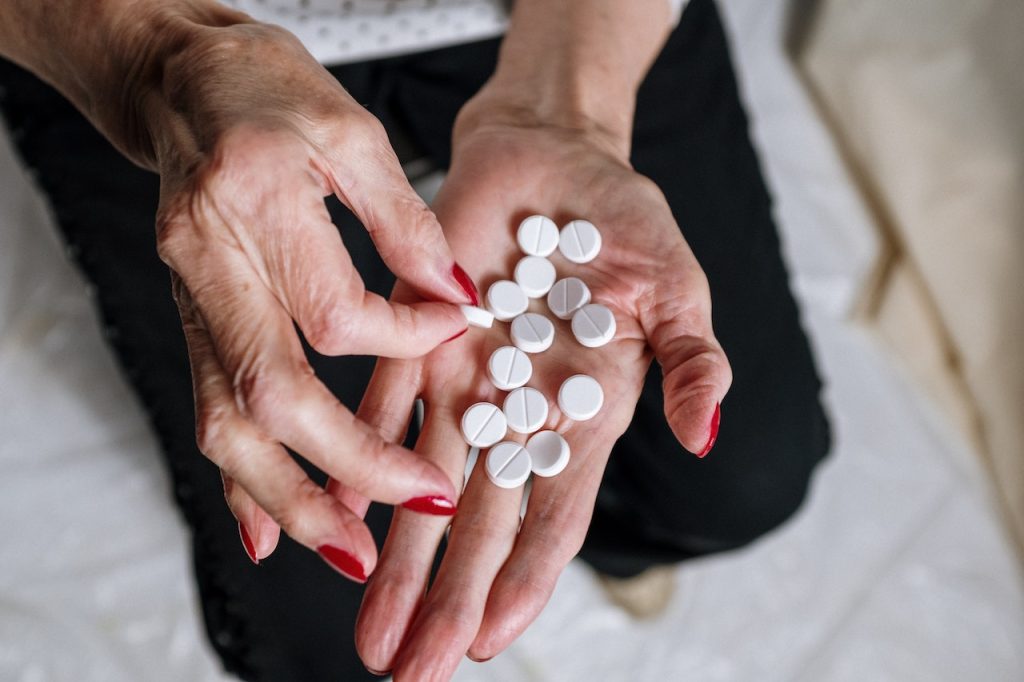
Photo by Barbara Olsen on Pexels

A deficiency of the amino acid taurine is a driver of ageing in animals, according to a new study published in Science. The same study also found that taurine supplements can slow down the ageing process in worms, mice, and monkeys and can even extend the healthy lifespans of middle-aged mice by up to 12%.

“For the last 25 years, scientists have been trying to find factors that not only let us live longer, but also increase healthspan, the time we remain healthy in our old age,” says study leader Vijay Yadav, PhD, assistant professor of genetics & development at Columbia University. “This study suggests that taurine could be an elixir of life within us that helps us live longer and healthier lives.”

Anti-ageing molecules within us

Many studies into ageing have found that various molecules carried through the bloodstream are associated with ageing. Less certain is whether these molecules actively direct the ageing process or are just passengers going along for the ride. If a molecule is a driver of ageing, then restoring its youthful levels would delay ageing and increase healthspan, the years we spend in good health.

Taurine first came into Yadav’s view during his previous research into osteoporosis that uncovered taurine’s role in building bone. Around the same time, other researchers were finding that taurine levels correlated with immune function, obesity, and nervous system functions.

“We realised that if taurine is regulating all these processes that decline with age, maybe taurine levels in the bloodstream affect overall health and lifespan,” Yadav says.

Taurine declines with age, supplementation increases lifespan in mice

First, Yadav’s team looked at levels of taurine in the bloodstream of mice, monkeys, and people and found that the taurine abundance decreases substantially with age. In people, taurine levels in 60-year-old individuals were only about one-third of those found in 5-year-olds.

“That’s when we started to ask if taurine deficiency is a driver of the ageing process, and we set up a large experiment with mice,” Yadav says.

The researchers started with close to 250 14-month-old female and male mice (about 45 years old in people terms). Every day, the researcher fed half of them a bolus of taurine or a control solution. At the end of the experiment, Yadav and his team found that taurine increased average lifespan by 12% in female mice and 10% in males. For the mice, that meant three to four extra months, equivalent to about seven or eight human years.

Taurine supplements in middle age improves health in old age

To learn how taurine impacted health, Yadav brought in other ageing researchers who investigated the effect of taurine supplementation on the health and lifespan in several species.

These experts measured various health parameters in mice and found that at age 2 (60 in human years), animals supplemented with taurine for one year were healthier in almost every way than their untreated counterparts.

The researchers found that taurine suppressed age-associated weight gain in female mice (even in “menopausal” mice), increased energy expenditure, increased bone mass, improved muscle endurance and strength, reduced depression-like and anxious behaviours, reduced insulin resistance, and promoted a younger-looking immune system, among other benefits.

“Not only did we find that the animals lived longer, we also found that they’re living healthier lives,” Yadav says.

At a cellular level, taurine improved many functions that usually decline with age: The supplement decreased the number of “zombie cells” (old cells that should die but instead linger and release harmful substances), increased survival after telomerase deficiency, increased the number of stem cells present in some tissues (which can help tissues heal after injury), improved the performance of mitochondria, reduced DNA damage, and improved the cells’ ability to sense nutrients.

Similar health effects of taurine supplements were seen in middle-aged rhesus monkeys, which were given daily taurine supplements for six months. Taurine prevented weight gain, reduced fasting blood glucose and markers of liver damage, increased bone density in the spine and legs, and improved the health of their immune systems.

Randomised clinical trial needed

The researchers do not know yet if taurine supplements will improve health or increase longevity in humans, but two experiments they conducted suggest taurine has potential.

In the first, Yadav and his team looked at the relationship between taurine levels and approximately 50 health parameters in 12 000 European adults aged 60 and over. Overall, people with higher taurine levels were healthier, with fewer cases of type 2 diabetes, lower obesity levels, reduced hypertension, and lower levels of inflammation. “These are associations, which do not establish causation,” Yadav says, “but the results are consistent with the possibility that taurine deficiency contributes to human ageing.”

The second study tested if taurine levels would respond to an intervention known to improve health: exercise. The researchers measured taurine levels before and after a variety of male athletes and sedentary individuals finished a strenuous cycling workout and found a significant increase in taurine among all groups of athletes (sprinters, endurance runners, and natural bodybuilders) and sedentary individuals.

“No matter the individual, all had increased taurine levels after exercise, which suggests that some of the health benefits of exercise may come from an increase in taurine,” Yadav says.

Only a randomized clinical trial in people will determine if taurine truly has health benefits, Yadav adds. Taurine trials are currently underway for obesity, but none are designed to measure a wide range of health parameters.

Other potential anti-ageing drugs – including metformin, rapamycin, and NAD analogues – are being considered for testing in clinical trials.

“I think taurine should also be considered,” Yadav says. “And it has some advantages: Taurine is naturally produced in our bodies, it can be obtained naturally in the diet, it has no known toxic effects (although it’s rarely used in concentrations used ), and it can be boosted by exercise.

“Taurine abundance goes down with age, so restoring taurine to a youthful level in old age may be a promising anti-ageing strategy.”

Source: Columbia University Irving Medical Center

Muscle Adiposity may Indicate Cognitive Decline in Aging

Photo by Kindel Media on Pexels

New research reveals that the level of muscle adiposity (fat content) may indicate a person’s likelihood of experiencing cognitive decline as they age. In the study published in the Journal of the American Geriatrics Society, a five-year increase in fat stored in the thigh muscle was a risk factor for cognitive decline.

This risk was independent of total weight, other fat deposits, and muscle characteristics (such as muscle strength or mass) and also independent of traditional dementia risk factors.

Investigators assessed muscle fat in 1634 adults 69–79 years of age at years 1 and 6 and evaluated their cognitive function at years 1, 3, 5, 8, and 10. Increases in muscle adiposity from year 1 to year 6 were associated with faster and more cognitive decline over time. The findings were similar for Black and White men and women.

“Our data suggest that muscle adiposity plays a unique role in cognitive decline, distinct from that of other types of fat or other muscle characteristics,” said corresponding author Caterina Rosano, MD, MPH, of the University of Pittsburgh’s School of Public Health. “If that is the case, then the next step is to understand how muscle fat and the brain ‘talk’ to each other, and whether reducing muscle adiposity can also reduce dementia risk.”

Source: Wiley

Immunomodulator Keeps Subclinical Arthritis from Developing into Full-blown Form

Photo by Towfiqu barbhuiya: https://www.pexels.com/photo/person-feeling-pain-in-the-knee-11349880/

In a 12-month trial involving patients with “preclinical” rheumatoid arthritis, treatment with the immunomodulator abatacept (Orencia) kept the condition from becoming clinical, according to findings presented at the European Alliance of Associations for Rheumatology (EULAR) annual meeting.

Rheumatologists have long sought to nip rheumatoid arthritis (RA) in the bud, with many studies supporting early aggressive treatment on RA diagnosis. This has never been recommended for biologic therapies however.

Nevertheless, some patients show up at arthritis clinics with a few painful joints and other features such as RA-related serum biomarkers that suggest progression to full-blown RA is likely. Would aggressive treatment help slow their decline into RA?

In a phase IIb randomised trial involving patients in the UK and Netherlands who were at high risk for developing RA, only seven of the 110 assigned to abatacept had gone on to develop clinical arthritis after 1 year, compared with 30 of 103 in a placebo group.

The effect waned after abatacept was stopped at the one-year mark, and in the following year, 20 more patients in the abatacept group developed clinical arthritis, as did another eight in the placebo group.

Though the abatacept regimen held the edge for a full two years, projections showed that it was likely that the abatacept group would catch up with additional follow-up. At the same time, abatacept had no particular safety issues and thus could likely be continued.

A decade ago, Andrew Cope, MD, MBBS, of King’s College London colleagues thought about aggressive prevention, registering the current trial, Arthritis Prevention in the Pre-clinical Phase of RA with Abatacept (APIPPRA), in 2014. In a 2019 description of the protocol, they explained the selection of abatacept because “it targets immune reactions early in the chain of events leading to inflammation in RA. It functions by interrupting the interaction between T cells and antigen-presenting cells, attenuating the co-stimulatory signals required for T-cell activation, differentiation and effector responses,” thereby resulting “in downstream immunomodulatory effects on other inflammatory cells of the immune system.”

Participants had to show joint pain but no synovitis, plus either test positive for anti-citrullinated protein antigen (ACPA) antibodies and for rheumatoid factor (RF), or show high levels of ACPA antibodies without RF. The primary endpoint was development of clinically apparent arthritis in at least three joints or diagnosis of RA according to standard criteria.

While the preventive effect seen in the primary analysis did not hold up across the whole sample, Cope noted that it appeared more so in one very-high-risk subgroup: 49 patients who had some level of IgG ACPA antibodies and who were also positive for a series of other biomarkers, including RF, IgA ACPA antibodies, anti-carbamylated protein antibodies, and anti-acetylated peptide antibodies. For this subgroup, only about 10% of those who had taken abatacept progressed to clinical arthritis after two years, versus 50% of those assigned to placebo.

Source: MedPage Today

Oestrogen Pills may Increase Hypertension Risk

Photo by cottonbro studio

Women ages 45 years and older taking oral oestrogen pills were more likely to develop hypertension than those using transdermal or vaginal formulations, according to new research published in Hypertension.

Less oestrogen and progesterone is produced in a woman’s body after menopause, which may increase the risk for cardiovascular diseases including heart failure, according to the American Heart Association.

Hormone therapy may be prescribed to relieve symptoms of menopause, in gender-affirming care and in contraception. Previous studies have found that some hormone therapies may reduce cardiovascular disease risk in menopausal women under 60 years of age or for whom it has been fewer than 10 years since menopause. The authors of this study noted that while hypertension is a modifiable risk factor for cardiovascular disease, the potential effects of different types of hormone therapy on blood pressure in menopausal women remain uncertain. 

“We know oestrogens ingested orally are metabolised through the liver, and this is associated with an increase in factors that can lead to higher blood pressure,” said lead study author Cindy Kalenga, an MD/PhD-candidate at the University of Calgary. 

“We know that post-menopausal women have increased risk of high blood pressure when compared to pre-menopausal women, furthermore, previous studies have shown that specific types of hormone therapy have been associated with higher rates of heart disease,” Kalenga said. “We chose to dive deeper into factors associated with hormone therapy, such as the route of administration (oral vs non-oral) and type of oestrogen, and how they may affect blood pressure.”

This study involved a large group of over 112 000 women, ages 45 years and older, who filled at least two consecutive prescriptions (a six-month cycle) for oestrogen-only hormone therapy, as identified from health administrative data in Alberta, Canada between 2008 and 2019. The main outcome of high blood pressure (hypertension) was identified via health records.

First, researchers investigated the relationship between route of oestrogen-only hormone therapy administration and risk of developing high blood pressure at least one year after starting the treatment. The 3 different routes of hormone therapy administration were oral (by mouth), transdermal and vaginal application. Additionally, researchers evaluated the formulation of oestrogen used and the risk of developing high blood pressure. For this study, the researchers reviewed medical records of individuals taking oestrogen-only hormone therapy. The two most common forms of oestrogen used by study participants were oestradiol – a synthetic form of oestrogen closest to the naturally produced form – and conjugated equine oestrogen, an animal-derived form of oestrogen and the oldest type of oestrogen therapy.

The analysis found:

  • Women taking oral oestrogen therapy had a 14% higher risk of developing high blood pressure compared to those using transdermal oestrogen and a 19% higher risk of developing high blood pressure compared to those using vaginal oestrogen creams or suppositories. After accounting for age, a stronger association was seen among women younger than 70 years of age compared to women older than 70.
  • Compared to estradiol, conjugated equine estrogen was associated with an 8% increased risk of developing high blood pressure.

Taking oestrogen for a longer period of time or taking a higher dose was associated with greater risk of high blood pressure, the authors noted. According to Kalenga, the study’s findings suggest that if menopausal woman take hormone therapy, there are different types of oestrogen that may have lower cardiovascular risks.

“These may include low-dose, non-oral oestrogen – like oestradiol, in transdermal or vaginal forms – for the shortest possible time period, based on individual symptoms and the risk–benefit ratio, Kalenga said. “These may also be associated with the lowest risk of hypertension. Of course, this must be balanced with the important benefits of hormone therapy, which include treatment of common menopausal symptoms.”

The average age of natural menopause among women worldwide is about 50 years of age. Current evidence supports that initiating menopausal hormone therapy in the early stages may have cardiovascular benefits, though not in the late stages of menopause, according to the American Heart Association’s 2020 Statement on Menopause Transition and Cardiovascular Disease Risk: Implications for Timing of Early Prevention. Previous studies have found that menopausal hormone therapy may help relieve symptoms of menopause, including hot flashes, night sweats, mood changes or sleep disturbances.

Limitations included being based only on medical records, not including women younger than the age of 45 and not collecting data about hysterectomies or menopausal status (which was inferred by taking oestrogen after 45).

The authors will be conducting more research investigating combined oestrogen and progestin, as well as progestin-only formulations of hormone therapy and their impact on heart and kidney diseases.

Source: American Heart Association

Low Sexual Satisfaction in Middle Age Linked to Cognitive Decline

Photo by Ketut Subiyanto on Pexels

Low sexual satisfaction in middle age may serve as an early warning sign for future cognitive decline, according to a new study. The researchers, who tracked associations between erectile function, sexual satisfaction and cognition in hundreds of men aged 56 through 68, found that declines in sexual satisfaction and erectile function were correlated with future memory loss.

The study, published in Gerontologist, is the first to longitudinally track sexual satisfaction in tandem with sexual health and cognition, the researchers state, and its findings point to a potential novel risk factor for cognitive decline.

“What was unique about our approach is that we measured memory function and sexual function at each point in the longitudinal study, so we could look at how they changed together over time,” said Martin Sliwinski, professor of human development and family studies at Penn State and co-author on the study. “What we found connects to what scientists are beginning to understand about the link between life satisfaction and cognitive performance.”

The study explored the relationship between physical changes like the microvascular changes relevant for erectile function, and psychological changes, such as lower sexual satisfaction, to determine how the changes relate to cognition. They examined the shifts starting in middle age because it represents a transition period where declines in erectile function, cognition and sexual satisfaction begin to emerge.

Sliwinski added that while the team discovered a strong correlation between the three health factors, they can only speculate as to the cause.

“Scientists have found that if you have low satisfaction generally, you are at a higher risk for health problems like dementia, Alzheimer’s disease, cardiovascular disease and other stress-related issues that can lead to cognitive decline,” he said. “Improvements in sexual satisfaction may actually spark improvement in memory function. We tell people they should get more exercise and eat better foods. We’re showing that sexual satisfaction also has importance for our health and general quality of life.”

For the study, the researchers used survey data from 818 men who participated in the Vietnam Era Twin Study of Aging. Through neuropsychological tests, such as tests of memory and processing speed, they examined cognitive changes of participants over the 12-year span from age 56 to 68, adjusting for participants’ cognitive ability in young adulthood. Their erectile function and sexual satisfaction were measured alongside cognition, using the International Index of Erectile Function, a self-reported assessment for male sexual health. The researchers then built a statistical model to understand how the three variables changed as individuals aged.

“Research on sexual health has historically focused on quantifiable facets of sexuality like number of sexual partners or frequency of sexual activity,” said Riki Slayday, a doctoral candidate at Penn State and lead author on the study. “What we were interested in is the perception of that activity, how someone feels about their sex life, and how that influences cognitive function, because multiple people could be in the same situation physically but experience completely different levels of satisfaction.”

The study found that decreases in erectile function and sexual satisfaction were both associated with memory decline, which the researchers say points to a connection between psychological and physical health.

“When we mapped the relationship over time, we found increases or decreases in erectile function and sexual satisfaction were associated with concurrent increases or decreases in cognitive function,” Slayday said. “These associations survived adjustment for demographic and health factors, which tells us there is a clear connection between our sex lives and our cognition.”

Prior studies have found a link between microvascular changes and changes in erectile function over time. In fact, the active ingredient in Viagra (Sildenafil) was originally developed to treat cardiovascular problems, Sliwinski explained, so the connection between vascular health and erectile function is well understood. How erectile function connects to other aspects of health should be an area of focus for future research, he added.

Increasing the assessment and monitoring of erectile function as a vital sign of health may help identify those at risk of cognitive decline before their 70s, he said. The researchers note that the older adult population in the US is expected to double over the next 30 years, which means twice as many people will likely enter their 60s and experience declines in erectile function and sexual satisfaction.

“We already have a pill for treating erectile dysfunction. What we don’t have is an effective treatment for memory loss,” Sliwinski said. “Instead of the conversation being about treating ED, we should see that as a leading indicator for other health problems and also focus on improving sexual satisfaction and overall well-being, not just treating the symptom.”

Source: Penn State University

Ischaemic Heart Disease in the Elderly Linked to Increased Dementia Risk

Photo by Matteo Vistocco on Unsplash

Older people with ischaemic heart disease have an increased long-term risk of dementia and accelerated cognitive decline. Recent research in Alzheimer’s & Dementia: The Journal of the Alzheimer’s Association suggests that the heart, the brain, and cognitive function are all connected in the ageing process. Appropriate prevention and treatment of ischaemic heart disease in older people might reduce the burden of dementia, the researchers suggest.

The researchers regularly followed a cohort of 2568 older people aged 60 years or older, without dementia at baseline and living in Stockholm, from 2001–2004 through 2013–2016. Heart diseases at the study entry were ascertained via clinical examination and linkage to the Swedish National Inpatient Register. Dementia status and cognitive function during the follow-up period were diagnosed and assessed regularly following the standard approaches.

“We used statistical methods to link ischemic heart disease at the study entry to an increased risk of dementia and a faster decline in cognitive function during the follow-up period”, says Chengxuan Qiu, at the Department of Neurobiology, Care Sciences and Society, Division of Aging Research Center (ARC) and one of the authors of the study.

Explore cognitive trajectories

Future works should explore cognitive trajectory following the onset of ischemic heart disease and further investigate to what extent medical treatments of ischemic heart disease may affect cognitive decline and dementia onset.

The SNAC-K project on which this study is based is supported by the Swedish Ministry of Health and Social Affairs. This study is supported by additional grants from the Swedish Research Council (VR), FORTE and STINT.

Instead of Dying, Motor Neurons Just Lose Connectivity with Age

Source: CC0

A new study published in the Journal of Clinical Investigation Insight offers a blueprint to help scientists prevent and reverse motor deficits that occur in old age. Their findings showed that loss of connectivity of motor neurons in the spinal cord – not the death of those neurons, as was previously thought – is what impairs voluntary movements during aging.

As humans age, tasks that require coordinated motor skills, such as navigating stairs or writing a letter, become increasingly difficult to perform. Reduced mobility caused by aging is strongly associated with adverse health outcomes and a diminished quality of life.

Researchers at Brown University led by Gregorio Valdez, an associate professor of molecular biology, cell biology and biochemistry, discovered that motor neurons start to have fewer synapses.

“This is an important fundamental discovery because it tells us that treatments are possible to prevent and reverse motor deficits that occur as we age,” said Valdez, who is affiliated with both the Center for Translational Neuroscience and the Center for Alzheimer’s Disease Research at the Carney Institute and Brown’s Center on the Biology of Aging. “The primary hardware, motor neurons, are spared by aging. If we can figure out how to keep synapses from degenerating, or mimic their actions using pharmacological interventions, we may be able to treat motor issues in the elderly that often lead to injuries due to falls.”

For the study, researchers examined spinal motor neurons in three species, including humans, rhesus monkeys and mice.

“These findings revealed that, as individuals age, motor neurons lose many of the connections that direct their function,” said Ryan Castro, first author of the study, who earned a PhD in neuroscience from Brown in 2022.    

Because of their critical function, Valdez said, the loss of either motor neurons or their synapses would impair voluntary movements. 

The number and size of motor neurons do not significantly change during aging, the researchers discovered. However, they undergo other processes that contribute to aging.

“Aging causes motor neurons to engage in self-destructive behaviour,” Valdez said. “While motor neurons do not die in old age, they progressively increase expression of molecules that cause degeneration of their own synapses and cause glial cells to attack neurons, and that increases inflammation.” 

Some of these aging-related genes and pathways are also found altered in motor neurons affected with amyotrophic lateral sclerosis (ALS).

The researchers now plan to pursue studies to target molecular mechanisms they found altered in motor neurons that could be responsible for the loss of their own synapses with advancing age.  

Source: Brown University

Possible Explanation for Why More Men Develop Hearing Loss in Old Age

Photo by Kindel Media on Pexels

A new study led by Yale School of Medicine scientists and published in BMC has pinpointed why some adults – by some estimates, at least 50% of the population after 75 years of age – develop hearing problems.

While congenital hearing impairment – usually presenting in childhood – result from rare mutations, hearing problems in adults are likely due to the cumulative effect of polygenic risk and environmental factors.

Recent genome-wide association studies have uncovered several risk genes that are implicated in hearing problems in adults, however some factors still have not adequately been investigated by large-scale genetic studies.

For instance, there is limited information about why hearing problems among older adults are more common, more severe, and with earlier onset in men than in women. It is uncertain how hearing-related polygenic risk translates among people of diverse ancestral backgrounds.

While environmental risk factors such as noise exposure and tobacco smoking are known to increase the risk of hearing problems, the molecular mechanisms underlying these associations are unclear.

Researchers sampled nearly 750 000 adults and identified 54 risk variants – including 12 novel variants – that could contribute to hearing problems. They also highlighted how hormonal regulation may play a role in the differences between hearing problems in men and women.

Analysing multiple ancestry groups, the researchers demonstrated that polygenic risk in hearing problems is shared across human populations. They also determined genes involved in brain development interact with sex, noise pollution, and tobacco smoking in relation to their associations with hearing problems.

“Our results support that large-scale genetic studies are useful instruments to understand the biology and the epidemiology of hearing problems in adults,” said Renato Polimanti, PhD, associate professor of psychiatry at Yale School of Medicine and senior author of the study.

Overall, the findings contribute to identifying possible molecular targets for drug development and define novel strategies to identify older adults at risk of losing their hearing.

The study could lead to changes in how older adults with hearing problems are assessed and treated. Hearing loss can impair communications, and that can result in social isolation with major health, psychosocial, and economic consequences, reducing the quality of life of those affected.

Source: Yale University

Can Low-carbohydrate or Low-fat Diets Extend Lifespan?

Better diets are needed to address the macronutritional needs of an ageing population. Short-term clinical trials have demonstrated the health benefits of low-carbohydrate diets (LCDs) and low-fat diets (LFDs) for weight loss and heart protection. Now a study published in the Journal of Internal Medicine looks at the effects of these diets on mortality in middle-aged and older adults.

In the study of 371 159 individuals aged 50 to 71 years, 165 698 deaths occurred over a median follow-up of 23.5 years.

A healthy LFD – characterised by low intake of saturated fat and high intakes of plant protein and high-quality carbohydrates – was related to fewer deaths from all causes, from cardiovascular diseases, and from cancers. In contrast, an overall LCD and an unhealthy LCD were associated with significantly higher total, cardiovascular, and cancer mortality rates. A healthy LCD was associated with slightly lower death rates.

“Our results support the importance of maintaining a healthy LFD with less saturated fat in preventing all-cause and cause-specific mortality among middle-aged and older people,” the authors wrote.

Source: Wiley

Grey Hairs Result from Stem Cells Getting ‘Stuck’

Photo by Natasha Brazil on Unsplash

Certain stem cells have a unique ability to move between growth compartments in hair follicles, but get stuck as people age and so lose their ability to mature and maintain hair colour, a new Nature study shows.

Led by researchers from NYU Grossman School of Medicine, the new work focused on cells in the skin of mice and also found in humans called melanocyte stem cells, or McSCs. Hair colour is controlled by whether nonfunctional but continually multiplying pools of McSCs within hair follicles get the signal to become mature cells that make the protein pigments responsible for color.

The new study showed that McSCs are remarkably plastic. This means that during normal hair growth, such cells continually move back and forth on the maturity axis as they transit between compartments of the developing hair follicle. It is inside these compartments where McSCs are exposed to different levels of maturity-influencing protein signals.

Specifically, the research team found that McSCs transform between their most primitive stem cell state and the next stage of their maturation, the transit-amplifying state, and depending on their location.

The researchers found that as hair ages, sheds, and then repeatedly grows back, increasing numbers of McSCs get stuck in the stem cell compartment called the hair follicle bulge. There, they remain, do not mature into the transit-amplifying state, and do not travel back to their original location in the germ compartment, where WNT proteins would have prodded them to regenerate into pigment cells.

“Our study adds to our basic understanding of how melanocyte stem cells work to colour hair,” said study lead investigator Qi Sun, PhD, a postdoctoral fellow at NYU Langone Health. “The newfound mechanisms raise the possibility that the same fixed-positioning of melanocyte stem cells may exist in humans. If so, it presents a potential pathway for reversing or preventing the graying of human hair by helping jammed cells to move again between developing hair follicle compartments.”

Researchers say McSC plasticity is not present in other self-regenerating stem cells, such as those making up the hair follicle itself, which are known to move in only one direction along an established timeline as they mature. For example, transit-amplifying hair follicle cells never revert to their original stem cell state. This helps explain in part why hair can keep growing even while its pigmentation fails, says Sun.

Earlier work by the same research team at NYU showed that WNT signalling was needed to stimulate the McSCs to mature and produce pigment. That study had also shown that McSCs were many trillions of times less exposed to WNT signalling in the hair follicle bulge than in the hair germ compartment, which is situated directly below the bulge.

In the latest experiments in mice whose hair was physically aged by plucking and forced regrowth, the number of hair follicles with McSCs lodged in the follicle bulge increased from 15% before plucking to nearly half after forced aging. These cells remained incapable of regenerating or maturing into pigment-producing melanocytes.

The stuck McSCs, the researchers found, ceased their regenerative behaviour as they were no longer exposed to much WNT signalling and hence their ability to produce pigment in new hair follicles, which continued to grow.

By contrast, other McSCs that continued to move back and forth between the follicle bulge and hair germ retained their ability to regenerate as McSCs, mature into melanocytes, and produce pigment over the entire study period of two years.

“It is the loss of chameleon-like function in melanocyte stem cells that may be responsible for greying and loss of hair colour,” said study senior investigator Mayumi Ito, PhD, a professor in the Ronald O. Perelman Department of Dermatology and the Department of Cell Biology at NYU Langone Health.

“These findings suggest that melanocyte stem cell motility and reversible differentiation are key to keeping hair healthy and coloured,” said Ito, who is also a professor in the Department of Cell Biology at NYU Langone.

Ito says the team has plans to investigate means of restoring motility of McSCs or of physically moving them back to their germ compartment, where they can produce pigment.

Source: NYU Langone Health / NYU Grossman School of Medicine