Adhering to medications may no longer be a “bitter pill to swallow”
Photo by Danilo Alvesd on Unsplash
The bitter taste of certain drugs is a barrier to taking some medications as prescribed, especially for people who are particularly sensitive to bitter taste. Published in Clinical Therapeutics, a team from the Monell Chemical Senses Center found that the diabetes drug rosiglitazone could partially block the bitter taste of some especially bad-tasting medications.
“To our knowledge, there are no previous reports on the bitter-blocking effect of this diabetes drug,” said first author Ha Nguyen, PhD, Monell Postdoctoral Fellow. Rosiglitizone was identified as a potential bitter blocker using tests of human cells from taste tissue.
The team conducted taste-testing experiments on research participants in the United States and Poland, and they found that adding rosiglitazone to the medicines reduced bitterness for many, but not all, research participants.
“People differ, and we need to test many types of people from different parts of the world to make sure that efforts to reduce bitterness and make medicines easier to take work well for all people,” said senior author Danielle Reed, PhD, Monell Chief Science Officer.
These results suggest having more blockers to choose from will help entirely suppress the bitterness of many types of medicines for a wide range of populations and ancestries. Mixtures of several blockers may help attain a low-to-zero-bitterness standard for even the most bitter-tasting medicines.
“Although rosiglitazone was only partially effective as a bitter blocker in this study, modifying these drugs to improve potency, palatability, and efficacy may allow us to find a better version of this drug,” said Nguyen.
“Rosiglitazone is valuable as a bitter blocker because it is potentially effective in most people and is part of a class of drugs already approved worldwide for treating diabetes.”
Next steps in this line of research include a similar study that measures bitter blocking in several hundred African and Asian immigrants to add to the diversity of participants’ ancestries with regard to bitter taste.
The American College of Cardiology (ACC) and the American Heart Association (AHA) today released a new clinical guideline for effectively managing individuals diagnosed with hypertrophic cardiomyopathy (HCM). The guideline, published in Circulation, reiterates the importance of collaborative decision-making with patients who have HCM and provides updated recommendations for the most effective treatment pathways for adult and paediatric patients.
HCM is an inherited cardiac condition most often caused by a gene mutation that makes the heart muscle too thick (hypertrophy), which impairs its ability to adequately pump blood throughout the body. HCM affects approximately 1 in every 500 individuals; however, a significant portion of cases remain undiagnosed because many people do not exhibit symptoms. Occasionally, the first time HCM is diagnosed is after a sudden death. People who do have symptoms may experience episodes of fainting, chest pain, shortness of breath or irregular heartbeats.
“Incorporating the most recent data, this new guideline equips clinicians with the latest recommendations for the treatment of HCM,” said Steve R. Ommen, MD, FACC, medical director of the Mayo Hypertrophic Cardiomyopathy Clinic and chair of the guideline writing committee. “We’re seeing more evidence that patients with HCM can return to their normal daily lives with proper care and management.”
Updated recommendations in the guideline reflect recent evidence about HCM treatment and management including new forms of pharmacologic management; participation in vigorous recreational activities and competitive sports; and risk stratification for sudden cardiac death (SCD) with an emphasis on pediatric patients.
The guideline includes recommendations for adding cardiac myosin inhibitors, a new class of medication for patients with symptomatic obstructive HCM who do not get adequate symptom relief from first-line drug therapy. Symptomatic obstructive HCM is a type of HCM where the heart muscle is restricted. Cardiac myosin inhibitors are the first FDA-approved class of medication to specifically target the thickening of the heart muscle instead of treating the symptoms, however they are monitored under the FDA’s Risk Evaluation and Mitigation Strategies (REMS) program, which may create additional steps and time for both the clinician and the patient. Clinicians require special training to prescribe the medication, and patients require regular screenings.
“These new drugs offer an alternative for patients who have failed first-line therapy and either want to delay or possibly avoid more aggressive options,” Ommen said. “With this guideline, we’re providing clinicians with point-of-care guidance about effectively using this first-in-class, evidence-based treatment option and improving their patients’ quality of life.”
In addition to medication treatment, growing evidence is showing that the benefits of exercise outweigh the potential risks for patients with HCM. Low to moderate intensity recreational exercise should be part of how HCM patients manage their overall health. For some HCM patients, competitive sports may be considered in consultation with HCM clinical specialists.
“Recommendations for physical activity continue to evolve with research,” Ommen said. “As part of a healthy lifestyle, patients with HCM are now encouraged to engage in low-to-moderate intensity physical activities. We’re seeing how vigorous physical activities can be reasonable for some individuals. With shared decision-making between the clinician and the patient, some patients may even be able to return to competitive sports.”
Poorly managed HCM may lead to many complications including SCD. The new guideline includes recommendations for assessing and managing the risk of SCD by establishing clear risk markers. Guidance for integrating risk markers with tools to estimate an individual patient’s SCD risk score is recommended to aid in the patient/clinician shared decision-making regarding implantable cardioverter defibrillator placement, incorporating a patient’s personal level of risk tolerance and specific treatment goals including quality of life.
Several recommendations in the new guideline extend to paediatric patients. A specific paediatric risk stratification for SCD is emphasised, with risk calculators specific to children and adolescents and stressing the importance of HCM centres with expertise in paediatrics. The new guideline extends exercise stress testing recommendations to include children diagnosed with HCM to help determine functional capacity and provide prognostic feedback.
Neuropathy, the nerve damage that causes pain and numbness in the feet and hands and can eventually lead to falls, infection and even amputation, is very common and underdiagnosed, according to a study published in Neurology®, the medical journal of the American Academy of Neurology.
“More than one-third of people with neuropathy experience sharp, prickling or shock-like pain, which increases their rates of depression and decreases quality of life,” said study author Melissa A. Elafros, MD, PhD, of the University of Michigan in Ann Arbor and a member of the American Academy of Neurology. “People with neuropathy also have an increased risk of earlier death, even when you take into account other conditions they have, so identifying and treating people with or at risk for neuropathy is essential.”
The study involved 169 people from an outpatient internal medicine clinic serving mainly Medicaid patients in Flint, Michigan. The participants had an average age of 58 years and 69% were Black people. One-half of the people had diabetes, which can cause neuropathy. A total of 67% had metabolic syndrome, which is defined as having excess belly fat plus two or more of the following risk factors: hypertension, elevated triglycerides, hyperglycaemia and low high-density lipoprotein (HDL) cholesterol. These risk factors are also associated with neuropathy.
All participants were tested for distal symmetric polyneuropathy. Information about other health conditions was also collected. A total of 73% of the people had neuropathy. Of those, 75% had not been previously diagnosed with the condition. Nearly 60% of those with neuropathy were experiencing pain. Of those with neuropathy, 74% had metabolic syndrome, compared to 54% of those who did not have neuropathy.
After adjusting for other factors that could affect the risk of neuropathy, researchers found that people with metabolic syndrome were more than four times more likely to have neuropathy than people who did not have the syndrome.
Risk differs according to race
Researchers were also looking for any relationship between race and income and neuropathy, as few studies have been done on those topics. There was no relationship between low income and neuropathy. For race, Black people had a decreased risk of neuropathy. Black people made up 60% of those with neuropathy and 91% of those without neuropathy.
“The amount of people with neuropathy in this study, particularly undiagnosed neuropathy, was extraordinarily high with almost three fourths of the study population,” Elafros said. “This highlights the urgent need for interventions that improve diagnosis and management of this condition, as well as the need for managing risk factors that can lead to this condition.” A limitation of the study is that it is a snapshot in time; it did not follow people to see who developed neuropathy over time. It also did not look at reasons why people were not able to manage risk factors that can lead to neuropathy.
Some of the final work of a late University of Virginia School of Medicine scientist has opened the door for life-saving new treatments for solid cancer tumours, including breast cancer, lung cancer and melanoma.
Prior to his sudden death in 2016, John Herr, PhD, had been collaborating with Craig L. Slingluff Jr, MD, to investigate the possibility that a protein recently discovered at Herr’s lab could be a viable cancer treatment target.
Eight years of research has borne that idea out: Herr’s research into the SAS1B protein could lead to “broad and profound” new treatments for multiple cancers, many of which are very difficult to treat, Slingluff reports in a new scientific paper in the Journal for ImmunoTherapy of Cancer. Herr is listed as a senior author on the paper.
“John was very excited about this protein SAS1B to be a valuable new target on human cancers, and I am delighted that our findings together further support his hope to make such a difference,” said Slingluff, a surgical oncologist and translational immunologist at UVA Health and the UVA School of Medicine. “The work we published included work done by Dr Herr and his team over a period of years, as well as our subsequent work together; so, I am glad that the journal agreed with our request to include John as a senior author.”
Promising New Cancer Target
Herr’s lab was not originally focused on cancer – he was the head of UVA’s Center for Research in Contraceptive and Reproductive Health. In that role, he developed the first home fertility test for men, SpermCheck, which is available in pharmacies across the country. But his discoveries about the SAS1B protein found in developing eggs in women could pave the way for new cancer immunotherapies.
While SAS1B is found inside female reproductive cells called oocytes, it is also found on the surface of many different solid cancer cells, Slingluff’s new research verifies. Importantly, it did not appear on the surface of any of the other normal cells Slingluff’s laboratory tested. That suggests that doctors may be able to develop use antibody-based immunotherapy – such as antibody-drug conjugates or CAR T-cell therapy, a strength of UVA Health – to attack the cancer cells while sparing healthy tissue.
“Selectively targeting SAS1B has the potential to have broad and profound impact on the treatment, and therefore reduction in mortality, of multiple malignancies,” Slingluff and his colleagues write in their new paper.
While much more work needs to be done, the new findings are promising. If the approach is successful, it could be a big step forward in cancer care. Many solid-organ cancers are extremely difficult to treat, and patients often have few good treatment options, Slingluff notes.
“Immune therapy is revolutionising treatment of human cancers,” Slingluff said. “But some cancers have been particularly resistant to immune therapy because of the lack of good targets on those cancers. We hope that this work that John Herr started will bring new hope to patients with those cancers.”
A head-mounted device that generates an ultra-low frequency ultralow magnetic field has been found to improve the symptoms of four male patients diagnosed with major depressive disorder. Future trials using the device may offer a safe and noninvasive way of treating depression. The results were published in theAsian Journal of Psychiatry.
The presence of a magnetic field with frequencies typically ranging from 0 to 300 Hz is known as an Extremely Low Frequency Magnetic Environment (ELF-ELME). Although the interaction between magnetic fields and biological systems is complex and not well understood, this frequency is believed to stimulate mitochondria and induce their renewal. Since mitochondria generate energy, they offer a potential way to treat many of the symptoms associated with depression such as lethargy.
For this study, the research team led by Professor Toshiya Inada at Nagoya University Graduate School of Medicine and Masako Tachibana of Nagoya University Hospital in Japan enrolled four male Japanese participants diagnosed with depression and receiving treatment between the ages of 18 and 75 years in a clinical trial known as an exploratory first-in human study.
In exploratory studies such as this, both participants and researchers are aware of the treatment being administered. Although the sample size is small and there is no control group, researchers can focus on gathering preliminary data to explore the safety, dosage, and potential efficacy of a new intervention.
Throughout the trial, participants wore a head-mounted magnetic field device that exposed them to ELF-ELME for two hours per day for eight weeks. As predicted, the researchers found that all patients reported a drop in their level of depression.
Although the experiment was an exploratory trial with a limited number of participants and no control group, the findings suggest that larger scale clinical trials are feasible. If such trials prove to be effective, their research could lead to a groundbreaking change in the current clinical practice of depression treatment.
Inada believes that the device has great potential to treat depression more effectively in a patient-centred way. “The magnetic field generated by the device is non-invasive, being 1/4.5 of the Japanese geomagnetic field and less than 1/60 of the International Commission on Non-Ionizing Radiation Protection’s general public exposure standard,” he said, “We anticipate that patients will be able to receive daily home treatment without even being aware of being in a low magnetic field environment.”
He continued: “Compared to current depression treatments, such as long-term antidepressant medications, electroconvulsive therapy, and repetitive transcranial magnetic stimulation, this therapy is superior in terms of convenience and lack of anticipated side effects. We could see our device being used for patients who prefer not to take medication or safely in combination with other treatments.”
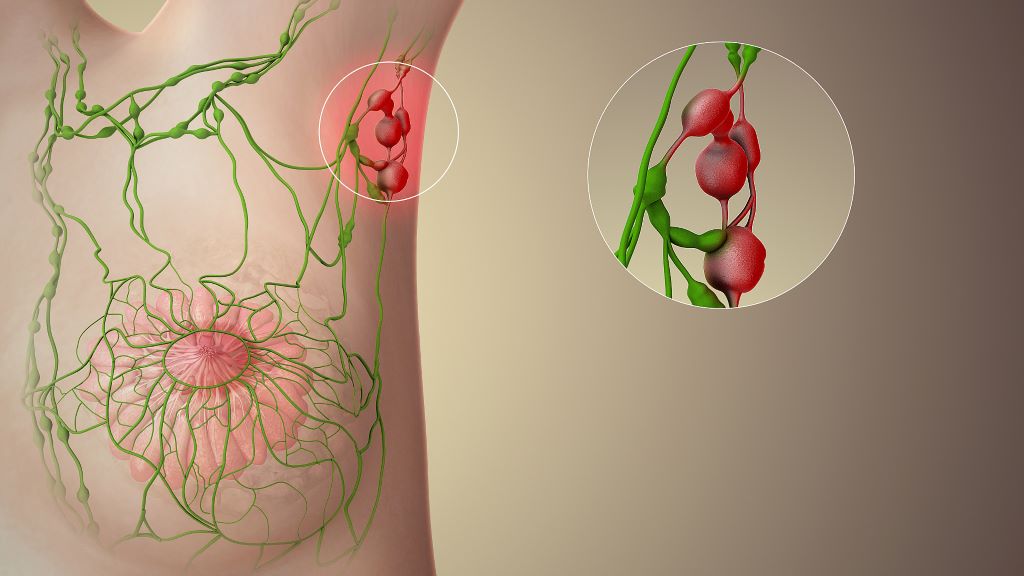
The human body has around 600 lymph nodes (LNs) scattered throughout it, small, bean-shaped organs that house various types of blood cells and filter lymph fluid which temporarily swell during infections with viruses or other pathogens. This LN expansion and subsequent contraction can also result from vaccines injected nearby, and in fact is thought to reflect the ongoing vaccine immune response. While researchers have studied the early expansion of LNs following vaccination, they have not investigated whether prolonged LN expansion could affect vaccine outcomes.
Now, for the first time, researchers from Harvard University and the company Genentech found a way to enhance and extend LN expansion, and study how this phenomenon affects both the immune system and efficacy of vaccinations against tumours.
Key to their approach was a biomaterial vaccine formulation that enabled greater and more persistent LN expansion than standard control vaccines. While the oversized LNs maintained a normal tissue organization, they displayed altered mechanical features and hosted higher numbers of various immune cell types that commonly are involved in immune responses against pathogens and cancers. Importantly, “jump-starting” lymph node expansion prior to administering a traditional vaccine against a melanoma-specific model antigen led to more effective and sustained anti-tumour responses in mice. The findings are published in Nature Biomedical Engineering.
“By enhancing the initial and sustained expansion of LNs with biomaterial scaffolds, non-invasively monitoring them individually over long time periods, and probing deeply into their tissue architecture and immune cell populations, we tightly correlate a persistent LN expansion with more robust immune and vaccination responses,” said Wyss Institute Founding Core Faculty member David Mooney, Ph.D., who led the study. “This opens a new front of investigation for immunologists, and could have far-reaching implications for future vaccine developments.” Mooney also is the Robert P. Pinkas Family Professor of Bioengineering at SEAS, and a co-principal investigator of the NIH-funded and Wyss-coordinated Immuno-Engineering to Improve Immunotherapy (i3) Center.
The research team had previously developed biomaterial vaccine formulations, but had not investigated how their vaccines and those developed by others could influence the response of LNs draining leaked tissue fluid at vaccine injection sites, and have an impact on the LNs tissue organisation, different cell types, and their gene expression, which could in turn affect vaccine efficacy. In their new study, they tested a previously developed vaccine formulation that is based on microscale mesoporous silica (MPS) rods that can be injected close to tumours and form a cell-permeable 3D scaffold structure under the skin. Engineered to release an immune cell-attracting cytokine (GM-CSF), and immune cell-activating adjuvant (CpG), and tumour-antigen molecules, MPS-vaccines are able to reprogram recruited so-called antigen-presenting cells that, upon migrating into nearby LNs, orchestrate complex tumour cell-killing immune responses. Their new study showed that there are more facets to that concept.
“As it turns out, the immune-boosting functions of basic MPS-vaccines actively change the state of LNs by persistently enlarging their whole organ structure, as well as changing their tissue mechanics and immune cell populations and functions,” said first-author Alexander Najibi, PhD, who performed his Ph.D. thesis with Mooney.
Probing LNs with ultra-sound and nano-devices
Using high-frequency ultrasound, the team traced individual LNs in MPS-vaccinated mice over 100 days. They identified an initial peak expansion period that lasted until day 20, in which LN volumes increased about 7-fold, significantly greater than in animals that received traditional vaccine formulations. Importantly, the LNs of MPS-vaccinated mice, while decreasing in volumes after this peak expansion, remained significantly more expanded than LNs from traditionally vaccinated mice throughout the 100-day time course.
When Najibi and the team investigated the mechanical responses of the LNs using a nanoindentation device, they found that LNs in MPS-vaccinated animals, although maintaining an overall normal structure, were less stiff and more viscous in certain locations. This was accompanied by a re-organisation of a protein that assembles and controls cells’ mechanically active cytoskeleton. Interestingly, Mooney’s group had shown in an earlier biomaterial study that changing mechanical features of immune cells’ environments, especially their viscoelasticity, affects immune cell development and functions. “It is very well-possible that in order to accommodate the significant growth induced by MPS-vaccines, LNs need to become softer and more viscous, and that this then further impacts immune cell recruitment, proliferation, and differentiation in a feed-forward process,” said Najibi.
From immune cell engagement to vaccine responses
Interestingly, upon MPS-vaccination, the numbers of “innate immune cells,” including monocytes, neutrophils, macrophages, and other cell types that build up the first wave of immune defences against pathogens and unwanted cells, peaked first in expanding LNs. Peaking with a delay were dendritic cells (DCs), which normally transfer information in the form of antigens from invading pathogens and cancer cells to “adaptive immune cells” that then launch subsequent waves of highly specific immune responses against the antigen-producing invaders. In fact, along with DCs, also T and B cell types of the adaptive immune system started to reach their highest numbers. “It was fascinating to see how the distinct changes in immune cell populations that we detected in expanding LNs in response to the MPS-vaccine over time re-enacted a typical immune response to infectious pathogens,” commented Najibi.
Innate immune cells and DCs are also known as “myeloid cells,” which are known to interact with LN tissue during early expansion. To further define the impact of myeloid cells on LN expansion, Mooney’s team collaborated with the group of Shannon Turley, PhD, the VP of Immunology and Regenerative Medicine at Genentech, and an expert in lymph node biology and tumour immunology. “The MPS-vaccine led to extraordinary structural and cellular changes within the lymph node that supported potent antigen-specific immunity,” said Turley.
Using single cell RNA sequencing on myeloid cells from LNs, the groups were able to reconstruct distinct changes in myeloid cell populations during LN expansion, and identified distinct DC populations in durably expanded LNs whose changed gene expression was associated with LN expansion. In addition, the collaborators found that the number of monocytes was increased 80-fold upon MPS-vaccination – the highest increase among all myeloid cell types – and pinpointed subpopulations of “inflammatory and antigen-presenting monocytes” as promising candidates for facilitating LN expansion. In fact, when they depleted specific subpopulations of these types of monocytes from circulating blood of mice after vaccination, the maintenance of LN expansion, and timing of the T cell response to vaccination, was altered.
Finally, the team explored whether LN expansion could enhance the effectiveness of vaccination. “Jump-starting” the immune system in LNs with an antigen-free MPS-vaccine and subsequently administering the antigen in a traditional vaccine format significantly improved anti-tumour immunity and prolonged the survival of melanoma-bearing mice, compared to the traditional vaccine alone. “The priming of lymph nodes for subsequent vaccinations using various formulations could be a low-hanging fruit for future vaccine developments,” said Mooney.
Substance use disorder treatment in the community is a superior alternative to incarceration for offenders with a substance misuse background, according to a recent study evaluating the effectiveness of the contract treatment sanction in Sweden.
Contract treatment refers to a criminal penalty in which the offender voluntarily consents to treatment in accordance with a specific implementation plan.
“Contract treatment is an alternative to incarceration. It is mainly used when the offence is deemed to have occurred as a result of substance misuse or some other condition requiring treatment,” says Suvi Virtanen, a University Lecturer in Psychology at the University of Eastern Finland.
A rehabilitation period is always planned based on individual needs. In addition to psychosocial treatment, it may include opioid substitution therapy.
In addition to Sweden, a sanction similar to contract treatment is in use in, e.g., Norway and many EU countries; however, not in Finland. The United States, in turn, has adopted a model of specialised drug courts.
Contract treatment carries a smaller risk of recidivism
Although contract treatment has been in use in Sweden since the late 1980s, its effectiveness has not been studied until now. The present study combined data from the Swedish Prison and Probation Service’s client register with other national registries, including data on visits to specialised health care. The study cohort included 11 893 individuals who were serving a contract treatment sanction between 1999 and 2012, and they were followed up for at least two years.
“With the introduction of contract treatment, criminal behaviour and substance-related adverse health events, such as overdoses and hospitalisations due to psychiatric and somatic reasons, decreased significantly compared to the period before contract treatment,” Virtanen says.
A significant proportion of those sentenced to contract treatment had also served community sanctions and prison sentences. In the within-individual research design, an individual’s risk of recidivism and adverse health events during contract treatment was examined compared to periods when the individual was serving a community sanction or was on parole after a prison sentence.
“The risk of recidivism and adverse health events was lower during contract treatment than during a community sanction or probation,” Virtanen notes.
Providing treatment yields better results than punishment
Substance misuse problems and criminality often go hand in hand. The most effective way to prevent recidivism is to address its root causes, which often are, in one way or another, linked to the use of substances.
“Substance use disorders are increasingly understood as a health issue that should primarily be addressed by means of health care. Usually, prison is not the best place for an individual who needs appropriate treatment and support for recovery,” Virtanen says.
The results of the study provide support for the notion that, from the viewpoint of societal security and public health, providing treatment can lead to better outcomes than penalties that emphasise punishment.
In the future, the researchers intend to study the effectiveness of contract treatment in more recent data.
In an age where healthcare integrity is of the utmost importance, a coalition of industry pioneers and technological trailblazers must lead the charge in driving transformation to combat fraud, waste and abuse (FWA) in the healthcare sector.
As a focal point of discussion on day two of the 2024 BHF Annual Conference, Vusi Makanda, HFMU Deputy Chairperson, and Manager of Fraud Management at Bonitas, set the stage for an interactive discussion on these healthcare issues.
“Collaboration is paramount in addressing the challenges of healthcare FWA, evidenced by the erosion of trust and substantial financial losses highlighting the call for collective action,” says Makanda.
Dr Hleli Nhlapo, MD of the medical schemes division at Dental Information Systems (DENIS), echoed Makanda’s sentiments. To this end, Nhlapo set the scene on the current state of FWA in the healthcare industry, suggesting that it exerts unnecessary pressure on resources while undermining trust between stakeholders.
“Perpetrators are employing increasingly sophisticated tactics, leveraging technology and syndicates to orchestrate large-scale schemes, while regulatory delays and prosecutorial challenges hinder effective resolution,” says Nhlapo. “Despite this, collaboration among healthcare funders has emerged as a crucial solution, with recent initiatives indicating a promising shift towards industry-wide cooperation in addressing these complex challenges.”
Following Nhlapo’s address, Roxane Ferreira, Head of Department at the Association of Certified Fraud Examiners (ACFE), alluded to several global trends in FWA that are plaguing the global industry.
The impact of these is extensive and has led to concerning financial situations for healthcare systems around the world. So much so that Ferreira’s insights suggest that in the United States, it is estimated that as much as $68 billion is lost every year on the back of FWA.
“In South Africa, the problem is not much better, with between R8 billion and R13 billion being lost annually to this. With between 15-35% of all claims submitted regarded as being fraudulent or abusive, the plight is adding approximately R22 billion to the cost of private healthcare,” adds Ferreira.
Healthcare fraud is perpetrated by a variety of actors within the system, ranging from medical scheme staff to service providers and even syndicates. These perpetrators exploit vulnerabilities at different points in the healthcare process, whether through falsifying claims, overbilling or engaging in other deceptive practices.
Moreover, medical scheme members themselves, as well as patients, may also be complicit in fraudulent activities, while brokers and manufacturers can also play a role in facilitating these plans.
Ferreira highlighted the multifaceted approach employed in identifying healthcare fraud, citing that 70% of cases stem from tip-offs or received information, while the remaining 30% are uncovered through data mining, audits and investigations.
“Healthcare fraud encompasses various deceptive practices,” suggests Ferreira. “ Some of the most common ones include merchandising, where pharmacies sell non-healthcare merchandise, but claim for a healthcare service; false claims by claiming for services rendered; ATM scams where doctors submit false claims and provide cash to patients; card farming where members lend their membership cards to non-members; code gaming that involves doctors manipulating billing rules to increase revenue; and lastly, the hospital cash plan fraud that entails doctors and members colluding to arrange unnecessary hospital admissions.”
In response to the escalating challenges of healthcare fraud, Ferreira adds that the sector is increasingly turning to innovative solutions, with the integration of Artificial Intelligence (AI) emerging as a pivotal strategy.
“AI technology offers the capability to analyse large volumes of data rapidly and accurately, enabling the identification of suspicious patterns and behaviours,” she says. “By leveraging AI algorithms, healthcare providers can proactively identify questionable activities, thereby safeguarding resources and maintaining the integrity of healthcare systems”
Using these advanced algorithms, AI can swiftly identify irregularities, such as sudden spikes in billed procedures and visit rates. Furthermore, it can compare billing practices, verify purchases, compare the geographical location of a patient against the practice, and treatments billed for the same or similar treatment by other practices.
In the fight against healthcare FWA, collaboration and technological innovation are emerging as critical pillars. By harnessing advancements such as AI, healthcare systems can effectively detect and prevent fraudulent activities, thus safeguarding resources, upholding the integrity of patient care and rebuilding trust.
The world’s largest study of cerebral palsy (CP) genetics has discovered genetic defects are most likely responsible for more than a quarter of cases in Chinese children, rather than a lack of oxygen at birth as previously thought.
The study, published in Nature Medicine, used modern genomic sequencing and found mutations were significantly higher in CP cases with birth asphyxia, indicating a lack of oxygen could be secondary to the underlying genetic defect. The results are consistent with smaller studies globally.
More than 1500 Chinese children with CP were involved in this collaborative effort between the University of Adelaide and Fudan University Shanghai, Zhengzhou University, Zhengzhou and associates.
The Australian team was led by obstetrician and University of Adelaide’s Emeritus Professor Alastair MacLennan AO and human geneticist, Professor Jozef Gecz.
“24.5 percent of Chinese children in the study had rare genetic variations linked to cerebral palsy. This revelation mirrors our earlier findings in our Australian cerebral palsy cohort, where up to one third of cases have genetic causes,” said Professor Gecz, who is the University of Adelaide’s Head of Neurogenetics at the Adelaide Medical School and the Robinson Research Institute.
“Our research shows at least some babies who experience birth asphyxia and are diagnosed with CP may have improper brain development as a result of the underlying genetic variants rather than a lack of oxygen.
“Crucially, clinically actionable treatments were found in 8.5 percent of cases with a genetic cause. It is exciting to see how genetic pathways to cerebral palsy inform tailored treatments for these individuals.”
Cerebral palsy affects movement and posture and is the most common motor disability in children. The disorder is diagnosed in up to 2 per 1000 children globally and is sometimes in association with epilepsy, autism and intellectual difficulties. Symptoms often emerge during infancy and early childhood and can range from mild to severe.
The research team identified 81 genes with causation mutations in the children with CP. These genes are known to play important roles in neural and embryonic development and may affect the molecular pathways responsible for respiration.
Oxygen deprivation frequently claimed in medical litigation
“A lack of oxygen at birth is often claimed to be the cause of CP in medical litigation following a diagnosis and this has led to the presumption that the condition is preventable with better obstetrics or midwifery. This is simply not the case,” said Professor MacLennan, who has spent the past 30 years advocating that there is little scientific evidence to support the myth that cerebral palsy is due to trauma or lack of oxygen at birth.
Professor MacLennan said frequent litigation has been associated with a high increase in “defensive” caesarean delivery and high insurance premiums for obstetricians.
“These results highlight the need for early genetic testing in children with cerebral palsy, especially those with risk factors like birth asphyxia, to ensure they receive the right medical care and treatment.
“All children with cerebral palsy merit modern genetic screening as early and customised interventions really can make a difference and improve their long-term outcomes,” he said.
Ongoing genetic research is also investigating other types of contributing genetic variation to the cause of CP and, as a result, the researchers expect that the overall genetic diagnosis rate is likely to increase.
A new study by a global team of researchers has revealed that areas of age-related damage in the brain relate to motor outcomes after a stroke – a potentially under-recognised phenomenon in stroke research. The study was published in Neurology.
A stroke often leads to motor impairment, which is traditionally linked to the extent of damage to the corticospinal tract (CST), a crucial brain pathway for motor control. Signaling along the CST is involved in a variety of movements, including walking, reaching, and fine finger movements like writing and typing. However, stroke recovery outcomes aren’t fully predicted by damage to the CST, suggesting other factors are at play.
The new observational from the Enhancing Neuroimaging Genetics through Meta-Analysis (ENIGMA) Stroke Recovery working group. It examines how one such factor could be white matter hyperintensities (WMHs) – areas of age-related damage in the brain’s white matter, which represent vascular dysfunction and are known to impact cognitive functions. The goal of the ENIGMA Stroke Recovery working group is to understand how changes in the brain after stroke relate to functional outcomes and recovery. ENIGMA Stroke Recovery has data from over 2100 stroke patients collected across 65 research studies and 10 countries, comprising the most extensive multisite retrospective stroke data collaboration to date.
Study leader Sook-Lei Liew, PhD, said: “We are grateful for our many collaborators around the world who lead independent stroke research programs and who are willing to come together and enable large-scale investigations into these critical questions about the role of overall brain health in stroke recovery and rehabilitation.” Dr Liew is an associate professor at the Keck School of Medicine of USC.
The study analysed data from 223 stroke patients across four countries and found that larger WMH volumes were associated with more severe motor impairment after a stroke (e.g., difficulty moving or using their arm for daily tasks), independent of CST damage. WMHs are related to chronic hypertension, diabetes, high cholesterol, and smoking, among other factors and conditions, and have been strongly related to cognitive impairment, but not extensively studied in the context of motor impairment. Interestingly, the relationship between CST damage and motor impairment varied based on WMH severity. Patients with mild WMHs showed a typical relationship between CST damage and motor impairment, while patients with moderate to severe WMHs did not have this relationship. Instead, motor impairment was related to WMH volume, not CST damage.
These findings suggest that WMHs, indicative of cerebrovascular damage from a variety of sources, could provide additional context to understand an individual’s potential for recovery post-stroke. Therefore, assessing WMH volume could improve predictive models for stroke recovery.
“WMHs are related to overall cardiovascular and brain health as we age. By integrating assessments of age-related brain health, we may be better able to predict stroke recovery and tailor rehabilitation to individual needs. This personalised approach could open avenues to improve outcomes after stroke,” says lead author Jennifer K. Ferris, PhD, of Simon Fraser University.
The researchers’ next step is to pursue longitudinal studies to confirm their findings. This insight lays the groundwork for developing more accurate markers for recovery, which could transform post-stroke care and rehabilitation.