It’s almost time to dust off the Halloween decorations and adorn the house with all manner of spooky things, including the classic polyester spider webs. Scientists report in ACS Nano that they have made their own version of fake spider silk, but this one consists of proteins and heals wounds instead of haunting hallways. The artificial silk is strong enough to be woven into bandages that helped treat joint injuries and skin lesions in mice.
Spider silk is one of the strongest materials on Earth, technically stronger than steel for a material of its size. But it’s tough to obtain – spiders are too territorial (and cannibalistic!) to breed them like silkworms, leading scientists to turn to artificial options. Teaching microbes to produce the spider silk proteins through genetic engineering is one such option, but this has proved challenging because the proteins tend to stick together, reducing the silk’s yield. So, Bingbing Gao and colleagues wanted to modify the natural protein sequence to design an easily spinnable, yet still stable, spider silk using microbes.
The team first used these microbes to produce the silk proteins, adding extra peptides as well. The new peptides, following a pattern found in the protein sequence of amyloid polypeptides, helped the artificial silk proteins form an orderly structure when folded and prevented them from sticking together in solution, increasing their yield. Then, using an array of tiny, hollow needles attached to the nozzle of a 3D printer, the researchers drew the protein solution into thin strands in the air and spun them together into a thicker fibre. This setup acted like a giant artificial spider spinning its web.
They then wove their artificial silk fibres into prototype wound dressings that they applied on mice with osteoarthritis (a degenerative joint disease) and chronic wounds caused by diabetes. Drug treatments were easily added to the dressings, and the team found these modified dressings boosted wound healing better than traditional bandages. Compared with a control group with neutral dressings, mice with osteoarthritis showed decreased swelling and repaired tissue structure after 2 weeks of treatment, while diabetic mice with skin lesions treated with a similar dressing showed significant wound healing after 16 days of treatment. The new silken bandages are biocompatible and biodegradable, and the researchers say that they show promise for future applications in medicine.
An investigation by Science has shown that over 100 key papers on Alzheimer’s research have used falsified data. The papers all have a common author – veteran neuropathologist Eliezer Masliah, a key researcher at the National Institute on Aging (NIA), typically as first or last author.
The investigationhas found that scores of Masliah’s lab studies at the University of California San Diego (UCSD) and NIA are riddled with apparently falsified Western blots (images used to show the presence of proteins) and micrographs of brain tissue. Numerous images seem to have been inappropriately reused within and across papers, sometimes published years apart in different journals, under supposedly different experimental conditions.
At UCSD, Masliah had amassed decades of experience researching Alzheimer’s and Parkinson’s disease, amassing 800 papers. Some important topics in them, such as alpha-synuclein (a protein linked to both diseases), continue to have great influence. The US Congress had released a flood of funding for Alzheimer’s research, US$2.6 billion for last year’s budget, far outstripping that for the rest of the NIA, and Masliah was an ideal choice for its neuroscience division director. This was a position which was enormously influential for Alzheimer’s research in the US as well as internationally, allowing him to fund selected research over and above others with better scores form peer-review.
One of the drugs being developed based on his work is prasinezumab, which failed to show benefit over placebo in a trial of 316 Parkinson’s patients – but resulting in a host of adverse effects, though none serious. The drug was based on an idea by Masliah and another scientist (whose papers were also seemingly doctored) that a vaccine-like approach could cause the body to create antibodies against harmful precursors in both Parkinson’s and Alzheimer’s.
Questions began to be raised about his research two years ago. These were assessed by a team of forensic analysts and a neuroscientist, who concluded, “In our opinion, this pattern of anomalous data raises a credible concern for research misconduct and calls into question a remarkably large body of scientific work.” They acknowledge that accidental duplication is a possibility, and that images can acquire artefacts resembling improper manipulation during the publication process.
Columbia University neurobiologist Mu Yang used specialised software to detect similarities and alterations in images. She had previously worked with the team investigating manipulation in Alzheimer’s and stroke data. In her analysis, duplicated sections in certain Western blots that had been “seamlessly blended” quickly floated into view, she said. “It tells me someone put a lot of thought and effort into the image … and usually indicates something is very wrong.”
A team of 11 neuroscientists was less charitable when they viewed the images. Samuel Gandy, a prominent neurologist at the Mount Sinai Alzheimer’s Disease Research Center said that he was “floored” by what he saw, noting that even a “bus driver” could see that two images of a mitochondrion published two years apart were identical. “Hundreds of images,” he said in a video interview. “There had to have been ongoing manipulation for years.”
In response to this latest dossier, the NIH issued a statement stating that there was a finding of “research misconduct” for Masliah over reuse of figures in two papers, further stating that Masliah no longer serves as NIA’s neuroscience division director. The NIH stated that it had started its own investigation in 2023.
Oestrogens are known to drive tumour growth in breast cancer cells that carry its receptors, but a new study by Duke Cancer Institute researchers unexpectedly finds that oestrogens play a role in fuelling the growth of breast cancers without the receptors, as well as numerous other cancers.
Writing in the journal Science Advances, the researchers describe how oestrogens not only decrease the ability of the immune system to attack tumours, but also reduce the effectiveness of immunotherapies that are used to treat many cancers, notably triple-negative breast cancers. Triple-negative breast cancers are an aggressive form of disease that are negative for oestrogen, progesterone, and the HER2 receptor proteins.
Informed by retrospective analysis of patient data and experiments in mice, the researchers found that anti-oestrogen drugs reversed the effects of oestrogens, restoring potency to immunotherapies.
“The treatment for triple-negative breast cancer has been greatly improved with the advent of immunotherapy,” said senior author Donald McDonnell, PhD, professor at Duke University School of Medicine.
“Developing ways to increase the anti-cancer activity of immunotherapies is a primary goal of our research,” McDonnell said. “Here we have found a simple way bolster the effectiveness of immunotherapy for this type of breast cancer and the benefit was even seen in other cancers, including melanoma and colon cancers.”
McDonnell and colleagues, including lead author Sandeep Artham, a postdoctoral associate in the McDonnell lab, focused on a type of white blood cell called eosinophils, which are typically activated during allergic reactions and inflammatory diseases.
Eosinophils have recently been identified as important in tumours, and a phenomenon called tumour associated tissue eosinophilia, or TATE, is associated with better outcomes among patients with multiple types of cancer, including colon, oesophageal, gastric, oral, melanoma and liver cancers.
In their studies, the Duke team described how oestrogens decrease the number of eosinophils and TATE in mice. The hormone contributes to increased tumour growth in oestrogen receptor-negative breast cancer tumours and in melanoma tumours, which do not rely on oestrogen receptors for tumour growth.
Conversely, anti-oestrogen therapies inhibited oestrogen receptor signalling and enhanced the efficacy of immunotherapies, slowing tumour growth.
“These findings highlight the importance of oestrogen-receptor signalling as a regulator of eosinophil biology and TATE and highlight the potential near-term clinical application of anti-oestrogen drugs to increase the benefits of immunotherapies in multiple tumour types,” McDonnell said.
He said clinical trials are being planned using an investigational anti-oestrogen drug called lasofoxifene among patients with triple-negative breast cancers.
Breast cancer cells. Image by National Cancer Institute
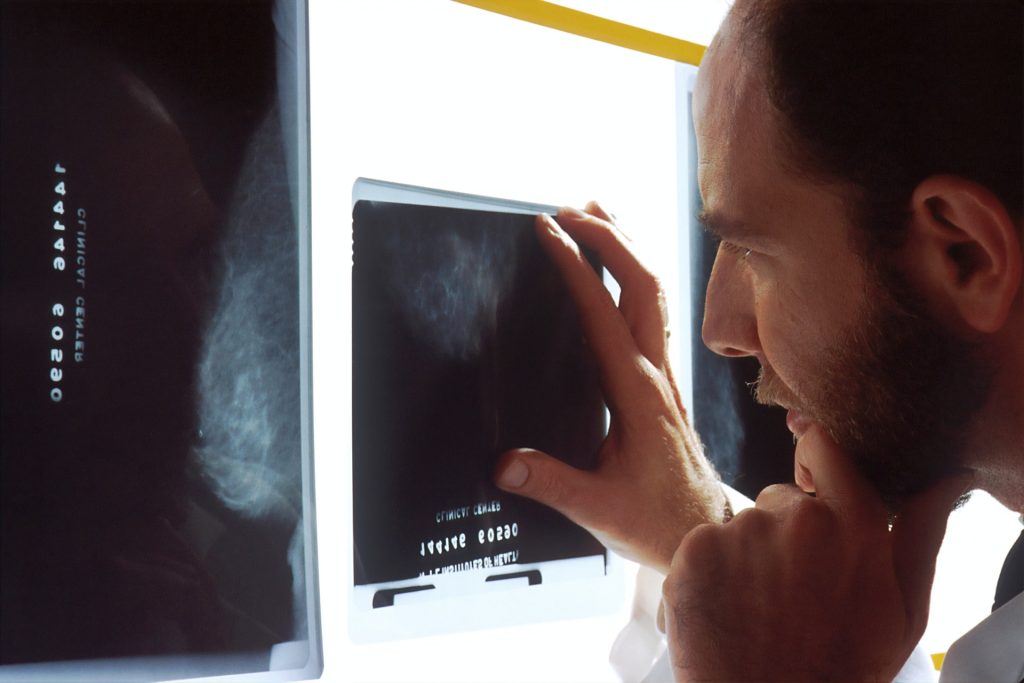
Breast cancer is a significant health issue in South Africa, being the most common cancer among women, with a lifetime risk of 1 in 27. However, while breast cancer predominantly affects women, it is crucial to acknowledge that men can also develop the disease, and awareness needs to span genders. Early detection is key in improving outcomes, but the financial implications of treatment can be significant, as many medical aid schemes do not fully cover the extensive costs associated with treatment, including surgeries, chemotherapy, and follow-up care. Having gap cover in place can significantly ease the burden of out-of-pocket expenses, providing peace of mind for patients and their families.
Incidence on the rise
The latest statistics from the National Cancer Registry (NCR) indicate that breast cancer remains the most prevalent cancer among women in South Africa. According to the 2022 NCR report, breast cancer accounted for 20.4% of all cancers diagnosed in females, with a significant increase in incidence rates over the years. Although not very common, men also get breast cancer; approximately 1% of all breast cancer cases occur in men, and this number is also increasing.
Steve Kelly, a male breast cancer survivor, has been cancer-free for five years. “In December 2018, my partner spotted a lump in my right breast. It was painless, and I did not feel ill. It was diagnosed as stage 3 grade 3 breast cancer. I had surgery the following week, followed by six months of chemotherapy and six weeks of radiation therapy,” he explains.
While Kelly is one of the lucky ones, the reality is that many men who receive a diagnosis of breast cancer are not, because it is typically diagnosed late, which increases the mortality rate and also means that treatment has to be more aggressive. The increasing prevalence of breast cancer, along with the challenges of late-stage diagnoses, underscores the importance of early detection and education. Initiatives aimed at promoting regular screenings and self-examinations are vital for improving outcomes for all individuals affected by breast cancer in South Africa, including men.
Awareness is crucial
“Men do not scan and are generally poor at self-examination. More significantly, research shows that up to 33% of men would not seek medical attention if they found a painless lump in their breast. Because of embarrassment or ignorance, men would often present later with a more advanced breast cancer and a worse prognosis,” Kelly says.
Awareness campaigns need to evolve to become more inclusive. However, they also need to evolve to effectively target women, given the growing prevalence of breast cancer as well as the fact that it is increasingly affecting women at younger ages. Regular self-examination is a critical element in the early detection of breast cancers in both women and men, and having appropriate testing in place is essential.
Joanne Stroebel is another breast cancer survivor, and she credits her early diagnosis and successful treatment to her healthy lifestyle and her regular self-screenings. “Have your screenings done regularly and make sure to self-examine at least once a month. Once you have been diagnosed, involve your medical aid broker (or get one that knows the systems) and let them help you with the claims. The healthcare system can be very daunting when you have a new diagnosis, and extra stress is the last thing you need,” she recommends.
Easing the financial strain
Having medical aid is important in covering the cost of breast cancer treatment, but the reality is that many medical aid schemes do not fully fund treatments. There are many areas where you could potentially incur out-of-pocket expenses. Surgery is typically involved, which often comes with shortfalls on doctors’ accounts, such as surgeons and anaesthetists.
Prophylactic bilateral mastectomy (the preventative removal of both breasts) is generally not covered, and neither is reconstruction. Making use of a doctor who is not in a Designated Service Provider (DSP) network means additional shortfalls and co-payments. Medical aids also cover cancer in one of two ways: they either have an annual limit for cancer treatment, and once this is depleted you will only have access to Prescribed Minimum Benefits (PMBs); or they will cover you up to a certain Rand value, and once this is depleted you will incur a 20% co-payment on anything related to oncology treatment as well as the treatment itself.
Gap cover can go a long way toward alleviating the financial burden of breast cancer treatment. If your medical aid pays a lump sum, once this is depleted, then gap cover can assist with funding ongoing treatment, including in-hospital as well as outpatient treatment, pathology, and biological drugs, if these were covered by your medical aid. Gap cover can also help to pay the 20% co-payment, which can add up to significant sums, especially around biological drugs.
“Nearly a quarter (23.3%) of all Turnberry cancer claims are for breast cancer, and the highest individual claim we have seen is in excess of R80 000 resulting in a total treatment cost of more than R170 000. This is not an outlying number either – individual claims are frequently in the tens of thousands of Rands, and total treatment cost is usually over R100 000,” says Brian Harris, GM: Operations at Turnberry Management Risk Solutions.
Stroebel concludes, “Being a medical aid specialist, I was fortunate that I had the best cover available for cancer treatment. I never thought that I would need to try and raise funds for treatment, as I was confident that my medical aid and gap cover would cover any shortfalls, which was absolutely the case. I also had a dread disease policy that paid out, and being financially secure meant I never had unnecessary stress. Talk to your broker to make sure you have the best cover to suit your needs.”
The effects of sustained drug abuse can manifest in many ways. Loss of memory and reduced cognitive functions are some of the effects that can persist for years. Neurobiologists at the University of California San Diego have now identified a mechanism in the brain that generates drug-induced cognitive impairments.
The researchers investigated how methamphetamine and phencyclidine (PCP or “angel dust”), which take effect by activating different targets in the brain, induce a similar reduction in cognitive ability. How could the same difficulties in memory emerge in response to drugs that trigger different actions in the brain?
The results of this investigation, led by Assistant Project Scientist Marta Pratelli in Professor Nicholas Spitzer’s laboratory, appear in Nature Communications. They showed that meth and PCP caused neurons to change the way they communicate through a process known as neurotransmitter switching.
Neurotransmitter switching is a form of brain plasticity, an evolving area of research investigating how the brain changes function and structure in response to experience. In recent years, Spitzer and his colleagues have also identified roles for neurotransmitter switching in autism spectrum disorder, post-traumatic stress disorder and in exercise.
Examining the cerebral cortex of mice, the investigators found that meth and PCP each caused a switch from the excitatory neurotransmitter glutamate to the inhibitory neurotransmitter GABA (gamma-aminobutyric acid) in the same neurons in the prelimbic region, an area of the frontal cortex involved in executive functions. This switch was linked to a decrease in memory task performance since drug-treated mice performed well in the tasks when the expression of GABA was blocked.
Further experiments showed that even after repeated exposure to the drugs, the researchers were able to reverse this neurotransmitter switch using molecular tools to locally decrease the brain’s electrical activity or using clozapine, an antipsychotic drug. Each of these treatments reversed the memory loss, restoring the performance of mice in the cognitive tasks.
“These results suggest that targeted manipulation of neuronal activity may be used to ameliorate some of the negative effects of repeated drug abuse,” said Pratelli.
In this new study, the researchers found that a drug-induced increase in the release of dopamine, a neurotransmitter involved in reward, and an increase in the electrical activity of neurons in the cerebral cortex, were required to produce the neurotransmitter switch.
“This study reveals a shared and reversible mechanism that regulates the appearance of cognitive deficits upon exposure to different drugs,” said Spitzer.
The researchers note in their paper that a deeper understanding of brain mechanisms tied to loss of memory from drug use could boost prospects for new treatments, not only resulting in therapy for meth and PCP consumption, but for other disorders as well.
Amongst women who experience recurrent pregnancy loss, around 20% test positive for a specific autoantibody. A Kobe University-led research team now found a treatment using either of two common drugs that drastically increases these women’s chances of carrying to full-term without complications, reporting their findings in Frontiers in Immunology.
Recurrent pregnancy loss is a condition of women who have lost two or more pregnancies for non-obvious reasons. Kobe University obstetrician Tanimura Kenji and his team have previously found that in 20% of these women, they can detect a specific antibody in their blood that targets their own bodies: anti-β2-glycoprotein I/HLA-DR autoantibodies.
Tanimura explains: “There is no known treatment for this particular condition, but the antibodies have a similar target to those that play a role in a different condition that has an established treatment.” Therefore, he wanted to test whether that treatment also works in the cases with the newly discovered antibody.
Tanimura enlisted the help of obstetricians across five hospitals in Japan and over the course of two years analysed the blood of consenting women suffering from recurrent pregnancy loss for the antibodies. If any of these women got pregnant during this time frame, their doctors would offer treatment options also containing those drugs that are effective against the chemically similar condition, specifically, low-dose aspirin or heparin. The research team then observed how many of the women who included these drugs in their treatment had full-term live births or pregnancy complications and compared that to the pregnancy outcomes in women who did not take either of the two drugs.
They report that women who received the treatment were much more likely to have live births (87% did) compared to the ones without treatment (of which only 50% had live births). In addition, amongst the live births, the treatment reduced the likelihood of complications from 50% to 6%. “The sample size was rather small (39 women received the treatment and 8 did not), but the results still clearly show that a treatment with low-dose aspirin or heparin is very effective in preventing pregnancy loss or complications also in women who have these newly discovered self-targeting antibodies,” summarises Tanimura.
Many women who tested positive for the newly discovered self-targeting antibodies also tested positive for the previously known ones. However, the Kobe University-led team found that women who only had the newly discovered antibodies and who received the treatment were even more likely to have a live birth (93%) and, amongst these, none had pregnancy complications.
Looking ahead, Tanimura says: “The newly discovered self-targeting antibody has been demonstrated to be involved also in infertility and recurrent implantation failure, as well as a risk factor for arterial thrombosis in women with systemic rheumatic diseases. I therefore expect that studies about the effectivity of the treatment against a broader range of conditions might produce encouraging results.”
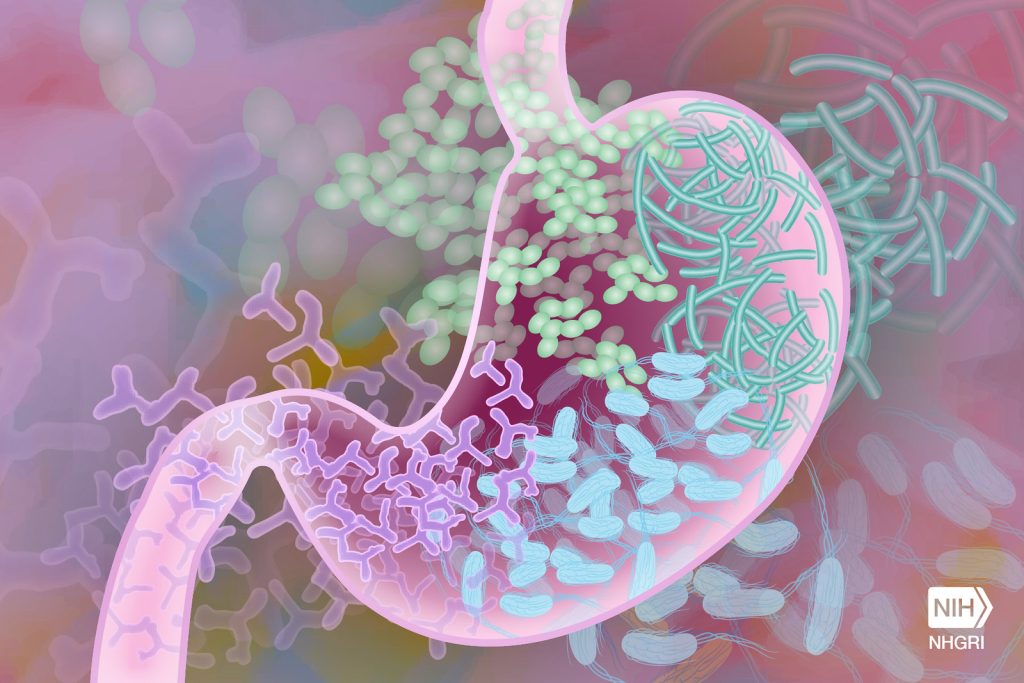
Gut Microbiome. Credit Darryl Leja National Human Genome Research Institute National Institutes Of Health
In research published in PLOS Genetics, scientists have shown that the balance of bacteria in the gut can influence symptoms of hypopituitarism in mice. They also showed that aspirin was able to improve hormone deficiency symptoms in mice with this condition.
People with mutations in a gene called Sox3 develop hypopituitarism, where the pituitary gland doesn’t make enough hormones. It can result in growth problems, infertility and poor responses of the body to stress.
The scientists at the at the Francis Crick Institute removed Sox3 from mice, causing them to develop hypopituitarism around the time of weaning (starting to eat solid food).
They found that mutations in Sox3 largely affect the hypothalamus in the brain, which instructs the pituitary gland to release hormones. However, the gene is normally active in several brain cell types, so the first task was to ask which specific cells were most affected by its absence.
The scientists observed a reduced number of cells called NG2 glia, suggesting that these play a critical role in inducing the pituitary gland cells to mature around weaning, which was not known previously. This could explain the associated impact on hormone production.
The team then treated the mice with a low dose of aspirin for 21 days. This caused the number of NG2 glia in the hypothalamus to increase and reversed the symptoms of hypopituitarism in the mice.
Although it’s not yet clear how aspirin had this effect, the findings suggest that it could be explored as a potential treatment for people with Sox3 mutations or other situations where the NG2 glia are compromised.
An incidental discovery revealed the role of gut bacteria in hormone production
When the National Institute for Medical Research (NIMR) merged with the Crick in 2015, mouse embryos were transferred from the former building to the latter, and this included the mice with Sox3 mutations.
When these mice reached the weaning stage at the Crick, the researchers were surprised to find that they no longer had the expected hormonal deficiencies.
After exploring a number of possible causes, lead author Christophe Galichet compared the microbiome – bacteria, fungi and viruses that live in the gut – in the mice from the Crick and mice from the NIMR, observing several differences in its makeup and diversity. This could have been due to the change in diet, water environment, or other factors that accompanied the relocation.
He also examined the number of NG2 glia in the Crick mice, finding that these were also at normal levels, suggesting that the Crick-fed microbiome was somehow protective against hypopituitarism.
To confirm this theory, Christophe transplanted faecal matter retained from NIMR mice into Crick mice, observing that the Crick mice once again showed symptoms of hypopituitarism and had lower numbers of NG2 glia.
Although the exact mechanism is unknown, the scientists conclude that the make-up of the gut microbiome is an example of an important environmental factor having a significant influence on the consequences of a genetic mutation, in this case influencing the function of the hypothalamus and pituitary gland.
This is a pseudo-colored image of high-resolution gradient-echo MRI scan of a fixed cerebral hemisphere from a person with multiple sclerosis.
Credit: Govind Bhagavatheeshwaran, Daniel Reich, National Institute of Neurological Disorders and Stroke, National Institutes of Health
In people with primary progressive multiple sclerosis (MS), a new study has found no difference in the amount of time before disability worsened between people taking certain medications and those not receiving treatment. The study is published in Neurology®, the medical journal of the American Academy of Neurology.
With MS, the body’s immune system attacks the myelin sheaths of nerves. People with primary progressive MS experience a steady decline in symptoms. About 10 to 15% of people with the disease have this type of MS.
The study looked at rituximab and ocrelizumab, anti-CD20 infusion therapies that target a protein called CD20 found on some white blood cells called B-cells. Removing these cells from the bloodstream is believed to reduce inflammation and damage that can occur to the myelin.
Ocrelizumab is approved by the US Food and Drug Administration (FDA) for primary progressive MS and for people with relapses, but rituximab is not. Rituximab is FDA approved for other diseases like rheumatoid arthritis and prescribed off label for MS in the US.
“MS is a disabling disease, so treatments that slow the progression to worse disability are sorely needed,” said study author Laure Michel, MD, PhD, of Rennes University in France. “Anti-CD20 therapies are widely prescribed, in part because there are few alternate treatments. However, our study suggests they may not slow disability from worsening for people with primary progressive MS.”
The study involved 1184 people with primary progressive MS who had an average age of 56. They did not take MS medications in the two years prior to the study. For the study, 295 people were treated with rituximab, 131 were treated with ocrelizumab and 728 were untreated.
They were followed for an average of four years. Participants’ level of disability was measured on a scale with scores ranging from zero, meaning no symptoms, to 10 points, meaning death due to MS. At the start of the study, all participants had a score of 6.5 or less. Researchers then measured how long it took for people to advance to their first confirmed disability progression.
For those whose score was less than 5.5 at the start of the study, advancing one point on the scale was considered progressing in disability. If their score was 5.5 or more, advancing 0.5 points on the scale was disability progression.
After adjusting for possible differences between the treated and untreated groups, researchers found there was no difference in the time it took to progress to the next level of disability between those taking a medication and those taking no medication. “
Medications for MS can be expensive and come with risks of side effects,” said Michel. “Our results indicate that there should be a constant evaluation of MS therapies to determine if the benefits outweigh the risks for people with primary progressive MS.”
A limitation of the study was that it was retrospective and did not follow people in real time. Also, among those taking medications, most were taking rituximab with fewer people taking ocrelizumab. More research is needed in larger groups of people to confirm the findings.
The risk of being born with a major heart defect is 36% higher in babies who were conceived after assisted reproductive technology, such as in vitro fertilisation (IVF), according to results of a very large study published in the European Heart Journal.
Researchers say the finding is important since congenital heart defects are the most common form of birth defects, and some of them are associated with life threatening complications.
The study also shows that the increase in risk is particularly associated with multiple births which are more common in assisted reproduction.
The study was led by Professor Ulla-Britt Wennerholm from the University of Gothenburg in Sweden. She said: “Previous research shows that there are increased risks for babies conceived with the help of assisted reproductive technology. These include preterm birth and low birth weight. We wanted to investigate whether the risk of heart defects was higher for babies born following assisted reproduction.”
The research included all liveborn children born in Denmark between 1994 and 2014, all children born in Finland between 1990 and 2014, those born in Norway between 1984 and 2015 and those born in Sweden from 1987 to 2015; more than 7.7 million in total.
Researchers compared data on babies born following assisted reproduction, including IVF, intracytoplasmic sperm injection (ICSI) and embryo freezing, with data on babies conceived naturally.
They assessed how many liveborn children in each group were diagnosed with a major heart defect or with a serious heart defect either in the womb or in the first year of life. They took into account other factors that can increase the risk of congenital heart defects, such as child’s year of birth, country of birth, mother’s age at delivery, if the mother smoked during pregnancy, or if the mother had diabetes or heart defects.
This showed that heart defects were around 36% more common in babies born after assisted reproduction, compared to babies conceived without such treatment (absolute risk 1.84% vs 1.15%). This risk was similar regardless of the type of assisted reproduction used (IVF or ICSI, fresh or frozen embryos). However, the risk was greater for multiple births following assisted reproduction compared to singleton births following assisted reproduction (2.47% vs 1.62%).
Professor Wennerholm said: “We already know that babies born after assisted reproductive technology have a higher risk of birth defects in general however, we have found a higher risk also in congenital heart defects, the most common major birth defect.
“The fact that the risk of heart defects is similar regardless of the type of assisted reproduction used may indicate that there is some common factor underlying infertility in parents and congenital heart disease in their babies.
“Congenital heart defects can be extremely serious requiring specialist surgery when babies are very young, so knowing which babies are at the greatest risk can help us diagnose heart defects as early as possible and ensure the right care and treatment are given. More and more people are conceiving with the help of assisted reproductive technology, so we might expect to see increases in cases of congenital heart defects worldwide.”
In an accompanying editorial, Dr Nathalie Auger from University of Montreal Hospital Research Centre in Canada and colleagues said: “Assisted reproductive technology is a popular intervention in reproductive medicine, with these procedures accounting for 2% to 8% of births depending on the country. While most neonates born after assisted reproductive technology are healthy, these procedures are not without risks.
“In one of the largest studies to date, the researchers found that assisted reproductive technology was associated with the risk of major heart defects diagnosed prenatally or up to one year of age.
“Patients who use assisted reproductive technology tend to differ from the general population. These patients may have underlying morbidities that affect both fertility and the risk of heart defects.”
Northern Cape Premier Dr Zamani Saul is tasked with appointing heads of department in the province. (Photo: Northern Cape Provincial Government/Twitter/X)
By Refilwe Machoari and Adiel Ismail
The Northern Cape health department has had several heads of department in the last five years. Spotlight unpacks the implications of this leadership instability and asks what it means for good governance in the public health sector.
The Northern Cape health department has seen a fast-revolving door of heads of department (HODs) in the last five years, with one person being at the helm for a mere two months.
This is because the two people to hold the powerful post permanently are dogged by claims of alleged financial transgressions and corruption. The health HOD position is one of the most multiplex jobs in provincial government with oversight of what is typically one of the two largest lines of provincial budgets.
At R20 billion over the next three years, the health department got a massive slice of the Northern Cape’s R68.1 billion budget for the period. By contrast, over the same period, R6 billion was allocated to the Department of Roads and Public Works, R3.1 billion to the Department of Social Development, R1.3 billion to the Department of Sport, Arts and Culture and R1.1 billion to the Provincial Treasury.
Financial management
While the National Department of Health leads on health policy, the implementation of policy and the day-to-day running of public healthcare services is managed by provincial departments of health. As the accounting officers in provincial health departments, HODs play a crucial role when it comes to proper accounting and financial management.
Compliance to regulatory frameworks and standards though are lacking according to the latest Northern Cape Department of Health annual report. It shows that the department incurred irregular expenditures of more than R144 million in the 2022/2023 financial year. The department also incurred fruitless and wasteful expenditures of almost R15 million in 2022/23 compared to R13 million in the previous year.
The department received a qualified audit opinion. This means that the financial statements contained material misstatements or there is insufficient evidence to conclude that amounts included in the financial statements are not materially misstated.
The auditor-general wrote: “I was unable to obtain sufficient appropriate audit evidence that public money was spent with the approval of a properly delegated officer”, that the financial statements “submitted for auditing were not prepared in accordance with the prescribed financial reporting framework and supported by full and proper records”, “effective and appropriate steps were not taken to prevent irregular expenditure”, and “effective steps were not taken to prevent fruitless and wasteful expenditure”.
The auditor-general’s qualified audit opinion reflects on leadership and practices in the department, and is reputational damage with a growing trust deficit with communities it serves, Dr Beth Engelbrecht, former HOD of the Western Cape Department of Health, told Spotlight.
“Health is one of the most complex departments with the largest budget, compared to other 12 provincial departments. This includes the largest budget of all for goods and services, which must be purchased from private providers. This reality brings complexity in the management of its finances within all the rules and regulations, but also makes it prone to those who wish to do corruption,” said Engelbrecht.
Indeed, this appears to be the quandary facing the office of the health HOD in the Northern Cape. Two HODs have been arrested over alleged corrupt dealings or contravention of the Public Finance Management Act (PFMA).
A brief history of HODs
In 2020, then health head Dr Steven Jonkers was charged with contravening provisions of the PFMA. It is alleged he concluded a multi-million rand contract in 2017 without following the correct procurement processes. Jonkers declined to comment on this case, which is set to be back in the Northern Cape High Court in Kimberley in November. Premier Dr Zamani Saul has seconded Jonkers as a deputy director-general in the Office of the Premier since 2020.
The head of health position was then filled by a string of people acting in the role, including Dr Deon Theys who would also have a brush with the law. Despite this, Saul appointed Theys as the new health head on a fixed five-year contract in July 2023.
But a month later, the Specialised Commercial Crimes Court in Kimberley found Theys guilty of not following proper PFMA prescripts and procurement processes. It related to R13 million in lease deals which he signed between 2011 and 2012 while he was the acting HOD. Theys was sentenced to a fine of R150 000 or three years imprisonment, of which R100 000 or two years imprisonment is suspended for five years, on condition that he is not found guilty of the same offence during the time of suspension. Theys is appealing this court ruling and declined to comment on the matter.
Theys’ problems is far from over. In a separate court matter, along with other senior public servants, he is facing charges in relation to a multi-million rand tender for the procurement of Covid-19 equipment.
He will be appearing in the Kimberley Magistrate Court in October on charges of fraud, corruption and contravening the PFMA. This was confirmed to Spotlight by the spokesperson for the National Prosecuting Authority in the Northern Cape, Mojalefa Senokoatsane.
With these new charges hanging over his head, Saul has since redeployed Theys to the position of provincial medical director – a post he held previously.
‘Saving money’
Without responding to detailed questions from Spotlight, the Premier’s spokesperson Bronwyn Thomas-Abraham said Theys’ role as medical director is helping to save the health department money.
“This decision was taken mindful of Dr Theys’ experience and served to save costs in appointing another Medical Director,” she said.
Thomas-Abraham noted that any “course of action” against Theys hinges on the outcome of his appeal. It would therefore appear that Theys’ appeal stalled the necessary formal internal inquiry that should follow, according to the Senior Management Service Handbook, within 60 days after he was transferred as a precautionary measure.
She also dismissed concerns that appointing acting health heads could negatively impact the department’s operations, insisting that service delivery remains unaffected.
“The appointment of an Acting Head of the Department did not have any adverse effect on the Department’s operations as it receives additional Financial Management and Human Resource support from the Provincial Treasury and Office of the Premier respectively,” Thomas-Abraham said.
Acting HODs
Having acting HODs is clearly not the way governance is generally supposed to work. For example, according to the Public Service Act and the Public Service Regulations, an official may not be in an acting position for more than 12 months.
Dr Alastair Kantani was appointed as acting head of the Northern Cape health department in September 2023, followed by Mxolisi Mlatha who has been acting in the role since December 2023.
“Whilst people in acting positions have the legal authority to take decisions and be accountable for these, they lack the required power to be transformational and bring changes that will improve delivery and functioning. Their authority when negotiating for funds are limited compared to appointed full time HODs,” said Engelbrecht.
She added: “Even communities view these acting persons not with the same regard as fully appointed leaders. Staff may also view an acting person of having less power, making it more difficult to bring coherence and alignment in a department.”
And it is precisely this that has led to protest action by workers affiliated to Nehawu, Denosa and Cosatu who took to the streets on 2 August, demanding that Mlatha step down and that a clinician with a medical background serve as HOD.
‘Negative impact’
Speaking to Spotlight, Nehawu provincial secretary Moleme Moleme said the continuous change of health heads has a negative impact on workers. “In many ways it has an impact on the direction that the department wants to take. It also places uncertainty on members which leads to low staff morale.”
Moleme said that the Premier needs to be decisive by bringing stability into the health department. “The corrupt-centric, crises ridden and unstable provincial department of health is unlikely to change its course from the sixth to the seventh administration because it is led by the same individuals who has landed the department into a crisis where it is at the brink of collapse,” he added.
Spotlight previously reported on the dire state of the healthcare system of the country’s largest, but most sparsely populated province. During an oversight visit last year, the Northern Cape’s Director-General, Justice Bekebeke told MPs on Parliament’s Portfolio Committee on Public Service and Administration that the health department is among the worst-performing when it comes to frontline services, disciplinary cases, payment to creditors, and leadership instability.
The DA leader in the Northern Cape, Harold McGluwa, said the health department faces a laundry list of challenges, including surgery backlogs, medicine stockouts and flailing emergency medical services hampered by a lack of operational ambulances.
He told Spotlight that his party, which is the official opposition in the legislature, is not prepared to endure a repeat of the sixth administration under the ANC, which lost its outright majority in the province in the May general election.
The DA therefore wants Public Service and Administration Minister Inkosi Mzamo Buthelezi – an IFP member serving in the government of national unity – to step in to bring stability to the office of the HOD.
“The department is in critical need of stability and that can only come with stable management and firm decision-making of a fixed-term appointee to the position of HOD,” said McGluwa.
Corruption concerns
The EFF ‘s provincial secretary in the Northern Cape, Zen Kwinana, claimed the health head post with its huge budget responsibilities is being “abused for corruption” and to “accumulate personal wealth”.
“Saul will not appoint an HOD because he wants to control the position, and they also want the acting individual to entirely depend on their mercy,” he alleged. “Unfortunately amidst all of this, it is the people who suffer the most, services are poor, there is a shortage of medication and the infrastructure at hospitals and clinics are in a dire state,” added Kwinana.
To address corruption, co-authors of the report Professor Lilian Dudley and Professor Sharon Fonn told Spotlight urgent steps are required to prevent as well as to mitigate it. And where corruption has occurred, they say clear, visible and swift action is needed to charge and penalise managers and employees involved. “To do this, the health system needs to work closely with the various role-players in the criminal justice system and groups such as the Health Sector Anti-Corruption Forum.”
Dr Aslam Dasoo, convener of advocacy group Progressive Health Forum, is scathing of political leaders and public servants abusing their office for nefarious means.
“What you’ve got is a budget and people with an eye on the budget, and they will do everything they can to purloin as much of it as they can for personal use… that is what this is about, that is why you have this merry-go-round of appointments and acting appointments.
“Why do they keep these guys still in their jobs, or redeploy them somewhere else when they are under scrutiny? It is because they [appointees] are under scrutiny, they can’t have these guys thrown to the wolves, they put them there, that is the simple answer. It has got nothing to do with healthcare and health policy,” he told Spotlight.
‘Difficult decisions’
Political analyst Dr Ina Gouws said political infightings, factionalism, and interference are the biggest factors that hammer the filling of critical government positions and it is a matter the ANC has grappled with for many years.
She said being a leader requires one to make difficult decisions regardless of what the political situation looks like.
“This situation is not beyond the control of the Premier. He cannot say that there are no capable candidates, because that would be a lie. There are many qualified people who can fill this position, but it is the political interference that is standing in his way of appointing a credible candidate,” said Gouws.
The health department is not the only Northern Cape department impacted.
The education department, which was allocated the biggest budget in the province at R25.3 billion over the next three years, has an acting HOD. The agriculture department with a much smaller budget of R2.3 billion also has an acting HOD. The premier’s office told Spotlight that advertisements for both positions have been placed and processes related to recruitment are underway.
And another department’s HOD is also in the crosshairs of law enforcement authorities.
Dr Johnny MacKay, the HOD of the Department of Public Works and Infrastructure, is facing 271 charges of contravening the Pension Funds Act involving an amount of R9 million. Asked for comment, the department’s spokesperson Zandisile Luphahla said the HOD cannot comment on the matter because it is before the courts.
It is alleged by the Hawks that between September 2021 and March 2022, while he served as the Acting Municipal Manager of Kai !Garib, MacKay failed to ensure that contributions deducted from municipal employees were paid to the consolidated Retirement Fund for Local Government. This matter will be in court in November for trial, Senokoatsane told Spotlight.
Saul has not acted against MacKay who is still in his HOD post.
The right people in the right positions
Dudley and Fonn stressed that the current instability, with many provinces still having acting HODs, allows greater political interference which undermines good governance and leadership within provinces.
They said in the public health sector, the right people must be in the right positions, with the right capacity to do what needs to be done. “Politicians need to be held accountable to appoint appropriately competent and ethical HOD’s, and to support them in their mandates.”
Engelbrecht added that appointing strong accountable and good character leaders should not be directed by politics, but by capability and people who are fit for purpose.
“The health HOD has one of the most complex jobs in government and often must deal with political pressure especially due to the large goods and services budget to its avail,” she said. “The HOD therefore must be of good character with ethical leadership capabilities, well versed into health, with humility to lead and be visible across the whole service to be able to unblock blockages and support staff who must work under difficult circumstances.”
To do this, Engelbrecht said, the HOD needs to build a strong team around him or her as well as across the layers in the system, with accountability mechanisms that happens in an enabling environment, where staff are allowed to innovate and feel supported in their work.
“Whilst health is a political matter, it is more a matter of social justice. The HOD should have the dedication and capability to stretch the health rand to do the greatest good to the greatest number and prioritise the vulnerable.”