Whether it’s a sore arm or a fear of injections, how a child is treated when they present with pain could significantly affect how they respond to and manage pain later in life.
In a new study published in the journal Pain, researchers say that parents and doctors should be mindful of how they talk to and treat children experiencing pain – no matter how big or small the injury – knowing that these foundational experiences can be carried forward into adulthood.
Drawing from diverse research across developmental psychology, child mental health, and pain sciences, the University of South Australia researchers say that it may be important to validate children’s pain by demonstrating that their pain-related experiences, emotions, or behaviours are acceptable, understood, and legitimate.
By validating a child’s pain, the child feels heard and believed, which reinforces their trust and connection with their parent, or with a treating doctor.
UniSA researcher Dr Sarah Wallwork says social relationships play a critical role in shaping how health is experienced throughout the lifespan.
“When a parent or doctor validates a child’s experiences in a way that matches their expressed vulnerability, it helps the child to feel accepted, builds connection and trust, and may help the child to develop critical skills in regulating their emotions,” Dr Wallwork says.
“For example, when a doctor is attentive, and responds to a child’s emotional and behavioural cues, particularly about seeking help, the clinician is telling the child their pain is real and concurrently reinforcing helpful pain management behaviours, such as attending the clinic.
“However, if these cues are missed, or the doctor questions the validity of their pain, this can have negative consequences for the child. Not only can it affect the clinician-patient relationship and trust but it can also impact future attendance at appointments and adherence to a pain management plan.
“Pain and emotion are inextricably linked, with emotion dysregulation commonly co-occurring with chronic pain.
“By validating children’s experiences of pain, they are likely to hold fewer negatively biased memories of pain and be in better position to seek help in the future, when then need it.”
Dr Wallwork says that setting children up for success should cover all aspects of life, including pain management.
“Our research highlights an underemphasised element of child and youth pain treatment, especially for children in minoritised groups, who are systematically undertreated for pain,” Dr Wallwork says.
“People with chronic pain often report that their pain-related experiences are met with disbelief or dismissal. This can have significant consequences, including poor mental health and reduced quality of life.
“Given the significant burden of chronic pain, and the clear intersection with the rising child mental health crisis, it’s important that we better manage pain earlier on, rather than waiting until it is too late.”
Dr Wallwork says this review provides a building block for future empirical research.
What factors lead to chronic respiratory disease? Researchers investigated this question using health data from about 780 infants. Their analysis, published in The Lancet Digital Health, shows that children’s risk of developing asthma later in life can be more reliably predicted by observing the dynamic development of symptoms during the first year of life.
Genetic predisposition, passive smoking, high levels of air pollution and infections are only a few of the risk factors for asthma. Each factor has only a small influence on its own. It is their interplay that makes asthma more likely, according to the hypothesis of an international research committee, of which Professor Urs Frey of the University of Basel and the University Children’s Hospital Basel is a member.
Together with Dr Uri Nahum from his team and international colleagues, Frey investigated how the interaction of these factors during the course of the first year of life affected children’s developing respiratory systems. The analysis was based on health data from two cohorts, amounting to around 780 healthy infants born in various European countries.
A new way of looking at chronic illness
For both cohorts the researchers calculated the network of interactions between a range of known risk factors for every week of each child’s life, and then compared these with the appearance of symptoms such as coughing or wheezing. “Observing this interaction of risk factors in the context of dynamic development over time is a new way of looking at chronic illnesses,” underlines Frey. It is a case of watching the developing lungs adapting to their environment.
And it was exactly this, the adaptation of the lungs, that differentiated the group of children who developed asthma at between two and six years of age from those who had not developed it by the time they started school (generally at six years old in Switzerland). “It’s a nice, practical example of the value of digital health data, which were first quantified mathematically using these kinds of dynamic network analyses,” says Frey.
The findings cannot yet be used for early diagnosis in individual children. However, according to Frey: “With greater amounts of data and machine learning, it would certainly be conceivable to calculate a risk profile for individual children in the future.” Nowadays, digital health data is relatively easy to collect with the help of smartphone apps.
An analysis of the top 20 gap claims (by Rand value) paid by Sirago Underwriting Managers during 2024 highlights an alarming reality for medical scheme members – the erosion of medical scheme benefits is resulting in members facing huge financial shortfalls for in-hospital treatment not covered by their medical scheme benefits.
Without gap cover in place, these 20 claims alone would see these medical scheme members having to collectively pay R3 million from their own pockets for in-hospital treatment. In many instances, the gap provider is paying more than the medical scheme – a complete misalignment if one considers the significant difference in premium/contribution between the two.
Gap cover is a supplementary insurance to a medical scheme benefit that covers the difference that arises from the rate that healthcare specialists charge for in-hospital procedures versus what a medical scheme pays.
A breakdown of Sirago’s 20 mega gap claims paid in 2024 follows:
Condition
Age group
Gap paid
% paid by Gap
Medical scheme paid
% paid by medical scheme
Circulatory system
50-65 years
R191 000
67%
R94 042
33%
Blood/Neoplasm
50-65 years
R191 000
39%
R304 515
61%
Circulatory system
66-75 years
R191 000
63%
R111 373
37%
Musculoskeletal
50-65 years
R175 709
68%
R82 553
32%
Musculoskeletal
66-75 years
R173 894
68%
R80 020
32%
Blood/Neoplasm
50-65 years
R163 198
71%
R66 347
29%
Circulatory system
66-75 years
R154 911
27%
R563 270
73%
Circulatory system
30-49 years
R152 360
64%
R85 288
36%
Musculoskeletal
50-65 years
R152 350
30%
R352 347
70%
Musculoskeletal
10-29 years
R142 660
47%
R176 705
53%
Circulatory system
66-75 years
R136 631
24%
R425 631
76%
Musculoskeletal
50-65 years
R129 396
36%
R229 985
64%
Circulatory system
66-75 years
R129 340
64%
R72 749
36%
Musculoskeletal
30-49 years
R126 771
82%
R27 573
18%
Circulatory system
30-49 years
R125 811
23%
R427 848
77%
Circulatory system
66-75 years
R125 479
43%
R289 378
57%
Neoplasm
66-75 years
R123 675
26%
R344 604
74%
Circulatory system
30-49 years
R123 001
22%
R415 237
78%
Musculoskeletal
76+ years
R121 276
51%
R120 230
49%
Musculoskeletal
50-65 years
R119 685
44%
R151 361
56%
Total:
R2 948 383
40%
R4 421 056
60%
Of these 20 gap claims, all shortfalls were in excess of R100 000, while three reached the maximum overall annual limit of R191 000 that a gap policy may cover, per member.
In almost half of the claims, gap cover paid more than the medical scheme paid. In one particular instance, gap cover paid R126 771 while the medical scheme paid just R27,573 – just 18% of the entire treatment bill was paid by the medical scheme.
Of the total healthcare cost across all 20 claims, gap covered 40% of the total cost, while medical schemes covered only 60% of the total costs for in-hospital treatment.
“These are massively concerning statistics and demonstrate just how financially devastating the shortfalls are for in-hospital treatment that medical schemes are not paying for. It is indicative of how medical scheme benefits are being eroded as schemes try to limit premium increases – members are getting less cover and lower benefit limits, despite the premium increases in their medical scheme benefit every year. Secondly, specialist fees and healthcare cost inflation is out of control and certainly not aligned with what schemes or consumers can afford. In the absence of any price regulation, and the absence of any competition as medical specialists are in short supply, things can only get worse. Providers are free to charge any rate they wish, often many more times the rates that medical schemes reimburse at,” explains Martin Rimmer, CEO of Sirago Underwriting Managers.
This continued acceleration of mega claims is putting the premium under pressure which inevitably will result in high premium increases every year. Sirago points to its gap claims trends over the last four years, which clearly demonstrate that being on a medical scheme option – even a comprehensive one – is no guarantee that your bills for in-hospital treatment will be paid for in full by your medical scheme. And the shortfalls are growing rapidly in financial quantum.
“Of these 20 mega claims alone, the shortfall paid by gap cover was between R120 000 to R191 000. These are huge numbers that very few people can afford to fork out from their savings, or go into debt for – which they would have to do if they did not have gap insurance in place. Just consider the implications for a 30-year old with a growing family to support and serious financial constraints, or a 70-year old having to fund such a cost from their retirement savings,” adds Rimmer.
Healthcare financial planning is critical
Medical scheme members will have until the end of November to make any changes to their medical scheme options which will take effect from 1 January 2025. Given the affordability constraints, many are looking to cut back but still want access to private healthcare for any hospitalisation or serious health crisis they may face in future. Sirago advises that you work with your professional healthcare financial advisor to do the sums, take you through a comparison of the various benefit options and then devise the best plan to ensure that your healthcare needs and access to private healthcare are covered, as best possible.
“If you’re on a medical scheme benefit, then adding gap cover to your healthcare plan is a non-negotiable if you want to protect yourself from shortfalls on in-hospital treatment and specialist charges which can be anything from a few thousand Rand, to over R190 000. If you’re on a medical scheme option that covers 100% or 200% of tariff charged, you are going to face shortfalls when you consider that many specialists charge upwards of 500% of the medical scheme tariff. You will be liable to pay those shortfalls from your own pocket if you do not have gap cover. Make sure to discuss this with your healthcare advisor.
“Always engage the advice and services of an accredited, skilled, and experienced healthcare broker/ advisor who will help you make informed decisions when needed most, as well as support you through the administration processes with getting your cover in place,” concludes Rimmer.
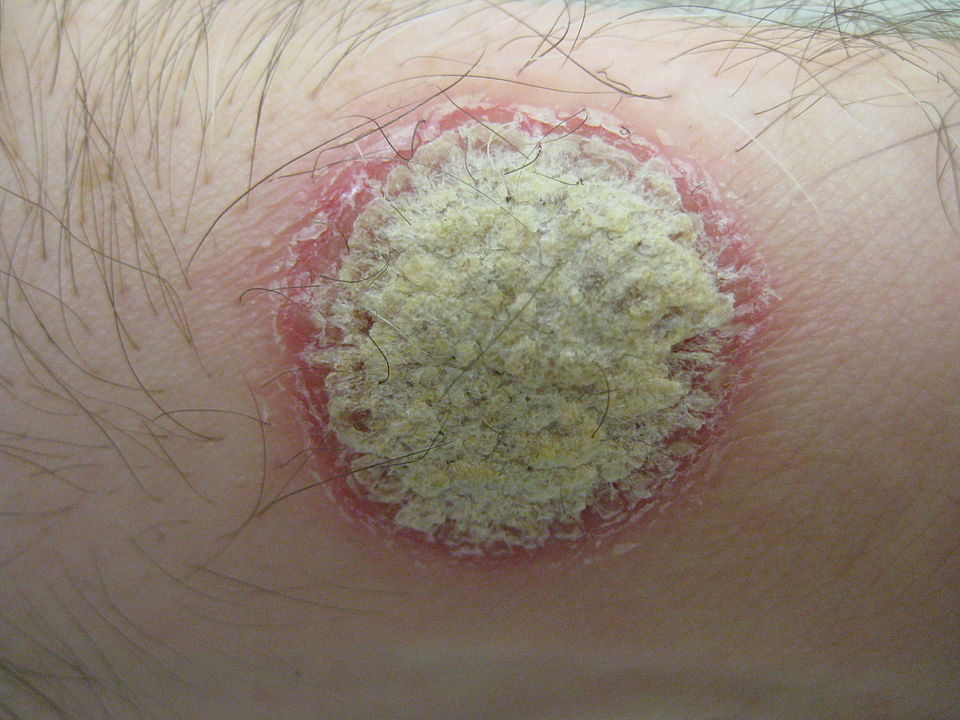
Scientists may have uncovered the root cause of psoriasis. New research published in Nature Communications strongly suggests the hormone hepcidin may trigger the onset of the condition. This marks the first time hepcidin has been considered a potential causal factor. In mammals, hepcidin is responsible for regulating iron levels in the body.
Psoriasis is a chronic and sometimes debilitating skin disease affecting 2-3% of the global population. The condition is characterised by red, scaly patches that impact the quality of a patient’s life and can sometimes be life-threatening.
The international research team behind this discovery – which includes Dr Charareh Pourzand at the University of Bath – hopes their finding will lead to the development of new drugs able to block the action of the hormone.
Those most likely to benefit from such a treatment are patients with pustular psoriasis (PP) – a particularly severe and treatment-resistant form of the disease that can affect a patient’s nails and joints as well as skin.
Dr Pourzand, who studies ways to mitigate iron imbalances in the skin, said: “Psoriasis is a life-changing dermatological disease. Patients face a potentially disfiguring and lifelong affliction that profoundly affects their lives, causing them both physical discomfort and emotional distress. The condition can also lead to other serious health conditions.
“A new treatment targeting iron hormone imbalance in the skin offers hope. This innovative approach could significantly enhance the quality of life for millions, restoring their confidence and wellbeing.”
We need skin iron – but not too much
Iron is an essential trace metal, not just for transporting oxygen through the body’s circulatory system but also for maintaining healthy skin: it’s involved in many essential cellular functions, including wound healing, collagen production and immune function. However, iron overload in the skin can be harmful, amplifying the damaging effects of UV sunlight and causing hyperproliferative chronic diseases (where cells grow and multiply more than normal), including psoriasis.
Studies going back 50 years have reported high iron concentrations in the skin cells of psoriatic patients, however the cause of this excess and its significance to the condition have remained unclear until now.
The new study is the first to name hepcidin as the likely link.
Hepcidin is responsible for controlling how much iron is absorbed from food and later released into the body. In healthy individuals, it’s produced exclusively in the liver, however the new study has found that in people with psoriasis, the hormone is also generated in the skin.
Exposure to hepcidin triggers iron overload
In the new study, mice (which have many genetic and physiological similarities to humans) developed a rodent form of psoriasis after being exposed to high levels of skin-produced hepcidin.
This over-abundance of the hormone caused the animals’ skin cells to retain far more iron than was required. In turn, this excess iron triggered both a hyperproliferation of skin cells and an abnormally high concentration of inflammation-inducing neutrophils (a type of immune system cell) in the topmost layer of skin.
These two outcomes – an overproduction of skin cells and an abundance of neutrophils – are main features of human psoriasis.
Psoriasis runs in families though experts believe ‘environmental’ factors such as weight, infections and smoking are also triggers.
A disease with no cure
Currently there is no cure for psoriasis, though treatments that include topical creams, light therapy and oral drugs can help keep symptoms under control for patients with some forms of the condition. Recent treatments have focused on targeting the immune pathways that contribute to psoriasis developing.
Dr Pourzand believes a drug targeting hepcidin has the potential to dramatically improve treatment options for all psoriasis patients.
She said: “Our data strongly suggests hepcidin would be a good target for skin psoriasis treatment. A drug that can control this hormone could be used to treat flare-ups and keep patients in remission to prevent recurrence.
“Also, by adjusting the excess iron in psoriatic skin with customised iron chelators (substances that bind to excess iron in the body and help remove it), we would aim to halt the uncontrolled proliferation of psoriatic skin cells. This hyperproliferation is a major focus of our laboratory’s research on psoriasis therapy, conducted in collaboration with national and international scientists from the Skin@Bath Network, including those from this study.”
Atrial fibrillation, a rapid, irregular heartbeat that can lead to stroke or sudden death, is three times more common than previously thought, affecting nearly 5% of the population, according to new estimates from UC San Francisco.
A-Fib, as the condition is commonly known, has been on the rise for at least the past decade, driven by the aging of the population, along with increasing rates of hypertension, diabetes and obesity. Earlier projections had estimated that 3.3 million U.S. adults had atrial fibrillation, but these have not been updated in more than two decades.
“Atrial fibrillation doubles the risk of mortality, is one of the most common causes of stroke, increases risks of heart failure, myocardial infarction, chronic kidney disease and dementia, and results in lower quality of life,” said first author Jean Jacques Noubiap, MD, PhD, a postdoctoral scholar at UCSF with a specialty in global cardiovascular health.
“Fortunately, atrial fibrillation is preventable, and early detection and appropriate treatment can substantially reduce its adverse outcomes,” he said.
Rising numbers reflect need for better prevention and treatment
UCSF investigators reviewed the medical records of nearly 30 million adult patients who received some form of acute or procedural care in California from 2005 to 2019. About 2 million of these people had been diagnosed with A-Fib, and the numbers grew over time, rising from 4.49% of the patients treated between 2005 and 2009 to 6.82% of the patients treated between 2015 and 2019.
The data were standardised to reflect the entire country, and researchers estimated the current national prevalence to be at least 10.55 million. They also found that during the study timeframe, A-Fib patients skewed younger, were less likely to be female and more likely to have hypertension and diabetes.
A-Fib has a broad spectrum of complications from shortness of breath and light-headedness to blood clots, stroke and even heart failure. Studies have shown that people with A-Fib are up to five times more likely to have a stroke. The authors said that by outlining the scope of the problem, these new estimates can help guide health care planning, resource allocation and public health interventions.
“Physicians recognise that atrial fibrillation is often encountered in essentially every field of practice,” said senior and corresponding author Gregory M. Marcus, MD, MAS, a cardiologist and electrophysiologist at UCSF Health. “These data provide objective evidence to demonstrate that prior projections severely underestimated how common it truly is.”
Digital technologies may reveal it is even more common than the current analysis indicates.
“With the growing use of consumer wearables designed to detect atrial fibrillation combined with safer and more effective means to treat it, this current prevalence of atrial fibrillation in health care settings may soon be dwarfed by future health care utilisation that will occur due to the disease,” Marcus said.
In a review of 27 different studies, a Johns Hopkins Children’s Center team concludes that some video games created as mental health interventions can be helpful – if modest – tools in improving the mental well-being of children and teens with depression and attention-deficit/hyperactivity disorder (ADHD). They did not significantly help with anxiety, however.
A report on the review of studies from peer-reviewed journals between 2011 and March 20, 2024, was published in JAMA Pediatrics.
“We found literature that suggests that even doubling the number of paediatric mental health providers still wouldn’t meet the need,” says Barry Bryant, MD, a resident in the Department of Psychiatry and Behavioral Sciences in the Johns Hopkins University School of Medicine and first author of the new study.
In a bid to determine if so-called “gamified digital mental health interventions,” or video games designed to treat mental health conditions, benefited those with anxiety, depression and ADHD, the research team analysed their use in randomised clinical trials for children and adolescents.
Bryant and child and adolescent psychologist Joseph McGuire, PhD, identified 27 such trials from the US and around the world. The studies overall included 2911 participants with about half being boys and half being girls, ages six to 17 years old.
The digital mental health interventions varied in content, but were all created with the intent of treating ADHD, depression and anxiety. For example, for ADHD, some of the games involved racing or splitting attention, which required the user to pay attention to more than one activity to be successful in gameplay. For depression and anxiety, some of the interventions taught psychotherapy-oriented concepts in a game format. All games were conducted on technology platforms, such as computers, tablets, video game consoles and smartphones. The video games are available to users in a variety of ways. Some are available online, while others required access through specific research teams involved in the studies.
The research team’s analysis found that video games designed for patients with ADHD and depression provided a modest reduction (both with an effect size of .28) in symptoms related to ADHD and depression, such as improved ability to sustain attention and decreased sadness, based on participant and family feedback from the studies. (An effect size of .28 is consistent with a smaller effect size, where as in-person interventions often produce moderate [.50] to large [.80] effects.) By contrast, video games designed for anxiety did not show meaningful benefits (effect size of .07) for reducing anxiety symptoms for participants, based on participant and family feedback.
Researchers also examined factors that led to improved benefit from digital mental health interventions. Specific factors related to video game delivery (i.e., interventions on computers and those with preset time limits) and participants (i.e., studies that involved more boys) were found to positively influence therapeutic effects. Researchers say these findings suggest potential ways to improve upon the current modest symptom benefit.
“While the benefits are still modest, our research shows that we have some novel tools to help improve children’s mental health – particularly for ADHD and depression – that can be relatively accessible to families,” says Joseph McGuire, Ph.D., an author of the study and an associate professor of psychiatry and behavioural sciences in the school of medicine. “So if you are a paediatrician and you’re having trouble getting your paediatric patient into individual mental health care, there could be some gamified mental health interventions that could be nice first steps for children while waiting to start individual therapy.”
The team cautioned that their review did not indicate why certain video game interventions performed better than others. They also note that some of the trials included in the study used reported outcome measures, and the studies did not uniformly examine the same factors which could have influenced the effects of the treatment. Some of the video games included in the studies are not easily accessible to play.
The researchers also noted that while video game addiction and the amount of screen time can be concerns, those children who played the games studied in a structured, time-limited format tended to do best.
Lung cancer metastasis. Credit: National Cancer Institute
In research published in Nature Communications, scientists have tested a combination of treatments in mice with lung cancer and shown that these allow immunotherapies to target non-responsive tumours.
The study findings, from Francis Crick Institute, in collaboration with Revolution Medicines, show that targeting tumours in different ways simultaneously might increase response to treatments.
The scientists tested a combination of tool compounds in mice with lung cancer. These compounds were used to represent:
Targeted drugs which block a cancer-causing protein called KRAS G12C. These have been approved for use in lung cancer, but often fail to benefit patients in the long term because the tumours develop resistance to these medicines over time.
Immunotherapy drugs. These are designed to stimulate the immune system to fight the tumour, but only 20% of people with lung cancer respond, as tumours often block immune cells from entering.
The researchers combined a newly identified KRAS G12C inhibitor, with a compound that blocks a protein called SHP2, which inhibits cancer cells and can also activate tumor immunity.
These two inhibitors were combined with an immune checkpoint inhibitor, which blocks proteins that help the cancer cells hide from the immune system.
Obstructive sleep apnoea may be a risk factor for developing abdominal aortic aneurysms, according to researchers from the University of Missouri School of Medicine and NextGen Precision Health.
Abdominal aortic aneurysms occur when the aorta swells and potentially ruptures, causing life-threatening internal bleeding. Obstructive sleep apnoea is characterised by episodes of a complete or partial airway collapse with an associated drop in oxygen saturation or arousal from sleep. It can increase the risk of developing cardiovascular problems. Citing studies that indicate a higher prevalence of abdominal aortic aneurysms in patients with obstructive sleep apnoea, MU researchers examined the link between the two using mouse models.
The research team found that intermittent hypoxia caused by obstructive sleep apnoea increased the susceptibility of mice to develop abdominal aortic aneurysms.
“Chronic intermittent hypoxia by itself is not enough to cause abdominal aortic aneurysms, but for a patient with obstructive sleep apnoea who also has additional metabolic problems like obesity, our findings suggest it may help degrade aortic structures and promote aneurysm development,” said Luis Martinez-Lemus, study author and a professor of medical pharmacology and physiology.
Intermittent hypoxia happens during obstructive sleep apnoea when throat muscles relax and block the flow of air into the lungs. According to the research, the loss of oxygen triggers certain enzymes called MMPs. The increased enzyme activity can degrade the extracellular matrix, which acts like a cell scaffolding network, weakening the aorta.
“Patients with abdominal aortic aneurysms usually don’t notice any symptoms, except for some back and belly pain, until the aneurysm bursts. Once that happens, it’s crucial to get the patient to surgery quickly so doctors can repair the aorta,” said Neekun Sharma, the lead author of the study. “Learning how these aneurysms develop can help us find ways to monitor or slow down their progression, especially for patients who have obstructive sleep apnoea.”
Craig Comrie, chairperson of the Health Funders Association
Wednesday, 25 September 2024, The passage of the National Health Insurance (NHI) Bill into an Act of law has set the stage for one of the most significant overhauls of South Africa’s healthcare system. As the government embarks on this ambitious plan, the stakes have never been higher. The NHI Act is more than a mere piece of legislation; it stands as a test of constitutional rights and the nation’s commitment to fostering a more inclusive and equitable society.
The Health Funders Association (HFA) welcomes the meeting between President Cyril Ramaphosa and Business Unity South Africa (BUSA) leadership on Tuesday, 17 September, to discuss the NHI as a positive step.
As a member of BUSA, we find it encouraging that the Minister and Deputy Minister of Health, along with other senior officials, were part of this constructive and forward-looking discussion. We can only hope that these recent discussions will mark the start of a series of engagements with key stakeholders, as the South African government must engage in open dialogue with all stakeholders, including private healthcare providers, medical schemes, and the general public. HFA will provide industry input to BUSA’s presentation to the President to help propose workable solutions to set South Africa’s healthcare train on the right track with inclusive mechanisms that will benefit all.
Constitutional rights and freedom of choice
The critical questions about the Act’s constitutional validity, economic feasibility, and potential impact on both public and private healthcare sectors, specifically the role of medical schemes, remain unanswered.
Recently, during a Q&A session, the President reaffirmed his belief that the Act is constitutionally sound but he declined to share specifics on how this conclusion was reached. In response, the Health Funders Association (HFA) will test various aspects of the NHI’s constitutionality, which is crucial for establishing a stable healthcare framework that delivers quality health services for all South Africans.
This is a critical juncture for politicians, policymakers and every South African who relies on the nation’s healthcare services – private and public sectors alike. Against this background, the HFA is seeking to strike a balance between much-needed healthcare reforms and the hard-hitting risks of the NHI Act that demand amendments.
Government has been adamant about the NHI’s transformative potential to address inequalities in healthcare access, contending that the NHI is aligned with Section 27(1) of the Constitution, which guarantees the right to access healthcare services, including reproductive healthcare.
On the other hand, this part of the Act cannot be read without the consideration of Section 36 which indicates that existing rights should not be compromised if there are alternative ways to achieve, in this case, universal health coverage. This is a key part of responding to the President’s invitation for alternative proposals that stand a more realistic chance of achieving a partnership with the private sector for improving healthcare for consumers.
Any alternative proposals provided by the private sector will come with the need to amend the current. The Act, if left unchallenged in its current form, can be likened to letting the healthcare train run on a single track of public sector inefficiency. By adding the private sector as a parallel track – both heading in the same direction towards universal healthcare coverage, we can stabilise and accelerate the journey.
The medical scheme sector effectively provides funding to the majority of services in the private sector with less than 10% of health consumers paying for services out of pocket in the private sector. This population group serves a significant portion of the taxpaying population, yet its role in the new system remains ambiguous. Will private healthcare consumers be forced to rely solely on centrally procured services, or will there be room for a coexistence that stands a better chance of laying the track towards a successful healthcare future that can benefit all South Africans?
Transparency and collaboration are essential in addressing the questions surrounding the NHI’s financial viability, human resource capacity, and broader economic impact. The future of South Africa’s healthcare system hinges on finding a balanced approach that ensures quality, accessibility, and economic sustainability for all citizens.
The government proposes funding the NHI through general taxes and mandatory payroll contributions. However, this plan has been met with scepticism as it raises considerable questions about the economic burden on taxpayers, particularly given the country’s high unemployment rate of 33.5% and sluggish economic growth rates of around 0.4% in the second quarter of this year. Critics argue that increasing tax rates to fund the NHI could backfire, reducing overall tax revenue, as highlighted by the Laffer Curve, which suggests that higher taxes can lead to lower revenue if they exceed an optimal rate.
Where will the healthcare professionals come from?
The public healthcare sector faces its own set of challenges. Reports indicate that the quality of care in public health facilities is often subpar, with systemic inefficiencies and resource constraints leading to poor health outcomes. The sector is grappling with high vacancy rates for healthcare professionals, exacerbating the strain on an already overburdened system. As it is, South Africa is already facing a severe shortage of medical personnel, with the vacancy rate for doctors ranging from 22.4% in the Free State to 5.5% in the Western Cape, while the national average vacancy rate for nurses stands at 14.7%.
The current system is struggling to fill thousands of vacancies for doctors, nurses and allied healthcare professionals, with over 2 000 unfunded vacant posts for medical doctors across nine provinces requiring an estimated R2.4 billion to fill them. Many provinces report alarming doctor vacancy rates: 18.5% in Mpumalanga, 17.6% in Limpopo, and 11.3% in KwaZulu-Natal, among others. The shortage is not just a numbers game; it affects the quality of healthcare that can be delivered. These figures raise serious concerns about the system’s capacity to deliver reliable and accessible healthcare services hampered by corruption and lack of proper leadership and management.
We must consider the strain this places on those simply trying to cope with the current healthcare demand from a growing population. The NHI aims to provide universal health coverage, but where will the necessary healthcare professionals come from?
The way forward
The NHI is not the only solution to South Africa’s healthcare challenges and is certainly not a panacea in its current form. The government must take a more collaborative approach, engaging with all stakeholders, including the private healthcare sector, medical schemes and the general public. Open dialogue is crucial to finding sustainable solutions that work for everyone. Critical decisions must be made, and these should not be taken behind closed doors. The nation’s healthcare needs are too important to be dictated by a select few without broader consultation.
The government has a constitutional obligation to ensure every South African has access to quality healthcare services. However, this must not come at the expense of freedom of choice, job losses and economic stability.
I urge President Cyril Ramaphosa to protect the constitutional rights of all South Africans and engage in meaningful dialogue with all stakeholders. The future of South Africa’s healthcare system depends on our collective ability to find innovative and inclusive solutions.
Joshua Lupton, MD, has no memory of his own cardiac arrest in 2016. He only knows that first responders resuscitated his heart with a shock from a defibrillator, ultimately leading to his complete recovery and putting him among fewer than one in 10 people nationwide who survive cardiac arrest outside of a hospital.
He attributes his survival to the rapid defibrillation he received from first responders – but not everybody is so fortunate.
Now, as lead author on an observational study published in JAMA Network Open, he and co-authors from Oregon Health & Science University say the study suggests the position in which responders initially place the two defibrillator pads on the body may make a significant difference in returning spontaneous blood circulation after shock from a defibrillator.
Researchers used data from the Portland Cardiac Arrest Epidemiologic Registry, which comprehensively recorded the placement position of defibrillation pads from July 1, 2019, through June 30, 2023. For purposes of the study, researchers reviewed 255 cases treated by Tualatin Valley Fire & Rescue, where the two pads were placed either at the front and side or front and back.
They found placing the pads in front and back had 2.64-fold greater odds of returning spontaneous blood circulation, compared with placing the pads on the person’s front and side.
The current common knowledge among health care professionals is that pad placement – whether front and side, or front and back – is equally beneficial in cardiac arrest. The researchers cautioned that their new study is only observational and not a definitive clinical trial. Yet, given the crucial importance of reviving the heartbeat as quickly as possible, the results do suggest a benefit from placing the pads on the front and back rather than the front and side.
“The key is, you want energy that goes from one pad to the other through the heart,” said senior author Mohamud Daya, MD, professor of emergency medicine in the OHSU School of Medicine.
Placing the pads in the front and back may effectively “sandwich” the heart, raising the possibility that the electrical current will be delivered more comprehensively to the organ.
However, that’s not readily possible in many cases. For example, the patient may be overweight or positioned in such a way that they can’t be easily moved.
“It can be hard to roll people,” said Daya, who also serves as medical director for Tualatin Valley Fire & Rescue. “Emergency medical responders can often do it, but the lay public may not be able to move a person. It’s also important to deliver the electrical current as quickly as possible.”
In that respect, pad placement is only one factor among many in successfully treating cardiac arrest.
Lupton survived his cardiac arrest and went on to complete medical school at the very hospital where he spent several days recovering in the intensive care unit – Johns Hopkins University in Baltimore. The episode led him to alter the focus of his research so that he could examine ways to optimise early care for cardiac arrest patients.
The results of the new study surprised him.
“I didn’t expect to see such a big difference,” he said. “The fact that we did may light a fire in the medical community to fund some additional research to learn more.”