Author: ModernMedia

Unlocking New Areas of the Brain for Stimulation in Parkinson’s

Deep brain stimulation illustration. Credit: NIH

People with Parkinson’s disease increasingly lose their mobility over time and are eventually unable to walk. Hope for these patients rests on deep brain stimulation. In a recent study, researchers at Ruhr University Bochum and Philipps-Universität Marburg, Germany, investigated whether and how stimulation of a certain region of the brain can have a positive impact on ambulatory ability and provide patients with a better quality of life. To do so, the researchers used a technique in which the nerve cells are activated and deactivated via light. Their report appeared in the journal Scientific Reports.

Improving ambulatory ability

If medication is no longer sufficient in alleviating restricted mobility in the advanced stage of Parkinson’s disease, one alternative is deep brain stimulation. An electrical pulse emitter is implanted within the brain, such as in the subthalamic nucleus, which is functionally part of the basal ganglia system. 

The group under Dr Liana Melo-Thomas from Philipps-Universität Marburg was able to show in previous studies on rats that stimulation of the inferior colliculus, chiefly known for processing auditory input, can be used to overcome mobility restrictions. “There are indications that stimulation of this region of the brain leads to activation of the mesencephalic locomotor region, or MLR,” says Melo-Thomas.

Interestingly, the colliculus inferior – unlike the basal ganglia –is not affected by Parkinson’s disease. However, the research group under Melo-Thomas discovered that its stimulation activates alternative motor pathways and can improve patients’ mobility.

The current study aimed to further investigate this activating influence of the inferior colliculus on the MLR. “We suspected that this would have a positive effect on ambulatory ability,” says Melo-Thomas.

Optically influencing nerve cells

The Marburg group led by Professor Rainer Schwarting sought support by Dr Wolfgang Kruse from the Department of General Zoology and Neurobiology at Ruhr University Bochum. The team in Bochum led by Professor Stefan Herlitze played a significant role in co-developing the methods of optogenetics.

While doing so, the researchers ensure that the nerve cells of genetically modified test animals produce a light-sensitive protein in interesting regions of the brain. Light that reaches these nerve cells via small, implanted optical fibres allows the researchers to activate or inhibit them specifically. “This method is thus much more precise than electrical stimulation, which always affects the area around the cells as well,” says Kruse.

For the first time, the effect of the stimulation was directly documented with electrophysiological measurements of neuronal activity in the target structures. A multi-electrode system originally developed at Philipps-Universität Marburg was used for this purpose. By combining these methods, the researchers were able to directly understand the effect of the stimulation. Parallel measurement with up to four electrodes is also highly efficient, allowing minimisation of the number of animals used. Behavioural effects that can be triggered by the stimulation were monitored in conscious animals.

Stimulation of the inferior colliculus provides the desired effect

Optogenetic stimulation in the inferior colliculus predominantly triggered the expected increase in neuronal activity within it. “Simultaneous measurements in the deeper MLR region showed increased activity in the majority of cells, although nearly one quarter of the cells were inhibited by the additional activity in the inferior colliculus,” reports Kruse. The activation of individual nerve cells occurred with an average delay of 4.7 milliseconds, indicating a functional synaptic interconnection between the inferior colliculus and MLR.

Foundations for new types of therapy

Investigating circuits outside of the basal ganglia that are affected by Parkinson’s disease is a promising step in the search for a new therapeutic approach to alleviating motor deficits resulting from the disease. Such is the case with the connection between the inferior colliculus and the MLR that was investigated for this study.

“Even if the path toward new therapeutic approaches to alleviating the symptoms of Parkinson’s disease still appears long, such foundational research is immensely important,” emphasises Kruse. The exact mechanisms that lead to the observed relief of symptoms with deep brain stimulation in the basal ganglia are not fully understood. Further investigation of the underlying interconnections may provide new insight that could optimise therapy in the long term.

Source: Ruhr-University Bochum

Quality of Carbohydrates Matters for Healthy Ageing

Photo by Mariana Kurnyk

Intakes of dietary fibre as well as high-quality and total carbohydrates in midlife were favourably linked to healthy aging and other positive health outcomes in older women, according to a new study appearing in the journal JAMA Network Open.

“We’ve all heard that different carbohydrates can affect health differently, whether for weight, energy, or blood sugar levels. But rather than just look at the immediate effects of these macronutrients, we wanted to understand what they might mean for good health 30 years later,” said Andres Ardisson Korat, a scientist at Tufts University and lead author of the study. “Our findings suggest that carbohydrate quality may be an important factor in healthy aging.”

Researchers from Tufts University and Harvard T.H. Chan School of Public Health analysed data from Nurses’ Health Study questionnaires collected every four years between 1984 and 2016. They examined the midlife diets and eventual health outcomes of more than 47 000 women who were between the ages of 70 and 93 in 2016.  Intakes of total carbohydrates, refined carbohydrates, high-quality (unrefined) carbohydrates, carbohydrates from whole grains, fruits, vegetables, and legumes, dietary fibre, and the dietary glycaemic index and glycaemic load were derived from the validated food-frequency questionnaires. The researchers defined healthy aging as the absence of 11 major chronic diseases, lack of cognitive and physical function impairments, and having good mental health, as self-reported in the Nurses’ Health Study questionnaires. In the new study, 3706 participants met the healthy aging definition.

The analysis showed intakes of total carbohydrates, high-quality carbohydrates from whole grains, fruits, vegetables, and legumes, and total dietary fibre in midlife were linked to 6 to 37% greater likelihood of healthy aging and several areas of positive mental and physical health. In the other direction, intakes of refined carbohydrates (carbohydrates from added sugars, refined grains, and potatoes) and starchy vegetables were associated with 13% lower odds of healthy aging.

“Our results are consistent with other evidence linking consumption of fruits and vegetables, whole grains, and legumes with lower risks of chronic diseases, and now we see the association with physical and cognitive function outcomes,” said senior author Qi Sun, associate professor in the departments of nutrition and epidemiology at Harvard Chan School.

The authors note as a limitation that the study population was composed mostly of white health professionals; future research will be necessary to replicate these findings in more diverse cohorts. 

Ardisson Korat also noted that additional work is needed to understand the potential mechanisms linking dietary fiber and high-quality carbohydrates to healthy aging.

“Studies are starting to find an association between food choices in midlife and quality of life in later years. The more we can understand about healthy aging, the more science can help people live healthier for longer,” added Ardisson Korat.

Source: Tufts University

Does Hormone Therapy Improve Heart Health in Menopausal Women?

Photo by Teona Swift on Unsplash

Deciding whether to start hormone therapy during the menopause transition, the life phase that’s the bookend to puberty and when a woman’s menstrual cycle stops, is a hotly debated topic. While hormone therapy is recommended to manage bothersome symptoms like hot flashes and night sweats, Matthew Nudy, assistant professor of medicine at the Penn State College of Medicine, said there’s confusion about the long-term effects of hormone therapy, especially on cardiovascular health.

However, long-term use of oestrogen-based hormone therapies may have beneficial effects on heart health, according to a new study led by Nudy. A multi-institutional team analysed data from hormone therapy clinical trials that were part of the Women’s Health Initiative (WHI), a long-term national study focused on menopausal women, and found that oestrogen-based hormone therapy improved biomarkers associated with cardiovascular health over time. In particular, the study suggests that hormone therapy may lower levels of lipoprotein(a), a genetic risk factor associated with a higher risk of heart attack and stroke.

Their findings were published in the journal Obstetrics & Gynecology.

“The pendulum has been swinging back and forth as to whether hormone therapy is safe for menopausal women, especially from a cardiovascular disease perspective,” Nudy said. “More recently, we’re recognising that hormone therapy is safe in younger menopausal women within 10 years of menopause onset, who are generally healthy and who have no known cardiovascular disease.”

The hormonal changes that accompany menopause come with an increased risk of cardiovascular disease. The decline in the oestrogen can lead to changes in cholesterol, blood pressure and plaque buildup in blood vessels, which increase the risk of heart attack and stroke.

The research team was interested in understanding the long-term effect of hormone therapy on cardiovascular biomarkers, which hasn’t been evaluated over an extended period of time. Prior research in the field primarily looked at short-term effects.

Here, the team analysed biomarkers associated with cardiovascular health over a six-year period from a subset of women who had participated in an oral hormone therapy clinical trial that was part of the WHI. Post-menopausal participants aged 50 to 79 were randomly assigned to one of two groups, an oestrogen-only group and an oestrogen plus progesterone group. They provided blood samples at baseline and at the one-, three- and six-years marks. In total, they analysed samples from 2696 women, approximately 10% of the total trial participants.

The research team found that hormone therapy had a beneficial effect on most biomarkers in both the oestrogen-only and the oestrogen-plus-progesterone groups over time. Levels of LDL cholesterol, the so-called “bad” cholesterol, were reduced by approximately 11% while total cholesterol and insulin resistance decreased in both groups. HDL cholesterol, the so-called “good” cholesterol, increased by 13% and 7% for the oestrogen-only and oestrogen-and-progesterone groups, respectively.

However, triglycerides and coagulation factors, proteins in the blood that help form blood clots, increased.

The decrease in lipoprotein(a) concentration was more pronounced among participants with American Indian or Alaska Native ancestry or Asian or Pacific Islander ancestry, by 41% and 38%, respectively. The reason why was unclear, Nudy said.

More surprising to the research team, they said, levels of lipoprotein(a), a type of cholesterol molecule, decreased 15% and 20% in the oestrogen-only and the oestrogen-plus-progesterone groups, respectively. Unlike other types of cholesterol, which can be influenced by lifestyle and health factors such as diet and smoking, concentrations of lipoprotein(a) are thought to be determined primarily by genetics, Nudy explained. Patients with a high lipoprotein(a) concentration have an increased risk of heart attack and stroke, especially at a younger age. There’s also an increased risk of aortic stenosis, where calcium builds up on a heart valve.

“As a cardiologist, this finding is the most interesting aspect of this research,” Nudy said. “Currently, there are no medications approved by the Food and Drug Administration (FDA) to lower lipoprotein(a). Here, we essentially found that oral hormone therapy significantly reduced lipoprotein(a) concentrations over the long-term.”

Nudy noted that the oestrogen therapy the women received in the clinical trial was conjugated equine oestrogens, a commonly prescribed form of oral oestrogen therapy. Before being absorbed by the body, oral hormone therapy is processed in the liver, through a process called first-pass metabolism. That process could increase inflammatory markers, which may explain the rise in triglycerides and coagulation factors.

“There are now other common formulations of oestrogen hormone therapy like transdermal oestrogen, which is administered through the skin,” Nudy said. “Newer studies have found that transdermal oestrogen doesn’t increase triglycerides, coagulation factors or inflammatory markers.”

For those considering menopause hormone therapy, Nudy recommended undergoing a cardiovascular disease risk assessment, even if the person hasn’t had a previous heart attack or stroke or hasn’t been diagnosed with cardiovascular disease. It will give health care providers more information when considering the best option to treat menopause symptoms.

“Currently, hormone therapy is not FDA-approved to reduce the risk of coronary artery disease or stroke,” Nudy said. 

Source: Penn State

Daytime Gives a Boost to the Immune System, Scientists Find

Photo by Julian Jagtenberg on Pexels

A breakthrough study, led by scientists at Waipapa Taumata Rau, University of Auckland, has uncovered how daylight can boost the immune system’s ability to fight infections.

The circadian clock is a 2.5-billion-year-old cellular timekeeper that allows organisms to adapt to the rhythms of day and night. Evidence has shown that disruption of our internal body clock through the likes of shift work or jet lag makes people more susceptible to infections, so the researchers wanted to find out what in the body contributed to that susceptibility.

“In earlier studies, we had observed that immune responses to infection peaked in the morning, during the animals’ early active phase,” says lead researcher Associate Professor Christopher Hall, from the Department of Molecular Medicine and Pathology.

“We think this represents an evolutionary response such that during daylight hours the host is more active so more likely to encounter bacterial infections,” says Hall.

However, the scientists wanted to find out how the immune response was being synchronised with daylight.

They focused on ‘neutrophils’ the most abundant immune cells in our bodies. These cells move quickly to the site of an infection and kill invading bacteria.

The scientists used zebrafish, a small freshwater fish, as a model organism, because its genetic make-up is similar to ours and they can be bred to have transparent bodies, making it easy to observe biological processes in real time.

With this new study, published in Science Immunology, neutrophils were found to possess a circadian clock that alerted them to daytime, and boosted their ability to kill bacteria.

Circadian clocks are present in almost every cell and tissue in the body, telling them what is going on in the outside world and coordinating physiological processes like metabolism, hormone release, and sleep-wake cycles.

Light has the biggest influence on resetting these circadian clocks.

“Given that neutrophils are the first immune cells to be recruited to sites of inflammation, our discovery has very broad implications for therapeutic benefit in many inflammatory diseases,” Hall says.

“This finding paves the way for development of drugs that target the circadian clock in neutrophils to boost their ability to fight infections.”

Source: University of Auckland

New Factor Linked to Heart Failure

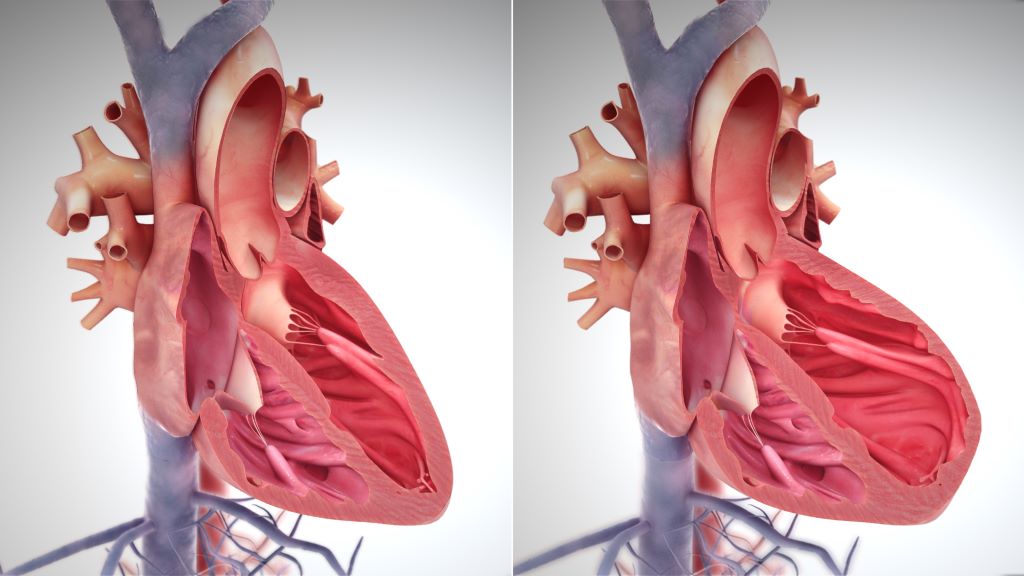
Right side heart failure. Credit: Scientific Animations CC4.0

People with type 2 diabetes (DM2) are at increased risk of developing heart failure due to the presence of prominent risk factors (hypertension, obesity, coronary heart disease, etc).

Now, a study published in the journal Cellular and Molecular Life Sciences has identified a new factor linked to the development of pathological hypertrophy. The results of the study suggest that increasing the activity of the GADD45A protein could be a promising therapeutic strategy to slow the progression of this clinical condition.

A factor with a prominent role in cardiac function

The GADD45A (growth arrest and DNA damage inducible 45A) protein is a multifunctional factor associated with stress signalling and cell damage. In this study, the team assessed the role of GADD45A in cardiac function using animal models and human cardiac cells.

The main mechanisms involved in pathological hypertrophy include inflammatory processes, fibrosis, mitochondrial dysfunction, dysregulation of calcium-handling proteins, metabolic alterations, cardiomyocyte hypertrophy and cell death. Fibrosis and inflammation are key factors in the progression of this pathological cardiac hypertrophy and subsequent heart failure.

“Fibrosis, in particular, correlates directly with the development of the disease and with adverse clinical outcomes, and has a major impact on the clinical condition of the patient”, says study leader Professor Manuel Vázquez-Carrera.

The results reveal that the lack of GADD45A factor in mice triggers cardiac fibrosis, inflammation and apoptosis. These changes correlate with hyperactivation of the proinflammatory and profibrotic transcription factors AP-1 (activator protein-1), NF-κB (nuclear factor-κB) and STAT3 (signal transducer and activator of transcription 3).

According to the findings, deletion of GADD45A also caused substantial cardiac hypertrophy that negatively affected cardiac morphology and function in mice lacking this protein. Furthermore, overexpression of GADD45A in human AC16 cardiomyocytes partially prevented the inflammatory and fibrotic response induced by tumour necrosis factor-alpha (TNF-α).

“Taken together, the data presented in this study highlight an important role for GADD45A protein in the heart, as it may prevent inflammation, fibrosis and apoptosis and thus preserve cardiac function”, says Associate Professor Xavier Palomer, who also led the study.

This paper expands our knowledge of the action mechanisms of GADD45A in the body. To date, previous studies have identified the role as a tumour suppressor in cancer development, as well as its involvement in the regulation of catabolic and anabolic metabolic pathways and in the prevention of inflammation, fibrosis and oxidative stress in some tissues and organs. Finally, some studies have indicated that the modulation of GADD45A could be a suitable therapeutic strategy to prevent obesity and diabetes.​​​​​

Source: University of Barcelona

Surgeons Perform World-first Bladder Transplant

UCLA Health surgical team has performed the first-in-human bladder transplant. 

The surgery was successfully completed at Ronald Reagan UCLA Medical Center on May 4, 2025. The team was led by Dr Nima Nassiri, a urologic transplant surgeon and director of the UCLA Vascularized Composite Bladder Allograft Transplant Program, with assistance from Dr Inderbir Gill, founding executive director of USC Urology.

“Bladder transplantation has been Dr Nassiri’s principal academic focus since we recruited him to the UCLA faculty several years ago,” said Dr Mark Litwin, UCLA Urology Chair, “It is incredibly gratifying to see him take this work from the laboratory to human patients at UCLA, which operates the busiest and most successful solid-organ transplant program in the western United States.”

“This first attempt at bladder transplantation has been over four years in the making,” Nassiri said. “For the appropriately selected patient, it is exciting to be able to offer a new potential option.” 

The patient had lost most of his bladder during a tumour removal, leaving the remainder too small and compromised to work. Both of his kidneys were also subsequently removed due to renal cancer in the setting of pre-existing end-stage kidney disease. As a result, he was on dialysis for seven years. 

The biggest risks of organ transplantation are the body’s potential rejection of the organ and side-effects caused by the mandatory immune suppressing drugs given to prevent organ rejection.

“Because of the need for long-term immunosuppression, the best current candidates are those who are already either on immunosuppression or have an imminent need for it,” Nassiri said. 

Nassiri and Gill collaborated for several years to develop the surgical technique. Numerous pre-clinical procedures were performed at USC and OneLegacy, Southern California’s organ procurement organisation, to prepare for the first human bladder transplant. 

During the complex procedure, the surgeons transplanted the donated kidney, following that with the bladder. The new kidney was then connected to the new bladder using the technique that Nassiri and Gill pioneered. The entire procedure lasted approximately eight hours. 

“The kidney immediately made a large volume of urine, and the patient’s kidney function improved immediately,” Nassiri said. “There was no need for any dialysis after surgery, and the urine drained properly into the new bladder.”

Current treatment for severe terminal cases of bladder dysfunction or a bladder that has been removed due to various conditions includes replacement or augmentation of the urinary reservoir. These surgeries use a portion of a patient’s intestine to create a new bladder or a pathway for the urine to exit the body. 

While these surgeries can be effective, they come with many short-and long-term risks that compromise a patient’s health such as internal bleeding, bacterial infection and digestive issues.

“A bladder transplant, on the other hand, results in a more normal urinary reservoir, and may circumvent some short- and long-term issues associated with using the intestine,” Nassiri said.

As a first-in-human attempt, there are naturally many unknowns associated with the procedure, such as how well the transplanted bladder will function immediately and over time, and how much immunosuppression will ultimately be needed. 

Bladder transplants have not been done previously, in part because of the complicated vascular structure of the pelvic area and the technical complexity of the procedure. As part of the research and development stage, Nassiri and Gill successfully completed numerous practice transplantation surgeries at Keck Medical Center of USC, including the first-ever robotic bladder retrievals and successful robotic transplantations in five recently deceased donors with cardiac function maintained on ventilator support.

The two surgeons also undertook several non-robotic trial runs of bladder recovery at OneLegacy, allowing them to perfect the technique while working closely with multi-disciplinary surgical teams. 

The bladder is strictly within the domain of urologists. At UCLA, kidney transplantation is also housed within the department of urology. This is why the combined kidney and bladder transplant was ultimately performed at UCLA, which has the necessary infrastructure, clinical expertise, and multidisciplinary support to carry out the procedure and manage the patient from pre-transplant evaluation through post-transplant care, all within the one department.

The procedure was performed as part of a UCLA clinical trial. Nassiri hopes to perform more bladder transplants in the near future. 

UCLA Urology has long been at the frontier of urologic transplantation, with pioneering research in kidney transplantation and now, bladder transplantation. 

Source: UCLA Health

Adult-onset Type 1 Diabetes Increases Cardiovascular Risk, Especially in 40s and Older

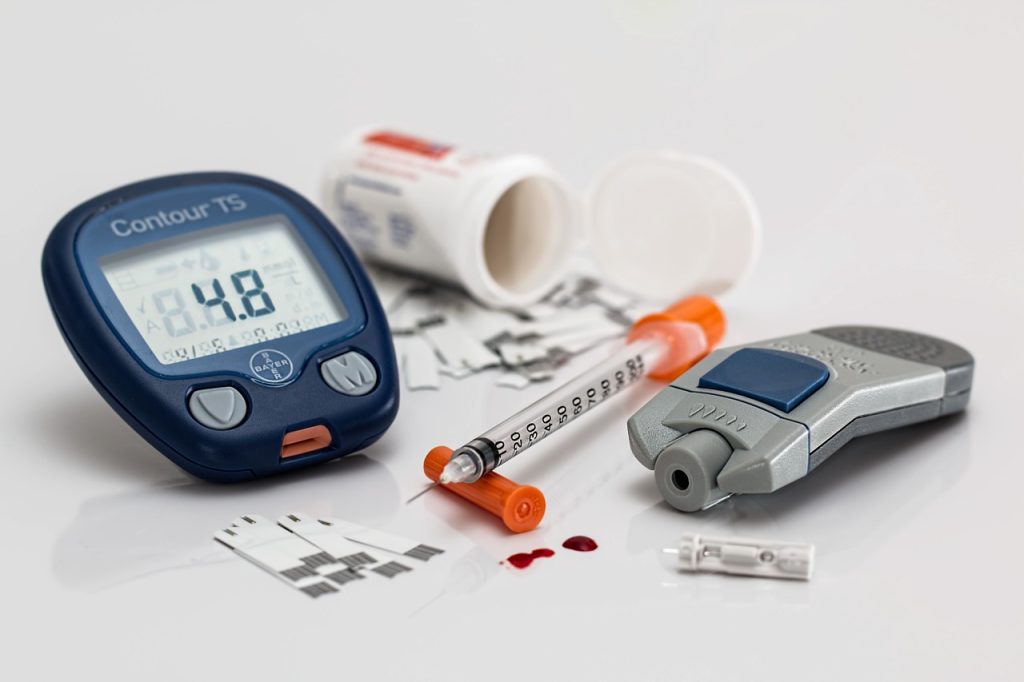
Source: Pixabay CC0

A new study in the European Heart Journal shows that people who develop type 1 diabetes in adulthood have an increased risk of cardiovascular disease and death, and that those diagnosed later in life do not have a better prognosis than those diagnosed earlier. The study, conducted by researchers at Karolinska Institutet, points to modifiable factors – smoking, poor glucose control and obesity – as the main risk factors.

Type 1 diabetes used to be called childhood diabetes but can start at any time during life – a situation for which there is limited research. The researchers behind the current study wanted to investigate the risk of cardiovascular disease and death in this group, particularly for those diagnosed after the age of 40.

The registry-based study identified 10 184 people diagnosed with type 1 diabetes in adulthood between 2001 and 2020 and compared them to 509 172 matched people in the control group.

The study shows that these people with adult-onset type 1 diabetes had a higher risk of cardiovascular disease and death from all causes, including cancer and infections, compared to the control group.

“The main reasons for the poor prognosis are smoking, overweight/obesity and poor glucose control. We found that they were less likely to use assistive devices, such as insulin pumps,” says first author Yuxia Wei, postdoctoral fellow at the Institute of Environmental Medicine, Karolinska Institutet.

The prognosis can be improved 

The results emphasise the seriousness of type 1 diabetes, even when it starts later in life, the researchers say. But the prognosis can improved by avoiding smoking and obesity, especially for those diagnosed later in life.

The researchers plan to continue investigating adult-onset type 1 diabetes, including risk factors for developing the disease and the prognosis of other outcomes, such as microvascular complications. Optimal treatment in adult-onset type 1 diabetes, including the effect of pump use and other advanced technologies, also needs to be explored.

Source: Karolinska Institutet

Adding Chili to a Meal Helps Prevent Overconsumption

Photo by Ryan Quintal on Unsplash

Throwing a little heat on your meal might be an effective strategy for cutting back on calories, according to a new study led by researchers at Penn State.

Scientists at the University’s Sensory Evaluation Center examined how increasing “oral burn” – the spicy taste from ingredients like chili pepper – affects how much food people consume during a meal. The findings, available online now and slated to publish in the October issue of the journal Food Quality and Preference, suggest that making the meal slightly spicier led participants to eat less, consuming fewer calories.

“We know from previous studies that when people slow down, they eat significantly less,” said Paige Cunningham, a postdoctoral researcher and lead author on the study who earned her doctorate in nutritional sciences from Penn State in 2023. “We suspected that making a meal spicier might slow people down. We thought, let’s test, under controlled experimental conditions in the lab, if adding a small amount of spice, but not so much that the meal is inedible, will make people eat slower and therefore eat less.”

The researchers found that increasing spiciness slightly using dried chili pepper slowed down eating and reduced the amount of food and energy consumed at a meal, all without negatively affecting the palatability of the dish.

“This points to added chilies as a potential strategy for reducing the risk of energy overconsumption,” said John Hayes, Penn State professor of food science and corresponding author on the paper. “While portion control wasn’t the explicit goal of this study, our results suggest this might work. Next time you’re looking to eat a little less, try adding a blast of chilies, as it may slow you down and help you eat less.”

Source: Penn State

We Found a Germ that ‘Feeds’ on Hospital Plastic – New Study

Photo by Marcelo Leal on Unsplash

Ronan McCarthy, Brunel University of London and Rubén de Dios, Brunel University of London

Plastic pollution is one of the defining environmental challenges of our time – and some of nature’s tiniest organisms may offer a surprising way out.

In recent years, microbiologists have discovered bacteria capable of breaking down various types of plastic, hinting at a more sustainable path forward.

These “plastic-eating” microbes could one day help shrink the mountains of waste clogging landfills and oceans. But they are not always a perfect fix. In the wrong environment, they could cause serious problems.

Plastics are widely used in hospitals in things such as sutures (especially the dissolving type), wound dressings and implants. So might the bacteria found in hospitals break down and feed on plastic?


Get your news from actual experts, straight to your inbox. Sign up to our daily newsletter to receive all The Conversation UK’s latest coverage of news and research, from politics and business to the arts and sciences.


To find out, we studied the genomes of known hospital pathogens (harmful bacteria) to see if they had the same plastic-degrading enzymes found in some bacteria in the environment.

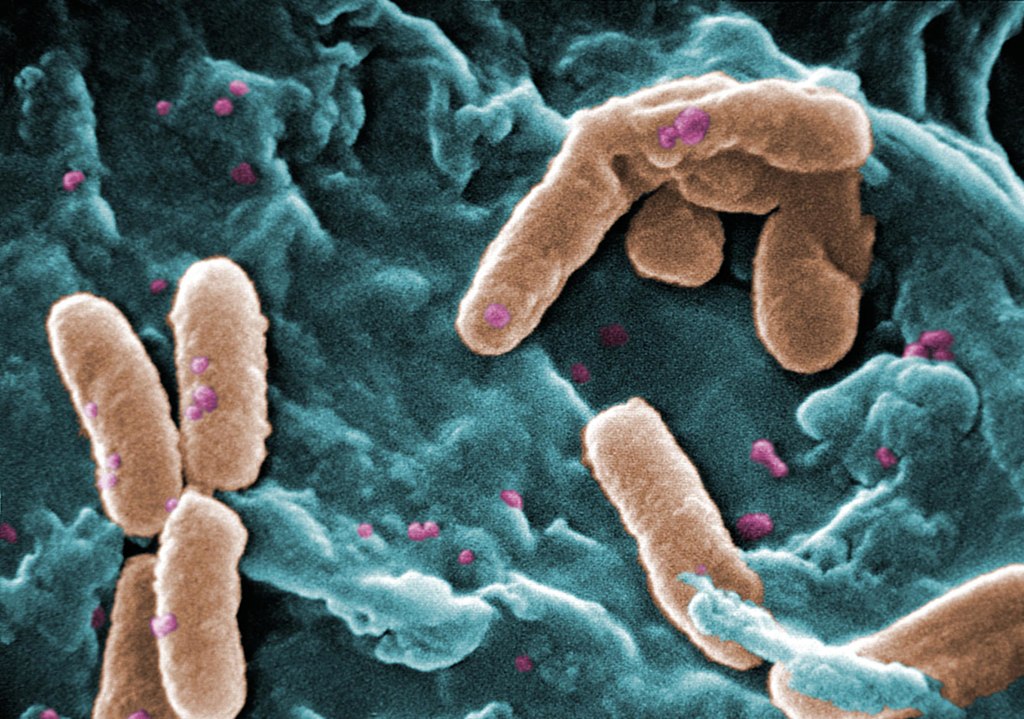
Pseudomonas bacteria. Source: Wikimedia CCO

We were surprised to find that some hospital germs, such as Pseudomonas aeruginosa, might be able to break down plastic.

P aeruginosa is associated with about 559,000 deaths globally each year. And many of the infections are picked up in hospitals.

Patients on ventilators or with open wounds from surgery or burns are at particular risk of a P aeruginosa infection. As are those who have catheters.

We decided to move forward from our computational search of bacterial databases to test the plastic-eating ability of P aeruginosa in the laboratory.

We focused on one specific strain of this bacterium that had a gene for making a plastic-eating enzyme. It had been isolated from a patient with a wound infection. We discovered that not only could it break down plastic, it could use the plastic as food to grow. This ability comes from an enzyme we named Pap1.

Biofilms

P aeruginosa is considered a high-priority pathogen by the World Health Organization. It can form tough layers called biofilms that protect it from the immune system and antibiotics, which makes it very hard to treat.

Our group has previously shown that when environmental bacteria form biofilms, they can break down plastic faster. So we wondered whether having a plastic-degrading enzyme might help P aeruginosa to be a pathogen. Strikingly, it does. This enzyme made the strain more harmful and helped it build bigger biofilms.

To understand how P aeruginosa was building a bigger biofilm when it was on plastic, we broke the biofilm apart. Then we analysed what the biofilm was made of and found that this pathogen was producing bigger biofilms by including the degraded plastic in this slimy shield – or “matrix”, as it is formally known. P aeruginosa was using the plastic as cement to build a stronger bacterial community.

Pathogens like P aeruginosa can survive for a long time in hospitals, where plastics are everywhere. Could this persistence in hospitals be due to the pathogens’ ability to eat plastics? We think this is a real possibility.

Many medical treatments involve plastics, such as orthopaedic implants, catheters, dental implants and hydrogel pads for treating burns. Our study suggests that a pathogen that can degrade the plastic in these devices could become a serious issue. This can make the treatment fail or make the patient’s condition worse.

Thankfully, scientists are working on solutions, such as adding antimicrobial substances to medical plastics to stop germs from feeding on them. But now that we know that some germs can break down plastic, we’ll need to consider that when choosing materials for future medical use.

Ronan McCarthy, Professor in Biomedical Sciences, Brunel University of London and Rubén de Dios, Postdoctoral Research Fellow, Biotechnology, Brunel University of London

This article is republished from The Conversation under a Creative Commons license. Read the original article.

Tested and Safe? Court Battle over Circumcision Device

Photo by cottonbro studio

By Tania Broughton

A tender for a circumcision device, set to be used in all provincial health care centres and the military, is under legal scrutiny amid claims that the device is untested and unsafe.

Unicirc Pty Ltd has filed papers in the Pretoria High Court seeking to review and set aside the award of the tender to CircumQ RF Pty Ltd amid claims that the CircumQ device is “vastly inferior” compared to its own and others.

In his founding affidavit, Dr Cyril Norman Parker said that the application was “in the public interest” to ensure only safe and proven surgical devices are used in circumcision procedures. 

“There is no publicly available information even to suggest that CircumQ’s device is such a device,” he said.

Parker – who has extensive circumcision experience – and his wife, Elizabeth Pillgrab-Parker, co-founded and continue to work in two primary health care centres they established in Mitchells Plain and Sea Point in the Western Cape under the auspices of Simunye Health Care.

Parker says he has worked in the area of male circumcision for 30 years, in particular as an HIV prevention strategy.

They are also the co-directors of Unicirc, which has the licence to distribute and sell a single-use circumcision device for safe and cost effective circumcision. The device “has significant capacity for scaling up circumcision procedures”, Parker said.

Unicirc bid for the tender for the supply of a surgical aid to be used at the nine departments of health and the Department of Defence.

Parker said he and his wife set up the Simunye health care centres when HIV prevalence was high.

“The conclusive results of three landmark clinical trials gave cause for optimism that circumcision could reduce female to male transmission of HIV by between 50 and 60%,” he said.

In terms of a policy decision taken by the National Department of Health, circumcision services were offered to all males aged ten and above.

“Our role, as service providers, is to ensure that we provide that service safety. In so far as ten to 14-year-olds, this means the strict use of device-based methods that avoid the need for sutures which brings complication rates down to less than 1.5%.”

He said he had performed over 3000 circumcisions across all age groups using multiple techniques.

“What is absolutely clear is that in order to provide services to everyone in need, a surgical-only approach has to be abandoned in favour of a device approach. But not all devices are the same.

“We conceptualised the development of a new circumcision device to improve safety, efficiency and accessibility.”

He said the Unicirc device, which is manufactured overseas, allowed for a complete circumcision in one visit, performed by a single health care provider, using a local anaesthetic and without any sutures.

The whole procedure is completed in about ten to 12 minutes and with proper training, it can also be performed by nurses.

“It has now been used for more than ten years by a range of different health care providers. More than 7,500 procedures have been performed in all ages in both public and private health care sectors. No severe adverse events have been reported and excellent cosmetic results have been achieved.

“It has resulted in the doubling of the number of circumcisions that can be performed safely in a day, a significant reduction in complications and increased client satisfaction,” Parker said.

When the World Health Organisation (WHO) published its (device) guidelines in 2020, only the Unicirc device came close to meeting the requirements. The manufacturer had now started the process of securing WHO pre-qualification. (WHO pre-qualified devices have to meet strict standards of quality, safety and efficacy.)

The device had also been tested in medical trials.

In contrast, Parker said, very little was known publicly about the CircumQ device.

“I am not aware of any peer-reviewed publications that consider its use. It has not been reviewed in any of the WHO literature I have perused or in any systematic review of circumcision devices that I have read. This is in contrast to the Unicirc device as well as other products.

“While I have come across two studies, I have not been able to find out anything about this research and I have not seen any evidence to suggest that it is close to being prequalified or even evaluated by WHO.”

Parker said however, he had studied its design, read training material and spoken to various experts and researchers and health care workers who had used that device and later attended training on the Unicirc device.

“It is vastly inferior. Sutures are required, increasing healing time and requiring a follow up visit. It increases patient discomfort and the risk of infection, the procedure takes longer and it’s more difficult to scale up because it requires two operators,” he said.

“But it’s not just a question of which device is better. There is simply no scientific data supporting the use of it.

“In the absence of that, it would be highly irresponsible to recommend its use, especially in the vulnerable ten to 14 age group. It places young boys at unnecessary risk of potentially irreparable harm and undermines the circumcision programme as a whole.”

He said while the tender was awarded in August 2023, “the public health system was far from ready to implement it”.

This was apparent from a letter from National Treasury, dated March 2025, in which it was stated that because of delays in training, service providers were allowed to continue using the conventional dorsal slit surgical method.

Parker submitted that the tender should be reviewed and set aside, and a new bidding process should start afresh.

Unicirc has called on the Treasury to provide a record of its decision-making process after which it may file a further affidavit. This will be provided by 30 May.

So far only the Treasury respondents have filed notices of opposition and they have yet to file affidavits.

Republished from GroundUp under a Creative Commons Attribution-NoDerivatives 4.0 International License.

Read the original article.