Day: August 6, 2026

The Spirit of Giving Shines at PinkDrive’s Christmas in July Fundraiser
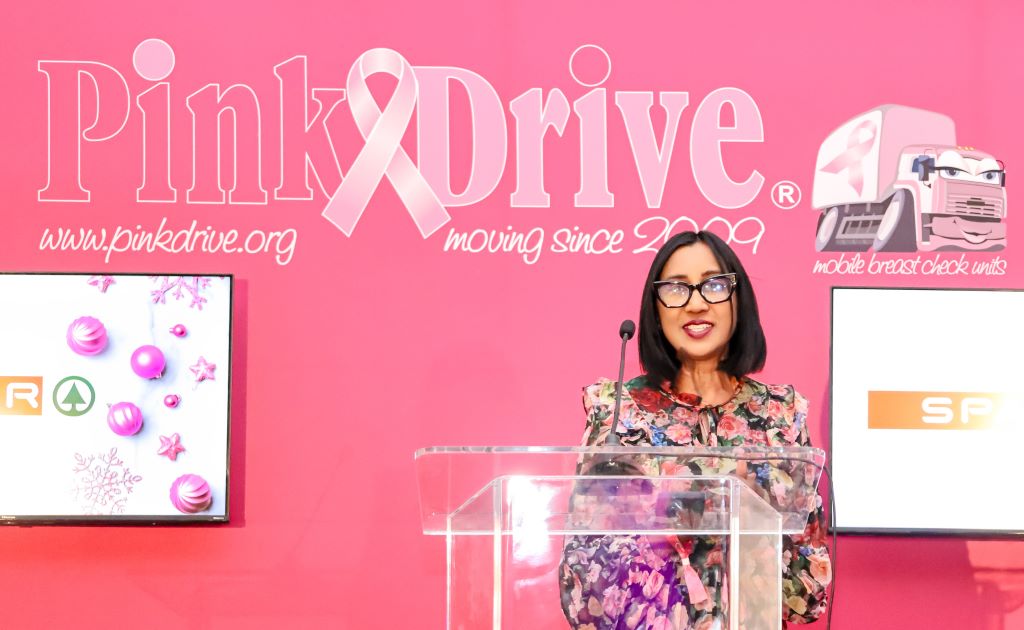
Koo Govender, Non-Executive Board Member and CEO of Publicis Groupe

The spirit of Christmas was alive and well at PinkDrive’s annual Christmas in July fundraiser dinner, recently held at the Indaba Hotel in Johannesburg. Twinkling fairy lights, festive décor, generous giving and heartfelt stories created an atmosphere of hope, reminding guests that the greatest gift anyone can give is the chance to save a life.

Supported by long-standing corporate partners, the themed ‘Night of Giving Back’ once again united business, cancer survivors and the community behind PinkDrive’s mission to make early cancer detection accessible to more South Africans.

Each year, this non-profit organisation (NPO) makes a measurable difference to thousands of lives.  Relying on donations, corporate sponsorships and community support, it’s dedicated to the early detection of gender-related cancers in underserved communities. PinkDrives mobile units travel across the country, offering screenings such as mammograms, clinical breast examinations, pap smears, and PSA testing directly to people who might otherwise have limited access to healthcare.

The evening struck a thoughtful balance between festive celebration and meaningful reflection, honouring cancer survivors while remembering those who lost their lives to the disease. One of the most moving moments came through a testimonial video featuring women whose lives were saved thanks to PinkDrive’s mobile screening units. Their stories vividly illustrated the impact of accessible healthcare and reinforced the organisation’s commitment to taking cancer screening to communities where it is needed most.

The message was echoed by guest speaker Nicole Fuller, elite athlete and cancer survivor, who shared her personal journey following an early diagnosis that enabled her to avoid chemotherapy and radiation treatment. Inspired by her own experience, Fuller has since become the first South African to receive specialist training in cancer recovery and rehabilitation. Encouraging guests to prioritise regular screenings, she highlighted how early detection, combined with appropriate rehabilitation and physical activity, can significantly improve both recovery and long-term wellbeing.

An address by Koo Govender, Non-Executive Board Member and CEO of Publicis Groupe, spoke to the strength of PinkDrive’s leadership and the collective expertise steering its mission. Sound governance and committed partnerships, she noted, are what allow the NPO to keep expanding its reach and deepening its impact.

Closing the formal programme, PinkDrive founder and CEO Noelene Kotschan took guests back to where it all began: a single mobile screening unit, and a mission to reach those that healthcare so often overlooks. From that modest start, she traced PinkDrive’s growth into a nationally recognised force in cancer awareness and early detection. She closed with heartfelt thanks to all those whose continued support keeps that mission alive.

The fundraiser’s philanthropic spirit continued throughout the evening with raffle draws and a lively auction at the end.  Guests bid enthusiastically for luxury prizes including diamond earrings and dream holiday experiences, helping to raise significant funds for PinkDrive’s awareness, education and mobile screening programmes.

To add to the Christmas spirit, spot prizes and hampers, generously sponsored by PinkDrive’s corporate partners, sent guests home with some festive spoils too. And as part of its ongoing support, Lee-Chem Laboratories, through its Mandy’s brand, ensured every guest received a generously filled Mandy’s goodie bag, adding another thoughtful touch to an evening centred on generosity, hope and community.

For Lee-Chem, that generosity runs deeper than a gesture on the night.

“You can’t put a price on the moment someone gets the all-clear because they were screened in time. That’s what keeps us partnering with PinkDrive year after year, and why we’re proud to stand with so many others who believe in that same mission,” says Bhavna Sanker, Marketing Manager at Lee-Chem Laboratories.

Because while Christmas may only appear on the calendar once a year, the spirit of giving and the opportunity to change someone’s future are always in season.
Closing the Gap Between Suspecting a Heart Attack and Confirming it

A highly sensitive cardiac test brings traditional lab diagnostics to the field, when it’s most needed

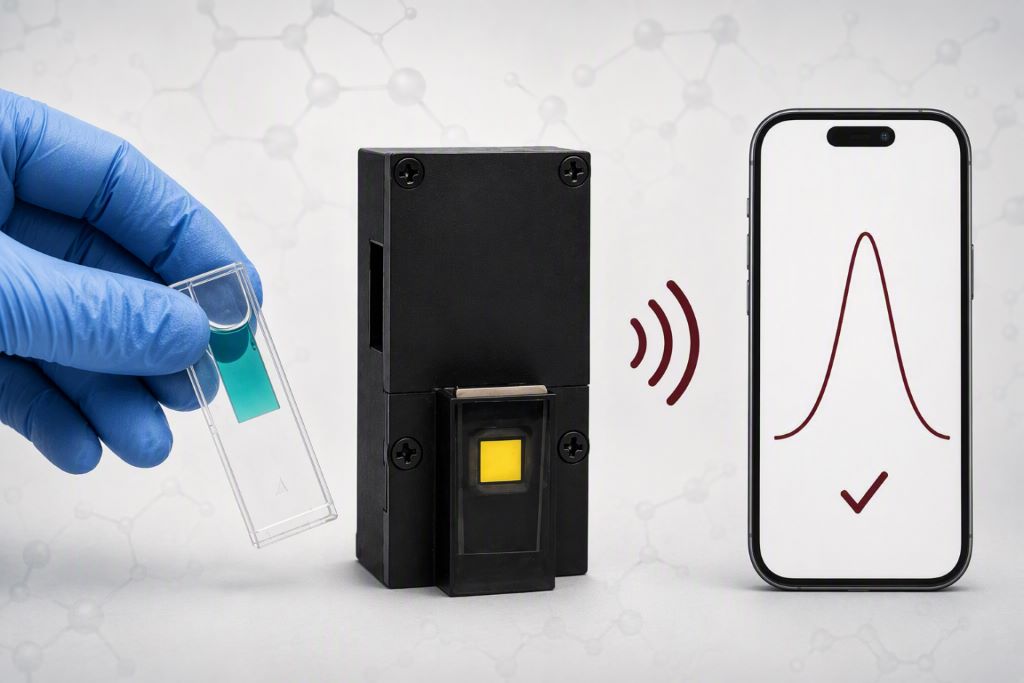
Illustration of a portable cardiac troponin I testing system that wirelessly transmits results to a smartphone.Credit: AI-generated image

A person having a heart attack may be only feet from medical care but miles from the laboratory testing needed to confirm it. That gap matters, especially for rural patients, those in nursing homes, ambulances and other places where access to specialised diagnostics is limited.

In a paper published in Biosensors and Bioelectronics, an international team of researchers details a highly sensitive test designed to bring that molecular evidence closer to the patient.

“A heart attack doesn’t wait for laboratory results,” said lead author Sayantan Tripathy, assistant research scientist in Texas A&M University’s Optical and Bio-Sensing Laboratory in the College of Engineering. “By reducing the time needed to detect heart muscle damage, we’re helping clinicians move more quickly from uncertainty to action, not only in hospitals, but also in ambulatory and resource-constrained settings where rapid diagnostic tools are often unavailable.”

Clinicians may suspect a heart attack based on symptoms or an electrocardiogram, but confirming heart muscle damage has occurred often requires testing for cardiac troponin I, a protein released into the bloodstream when the heart is injured. The most sensitive versions of those tests typically rely on centralised laboratory equipment, creating a potentially dangerous delay between suspicion and certainty.

“Our goal is for emergency medical technicians in an ambulance to be able to take someone’s fingertip sample – just a small finger prick – put that sample into a cartridge that contains all of our components, plug this cartridge into our device, and then be able to run the test in five minutes,” said Dr Samuel Mabbott, associate professor of biomedical engineering and study co-author.

Faster heart attack diagnosis

Many of today’s troponin tests depend on expensive laboratory instruments and trained personnel. As a result, obtaining the information needed to confirm a heart attack can take time, especially when advanced laboratory resources are not immediately available.

“Our vision is to bring affordable and sensitive advanced molecular diagnostics closer to where care is delivered,” said Dr Gerard Coté, professor of biomedical engineering and director of Texas A&M’s Center for Remote Health Technologies and Systems. “The less distance between the patient and the information clinicians need, the faster critical decisions can be made.”

To create the test, the researchers designed a specific structured DNA molecule that remains inactive until it encounters cardiac troponin I. Once it detects the biomarker, it triggers a series of molecular reactions that amplify the signal, making it easier to detect even very small amounts of heart damage. The amplified signal is then measured using portable optical sensing technology.

The researchers say the technology requires additional development before it could be used in clinical practice. The original work takes approximately two hours to complete, but the current version of the technology has reduced the testing time to less than 25 minutes, and further work is underway to shorten it to under 15 minutes, improving its user applicability.

Still, the study points toward a future in which life-saving diagnostic information is no longer tied to a centralized laboratory and can instead move closer to the patients who need it most.

Source: Texas A&M University

Common Tumours Secrete a Protein That Promotes Lung Metastasis

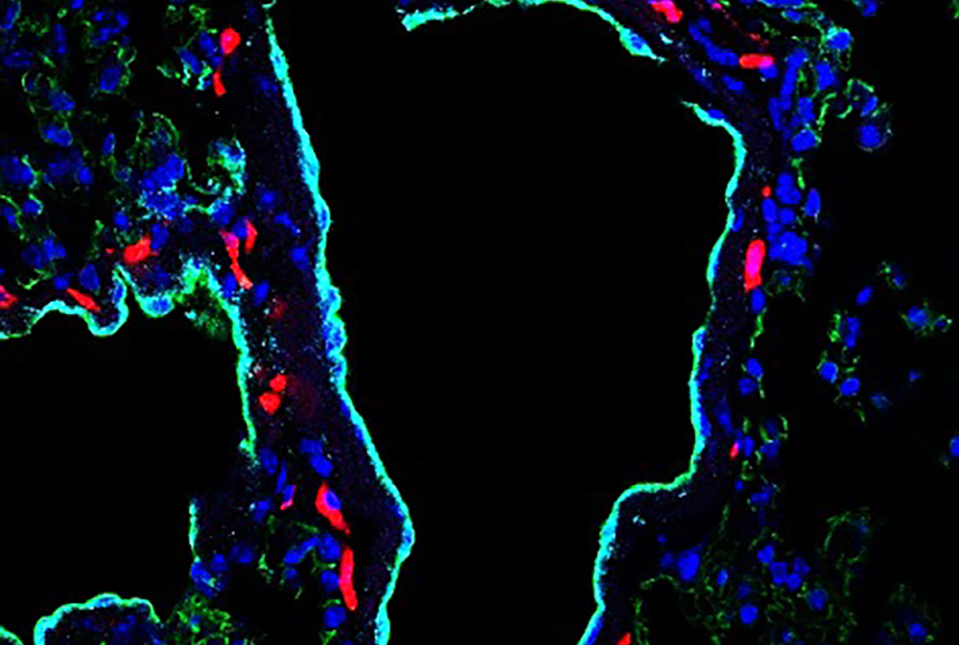
Confocal image of a lung from a tumour-bearing mouse before cancer cells arrive. Red fluorescent dextran highlights leakage from blood vessels (cyan), while veins are labelled in green, illustrating how tumours prepare distant organs for future metastasis by increasing vascular permeability. Credit: Dr Shani Dror

A protein secreted by common cancer types makes blood vessels leakier to allow metastatic tumours to form in the lungs, according to a study led by investigators at Weill Cornell Medicine and Memorial Sloan Kettering Cancer Center. The discovery could lead to new ways of monitoring and reducing lung metastasis risk in cancer patients.

The researchers, whose findings appear Aug. 5 in Nature Cancer, sought to explain how some tumours enhance their ability to metastasise to the lungs by secreting tiny capsules and particles that carry proteins, DNA and other molecules. These extracellular vesicles and particles (EVPs) are secreted by virtually all cells as a way of signalling to other cells and helping to shape their environments, and tumours have adapted them for their own purposes. In the study, the researchers identified a protein called integrin alpha-5 as the cargo in tumour-derived EVPs that promotes lung blood vessel leakiness and lung metastasis in several types of cancer.

“These findings help us understand one of the mechanisms underlying lung metastasis, so that we can start to think about ways to detect and block it to improve outcomes for patients,” said study senior author Dr David Lyden, Professor in Pediatric Cardiology and a member of the Gale and Ira Drukier Institute for Children’s Health and the Sandra and Edward Meyer Cancer Center at Weill Cornell Medicine.

The recognition that EVPs secreted by tumour cells represent an important layer of cancer biology has come only in the past two decades. As Lyden’s and other labs have shown, tumours use the molecular cargo of EVPs to create a local “pro-tumour” environment and prepare distant organs for metastasis. Tumour EVPs and the molecules they carry are now viewed as promising targets for cancer therapies and for cancer detection and monitoring technologies called liquid biopsies that rely on analysis of blood samples.

In earlier work, Lyden lab researchers found that some tumours’ EVPs have a potent ability to facilitate lung metastasis by inducing a leakiness in blood vessels that allows circulating tumour cells to enter the lungs. In the new study, they looked for the EVP cargo responsible for this effect.

They confirmed in animal models that for some cancers – melanoma, osteosarcoma, and colorectal, in particular – tumour implantation elsewhere in the body can trigger large increases in lung blood vessel leakiness, doing so via tumour-secreted EVPs. They found that these EVPs have the same effect when injected on their own into healthy, tumour-free mice.

“This effect on lung vessels is surprisingly rapid – we could measure it just an hour or two after injecting the EVPs,” said study first author Dr Shani Dror, a research associate in the Lyden lab.

The researchers expected to find that these EVPs cause vessel leakiness by acting directly on the endothelial cells lining blood vessels. They found instead that the EVPs work indirectly via immune cells called macrophages that reside close to lung blood vessels and exert their effect only when they carry integrin alpha-5. Even a breast tumour model that is not prone to metastasise did so readily when EVPs containing integrin alpha-5 were added. The scientists showed that integrin alpha-5 works on lung macrophages by inducing them to secrete the pro-inflammatory protein IL-6, which then causes nearby endothelial cells to loosen up vessel linings.

To confirm that the results were relevant beyond animal models of cancer, the researchers analysed a large dataset of gene expression in human tumours, finding that high expression of integrin alpha-5 in several tumour types, including colorectal tumours, is associated with poorer overall survival. They also found tumour samples from patients with intermediate to advanced colorectal cancer released EVPs containing integrin alpha-5 and were indeed capable of inducing vessel leakiness.

The results reveal a key metastasis-promoting mechanism in some cancers and have potential clinical implications.

“One possibility is that we could try to detect these integrin alpha-5-containing EVPs during cancer surgery, to assess the risk of metastasis,” said study co-corresponding author Dr Jacqueline Bromberg, a breast oncologist at MSK and an associate professor of medicine at Weill Cornell Medicine. “If we had a good drug for blocking integrin alpha-5, we could give this at the time of surgery to potentially reduce the risk of metastasis.”

Source: Weill Cornell Medicine

Why Doctors and Nurses Keep Leaving

Healthcare leaders say generational differences are making it more difficult to retain doctors and nurses

Source: Pixabay CC0

By Lesley Henton, Texas A&M University Division of Marketing and Communications

Healthcare leaders say retirements, burnout and changing workforce expectations are making it complicated to keep experienced clinicians in place. A new study published in the Joint Commission Journal on Quality and Patient Safety suggests the reasons go beyond staffing shortages. Leaders from four major health systems in one of the United States’ largest metropolitan areas say generational shifts are reshaping who enters healthcare, who stays and why clinicians leave.

“We’ve talked about clinical workforce shortages as a numbers problem involving training and retention,” said study co-author Dr William Sage, founding director of the Texas A&M University Institute for Healthcare Access in Fort Worth. “What these leaders described was something more complicated, as healthcare organisations are struggling to meet growing patient needs while accommodating five distinct generations of clinicians with different needs and perspectives about work, well-being and career longevity.”

Why keeping clinicians is getting harder

Study participants, 17 leaders from four major healthcare systems in the Dallas-Fort Worth metroplex, repeatedly described the departure of clinicians as one of their biggest concerns, whether the higher turnover now common among young physicians or an older physician’s lack of transitional options short of full retirement. Some said replacing a highly experienced physician could require hiring multiple younger clinicians, given the way that the healthcare system measures and rewards productivity.

“When a veteran clinician leaves, healthcare organisations lose more than just a position,” said Keegan Warren, co-author and the institute’s executive director. “They can lose years of institutional knowledge, mentoring relationships and practical experience that are difficult to replace. For physicians in particular, departure carries a high institutional price tag. Treating clinicians as people whose lives and contributions matter is not just the right thing to do; it’s a critical strategy for protecting both continuity of care and the financial health of the system.”

Participants also pointed to burnout and shifting workplace expectations. Younger physicians and nurses are more likely to discuss mental health, work-life balance and scheduling flexibility, and they expect employers to play a major role in addressing those concerns.

Sage said the findings should not be interpreted as a simple clash between generations but as the shifting and mixing of expectations over time, including as the result of discrete events such as the introduction of work hours regulation for medical trainees, the reduction of physician-owned practices in favour of employment by hospitals and other large organisations and the COVID pandemic.

“This isn’t a story about one generation being right and another being wrong,” Sage said. “It’s about how the profession is changing and how healthcare organisations can adapt while continuing to provide excellent patient care.”

Clinicians are people first, with lives, families, identities and limits. They’re not just ‘providers’ or FTEs.

Keegan Warren, Executive Director, Texas A&M University Institute for Healthcare Access

Building the healthcare workforce of the future

The researchers say addressing these challenges will require more than simply hiring more clinicians.

The study identifies several approaches that could help strengthen the healthcare workforce:

  • Create more intentional mentorship programs to transfer knowledge from experienced clinicians to younger colleagues.
  • Reduce early career turnover through retention-focused benefits, continuous career development and workplace flexibility.
  • Include multiple generations in leadership and decision-making, ensuring workplace policies reflect different career stages and perspectives.
  • Give human resources leaders a larger role in workforce planning, retention strategies and succession planning.
  • Develop flexible late-career roles for experienced clinicians, allowing them to continue mentoring and contributing even as they reduce clinical workloads.
  • Improve communication across generations to address workplace tensions before they affect morale, retention or patient care.

A stable, capable clinical workforce is foundational to patient access to care, say the researchers, and if healthcare organizations can better support each generation of clinicians throughout their careers, patients will benefit.

“We’re seeing healthcare organizations recognize that retention can no longer be an afterthought,” Warren said.

“Clinicians are people first, with lives, families, identities and limits. They’re not just ‘providers’ or FTEs. When leaders design roles and cultures that honour that humanity, they strengthen commitment, stabilise teams and build a more resilient healthcare system.”

Source: Texas A&M University

Unsafe Food Continues to Be a Global Health Hazard

Escherichia coli. Photo by CDC on Unsplash

If it isn’t safe, it isn’t food – that message sits at the heart of a major new global effort by the World Health Organization (WHO).

University of Waterloo public health researcher Dr. Shannon Majowicz contributed research to the new WHO estimates, which cover the global burden of foodborne disease between 2000 and 2021. 

The estimates, which were released in mid-June alongside peer‑reviewed publications and webinars presenting key findings, represent the most comprehensive updates to date, bringing together global data on the illnesses, deaths and long-term health impacts such as paralysis, cancer and kidney disease associated with unsafe food. 

Foodborne diseases, which are largely preventable, remain a significant public health concern around the world, affecting hundreds of millions of people each year.

By standardising methods and bringing together data from across countries and regions, the new WHO estimates aim to provide governments, public health agencies and researchers with a clearer picture of where risks lie and how they can be reduced.

Waterloo expertise contributing to global effort 

Majowicz and collaborators updated 22 of the 42 WHO estimates, focusing on the global, regional and national burden of both diarrheal and invasive enteric pathogens, which contribute to serious illness, long-term complications such as kidney disease, paralysis, septicaemia, central nervous system infection, as well as death.

“Our aim was to better understand the burden of foodborne illness,” Majowicz says. “How many people are affected? How many develop severe consequences? How many die?”

This research highlights an important reality: Despite general declines over time, diarrhoeal and invasive enteric pathogens transmitted by contaminated food continue to be a substantial cause of illness and death globally.

In the study of diarrhoeal pathogens, Majowicz and colleagues found that in 2021, 14 diarrhoeal pathogens caused 666 million illnesses, with 265 000 deaths, due to contaminated food. The African continent bore the highest disease burden. In the invasive pathogen study, the transmission of eight pathogens by food caused 24 million illnesses, with 106 000 deaths, mostly in Africa and southeast Asia.  

Uneven global health challenge

Moreover, the studies, which are published in the Lancet Global Health (one on foodborne diarrhoeal and the other on foodborne non-diarrhoeal enteric disease hazards), reveal that foodborne disease remains an uneven global health challenge, with unsafe food disproportionately affecting children, populations in lower-income regions and communities with limited access to clean water, sanitation and strong food systems.

For example, children under five make up 9% of the population studied but bear 30% of the disease burden.

The updated estimates provide governments with the evidence they need to justify investing in food safety and foodborne disease prevention measures, Majowicz says. 

“By quantifying illness, death and long-term health impacts, these estimates give governments the data they need to invest in food safety systems, strengthen hygiene and infection prevention measures, improve surveillance and data collection and target interventions where they are needed most. 

“Without it, it can be difficult for policymakers to prioritize food safety alongside other urgent health issues.”

Source: University of Waterloo