Day: July 14, 2026

Scheduling Surgeons: Researchers Identify Factors for Hospital Efficiency

Booking operating rooms with surgical precision starts with more accurate predictions of how surgeons spend their time
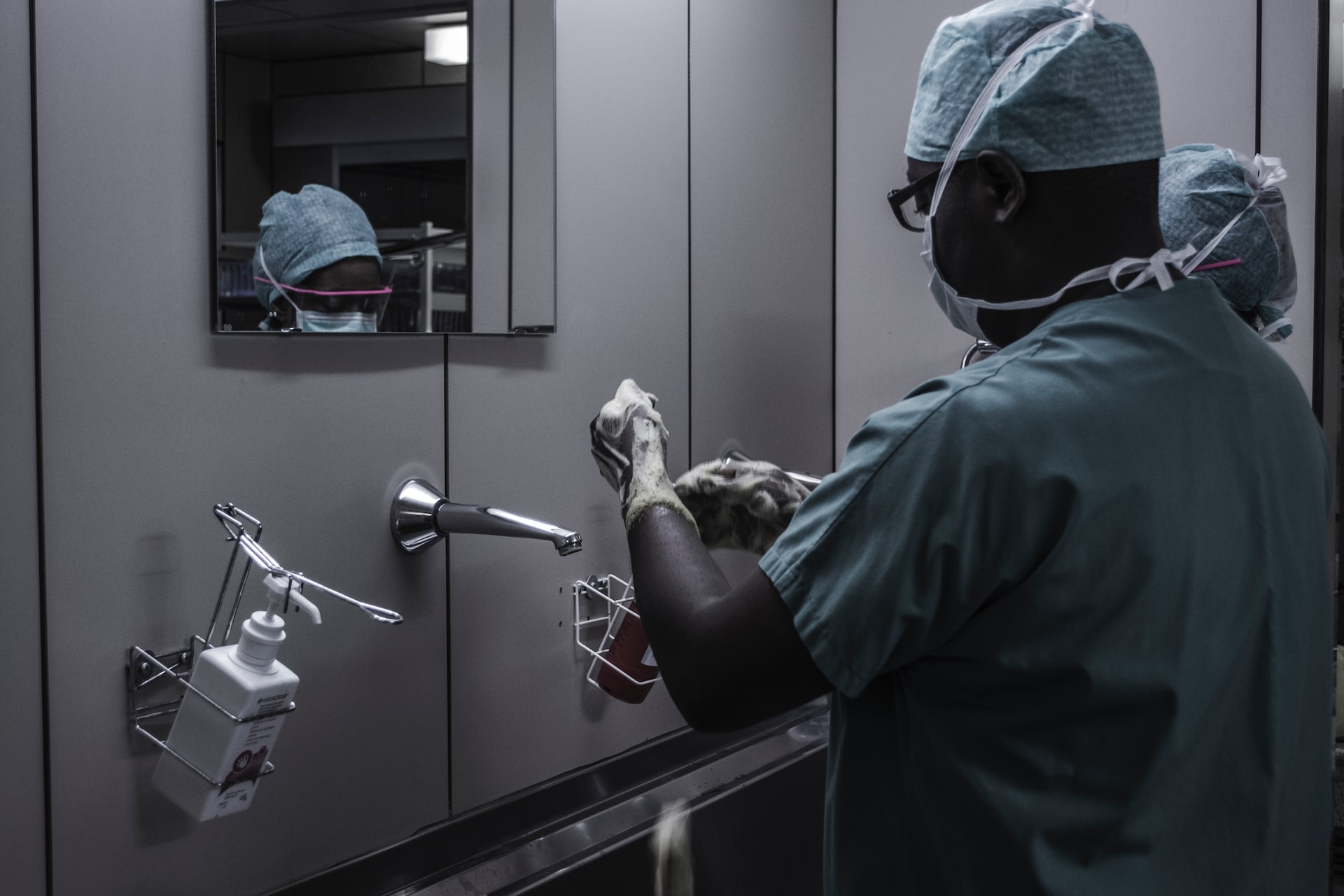
Photo by Piron Guillaume on Unsplash

Researchers at the University of Massachusetts Amherst have analysed nearly 86 500 surgeries at Baystate Medical Center to identify the top factors that influence inefficiencies in surgeon schedules. Having an efficiently organised surgical schedule has the potential to lower costs and reduce surgeon burnout, which would also improve patient outcomes.

As shortfalls in the availability of surgeons grow, the ability to meet surgical demands will only worsen, with implications for both healthcare delivery and costs.
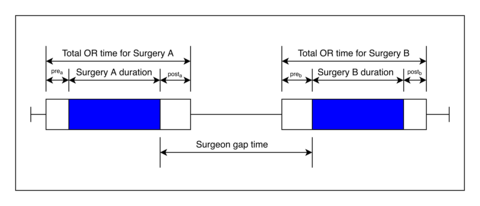
This illustrates the timeline of two surgeries performed by the same surgeon. The blue area represents the duration of the actual surgery itself, while the white blocks represent pre- and post-surgery activity.  Surgeon gap time is the time interval between two operations where the surgeon is not actively working.

“The most expensive part in this process of getting a surgery is the surgeon,” says Muge Capan, assistant professor in the Riccio College of Engineering at UMass Amherst and an author of the new paper published in the Journal of the American Medical Informatics Association. “Surgeons are highly skilled and they perform high-risk tasks. When we think about utilising a resource, we don’t want them to sit idle – but we also don’t want to overutilise them because these are not machines, these are people. Finding that right balance is a challenging problem.”

However, to efficiently schedule, hospitals need to predict how long a procedure will take. This includes the surgery itself as well as many other factors that surround an operation – has the surgeon recovered from their previous operation? Is the room clean? Is the proper equipment in place? “There is a lot of uncertainty there at the system level,” says Capan.

Currently, surgeries are scheduled in blocks, which is not compatible with the unpredictable nature of a hospital. “If you’re scheduling tennis lessons, it works because a tennis lesson is exactly one hour,” says Capan. “You block the court for one hour, you play, you leave, next group. But blocks don’t make sense for surgeries, because they’re so uncertain.” As a result, operating rooms (ORs) can sit empty since any block of time less than two-and-a-half hours is unusable for most surgeries.

In the pursuit of engineering a better schedule, Capan and her team collaborated with surgeons to predict their schedule by focusing on the person, not the operating room.

Surgeons are highly skilled and they perform high-risk tasks… we don’t want them to sit idle – but we also don’t want to overutilise them because these are not machines, these are people. Finding that right balance is a challenging problem.

Muge Capan, assistant professor in the Riccio College of Engineering at UMass Amherst

“There’s so much research on the operating room itself – what happens between the time a patient leaves the OR to the time the next patient enters the OR,” says Jonathan Akhagbosu, first author on the paper and UMass Amherst industrial engineering Ph.D. candidate. “But we wanted to look at it from a surgeon’s point of view: What happens between when a surgeon finishes one case and proceeds to the next case?”

The researchers named this time between operations “gap time.” In their study, they used machine learning to analyse three years of medical records from Baystate Medical Center in Springfield to determine the characteristics of a surgery that can predict these gaps in a surgeon’s schedule. 

A selection of the top factors associated with larger gap times are: if the surgeon’s previous or following case is an emergency, the preceding surgery is related to the chest (thorax), the following procedure is on the heart, or the surgery is highly demanding. 

Also, the last factor on the list – the assessment of how taxing an operation is on the surgeon – the researchers used mathematical models to create a new measurement called surgical case demand. Cases fall into one of three tiers. Type 1 consists of short, scheduled procedures of low-severity illness and elective surgeries, such as the removal of fatty lumps from the skin (lipoma excision) or simple dental rehabilitation. Type 2 events are more demanding, such as a mastectomy or knee replacement. And type 3 surgeries are the most onerous: the condition is more severe and they happen during off-hour times. Examples include emergency brain or abdominal operations and spine procedures.

It’s also worth noting that eye (ophthalmology) and orthopedic surgeries were associated with shorter gap times.

Capan envisions that predicting schedules can help recapture some of this lost time. “If there’s going be a gap, let’s figure out if that gap is long enough that I could squeeze in something else,” says Capan. “This is called ‘collectible time’ in the literature. Collectible time means it’s a useful gap. So what we learned about gap time could potentially help us understand collectible time.”

By Julia Westbrook 

Source: University of Massachusetts

Early Menopause Affects 1 in 14 Women in Low and Middle Income Countries

Prevalence higher in rural areas in all regions, pooled data analysis of 44 countries reveals. Strong protective effects of education and delayed childbearing 

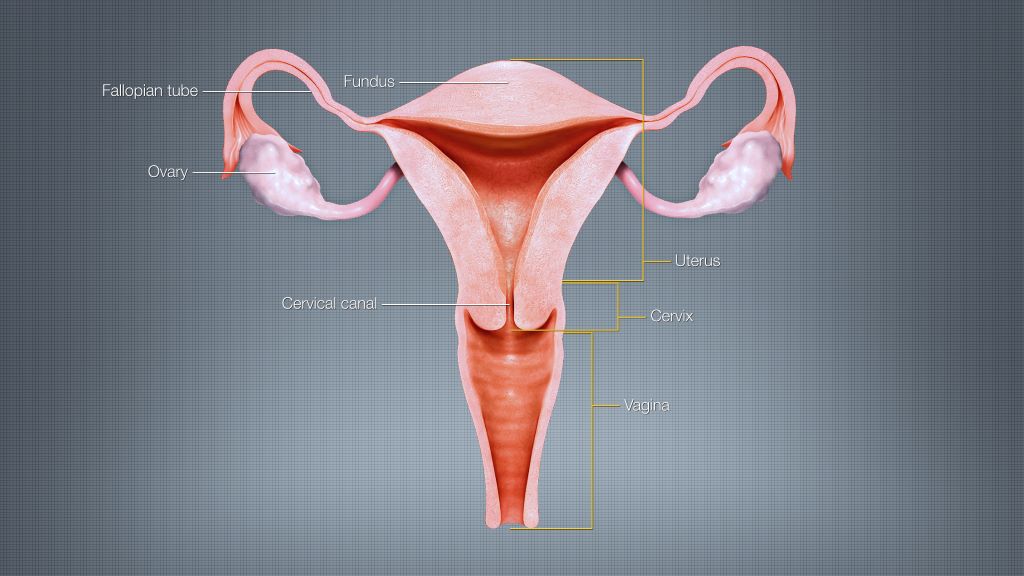
Female reproductive system. Credit: Scientific Animations CC4.0 BY-SA

Early menopause affects 1 in 14 women aged 30 to 49 living in low and middle income countries, finds a pooled data analysis of its prevalence in 44 nations published in the open access journal BMJ Global Health

The incidence is consistently higher in rural areas than it is in urban areas across all regions and countries included in the analysis, but education and delayed childbearing strongly minimise the risk.

Women usually go through the menopause between the ages of 45 and 55, but it is considered to be early if it occurs before the age of 45, and premature if it occurs before the age of 40, note the researchers.

Early and premature menopause are major public health concerns, because they heighten the risks of cardiovascular disease, osteoporosis, metabolic disorders, cognitive decline, depression, and early death, as well as seriously affecting the quality of life, they add. 

To date, research findings on the prevalence of early and premature menopause have been fragmented, focused on individual countries, and missing a detailed look at individual-level sociodemographic and reproductive factors, explain the researchers. 

To close this important information gap, they drew on pooled data from the Demographic and Health Survey (DHS) for 716 648 women between the ages of 30 and 49 in 44 low and middle income countries, where menopause tends to occur earlier than it does in high income countries.

All regions of the world were included other than North and South America for which no data were available.

The researchers focused on the potentially explanatory variables of: health factors, such as age at first marriage and first birth; number of live births; terminations; community level factors, such as place of residence; and individual-level characteristics, such as age, education, occupation, wealth index and exposure to media.

The data revealed that most survey respondents were between 30 and 34 (29%),while both women and their husbands were most often educated up to secondary school level (34% and 17%, respectively). Most respondents lived in rural areas (62%).

More than a third (38%) of women married before the age of 18, and around 1 in 5  (21%) gave birth to their first child before this age. Over half the women (58%) had 3 or more children.  

The overall prevalence of premature or early menopause was just over 7% (51,000 out of 716,648 women), which is much higher than previous global estimates, say the researchers, with the highest prevalence among 40-44 year olds (14%).

There was a six-fold difference between those countries with the highest and lowest prevalence, the analysis showed.  

The highest prevalence was in Ethiopia, Indonesia, and Myanmar: 12%;11.5%; and just over 10%, respectively. The lowest prevalence was in Jordan, Gabon, and Armenia: just over 2%; nearly 3%; and nearly 3%, respectively.

Certain factors were associated with a high prevalence. These included giving birth before the age of 18 (11%); marriage before the age of 18 (just over 10%); no formal education (just over 9%); material disadvantage (just over 8%); no exposure to media (just over 8%); residence in rural areas (8%); and 3 or more children (7.5%).

The disparity in prevalence between rural and urban areas was consistent across all countries and regions, the analysis showed. 

This “reflects fundamental inequalities in healthcare access, nutritional status, educational opportunities and occupational exposures,” highlight the researchers, adding that women in these areas are more likely to work as manual labourers and face workplace hazards, including exposure to agricultural chemicals.

Education was protective, with progressively lower odds the higher the level of education. Compared with women with no formal education, those with a college education were 58% less likely to experience an early or premature menopause. And women who were employed were 14% less likely to do so than women who weren’t working. 

This is an observational study, and as such, no firm conclusions can be drawn about cause and effect. And the researchers acknowledge that their study relied on self-reported data and that they weren’t able to distinguish between natural and surgically induced menopause. 

Several potentially important factors associated with menopause aren’t consistently included in the DHS survey data either, they note: smoking; alcohol intake; physical activity; diet; long term conditions; hormonal contraceptive use and breastfeeding duration; and environmental exposures.

But the health consequences of early and premature menopause will strain the health systems of low and middle income countries, particularly in South and East Asia and Pacific, and sub-Saharan Africa, point out the researchers.

“With populations in [these countries] ageing rapidly and women expected to spend an increasing proportion of their lives in the postmenopausal state, the prevalence represents a substantial and growing burden on health systems already constrained by competing priorities and limited resources,” they write.

The findings “underscore the urgent need to integrate menopause into reproductive health and non-communicable disease programmes, particularly targeting rural areas and addressing social determinants, including girls’ education and delayed marriage,” they conclude.

Source: The BMJ Group

The Stem Cell Registry Has 173 000 Donors. Black South African Patients Need One Million.

Photo by Elizeu Dias on Unsplash

By Palesa Mokomele, Head of Community Engagement and Communication at DKMS Africa

For years, Black South African patients with blood cancer or blood disorders searching for a stem cell donor were told the odds were not in their favour. Their ancestry, the thinking went, carried too much genetic diversity for a donor search to reliably succeed. New research published in Blood Global Hematology says otherwise. The genetics, it turns out, are not the problem. What stands between many Black patients and a lifesaving transplant is the registry, and who is on it.

A study of nearly 57 000 South Africans mapped the HLA profiles of all four of the country’s population groups to calculate each community’s real odds of finding a match. HLA markers are what doctors use to determine whether a donor’s stem cells are compatible with a patient’s. In a same-community registry of a million donors, a Black South African patient’s probability of finding a full match is 80%. For a White patient, the figure is 81%.

The Registry Gap

The registry does not reflect the country it serves, and that gap is costing lives. South Africa is approximately 81% Black African and 7% White. In the study cohort, Black South Africans made up roughly 37% of donors and White South Africans 45%. Donor drives went where they were easiest to run, and the communities hardest to reach were left out.

The findings revealed large areas of the country where Black African donor representation is almost absent. Entire provinces contribute too few donors for researchers to meaningfully analyse matching patterns. Of the fifteen subpopulations large enough to analyse by language and province, seven were White communities.

The two least genetically diverse groups in the study were Afrikaans-speaking White people in Mpumalanga and isiXhosa-speaking Black Africans in the Western Cape. Because people in these communities are more genetically similar to one another, each new donor has a better chance of matching someone who needs them.

The registry is at least heading in the right direction. Fifty-six percent of new registrations come from people of colour. But it holds just 200,000 donors across all population groups, and the destination is a registry of a million Black African donors alone.

The Human Cost

Consider what that means for a patient like Sbahle, a six-year-old girl diagnosed with aplastic anaemia before she could pronounce the word. She has spent four years, most of her life, waiting for a donor. She is stable, back at school, and still without a match. Not long ago, a family in her position would have been told the odds were against them, and there was little to be done. We know better now.

For a patient still waiting, the donor who could save them may already be out there, alive, healthy, and simply not on the registry.

Not Everyone’s Odds Are the Same

The progress is not uniform. Coloured and Indian/Asian South Africans face a harder search: their greater genetic diversity means common profiles cover far less of the group, around 21% for Coloured patients, and full matches are rarer.

The outlook is not bleak. In a registry of 100,000 donors from their own group, a Coloured patient has roughly a 51% chance of a nine-out-of-ten match and 92% of an eight-out-of-ten. Advances in transplant medicine are also shifting what a near-match means in practice. Recent research has shown that post-transplantation cyclophosphamide, a drug used to prevent graft-versus-host disease, significantly reduces the impact of donor mismatches, to the point where a single mismatch may be clinically negligible. For Coloured and Indian/Asian patients who cannot find a full match, that development changes the calculation considerably.

From Research to Reality

This research also points to where investment should go. The biggest gains will not come from a new algorithm or a better search tool. They will come from signing up donors in the communities the registry has missed. That is slow, expensive, deeply unfashionable work, and it is the thing that actually gets a patient to a transplant.

Recruitment has to reach into Limpopo, KwaZulu-Natal, the Eastern Cape, the Northern Cape and the rural areas with no donor base at all, and it has to be permanent, not a run of once-off drives.

Science has now answered one of the biggest questions in stem cell transplantation: Black South Africans are not inherently harder to match. The challenge is building a registry that reflects the country itself. Every new donor brings that goal, and patients like Sbahle, closer.

Source:

Researchers Find ‘Perfect Recipe’ to Regrow Bone and Blood Vessels

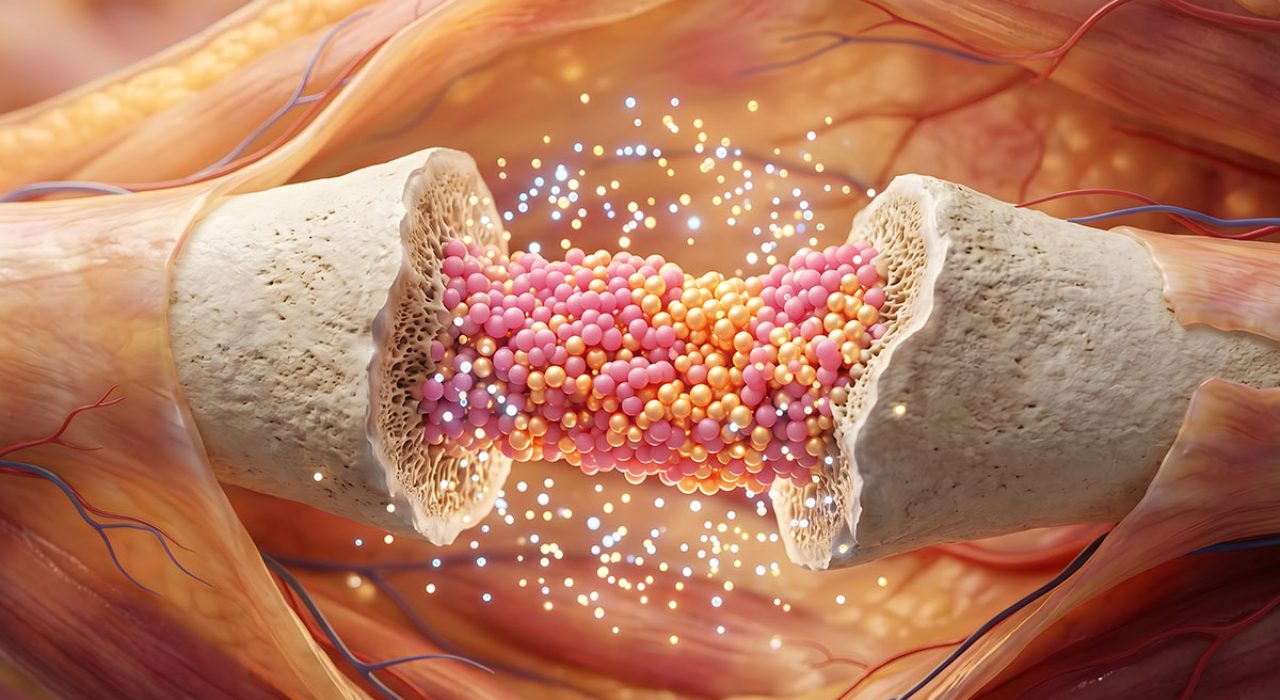
Medical illustration of bone regeneration.

For patients suffering from traumatic injuries that leave behind volumetric gaps – where significant bone and blood vessels are lost – the clock is always ticking. Without a nearby blood supply, cells in the centre of a large injury cannot survive, often leading to permanent tissue loss or failed grafts.

A team of eight scientists at The University of Texas at San Antonio has discovered a potential ‘perfect recipe’ to address this challenge. By blending two natural proteins found in the human body, the researchers created a specialised scaffold that allows bone and blood vessels to grow simultaneously at an accelerated rate.

The study, published in the journal Biomaterials Advances, identifies a 50:50 ratio of collagen and fibrin as the ideal environment for tissue repair.

The Lego blocks of healing

The technology relies on what scientists call interpenetrating polymer networks, or IPNs. In simpler terms, it is a microscopic support structure where different materials are entangled to create a stable foundation for new growth.

“An IPN network is two things that are entangled like a giant mess of Legos,” said Teja Guda, PhD, the Jacobson Distinguished Professor of Innovation and Entrepreneurship in the Department of Biomedical Engineering and Chemical Engineering at UT San Antonio and the study’s corresponding author. “We are leaving all the building blocks there and letting the cells build whatever Lego structure they like the most.”

In this biological ‘Lego’ set, one material is fibrin, the protein the body uses to form blood clots immediately after an injury. The other is collagen, the primary structural protein found in bones and other tissues.

Seeding the scaffold with MVFs and MSCs

To turn these protein gels into living tissue, the research team “seeded” the hydrogels with two critical types of biological starters: microvascular fragments (MVFs) and mesenchymal stem cells (MSCs). The MVFs have the capacity to grow into blood vessels, while the MSCs can, with the right environmental cues, grow into bone.

The researchers integrated these components by mixing the living MVFs and MSCs directly into the liquid protein solution before it underwent gelation. This 3D encapsulation ensured the cells were suspended throughout the entire depth of the scaffold rather than just sitting on the surface.

Balancing blood and bone

Standard medical treatments for severe bone loss typically involve autografts, where bone is harvested from another part of the patient’s body, or allografts, which use processed bone from a donor. These traditional grafts often fail to integrate because they lack an immediate blood supply to nourish the new tissue. Without rapid vascularisation, the transplanted bone can become necrotic, leading to a high rate of clinical failure in complex trauma cases.

The challenge for UT San Antonio researchers was finding the right balance between the two proteins to support both blood vessel and bone regeneration. Fibrin is excellent at recruiting the cells needed to form blood vessels, a process called angiogenesis. Collagen provides the mechanical strength needed to guide the development of bone, or osteogenesis.

“Whenever you have an injury where you are losing volume, you not only lose the tissue itself, but you’re also losing blood vasculature,” said Gennifer Chiou, a postdoctoral fellow at UT San Antonio and the study’s lead author. “We’re looking at how we can regenerate both the tissue and the vessel itself within specifically bone tissue.”

The team tested five different ratios of the two proteins. They found that while gels with more fibrin supported faster vessel sprouting, they lacked the stability needed for long-term bone growth. Conversely, high-collagen gels were too stiff for vessels to penetrate easily.

The 50:50 blend struck an ideal balance. The MVFs were able to sprout and branch out into a robust, interconnected network. Simultaneously, the MSCs developed in a stable environment, expressing the specific genetic markers needed to mature into bone-forming cells. This dual-growth approach ensures that as the new bone forms, it is continuously supplied with the blood and nutrients it needs to remain viable.

From the lab to the clinic

Because the materials used in the study – collagen, fibrin and the patient’s own blood vessels – are all naturally occurring in the body, the researchers believe the technology faces fewer regulatory hurdles than synthetic alternatives.

“There is almost nothing new in our material,” Guda said. “It’s your collagen, it’s your blood vessels, it’s your fibrin. The end goal is to provide evidence that will guide how clinicians think about healing wounds.”

The team hopes to proceed to preclinical trials in the near future, which will provide further support for the treatment to one day become standard practice.

By Audrey Gray

Source: UT San Antonio