Day: June 23, 2026

What Causes Depression? What We Know, Don’t Know and Suspect

Photo by Sydney Sims on Unsplash

Caroline Gurvich, Monash University; Eveline Mu, Monash University, and Jayashri Kulkarni, Monash University

Depression is a complex and deeply personal experience. While almost everyone has periods of sadness, low mood or grief, depression is different. Major depressive disorder is persistent, interferes with day-to-day activities, and can affect work, life and relationships.

One in five people will experience depression in their lifetime. Women are nearly twice as likely as men to develop it – a disparity that emerges around puberty and persists into adulthood.

But what causes it? The short answer is: many different things.

While there are various theories, we know brain chemistry, genes, hormones, stress, lifestyle and personality can all play a role. How these interact can vary greatly from one person to another.

An imbalance of brain chemicals?

The traditional “monoamine hypothesis” of depression was proposed more than half a century ago, in the 1950s. This theory suggests the root cause of depression is a deficiency in certain brain chemicals (or neurotransmitters) called monoamines – serotonin, dopamine and norepinephrine.

Several antidepressants have been developed based on this. They primarily work by increasing levels of monoamines such as serotonin.

However, it has become clear that the “chemical imbalance” explanation is an oversimplification.

Research over the past few decades has not found consistent evidence that individuals with depression always have lower levels of serotonin, or any single neurotransmitter.

And while antidepressants can increase serotonin levels within hours, improvements in mood typically take days or weeks to emerge. This delay suggests depression cannot be explained by neurotransmitter levels alone.

Current understanding recognises depression as a complex condition influenced by multiple interacting factors, including genetics, trauma, medications, diet, sleep patterns and social interactions.

Genetic factors can increase your risk

According to one 2021 review, around 30 to 50% of the risk someone will develop depression may be inherited.

No single “depression gene” has been found. But large studies have identified over 100 genetic risk markers on chromosomes.

The genetic risk of depression is also thought to be “polygenic”. This means multiple genetic variants (each carrying a small effect) interact and collectively contribute to someone’s genetic risk.

One important and longstanding research question has been whether there is a genetic reason women are more likely than men to develop depression.

In 2025, a large study revealed substantial overlap between men and women’s genetic risk. However, on average, women with depression tend to carry more of the genetic variants linked to depression.

This suggests that there may be a greater genetic risk for depression in women and perhaps a stronger environmental influence on depression risk in men.

Still, carrying a genetic risk does not mean someone will necessarily develop depression. The interplay between genetic and non-genetic factors is complex.

Hormones and biological sex

Hormones – the body’s chemical messengers – also play an important role in mood and wellbeing.

In women, estrogen and progesterone levels naturally fluctuate across different life stages, including the menstrual cycle, pregnancy, the period after childbirth and menopause.

Our 2025 review found some women are more sensitive to these normal hormonal shifts, and more vulnerable to mood disturbances.

For instance, in the premenstrual phase of their cycle, around 8% of women experience a severe depression, with intense mood swings and irritability, called premenstrual dysphoric disorder.

Similarly, the dramatic hormonal changes during pregnancy and after childbirth (combined with sleep loss and stress) can contribute to postnatal depression.

Later in life, fluctuating and falling estrogen levels during the menopause transition years may also increase the risk of developing depressive symptoms or intensify existing ones.

Hormonal contraceptives – which contain synthetic forms of estrogen and progesterone – have also been linked to mood changes and depression symptoms. In fact, these are some of the most common reasons women stop taking them.

These effects appear to depend on the specific type and amount of progesterone used in the formulation.

These findings show how hormones can act as biological triggers, and help explain why women are statistically more likely to experience depression at certain stages of life.

The effect of hormones on depression in men has predominantly focused on the protective role of testosterone, but findings remain inconclusive.

Stress is another important factor

Chronic or repeated stress can have lasting effects on both the brain and body.

When we experience stress, our bodies activate the hypothalamic–pituitary–adrenal (HPA) axis, also known as the “stress-response system”. This helps us cope by maintaining balance in our body – what scientists call physiological homeostasis.

But when stress is constant or overwhelming, this system can become dysregulated. Stressful or traumatic experiences in childhood – such as neglect, abuse or severe adversity – can also disrupt the stress-response system.

As a result, we overproduce the stress hormone cortisol. High or persistent cortisol levels can alter the structure and functioning of key brain areas (the hippocampus and pre-frontal cortex) which are important for regulating mood and memory.

Cortisol can also trigger the release of inflammatory chemicals, which then cross into the brain or influence neural signals, leading to mood changes and depressive symptoms.

Importantly though, not everyone who experiences stressful life events becomes depressed.

Some people may be more vulnerable due to genetic factors, early life adversity or differences in brain chemistry. Others might cope with the same stress without developing depression or other conditions.

Does personality play a role?

Personality traits also influence how people respond to stress and may affect their risk of developing depression.

People who tend to experience anxiety, sadness and self-doubt are more likely to develop depressive symptoms, especially after stressful events. In contrast, traits such as resilience, optimism, and emotional stability seem to protect against depression.

This suggests that personality plays an important role in shaping both vulnerability and resilience to depression.

Lifestyle choices can help lower your risk

These include not smoking, limiting alcohol use, eating a balanced diet, staying physically active, getting enough sleep, maintaining a healthy body weight and having social supports.

Research shows these healthy habits and lifestyle factors can have a protective effect on mental health. They may even reduce the impact of genetic risk factors for depression.

There’s no single cause – and no universal treatment

Depression arises from a mix of factors – biological (genes and hormones), psychological (personality and thoughts) and social (stress and life events).

Treatment options are based on all of these factors, as well as considering how severe the depression is and whether a person has responded to previous treatments.

While science has made some progress in understanding depression, what underpins each person’s experience is unique.

Caroline Gurvich, Associate Professor and Clinical Neuropsychologist, Monash University; Eveline Mu, Research Fellow in Women’s Mental Health, Monash University, and Jayashri Kulkarni, Professor of Psychiatry, Monash University

This article is republished from The Conversation under a Creative Commons license. Read the original article.


Hyperemesis Gravida Linked to Pregnancy, Birth Complications

Photo by ManuelTheLensman on Unsplash

Pregnant women with a severe form of nausea face increased risks for several pregnancy and birth complications, according to a new Stanford Medicine study of 2.5 million California births.

The research, published in the American Journal of Epidemiology, is the first large, US population-based study of the dangers of severe pregnancy nausea and vomiting, a condition formally known as hyperemesis gravidarum, or HG.

While most pregnant women – 70% to 80% – experience some nausea, it usually leaves no lasting effects. In contrast, as the new research shows, HG puts a major strain on the 1% to 3% of the pregnancies affected.

“Hyperemesis gravidarum is not just bad morning sickness; it’s severe enough to cause dehydration and significant weight loss,” said lead study author Rebecca Gardner, a Stanford Medicine graduate student in epidemiology and clinical research.

The study’s senior authors are Julia Fridman Simard, ScD, associate professor of epidemiology and population health and of immunology and rheumatology, and Gary Shaw, DrPH, the Rosemarie Hess Professor and a professor of pediatrics.

The research team looked at complications in pregnancies in which the mother was hospitalised for HG, compared with pregnancies without such hospitalisations.

“We found hyperemesis gravidarum was linked to higher risk for preterm birth, anaemia, smaller-than-expected babies, preeclampsia, gestational hypertension and placental abruption,” Gardner said. “Hospitalization for HG really does flag a pregnancy as being at higher risk for a range of serious complications.”

Struggling to get nourishment

Pregnant women with HG experience severe, sustained nausea and vomiting, often continuing throughout their pregnancies. They struggle to eat; stay hydrated; and absorb enough nutrients that play key roles in early pregnancy, such as folate. (Adequate folate intake reduces the risk of certain birth defects.) Women with HG can lose a lot of weight at a time when they should be gaining; one study found that about a quarter of HG patients lost more than 15% of their pre-pregnancy weight.

“We know from other studies that women with HG don’t get as many nutrients,” Gardner said. “This could impair placental development, which we think leads to higher risk for some of the outcomes we looked for, such as preeclampsia and babies being smaller than expected at birth.”

But previous studies examining potential links between HG and poor pregnancy outcomes had weaknesses, Gardner said: Many were small, and nearly all used data from European countries with populations that are less diverse than the U.S. population and that have medical systems structured differently from the U.S. system.

The study examined records for single-baby California births from 2007 to 2011. The researchers had access to demographic information about mothers, pre-pregnancy body mass index and census tract data that was used to calculate each patient’s level of social vulnerability. The researchers also had access to diagnostic codes from patients’ pregnancy and birth medical records.

Of the 2 476 492 births included in the final analysis, 53,681, or 2.2%, were to mothers with HG, meaning they received emergency department or hospital inpatient care for hyperemesis gravidarum.  

Compared with those who were never hospitalised for HG, women with HG had higher risk for preeclampsia, a pregnancy complication that can cause seizures if untreated; gestational hypertension, or high blood pressure in pregnancy; preterm birth, meaning delivery three or more weeks before the due date; babies that were small for their gestational age, meaning they had grown less than expected during foetal development, anaemia, and placental abruption, in which the placenta becomes partly or completely detached from the uterus before delivery.

The increase in relative risk for each complication varied. For instance, after adjusting for possible confounding factors, women with HG were about 18% more likely to have preeclampsia, about 25% more likely to deliver early, about 37% more likely to be anaemic and about 14% more likely to experience a placental abruption than women without HG.

Women who were first hospitalised for HG during the second trimester of pregnancy were more likely to experience complications than those hospitalised during the first trimester, the study found.

A flag for closer monitoring

Guidelines from the American College of Obstetricians and Gynecologists for treating HG changed in 2018, after the data used for this study was collected, Gardner noted. The guidelines now encourage treating pregnancy nausea faster and more aggressively, and two medications are now approved by the US Food and Drug Administration for nausea and vomiting in pregnancy. More research could help clarify the effects of these newer guidelines, Gardner said.

More research could also show whether HG should prompt physicians to offer additional preventive care, such as low-dose aspirin, which is already used to prevent preeclampsia in patients who are at risk for other reasons.

The research team hopes that its findings will motivate physicians and pregnant women to pay closer attention to HG.

“For physicians, I think this data means that pregnancies with HG hospitalisation may warrant closer monitoring for certain complications,” Gardner said.

“Pregnant women need to know that most HG pregnancies still result in healthy outcomes for the mom and baby, but HG does need to be taken seriously,” she said. It’s important to advocate for yourself by asking your doctor if you need more monitoring or anti-nausea medication, Gardner said, adding, “This is not just something to push through.”

Source: Stanford Medicine

Study Shows AI Can Help Clinicians Identify Brain Tumour Risks

By Katelin Shaft

Mayo Clinic researchers and collaborators have shown that an artificial intelligence (AI) tool can analyse routine pathology slides to help clinicians classify meningiomas, the most common primary brain tumour in adults, and better understand a patient’s risk of tumour recurrence.

The study, published in The Lancet Digital Health, demonstrates that deep learning models can support the extraction of molecular and prognostic information from standard haematoxylin and eosin, or H&E, slides – the same type of tissue images already used in routine clinical care. These insights are typically obtained through DNA methylation profiling, an advanced genetic test which provides valuable diagnostic and prognostic information but can be costly, time-consuming and is unavailable in many hospitals.

“This is one of the many studies where we can harness the strength of digital pathology by capturing the last two decades of genomic and molecular knowledge into AI algorithms,” says Gelareh Zadeh, MD, PhD, chair of the Department of Neurologic Surgery at Mayo Clinic in Rochester and Chief Medical Officer for Mayo Clinic Platform.

Making advanced tumor insights more accessible

Meningiomas can vary widely in behaviour. Some grow slowly and may never return after treatment, while others are more aggressive and more likely to recur. Understanding that risk is critical for patients and care teams deciding whether additional treatment, such as radiation therapy, may be needed after surgery.

Molecular testing can help identify which tumours are more likely to recur and which may respond differently to treatment. But these tests require specialized technology and expertise, limiting access for many patients.

Using tissue samples, pathology images and clinical data from 672 patients, researchers developed and tested AI models designed to help identify patterns linked to a tumour’s biology. Drawing on multiple de-identified datasets, including data resources from Mayo Clinic Platform, the models supported classification of meningioma subtypes and recurrence risk prediction using standard pathology slides that are already part of routine patient care.

The findings suggest that, with further validation, AI-based tools could one day help clinicians obtain more detailed tumour information to inform patient care, without requiring every patient to undergo advanced genetic testing.

Helping guide treatment decisions

For patients with meningiomas, recurrence risk can influence follow-up care, imaging frequency and whether radiation therapy should be considered. The study found that AI-based predictions remained useful even after accounting for traditional clinical factors such as tumour grade, the extent to which surgery was able to remove the tumour and patient age.

Researchers also found that the AI models could identify patterns of tumour heterogeneity – differences within the same tumour – that may help explain why some tumours behave more aggressively or respond differently to treatment.

The researchers note that additional prospective studies are needed before the AI models can be used routinely in clinical care. Still, they say the findings lay the groundwork for more accessible, personalised care for patients with meningiomas – and potentially for similar AI approaches in other cancers.

As with any clinical decision-support tool, the researchers emphasise that these models would require rigorous evaluation, validation and ongoing physician oversight before being considered for routine care. “The aim is to make these algorithms readily and simply accessible for use globally, improving patient care across many healthcare settings,” says Dr Zadeh.

For a complete list of authors, disclosures and funding, review the publication.

Source: Mayo Clinic

Human Cells Can Exchange Genomic DNA that Alters Cell Behaviour

Children’s Research Institute scientists discover that DNA transferred between cells can be inherited, remain biologically active

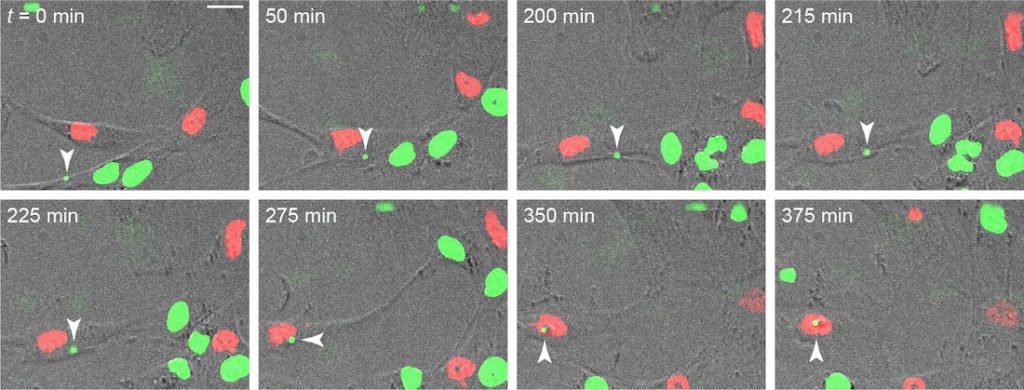
Live-cell microscopy shows a DNA-containing micronucleus (green) moving directly from one human cell into a nearby cell (red).

Scientists at Children’s Medical Center Research Institute at UT Southwestern (CRI) have discovered that large pieces of DNA can transfer directly between human cells, and the DNA can persist and change how the recipient cell functions. The findings, published in Cell, challenge a long-standing view that the genomes of individual human cells evolve independently from one another.

The study shows DNA damage and errors in cell division can cause pieces of genomic DNA to escape from the nucleus and move into nearby cells through nanotubes – thin, tubelike structures that briefly form when some cells come into contact.

Once inside a recipient cell, transferred DNA can enter the nucleus and become incorporated into the cell’s genome. Researchers found that transferred DNA persisted through multiple rounds of cell division, remained biologically active, and conferred new traits to recipient cells.

“This was a surprising discovery,” said study leader Peter Ly, PhD, Assistant Professor in CRI and of Cell BiologyPediatrics, and in the Harold C. Simmons Comprehensive Cancer Center. “Our findings suggest neighbouring cells may be able to directly reshape one another’s genomes in ways we did not anticipate.” 

Study first author Elizabeth Maurais, PhD, a recent graduate of the Genetics, Development and Disease Program at UT Southwestern, and other Ly Lab researchers uncovered this process while studying how cells respond to genomic instability, including DNA damage caused by chemotherapy and radiation treatment.

Using advanced live-cell microscopy, the team observed DNA moving from one cell to another. In one experiment, pieces of the Y chromosome transferred from male cells into female cells. The transferred DNA carried male-specific genes that became active in the female cells, indicating the transferred DNA remained functional after entering the recipient cell.

“There are many open questions. We now want to understand how widespread this process is, how it is regulated at the cellular and molecular levels, and what role it may play in human health and disease, including cancer,” Dr. Ly said. “These findings may have important implications for understanding how cancer genomes evolve and acquire large-scale chromosomal alterations.” 

Researchers also observed DNA transfer between different types of human cells, which Dr. Ly said suggests the findings may be a general feature of human cell biology. 

Source: UT Southwestern Medical Center

Air Liquide Deploys its Access Oxygen Programme in Madagascar to Improve Oxygen Access in Rural Areas

Photo: Supplied.

Access to oxygen is an essential component of any healthcare system. Yet, more than half of the global population still lacks access to an oxygen source1. To address this public health challenge, which is supported by the World Health Organization, Air Liquide is launching its social impact programme, Access Oxygen, in Madagascar. Relying on a local ecosystem, this program, already deployed in Senegal, Kenya, Mali, and South Africa, mobilises the Group’s longstanding expertise in medical gases to provide reliable, affordable and sustainable access to oxygen for populations in low- and middle-income countries. This initiative fully aligns with Air Liquide’s societal commitment.

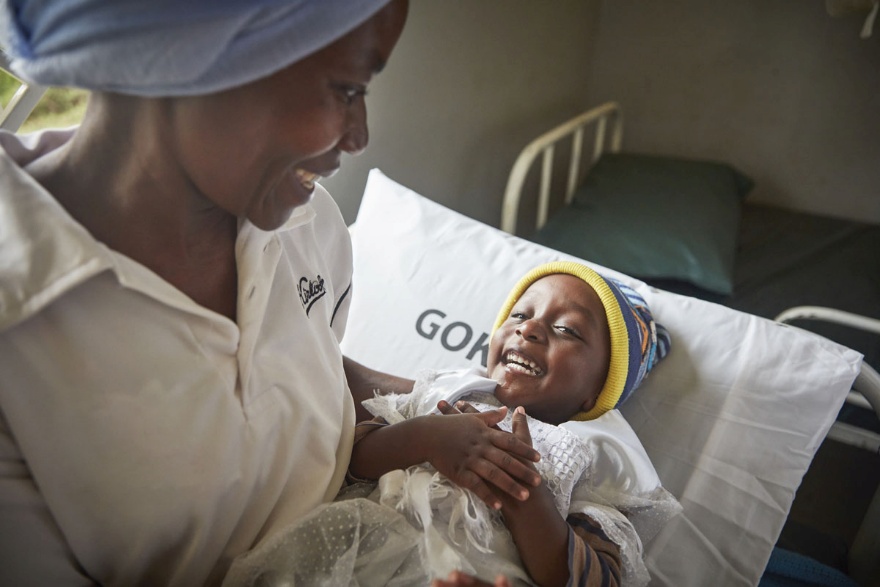
In Madagascar, the initiative is being inaugurated in eight primary healthcare centres in the Antsirabe region, south of Antananarivo. These small, community-based facilities (2 to 6 beds), serving a population of 215 000, are particularly isolated and far from hospital infrastructure. They often represent the first point of access to healthcare for patients living in rural areas.

Until now, these centres lacked access to oxygen, despite its vital role in combating maternal and infant mortality. The introduction of this solution will allow for the care and stabilisation of patients experiencing respiratory distress in premature infants, complications related to childbirth, and conditions requiring temporary respiratory support, such as pneumonia or acute and chronic respiratory crises. Once stabilised, patients could be transferred to hospitals for long-term treatment.

Access Oxygen provides a comprehensive, frugal, and autonomous oxygen therapy solution. It includes the supply of equipment (in this case, high-flow oxygen concentrators, pulse oximeters, and consumables necessary for care), as well as training for healthcare staff and technicians. For the first time, the project integrates photovoltaic panels and batteries, ensuring continuity of care even in the absence of a stable power supply. In addition, training for healthcare professionals is delivered by an Air Liquide expert. In Madagascar, Hospiteq will handle the distribution, technical maintenance, and monitoring of the medical devices. The healthcare centres are part of the Ekar Santé network.

Diana Schillag, Executive Committee Member, overseeing Sustainability, stated: ”Making oxygen more accessible where it is most needed is essential to help build sustainable healthcare systems. This is why I am particularly proud of the roll-out of Access Oxygen in Madagascar. Since its launch in 2017, this social impact program has already covered areas with a total population of more than 3.4 million people in low- and middle-income countries. This initiative perfectly illustrates Air Liquide’s societal commitment and gives it its full meaning: leveraging our historical expertise in healthcare to make a real difference for local communities.”

1 Lancet Global Health Commission on medical oxygen security Graham H, King C, Rahman A et al. “Reducing global inequities in medical oxygen access: the Lancet Global Health Commission on medical oxygen security”. The Lancet Global Health, 2025; 13, e528-e584