Net Zero Waste Hospital Certification a First for SA
Netcare Blaauwberg Hospital leads the way in reducing landfill waste
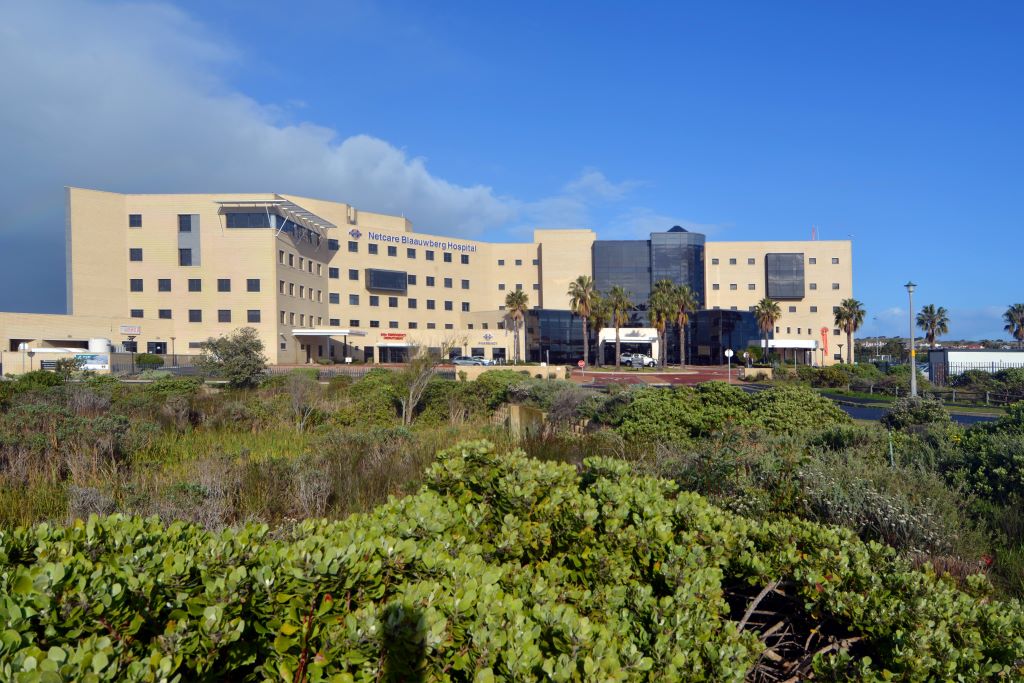
Friday, 15 May 2026: The Green Building Council South Africa (GBCSA) has recognised Netcare Blaauwberg Hospital as the first hospital in the country to achieve Net Zero Waste certification with general waste to landfill reduced by more than 90%.
Valid until 2029, this latest certification marks a new departure for healthcare in the country and a notable step in the Netcare Group’s environmental sustainability strategy, first implemented in 2013.
Chief executive officer of GBCSA, Lisa Reynolds, commended the Netcare Group’s initiative in achieving this significant milestone of Net Zero Waste certification.
“As the first hospital in South Africa to achieve the rating, it will serve as the template for other Netcare Group facility certifications, and provides a case study for all medical facilities looking to execute their sustainability goals,” she says.
“The certification process was characterised by solid teamwork, across the Netcare Group teams, the Zero Waste sustainability consultants, and the technical team at GBCSA, and it is this teamwork that is taking projects beyond the boardroom and into action.”
Alan Abrahams, Netcare’s Cape regional manager and general manager of Netcare Blaauwberg Hospital, congratulated staff and doctors on their enthusiasm for pioneering the Net Zero Waste initiative in the hospital setting.
“Caring for people and caring for the environment should be indivisible, yet progress towards sustainability requires commitment to measurable steps towards the goal of Net Zero Waste within the broader aims of the global Race to Zero,” Abrahams says.
“We appreciate Netcare leadership’s commitment and the support from the Group’s environmental sustainability team who have guided our Net Zero Waste certification journey. This would not be possible without each person in the hospital doing their part to reduce the amount of landfill waste by incorporating small changes into daily practices.”
The GBCSA’s Net Zero Waste Level 2 certification process analyses an existing building’s operational waste generated during day-to-day use and assesses how much of this waste is diverted from landfill, whereas Level 1 is a separate category measuring construction waste reduction in new buildings.
Netcare Blaauwberg Hospital successfully achieved the required diversion rate in line with global best practices through its own waste management processes, without any purchased offsets.
Dimakatso Nhlapo, Netcare’s national lead on integrated waste management, explains that a multidimensional approach is required to achieve Net Zero Waste Level 2 requirements in the healthcare setting.
“Healthcare risk waste, such as blood-contaminated items and pharmaceutical products, is managed in line with regulatory requirements and is not part of this process. Our efforts focused on the hospital’s general waste, which would otherwise be disposed of in landfill,” she explains.
“We looked at where we could minimise waste from every angle and improved the separation of general waste at source through practical measures, such as providing different bins for different types of materials.”
“The shift towards reducing the hospital’s landfill waste to less than a tenth required continuous staff training and education on waste diversion. Onsite general waste sorting systems and improved processes for the recycling of paper, cardboard boxes, plastics, textile waste, and e-waste were established to further reduce the need for landfill,” Nhlapo says.
“We identified items commonly used in the hospital that can be safely reused and set up the necessary systems to ensure they are properly cleaned and disinfected. For organic waste, such as food scraps, we also established a composting system at Netcare Blaauwberg Hospital.”
André Nortje, Netcare’s environmental sustainability manager, adds that when Netcare joined the United Nations Race to Zero 2050 global campaign in 2021, it became the first healthcare institution in Africa to do so.
“Only by setting ambitious environmental objectives can these goals be achieved. Alongside Netcare’s strategic efforts to improve energy and water efficiency and reduce reliance on non-renewable resources across our operations, minimising waste to landfill is a fundamental component of minimising our operations’ footprint on the planet,” he says.
“We anticipate that many of the learnings from this first hospital’s Net Zero Waste certification will be replicable across other Netcare hospitals and will inspire other healthcare providers and corporates to seek ways to reduce landfill waste through similar initiatives,” Nortje concludes.