A new study has identified an association between consumption of drinks containing a high amount of sugar and anxiety symptoms in adolescents.
Photo by Breakingpic on Pexels
Researchers at Bournemouth University were part of a team involved in reviewing the findings of multiple studies that have investigated people’s diets and their mental health, to establish common findings.
“With increasing concern about adolescent nutrition, most public health initiatives have emphasised the physical consequences of poor dietary habits, such as obesity and type-2 diabetes,” said Dr Chloe Casey, Lecturer in Nutrition and co-author of the study. “However, the mental health implications of diet have been underexplored by comparison, particularly for drinks that are energy dense but low in nutrients,” she added.
Anxiety disorders are a leading cause of mental distress among young people, in 2023 it was estimated that one in five children and young people had a mental health disorder, with anxiety one of the most reported conditions.
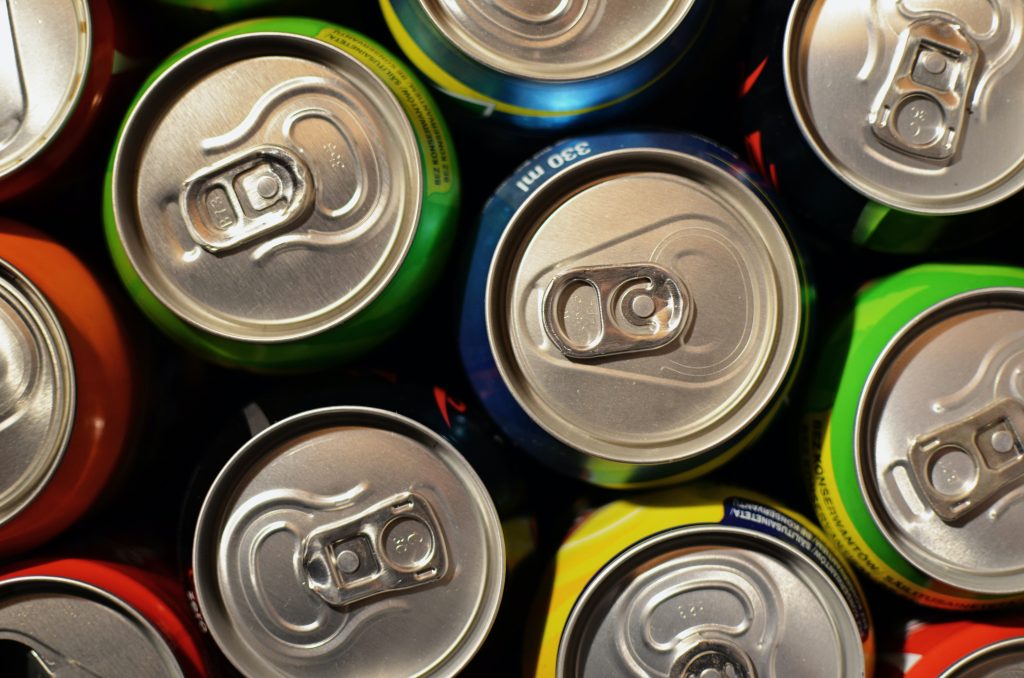
The studies investigated by the research team measured sugary drink consumption and mental health of the young people through surveys. Beverages with high amounts of sugar can include fizzy drinks, energy drinks, sugary juices, squashes, sweetened tea and coffee, and flavoured milks.
The results consistently found a link between high levels of sugary drink consumption and anxiety.
The researchers emphasise that because of the nature of the studies they investigated, the findings do not provide evidence that drinking more sugary drinks directly causes anxiety. It is also possible that experiencing symptoms of anxiety leads to some young people consuming more sugary drinks. Or there could be other common factors – for example family life and sleeping disorders – that lead to both increased consumption and symptoms of anxiety.
“Whilst we may not be able to confirm at this stage what the direct cause is, this study has identified an unhealthy connection between consumption of sugary drinks and anxiety disorders in young people,” Dr Casey said.
“Anxiety disorders in adolescence have risen sharply in recent years so it is important to identify lifestyle habits which can be changed to reduce the risk of this trend continuing,” she concluded.
The study was led by former Bournemouth University PhD student, Dr Karim Khaled, who now works at Lebanese American University, Beirut.
Mass General Brigham’s evaluation of low-field MRI performance lays potential groundwork for this technology to be a lower-cost, accessible option for breast imaging
Photo by National Cancer Institute on Unsplash
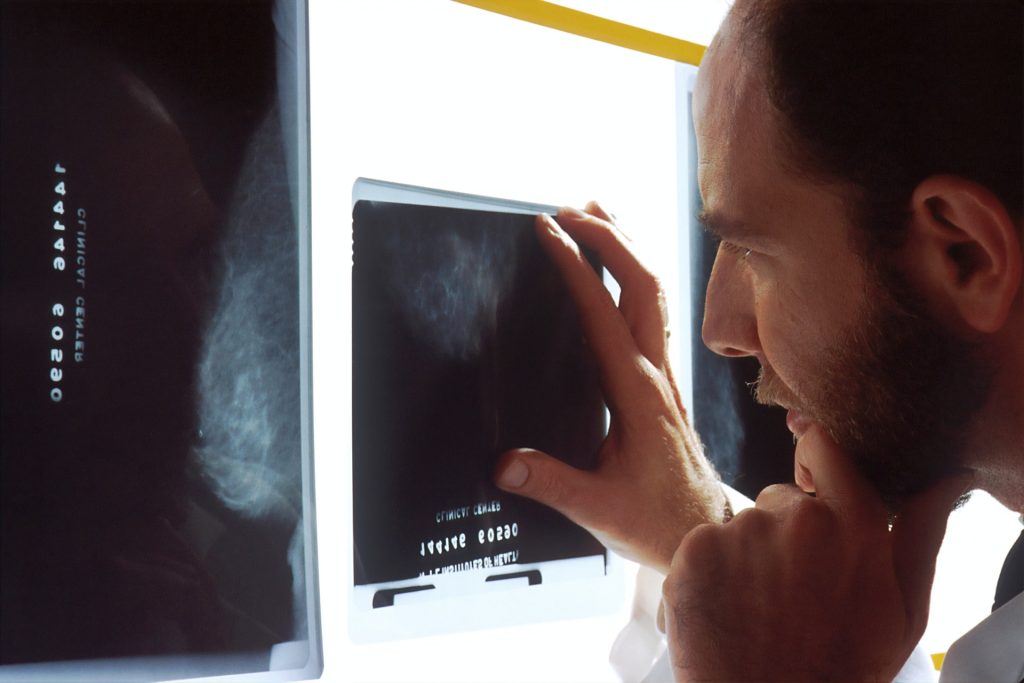
Researchers at Mass General Brigham have demonstrated the technical feasibility of using ultra-low field (ULF) magnetic resonance imaging (MRI) for breast imaging. With further refinement and evaluation, the technology could offer an alternative to existing breast cancer screening methods and may reduce barriers to screening. Results are published in Scientific Reports.
“These results are a very encouraging proof of principle, though larger studies are needed to establish diagnostic performance,” said project principal investigator and co-senior author Matthew Rosen, PhD, an associate professor of Radiology and director of the Low Field MRI laboratory in the Athinoula A. Martinos Center for Biomedical Imaging in the Mass General Brigham Department of Radiology. “They motivate our continued pursuit of safe, comfortable, lower-cost screening approaches that can expand access for patients.”
Current U.S. guidelines recommend screening mammography for women aged 40 to 74 years. Unlike mammography, ULF MRI doesn’t require breast compression, which many patients find uncomfortable. Another benefit of ULF MRI is that it doesn’t use ionizing radiation.
While higher risk patients may receive MRI screening for breast cancer, standard MRI machines are not used in routine breast cancer screening because they are expensive and not widely available. ULF MRI systems cost less than 5% of the price of standard MRI systems and have lower long-term operating costs.
In this study, ULF MRI scans were performed on 14 participants, including 11 women with no history of breast cancer, two women with a prior breast cancer diagnosis, and one woman with a benign mass.
When interpreting the ULF MRI scans, three radiologists could reliably identify essential breast features and distinguish fibroglandular tissue from adipose tissue. The authors note that discrepancies were likely related to the novelty of ULF MRI and may be reduced with additional training and experience.
“This early evidence suggests that ULF MRI can detect essential breast features and some abnormalities without radiation or injected contrast,” said co-first author Neha Koonjoo, PhD, an investigator at the Martinos Center. “These findings point to the potential for ULF MRI as an option that could complement existing screening tools in the future.”
“Even at very low magnetic field, the radiology team was able to make observations about the breast,” said co-principal investigator and co-senior author Kathryn E. Keenan, PhD, from the US National Institute of Standards and Technology. “We attempted this study in hopes that the breast features would be visible, but you don’t always have success. We’re very motivated by this study to continue our work on ultra-low-field MRI for breast screening.”
The researchers note that further study is needed to determine the diagnostic accuracy of ULF MRI for breast cancer screening, including studies in larger cohorts that include patients with benign and malignant lesions. They also emphasize that further refinements in ULF MRI technology are needed to meet clinical resolution standards for breast cancer screening.
“These results will guide the next engineering steps to improve image quality and enable a more comfortable exam and help bring screening to more settings and more patients,” said co-first author Sheng Shen, PhD, of the Martinos Center for Biomedical Imaging.
This week saw the launch of a new, far-reaching court case against NHI, protest action planned over GEMS premium increases, Gauteng doctors’ complaints over MRI machine purchases, and a new tuberculosis dashboard.
Another NHI Court Case
Yet another court case has been initiated against NHI, this time from AfriForum. Unlike previous court cases which took aim at various parts of the NHI legislation, Afriforum describes theirs as launching a “comprehensive attack” on the NHI Act. This includes summons being served on President Cyril Ramaphosa and Health Minister Aaron Motsoaledi, among others.
According to court documents, Afriforum “foresees material factual disputes” and expects there to be cross-examination and experts. The organisation cited constitutional violations, while the Department of Health contends that NHI has been through the legislation process and cannot be altered. Experts have warned that continuing legal action will bog down NHI, kicking its decades-long implementation even further down the road. Read the full story in BusinessTech.
Public Sector Unions to Protest over GEMS Increases
This weekend, public sector unions are set to take to the streets in protests over the 9.8% increase in Government Employee Medical Scheme (GEMS) premiums. This increase is far above the 3.3% increase recommended by the Council for Medical Schemes (CMS), and above the private sector increases, which range from 4.7% for Genesis to a weighted average of 8.8% for Bonitas, according to Moonstone. All of this comes in the wake of 2025’s unprecedented 10.1% average increase, with a 13.4% increase for GEMS. The nationwide protests are set to culminate in a march to GEMS’ offices next week Thursday. SABC News has more on the protests.
Gauteng Doctors Criticise Choice of MRI Machine
Doctors at Charlotte Maxeke Academic Hospital have questioned a Gauteng Health Department decision to override their choice of a Philips MRI machine. The scanner is part of a R304-million rollout of eight scanners across Gauteng public hospitals. The original choice of a Philips machine is about R10 million cheaper than the Chinese alternative, and the doctors said that it was technically superior. and the head of the hospital’s supply chain management committee warned that the change could increase costs, downtime, and clinical risk. The dispute comes amid mounting diagnostic backlogs at Gauteng hospitals, including some 2600 cancer patients at Charlotte Maxeke. GroundUp covers the story, which has also been republished on QuickNews.
New Tuberculosis Dashboard
Spotlight has launched a new tuberculosis dashboard and graph generator. Based on the latest Thembisa model data, it is the counterpart to the HIV Dashboard which was launched in November last year. Users can look backward and forward in time on a range of TB parameters, with future modelling currently out to 2030. Check out Spotlight’s tuberculosis dashboard here.
A low-fat vegan diet that doesn’t limit calories or carbohydrates could help people with type 1 diabetes reduce insulin use and insulin costs, according to new research by the Physicians Committee for Responsible Medicine published in BMC Nutrition.
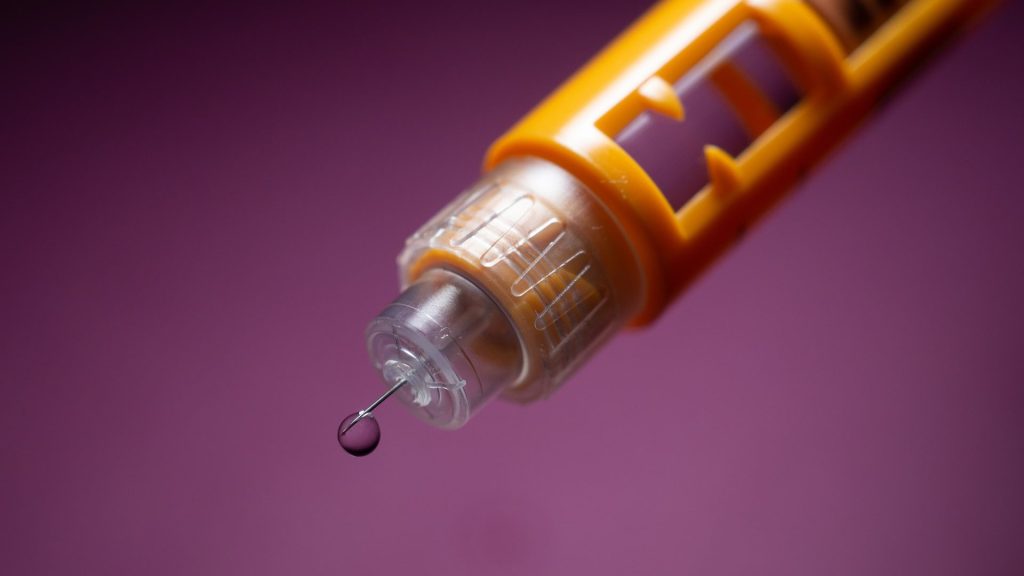
The new research, which is a secondary analysis of a 2024 Physicians Committee study, compared the effect of a low-fat vegan diet to a portion-controlled diet on insulin use and insulin costs in people with type 1 diabetes. The analysis found that the total dose of insulin decreased by 28%, or 12.1 units, per day in the vegan group, compared to no significant change in the portion-controlled group. The reductions in insulin use in the vegan group likely reflect improved insulin sensitivity, or how well the body responds to insulin. Total insulin costs decreased by 27%, or $1.08 per day, in the vegan group, compared to no significant change in the portion-controlled group.
The 2024 study found that a vegan diet also led to an average weight loss of 11 pounds, improved insulin sensitivity and glycaemic control, and improved cholesterol levels and kidney function in people with type 1 diabetes.
The new research comes as insulin prices in the United States continue to rise. Spending on insulin in the United States tripled in the past 10 years, reaching $22.3 billion in 2022, due to the increased usage and higher price of insulin, according to the American Diabetes Association. The inflation-adjusted cost of insulin increased by 24% from 2017 to 2022.
“As insulin prices continue to rise, people with type 1 diabetes should consider a low-fat vegan diet, which can help improve their insulin sensitivity and reduce the amount of insulin they need, potentially saving them hundreds of dollars a year,” says Hana Kahleova, MD, PhD, the lead author of the study and director of clinical research at the Physicians Committee for Responsible Medicine.
As thousands of cancer patients wait months for diagnostic scans, senior clinicians at Charlotte Maxeke Academic Hospital have questioned a decision by the Gauteng Health Department to override their choice of MRI machine.
In a letter to Gauteng Health Department’s acting chief financial officer, the head of supply chain management at the hospital, Solly Mokgoko, expressed a concern that a recommendation by the head of radiology and the acting clinical director to buy a Philips scanner had been overridden by the Gauteng health department’s central office. The letter is dated 31 October 2025.
Mokgoko said the doctors had preferred the Philips MRI scanner – at a cost of about R27.4-million – on the grounds of “technological advancement, operational sustainability, and clinical research potential”.
However, the department had chosen a machine from Mamello Clinical Solutions at R38.5-million, they said. The room in which the machine will be installed is currently being prepared.
The letter said the Philips unit’s cost “offers reduced lifecycle expenditure due to minimal helium dependency and extended operational uptime”. The Philips scanner used low-maintenance technology, “requiring minimal or no helium top-ups, thereby reducing lifecycle costs and mitigating downtime risks”.
The Mamello-proposed model, by contrast, “relies on traditional cryogenic technology, which entails higher running costs and environmental exposure”, they said.
They said the decision is inconsistent with value-for-money principles set out in the Public Finance Management Act (PFMA) and Treasury regulations.
The purchase of a Chinese MRI scanner from Mamello is part of a R304-million roll-out of eight scanners across Gauteng public hospitals, in which roughly R190-million has been awarded to Mamello Clinical Solutions (five machines) and the remainder to Philips SA.
The Gauteng Department of Health rejected any suggestion of irregularity, saying the purchase was made under a lawful, competitively awarded contract and that both suppliers met the required technical standards.
In this case, the original procurement contract was drawn up by the Limpopo Health Department, with the Gauteng department piggybacking on it.
Clinicians at Charlotte Maxeke who spoke to GroundUp say the procurement shift occurred without adequate consultation and against explicit technical recommendations — allegations the department disputes.
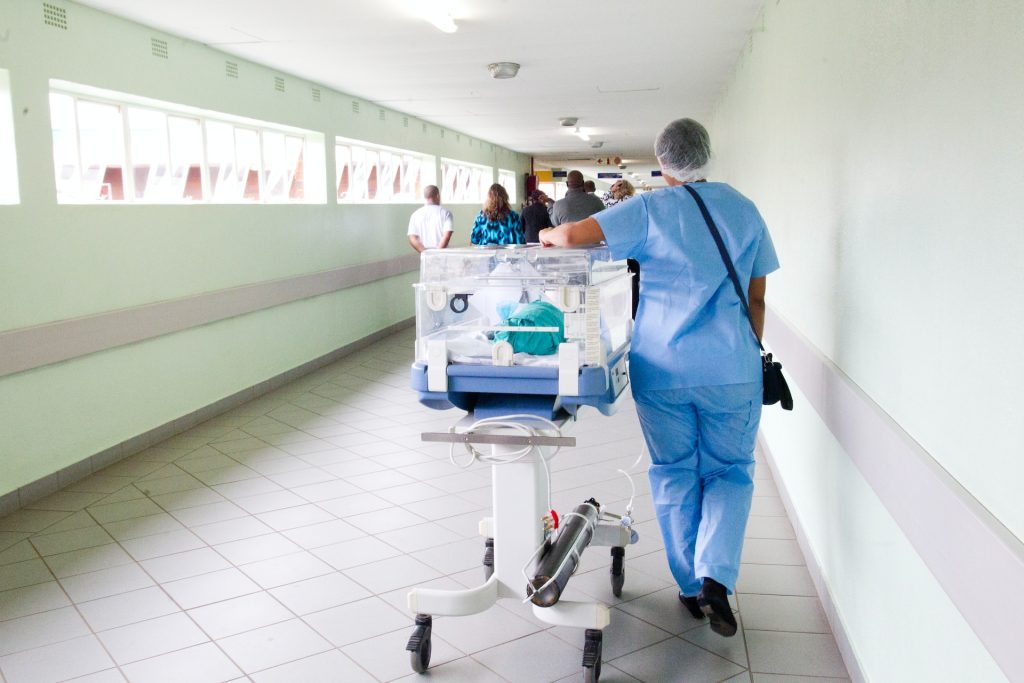
Approximately 2,600 oncology patients are awaiting MRI scans at Charlotte Maxeke alone, with outpatient bookings extending to December 2026. Similar waiting lists exist at Chris Hani Baragwanath Academic Hospital.
The letter said that besides the external patient scans waiting list, there are over 50 inpatients awaiting scans.
One department head said: “How can the hospital order an MRI that’s over R10-million more expensive in an environment where it can’t even provide decent food, [and where there is] widespread cost-cutting and a dire shortage of doctors?” Late last year, the hospital made headlines for shortages of adequate patient meals.
Mamello Clinical Solutions, a private company based in Polokwane, was established in December 2014, trading as Mamello Development until 2019 when it changed its name. Robert Makhubedu, its sole director, was appointed in June 2023 after two previous directors resigned, according to official company registration records.
Makhubedu previously worked as chief radiographer at Charlotte Maxeke Hospital in the early 1990s, then spent more than two decades as director of business development at Tecmed, before joining Mamello Clinical Solutions.
A Gauteng Health Department spokesperson “categorically” denied any irregular, inflated or non-compliant procurement.
He said the MRI acquisitions had been made under a lawful, competitively advertised contract which had been evaluated in line with constitutional, PFMA and Treasury requirements.
Philips Healthcare and Mamello Clinical Solutions had both met minimum safety, functional and performance specifications, he said.
While acknowledging that Charlotte Maxeke clinicians preferred the Philips MRI, the spokesperson said procurement decisions could not be driven by “brand preference or proprietary technology.” He said over the life of the machine the price difference between the two was about R1.07-million, not R11.1-million.
Treasury rules, he said, did not permit sole-supplier selection where multiple bidders meet approved specifications. Multi-supplier models were standard public-sector practice.
Makhubedu pointed out that the tender had not called for a “helium-free” scanner. He attributed the doctors’ complaints to a combination of “brand bias” and hostility towards emerging black-owned companies, compared to multinationals.
“Some black companies awarded these contracts in the past could not relate to the business and clinical profile of the projects,” he said. “The legacy of that is that you have to prove yourself all the time.”
Makhubedu said that provinces tried to strike a procurement balance between emerging and established companies. He said his scanner was in fact R300,000 cheaper than the Philips machine over the life of the machine, and Mamello was capturing market share because of scanner quality and price.
“We believe we were fairly, legally and transparently awarded the contract. And we were cheaper.”