Year: 2025

Foreign Cuts Force South Africa to Rethink Healthcare with Local Solutions

Operations Executive Lucelle Iyer

Johannesburg, 15 May 2025 – South Africa’s healthcare sector faces mounting pressure as international funding withdrawals threaten critical research and services.

Without the financial support, medical advancements are being jeopardised and access to care for vulnerable communities is limited.

With leading universities bracing for losses exceeding R800 million annually, experts warn of setbacks in disease treatment and public health initiatives. As foreign aid recedes, South Africa must look inward for sustainable solutions to safeguard its healthcare future.

At Adcock Ingram Critical Care (AICC), newly appointed Operations Executive Lucelle Iyer is part of a new wave of industry leaders focused on local solutions. Rather than relying on global models, she is driving efforts to strengthen domestic production and innovation. As public health programmes face uncertainty, the role of private-sector initiatives in sustaining healthcare access is becoming increasingly critical.

South Africa’s ability to bridge healthcare gaps and extend services to underserved communities increasingly depends on local innovation and resourcefulness. As AICC expands its investment in modernising plants and developing local talent through 2025, its initiatives could serve as a model for sustainable pharmaceutical manufacturing in South Africa and potentially across the continent. By focusing on innovation and homegrown expertise, the company is contributing to the broader effort to strengthen self-sufficiency in African healthcare.

The push towards localisation addresses the country’s significant dependence on imported pharmaceutical products and active pharmaceutical ingredients (APIs). In 2024, pharmaceutical imports to South Africa were valued at approximately $2.42 billion USD.1 Even though more than 60% of pharmaceutical products sold in South Africa are formulated locally, approximately 98% of APIs2 used in local formulation are imported.

This reliance exposes the healthcare system to risks like exchange rate fluctuations and supply chain disruptions, highlighting the need for increased local production. “We’ve seen the impact of the fragility of local supply chains on our hospitals, especially in rural and under-resourced areas,” says Iyer. “South Africa needs a manufacturing base that is resilient, scalable, and locally relevant.”

Iyer’s leadership is shaped by a philosophy of resilience, innovation, and strategic execution. As the first woman to lead operations at AICC and one of the youngest professionals to hold such a pivotal role, she has broken barriers in a traditionally male-dominated industry. Her success is driven by a solutions-focused mindset, tackling challenges with a commitment to progress and impact.

Building a future-proof pharma ecosystem

The shift to a local-first strategy is part of a broader sector-wide call for policy support and investment into the domestic pharmaceutical value chain. Experts argue that localisation is not only a health security imperative, but an economic opportunity — capable of generating skilled jobs and retaining healthcare spending within national borders.

“Pharma manufacturing has long been seen as too complex or too costly for the local context,” says Iyer. “But technology has changed that. Smart factories, digital quality control, and automation can make local production competitive.”

AICC’s comprehensive strategy includes:

  • Digitisation of production and regulatory compliance systems
  • Building local expertise in pharmacy, engineering, and biotechnology
  • Collaboration with stakeholders to streamline regulatory frameworks
  • Incorporating sustainability and circular economy principles into packaging and plastics manufacturing

Leveraging compliance for competitive advantage

AICC also challenges the common perception that regulatory compliance limits innovation. Instead, the company integrates compliance strategically into its digital transformation, embedding quality assurance and regulatory preparedness from the outset.

“When systems are designed with compliance in mind from the beginning, it greatly reduces rework and crisis management, turning quality into a driver of efficiency,” says Iyer, who brings extensive experience in regulatory affairs, quality management, and pharmaco-economics to her role.

A pivotal moment for the industry

South Africa’s pharmaceutical sector stands at a crossroads, with the potential to become a regional hub for essential medicines, medical devices, and biosimilars. Realising this ambition, however, hinges on coordinated efforts across public, private, and academic sectors to drive innovation, expand capacity, and ensure long-term sustainability.

“Our goal isn’t to replicate models from Europe or the US,” says Iyer. “It’s about creating a pharmaceutical ecosystem designed specifically for our unique needs – efficient, ethical, and sustainable.”

References:

1. Trading Economics. South Africa Imports of Pharmaceutical Products. April 2025. Available from: https://tradingeconomics.com/south-africa/imports/pharmaceutical-products

2. The Department of Trade Industry and Competition. API Development and Manufacturing https://www.thedtic.gov.za/wp-content/uploads/Opinion-Piece-API-Development-and-Manufacturing.pdf
The Hidden Connection Between Herpes and Alzheimer’s

A new study has uncovered a surprising link between Alzheimer’s disease and Herpes Simplex Virus-1 (HSV-1).

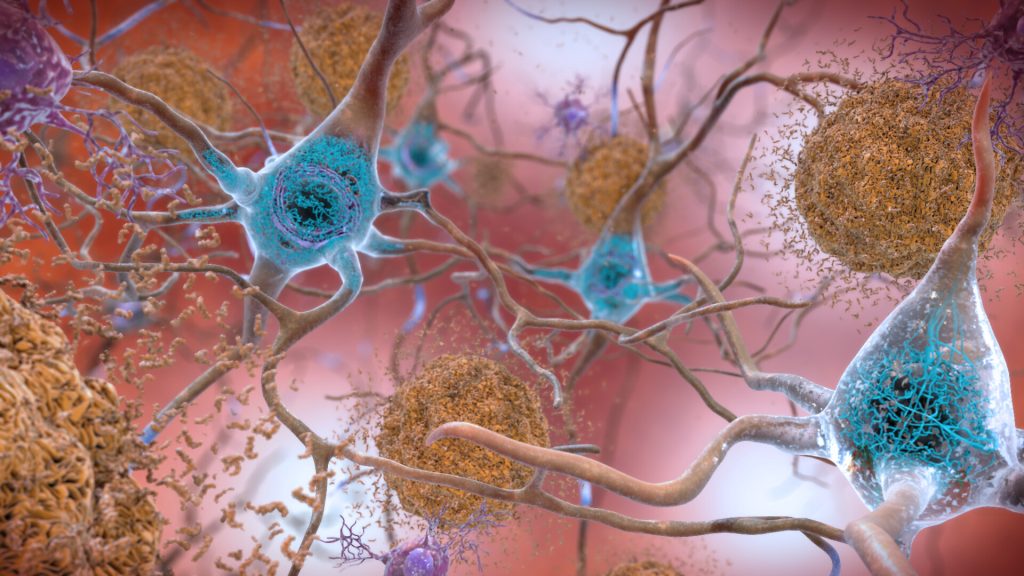
Neurons in the brain of an Alzheimer’s patient, with plaques caused by tau proteins. Credit: NIH

A new study led by Dr Or Shemesh at the Hebrew University of Jerusalem has uncovered a surprising connection between Alzheimer’s disease and the Herpes Simplex Virus-1 (HSV-1). The research team used advanced techniques to identify 19 HSV-1-related proteins in the brains of people with Alzheimer’s, across all stages of the disease. This discovery, published in Cell Reports, strengthens the growing evidence that infections like HSV-1 might play a role in the development and progression of Alzheimer’s.

One key finding was the increased activity of a herpesvirus protein called ICP27, which became more prominent as the disease advanced. This protein was found to occupy the same space as tau, a brain protein that becomes harmful when it undergoes changes in Alzheimer’s disease, but it did not appear near amyloid plaques, another hallmark of the illness. This suggests that HSV-1 may directly affect tau and contribute to the changes seen in Alzheimer’s.

The team’s experiments with human brain organoids derived from stem cells revealed that HSV-1 infection can increase tau modifications at specific sites linked to Alzheimer’s disease.

Remarkably, these modifications seem to help protect brain cells early on by reducing the amount of virus and preventing cell death. However, as the disease progresses, these same processes may contribute to the brain damage associated with Alzheimer’s. The study also highlighted the role of Alzheimer’s pathologies as part of the brain’s natural immune system in this process, focusing on a pathway called cGAS-STING, which influences tau changes.

Dr Shemesh explained, “Our research shows how HSV-1 interacts with the brain and influences the pathologies of Alzheimer’s disease. Early on, the changes in tau may protect brain cells by limiting the virus, but as the disease advances, these same changes could lead to more harm and accelerate neurodegeneration.”

This study provides new insights into how infections and the brain’s immune response may be involved in Alzheimer’s disease. It suggests that targeting viral activity or modifying the immune system’s response could offer new treatment possibilities. While more research is needed to fully understand these processes, these findings open the door to innovative ways to slow or stop the progression of this devastating disease.

The research paper titled “Anti-Herpetic Tau Preserves Neurons vis the cGAS-STING-TBK1 Pathway in Alzheimer’s Disease” is now available in Cell Reports and can be accessed at https://www.cell.com/cell-reports/fulltext/S2211-1247(24)01460-8 

Source: The Hebrew University of Jerusalem

Vitamin Supplements Slow Down the Progression of Glaucoma

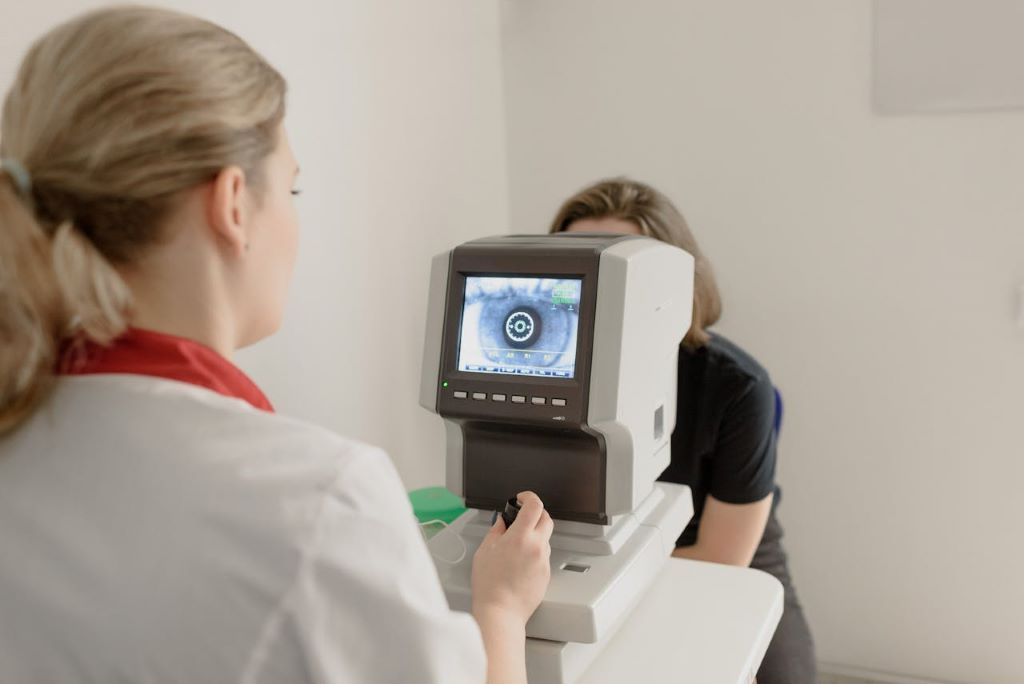
Photo by Ksenia Chernaya

A vitamin supplement that improves metabolism in the eye appears to slow down damage to the optic nerve in glaucoma. Promising results have been published in the journal Cell Reports Medicine. The researchers behind the study have now started a clinical trial on patients.

In glaucoma, the optic nerve is gradually damaged, leading to vision loss and, in the worst cases, blindness. High pressure in the eye drives the disease, and eye drops, laser treatment or surgery are therefore used – with varying effect – to lower the pressure in the eye and thus slow down the disease.

Glaucoma researchers have long theorised that the substance homocysteine is somehow relevant to understanding the disease. Now, researchers at Karolinska Institutet have investigated the role of homocysteine in several ways. In the current study, the researchers discovered that when rats with glaucoma were given elevated levels of homocysteine, their disease did not worsen. 

Investigated metabolic pathways

The researchers also found that high levels of homocysteine in the blood of people with glaucoma did not correlate with how quickly the disease progressed, and that glaucoma was not more common in people with a genetic susceptibility to forming high levels of homocysteine. Based on these findings, the researchers concluded that homocysteine does not drive the disease but is a consequence of it.

Since homocysteine is a natural part of the body’s metabolism, the researchers wanted to investigate metabolic pathways involving homocysteine in both rodents and humans with glaucoma. They then saw several abnormalities, the most important of which were metabolic changes linked to the retina’s ability to use certain vitamins. This change meant that metabolism was slowed down locally in the retina – and this played a role in the development of the disease. 

“Our conclusion is that homocysteine is a bystander in the disease process, not a player. Altered homocysteine levels may reveal that the retina has lost its ability to use certain vitamins that are necessary to maintain healthy metabolism. That’s why we wanted to investigate whether supplements of these vitamins could protect the retina”, says co-lead on the paper James Tribble, researcher and assistant professor at the Department of Clinical Neuroscience at Karolinska Institutet.

Promising results lead to clinical trial

In experiments on mice and rats with glaucoma, the researchers gave supplements of the B vitamins B6, B9 and B12, as well as choline. This had a positive effect. In mice that had a slower developing glaucoma, the damage to the optic nerve was completely halted. In rats, which had a more aggressive form of the disease with faster progression, the disease was slowed down. 

In these experiments, eye pressure was left untreated, which the researchers highlight as particularly interesting – it suggests that the vitamin mix affects the disease in a different way than lowering eye pressure does. 

“The results are so promising that we have started a clinical trial, with patients already being recruited at S:t Eriks Eye Hospital in Stockholm”, says James Tribble. 

Both patients with primary open-angle glaucoma (slower progression) and pseudoexfoliation glaucoma (faster progression) are included. 

Read more about the clinical trial here

Source: Karolinska Institutet

A Downside of Taurine: It Drives Leukaemia Growth

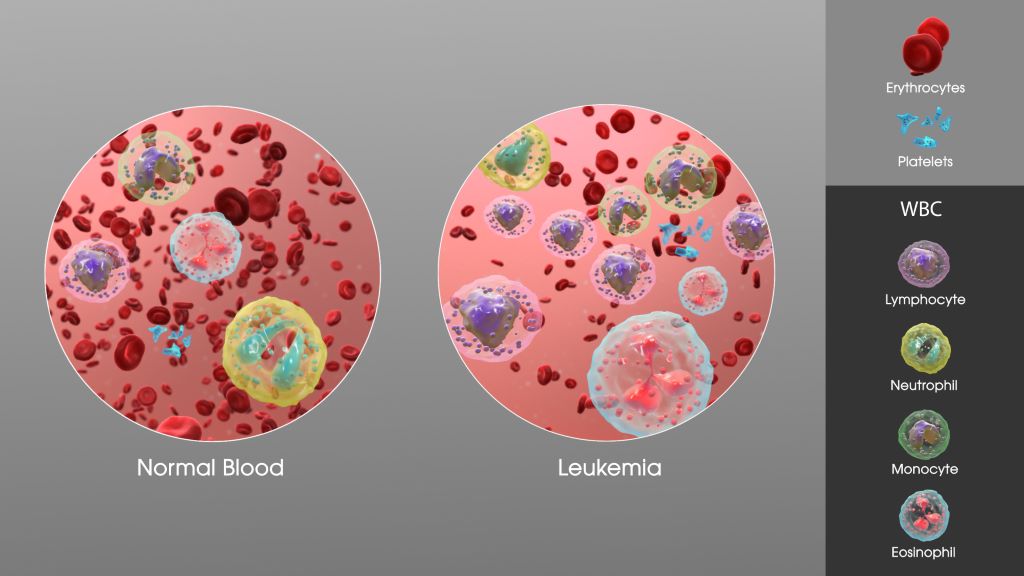
SAG Leukaemia. Credit: Scientific Animations CC0

A new scientific study identified taurine, which is made naturally in the body and consumed through some foods, as a key regulator of myeloid cancers such as leukaemia, according to a paper published in the journal Nature.

The preclinical research shows that scientists are a step closer to finding new ways to target leukaemia, which is one of the most aggressive blood cancers. The Wilmot Cancer Institute investigators at the University of Rochester were able to block the growth of leukaemia in mouse models and in human leukaemia cell samples by using genetic tools to prevent taurine from entering cancer cells.

Led by Jeevisha Bajaj, PhD, the research team discovered that taurine is produced by a subset of normal cells in the bone marrow microenvironment, the tissue inside bones where myeloid cancers begin and expand. Leukaemia cells are unable to make taurine themselves, so they rely on a taurine transporter (encoded by the SLC6A6 gene) to grab taurine from the bone marrow environment and deliver it to the cancer cells.

The discovery occurred as scientists were mapping what happens within the bone marrow and its ecosystem—a longtime focus among Wilmot researchers, who have advanced the science around the microenvironment with the goal of improving blood cancer treatments.

“We are very excited about these studies because they demonstrate that targeting uptake by myeloid leukaemia cells may be a possible new avenue for treatment of these aggressive diseases,” said Bajaj, an assistant professor in the Department of Biomedical Genetics and a member of Wilmot’s Cancer Microenvironment research program.

Researchers also discovered that as leukaemia cells drink up taurine, it promotes glycolysis (a breakdown of glucose to produce energy) to feed cancer growth. Prior to this, the authors said, it was not known that taurine might have a cancer-promoting role.

Leukaemia has several subtypes and survival rates vary. This study finds that taurine transporter expression is essential for the growth of multiple subtypes including acute myeloid leukaemia (AML), chronic myeloid leukaemia (CML), and myelodysplastic syndromes (MDS), which all originate from blood stem cells in the bone marrow. Future studies will investigate signals from the microenvironment that promote the transition of MDS, a precursor to leukaemia, to acute leukaemia.

Source: University of Rochester Medical Center

Elevated Risk of Death or Complications from Broken Heart Syndrome

Credit: American Heart Association

Takotsubo cardiomyopathy, also known as broken heart syndrome, is associated with a high rate of death and complications, and those rates were unchanged between 2016 and 2020, according to new research published in the Journal of the American Heart Association, an open-access, peer-reviewed journal of the American Heart Association.

Takotsubo cardiomyopathy is a stress-related heart condition in which part of the heart temporarily enlarges and doesn’t pump well. It is thought to be a reaction to a surge of stress hormones that can be caused by an emotionally or physically stressful event, such as the death of a loved one or a divorce. It can lead to severe, short-term failure of the heart muscle and can be fatal. Takotsubo cardiomyopathy may be misdiagnosed as a heart attack because the symptoms and test results are similar.

This study is one of the largest to assess in-hospital death rates and complications of the condition, as well as differences by sex, age and race over five years.

“We were surprised to find that the death rate from Takotsubo cardiomyopathy was relatively high without significant changes over the five-year study, and the rate of in-hospital complications also was elevated,” said study author M. Reza Movahed, MD, PhD, an interventional cardiologist and clinical professor of medicine at the University of Arizona’s Sarver Heart Center in Tucson, Arizona. “The continued high death rate is alarming, suggesting that more research be done for better treatment and finding new therapeutic approaches to this condition.”

Researchers reviewed health records in the Nationwide Inpatient Sample database to identify people diagnosed with Takotsubo cardiomyopathy from 2016 to 2020.

The analysis found:

  • The death rate was considered high at 6.5%, with no improvement over period.
  • Deaths were more than double in men at 11.2% compared to the rate of 5.5% among women.
  • Major complications included congestive heart failure (35.9%), atrial fibrillation (20.7%), cardiogenic shock (6.6%), stroke (5.3%) and cardiac arrest (3.4%).
  • People older than age 61 had the highest incidence rates of Takotsubo cardiomyopathy. However, there was a 2.6 to 3.25 times higher incidence of this condition among adults ages 46-60 compared to those ages 31-45 during the study period.
  • White adults had the highest rate of Takotsubo cardiomyopathy (0.16%), followed by Native American adults (0.13%) and Black adults (0.07%).
  • In addition, socioeconomic factors, including median household income, hospital size and health insurance status, varied significantly.

“Takotsubo cardiomyopathy is a serious condition with a substantial risk of death and severe complications,” Movahed said. “The health care team needs to carefully review coronary angiograms that show no significant coronary disease with classic appearance of left ventricular motion, suggesting any subtypes of stress-induced cardiomyopathy. These patients should be monitored for serious complications and treated promptly. Some complications, such as embolic stroke, may be preventable with an early initiation of anti-clotting medications in patients with a substantially weakened heart muscle or with an irregular heart rhythm called atrial fibrillation that increases the risk of stroke.”

He also noted that age-related findings could serve as a useful diagnostic tool in discriminating between heart attack/chest pain and Takotsubo cardiomyopathy, which may prompt earlier diagnosis of the condition and could also remove assumptions that Takotsubo cardiomyopathy only occurs in the elderly.

Among the study’s limitations is that it relied on data from hospital codes, which could have errors or overcount patients hospitalized more than once or transferred to another hospital. In addition, there was no information on outpatient data, different types of Takotsubo cardiomyopathy or other conditions that may have contributed to patients’ deaths.

Movahed said further research is needed about the management of patients with Takotsubo cardiomyopathy and the reason behind differences in death rates between men and women.

Source: American Heart Association

Under Different Anaesthetics, Same Result: Unconsciousness by Shifting Brainwave Phase

MIT study finds that an easily measurable brain wave shift may be a universal marker of unconsciousness under anaesthesia

Photo by Anna Shvets on Pexels

At the level of molecules and cells, ketamine and dexmedetomidine work very differently, but in the operating room, they do the same exact thing: anaesthetise the patient. By demonstrating how these distinct drugs achieve the same result, a new study in animals by neuroscientists at The Picower Institute for Learning and Memory at MIT identifies a potential signature of unconsciousness that is readily measurable to improve anaesthesiology care.

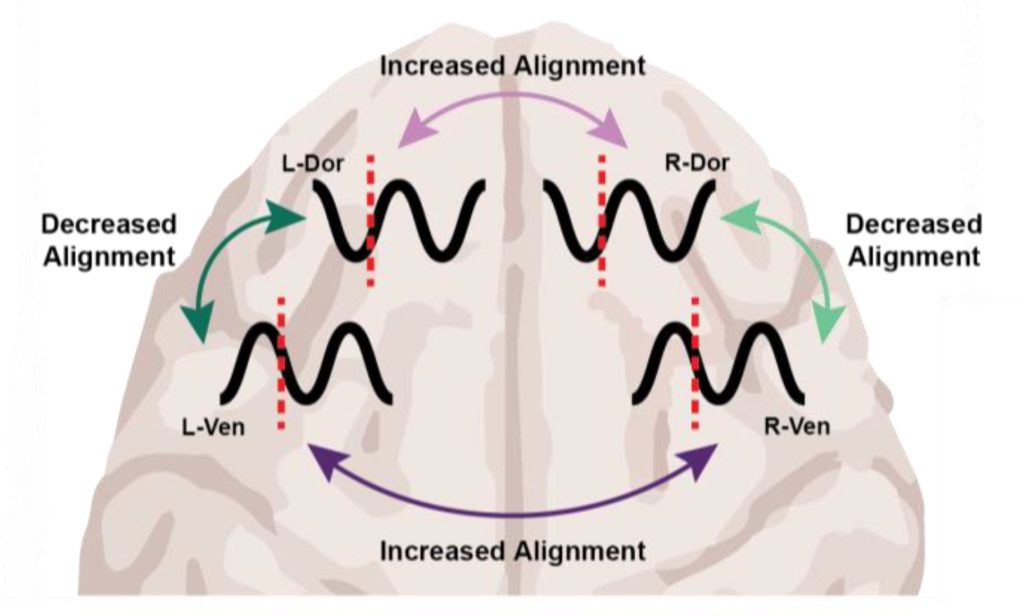
What the two drugs have in common, the researchers discovered, is the way they push around brain waves, which are produced by the collective electrical activity of neurons. When brain waves are in phase, meaning the peaks and valleys of the waves are aligned, local groups of neurons in the brain’s cortex can share information to produce conscious cognitive functions such as attention, perception and reasoning, said Picower Professor Earl K. Miller, senior author of the new study in Cell Reports. When brain waves fall out of phase, local communications, and therefore functions, fall apart, producing unconsciousness.

The finding, led by graduate student Alexandra Bardon, not only adds to scientists’ understanding of the dividing line between consciousness and unconsciousness, Miller said, but also could provide a common new measure for anesthesiologists who use a variety of different anesthetics to maintain patients on the proper side of that line during surgery.

“If you look at the way phase is shifted in our recordings, you can barely tell which drug it was,” said Miller, a faculty member in The Picower Institute and MIT’s Department of Brain and Cognitive Sciences. “That’s valuable for medical practice.  Plus if unconsciousness has a universal signature, it could also reveal the mechanisms that generate consciousness.”

A figure from the paper summarises the main findings. Under either ketamine or dexmedetomidine general anaesthesia, brain waves become shifted out of phase within a hemisphere and more into phase across hemispheres.

If more anesthetic drugs are also shown to affect phase in the same way, then anaesthesiologists might be able to use brain wave phase alignment as a reliable marker of unconsciousness as they titrate doses of anesthetic drugs, Miller said, regardless of which particular mix of drugs they are using. That insight could aid efforts to build closed-loop systems that can aid anaesthesiologists by constantly adjusting drug dose based on brain wave measurements of the patient’s unconsciousness.

Miller has been collaborating with study co-author Emery N. Brown, an anaesthesiologist and Professor of Computational Neuroscience and Medical Engineering, on building such a system. In a recent clinical trial with colleagues in Japan, Brown demonstrated that monitoring brain wave power signals using EEG enabled an anaesthesiologist to use much less sevoflurane during surgery with young children. The reduced doses proved safe and were associated with many improved clinical outcomes, including a reduced incidence of post-operative delirium.

Phase findings

Neuroscientists studying anaesthesia have rarely paid attention to phase, but in the new study, Bardon, Brown and Miller’s team made a point of it as they anaesthetised two animals.

After the animals lost consciousness, the measurements indicated a substantial increase in “phase locking,” especially at low frequencies. Phase locking means that the relative differences in phase remained more stable. But what caught the researchers’ attention were the differences that became locked in: Within each hemisphere, regardless of which anesthetic they used, brain wave phase became misaligned between the dorsolateral and ventrolateral regions of the prefrontal cortex.

Surprisingly, brain wave phase across hemispheres became more aligned, not less. But Miller notes that case is still a big shift from the conscious state, in which brain hemispheres are typically not aligned well, so the finding is a further indication that major changes of phase alignment, albeit in different ways at different distances, are a correlate of unconsciousness compared to wakefulness.

“The increase in interhemispheric alignment of activity by anesthetics seems to reverse the pattern observed in the awake, cognitively engaged brain,” the Bardon and Miller team wrote in Cell Reports.

Determined by distance

Distance proved to be a major factor in determining the change in phase alignment. Even across the 2.5 millimetres of a single electrode array, low-frequency waves moved 20-30 degrees out of alignment. Across the 20 or so millimetres between arrays in the upper (dorsolateral) and lower (ventrolateral) regions within a hemisphere, that would mean a roughly 180-degree shift in phase alignment, which is a complete offset of the waves.

The dependence on distance is consistent with the idea of waves traveling across the cortex, Miller said. Indeed in a 2022 study, Miller and Brown’s labs showed that the anaesthetic propofol induced a powerful low-frequency traveling wave that swept straight across the cortex, overwhelming higher-frequency straight and rotating waves.

The new results raise many opportunities for follow-up studies, Miller said. Does propofol also produce this signature of changed phase alignment? What role do travelling waves play in the phenomenon? And given that sleep is also characterised by increased power in slow wave frequencies, but is definitely not the same state as anaesthesia-induced unconsciousness, could phase alignment explain the difference?

Source: Picower Institute

Alzheimer’s Drug Lecanemab Well Tolerated in Real-world Use

Side effects of lecanemab are manageable, study finds

Created with Gencraft. CC4.0

The Food and Drug Administration’s approval in 2023 of lecanemab – a novel Alzheimer’s therapy shown in clinical trials to modestly slow disease progression – was met with enthusiasm by many in the field as it represented the first medication of its kind able to influence the disease. But side effects of brain swelling and bleeding emerged during clinical trials that have left some patients and physicians hesitant about the treatment. [Especially considering its $26 500 per year cost – Ed.]

Medications can have somewhat different effects once they are released into the real world with broader demographics. Researchers at Washington University School of Medicine in St. Louis set out to study the adverse events associated with lecanemab treatment in their clinic patients and found that significant adverse events were rare and manageable.

Consistent with the results from carefully controlled clinical trials, researchers found that only 1% of patients experienced severe side effects that required hospitalisation. Patients in the earliest stage of Alzheimer’s with very mild symptoms experienced the lowest risk of complications, the researchers found, helping to inform patients and clinicians as they navigate discussions about the treatment’s risks.

The retrospective study, published in JAMA Neurology, focused on 234 patients with very mild or mild Alzheimer’s disease who received lecanemab infusions in the Memory Diagnostic Center at WashU Medicine, a clinic that specialises in treating patients with dementia.

“This new class of medications for early symptomatic Alzheimer’s is the only approved treatment that influences disease progression,” said Barbara Joy Snider, MD, PhD, a professor of neurology and co-senior author on the study. “But fear surrounding the drug’s potential side effects can lead to treatment delays. Our study shows that WashU Medicine’s outpatient clinic has the infrastructure and expertise to safely administer and care for patients on lecanemab, including the few who may experience severe side effects, leading the way for more clinics to safely administer the drug to patients.”

Lecanemab is an antibody therapy that clears amyloid plaque proteins, extending independent living by 10 months, according to a recent study led by WashU Medicine researchers. Because amyloid accumulation is the first step in the disease, doctors recommend the drug for people in the early stage of Alzheimer’s, with very mild or mild symptoms. The researchers found that only 1.8% of patients with very mild Alzheimer’s symptoms developed any adverse symptoms from treatment compared with 27% of patients with mild Alzheimer’s.

“Patients with the very mildest symptoms of Alzheimer’s will likely have the greatest benefit and the least risk of adverse events from treatment,” said Snider, who led clinical trials for lecanemab at WashU Medicine. “Hesitation and avoidance can lead patients to delay treatment, which in turn increase the risk of side effects. We hope the results help reframe the conversations between physicians and patients about the medication’s risks.”

Hesitation around lecanemab stems from a side effect known as amyloid-related imaging abnormalities, or ARIA. The abnormalities, which typically only affect a very small area of the brain, appear on brain scans and indicate swelling or bleeding. In clinical trials of lecanemab, 12.6% of participants experienced ARIA and most cases were asymptomatic and resolved without intervention. A small percentage (2.8%) experienced symptoms such as headaches, confusion, nausea and dizziness. Occasional deaths have been linked to lecanemab in an estimated 0.2% of patients treated.

The Memory Diagnostic Center began treating patients with lecanemab in 2023 after the drug received full FDA approval. Patients receive the medication via infusions every two weeks in infusion centers. As part of each patient’s care, WashU Medicine doctors regularly gather sophisticated imaging to monitor the brain, which can detect bleeding and swelling with great sensitivity. Lecanemab is discontinued in patients with symptoms from ARIA or significant ARIA without symptoms, and the rare patients with severe ARIA are treated with steroids in the hospital.

In looking back on their patients’ outcomes, the authors found the extent of side effects aligned with those of the trials – most of the clinic’s cases of ARIA were asymptomatic and only discovered on sensitive brain scans used to monitor brain changes. Of the 11 patients who experienced symptoms from ARIA, the effects largely resolved within a few months and no patients died.

“Most patients on lecanemab tolerate the drug well,” said Suzanne Schindler, MD, PhD, an associate professor of neurology and a co-senior author of the study. “This report may help patients and providers better understand the risks of treatment, which are lower in patients with very mild symptoms of Alzheimer’s.”

Source: WashU Medicine

Researchers Map 7000-year-old Genetic Mutation that Protects Against HIV

Modern HIV medicine is based on a common genetic mutation. Now, researchers have traced where and when the mutation arose – and how it protected our ancestors from ancient diseases.

Photo by Sangharsh Lohakare on Unsplash

What do a millennia-old human from the Black Sea region and modern HIV medicine have in common? Quite a lot, it turns out, according to new research from the University of Copenhagen.

18–25% of the Danish population carries a genetic mutation that can make them resistant or even immune to HIV. This knowledge is used to develop modern treatments for the virus.

Until now, it was unknown where, when, or why the mutation occurred. But by using advanced DNA technology, researchers have now solved this genetic mystery.

“It turns out that the variant arose in one individual who lived in an area near the Black Sea between 6700 and 9000 years ago,” says Professor Simon Rasmussen from the Novo Nordisk Foundation Center for Basic Metabolic Research (CBMR) at the University of Copenhagen, corresponding author of a new study mapping the mutation. He adds:

“HIV is a relatively new disease – less than 100 years old – so it’s almost coincidental and very fascinating that a genetic variation that arose thousands of years ago also protects against a modern virus like HIV.”

Analyzed 900 skeletons

To determine where and when the mutation arose, researchers first mapped it by analysing the genetic material of 2000 living people worldwide. They then developed a new AI-based method to identify the mutation in ancient DNA from old bones.

The researchers examined data from over 900 skeletons dating from the early Stone Age to the Viking Age.

“By looking at this large dataset, we can determine where and when the mutation arose. For a period, the mutation is completely absent, but then it suddenly appears and spreads incredibly quickly. When we combine this with our knowledge of human migration at the time, we can also pinpoint the region where the mutation originated,” explains first author Kirstine Ravn, senior researcher at CBMR.

Thus, the researchers were able to locate the mutation in a person from the Black Sea region up to 9000 years ago – an individual from whom all carriers of the mutation descend.

Immune weakening was beneficial back then

But why do so many Danes carry a millennia-old genetic mutation that protects against a disease that didn’t exist back then?

The researchers believe the mutation arose and spread rapidly because it gave our ancestors an advantage:

“People with this mutation were better at surviving, likely because it dampened the immune system during a time when humans were exposed to new pathogens,” explains Leonardo Cobuccio, co-first author and postdoc at CBMR. He and Kirstine Ravn elaborate:

“What’s fascinating is that the variation disrupts an immune gene. It sounds negative, but it was likely beneficial. An overly aggressive immune system can be deadly – think of allergic reactions or severe cases of viral infections like COVID-19, where the immune system often causes the damage that kills patients. As humans transitioned from hunter-gatherers to living closely together in agricultural societies, the pressure from infectious diseases increased, and a more balanced immune system may have been advantageous.”

Source: University of Copenhagen – The Faculty of Health and Medical Sciences

CAR-T Cell Therapy Causes ‘Brain Fog,’ Study Shows

Killer T cells about to destroy a cancer cell. Credit: NIH

After treatment with CAR-T cells, immune cells engineered to attack cancer, patients sometimes tell their doctors they feel like they have “brain fog,” or forgetfulness and difficulty concentrating.

A new Stanford Medicine-led study shows that CAR-T cell therapy causes mild cognitive impairments, independent of other cancer treatments, and that this happens via the same cellular mechanism as cognitive impairment from two other causes: chemotherapy and respiratory infections such as flu and COVID-19. The study, conducted mostly in mice, which was published in Cell, also identifies strategies for reversing the problem.

Medications that ameliorate brain fog will enable better recovery from cancer immunotherapies, the researchers said.

“CAR-T cell therapy is enormously promising,” said senior author, Michelle Monje, MD, PhD, professor in paediatric neuro-oncology. “We need to understand all its possible long-term effects, including this newly recognised syndrome of immunotherapy-related cognitive impairment, so we can develop therapeutic approaches to fix it.”

The study’s lead authors are Anna Geraghty, PhD, senior staff scientist in the Monje lab, and MD/PhD student Lehi Acosta-Alvarez.

Cognitive impairment after CAR-T cell therapy is typically mild; patients are not developing dementia, for instance. But it is frustrating and may not resolve on its own, Monje said. In mice, her team reversed the impairment using compounds similar to existing medications or medications in clinical development – meaning a treatment could be available relatively quickly, she said.

“We’re deeply interested in how cancer therapies affect cognition because it affects patients’ quality of life,” Monje said. “And this is especially important for kids because their brains are still developing.”

Investigating brain fog

CAR-T cell therapy was approved in the US for acute lymphoblastic leukaemia in 2017. The treatment involves removing some of the patient’s own immune cells, known as T cells, and engineering them to attack targets on cancer cells. The modified T cells are returned to the patient’s body, where they recognise and destroy cancer.

In addition to leukaemia, CAR-T cells are now used to treat other blood cancers, including multiple myeloma and some kinds of lymphoma, and they are being tested in clinical trials for various solid tumours. Monje and her colleagues have an ongoing trial of CAR-T cells for deadly brain stem and spinal cord tumours in children, which is beginning to show success.

Although patients report brain fog after CAR-T cell therapy, studies to measure how much cognitive impairment the therapy causes are only just emerging.

The research team wanted to get a comprehensive understanding of the situations in which CAR-T cell therapy might cause cognitive impairment. They studied mice that had tumours induced in the brain, blood, skin and bone. The researchers wanted to understand the influence on cognition of CAR-T cell treatment in combination with the tumours’ location (originating in, spreading to or staying outside the brain), as well as the degree to which the engineered cells evoked additional, accompanying immune responses. Before and after CAR-T cell treatment, the researchers used standard cognitive tests on the mice, measuring how mice responded to a novel object and navigated a simple maze.

CAR-T therapy caused mild cognitive impairment in mice with cancers originating in, metastasizing to and located completely outside the brain. The only mice tested that did not develop cognitive impairment after CAR-T treatment were those that had bone cancer that causes minimal additional inflammation beyond the cancer-fighting activity of the CAR-T cells.

“This is the first study to demonstrate that immunotherapy on its own is sufficient to cause lasting cognitive symptoms,” Monje said. “It’s also the first paper to uncover the mechanisms. We found the exact same pathophysiology we’ve seen in brain fog syndromes that occur after chemotherapy, radiation, and mild respiratory COVID-19 or influenza.”

The researchers demonstrated that the brain’s immune cells, called microglia, are key players in the problem. First, the microglia become activated by the body’s immune response. The activated, “annoyed” microglia produce inflammatory immune molecules known as cytokines and chemokines, which in turn have widespread effects throughout the brain. They are particularly harmful for oligodendrocytes, the brain cells responsible for making myelin, the fatty substance that insulates nerve fibres and helps nerves transmit signals more efficiently. Reduction in the nerves’ insulation translates into cognitive impairment.

Examining tissue samples

The scientists also analysed samples of brain tissue from human subjects who participated in the team’s ongoing clinical trial of CAR-T cells for spinal cord and brain stem tumours. Using post-mortem tissue samples, the researchers confirmed that microglia and oligodendrocytes appear dysregulated in the same way the team had observed in mice after CAR-T therapy.

In mice, the research team tested strategies to resolve the cognitive problems. They gave a compound that depleted microglia in the brains of the mice for a two-week period. After that transient depletion, the microglia  returned in the brain in a normal, non-reactive state. The mice were no longer cognitively impaired.

The researchers also gave the mice a medication that enters the brain and interferes with signals from damaging chemokines, blocking a specific receptor for these molecules.

“That alone rescued cognition,” Monje said, adding that the researchers are now exploring how to safely translate the two strategies – transiently depleting microglia or interrupting chemokine signals – in people who have had CAR-T cell therapy.

“This research further illustrates that there is a unifying principle underpinning brain fog syndromes,” said Monje, a member of the Stanford Cancer Institute. “And this particular study is so exciting because not only have we identified the cells central to this pathophysiology, we’ve found a molecular target we can investigate to treat it.”

Source: Stanford Medicine

Privacy and Safety Highest in New Survey of Parental Concerns About Screen Time

Photo by Emily Wade on Unsplash

As kids spend more time on screens, a new national survey conducted by Ipsos on behalf of The Kids Mental Health Foundation, founded by Nationwide Children’s Hospital, identifies parents’ greatest fears for their children around screen time.

The top three fears parents have around their child and screen time are: privacy and safety concerns (47%), exposure to misinformation (36%) and not socialising in person (34%). Fewer parents ranked concerns around body image and schoolwork high on their list.

“My biggest concerns with screens are making sure that my kids don’t get exposed to things before I’m ready for them to and making sure that people aren’t trying to contact them,” said Xia Chekwa, a mom of three kids in Columbus, Ohio. “They’re aware that not everywhere is a safe place, not everything is a safe thing to watch.”

Eight in 10 parents say they actively do something to manage the screen time of kids. Parents who set screen-time boundaries say setting time limits works the best (58%), followed by encouraging offline hobbies (53%) and using parental control apps (34%).

“When it comes to screen time, we can’t expect kids to set their own limits and boundaries. because this technology is made to keep us using it,” said Ariana Hoet, PhD, executive clinical director of The Kids Mental Health Foundation and a paediatric psychologist at Nationwide Children’s. “As parents, we have to pay attention to how much they are using technology – what they are consuming on it, what are they doing with it, and who are they interacting with through various platforms of games or social media.”

The Kids Mental Health Foundation offers free, evidence-informed resources to help parents understand how to set healthy screen time boundaries and understand how phones, tablets, computers and more impact the mental health and well-being of kids.

Dr Hoet says having conversations with kids about technology and screen time is key.

Sit with them, watch how they use it, ask them questions, be engaged,” said Dr. Hoet. “And not only does that help your child feel like, oh, you’re interested in me and what I’m doing, but it helps you learn as the parent or caregiver.”

Chekwa believes having a social media plan and setting healthy boundaries with technology now will help her oldest daughter in the future.

“Eventually, there’s going to come a time when we’re not there,” said Chekwa. “And we want to make sure that she knows, and she can decipher and use her intuition for herself and not just because mom and dad said so.”

Survey methodology

This survey was conducted online within the United States by Ipsos on the KnowledgePanel® from April 4 to 6, 2025. This poll is based on a nationally representative probability sample of 1085 adult parents of children under the age of 18. The margin of sampling error is plus or minus 3.2 percentage points at the 95% confidence level, for results based on the entire sample of adults. The margin of sampling error takes into account the design effect, which was 1.14.

Source: Nationwide Children’s Hospital