
Day: November 10, 2025

Disagreement Between Two Kidney Function Tests Predicts Disease Risk
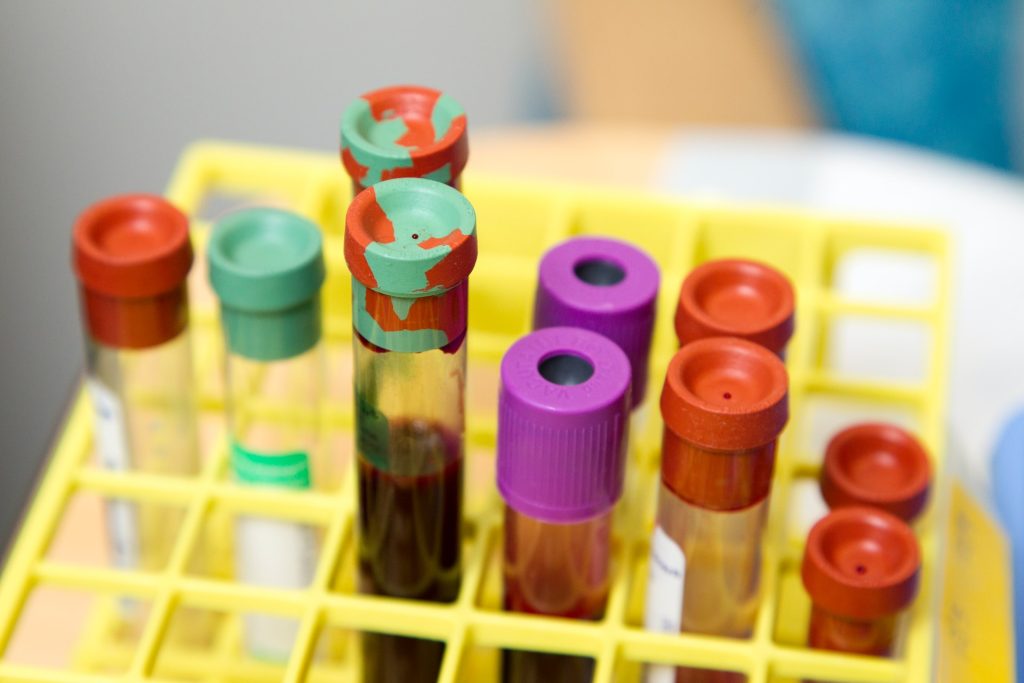
Photo by National Cancer Institute on Unsplash

A mismatch between two common tests for kidney function may indicate a higher risk for kidney failure, heart disease, and death, a new study shows.

Healthcare providers for decades have measured blood levels of creatinine to track the rate at which kidneys filter waste from muscle breakdown in the bloodstream. According to more recent guidelines, levels of cystatin C, a small protein made by all cells in the body, can also be used to measure kidney function. Since these two tests are influenced by different factors – including some related to disease or aging – using both markers together can provide a better measure of kidney function and risk of organ failure than either one alone.

Led by NYU Langone Health researchers, the new work reveals that many people, especially those who are sick, often have a large gap between the two readings, which may be a signal of future disease. Specifically, the global study shows that more than a third of hospitalised participants had a cystatin C-based readout of kidney function that was at least 30% lower than one based on their creatinine levels.

“Our findings highlight the importance of measuring both creatinine and cystatin C to gain a true understanding of how well the kidneys are working, particularly among older and sicker adults,” said study co-corresponding author Morgan Grams, MD, PhD. “Evaluating both biomarkers may identify far more people with poor kidney function, and earlier in the disease process, by covering the blind spots that go with either test.”

The study published online November 7 in the Journal of the American Medical Association and is simultaneously being presented at the American Society of Nephrology’s annual Kidney Week conference.

Beyond detecting signs of disease, assessing patients’ kidney function is important for calculating the appropriate dosage for cancer medicines, antibiotics, and many other drugs, says Dr Grams, Professor of Medicine at the NYU Grossman School of Medicine.

During another investigation, the results of which were published the same day, the same research team found that a record number of people worldwide have chronic kidney disease, which is now the ninth leading cause of death globally. Having new ways to spot the condition early can help ensure that patients receive swift treatment and avoid more-dramatic interventions such as dialysis and organ transplantation, says Dr Grams.

For the recent investigation, the research team analysed healthcare records, blood tests, and demographic data collected from 860, 66 men and women of a half-dozen nationalities. All participants had their creatinine and cystatin C levels measured on the same day and received follow-ups 11 years later, on average. The team considered factors unrelated to kidney function that influence the biomarkers’ readings, such as smoking, obesity, and history of cancer.

Performed as part of the international Chronic Kidney Disease Prognosis Consortium, the study is the largest to date to explore differences between the two tests and whether they may signal potential health problems, the authors say. Established to better understand and treat the condition, the consortium provides evidence for global definitions of chronic kidney disease and related health risks.

According to the new findings, those whose cystatin C-based measures of kidney filtration were at least 30% lower than their creatinine-based measures were at higher risk for death, heart disease, and heart failure than those who had a smaller difference between the two metrics. The former group was also more likely to be diagnosed with severe chronic kidney disease that required dialysis or an organ transplant. The same was found for 11% of outpatients and seemingly healthy volunteers.

Dr. Grams notes that while cystatin C testing was first recommended in 2012 by the international organization Kidney Disease—Improving Global Outcomes, a 2019 survey revealed that less than 10 percent of clinical laboratories in the United States performed it in-house. The two largest laboratories, Quest Diagnostics and Labcorp, now offer the test.

“These results underscore the need for physicians to take advantage of the fact that more hospitals and healthcare providers are starting to offer cystatin C testing,” said study co-corresponding author Josef Coresh, MD, PhD, director of NYU Langone’s Optimal Aging Institute. “Physicians might otherwise miss out on valuable information about their patients’ wellbeing and future medical concerns.”

Dr Coresh cautions that among the hospitalised Americans in the study, less than 1% were tested for cystatin C.

Source: NYU Langone Health

Withdrawal of US Aid Has Hurt South Africa’s HIV Programme

The cancellation of US aid funding to South Africa is harming the country’s HIV response. Source: Unsplash CC0

By Marcus Low and Nathan Geffen

The number of HIV viral load tests is significantly lower than expected, according to an analysis of data from the National Health Laboratory Service which Spotlight and GroundUp obtained through the Promotion of Access to Information Act.

The number of HIV viral load tests recorded by the National Health Laboratory Service (NHLS) is significantly less than expected since February 2025. We are aware of no compelling reason to explain this except the withdrawal of US aid.

All patients in the public health system with HIV are supposed to get viral load tests regularly, usually once a year. These tests are used to determine if HIV is being suppressed successfully in their blood using ARV medicines. If the number of viral load tests declines, it likely indicates either that patients are being lost to the public health system, they are being monitored less diligently, or the system for recording viral load tests has become less accurate. Any one of these would imply a serious hit to South Africa’s public sector HIV programme.

GroundUp and Spotlight used the Promotion of Access to Information Act to request, among other things, viral load test numbers from the NHLS. We were provided a spreadsheet with the number of tests per month for each province from January 2015 to September 2025. 

The current US Administration began taking steps to reduce US aid across the world after Donald Trump was inaugurated as president on 20 January 2025. Billions of rands have been withdrawn from South Africa. This caused some services, especially for vulnerable people — including gay men, sex workers and trans people— to close almost immediately, such as the Ivan Toms Centre in Cape Town and Wits University facilities in Johannesburg. US aid also funded support systems, such as data collection.

Public health experts have accused the government of being in denial about the consequences of the withdrawal of US aid. Health Minister Dr Aaron Motsoaledi has responded defiantly. In May, he stated that a record number of people had been initiated on ARVs over the previous months, a claim disputed by epidemiologists.

https://embed.bsky.app/embed/did:plc:jonfyv7sw4yyacspczyvtbrf/app.bsky.feed.post/3lpo5lttuks2f?id=7589772774055212&ref_url=https%253A%252F%252Fwww.spotlightnsp.co.za%252F2025%252F11%252F04%252Fwithdrawal-of-us-aid-has-hurt-south-africas-hiv-programme%252F&colorMode=dark

We asked a biostatistician to examine the NHLS data we received. She analysed the change in viral load tests by month and province over time. She found that the number of viral load tests for the period February to September this year is statistically significantly lower than what one would expect based on previous years. This confirms the view of public health experts: the withdrawal of US aid from South Africa has hit the HIV programme badly.

The decline in viral load numbers was previously reported by the Daily Maverick and Reuters for March and April. This was inevitable given the sudden withdrawal of US aid. But the new data shows that the decline has been sustained until September. The decline has occurred in every province except Limpopo.

How Viral Load Testing Performed Against Expectations, Feb–Sept 2025

ProvincePredictedActualDifference% Differencep_value
Eastern Cape545,061463,510-81,551-150.0007
Free State285,423234,671-50,752-180.0002
Gauteng1,210,8911,006,833-204,058-170.0002
KwaZulu-Natal1,475,3601,284,008-191,352-130.0001
Limpopo419,357441,31421,95750.1550
Mpumalanga532,713450,495-82,218-150.0007
North West326,907292,150-34,757-110.0002
Northern Cape64,85558,746-6,109-90.0017
Western Cape324,074290,011-34,063-110.0205
National5,184,6404,521,738-662,902-130.0003
*This table presents the expected and actual numbers of viral load tests conducted by the National Health Laboratory Service in South Africa from February to September 2025.

By looking at the change in viral load tests since 2015, a biostatistician estimated the number of viral load tests that there should have been for the period February to September 2025 using a standard linear regression model. She found that the actual number of tests declined significantly. A p-value less than 0.05 is considered statistically significant. Except for Limpopo, the p-values are substantially less than 0.05 for every province. The analysis takes into account that the NHLS suffered a data hack in 2024, and consequently, there is missing data for a few months.

An even simpler analysis also raises red flags. The absolute number of viral load tests conducted from February to September 2025 (4,521,738) is slightly lower than it was over the same period in 2023 (4,554,463) (due to a cyber attack, the NHLS’s 2024 figures are not a reliable comparison). Given that the number of people on HIV treatment is expected to increase over time and that everyone should be getting at least one viral load test per year, one would expect the number of viral load tests to have increased by a few hundred thousand since 2023.

These results show that the HIV programme has been set back. It is possible that tens of thousands of people have been lost to care. Also possible is that they are disproportionately the most vulnerable patients treated at specialist US funded facilities that closed as a consequence of the funding cuts.

Nevertheless the HIV programme is still successfully treating millions of people and South Africa is far better off than other African countries, such as Mozambique, whose response to HIV is almost entirely paid for with foreign aid.

Fewer patients have viral rebound. But is it a silver lining?

People with HIV who are on ARVs should have, after a few weeks, an undetectable amount of virus in their blood. This is what the viral load test measures. But if the ARVs stop working or a person stops taking their ARVs regularly, the virus will rebound in their blood.

The NHLS counts the number of viral load tests for which patients have more than a thousand copies of HIV per drop of blood. For these patients, the virus has rebounded in their blood.

The percentage of viral rebound cases has come down in 2025.

This might be because the standard ARV regimen has improved. A drug called dolutegravir is now part of the regimen, and it is known to do a better job of suppressing HIV than the drug it replaced a few years ago. This would be the good-news explanation, a silver lining in the data.

But it’s also possible that it’s because vulnerable patients treated in specialist clinics funded by US aid are more likely to have viral rebound and they are the ones who have been lost to the HIV programme. This would be the bad-news explanation.

At this point, we don’t have data to know which explanation of the viral rebound improvement is correct. The situation also varies substantially by province. The real picture might be a complex interaction of multiple factors.

This article was jointly produced by Spotlight and GroundUp.

Republished from Spotlight under a Creative Commons licence.

Read the original article.

Empagliflozin and Nasal Insulin Improve Brain Health in Early Alzheimer’s Disease

Created with Gencraft. CC4.0

A clinical trial from Wake Forest University School of Medicine shows that two widely available medications, the diabetes drug empagliflozin (Jardiance) and intranasal insulin, safely improve brain health in people with mild cognitive impairment and early Alzheimer’s disease. The study, published in Alzheimer’s & Dementia, marks the first time empagliflozin has been tested in non-diabetic patients with Alzheimer’s disease. The results show promising effects on memory, brain health and brain blood flow.

The research addresses a critical treatment gap for patients with Alzheimer’s disease. While recently approved anti-amyloid drugs represent progress, their benefits are modest, and they’re unavailable to many patients due to side effects and medical contraindications. They also don’t address the upstream metabolic and vascular problems that drive disease progression or help restore brain function after damage occurs.

“Our study suggests that targeting metabolism can change the course of Alzheimer’s disease,” said Suzanne Craft, PhD, lead investigator and professor of medicine and director of the Wake Forest Alzheimer’s Disease Research Center. “For the first time, we found that empagliflozin, an established diabetes and heart medication, reduced markers of brain injury while restoring blood flow in critical brain regions. We also confirmed that delivering insulin directly to the brain with a newly validated device enhances cognition, neurovascular health and immune function. Together, these findings highlight metabolism as a powerful new frontier in Alzheimer’s treatment.”

The four-week trial enrolled 47 older adults (average age 70) with mild cognitive impairment or early Alzheimer’s disease. Participants were randomly assigned to receive intranasal insulin alone, empagliflozin alone, both medications together or a placebo. 

Both medications were safe and well-tolerated. Treatment-related side effects were mild and similar across all groups. Participants found the nasal insulin device highly feasible to use (4.6 out of 5.0), and compliance rates exceeded 97% for both medications throughout the study.

The results revealed different benefits for each medication. Intranasal insulin improved performance on sensitive cognitive tests that detect early memory and thinking changes. Brain imaging showed insulin treatment increased the structural integrity of white matter connections and changed blood flow patterns in memory-critical regions. The treatment also reduced plasma GFAP, a marker of astrocyte (support cells that maintain healthy connections between blood vessels and brain cells) dysfunction that’s elevated in Alzheimer’s disease. 

Empagliflozin had different effects. The medication significantly lowered cerebrospinal fluid tau, a protein that forms toxic tangles in the brain in patients with Alzheimer’s disease. It also reduced neurogranin and vascular markers linked to disease progression and changed blood flow in key brain regions. Empagliflozin also increased HDL cholesterol, showing its beneficial metabolic effects work even in non-diabetic patients.

Both medications influenced multiple immune and inflammatory proteins in cerebrospinal fluid and blood. The changes suggest the drugs help activate protective immune responses while reducing harmful inflammation. Intranasal insulin particularly affected proteins involved in the nasal-olfactory plexus, a newly discovered pathway that connects the brain’s waste-clearance system to immune systems throughout the body.

The medications work differently but target overlapping problems. Empagliflozin, originally developed for diabetes, improves how the body processes glucose and sodium. That leads to better insulin sensitivity and vascular health throughout the body and brain. The drug also reduces oxidative stress and inflammation while improving how mitochondria produce energy in cells.

Intranasal insulin uses a precision delivery device to send insulin directly into the brain through the nose, bypassing the bloodstream. Once there, insulin activates receptors throughout the brain that keep synapses healthy, support blood vessel function, maintain white matter integrity, and regulate immune responses. Previous studies showed that lower doses of intranasal insulin preserved brain glucose metabolism and slowed white matter damage over 12 months.

The trial used higher insulin doses than previous studies (160 IU daily versus 40-80 IU) delivered through a cartridge pump system developed by Aptar Pharma and validated in earlier brain imaging studies. This device provides precise, reliable delivery to brain regions involved in memory and cognition. Empagliflozin was given at the standard 10 mg daily dose used for cardiovascular conditions in non-diabetic adults.

People with Alzheimer’s disease often have insulin resistance in the brain alongside vascular problems that reduce blood flow and nutrient delivery. These metabolic and vascular disruptions speed up the accumulation of amyloid plaques and tau tangles while preventing the brain from clearing these toxic proteins. Both medications tested in this trial target these upstream problems. 

“We plan to build on these promising results with larger, longer studies in people with early and preclinical Alzheimer’s disease,” Craft said. “Because empagliflozin or intranasal insulin improved tau tangles, cognition, neurovascular health and immune function, we believe these treatments could offer real therapeutic potential, either on their own or in combination with other Alzheimer’s therapies.”

The complementary effects of the two medications could make them valuable additions to combination therapy approaches. Since both drugs are already FDA-approved for other conditions with well-established safety profiles, they could reach patients faster than entirely new medications would.

Source: Wake Forest University School of Medicine

Solving Africa’s Hidden Snakebite Problem with a New Universal Antivenom

Photo by Nivedh P on Unsplash

In Sub-Saharan Africa, more than 300 000 people are bitten by venomous snakes annually, 3000 of whom die – but with the underreporting that goes hand in hand with the lack of healthcare infrastructure, the real number could be as much as five times higher. Many more face amputations. Even if patients manage to make it to a clinic or hospital in time, there is no guarantee that there will be any anti-venom available to treat them. As a South African case study shows, just having antivenom in the right place is a problem even in Western Cape’s relatively well-developed healthcare system, with antivenom’s three-year shelf life and cold chain failures posing a major problem for rural healthcare centres.

But now, scientists have developed a new kind of antivenom that is effective for 17 different snake species, including mambas, cobras and a rinkhals. The study, published in Nature, makes use of a nanobody-based cocktail that targets common mechanisms across venoms – and which is also more effective at preventing the tissue damage that leads to amputations.

A huge obstacle to creating broad-spectrum antivenoms is the enormous diversity of venomous snakes and the complexity of their venoms – a single species’ venom may contain 100 toxins from multiple different protein families. Listen to our podcast to hear a deep dive into Africa’s snakebite burden and how the international team of researchers accomplished their feat:

Dark Clinics, Real Risks: The Hidden Dangers of Illegal Hair Transplants in South Africa

Infections, scarring, and even death are lurking behind slick ads

Photo by Towfiqu barbhuiya

In a tiny back room, with outdated instruments and no doctor in sight, a “hair transplant” begins. Weeks later, patients arrive at legitimate clinics with infections that won’t heal, patchy or missing hair, and permanent scarring – some even with necrotic tissue. This isn’t just happening abroad in countries like Turkey and Pakistan; South Africa has its own growing underground hair transplant industry: the so-called “dark clinics”.

These clinics operate everywhere. In mobile setups, or purely online. Many are run by unlicensed practitioners who are far from registered doctors. Many staff aren’t even legally allowed to work in the country. Regulation is patchy. Enforcement is almost impossible given that they operate for a few weeks and then disappear. And the people who pay the price? Everyday men and women desperate to fix hair loss but who are unable to afford quality and safety.

“Most people have no idea what they’re walking into when visiting one of these clinics,” says Dr Kashmal Kalan, Medical Director at Alvi Armani South Africa. “We see patients quite often who come to us after unsatisfactory or botched procedures. And yes, some cases are life-threatening. These clinics operate with no oversight, no hygiene protocols, and zero accountability.”

The harm isn’t just cosmetic. Rogue clinics routinely cut corners. Non-medical staff perform invasive procedures. Sterile instruments? Often non-existent. Infection control? Minimal. Follow-up care? None. Patients are sometimes rushed into procedures without proper consent, unaware of realistic outcomes or potential complications. What starts as a “cheap deal” can quickly spiral into months of medical interventions, emotional trauma, revision surgeries, and financial strain.

Dr Kalan explains the lure: “These clinics play on insecurity, urgency, and the desire for fast results. Social media and online payments make it easy for unqualified operators to reach people. Most patients don’t ask the hard questions. They only learn the truth when it’s too late. One patient described it as the worst mistake of his life – a promise of transformation that turned into months of pain, scarring, and regret.”

Hard truths: Red flags to watch out for

A legitimate clinic is open, accountable, and transparent. Dark clinics thrive on secrecy, pressure tactics, and the promise of cheap shortcuts. Patients must ask:

  1. Is the surgeon fully qualified, licensed, and registered in South Africa?
    • Do they have a valid Health Professions Council of South Africa (HPCSA) license? Are they legally allowed to practice in South Africa?
  2. Which technique will be used and why?
    • Follicular Unit Extraction (FUE), Follicular Unit Transplantation (FUT), Direct Hair Implantation (DHI) – what’s suitable for your hair type and hair-loss pattern?
  3. How many grafts will I need, and what can I realistically expect?
    • Outcomes depend on donor area, hair quality, and pattern of hair loss.
  4. What are the risks, and how are they managed?
    • Infection control, emergency protocols, and complication plans must be clear.
  5. What aftercare is in place?
    • Who monitors healing? How frequent are follow-ups? Can you contact someone if there’s a problem?
  6. Can I see genuine before-and-after photos?
    • Photos must be comparable, real, and relevant to your hair type.
  7. Is the clinic accredited and registered with the relevant health authority?
    • The facility must be sterile, clean, and transparent.

Regulators such as the HPCSA and The South African Health Products Regulatory Authority (SAHPRA) try to police illegal clinics, but dark clinics operate under the radar – changing locations, staff, and online presence frequently, creating a perfect storm of vulnerability.

The only safe route: choose a qualified, certified, and accountable practitioner. Look for transparency, credentials, consultations, and thorough aftercare. Ask questions.

Dr Kalan warns: “Do your homework. Don’t chase the cheapest option. Cheap shortcuts in cosmetic procedures are rarely worth it. Your hair can be restored safely, but the damage from a dark clinic? That can scar you for life.”

Waist-to-Height Ratio Better than BMI at Predicting Cardiovascular Risk

Photo by Andres Ayrton on Pexels

The ratio of a person’s waist measurement compared to their height is more reliable than body mass index (BMI) at predicting heart disease risk, according to new research from UPMC and University of Pittsburgh physician-scientists. 

This finding, published out now in The Lancet Regional Health—Americas, could reshape how clinicians and the public assess cardiovascular risk, especially for people who don’t meet the classic definition of obesity. 

The team analysed data from 2721 adults who had participated in the Brazilian Longitudinal Study of Adult Health (ELSA-Brasil). The individuals had no cardiovascular disease at baseline and were followed for more than five years. 

“Higher BMI, waist circumference and waist-to-height ratio at baseline were all associated with higher risk of developing future cardiovascular disease – until we adjusted for other classic risk factors, such as age, sex, smoking, exercise, diabetes, hypertension and cholesterol,” said lead author Thiago Bosco Mendes, clinical instructor of medicine at Pitt and obesity medicine fellow at UPMC. “When we did that, only waist-to-height ratio held as a predictor.” 

Much of that predictive power is concentrated among individuals with a BMI under 30, which is below the classic threshold for obesity, who may not realise they are at risk for cardiovascular disease.  

BMI doesn’t account for fat distribution or distinguish between harmful, visceral fat and protective, subcutaneous fat. By contrast, waist-to-height ratio (WHtR), calculated by dividing waist circumference by height, directly reflects central obesity, which is more closely linked to heart disease. That means that people with a BMI lower than 30, but a WHtR over 0.5, may be at higher risk of future coronary artery calcification, a key marker of cardiovascular disease, even in the absence of other risk factors. 

“Using waist-to-height ratio as a cardiovascular screening tool could lead to earlier identification and intervention for at-risk patients who might otherwise be missed,” said senior author Marcio Bittencourt, associate professor of medicine at Pitt and cardiologist at UPMC. “It’s a simple and powerful way to spot heart disease risk early, even if a patient’s weight, cholesterol and blood pressure all seem normal.” 

Source: University of Pittsburgh School of Medicine

Weightlifting Beats Running for Glycaemic Control, Researchers Find

Study shows that resistance training outperforms endurance exercise in improving insulin sensitivity in obesity and Type 2 diabetes models.

Photo by Jonathan Borba on Unsplash

Running may help burn calories, but when it comes to preventing diabetes and obesity, pumping iron might have the edge, according to preclinical findings from Virginia Tech scientists at the Fralin Biomedical Research Institute at VTC.

The research, published in the Journal of Sport and Health Science, compared the effects of endurance and resistance exercise in mice fed a high-fat diet, a widely used model of obesity, hyperglycaemia, and Type 2 diabetes.

A team led by exercise medicine researcher Zhen Yan found that while both running and weightlifting helped the body clear excess sugar from the blood, resistance training was more effective in reducing subcutaneous and visceral fat, improving glucose tolerance, and lowering insulin resistance – key factors in preventing and managing diabetes.

“We all want to live a long, healthy life,” said Prof Yan, director of the Center for Exercise Medicine Research. “We all know the benefits of regular exercise. There is plenty of evidence in humans that both endurance exercise, such as running, and resistance exercise, such as weightlifting, are effective in promoting insulin sensitivity.” 

But while both support metabolic function, a rigorous side-by-side comparison was lacking. Is one type of exercise better than the other? 

What they did

To conduct the first direct, controlled comparison, members of the research team built something that had not previously existed: a mouse model of weightlifting.

In this model, mice lived in specially designed cages where food was accessed through a hinged, weighted lid. To eat, the mice had to lift the lid while wearing a small shoulder collar, causing a squat-like movement that engaged the muscle contractions people use during resistance exercise. The load was gradually increased over several days, mimicking progressive strength training.

For the endurance group, mice were given open access to a running wheel, an established model of aerobic exercise. Control groups included sedentary mice on either a normal or high-fat diet.

Over eight weeks, the researchers monitored weight gain, body composition, and fat distribution. They tested exercise capacity with treadmill runs, assessed heart and muscle function, and measured how well the mice regulated blood sugar. They also analyzed skeletal muscle tissue to study insulin signaling at the molecular level.

Using their novel model of resistance exercise, team members were able to directly compare how the two training styles affect obesity, blood glucose, and insulin sensitivity in a way that closely mirrors human exercise.

“Our data showed that both running and weightlifting reduce fat in the abdomen and under the skin and improve blood glucose maintenance with better insulin signaling in skeletal muscle,” Yan said. “Importantly, weightlifting outperforms running in these health benefits.”

Why this matters

Diabetes and obesity are major public health challenges, fuelled by sedentary lifestyles and high-fat diets. The findings underscore decades of clinical trials showing that endurance, resistance, and high-intensity interval training all reduce HbA1c while also lowering body mass index, blood pressure, and improving quality of life.

The new Virginia Tech study, which also involves collaborators from the University of Virginia, helps fill a critical gap by directly comparing voluntary running and weightlifting in a controlled, preclinical model of diet-induced obesity.

“The findings also bring good news for people who, for any number of reasons, cannot engage in endurance-type exercise,” Yan said. “Weight training has equal, if not better, anti-diabetes benefits.”

The researchers also saw changes in skeletal muscle signaling pathways that could inform new drug therapies for Type 2 diabetes.

Interestingly, the benefits of resistance training were not explained by changes in muscle mass or exercise performance, suggesting unique metabolic mechanisms at play.

Yan said the study underscores the idea that, while popular drug interventions like GLP-1 agonists can help with diabetes management and weight loss, they do not replace the unique, accessible, and comprehensive benefits of a well-balanced exercise programme. 

“The take-home message is that you should do both endurance and resistance exercise, if possible, to get the most health benefit,” said Yan, who is also a professor in the Department of Human Nutrition, Foods, and Exercise in the College of Agriculture and Life Sciences at Virginia Tech. 

Source: Virginia Tech